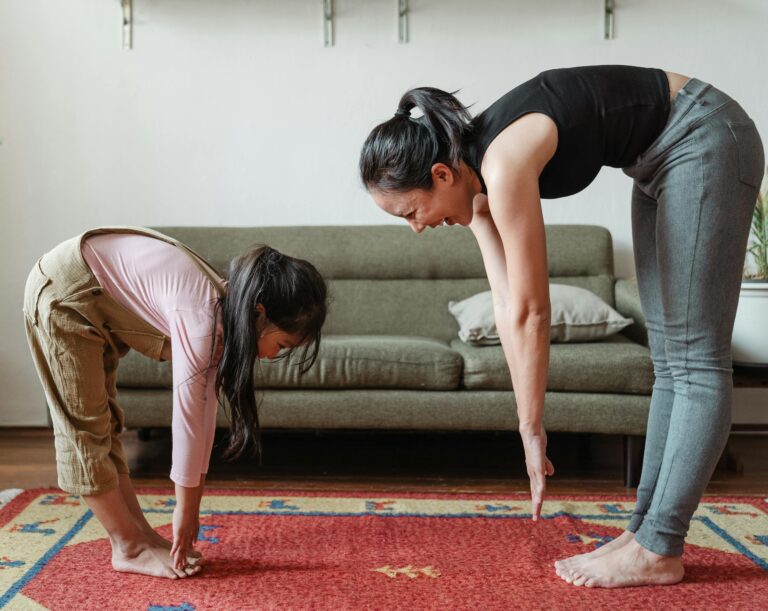

Social anxiety doesn’t always respond to the approaches we expect. For many introverts, traditional talk therapy helps, but it doesn’t reach the deeper layers where anxiety actually lives. The best alternative therapy for social anxiety depends on the person, yet certain approaches, including mindfulness-based practices, somatic work, art therapy, and nature-based methods, consistently reach places that conversation alone cannot.
What makes these alternatives worth exploring is that they work with the body and the nervous system directly, not just the thinking mind. That distinction matters more than most people realize.
My own relationship with social anxiety was complicated by the fact that I didn’t fully recognize it for what it was. I spent two decades running advertising agencies, managing client relationships with Fortune 500 brands, presenting in boardrooms, and leading teams through high-stakes pitches. From the outside, I looked like someone who had it together socially. On the inside, I was managing a constant low-grade dread before every major interaction, replaying conversations afterward, and exhausting myself trying to perform confidence I didn’t naturally feel. I thought it was just introversion. It was more than that.

If you’re exploring this topic, you might also find value in the broader collection of resources I’ve put together. The Introvert Mental Health Hub covers anxiety, emotional processing, sensory sensitivity, and more, all through the lens of how introverts actually experience these things.
Why Do Introverts Sometimes Need More Than Traditional Therapy?
Cognitive behavioral therapy is the most widely recommended treatment for social anxiety, and for good reason. It works. The American Psychological Association recognizes CBT as a first-line approach for anxiety disorders, and many people see real improvement through it. Yet a meaningful number of people, especially those who are highly sensitive or deeply internal in how they process experience, find that CBT addresses the thoughts but not the full weight of what they carry.
What’s your personality type?
Take our free 40-question assessment and get a detailed personality profile with dimension breakdowns, context analysis, and personalised insights.
Discover Your Type8-12 minutes · 40 questions · Free
consider this I mean by that. CBT asks you to identify a distorted thought, challenge it, and replace it with something more accurate. That’s genuinely useful. But for someone who has spent years absorbing social environments at a high level of detail, who notices micro-expressions and tonal shifts and the energy in a room before a word is spoken, the anxiety isn’t always rooted in a single faulty thought pattern. It’s woven into how the nervous system has learned to interpret the world.
Many introverts are also highly sensitive people, and if that’s true for you, the experience of HSP anxiety has its own texture. It’s not just worry. It’s a full-body response to stimulation, social evaluation, and the anticipation of being seen in ways that feel exposing. Alternative therapies often reach that texture more directly than talk-based approaches alone.
That’s not a criticism of traditional therapy. It’s a recognition that anxiety is a layered experience, and sometimes the most effective approach draws from multiple wells.
What Makes an Alternative Therapy Worth Considering?
Before getting into specific approaches, it’s worth being clear about what “alternative” means in this context. These aren’t fringe treatments or replacements for professional mental health care. They’re evidence-informed or complementary approaches that work alongside, or in some cases instead of, traditional therapy depending on the individual’s needs and preferences.
The Harvard Health overview of social anxiety disorder notes that treatment options extend well beyond medication and CBT, and that what works varies significantly by person. That variability is exactly why alternative approaches deserve serious attention.
What makes an alternative therapy genuinely useful for social anxiety? A few qualities stand out. It should address the nervous system, not just the narrative. It should be sustainable in real life, not just in a clinical setting. And it should feel like something you can actually do without requiring you to perform a version of yourself you’re not.
That last one matters to me personally. Some approaches to anxiety management feel like they were designed for extroverts, lots of group exposure, social rehearsal, performance-based exercises. Those have their place, but they’re not always where introverts find their footing first.
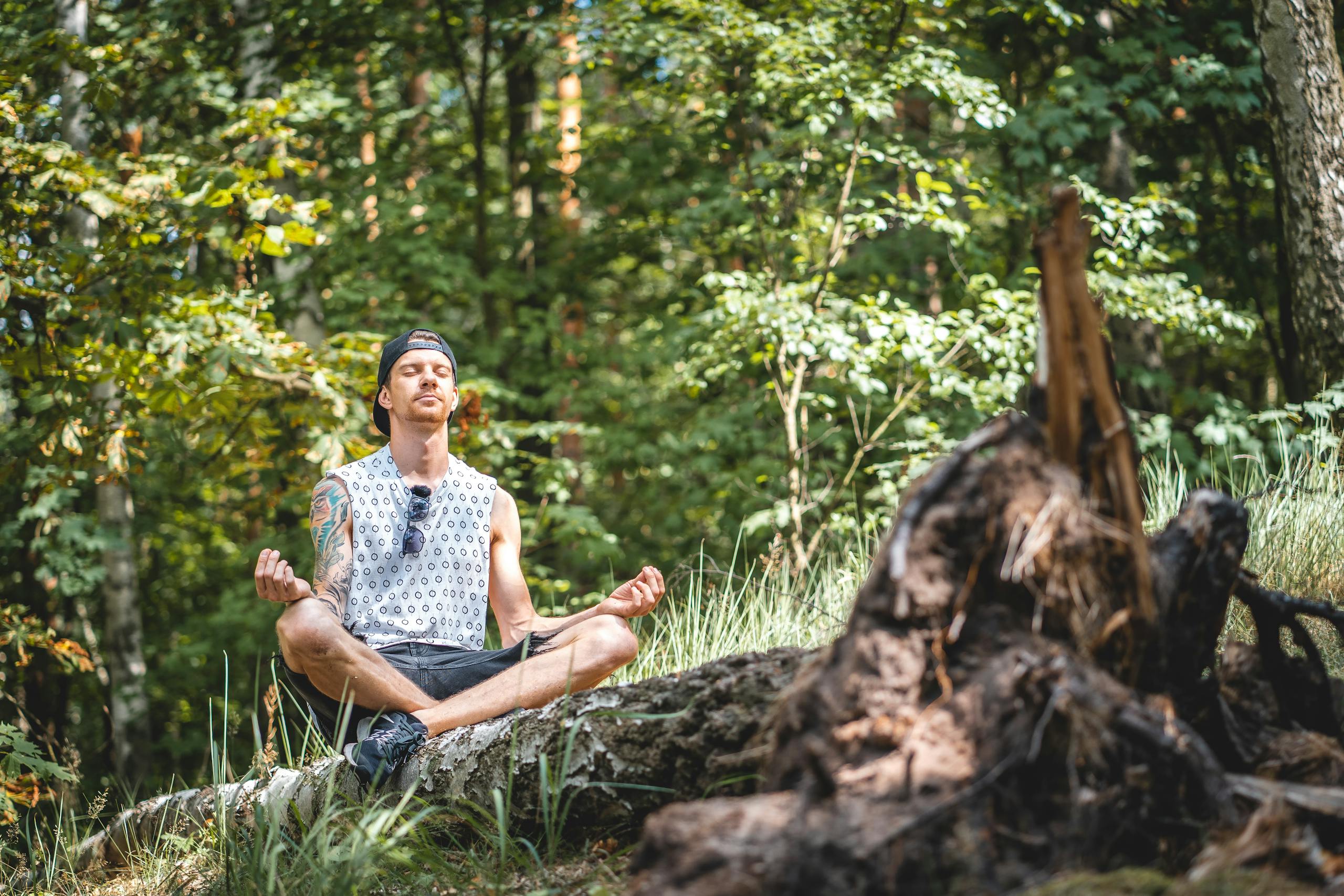
Mindfulness-Based Approaches: Working With Attention, Not Against It
Mindfulness-based stress reduction, often called MBSR, was developed to help people relate differently to pain and distress. Over time, its application expanded significantly, and there’s a solid body of clinical work supporting its use for anxiety. Mindfulness-based cognitive therapy, a related approach, combines mindfulness practices with elements of CBT specifically for people who experience recurring anxiety and depression.
For introverts, mindfulness often feels more natural than other approaches because it works with our existing tendency toward internal observation. We’re already watching ourselves think. Mindfulness simply asks us to do that with less judgment and more spaciousness.
What changed for me wasn’t a dramatic shift. It was more subtle. After years of treating my pre-presentation anxiety as a problem to solve, I started treating it as information to observe. The dread before a major client pitch didn’t disappear, but I stopped fighting it the way I had before. That shift in relationship to the feeling made it more manageable, even when it didn’t make it smaller.
One thing worth noting: mindfulness works best when it’s practiced consistently outside of anxious moments, not just deployed as a rescue tool when anxiety spikes. The nervous system learns through repetition, not through emergency interventions.
For those who also experience sensory overwhelm alongside social anxiety, the connection between mindfulness and HSP overwhelm is worth understanding. Mindfulness can help create a small pause between stimulus and reaction, which is exactly what sensory overload often collapses.
Somatic Therapy: When the Body Holds What the Mind Can’t Process
Somatic therapy is one of the most underrated approaches for social anxiety, and also one of the least understood. The basic premise is that anxiety, especially chronic anxiety rooted in early social experiences, gets stored in the body as physical tension, bracing patterns, and nervous system dysregulation. Talk therapy alone doesn’t always reach those stored patterns because they exist below the level of conscious thought.
Somatic approaches include methods like somatic experiencing, sensorimotor psychotherapy, and body-oriented practices that help the nervous system discharge tension it’s been holding. A practitioner working somatically might notice how you hold your shoulders when talking about a difficult social memory, or help you track the physical sensations that arise when you imagine a feared situation.
This resonated with me in a specific way. I noticed years ago that my body had its own response to certain social situations that my mind had long since rationalized away. I could tell myself logically that a client meeting wasn’t threatening. My chest still tightened. My breathing still shallowed. The body had its own opinion, and it wasn’t listening to my internal monologue.
Somatic work is particularly relevant for introverts who process experience deeply. That depth of processing, which is one of the defining characteristics of highly sensitive people, means that social experiences leave impressions that are more than cognitive. They’re felt, and they persist. The way HSPs process emotion is fundamentally different from surface-level reactivity, and somatic approaches honor that difference rather than trying to override it.

Nature-Based Therapy: The Quiet That Restores
Ecotherapy, sometimes called nature therapy or green therapy, is the practice of using time in natural environments as part of a therapeutic process. It ranges from structured therapeutic sessions held outdoors to more informal prescriptions of regular time in nature as part of a mental health plan.
The evidence base here is growing. Published work in PubMed Central documents the measurable effects of nature exposure on stress hormones, mood, and nervous system regulation. What’s particularly relevant for social anxiety is that natural environments tend to reduce the kind of self-focused rumination that feeds anxious cycles. When you’re genuinely absorbed in a landscape, your attention moves outward rather than inward in the anxious, self-monitoring way that social situations can trigger.
For introverts, nature often functions as a primary restorative environment. It’s social in a way that doesn’t demand performance. There’s no evaluation happening. No one is watching you to see if you say the right thing or hold yourself the right way. That absence of social evaluation is profoundly regulating for a nervous system that has been on high alert.
I’ve always done my clearest thinking outdoors. Some of my best strategic thinking for agency clients happened on long walks, not in conference rooms. At the time I thought it was just a quirk. Now I understand it as a nervous system preference. The outdoor environment was doing something for my cognitive function that the high-stimulation office environment was actively undermining.
Nature-based therapy doesn’t require a wilderness expedition. Regular time in a park, a garden, or any green space with intention, meaning with some awareness of what you’re doing and why, can be part of a genuine therapeutic practice.
Expressive Arts Therapy: Processing What Words Don’t Reach
Expressive arts therapy uses creative modalities, including visual art, music, movement, and writing, as vehicles for processing emotional experience. It’s not about being a skilled artist. It’s about using creative expression to access and work through material that resists verbal articulation.
Social anxiety often involves experiences that are hard to put into words precisely because they’re pre-verbal or deeply embodied. The shame of a social failure in childhood. The accumulated weight of feeling like you don’t belong in certain rooms. The fear of being truly seen. These aren’t always things you can simply talk your way through, because the experience of talking about them can itself activate the anxiety.
Creative expression offers a sideways approach. Writing in particular, whether journaling, poetry, or narrative writing, has long been recognized as a processing tool. There’s something about externalizing an experience onto a page that creates enough distance to examine it without being consumed by it.
One of the more surprising things I’ve encountered in conversations with other introverts is how many of us found writing before we found therapy. Not as a replacement for professional support, but as a first step toward understanding what we were carrying. That instinct toward written expression isn’t accidental. It fits the introvert’s preference for processing internally before speaking.
For introverts who carry the specific weight of social rejection, whether recent or accumulated over years, the creative processing of that experience can be genuinely healing. Understanding how HSPs process rejection helps explain why that wound often runs deeper than it “should” by external standards, and why it deserves a thoughtful approach rather than a quick reframe.

Acceptance and Commitment Therapy: A Different Relationship With Fear
Acceptance and Commitment Therapy, known as ACT, is technically an evidence-based psychotherapy rather than an “alternative” in the fringe sense. But it represents a meaningful departure from traditional CBT in ways that many introverts find more compatible with how they actually experience anxiety.
Where CBT focuses on changing anxious thoughts, ACT focuses on changing your relationship to those thoughts. success doesn’t mean eliminate anxiety or even to reduce it. It’s to stop letting anxiety dictate what you do. You can be anxious and still act in alignment with what matters to you. That distinction is significant.
The published clinical literature on ACT for social anxiety shows meaningful outcomes, particularly for people who haven’t responded fully to traditional CBT. The values-clarification component of ACT tends to resonate with introverts who are already oriented toward meaning and purpose in what they do.
What I found compelling about ACT, when I eventually encountered it, was that it didn’t ask me to pretend I wasn’t anxious. It asked me to be honest about the anxiety and then ask a different question: what do I care about enough to do anyway? That framing felt more honest than trying to talk myself out of feelings that were clearly real.
For introverts who also carry perfectionism, ACT’s emphasis on psychological flexibility rather than performance is particularly valuable. The connection between anxiety and high standards is real, and HSP perfectionism can amplify social anxiety significantly by raising the internal stakes of every interaction. ACT offers a way to hold those standards more lightly without abandoning what you care about.
Yoga and Breathwork: Regulating From the Ground Up
Yoga and breathwork occupy an interesting space in the conversation about social anxiety treatment. They’re often dismissed as wellness trends rather than therapeutic tools, yet the physiological mechanisms through which they work are well understood. Controlled breathing directly influences the autonomic nervous system, shifting the balance from sympathetic activation (the fight-or-flight state that social anxiety triggers) toward parasympathetic regulation (the rest-and-digest state that allows genuine presence).
This isn’t mystical. It’s anatomy. The vagus nerve, which plays a central role in nervous system regulation, is directly influenced by breathing patterns. Slow, diaphragmatic breathing activates vagal tone in ways that reduce physiological anxiety responses. That’s a tool that’s available to anyone, anywhere, without equipment or a therapist present.
What makes yoga specifically useful beyond the breathwork is the embodiment component. Social anxiety often involves a disconnection from the body, a tendency to live in the head, monitoring and evaluating, while the body tightens and braces below awareness. Yoga practices that emphasize body awareness rather than performance can help rebuild that connection.
I was resistant to yoga for years. It felt like the kind of thing I’d have to perform being good at, which is exactly the wrong relationship to bring to it. When I eventually found a practice that was genuinely about internal awareness rather than external form, something shifted. Not dramatically. But the baseline tension I carried in my shoulders and jaw, tension I’d had so long I’d stopped noticing it, began to ease.
For introverts who are also highly empathic, the body-awareness practices in yoga can help create clearer boundaries between your own nervous system state and what you’re picking up from others. Understanding how HSP empathy works as a double-edged quality makes clear why that distinction matters. Knowing what belongs to you and what you’ve absorbed from the room is genuinely clarifying.
How Do You Choose the Right Approach for You?
There’s no single best alternative therapy for social anxiety because there’s no single version of social anxiety. The experience varies by person, by history, by how anxiety manifests physically, and by what kind of relationship each person has with their own inner life.
That said, a few questions can help clarify where to start. Do you tend to be more in your head or more in your body when anxiety hits? If you’re primarily cognitive, ACT or mindfulness-based approaches may be a natural fit. If anxiety lives more in your body as tension, tightness, or physical bracing, somatic work or yoga might reach it more directly.
Are you drawn to creative expression? Expressive arts therapy won’t feel like therapy to someone who already journals, paints, or writes as a way of processing experience. It will feel like doing more of what already helps, with some structure and intention added.
Do you find relief in natural environments? If time outdoors already functions as a reset for you, building that into a more intentional practice is a low-barrier starting point with meaningful potential.
The Psychology Today discussion of the overlap between introversion and social anxiety is worth reading if you’re still sorting out which parts of your experience are personality and which parts are anxiety. That distinction matters for choosing the right approach, because introversion itself isn’t a problem to solve.
What I’d encourage is this: don’t wait for the perfect approach before starting. Pick one that seems most compatible with how you’re wired and give it genuine time. Anxiety that has been building for years doesn’t resolve in a session or two. The nervous system learns slowly, but it does learn.

The Place of Professional Support in All of This
Alternative therapies are most powerful when they’re part of a broader approach to mental health, not a replacement for professional care when professional care is what’s actually needed. Social anxiety disorder, as defined by the American Psychological Association, is a clinical condition that can significantly impair daily functioning. If your anxiety is at that level, please work with a qualified mental health professional alongside any alternative approaches you explore.
What alternative therapies offer is breadth. They reach parts of the anxiety experience that traditional approaches sometimes miss. They tend to be more accessible in daily life. And many of them align naturally with introvert strengths: internal awareness, depth of processing, comfort with solitude and reflection.
success doesn’t mean become someone who isn’t anxious in social situations. Some level of social awareness and caution is part of how introverts are wired, and it’s not pathological. The goal is to stop being controlled by anxiety, to be able to choose your responses rather than having them chosen for you by a nervous system running old protective programs that no longer serve you.
After twenty years of managing social anxiety in high-stakes professional environments, what I know is that the approaches that helped me most were the ones that worked with my nature rather than against it. Quiet practices. Internal awareness. Meaning-centered frameworks. Time outdoors. Creative processing. None of them made me into an extrovert. They made me into a more settled version of myself, and that turned out to be exactly enough.
There’s much more to explore across the full range of introvert mental health topics. If this article has opened up questions for you, the Introvert Mental Health Hub is a good place to keep going.
About the Author
Keith Lacy is an introvert who’s learned to embrace his true self later in life. After 20 years in advertising and marketing leadership, including running agencies and managing Fortune 500 accounts, Keith now channels his experience into helping fellow introverts understand their strengths and build fulfilling careers. As an INTJ, he brings analytical depth and authentic perspective to every article, drawing from both professional expertise and personal growth.
Frequently Asked Questions
What is the best alternative therapy for social anxiety?
There isn’t a single best option because social anxiety presents differently in different people. Mindfulness-based approaches, somatic therapy, acceptance and commitment therapy, expressive arts therapy, nature-based therapy, and yoga with breathwork all have meaningful evidence supporting their use. The most effective approach depends on whether your anxiety is primarily cognitive, physical, or rooted in past experience, and what kinds of practices feel compatible with how you’re wired.
Can alternative therapies replace traditional treatment for social anxiety?
For mild to moderate social anxiety, some people find alternative approaches sufficient, especially when used consistently over time. For social anxiety disorder that significantly impairs daily functioning, alternative therapies work best as a complement to professional mental health care rather than a replacement. The American Psychological Association recognizes CBT as a first-line treatment, and that recommendation exists for good reason. Alternative approaches add breadth and can reach aspects of anxiety that talk therapy alone doesn’t always address.
Why might introverts find alternative therapies more helpful than traditional approaches?
Many alternative therapies align naturally with introvert strengths. Mindfulness works with the introvert’s existing tendency toward internal observation. Somatic therapy honors the depth of physical and emotional processing that many introverts experience. Nature-based approaches provide restoration in environments that don’t demand social performance. These approaches don’t require introverts to simulate extroverted behavior as part of the healing process, which makes them feel more sustainable and less effortful.
How long does it take for alternative therapies to work for social anxiety?
Most alternative therapies require consistent practice over weeks to months before meaningful change becomes apparent. The nervous system learns through repetition, not through single experiences. Mindfulness practices typically show measurable effects after eight weeks of regular practice. Somatic therapy may require more time depending on how long anxiety has been present and how deeply it’s rooted. Expecting quick results often leads to abandoning approaches before they’ve had a real chance to work.
Is social anxiety the same as introversion?
No, though they frequently overlap. Introversion is a personality orientation involving a preference for less stimulating environments and a tendency to restore energy through solitude. Social anxiety is a fear-based response to social situations that involves anticipating negative evaluation, judgment, or embarrassment. An introvert may prefer smaller gatherings without experiencing anxiety about them. Someone with social anxiety may desperately want social connection but be prevented from pursuing it by fear. Many introverts do experience social anxiety, but the two are distinct, and treating them as the same can lead to approaches that miss what’s actually happening.