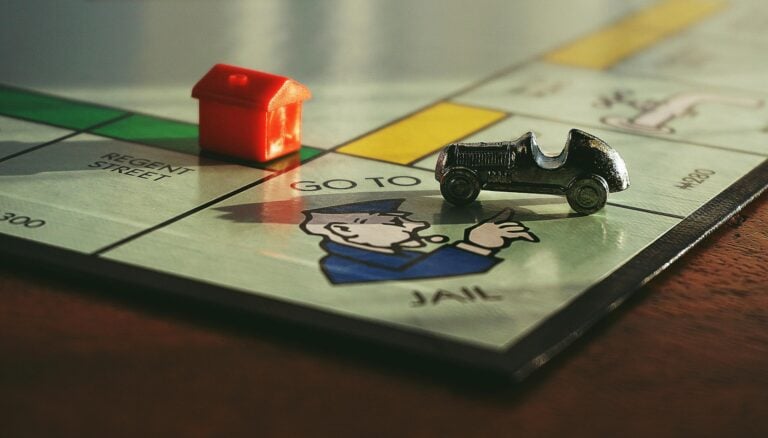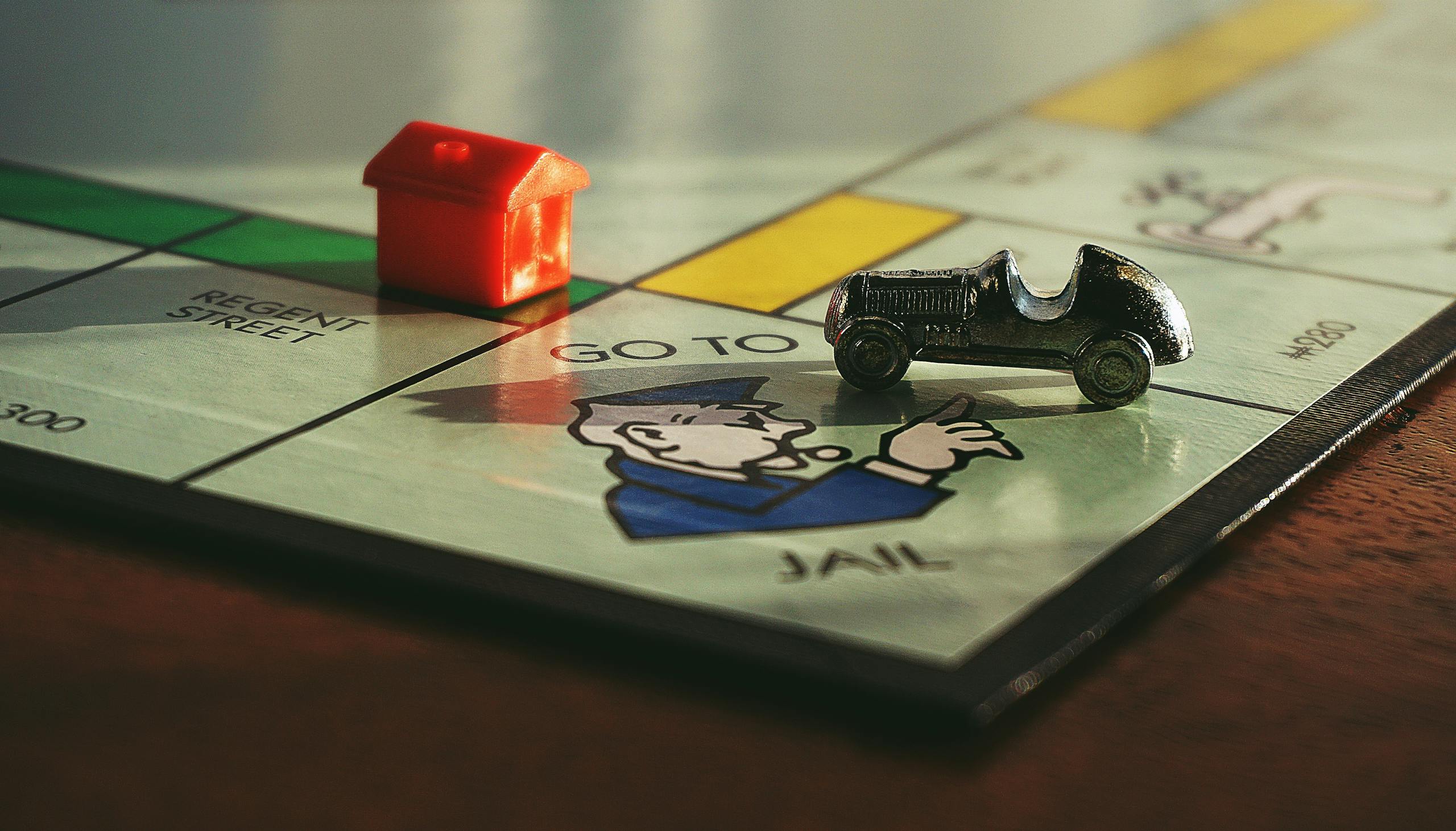

A board game for social anxiety works by creating a structured, low-stakes social environment where interaction happens through clear rules, defined roles, and shared focus, rather than the unpredictable demands of open-ended conversation. Instead of handling a cocktail party with no script and no exit, you’re sitting around a table with a purpose everyone understands.
That structure changes everything. And for people who feel their nervous system spike at the thought of unscripted socializing, it can be a genuinely useful tool for rebuilding confidence in small, manageable increments.
There’s a broader conversation happening in mental health circles about low-pressure exposure as a path through social anxiety, and board games have quietly earned a place in that conversation. Not as a cure. Not as therapy. But as a bridge.

If you’re someone who finds the social world exhausting, overwhelming, or quietly terrifying, you’re in the right place. Our Introvert Mental Health Hub covers the full emotional landscape that many introverts live in, from sensory overload to deep anxiety, and this piece adds a practical, perhaps unexpected angle to that conversation.
Why Does Social Anxiety Feel So Paralyzing?
Before we get to the games themselves, it helps to understand what we’re actually dealing with. Social anxiety isn’t just shyness, and it isn’t introversion, though the three often get tangled together in ways that confuse people. The American Psychological Association draws a clear distinction between shyness, introversion, and social anxiety disorder, and understanding those differences matters if you’re trying to figure out what’s actually happening for you.
What’s your personality type?
Take our free 40-question assessment and get a detailed personality profile with dimension breakdowns, context analysis, and personalised insights.
Discover Your Type8-12 minutes · 40 questions · Free
Social anxiety involves a persistent fear of social situations where you might be judged, embarrassed, or scrutinized. It’s not just preference. It’s dread. And that dread can be completely disproportionate to the actual threat, which is part of what makes it so disorienting. You know, on some level, that the dinner party isn’t dangerous. Your nervous system doesn’t care.
I spent years thinking my discomfort in certain social situations was purely a personality trait. I’m an INTJ. I prefer depth over breadth. I recharge alone. That’s all real. But somewhere underneath the introversion, there was also genuine anxiety about being evaluated, about saying the wrong thing in a client meeting, about whether the silence after a pitch meant I’d lost the room. Psychology Today explores this overlap thoughtfully, and reading about it years ago helped me separate what was wiring from what was fear.
The distinction matters because the tools that help with introversion and the tools that help with social anxiety are sometimes different. Introverts need recovery time. People with social anxiety often need gradual, supported exposure to the situations they fear, paired with experiences that challenge the story their nervous system is telling them.
That’s where board games enter the picture in a way that actually makes sense.
What Makes a Board Game Different From Other Social Situations?
Think about what makes most social situations hard for someone with anxiety. The unpredictability. The open-ended nature of conversation. The sense that you’re being watched and assessed without any clear criteria. The fear of running out of things to say, or saying something that lands wrong, or not knowing when it’s appropriate to speak.
A board game eliminates most of those variables. There are rules. There are turns. There is a shared task that gives everyone something to focus on besides each other. The conversation that happens around a game table tends to be contextual, which means it flows naturally from what’s happening in the game rather than requiring someone to generate it from scratch.
Early in my agency career, I noticed something interesting in our team dynamics. The most productive conversations, the ones where my quieter team members actually spoke up and contributed, rarely happened in open brainstorming sessions. They happened when we gave people a constraint. A brief. A problem to solve. A game, in the metaphorical sense. Structure freed people who found unstructured social interaction exhausting or frightening.
Board games do something similar. They create a container. And for people whose anxiety spikes in open, unscripted social environments, that container can feel like a genuine relief.
There’s also the matter of sensory predictability. Many people who experience social anxiety are also highly sensitive, and crowded, unpredictable environments can trigger what feels like system overload. If you’ve ever felt that particular kind of overwhelm in a loud social setting, the piece on HSP overwhelm and managing sensory overload speaks directly to that experience. A game night in a quieter setting gives you control over the environment in a way that most social events don’t.

What Does the Research Actually Suggest About Games and Anxiety?
The formal research on board games as a specific intervention for social anxiety is still developing. What we do have is a solid body of work on the mechanisms that make games potentially useful: gradual exposure, behavioral activation, and the role of play in reducing threat perception.
Work published in PubMed Central on anxiety and behavioral interventions supports the idea that repeated, low-stakes exposure to feared situations, when paired with positive or neutral outcomes, can gradually reduce the anxiety response over time. A board game isn’t clinical exposure therapy. But it does put you in a room with other people, give you a reason to talk, and let you walk away having survived a social interaction that didn’t go badly. That matters.
Play also has a way of lowering our psychological defenses. When you’re focused on whether to place a tile in Carcassonne or how to bluff in a deduction game, part of your brain stops monitoring the room for social threats. That shift in attention is small, but it’s meaningful. It creates moments where you’re just a person playing a game, not a person managing their anxiety about being a person.
For people who tend to process emotions deeply, those moments of genuine absorption can feel like a small vacation from the constant internal monitoring that anxiety demands. The piece on HSP emotional processing and feeling deeply captures what that internal monitoring often looks like for sensitive people, and why any tool that offers even temporary relief from it is worth paying attention to.
Which Types of Board Games Work Best for Social Anxiety?
Not all games are created equal when it comes to anxiety. Some game formats are genuinely helpful for anxious players. Others can accidentally recreate the exact dynamics that make social situations hard.
Cooperative Games
Cooperative games are probably the most anxiety-friendly format available. Everyone plays together against the game itself, which means there’s no winner-takes-all dynamic, no direct competition, and no moment where you’re singled out as the person who caused the group to lose. Games like Pandemic, Forbidden Island, or Spirit Island put the group’s attention on a shared problem. The conversation that emerges is collaborative rather than evaluative.
For someone who fears judgment or rejection, cooperative games remove the most obvious trigger. You’re not being assessed against other players. You’re working with them. That shift in social dynamic can make the difference between an evening that feels manageable and one that doesn’t.
The fear of rejection in social contexts is something many anxious people carry quietly and heavily. The way HSP rejection sensitivity affects processing and healing sheds light on why competitive social environments can feel so threatening to some people, even when the stakes seem objectively low.
Low-Complexity Gateway Games
Complexity matters. A game with a thirty-page rulebook and twelve different resource tracks puts cognitive load on top of social load, and that combination can be genuinely overwhelming for someone already managing anxiety. Gateway games, the ones designed to be accessible and quick to learn, keep the cognitive overhead low enough that you can actually be present in the room.
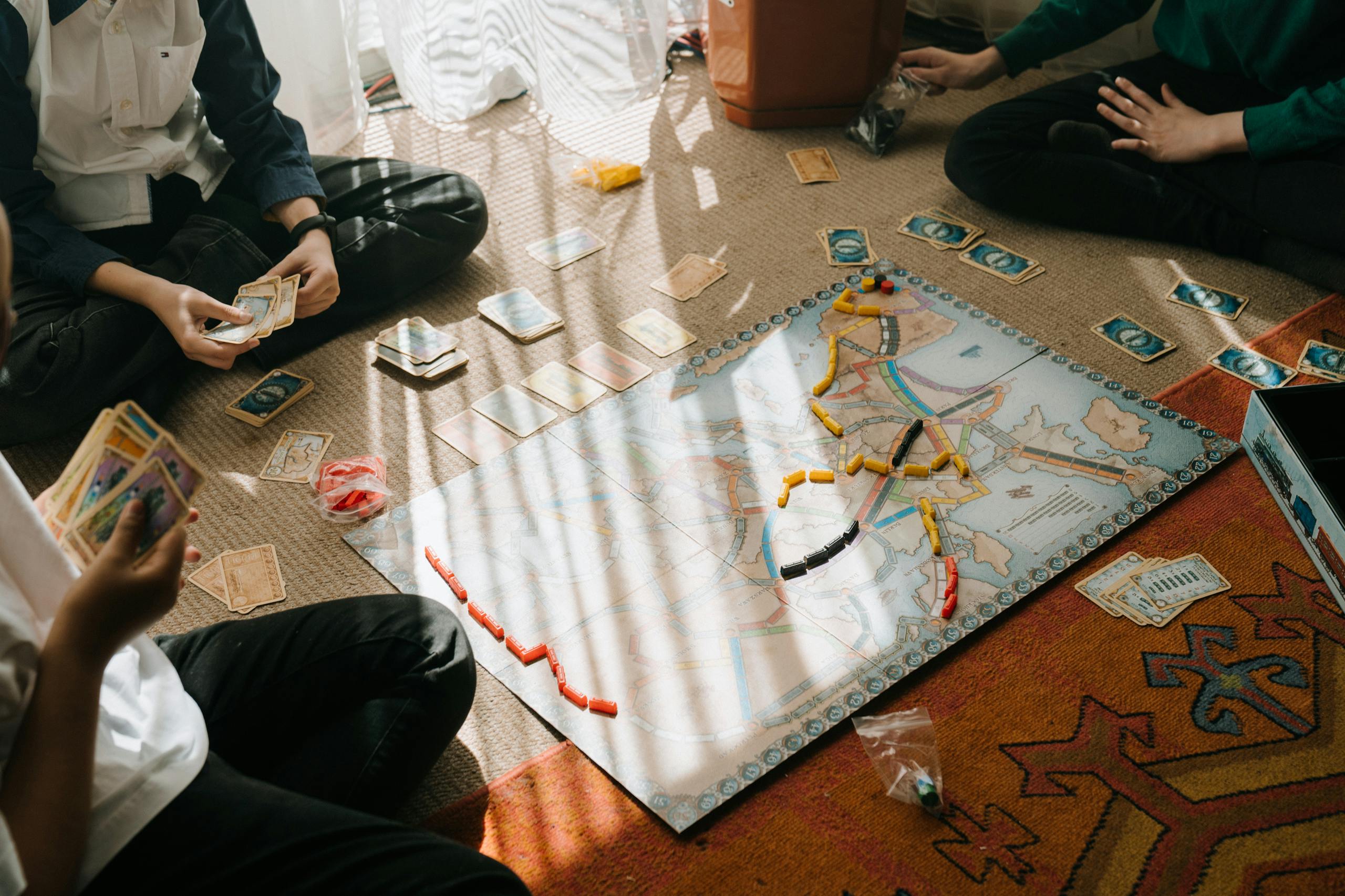
Ticket to Ride, Codenames, Sushi Go, and similar titles have low barriers to entry and short enough play times that you can exit gracefully if the evening becomes too much. That exit option matters. Knowing you can leave without ruining the game for everyone else is part of what makes a situation feel manageable rather than trapped.
Games That Create Natural Conversation
Some games are essentially structured conversation starters. Dixit, for example, asks players to interpret abstract images and share brief, evocative clues. Wavelength asks people to think about where concepts fall on a spectrum and then explain their reasoning. These games generate authentic, low-pressure conversation without requiring anyone to perform spontaneous social charisma.
That’s significant. One of the most exhausting parts of social anxiety is the pressure to generate interesting conversation out of thin air. Games that provide the raw material for conversation remove that pressure entirely. You’re not trying to be interesting. You’re responding to a prompt. The conversation flows from the game rather than from the anxious scramble to fill silence.
I watched this play out in a professional context years ago. We had a new creative director join the agency, brilliant and deeply introverted, who struggled visibly in our weekly all-hands meetings. She’d freeze, go quiet, and clearly suffer through the open-ended discussion format. On a whim, I started opening those meetings with a structured warm-up, sometimes a creative brief exercise, sometimes a rapid-fire question game. She came alive. The structure gave her something to respond to rather than requiring her to generate from nothing. Her contributions became some of the most valuable in the room.
Games to Approach Carefully
Some game formats can accidentally amplify anxiety rather than ease it. Social deduction games like Werewolf or Among Us, the board game version, require players to accuse, deceive, and defend themselves under group scrutiny. For someone with social anxiety, being the center of that kind of attention, even in a game context, can feel genuinely threatening rather than playful.
Performance-heavy games that require acting, singing, or drawing under time pressure can also backfire. The fear of being evaluated while performing is often a core feature of social anxiety, and games that recreate that dynamic don’t necessarily help people work through it. They may just confirm the fear.
This connects to something worth naming directly: perfectionism. Many people with social anxiety also carry a deep fear of doing things imperfectly in front of others. The piece on HSP perfectionism and breaking the high standards trap examines that particular pattern in detail, and it’s worth reading if you recognize yourself in it. Choosing games where there’s no “right” performance to nail can help sidestep that trigger entirely.
How Do You Actually Use Games to Work Through Anxiety?
There’s a difference between playing games as a fun hobby and using games intentionally as part of managing social anxiety. Both are valid. But if you’re approaching this as a tool rather than just entertainment, a few principles are worth keeping in mind.
Start Small and Stay in Control of the Variables
Begin with one or two people you already feel relatively comfortable with. A game night with twelve strangers is not the right starting point. A game with your partner, a sibling, or one trusted friend is. The goal in the early stages is to build positive associations with structured social interaction, not to push yourself into situations that feel overwhelming.
Control the environment where you can. Your home is almost always going to feel more manageable than someone else’s. A quiet evening is better than a loud one. Short games are better than marathon sessions when you’re building tolerance. These aren’t accommodations to be ashamed of. They’re sensible adjustments that set you up for a positive experience rather than a confirming-the-fear one.
Notice What Happens in Your Body
One of the useful things about board games as an anxiety tool is that they give you a low-stakes laboratory for noticing your own responses. Pay attention to what happens in your body as you play. Does your chest loosen up after the first twenty minutes? Do you feel a spike of anxiety when it’s your turn? Does laughter help? Does winning or losing change how you feel about the interaction?
That kind of internal observation can be genuinely informative. Many people with social anxiety are so focused on managing their external presentation that they lose touch with what’s actually happening inside. Games create enough of a shared focus that you can afford to check in with yourself without it being obvious to anyone else.
Anxiety often travels with a heightened sensitivity to others’ emotional states, which can make social situations feel like you’re absorbing everyone else’s energy on top of managing your own. The piece on HSP empathy as a double-edged sword gets into exactly that dynamic, and understanding it can help you separate your own anxiety from the emotional weather of the room.
Let Games Be Part of a Larger Approach
Board games are not a replacement for therapy, medication, or other evidence-based treatments for social anxiety. Harvard Health outlines several effective treatment approaches for social anxiety disorder, including cognitive behavioral therapy and, in some cases, medication. If your anxiety is significantly interfering with your life, those avenues are worth pursuing seriously.
What games can do is complement that work. They give you a real-world practice ground. They build positive experiences with social interaction. They help you accumulate evidence against the story your anxiety tells you, which is that social situations are dangerous and you’ll inevitably fail in them. Every game night that goes reasonably well is a small data point in the other direction.
Additional research from PubMed Central on social functioning and anxiety supports the value of real-world social practice as part of a broader approach to managing anxiety symptoms. Games won’t do the heavy lifting on their own, but they can make the heavy lifting feel slightly less heavy.
What If You’re the One Hosting?
Hosting a game night when you have social anxiety sounds counterintuitive. You’re adding responsibility on top of the social pressure. But there’s a real argument for it, and I’ve experienced this firsthand.
When you’re the host, you control the environment. You choose the guest list, the games, the timing, and the exit conditions. You have a role and a purpose, which means you’re never in the position of standing in someone else’s space wondering what to do with yourself. You’re the person who knows where the drinks are and what game comes next. That clarity of role can actually reduce anxiety rather than increase it.
Running an advertising agency taught me something similar. In client presentations, I was always more comfortable when I was the one who had prepared the material and was guiding the room than when I was a participant in someone else’s meeting. Control over the structure gave me something to stand on. Hosting a game night offers something similar on a smaller, more personal scale.
Start with two or three people. Keep the game selection simple. Give yourself permission to end the evening when you’re ready. You don’t have to build to a crowd. A consistent small gathering that feels good is worth more than an occasional large event that drains you completely.

Can Board Games Help With the Anxiety That Comes After Social Situations?
One of the less-discussed aspects of social anxiety is what happens after the social event ends. The replaying of conversations. The sudden certainty that you said something wrong. The spiral of wondering whether people liked you, whether you talked too much or too little, whether you’ll be invited back. The APA’s overview of anxiety touches on this post-event processing pattern as a common feature of anxiety disorders.
Board games don’t eliminate that post-event spiral. But they do give it less material to work with. Because the interaction was structured and purposeful, there are fewer ambiguous moments to dissect. You weren’t expected to be spontaneously charming for three hours. You were playing a game. The expectations were clear, and most of the interaction was contextual.
That clarity can reduce the amount of post-event rumination, even if it doesn’t eliminate it entirely. And over time, as you accumulate more evenings that went fine, the post-event spiral tends to have less fuel. The evidence base shifts.
I want to be honest about something here. I still catch myself replaying conversations after professional events. A pitch that felt off. A meeting where I read the room wrong. A moment where I said something that landed awkwardly and I didn’t recover smoothly. The anxiety doesn’t disappear entirely, even when you’ve been managing it for years. What changes is the relationship you have with it. You get better at noticing the spiral and choosing not to follow it all the way down.
For people who are highly sensitive, that post-event processing can be particularly intense. The piece on HSP anxiety and coping strategies goes deeper into why sensitive people often experience this kind of extended processing and what actually helps.
Building a Game Group When You Have Social Anxiety
Finding people to play with is its own challenge when social anxiety is part of your life. fortunately that the board game community tends to be a relatively welcoming one. Local game stores often host open game nights where the expectation is explicitly that you’re there to play, not to perform. That shared purpose lowers the social bar significantly.
Online platforms like BoardGameGeek have community forums where people organize local meetups, and many cities have board game cafes that host regular events. Starting at a public venue rather than someone’s home can actually feel safer for some people with anxiety, because the environment is neutral and the exit is always available.
If in-person feels like too much to start, there are also digital board game platforms where you can play with others online. Tabletop Simulator and Board Game Arena both host a wide range of games with other players. The social interaction is real, but the physical presence isn’t, which lowers the stakes considerably while still giving you practice at the back-and-forth of game-based conversation.
success doesn’t mean find a group that will never challenge you. It’s to find a context where the challenge feels proportionate to your current capacity. From there, you build. Slowly, at your own pace, in a direction that feels like growth rather than punishment.

If this piece resonates with you, there’s much more to explore across the full range of introvert mental health topics at the Introvert Mental Health Hub, where we cover everything from anxiety and sensory sensitivity to emotional depth and self-acceptance.
About the Author
Keith Lacy is an introvert who’s learned to embrace his true self later in life. After 20 years in advertising and marketing leadership, including running agencies and managing Fortune 500 accounts, Keith now channels his experience into helping fellow introverts understand their strengths and build fulfilling careers. As an INTJ, he brings analytical depth and authentic perspective to every article, drawing from both professional expertise and personal growth.
Frequently Asked Questions
Can a board game actually help with social anxiety?
Board games can be a genuinely useful tool for people managing social anxiety because they provide structured, low-stakes social interaction. The rules and shared focus of a game reduce the unpredictability that makes many social situations feel threatening. Over time, positive experiences in game settings can help build confidence and challenge the anxiety-driven belief that social situations will inevitably go wrong. They work best as part of a broader approach that may include therapy or other evidence-based treatments.
What kind of board games are best for someone with social anxiety?
Cooperative games, where everyone plays together against the game rather than against each other, are often the most anxiety-friendly format. Gateway games with simple rules and short play times also work well because they keep cognitive load low. Games that generate natural conversation from prompts, like Dixit or Wavelength, can be especially helpful because they remove the pressure to generate interesting conversation from scratch. Games that require performance under scrutiny or heavy social deduction tend to be less helpful for anxious players.
Is social anxiety the same as introversion?
No. Introversion is a personality trait describing where you draw energy: introverts recharge through solitude and prefer depth over breadth in social interaction. Social anxiety is a mental health condition involving persistent fear of social situations where you might be judged or evaluated. The two can coexist, and many introverts do experience social anxiety, but they are distinct. An introvert can feel perfectly comfortable in social situations; they just find them tiring. Someone with social anxiety feels genuine fear or dread, regardless of their personality type.
How do I find people to play board games with when I have social anxiety?
Start with the smallest possible group: one or two people you already feel relatively comfortable with. Local game stores and board game cafes often host open game nights where the shared purpose of playing lowers the social pressure considerably. Online platforms like Board Game Arena allow you to play with others digitally, which can be a lower-stakes starting point. The goal is to find a context where the social challenge feels proportionate to your current capacity, then build gradually from there.
Should I use board games instead of therapy for social anxiety?
No. Board games are a complementary tool, not a replacement for professional treatment. If social anxiety is significantly affecting your daily life, relationships, or work, evidence-based treatments like cognitive behavioral therapy are worth pursuing seriously. Board games can support that work by giving you real-world practice in low-stakes social environments and helping you build positive associations with social interaction. They work best alongside professional support, not instead of it.