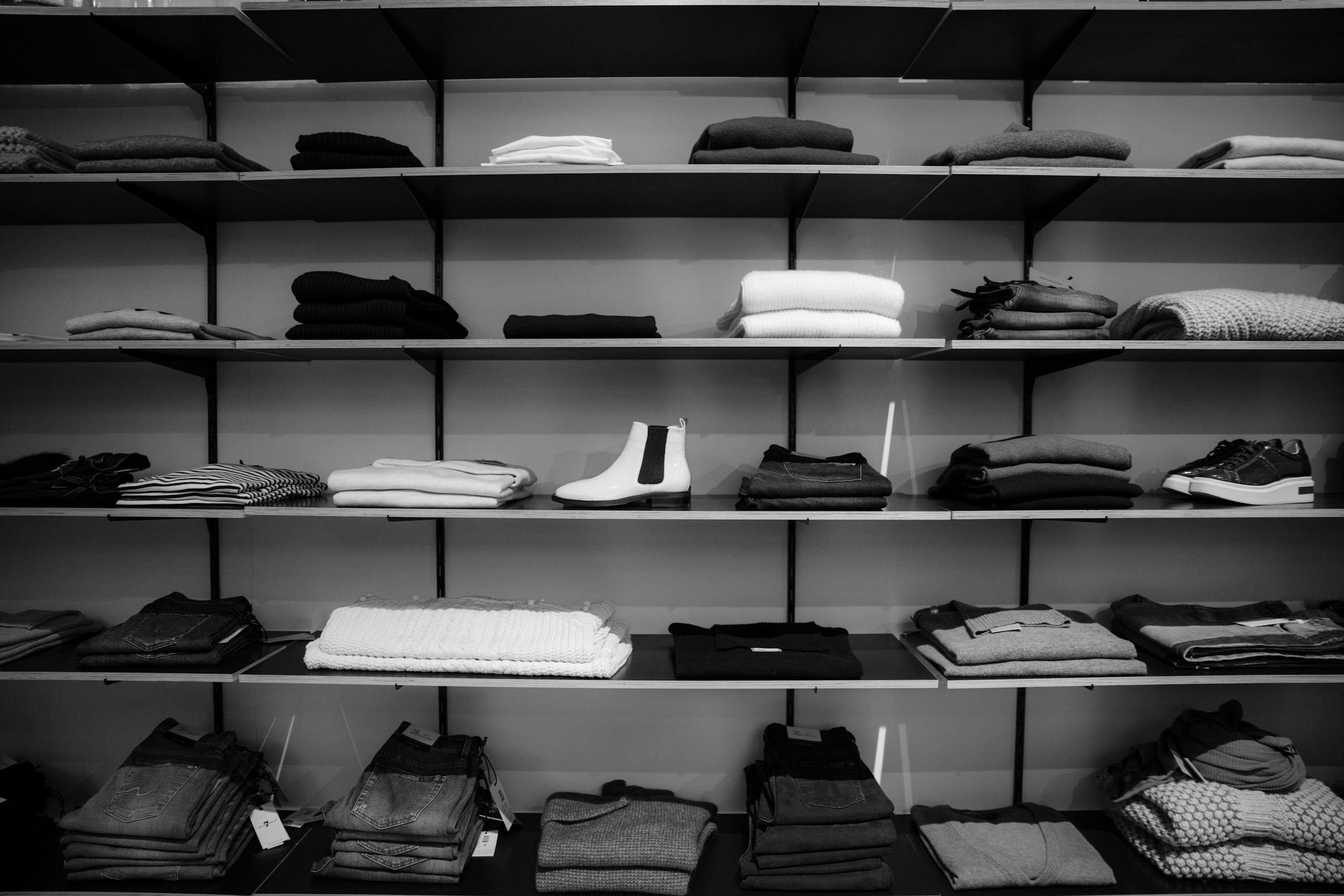

Social anxiety clothing refers to the deliberate, often deeply personal choices people with social anxiety make about what they wear as a way of managing discomfort, reducing sensory overwhelm, and feeling safer in public or group settings. It’s not about fashion. It’s about armor.
For many anxious introverts, getting dressed before a difficult social situation isn’t a casual act. It’s a calculated one. The right outfit can quiet the internal noise just enough to get through a client presentation, a crowded event, or a networking dinner without completely shutting down.
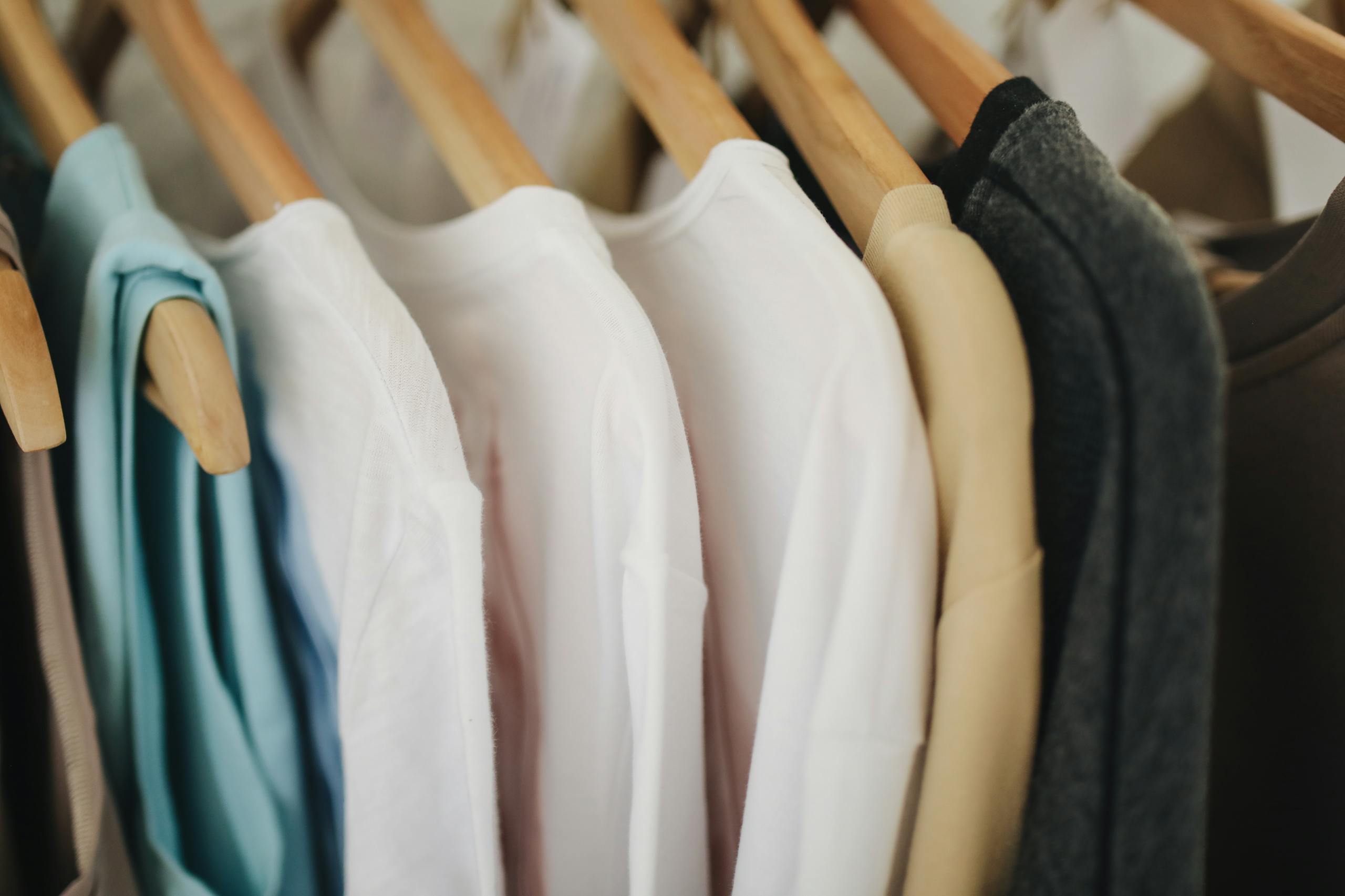
Nobody told me this was a thing. I figured it out on my own, somewhere between my third year running an agency and my fortieth outfit change before a pitch meeting I’d been dreading for two weeks. At some point I noticed a pattern: certain clothes made the anxiety louder. Others made it manageable. That distinction mattered more than I ever admitted out loud.
If you’ve found yourself doing the same thing, you’re in good company. And there’s more going on beneath the surface than simple wardrobe preference. Our Introvert Mental Health hub covers the full emotional landscape of introvert experience, and the relationship between clothing, anxiety, and sensory sensitivity sits right at the center of it.
Why Does Clothing Affect Social Anxiety at All?
Clothing is sensory data. Every fabric, waistband, collar, and seam sends constant physical feedback to your nervous system. For most people, that feedback registers as background noise. For someone with social anxiety, especially someone who also processes sensory input more intensely, that background noise can become a roar.
What’s your personality type?
Take our free 40-question assessment and get a detailed personality profile with dimension breakdowns, context analysis, and personalised insights.
Discover Your Type8-12 minutes · 40 questions · Free
When your nervous system is already bracing for a social threat, it doesn’t take much to push it into overdrive. A scratchy tag at the back of your neck. A collar that feels too tight when you’re trying to speak confidently in front of a room. A waistband that digs in every time you sit down. These aren’t trivial complaints. They’re additional sensory inputs competing for cognitive bandwidth that you desperately need elsewhere.
The American Psychological Association describes anxiety as a state of apprehension that involves both psychological and physical components. What often gets overlooked in that framing is how the physical environment, including what’s touching your skin, actively shapes the intensity of that apprehension. Clothing is part of your physical environment. It goes with you everywhere.
People who identify as highly sensitive often experience this connection most acutely. The concept of the highly sensitive person, or HSP, describes individuals whose nervous systems process stimuli more deeply and thoroughly than average. If you’ve ever read about HSP overwhelm and sensory overload, you’ll recognize how clothing fits directly into that picture. Tight waistbands, synthetic fabrics, and restrictive silhouettes aren’t just uncomfortable. For a sensitized nervous system, they’re active stressors.
What this means practically is that your clothing choices before a high-anxiety situation aren’t superficial. They’re a legitimate form of nervous system management.
What Makes Certain Clothes Feel “Safe”?
Safe clothing, in the context of social anxiety, tends to share a few consistent characteristics. Softness. Coverage. Familiarity. A sense of physical containment without restriction.
I spent years in advertising where the dress code was a performance in itself. Creative directors wore things that said “I’m artistic and I don’t follow rules.” Account executives wore things that said “I’m trustworthy and I’ll show up on time.” As an INTJ who was still figuring out his own relationship with social anxiety, I wore things that said “please don’t look at me too closely while I’m trying to think.” That meant a lot of well-fitted navy and charcoal. Nothing flashy. Nothing that would invite commentary or draw attention I hadn’t planned for.
At the time I thought I was just being professional. Looking back, I was managing my anxiety through my wardrobe. The consistency of my clothing choices reduced one variable in situations that already had too many.
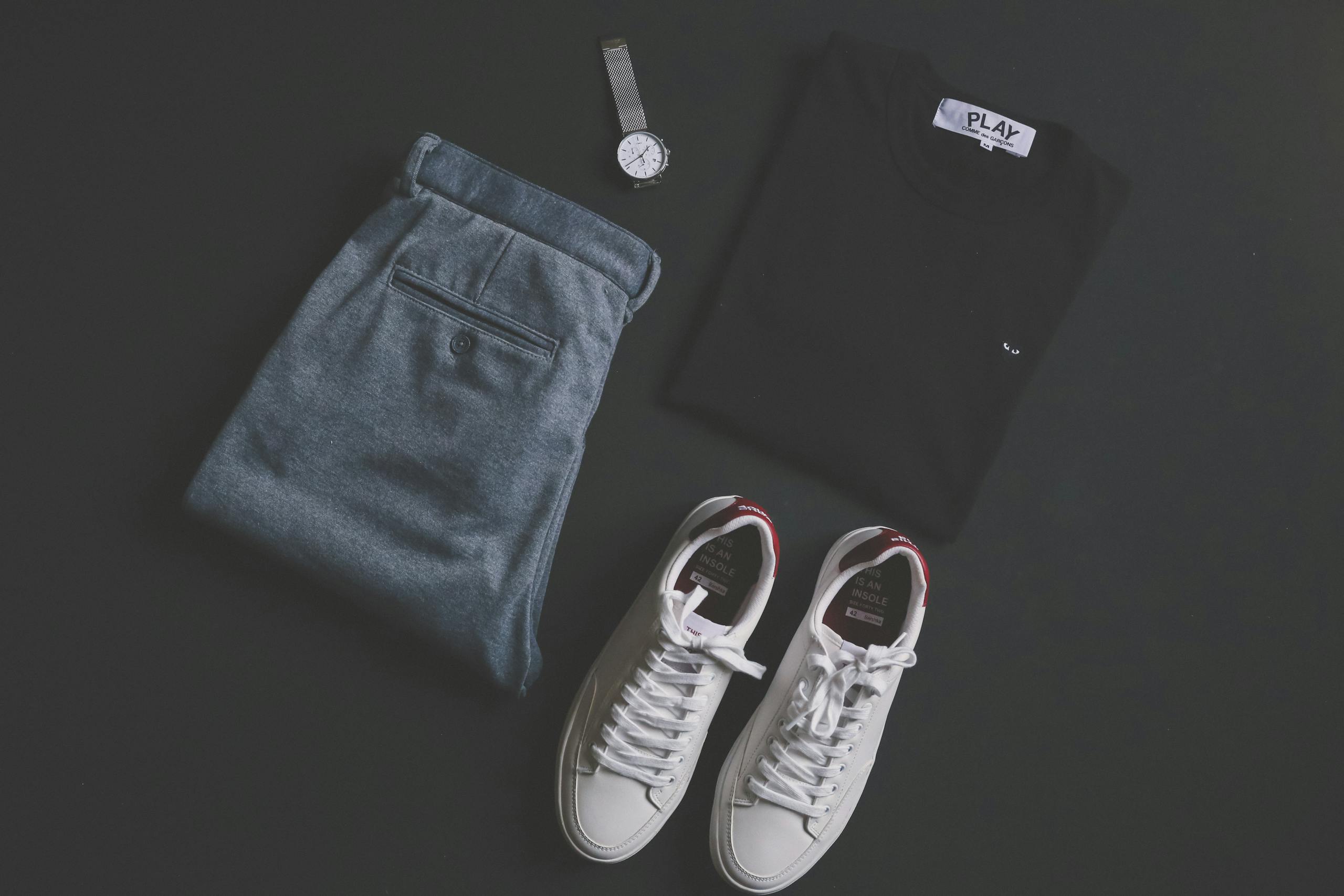
Safe clothing tends to fall into a few categories:
Tactile comfort: Natural fabrics like cotton, bamboo, and modal tend to feel gentler against skin that’s already hyperaware. Synthetic materials can create friction, static, and temperature dysregulation that compounds existing physical tension.
Structural predictability: Clothing that fits consistently, doesn’t shift around, and behaves the same way throughout the day removes a layer of uncertainty. When you’re socially anxious, uncertainty is the enemy. Knowing your waistband won’t suddenly feel like a vice after lunch matters.
Coverage and containment: Many people with social anxiety gravitate toward clothing that covers more of the body, not out of shame, but because exposure feels vulnerable. Long sleeves, higher necklines, and looser silhouettes can create a psychological sense of protection. Some people describe the feeling of a soft, fitted layer close to the skin as genuinely calming, similar to the effect of a weighted blanket.
Neutral or familiar color palettes: Bright colors, bold patterns, and anything that signals “look at me” can feel counterproductive when your goal is to move through a social situation without being overwhelmed. Many anxious introverts gravitate toward muted tones not because they lack personality, but because they’re trying to reduce the number of social interactions that get initiated by their appearance.
Is This Just Sensory Sensitivity, or Is Something Else Going On?
Both, often at the same time.
Social anxiety involves a heightened threat-detection response. When your nervous system is primed to detect social danger, it also becomes more sensitive to physical discomfort. The two systems aren’t separate. Physical discomfort feeds the anxiety loop, and anxiety amplifies physical discomfort. Getting dressed in something uncomfortable before a difficult social situation is a bit like showing up to a fire with extra kindling.
There’s also a psychological layer that’s worth naming honestly. Clothing is one of the few things you can control before a social situation that you cannot control. When I was preparing for a pitch to a Fortune 500 client, I couldn’t control whether they’d like our creative concept. I couldn’t control whether the room would be too warm or whether someone would ask a question I hadn’t prepared for. What I could control was whether my suit jacket fit well and whether my shirt collar wasn’t going to distract me for two hours.
That kind of preparatory control-seeking is characteristic of how anxiety operates. The research published in PubMed Central on anxiety and cognitive patterns points to how people with anxiety often engage in compensatory behaviors to manage perceived threat. Clothing choices are one of those behaviors, and not an unhealthy one when kept in proportion.
For highly sensitive people, the emotional dimension runs even deeper. HSP anxiety often involves a layered processing of both physical and emotional input simultaneously. What you wear connects to how you feel about yourself, how you expect others to perceive you, and how safe you feel in your own skin. Those aren’t separate concerns. They’re woven together.
When Clothing Becomes a Coping Mechanism, and When That Gets Complicated
There’s a meaningful difference between using clothing strategically to support your nervous system and using it as a way to avoid confronting anxiety altogether. Both exist on a spectrum, and most of us have probably done both at different points.
Strategic clothing choices are healthy. Wearing soft fabrics because they genuinely reduce sensory load is practical self-care. Choosing an outfit that makes you feel confident and physically comfortable before a hard conversation is good preparation. Developing a consistent wardrobe that removes daily decision fatigue, something I leaned into heavily during my agency years, is a legitimate productivity and wellbeing strategy.
Where it gets complicated is when clothing choices start shrinking your world. If you’re avoiding certain events because you don’t have “the right thing to wear,” and that avoidance is really about avoiding the anxiety, that’s worth paying attention to. If your clothing rules have become so rigid that any deviation from them creates significant distress, that’s anxiety driving the bus, not self-care.
I watched this play out with a creative director at one of my agencies. She was extraordinarily talented, an INFP who processed everything deeply and felt social criticism acutely. She had a very specific set of clothing she wore to client presentations, and when a last-minute schedule change meant she had to present in what she’d worn to an internal meeting that morning, she nearly fell apart. Not because the clothes were inappropriate. They were perfectly fine. But her sense of readiness was so tied to that specific preparation ritual that its disruption cascaded into full anxiety. That’s when clothing stops being a tool and starts being a constraint.
The distinction matters because Harvard Health notes that avoidance behaviors, while they provide short-term relief, tend to reinforce anxiety over time. Using clothing to feel more comfortable is different from using clothing to avoid discomfort entirely. One builds capacity. The other narrows it.
How Social Anxiety Shapes What You Notice About What Others Wear
Here’s something that doesn’t get discussed enough: social anxiety doesn’t just affect what you wear. It affects how you read what everyone else is wearing.
When your threat-detection system is running hot, you scan social environments for information. Other people’s clothing becomes data. Are they dressed more formally than you? Does that mean you’ve misread the situation? Is someone’s casual outfit a signal that this is a relaxed environment, or does it mean they don’t take the meeting seriously? Are you overdressed in a way that will make you stand out?
This kind of hypervigilant social scanning is exhausting. It’s also deeply connected to the emotional processing patterns that many sensitive introverts recognize in themselves. HSP emotional processing involves picking up on subtle social cues and assigning them meaning, sometimes more meaning than they actually carry. Clothing becomes one more source of social information to decode, which adds to an already full cognitive load.
In my agency years, I became acutely aware of the unspoken dress codes in different client environments. Walking into a tech company in a suit felt wrong. Walking into a financial services boardroom in anything less felt equally wrong. Getting it right wasn’t vanity. It was a way of reducing one source of potential social friction so I could focus on what actually mattered in the room. Getting it wrong, even slightly, could occupy a corner of my mind for the entire meeting.
That kind of social reading is closely tied to empathy, specifically the variety that involves absorbing and interpreting the emotional and social signals of others. HSP empathy is a genuine asset in many professional contexts, and it’s also a significant source of social exhaustion when it’s running continuously. Clothing is one of the first things an empathically attuned person reads in a room, which means it’s also one of the first things that can trigger their anxiety.
The Perfectionism Trap: When “Getting It Right” Becomes Its Own Problem
Social anxiety and perfectionism have a complicated relationship. Many anxious introverts don’t just want to wear something comfortable before a difficult social situation. They want to wear the perfect thing. And finding the perfect thing can become a ritual that takes on a life of its own.
I’ve spent genuinely unreasonable amounts of time before important meetings cycling through options that were all, objectively, fine. The problem wasn’t the clothes. It was the anxiety looking for something to attach to. Clothing was a controllable variable in an uncontrollable situation, so my mind kept returning to it as if solving the clothing question would somehow solve the anxiety.
It never did. But the ritual of trying felt like preparation, and preparation felt like control, and control felt like safety. That loop is worth recognizing because it can consume significant time and energy without actually reducing anxiety in any meaningful way.
If you recognize this pattern in yourself, the work described in resources on HSP perfectionism and high standards is directly relevant. The same mechanisms that drive perfectionism in work and relationships show up in how anxious, sensitive people approach getting dressed. The standard you’re trying to meet isn’t really about the clothes. It’s about managing the fear of being judged, found lacking, or exposed.
Psychology Today’s exploration of introversion and social anxiety draws a useful distinction between the two: introversion is a preference for less stimulation, while social anxiety involves a fear of negative evaluation. Clothing perfectionism sits more in the social anxiety column than the introversion column, even though the two often travel together. An introvert who isn’t anxious might choose simple, comfortable clothes without much deliberation. An anxious introvert might spend an hour on that same decision because the stakes feel enormous.
Practical Approaches That Actually Help
Over the years, I’ve found a few approaches that genuinely reduce the anxiety load around clothing without turning it into avoidance.
Build a small, reliable wardrobe: Decision fatigue is real. When you have too many options, every choice becomes a potential source of anxiety. A wardrobe built around a consistent palette of colors and a small set of fabrics you know feel good removes the daily negotiation. This isn’t minimalism for its own sake. It’s reducing the number of variables your anxious mind has to process before you’ve even left the house.
Test new clothing before high-stakes situations: Never wear something new to an event that already carries anxiety. Wear it around the house first. Sit in it. Move in it. Eat in it. Find out whether it stays where it belongs, whether the fabric softens with body heat, whether the waistband is tolerable after two hours. New clothing adds uncertainty. Uncertainty feeds anxiety.
Prioritize physical comfort over social signaling: This is harder than it sounds, especially in professional environments where clothing carries real social meaning. But clothing that makes you physically uncomfortable will cost you more in cognitive and emotional energy than any social signal it sends will earn you. Find the overlap between appropriate and comfortable. It exists in almost every context.
Notice when the ritual is helping versus stalling: Preparation is good. Obsessive rechecking is the anxiety talking. Set a time limit for getting dressed before difficult events. When the time is up, you’re done. The decision is made. This sounds simple and is genuinely difficult to implement, but it’s worth practicing because it trains your nervous system to tolerate the uncertainty rather than keep trying to eliminate it.
Pay attention to what you wear when you feel good: Most people have outfits they reliably feel better in. Not just more attractive, but more settled. More themselves. Identifying those outfits and understanding what they have in common, fabric, fit, color, silhouette, gives you a template to work from rather than starting from scratch every time.
What Clothing Can’t Fix
Clothing can reduce sensory load. It can provide a sense of preparedness and control. It can remove one variable from an already complex social equation. What it cannot do is address the underlying anxiety that makes social situations feel threatening in the first place.
Social anxiety, at its core, involves a fear of negative evaluation by others. That fear doesn’t dissolve because you found the perfect outfit. It can be quieted temporarily by the sense of preparation that a good clothing choice provides, but the work of actually reducing social anxiety happens at a different level.
That work often involves confronting the social situations that feel threatening rather than finding better ways to manage around them. It involves examining the beliefs underneath the anxiety, the conviction that you’ll be judged, that you’ll say the wrong thing, that people will see through you in some way that confirms your worst fears about yourself. Evidence from PubMed Central on anxiety interventions consistently points toward approaches that address these underlying beliefs directly.
There’s also the dimension of social rejection, which sits underneath a lot of social anxiety in ways that aren’t always obvious. The fear of wearing the wrong thing is often, at a deeper level, a fear of being rejected for it. Understanding how HSP rejection sensitivity operates can illuminate why clothing choices carry so much emotional weight. When rejection feels catastrophic, any potential source of it, including wearing something that doesn’t fit the room, becomes a genuine threat to be managed.
I spent a lot of years managing around my anxiety rather than working through it. The wardrobe strategies helped. The consistent dress code helped. But the real shift came when I stopped treating my introversion and anxiety as problems to be concealed and started understanding them as features of how I’m wired. Once I stopped trying to pass as someone who found social situations energizing, I could actually prepare for them in ways that worked with my nature instead of against it.

Clothing is one tool. It’s a real one, and it deserves to be taken seriously rather than dismissed as vanity. But it works best when it’s part of a broader understanding of what social anxiety actually is and what genuinely helps over time. The American Psychological Association’s resources on shyness and social anxiety offer a useful starting point for that broader picture, particularly for people who are still sorting out whether what they experience is shyness, introversion, social anxiety, or some combination of all three.
For a deeper look at the full range of topics that intersect with this one, including sensory sensitivity, emotional processing, and anxiety in introverted and highly sensitive people, the Introvert Mental Health hub brings together everything we’ve written on these themes in one place.
About the Author
Keith Lacy is an introvert who’s learned to embrace his true self later in life. After 20 years in advertising and marketing leadership, including running agencies and managing Fortune 500 accounts, Keith now channels his experience into helping fellow introverts understand their strengths and build fulfilling careers. As an INTJ, he brings analytical depth and authentic perspective to every article, drawing from both professional expertise and personal growth.
Frequently Asked Questions
Does clothing actually affect social anxiety, or is that just in my head?
It’s both physical and psychological, and both matter. Clothing sends constant sensory feedback to your nervous system. When anxiety is already heightening your physical sensitivity, uncomfortable clothing adds to the sensory load and can amplify the anxiety response. At the same time, the sense of preparation and control that comes from choosing the right outfit has genuine psychological value. Neither effect is imaginary.
What types of clothing are generally better for people with social anxiety?
Natural, soft fabrics like cotton, bamboo, and modal tend to be more comfortable for people with sensory sensitivity. Clothing that fits consistently without shifting, riding up, or constricting tends to reduce physical distraction. Many anxious introverts also find that neutral colors and less visually striking clothing reduce unwanted social attention, which lowers one source of anxiety. The most important factor is familiarity: clothing you’ve worn before and know how it behaves.
Is spending a lot of time choosing what to wear before social events a sign of social anxiety?
It can be. Social anxiety often involves seeking control over variables in situations that feel threatening, and clothing is one of the few things you can actually control before a social event. Spending significant time on clothing decisions before anxiety-provoking situations is common among people with social anxiety. It becomes worth addressing when the ritual takes up excessive time, causes significant distress, or becomes a reason to avoid the event altogether.
How is social anxiety clothing different from just having personal style preferences?
Personal style is driven by aesthetic preference and self-expression. Social anxiety clothing is driven by the need to manage discomfort, reduce sensory load, or feel safer in social situations. The practical difference is in the emotional weight behind the choices. Someone with personal style preferences can wear something outside their usual aesthetic without significant distress. Someone whose clothing choices are driven by social anxiety will often experience genuine anxiety if forced to deviate from what feels safe.
Can changing what I wear actually reduce my social anxiety long-term?
Clothing adjustments can reduce the sensory and psychological load around specific social situations, which is genuinely helpful. Over time, building a wardrobe that consistently feels comfortable and appropriate removes one source of pre-event anxiety. What clothing can’t do is address the underlying fear of negative evaluation that drives social anxiety. For long-term change, approaches that directly address those underlying beliefs, such as cognitive behavioral therapy, tend to be more effective. Clothing is a useful support, not a solution on its own.