
A social anxiety cure exercise isn’t a single magic routine you perform once and forget. It’s a consistent, body-based practice that gradually retrains your nervous system to feel safer in social situations, reducing the automatic threat response that makes ordinary interactions feel exhausting or frightening. The most effective approaches combine physical movement with specific mental techniques, and the evidence for exercise as a meaningful tool in managing social anxiety is genuinely compelling.
What nobody told me during my agency years was that my body already knew how to help me. I just hadn’t learned to listen to it yet.
There’s a broader conversation happening around introvert mental health that goes well beyond social anxiety alone. If you want to see how these threads connect, our Introvert Mental Health Hub pulls together the full picture, from sensory overwhelm to emotional processing to anxiety management, in one place.
Why Does Exercise Actually Change How Social Situations Feel?
Before we get into specific exercises, it’s worth understanding what’s happening in the body when social anxiety takes hold, and why physical movement interrupts that cycle so effectively.
What’s your personality type?
Take our free 40-question assessment and get a detailed personality profile with dimension breakdowns, context analysis, and personalised insights.
Discover Your Type8-12 minutes · 40 questions · Free
Social anxiety isn’t simply shyness or introversion. The American Psychological Association distinguishes clearly between shyness, introversion, and social anxiety disorder, noting that social anxiety involves a persistent fear of social or performance situations where scrutiny by others is possible. For introverts, this can be particularly disorienting, because we already need more recovery time after social interaction. When anxiety layers on top of that natural preference, ordinary situations like a team meeting, a client presentation, or even a casual lunch with colleagues can feel genuinely threatening.
Physical exercise works on this dynamic in several ways. Aerobic activity reduces baseline levels of stress hormones. It also prompts the release of neurotransmitters associated with mood regulation. Repeated exposure to the physical sensations of exertion, elevated heart rate, faster breathing, mild muscle tension, actually desensitizes the body to those same sensations that accompany anxiety. Over time, your nervous system stops interpreting a racing heart as danger and starts recognizing it as something manageable.
I noticed this shift in myself during a particularly brutal stretch of client pitches in my mid-forties. I’d started running in the mornings, mostly to manage stress, not with any therapeutic intention. What I noticed after about six weeks was that walking into a pitch room felt different. Not easy, but different. The dread that used to settle in my chest the night before had become something smaller, something I could observe without being consumed by it. My body had learned, through repetition, that elevated arousal didn’t have to mean catastrophe.
What Makes a Social Anxiety Cure Exercise Different from Regular Fitness?
Any movement is better than none. But exercises specifically targeted at social anxiety tend to share a few characteristics that distinguish them from general fitness routines.
First, they involve intentional attention to physical sensation. This isn’t about zoning out with headphones during a treadmill session. It’s about practicing presence in your body, noticing what you feel without immediately reacting to it. That skill transfers directly to social situations, where the ability to notice anxiety without being overwhelmed by it is exactly what you’re trying to build.
Second, many of the most effective approaches involve some form of controlled breathing. The breath is the one part of the autonomic nervous system you can consciously influence, which makes it a direct line to calming the threat response. Exercises that pair movement with breath awareness, like yoga, tai chi, or even mindful walking, tend to produce stronger results for anxiety specifically than high-intensity cardio alone.
Third, consistency matters more than intensity. A twenty-minute walk five days a week will likely do more for social anxiety than an occasional intense gym session. The nervous system learns through repetition, and the goal is to give it repeated experiences of returning to calm after activation.
Many of the introverts I’ve connected with through this site also identify as highly sensitive people, and for them, the intensity question is particularly relevant. If you’re prone to HSP overwhelm and sensory overload, a crowded gym during peak hours might actually increase anxiety rather than reduce it. Choosing environments that feel manageable is part of making the practice sustainable.

The Core Exercise Framework: What to Actually Do
What follows isn’t a rigid prescription. It’s a framework I’ve found useful, both personally and through conversations with introverts who’ve worked through social anxiety. Adapt it to your own situation.
Morning Movement With Intention
Start the day with fifteen to thirty minutes of moderate aerobic movement. Walking, cycling, swimming, or any activity that elevates your heart rate to a comfortable but noticeable level. The timing matters here. Morning exercise sets your baseline stress level for the rest of the day, and it gives you a sense of agency before social demands begin.
The “with intention” part is what separates this from regular exercise. As you move, practice noticing physical sensations without labeling them as good or bad. Your heart is beating faster. Your breathing has changed. Your legs feel warm. That’s it. No story, no judgment. Just observation. This is the same skill you’ll use when anxiety arises in a social setting.
The Pre-Social Breath Reset
Before any social situation that feels challenging, a five-minute breathing exercise can meaningfully shift your physiological state. The technique that works best for most people is extended exhale breathing: inhale for four counts, exhale for six to eight counts. The longer exhale activates the parasympathetic nervous system, which is responsible for the “rest and digest” state that counteracts anxiety.
Pair this with gentle movement if possible. A short walk while doing the breathing exercise is more effective than sitting still. Movement helps discharge the physical tension that anxiety creates, and the rhythm of walking naturally supports a steady breathing pattern.
I used this before every major client presentation in my final years running my agency. Not in the conference room, obviously, but in the ten minutes beforehand, usually walking around the block or even pacing a quiet hallway. My team probably thought I was eccentric. What they didn’t know was that I was managing a nervous system that had been on high alert since the morning briefing.
Post-Social Recovery Movement
This one gets overlooked, but it may be the most important piece for introverts specifically. After a draining social event, your nervous system needs help returning to baseline. Gentle movement, a slow walk, stretching, or light yoga, helps process the residual activation that would otherwise keep you wired and exhausted simultaneously.
The combination of physical depletion and mental overstimulation that follows intense social interaction is something many introverts know well. For those who also process emotions deeply, the aftermath of social events can feel particularly heavy. The kind of HSP emotional processing that happens after intense social experiences can be supported significantly by gentle physical movement, which gives the body something concrete to do while the mind works through what happened.
Weekly Body Scan Practice
Once a week, set aside twenty minutes for a full body scan combined with slow movement. This can be yoga, tai chi, or simply lying on the floor and methodically bringing attention to each part of your body while breathing slowly. The purpose is to build familiarity with your own physical state, so that when anxiety arises, you can locate it in your body and work with it rather than being ambushed by it.
Many people with social anxiety have learned to disconnect from their bodies as a coping mechanism. The physical sensations of anxiety feel so unpleasant that tuning out seems safer. In the short term, that works. Over time, it makes anxiety more powerful, because you lose the ability to notice it building before it becomes overwhelming. The body scan practice rebuilds that connection gradually and safely.
How Does This Interact With the Highly Sensitive Nervous System?
A significant number of introverts are also highly sensitive people, and the overlap between high sensitivity and social anxiety is worth addressing directly. High sensitivity isn’t a disorder. It’s a trait characterized by deeper processing of sensory and emotional information, and it comes with genuine strengths. At the same time, a more reactive nervous system can make social environments feel more intense, and the line between manageable stimulation and overload can be narrower.
For highly sensitive people, HSP anxiety has its own particular texture, often involving a heightened awareness of social cues, a tendency to anticipate others’ reactions, and a deep need for environments that feel emotionally safe. Exercise practices for this group need to account for that sensitivity rather than push through it.
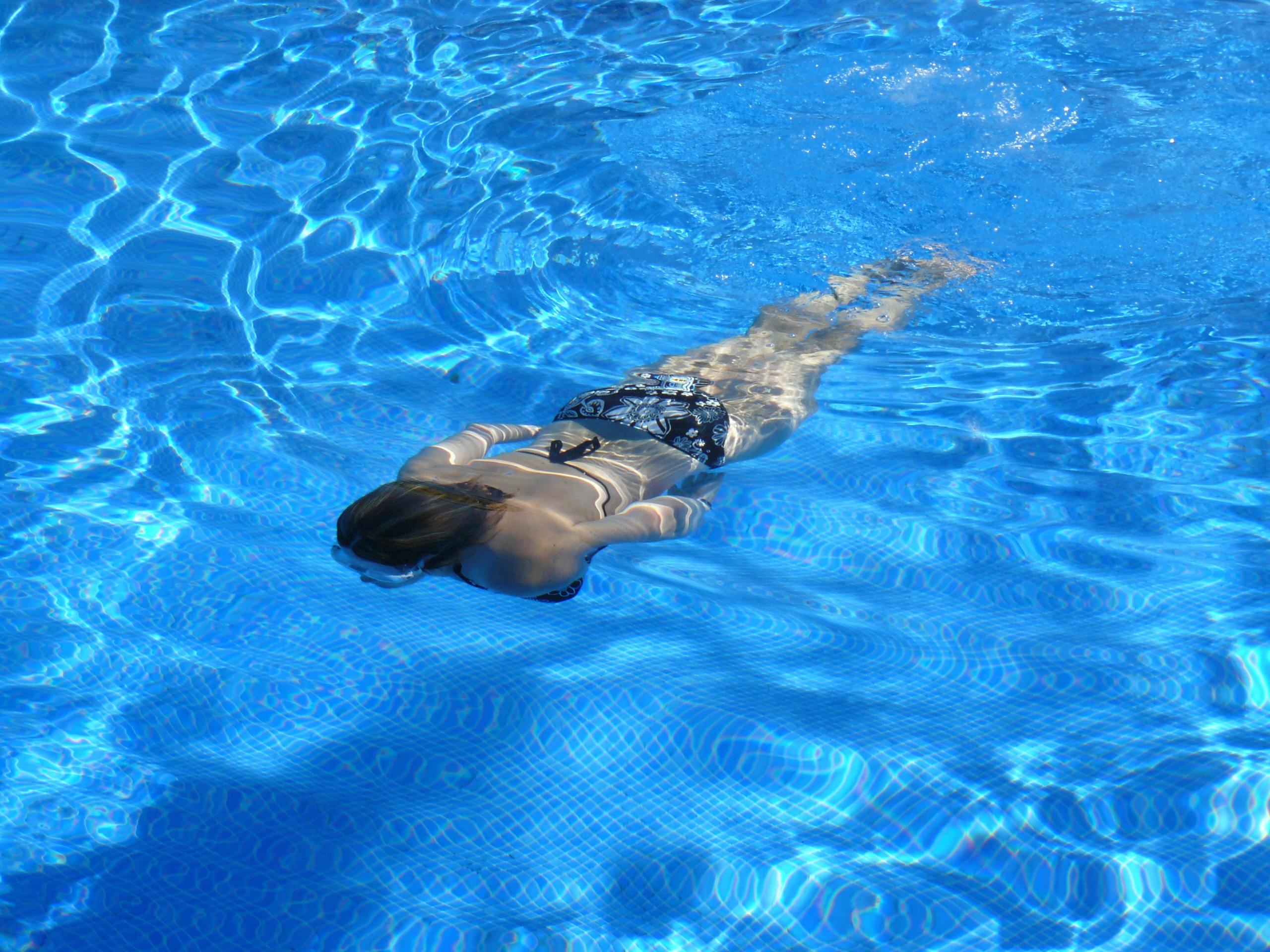
That means choosing movement environments carefully. A quiet park at off-peak hours. A home yoga practice rather than a packed studio class. Swimming in a less crowded pool. The goal is to use movement to regulate the nervous system, not to add another source of overstimulation.
There’s also the question of empathy and social exhaustion. Highly sensitive people often absorb the emotional states of those around them, which makes social situations particularly draining. HSP empathy is genuinely a double-edged sword, offering remarkable depth of connection while simultaneously creating vulnerability to emotional overwhelm. Physical movement after social exposure helps clear that absorbed emotional residue in a way that purely cognitive strategies often can’t.
I managed a creative director at my agency for several years who was deeply empathic and clearly highly sensitive, though neither of us would have used that language at the time. She was extraordinarily talented but would come out of client feedback sessions visibly drained in a way that went beyond normal tiredness. She eventually started taking walks immediately after difficult meetings, something she discovered on her own. The difference in her afternoon productivity was noticeable to everyone on the team.
What About the Fear of Being Judged While Exercising?
This is a real barrier that doesn’t get enough attention. For people with social anxiety, the gym can itself become a source of dread. The fear of being watched, evaluated, or judged while exercising is common enough that it has a name in clinical literature: exercise-related social physique anxiety.
The Harvard Health overview of social anxiety disorder treatments emphasizes that gradual exposure to feared situations, combined with developing coping tools, is central to effective management. That principle applies directly here. You don’t have to start in a crowded gym. You can start with solitary movement in private spaces and expand from there as your confidence grows.
Solitary exercise options are genuinely effective. Walking, running, home yoga, cycling outdoors, swimming in quieter settings, all of these build the same neurological benefits without requiring you to perform wellness in front of an audience. Starting where you actually are, rather than where you think you should be, is what makes a practice sustainable.
For those who tend toward perfectionism, there’s another trap worth naming here. The belief that exercise only counts if it’s done correctly, at the right intensity, for the right duration, in the right setting, can become a reason to never start. HSP perfectionism and the high standards trap shows up in wellness practices just as readily as it does in professional settings. A ten-minute walk is not a failure. It’s a ten-minute walk, and it counts.
Can Exercise Help With the Social Wounds That Accumulate Over Time?
Social anxiety rarely develops in a vacuum. For many introverts, it’s connected to specific experiences of rejection, embarrassment, or being made to feel that their natural way of being in the world was somehow wrong. Those experiences leave marks, and no amount of jogging erases them on its own.
What exercise does is create a more stable physiological foundation from which you can process those experiences. When your baseline anxiety level is lower, when your nervous system has regular practice returning to calm, you have more capacity to do the harder emotional work. Processing and healing from HSP rejection is work that benefits enormously from that kind of physiological stability.
There’s also something about the relationship between physical agency and emotional resilience that I’ve observed in myself over years. When I’m moving my body regularly, I feel more capable in general. Not invincible, not suddenly extroverted, but more able to tolerate difficulty without catastrophizing. That sense of agency, however modest, changes how I walk into rooms that used to feel threatening.
My own social anxiety was concentrated around high-stakes evaluation scenarios. Pitching new business was the worst. The fear wasn’t about making friends or casual conversation. It was about being judged as insufficient by people whose opinion had real professional consequences. No amount of exercise removed that fear entirely, but consistent movement practice changed my relationship to it. The fear became information rather than verdict.
How Long Does It Take to Notice a Difference?
Honest answer: it varies, and anyone who gives you a precise timeline is oversimplifying. That said, most people who commit to a consistent movement practice report noticing some shift in their baseline anxiety within four to eight weeks. The changes are often subtle at first. Slightly less dread before a difficult conversation. A faster return to calm after a stressful interaction. A small but real increase in the sense that social situations are survivable.
The peer-reviewed literature on exercise and anxiety supports the idea that aerobic exercise has measurable effects on anxiety symptoms, though the mechanisms are still being studied and the effects vary across individuals. What the evidence consistently points toward is that regular moderate exercise is meaningfully helpful for anxiety, not as a replacement for therapy or other treatment, but as a significant supporting practice.
For those with clinical-level social anxiety disorder, exercise alone is unlikely to be sufficient. The American Psychological Association’s overview of anxiety disorders is clear that evidence-based treatments, including cognitive behavioral therapy and, in some cases, medication, are the most effective interventions for anxiety disorders. Exercise works best as part of a broader approach, not as a substitute for professional support when that support is warranted.
It’s also worth acknowledging that social anxiety and introversion are genuinely different things, even when they coexist. Psychology Today’s exploration of whether you’re introverted, socially anxious, or both is a useful read for anyone trying to sort out which parts of their social experience come from personality and which come from anxiety. That distinction matters for how you approach the work.
Building a Practice That Actually Sticks
The gap between knowing what helps and actually doing it consistently is where most good intentions go quiet. A few things make the difference.
Attach the practice to something that already exists in your routine. If you always make coffee in the morning, do your breathing exercise while the coffee brews. If you always debrief after big meetings, make a short walk part of that debrief. Existing habits are anchors, and new practices stick more reliably when they’re attached to them.
Keep the barrier to entry low. The version of the practice you’ll actually do is more valuable than the ideal version you’ll skip. Five minutes of intentional walking beats thirty minutes of perfectly structured yoga that never happens.
Track how you feel, not just what you do. A simple note after each practice session, one sentence about your anxiety level or mood, gives you data over time. That data becomes motivating when you can see actual patterns. It also helps you identify which specific practices are most effective for you personally, because people vary.
Finally, be honest about what you’re working with. Social anxiety exists on a spectrum. Some people are managing mild discomfort in specific situations. Others are dealing with something that significantly limits their daily life. The research on social anxiety and its neurological underpinnings makes clear that this is a real and complex condition, not a personality flaw or a failure of willpower. Treating yourself with the same compassion you’d offer a friend is part of the practice, not a soft add-on.

If you’ve found this article useful and want to go deeper on the mental health side of introvert experience, the full range of topics we cover lives in the Introvert Mental Health Hub, from anxiety and emotional processing to perfectionism and sensory sensitivity.
About the Author
Keith Lacy is an introvert who’s learned to embrace his true self later in life. After 20 years in advertising and marketing leadership, including running agencies and managing Fortune 500 accounts, Keith now channels his experience into helping fellow introverts understand their strengths and build fulfilling careers. As an INTJ, he brings analytical depth and authentic perspective to every article, drawing from both professional expertise and personal growth.
Frequently Asked Questions
What is the best social anxiety cure exercise for introverts who dislike gyms?
Solitary outdoor movement is often the most accessible starting point. Walking, running, or cycling in quieter environments provides the neurological benefits of aerobic exercise without the social pressure of a gym setting. Pairing movement with intentional breath awareness, particularly extended exhale breathing, makes the practice specifically useful for anxiety rather than just general fitness. Home-based yoga and body scan practices are also highly effective and require no social exposure at all.
How often do you need to exercise to see a reduction in social anxiety?
Consistency matters more than duration or intensity. Most people notice meaningful shifts in baseline anxiety with moderate aerobic movement five days a week, even if sessions are short. The nervous system learns through repetition, so frequent shorter practices tend to outperform occasional intense ones. Four to eight weeks of consistent practice is a reasonable timeframe to expect noticeable changes, though individual variation is significant.
Can exercise replace therapy for social anxiety disorder?
No, and it’s important to be honest about this. Exercise is a meaningful supporting practice that can reduce baseline anxiety, improve mood, and build physiological resilience. For clinical-level social anxiety disorder, evidence-based treatments including cognitive behavioral therapy remain the most effective interventions, and medication may also be appropriate. Exercise works best as part of a broader approach rather than a standalone cure, particularly for those whose social anxiety significantly limits daily functioning.
Why does exercise help with social anxiety specifically, not just general stress?
One key mechanism is interoceptive exposure. Aerobic exercise produces physical sensations, elevated heart rate, faster breathing, muscle tension, that closely mirror the physical sensations of anxiety. Repeated experience of these sensations in a non-threatening context gradually reduces the body’s tendency to interpret them as danger signals. Over time, this desensitization transfers to social situations, making the physical component of anxiety less overwhelming. This is distinct from the general stress-reduction effects of exercise, though both are happening simultaneously.
What should I do immediately before a social situation that triggers anxiety?
A five to ten minute combination of gentle movement and extended exhale breathing is the most practical pre-social intervention. Walk at a moderate pace while breathing in for four counts and out for six to eight counts. This activates the parasympathetic nervous system, which counteracts the threat response, and the physical movement helps discharge tension that has built up in anticipation of the social event. Doing this in a quiet space away from the social setting itself, rather than in the middle of it, gives the practice room to work before you walk in.