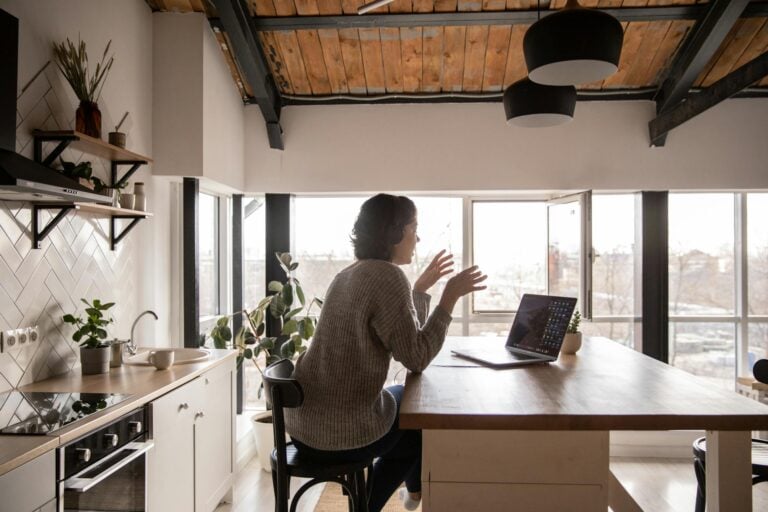

Meditation techniques for introverts work best when they align with how we already process the world: deeply, quietly, and with attention turned inward. The practices that tend to stick are the ones that feel less like forcing stillness and more like giving your mind permission to do what it naturally wants to do anyway.
My mind has never been empty. Even in the quietest room, there’s a current running underneath everything, cataloging, analyzing, connecting threads that probably don’t need connecting at 11 PM on a Tuesday. For years, I mistook that inner noise for a flaw. Something to be corrected. Something meditation was supposed to fix. What I eventually figured out is that the noise isn’t the problem. Not knowing how to work with it is.
After two decades running advertising agencies and managing teams across some genuinely chaotic environments, I’ve come to understand my own mental architecture well enough to know that the standard meditation advice, the “clear your mind, breathe, let go” scripts, often missed something important about how introverts actually function. We don’t need help going inward. We need help making that inward space feel safe, sustainable, and useful.
If you’ve been exploring the broader picture of mental wellness as an introvert, the Introvert Mental Health Hub pulls together a range of topics that touch on everything from anxiety management to emotional processing. Meditation sits at the center of a lot of those conversations, and it’s worth understanding why certain techniques land differently depending on how your mind is wired.
Why Do Introverts Struggle With Conventional Meditation Advice?
Most mainstream meditation instruction was designed with a very particular problem in mind: the overstimulated, externally-focused person who needs to be dragged back to themselves. That’s a real problem. It’s just not usually the introvert’s problem.
What’s your personality type?
Take our free 40-question assessment and get a detailed personality profile with dimension breakdowns, context analysis, and personalised insights.
Discover Your Type8-12 minutes · 40 questions · Free
Many of us already spend significant mental energy processing internally. We’re not running from our thoughts. We’re sometimes drowning in them. So when a guided meditation tells us to “observe our thoughts without judgment and let them pass like clouds,” we often end up doing the opposite: grabbing each cloud, examining it from seventeen angles, and building a weather report.
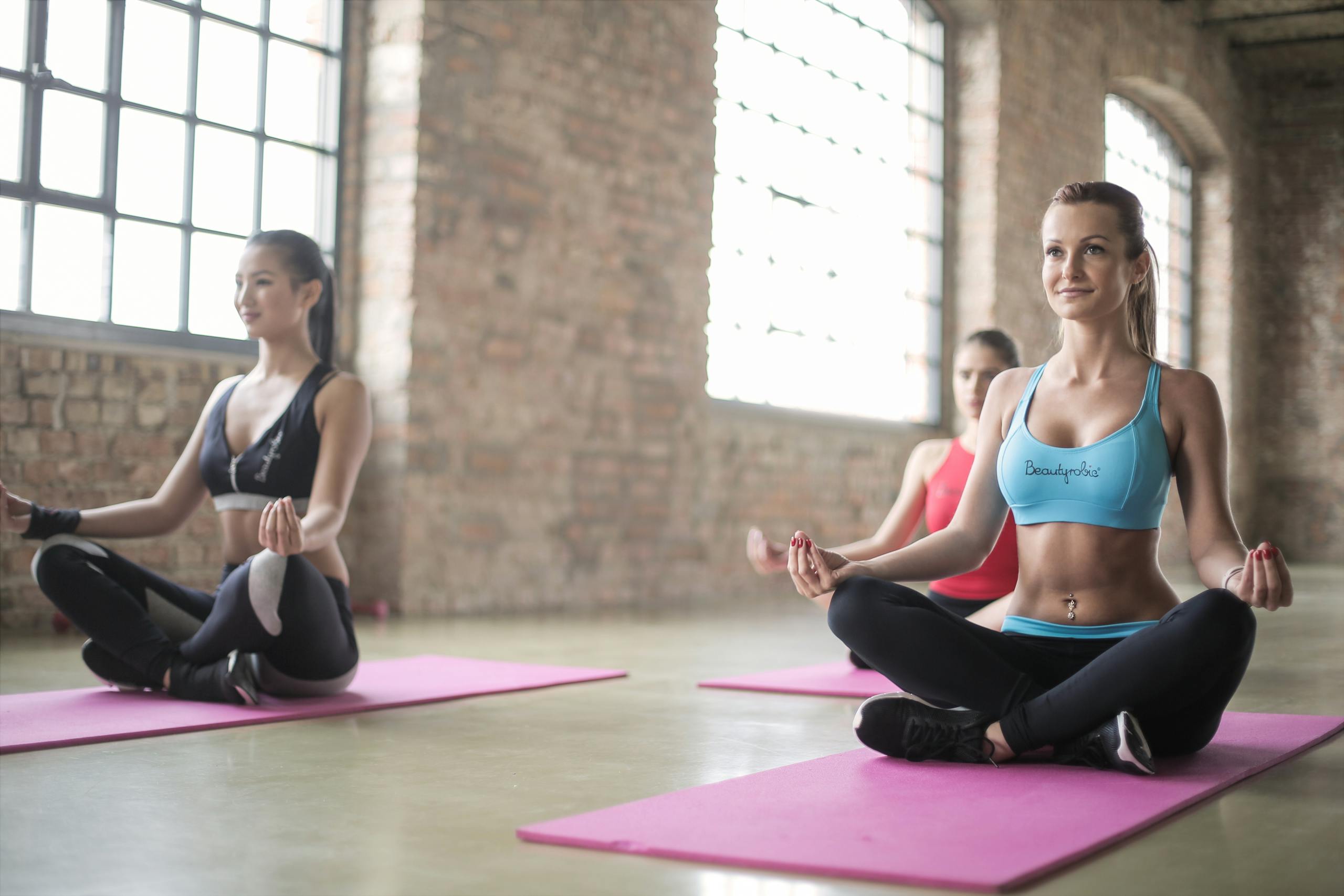
There’s also the issue of sensory sensitivity. A significant number of introverts are also highly sensitive people, and for them, certain meditation environments create more stress than they relieve. Group meditation classes with ambient sound, strong incense, or unpredictable guided pacing can tip into overwhelm fast. If you’ve ever felt more anxious leaving a meditation session than when you arrived, you’re not doing it wrong. The format may simply not match how your nervous system works. That experience connects directly to what I explore in the piece on HSP overwhelm and managing sensory overload, where sensory input that seems neutral to others can genuinely dysregulate a sensitive nervous system.
There’s also the performance anxiety that can creep in around meditation itself. I watched this happen with a creative director I managed at my agency, an INFJ who absorbed the emotional temperature of every room she walked into. She’d tried group meditation twice and quit both times, convinced she was “bad at it” because she couldn’t stop thinking. She wasn’t bad at it. She was using a tool designed for a different kind of mind.
What Does the Science Actually Say About Meditation and the Introverted Brain?
Without overstating the certainty of any single finding, there’s a meaningful body of work suggesting that mindfulness-based practices can reduce markers of stress and improve emotional regulation across different personality types. A review published in PubMed Central examined how mindfulness meditation affects psychological well-being, finding consistent benefits related to reduced rumination and improved attention regulation, two areas that matter enormously for people who tend toward deep internal processing.
Rumination is worth pausing on, because it’s one of the places where introversion and anxiety intersect in complicated ways. The National Institute of Mental Health notes that persistent, uncontrollable worry is a hallmark of generalized anxiety disorder, and that pattern of looping thought is something many introverts recognize even when they don’t meet a clinical threshold. Meditation, done in a way that matches your cognitive style, can interrupt that loop without requiring you to stop thinking altogether.
A separate study in PubMed Central looked at the relationship between mindfulness practice and emotional processing, finding that regular practitioners showed greater ability to experience difficult emotions without becoming overwhelmed by them. For introverts who already feel emotions with considerable intensity, that’s a meaningful distinction. success doesn’t mean feel less. It’s to feel without being capsized.

Which Meditation Techniques Work Best for Introverts?
Not every technique will suit every person, and part of building a sustainable practice is giving yourself permission to experiment without treating every failed attempt as a verdict on your capacity for mindfulness. That said, certain approaches tend to align well with how introverted minds are structured.
Focused Attention Meditation
This is probably the most widely recognized form: you choose a single object of focus, often the breath, and return your attention to it whenever your mind wanders. For introverts with an analytical bent, this works well because there’s a clear task. You’re not trying to empty your mind. You’re practicing returning. Every time you notice you’ve drifted and come back, that’s a successful repetition, not a failure.
I started with this approach during a particularly grinding stretch of new business pitches at my agency. We were in a six-month cycle of back-to-back presentations, and my sleep was suffering because my brain wouldn’t stop running post-mortems on every meeting. Ten minutes of focused attention meditation before bed, just counting breaths and returning when I lost count, made a measurable difference in how quickly I could wind down. Nothing mystical about it. It was essentially giving my analytical mind a simple enough task that it stopped generating new material.
Open Monitoring Meditation
Where focused attention narrows your awareness to one point, open monitoring expands it. You observe whatever arises in consciousness without fixing on any single thing: sounds, sensations, thoughts, emotions. You’re not pushing anything away or pulling anything closer. You’re watching the whole stream.
This approach can feel more natural to introverts who are already accustomed to observing their inner landscape. The challenge is that it requires a certain baseline of stability first. Dropping into open monitoring when you’re already anxious can feel like opening a fire hose. Starting with focused attention and transitioning to open monitoring as your practice matures tends to work better.
This connects to something I’ve written about elsewhere regarding HSP anxiety and coping strategies. For highly sensitive people especially, open monitoring can be a profound practice once the nervous system has enough regulation to hold it. Without that foundation, it can amplify rather than settle anxious thought patterns.
Body Scan Meditation
Body scan meditation involves moving attention systematically through different parts of the body, noticing sensation without trying to change anything. It’s grounding in the most literal sense: you’re anchoring awareness in physical experience rather than mental content.
For introverts who spend most of their time living in their heads, the body scan can feel almost foreign at first. I remember the first time I tried a proper body scan and realized I had essentially no awareness of physical tension I’d been carrying for months. My shoulders were up near my ears. My jaw was clenched. My lower back was in knots. None of that had registered consciously because I was so accustomed to operating from the neck up.
The body scan also creates a useful bridge for introverts who struggle with deep emotional processing. Emotions live in the body before they become words, and scanning for physical sensation can surface emotional material in a way that feels less overwhelming than trying to examine it directly.
Walking Meditation
Sitting still isn’t the only path. Walking meditation involves bringing full, deliberate attention to the physical experience of movement: the sensation of your foot lifting, from here, making contact with the ground. You’re not exercising. You’re not going anywhere in particular. You’re using movement as the object of meditation.
Many introverts find this easier to sustain than seated practice, especially early on. There’s something about having a physical activity to anchor attention that prevents the mind from running completely off the rails. I used to do a version of this without knowing it had a name: slow walks around the block after particularly dense client days, paying attention to nothing except what was directly in front of me. It wasn’t until years later that I recognized it as a legitimate meditation practice.

Loving-Kindness Meditation (Metta)
Loving-kindness meditation involves silently directing phrases of goodwill toward yourself and, progressively, toward others. “May I be well. May I be at ease. May I be free from suffering.” Then you extend those same wishes outward to people you care about, to neutral people, and eventually to people you find difficult.
This practice carries particular relevance for introverts who carry a lot of empathic weight. If you find yourself absorbing the emotional states of people around you, as many introverts and highly sensitive people do, loving-kindness meditation can provide a structured way to process that without getting lost in it. It acknowledges connection while maintaining a clear center.
It’s also worth noting that loving-kindness directed toward yourself first isn’t selfishness. It’s prerequisite. Many introverts, especially those who struggle with perfectionism and high personal standards, find the self-directed portion of this practice the most difficult. That difficulty is usually a signal that the practice is working exactly where it needs to.
How Do You Build a Meditation Practice That Actually Lasts?
Consistency matters more than duration. A five-minute practice you do every morning is worth more than a forty-minute session you do when you remember, which is usually never. This is a point the clinical literature on mindfulness-based interventions tends to support: the benefits accumulate through regular practice, not through occasional deep dives.
For introverts, I’d add that environment matters more than most instruction acknowledges. You need a space that feels genuinely yours. Not a corner of a busy room. Not a spot where you’re likely to be interrupted. Not somewhere that carries associations with stress or obligation. The quality of the space shapes the quality of the practice, particularly if you’re sensitive to your surroundings.
Timing also deserves consideration. Many introverts do their best internal work in the morning before the day’s social demands accumulate, or late at night after the world has quieted. Trying to meditate immediately after a draining meeting or a difficult conversation often backfires, not because the timing is wrong in principle, but because the nervous system needs a small buffer to settle before it can drop into genuine stillness.
One practical approach: anchor your meditation practice to something you already do reliably. After your first coffee. Before your morning shower. Right after you close your laptop at the end of the workday. The habit stack approach reduces the friction of starting, which is often the biggest obstacle.
There’s also something to be said for keeping a meditation journal, not as a performance of reflection, but as a way of noticing patterns over time. What worked this week? What felt forced? Did anxiety increase or decrease? Did sleep quality shift? Introverts tend to be natural self-observers, and that capacity becomes an asset when you’re building a practice rather than a liability to be managed.
What Happens When Meditation Surfaces Difficult Emotions?
This is the part most beginner meditation guides skip over, probably because it doesn’t make for an encouraging pitch. Meditation doesn’t always feel good, especially early on. When you stop moving and get quiet, whatever you’ve been outrunning tends to catch up.
For introverts who process deeply, that can mean sitting down to meditate and finding grief, or unresolved frustration, or a low-grade sadness that’s been humming in the background for weeks. That’s not a sign you’re doing something wrong. It’s a sign your practice is working. Suppressed emotional material needs somewhere to go, and a quiet, focused mind creates the conditions for it to surface.
The question is what to do with it when it arrives. Trying to push it back down usually doesn’t work and often intensifies it. Trying to analyze it mid-meditation tends to pull you out of the practice entirely. A middle path is to simply acknowledge what’s present, name it without elaborating, “there’s sadness here,” “there’s anxiety here,” and return to your anchor. You’re not solving it. You’re not indulging it. You’re giving it space without letting it take over.

For introverts who carry significant empathic load, the emotions that surface in meditation aren’t always their own. If you’ve spent a day absorbing the stress of colleagues, clients, or family members, that material can show up in a meditation session in ways that feel confusing. This is territory I explore in more depth in the piece on HSP empathy as a double-edged experience. Understanding where your emotions end and other people’s begin is genuinely difficult work, and meditation can be one of the tools that helps clarify that boundary over time.
There’s also the specific pain of rejection and social hurt, which can be particularly acute for introverts who invest deeply in their relationships and feel mismatches or misunderstandings with unusual intensity. If those experiences are surfacing in your practice, that’s worth sitting with carefully. The piece on HSP rejection processing and healing addresses how to work through that kind of emotional material in a way that leads somewhere rather than just cycling.
Can Meditation Help With Introvert Burnout and Social Recovery?
Burnout for introverts often doesn’t look like the dramatic collapse people associate with the word. It tends to look quieter: a creeping flatness, a loss of curiosity, an inability to find the energy for things that used to feel nourishing. You’re still functioning. You’re just running on fumes.
At my agency, we had a stretch of about eight months where we were understaffed and I was covering gaps across three different client accounts simultaneously. By the end of it, I wasn’t burned out in any way that was visible from the outside. Deliverables were still going out. Clients were still satisfied. But internally, I had gone somewhere very flat and very grey. I’d lost the thread of why any of it mattered.
What pulled me back, gradually, was a combination of things. But meditation was part of it, specifically because it gave me a daily window of non-performance. No deliverables. No decisions. No one needing anything from me. Just sitting with whatever was actually present. For an introvert who had spent months in high-output mode, that non-demanding space was genuinely restorative in a way that sleep alone couldn’t provide.
The American Psychological Association’s resources on resilience frame recovery not just as bouncing back but as building the internal resources that make future challenges more manageable. Regular meditation practice contributes to that kind of resilience in a cumulative way. You’re not just recovering from the last hard stretch. You’re building a stronger baseline.
Social recovery specifically, the replenishment introverts need after extended people-intensive periods, is something meditation supports in a fairly direct way. It’s not that meditation replaces solitude. It’s that it helps you use solitude more effectively. Sitting alone while your mind races through everything that happened today is rest in name only. Sitting alone with a focused, settled mind is actual restoration.
How Do Apps and Guided Practices Compare to Unguided Meditation?
This question comes up a lot, and the honest answer is that it depends on where you are in your practice and what kind of introvert you are.
Guided meditation apps can be genuinely useful entry points. They remove the ambiguity of “am I doing this right” that stops many people before they start. They provide structure, and for introverts who prefer to understand a system before committing to it, having a clear framework can lower the initial barrier considerably.
The limitation of apps is that they can become a crutch. If you can only meditate when someone is talking you through it, you haven’t developed the internal capacity that makes meditation valuable in stressful moments, which are precisely the moments when you won’t have time to queue up a guided session. The goal, over time, is to internalize enough of the practice that you can access it independently.
For highly sensitive introverts, the voice quality and pacing of guided meditations can also be a significant factor. Some voices feel intrusive rather than calming. Some pacing feels rushed. Some background music creates more distraction than atmosphere. If you’ve tried guided meditation and found it grating rather than soothing, that’s worth paying attention to. It may not be the practice itself but the specific delivery that isn’t working for you.
A graduated approach tends to work well: use guided practices to establish familiarity with different techniques, then progressively extend the unguided portions of your sessions. A timer with a gentle bell is all you really need once you’ve internalized the basic structure of a practice.
What Should Introverts Know Before Starting a Meditation Practice?
A few things I wish someone had told me before I spent years trying to meditate in ways that didn’t match how I’m wired.
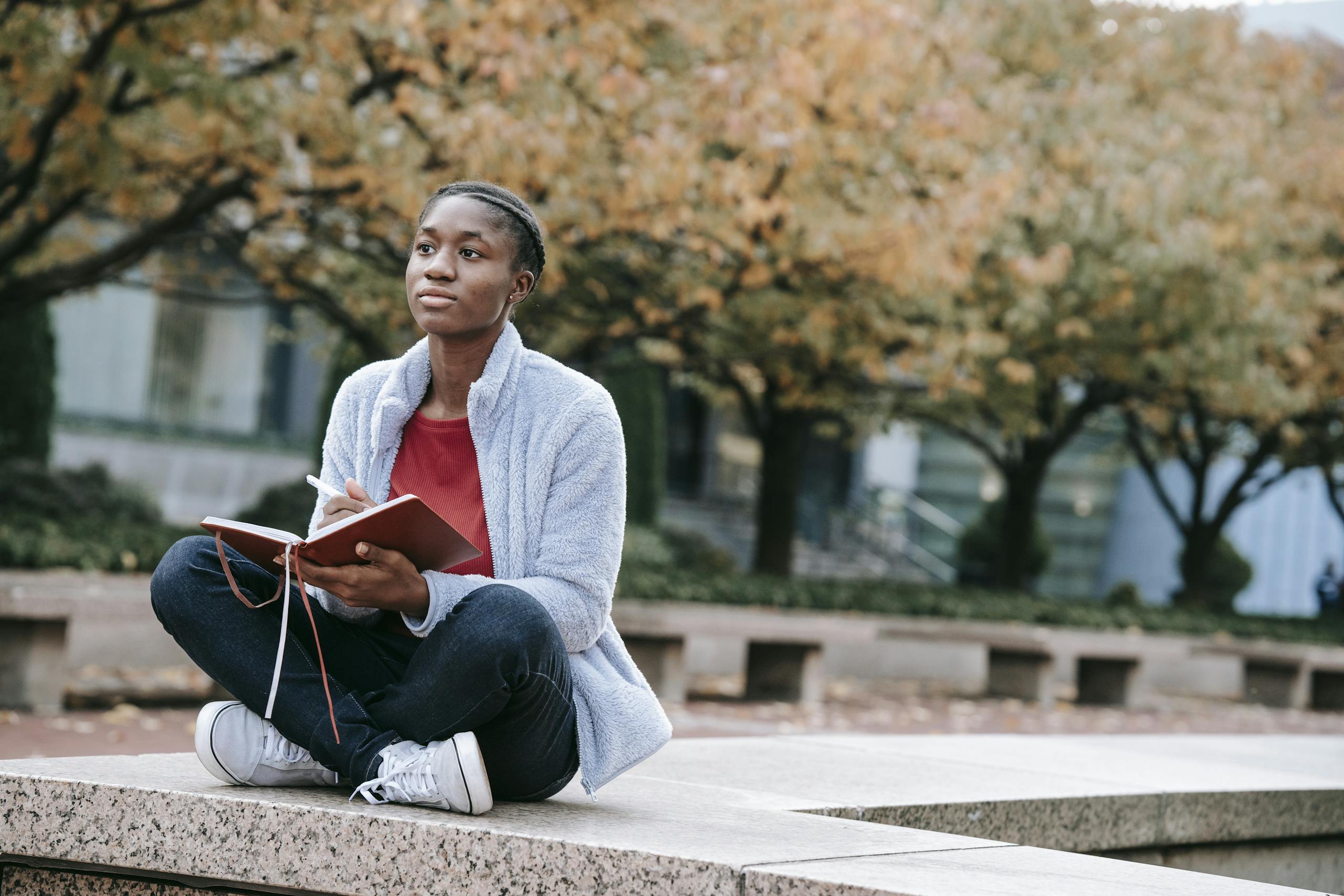
First: you are not trying to achieve a blank mind. That’s not what meditation is. You’re practicing the skill of noticing where your attention has gone and choosing where to redirect it. The noticing is the practice. The returning is the practice. The wandering is not the failure.
Second: shorter and consistent beats longer and sporadic. Five minutes every day for a month will do more for you than a weekend meditation retreat followed by nothing. Build the habit before you build the duration.
Third: some days will feel like nothing is happening. That’s fine. The benefits of meditation are cumulative and often invisible in the moment. You’ll notice them in how you handle a difficult conversation, in how quickly you recover after a hard day, in the slightly longer pause between stimulus and response. Those changes are quiet. They’re also real.
Fourth: if a particular technique consistently makes you feel worse rather than better, stop using it. There’s no single correct form of meditation. The research on mindfulness-based approaches encompasses a wide range of practices, and the variety exists because different methods serve different people. Give yourself permission to find what actually works for your mind.
And finally: your introversion is not an obstacle to meditation. It may be your greatest asset. The capacity for deep attention, for sustained internal focus, for genuine comfort with silence, those are the very qualities that make a meditation practice possible. You already have more of what’s needed than you probably think.
If you’re looking to build out a broader approach to mental wellness alongside your meditation practice, the Introvert Mental Health Hub covers a wide range of connected topics worth exploring as you develop what works for you.
About the Author
Keith Lacy is an introvert who’s learned to embrace his true self later in life. After 20 years in advertising and marketing leadership, including running agencies and managing Fortune 500 accounts, Keith now channels his experience into helping fellow introverts understand their strengths and build fulfilling careers. As an INTJ, he brings analytical depth and authentic perspective to every article, drawing from both professional expertise and personal growth.
Frequently Asked Questions
Is meditation better suited to introverts than extroverts?
Neither personality type has a built-in advantage with meditation, but introverts often find the internal focus easier to access because they’re already accustomed to spending time in their own minds. The challenge for introverts tends to be managing the depth of that inner focus rather than finding it. Extroverts may find the initial turn inward more challenging but often develop strong practices once they find techniques that work for their energy style.
How long should an introvert meditate each day?
Starting with five to ten minutes daily is more effective than beginning with longer sessions you can’t sustain. Consistency matters more than duration, especially in the early stages of building a practice. Once a daily habit is established, many practitioners find that gradually extending to fifteen or twenty minutes provides additional benefit, but there’s no requirement to meditate for long periods to experience meaningful results.
What should I do if meditation makes my anxiety worse?
Some people, particularly those with significant anxiety or trauma histories, find that certain meditation practices initially amplify distress rather than reduce it. If this happens consistently, it’s worth exploring more grounded, movement-based approaches like walking meditation or body scan techniques before attempting open-awareness practices. It’s also worth speaking with a mental health professional if anxiety is significantly impacting your daily life, as meditation works best as a complement to other support rather than a replacement for it.
Can introverts meditate in groups, or is solo practice better?
Solo practice tends to suit most introverts better because it removes the social awareness and potential performance anxiety that can arise in group settings. That said, some introverts find occasional group meditation meaningful, particularly in contexts where the group is quiet and the environment is calm. The best approach is to build your solo practice first, then experiment with group settings from a position of stability rather than looking to a group to establish your practice for you.
Do I need to follow a specific tradition or philosophy to meditate effectively?
No. While many meditation techniques have roots in specific spiritual or philosophical traditions, the practical techniques themselves can be used effectively without adopting any particular belief system. Secular mindfulness-based practices draw on these techniques while framing them in psychological rather than religious terms. What matters is finding an approach that feels genuine and sustainable for you, regardless of its origins.