

Brand persona examples offer a surprisingly clear lens for understanding how families communicate, connect, and sometimes talk past each other entirely. A brand persona is a defined character profile that captures how an entity speaks, what it values, and how it relates to the people around it, and the same framework that helps companies find their voice can help families recognize why their voices so often clash.
After two decades running advertising agencies, I spent enormous energy crafting personas for Fortune 500 clients. I never expected those same tools to help me make sense of my own household.

If you’re an introvert trying to hold your own in a family that doesn’t quite understand how you’re wired, you’re in good company. Our Introvert Family Dynamics and Parenting hub covers the full terrain of these relationships, from how introverted parents raise children to how adult introverts maintain their sense of self inside loud, complicated families. This article adds a specific layer: what brand persona thinking reveals about the personalities we live with every day.
What Is a Brand Persona and Why Does It Matter for Families?
A brand persona is a composite character built from real data and deliberate intention. When I ran agencies, we’d spend weeks developing these profiles for clients. We’d ask questions like: if this brand were a person at a dinner party, how would they behave? Would they dominate the conversation or listen carefully before speaking? Would they tell stories or share facts? Would they comfort or challenge?
What’s your personality type?
Take our free 40-question assessment and get a detailed personality profile with dimension breakdowns, context analysis, and personalised insights.
Discover Your Type8-12 minutes · 40 questions · Free
Those questions sound like they belong in a marketing brief. They also sound exactly like the questions you might ask about your spouse, your teenager, or your mother-in-law.
Families are ecosystems of competing personas. Each person carries a communication style, a set of values, a preferred emotional register, and a way of being seen. When those personas align, family life feels easy. When they collide, even a quiet Sunday afternoon can turn into an exhausting performance.
As an INTJ, I process the world through pattern recognition and long-range thinking. I’m not naturally wired to meet people where they are emotionally in real time. What I can do is step back, observe the dynamics, and map what’s actually happening. Brand persona thinking gave me a framework for that mapping, and it changed how I approach my closest relationships.
How Do Brand Persona Examples Translate to Real People?
Let me walk through the core brand persona archetypes that show up constantly in marketing, and then show you where I’ve seen each one sitting at a family dinner table.
The Caregiver Persona
In branding, the Caregiver archetype shows up as warm, nurturing, and deeply invested in the wellbeing of others. Think of brands that wrap their identity around protection and comfort. In families, this is often the parent who absorbs everyone’s emotional weather and tries to smooth it over. I managed a creative director once who embodied this archetype completely. She would notice tension in a client meeting before anyone had said a word and quietly reorganize the room’s energy. She was extraordinary at it, and it cost her enormously. By the end of every major pitch, she was running on fumes.
Caregiver personas in families often pair beautifully with highly sensitive people. If you’re raising children as someone who picks up on every emotional undercurrent in the room, the HSP parenting experience deserves its own careful attention, because the Caregiver archetype and high sensitivity can amplify each other in ways that are both powerful and draining.
The Sage Persona
The Sage archetype is driven by knowledge, clarity, and the desire to help others understand the world more accurately. Sage brands don’t sell you comfort. They sell you truth. In families, this often shows up as the person who can’t let a factual error go uncorrected, who researches everything before making a decision, who would rather give you the honest answer than the kind one.
I recognize this one intimately. As an INTJ, my default mode in family conversations is closer to Sage than anything else. My instinct is to analyze the situation, identify what’s actually true, and present that clearly. What I’ve had to learn, slowly and with some friction, is that not everyone in my family is asking for analysis. Sometimes they want presence, not conclusions.

The Explorer Persona
Explorer brands are restless, curious, and allergic to routine. They push boundaries and resist being boxed in. In families, Explorer personas are often the ones who resist structure, who want every vacation to be an adventure, who get bored with the same Sunday routine. They can be electric to be around and genuinely difficult to parent.
One of my account executives years ago had this energy in full force. She was brilliant at finding unexpected angles on a brief, and she was also the person who would reopen a settled decision five minutes before a client presentation because she’d had a better idea. Managing Explorer energy requires a specific kind of patience that doesn’t come naturally to an INTJ who has already run the scenarios and chosen the optimal path.
The Ruler Persona
Ruler archetypes value control, order, and clear hierarchies. They’re not bullies, at least not by design. They simply believe that structure is how things get done well. In families, Ruler personas often become the default decision-makers, the ones who organize holidays, set household rules, and feel genuinely unsettled when plans change without notice.
There’s a meaningful difference between a Ruler persona and what psychologists sometimes describe as controlling behavior rooted in anxiety or unresolved patterns. The American Psychological Association’s work on trauma points to how early experiences shape the ways people try to manage uncertainty in adulthood. What looks like a Ruler persona on the surface sometimes has a more complicated story underneath.
The Jester Persona
Jester brands use humor, playfulness, and irreverence to connect. In families, the Jester is the person who defuses tension with a well-timed joke, who makes every gathering feel lighter, and who sometimes uses humor to avoid the harder conversations. I’ve watched Jester personas in families act as genuine social glue. I’ve also watched them use laughter as armor against vulnerability.
What Happens When Personas Clash in Families?
Persona clashes in families are rarely about the surface issue. They’re almost always about incompatible communication styles and mismatched expectations about what a relationship is supposed to feel like.
A Sage and a Caregiver in the same household will often find themselves talking past each other in moments of stress. The Sage wants to solve the problem. The Caregiver wants to feel heard first. Neither is wrong. They’re just operating from different internal frameworks about what connection requires.
An Explorer and a Ruler will create friction around almost every logistical decision in a household, from how vacations get planned to how bedtime routines work with kids. The Ruler reads the Explorer’s flexibility as irresponsibility. The Explorer reads the Ruler’s structure as control. Both are partially right about each other, and both are missing the legitimate need underneath the other’s behavior.
Understanding your own persona archetype is a useful starting point. Tools like the Big Five personality traits test can help you see where you fall on dimensions like openness, conscientiousness, and agreeableness, which map surprisingly well onto brand persona archetypes. High openness often correlates with Explorer energy. High conscientiousness often shows up as Ruler or Sage tendencies.

How Does Introversion Shape a Family Persona?
Introversion adds a specific texture to any persona archetype. An introverted Caregiver processes and gives care differently than an extroverted one. An introverted Explorer still craves novelty and freedom, but often seeks it through books, ideas, and solitary experiences rather than social ones.
What introversion consistently does, regardless of archetype, is slow the external expression of the persona. Introverts often hold their full character back until they feel safe. In families, this can be misread as coldness, disinterest, or even emotional unavailability. The person isn’t absent. They’re processing.
The National Institutes of Health has noted that temperament visible in infancy often predicts introversion in adulthood, which means introversion isn’t a phase or a mood. It’s a fundamental orientation that shapes how a person shows up in every relationship they’ll ever have, including the ones inside their own home.
I spent years in client meetings projecting a persona that wasn’t mine. I’d studied extroverted leadership long enough to perform it convincingly. What I couldn’t sustain was the energy cost. By the time I got home, I had nothing left. My family got the depleted version of me, not because I didn’t love them, but because I’d spent the day being someone I wasn’t. Recognizing my own Sage-leaning, introverted persona and building professional practices around it, rather than against it, changed what I had to offer the people closest to me.
Can You Be Likeable With a Quiet Persona?
One of the most persistent myths about introverted personas, whether in branding or in families, is that quieter means less engaging. The assumption is that warmth requires volume, that connection requires performance.
It doesn’t. Some of the most genuinely compelling people I’ve ever worked with were quiet. They listened in ways that made you feel like the most important person in the room. They asked questions that no one else thought to ask. They remembered details from conversations months earlier and brought them back at exactly the right moment.
Likeability, in families as in branding, is less about output and more about presence. The likeable person test touches on this distinction, separating surface-level charm from the deeper qualities that make people feel genuinely valued. Introverted personas often score higher on those deeper qualities than they expect.
That said, introverted family members sometimes need to make their warmth more visible, not because they lack it, but because the people around them can’t see what’s happening internally. A Sage who is quietly devoted to their family’s wellbeing still needs to find ways to express that devotion in the language their family actually understands.
How Do Persona Archetypes Show Up in Parenting?
Parenting is where persona archetypes get tested most honestly, because children don’t respect the version of yourself you’ve carefully constructed. They find the gaps.
An introverted Sage parent raising an extroverted Jester child will face a specific kind of daily friction. The child wants play, noise, and spontaneity. The parent wants depth, calm, and meaning. Neither is asking for anything unreasonable. They’re just asking in completely different languages.
Caregiver-archetype parents who are also highly sensitive face a particular challenge. They absorb their children’s emotional states so completely that they can lose track of their own needs entirely. The research collected at PubMed Central on parent-child emotional attunement points to how deeply a parent’s own regulation capacity shapes a child’s developing emotional system. You can’t pour from a depleted vessel, and Caregiver personas are especially prone to running dry.
Explorer-archetype parents often struggle with the repetitive demands of early childhood. The same story for the fourteenth night in a row. The same snack preferences. The same bedtime resistance. Explorer personas need novelty to feel alive, and early parenting offers very little of it. Recognizing this as a persona mismatch rather than a character flaw can reduce a significant amount of guilt.

What About Personas in Extended Family Relationships?
Extended families are where persona complexity multiplies fast. You’re no longer managing one or two archetypes. You’re managing an entire ecosystem of them, often across generations with very different ideas about what family is supposed to look like.
The Psychology Today overview of family dynamics describes how family systems develop their own rules, roles, and expectations that persist across time, often long after the original conditions that created them have changed. Personas get locked in early. The youngest sibling stays the Jester even at 45. The oldest stays the Ruler even when they’ve long since stopped wanting that role.
Blended families add another layer entirely. When two family systems with established persona hierarchies merge, the friction isn’t personal. It’s structural. The dynamics of blended families involve everyone renegotiating their role, their status, and their place in the story, often without anyone explicitly acknowledging that’s what’s happening.
For introverts in these situations, the noise of a merging family system can feel genuinely overwhelming. The instinct is to withdraw, which often gets read as rejection. Finding small, consistent ways to show up, rather than grand gestures of inclusion, tends to work better for introverted personas in blended family contexts.
When a Persona Becomes a Mask: Recognizing the Difference
There’s a meaningful distinction between a persona that reflects who you genuinely are and a persona you’ve adopted to survive a difficult family environment. Many introverts, myself included, spent years performing an extroverted persona because the feedback from the world around us was clear: the quiet version of you isn’t quite enough.
That performance has costs. Some of them are practical, like exhaustion and resentment. Some of them go deeper. When a persona becomes a mask worn long enough, it can be genuinely hard to locate yourself underneath it.
In some cases, the disconnect between performed persona and internal experience is significant enough to warrant real attention. If you find yourself consistently unable to identify what you actually feel, or if your behavior in relationships feels driven by fear rather than choice, it’s worth looking more carefully at what’s happening. A resource like the borderline personality disorder test can be a starting point for understanding whether emotional dysregulation is part of the picture, because some of what looks like persona conflict has roots in patterns that deserve professional support.
Most of the time, though, the gap between your performed persona and your authentic one is simply the result of years of adaptation to environments that didn’t make room for who you actually are. Recognizing that gap is the beginning of closing it.
How Can Introverts Use Persona Thinking to Improve Family Relationships?
The practical application of brand persona thinking in family relationships isn’t about labeling people. It’s about building enough understanding of how someone is wired that you stop taking their behavior personally.
When I understood that a colleague’s constant need for external validation wasn’t a manipulation strategy but a genuine feature of how she processed confidence, I stopped being irritated by it and started accounting for it. The same shift happens in families. When you understand that your partner’s Ruler tendencies come from a deep need for security rather than a desire to control you, the conversation changes.
Some specific practices that help:
Map the personas in your household without judgment. Identify what archetype each person most consistently operates from. Notice where the natural friction points are between those archetypes. This isn’t about assigning blame. It’s about seeing the system clearly.
Find the need underneath the behavior. Every persona archetype has a core need driving it. Caregivers need to feel useful and valued. Sages need to feel credible and respected. Explorers need freedom and novelty. Rulers need security and order. When a family member’s behavior frustrates you, ask what need it’s serving.
Communicate in the other person’s language. A Caregiver doesn’t want your analysis of the problem. They want acknowledgment first. A Sage doesn’t want reassurance that everything will work out. They want to understand the actual situation. Meeting someone in their archetype rather than yours is one of the most effective relationship skills available.
For those in caregiving or support roles within families, tools like the personal care assistant test online can offer useful reflection on whether your natural tendencies align with the caregiving demands being placed on you. Some people are genuinely wired for sustained caregiving. Others give everything they have and quietly break.
Physical and emotional caregiving in families also intersects with the kind of sustained personal discipline that shows up in other helping roles. The certified personal trainer test explores some of the same qualities that make someone effective in a support role, consistency, attentiveness to others’ needs, and the ability to motivate without overwhelming. Those qualities matter inside families just as much as they do in professional settings.
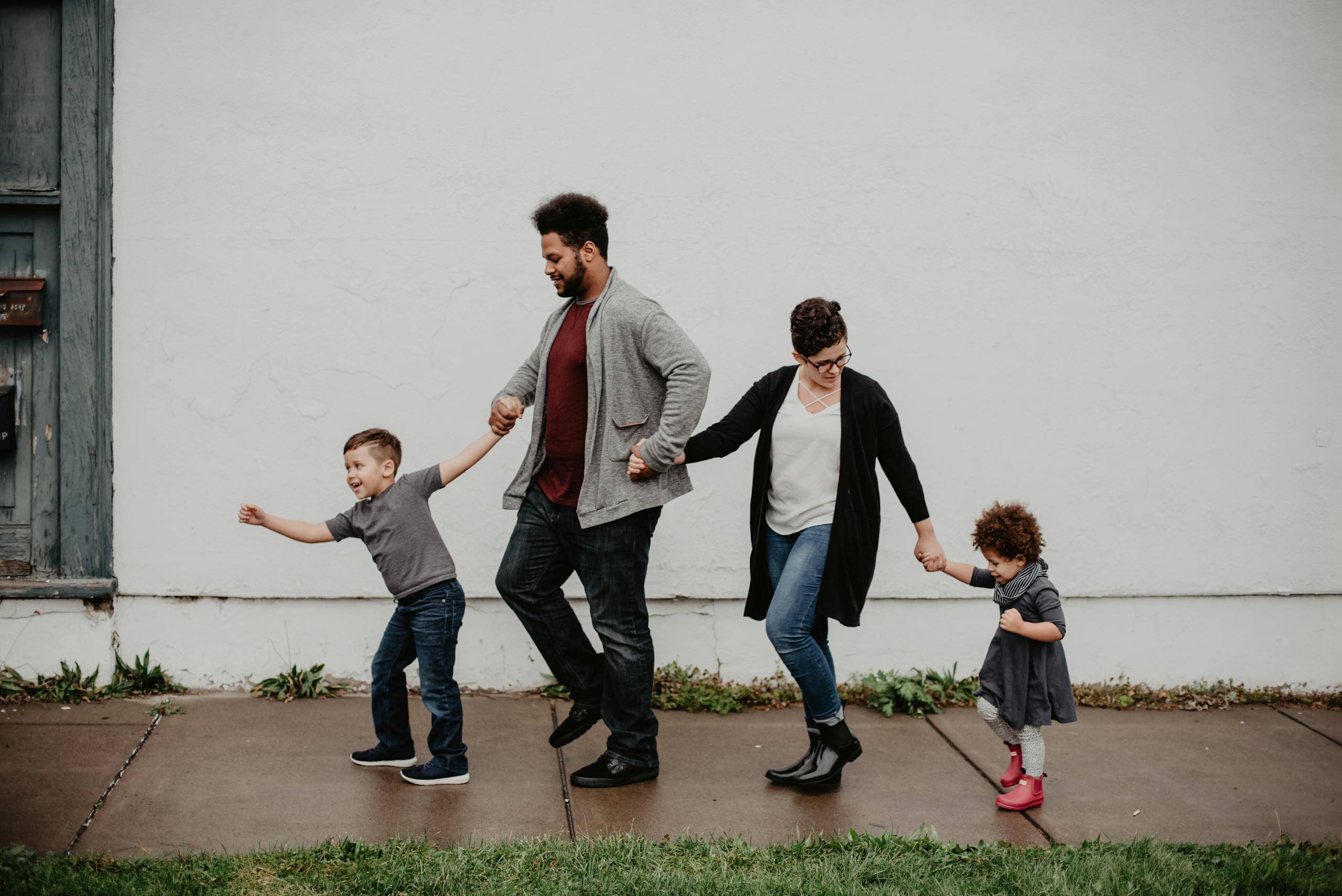
What Brand Personas Taught Me About My Own Family
I came to this framework through work, not through therapy or self-help. I was sitting in a brand strategy session with a client’s team, walking through archetype mapping for a product relaunch, when I looked around the table and realized I was describing my family.
The Caregiver who absorbed everyone’s stress. The Explorer who couldn’t commit to a plan. The Sage who kept correcting everyone’s facts. The Jester who made every tense moment into a bit. I’d spent years managing those archetypes in professional settings with considerable skill. At home, I’d been reacting to them.
What changed wasn’t the people. What changed was the frame. Once I stopped experiencing my family members as obstacles to my preferred way of operating and started seeing them as distinct personas with legitimate needs and communication styles, the friction didn’t disappear. It became workable.
The PubMed Central research on personality and relationship quality supports what many introverts already sense intuitively: self-awareness about your own traits is one of the strongest predictors of relationship satisfaction. Not because self-aware people are easier to live with, but because they stop demanding that others compensate for the gaps in their own understanding.
As an INTJ, my natural tendency is to optimize. I want the most efficient path to the best outcome. What brand persona thinking taught me, in the context of family, is that efficiency isn’t always the right metric. Sometimes the goal is connection, and connection doesn’t optimize. It accumulates, slowly, through consistent small acts of seeing the person in front of you clearly.
There’s a lot more to explore on this topic. The full range of how introverts show up inside families, from parenting to sibling dynamics to the particular challenges of being the quiet one in a loud household, lives in our Introvert Family Dynamics and Parenting hub. It’s worth spending time there if any of this resonates.
About the Author
Keith Lacy is an introvert who’s learned to embrace his true self later in life. After 20 years in advertising and marketing leadership, including running agencies and managing Fortune 500 accounts, Keith now channels his experience into helping fellow introverts understand their strengths and build fulfilling careers. As an INTJ, he brings analytical depth and authentic perspective to every article, drawing from both professional expertise and personal growth.
Frequently Asked Questions
What are brand persona examples in the context of family relationships?
Brand persona examples in family relationships refer to the recurring character archetypes that shape how family members communicate and connect. Common archetypes include the Caregiver, the Sage, the Explorer, the Ruler, and the Jester. Each carries a distinct communication style, core need, and way of relating to others. Recognizing which archetype each family member operates from can reduce friction and improve understanding across different personality types.
How does introversion affect a person’s family persona?
Introversion shapes how a persona is expressed rather than which archetype a person embodies. Introverted family members tend to hold their full character back until they feel safe, which can be misread as emotional distance or disinterest. An introverted Caregiver gives care deeply but quietly. An introverted Sage processes information internally before sharing conclusions. Recognizing the introvert’s expression of their archetype, rather than comparing it to an extroverted standard, leads to more accurate understanding of who they actually are.
Can brand persona thinking actually improve family communication?
Yes, and the mechanism is straightforward. When you understand the core need driving another person’s behavior, you stop taking that behavior personally and start responding to what’s actually being asked for. A Ruler-archetype family member who insists on detailed plans isn’t trying to control you. They’re managing a deep need for security. Meeting them in that need rather than resisting the behavior changes the dynamic significantly. Brand persona thinking offers a practical vocabulary for these shifts.
What is the difference between a persona and a mask in family dynamics?
A persona reflects who you genuinely are at your core, shaped by temperament, values, and authentic experience. A mask is a persona adopted to survive an environment that didn’t make room for your real self. Many introverts develop extroverted masks after years of feedback that their natural quietness isn’t sufficient. The mask can be effective in the short term but carries significant long-term costs, including exhaustion, resentment, and difficulty locating your authentic self. Recognizing the difference between the two is an important step in building relationships that don’t require performance.
How do persona clashes show up in parenting specifically?
Persona clashes in parenting often appear as communication style mismatches rather than value conflicts. A Sage parent raising an Explorer child will find themselves repeatedly frustrated by the child’s resistance to logic and structure. A Caregiver parent with a Ruler child may feel their nurturing is being rejected when the child simply needs order more than comfort. Identifying the archetype of both parent and child allows for more intentional responses, where the parent adapts their communication style to what the child actually needs rather than defaulting to their own natural register.