

Narcissist recovery counseling in White Plains offers introverts and highly sensitive people a structured path back to themselves after the particular kind of damage a narcissistic relationship leaves behind. If you’ve spent months or years having your perceptions questioned, your emotions minimized, or your quiet nature weaponized against you, professional counseling provides the grounded, one-on-one environment where real healing can begin.
Recovering from a narcissistic relationship isn’t simply about moving on. It’s about rebuilding the internal architecture that got dismantled, piece by piece, often so gradually you didn’t notice it happening until the day you looked in the mirror and didn’t quite recognize yourself.
Much of what I explore on this site connects to a broader conversation about introvert mental health, including how our wiring makes us both resilient and, at times, particularly vulnerable. Our full Introvert Mental Health Hub covers the landscape of these challenges, and narcissistic abuse recovery sits squarely within that territory.

Why Do Introverts Often End Up in Narcissistic Relationships?
People ask me this sometimes, and I always pause before answering, because the question itself can feel like blame. It isn’t. What it is, though, is worth examining honestly.
What’s your personality type?
Take our free 40-question assessment and get a detailed personality profile with dimension breakdowns, context analysis, and personalised insights.
Discover Your Type8-12 minutes · 40 questions · Free
Introverts tend to be reflective, thoughtful, and genuinely curious about other people. We listen carefully. We don’t dominate conversations. We give others room to be seen and heard, which is a genuine gift in most relationships. In a relationship with a narcissist, those same qualities become a feeding ground. Our willingness to listen becomes an audience. Our tendency toward self-reflection gets turned into self-doubt. Our preference for harmony gets exploited as conflict avoidance.
I spent twenty-plus years running advertising agencies, and I encountered narcissistic personalities in client relationships, in partnerships, and occasionally on my own leadership team. One client relationship in particular stands out. This was a senior marketing executive at a Fortune 500 company who had a way of making every meeting feel like an audition. No matter how thoroughly my team prepared, he’d find the one gap and spend the next hour there. When I’d push back with data, he’d reframe it as my defensiveness. When I’d agree with him, he’d take it as confirmation that he’d been right all along. After eighteen months, I noticed I’d stopped trusting my own instincts in that room. That’s a subtle and insidious thing to have happen to a person who built a career on strategic judgment.
That professional experience was a mild version of what many people endure in intimate relationships with narcissists. The mechanism is the same, though the stakes are far higher when the relationship is personal.
Highly sensitive people (HSPs), who often overlap significantly with introverts, carry an additional layer of vulnerability here. The depth of emotional processing that makes HSPs so perceptive and empathetic also means they feel the weight of criticism more acutely. When you’re wired to notice every shift in tone, every flicker of disapproval, every withdrawal of warmth, a relationship with someone who weaponizes those signals becomes exhausting in a way that’s hard to describe to people who don’t share that sensitivity. Our piece on HSP empathy as a double-edged sword gets into exactly this tension: the same capacity that makes you deeply caring can leave you open to manipulation.
What Actually Happens in Narcissist Recovery Counseling?
White Plains has a solid concentration of licensed therapists and counseling practices, many of which specialize in trauma-informed care and relationship recovery. If you’re considering this path, it helps to know what you’re walking into, because the word “counseling” can feel vague and the idea of talking through painful experiences with a stranger can feel daunting, especially for introverts who process internally and don’t always find it easy to verbalize what they’re feeling in real time.
Good narcissist recovery counseling typically works across several interconnected areas.
Rebuilding Reality Testing
One of the most disorienting effects of prolonged narcissistic abuse is what clinicians sometimes call “gaslighting,” a systematic pattern of having your perceptions denied or reframed until you genuinely lose confidence in your own read of events. Recovery counseling helps you rebuild what psychologists describe as reality testing: the ability to trust your own observations and interpretations. A skilled therapist creates a consistent, honest environment where your perceptions are neither inflated nor dismissed, just examined clearly.
Processing Trauma Without Re-traumatization
Trauma-informed therapists understand that simply retelling painful experiences isn’t always healing. Approaches like EMDR (Eye Movement Desensitization and Reprocessing) and somatic therapy help the nervous system process stored trauma without requiring you to relive every detail verbally. For introverts who find verbal processing difficult or who tend to intellectualize as a defense mechanism, these modalities can be particularly effective. The National Institutes of Health overview of trauma-focused therapies outlines the evidence base for several of these approaches.
Addressing Anxiety and Hypervigilance
After a narcissistic relationship, many people find themselves in a persistent state of alertness, scanning for threats, bracing for criticism, or anticipating abandonment even in safe relationships. This hypervigilance is the nervous system’s attempt to protect you, but it’s exhausting and it interferes with your ability to be present. The National Institute of Mental Health’s resources on anxiety disorders are worth reviewing if you recognize this pattern in yourself. Recovery counseling specifically targets this anxiety response, helping you distinguish between genuine warning signs and the residue of past conditioning.
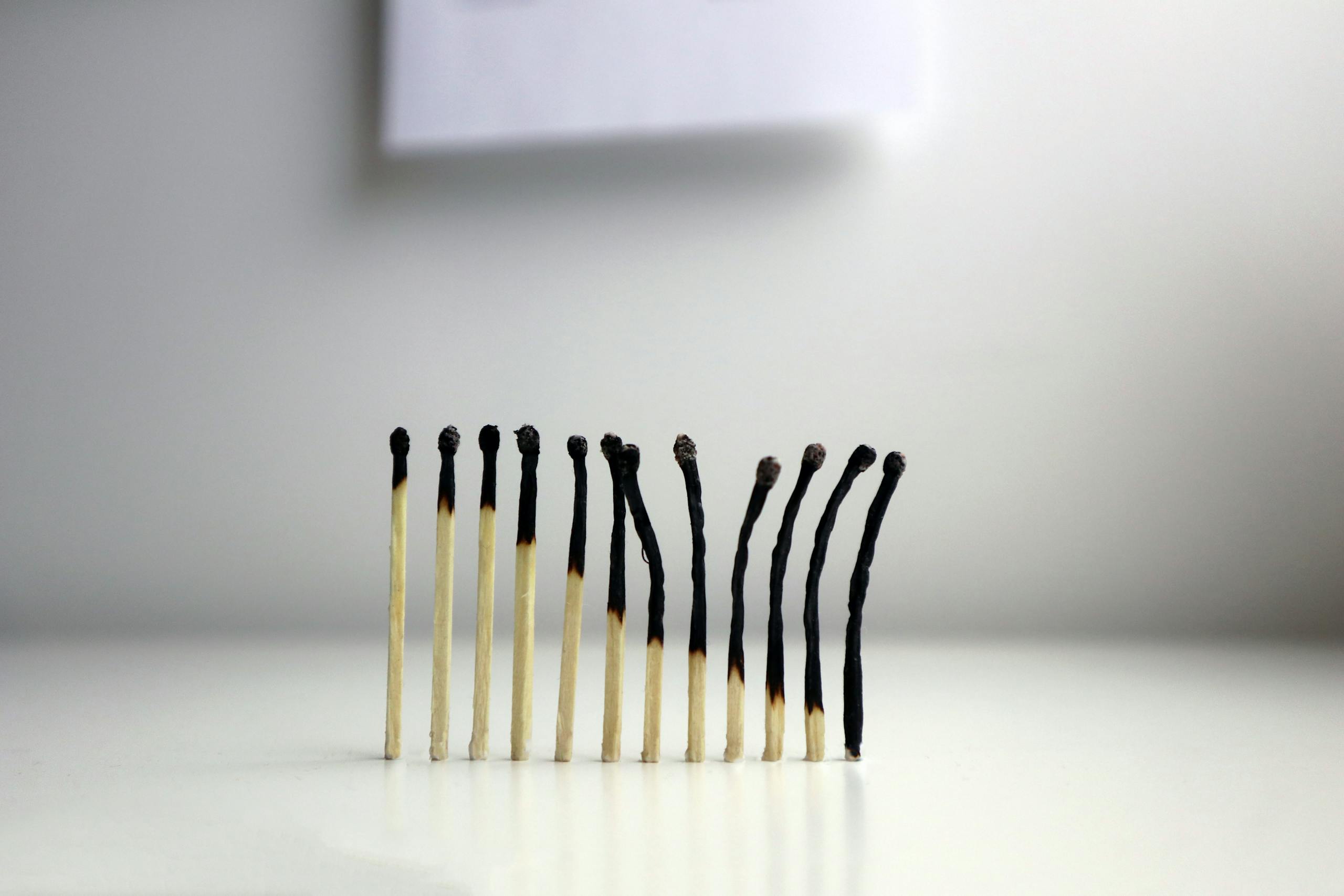
How Does Sensory Overwhelm Complicate Recovery for Sensitive People?
Something I’ve noticed in my own processing, and in conversations with readers over the years, is that recovery from any kind of emotional damage doesn’t happen in a vacuum. It happens in a body that’s still dealing with the world, still responding to noise and light and social demands and the general friction of daily life.
For highly sensitive people recovering from narcissistic abuse, the sensory dimension of healing is real and often overlooked. When your nervous system is already taxed from months or years of chronic stress, ordinary stimulation can feel overwhelming. A crowded waiting room, a loud therapy office, even the effort of commuting to an appointment can drain resources you need for the actual work of healing. Our exploration of managing sensory overload as an HSP addresses this directly and offers practical strategies for protecting your nervous system during vulnerable periods.
This is one reason why the format of counseling matters, not just the content. Many therapists in White Plains now offer hybrid or fully remote options, which can significantly reduce the sensory burden for clients who are highly sensitive or who are still in the early, fragile stages of recovery. Don’t hesitate to ask about this when you’re evaluating practices.
There’s also the question of anxiety, which often runs alongside sensory sensitivity in people who’ve been through narcissistic relationships. The chronic unpredictability of living with or working closely with a narcissist trains the nervous system to stay on alert. Over time, that alert state becomes the baseline. Understanding how anxiety and sensitivity interact is something our piece on HSP anxiety and coping strategies examines in depth, and it’s directly relevant to what recovery counseling needs to address.
What Should You Look for in a White Plains Therapist Specializing in This Area?
Finding the right therapist is one of the most consequential decisions in the recovery process, and for introverts, it’s worth being deliberate about it. We don’t always warm up quickly to new people. We need to feel genuinely safe before we can be open. A therapist who’s technically skilled but whose style feels rushed, performatively warm, or dismissive of our quieter processing style can actually slow recovery rather than support it.
consider this I’d prioritize when evaluating therapists in the White Plains area.
Trauma-Informed Training
Look specifically for therapists who describe themselves as trauma-informed, not just generally experienced with “relationship issues.” Narcissistic abuse creates a specific trauma pattern that requires specific clinical knowledge. Ask directly whether they have experience with narcissistic abuse recovery, coercive control, or complex PTSD. A therapist who’s vague about this or who pivots immediately to couples counseling frameworks may not be the right fit.
Comfort With Introversion and Quiet Processing
Some therapists are trained primarily in highly verbal, emotionally expressive modalities that can feel uncomfortable or even counterproductive for introverts who process internally. A good therapist for an introvert client knows how to sit with silence, how to ask questions that allow for reflection rather than demanding immediate answers, and how to recognize that quiet isn’t the same as disengaged.
One of my team members at the agency, a creative director who I’d describe as a textbook introvert, spent two years in therapy that she later described as feeling like a performance. Her therapist kept pushing for emotional expression in ways that felt foreign to how she actually processed things. When she found a therapist who worked differently, giving her space to think before responding and validating her written journaling as a legitimate form of processing, her progress accelerated significantly. The fit matters enormously.
A Clear Stance on Narcissistic Dynamics
Some therapists, particularly those trained primarily in couples work, default to a “both sides” framework that can be genuinely harmful in narcissistic abuse situations. You need a therapist who understands the power imbalance inherent in these relationships and who won’t inadvertently reinforce the self-blame that narcissistic abuse almost always produces. Research published in PubMed Central on narcissistic personality patterns helps clarify why these dynamics are distinct from ordinary relationship conflict and why they require a different therapeutic approach.

How Does Deep Emotional Processing Affect the Recovery Timeline?
One of the things I want to say plainly, because I don’t think it gets said enough, is that introverts and highly sensitive people often take longer to recover from narcissistic relationships than the timelines suggested in popular articles about “moving on.” That’s not a weakness. It’s a direct consequence of how deeply we process experience.
Where someone with a more surface-level emotional style might compartmentalize and move forward relatively quickly, introverts tend to return to painful experiences repeatedly, examining them from different angles, looking for meaning, trying to understand what happened and why. This can look like rumination from the outside, and sometimes it is. But it’s also how many of us genuinely integrate experience. We don’t process in straight lines.
Our article on HSP emotional processing and feeling deeply speaks to this directly. The capacity to feel and process deeply is, in most contexts, a profound strength. In recovery from narcissistic abuse, it means the work is thorough, even when it’s slow.
What I’ve observed, both in my own experience and in the stories people share with me, is that the depth of processing eventually becomes an asset in recovery. The same tendency to examine experience carefully that made the grief feel endless is also what produces genuine insight rather than just behavioral change. Many people who’ve done this work describe coming out the other side with a clarity about their own values, needs, and patterns that they didn’t have before. That clarity doesn’t come cheap, but it’s real.
What Role Does Perfectionism Play in Staying Stuck After Narcissistic Abuse?
This is something I want to address directly, because I see it come up repeatedly in how introverts describe their recovery experience.
Many introverts, particularly those with perfectionist tendencies, get stuck in a specific recovery trap: they can’t stop analyzing what they “should have seen,” what they “should have done differently,” or why they “let it go on so long.” The internal critique becomes relentless. And because perfectionism is already wired into how many of us approach our own behavior, the narcissistic abuse experience hands that inner critic a mountain of material to work with.
I know this pattern from the inside. When that difficult client relationship I mentioned earlier finally ended (we resigned the account after eighteen months), I spent weeks afterward dissecting every decision I’d made. Why hadn’t I set firmer boundaries earlier? Why had I let his framing affect my confidence? The analysis was so thorough it was almost punishing. What I’ve come to understand is that perfectionism in recovery isn’t about finding the truth. It’s about control. If I can identify exactly what I did wrong, maybe I can guarantee it won’t happen again. It’s a coping mechanism, not a healing strategy.
Our piece on HSP perfectionism and breaking the high standards trap gets into this dynamic in detail. In the context of narcissist recovery counseling, a good therapist will help you distinguish between genuine self-reflection and the kind of self-punishing perfectionism that keeps you anchored to the past. The American Psychological Association’s resources on resilience are also worth exploring, particularly their framing of self-compassion as a core component of genuine recovery.
How Do You Handle the Grief of Rejected Perception?
One aspect of narcissistic abuse that doesn’t get enough attention is the specific grief of having your perceptions systematically rejected. It’s not just that the relationship ended. It’s that the relationship, as you understood it, may never have existed in the way you experienced it. That’s a particular kind of loss.
For introverts, whose inner world is rich and whose sense of meaning often comes from the depth of their connections, discovering that a relationship was fundamentally different from what they believed it to be can feel destabilizing in a way that’s hard to articulate. It’s not just heartbreak. It’s a kind of epistemological grief: a loss of trust in your own ability to know what’s real.
Rejection, in this context, operates on multiple levels simultaneously. There’s the rejection of the relationship ending. There’s the rejection of your perceptions as valid. And there’s often the social rejection that comes when others in a shared circle side with the narcissist or simply don’t understand why you’re still struggling. Our article on HSP rejection, processing and healing addresses the layered nature of rejection for sensitive people and offers a framework for working through it that doesn’t require minimizing how significant it actually was.
Good recovery counseling holds space for all of this. A therapist who only addresses the behavioral patterns of the relationship without acknowledging the deeper grief of lost perception is missing a significant part of the picture.

What Practical Steps Support Recovery Between Counseling Sessions?
Counseling sessions are the foundation, but recovery happens in the hours and days between them. For introverts, the between-session work often looks different from what’s typically described in mainstream recovery content, which tends toward social support, group processing, and expressive activities that can feel draining rather than restorative for people who recharge in solitude.
What tends to work well for introverts in recovery includes the following.
Structured Journaling
Not free-form venting, but structured prompts that help you externalize and examine what’s happening internally. Many therapists will provide specific prompts tied to your work in session. Writing, for introverts, is often a more natural processing medium than talking, and it creates a record that lets you track your own progress over time.
Intentional Solitude
Not isolation, which is different, but deliberate, restorative time alone. Recovery is cognitively and emotionally demanding. Protecting time for genuine solitude, where you’re not performing or managing others’ expectations, is a legitimate and necessary part of the process. Psychology Today’s Introvert’s Corner has long made the case that solitude is a genuine need for introverts, not a symptom of avoidance.
Selective, Trusted Social Connection
One or two people who genuinely understand what you’ve been through and who don’t require you to perform wellness before you’ve actually achieved it. Quality over quantity is always the introvert’s natural inclination, and in recovery it’s particularly important to protect your energy for relationships that are genuinely nourishing.
Body-Based Practices
Narcissistic abuse is stored in the body as well as the mind. Practices that bring you back into physical awareness, whether that’s walking, yoga, swimming, or even just deliberate breathing, help regulate the nervous system in ways that purely cognitive approaches can’t fully address. PubMed Central research on mind-body approaches to trauma recovery supports the integration of somatic practices alongside traditional talk therapy.
How Long Does Narcissist Recovery Counseling Typically Take?
Honestly, there’s no single answer, and any therapist who gives you a firm timeline in the first session should probably be viewed with some skepticism. What shapes the duration includes the length and intensity of the relationship, whether there are other underlying mental health factors, how much support you have outside of sessions, and your own readiness and capacity for the work at any given point in your life.
What I can say, both from observation and from conversations with people who’ve been through this, is that meaningful progress in narcissist recovery counseling typically becomes noticeable within the first few months. Not completion, but a stabilization. The hypervigilance starts to soften. You begin to trust your perceptions again in small ways. The self-blame starts to loosen its grip. These are signs that the work is taking hold.
Deeper integration, the kind where you’ve genuinely rebuilt your sense of self and your relationship to trust, often takes longer. That’s not a failure. It’s proportionate to how significant the damage was. Academic research on recovery from coercive relationship dynamics consistently shows that recovery is nonlinear, with periods of apparent regression that are actually part of the integration process.
What matters most is that you’re moving, even when it doesn’t feel like it.

If you’re finding that narcissist recovery intersects with other aspects of your mental health as an introvert or highly sensitive person, our Introvert Mental Health Hub brings together a wide range of resources specifically written for people who experience the world with depth and sensitivity.
About the Author
Keith Lacy is an introvert who’s learned to embrace his true self later in life. After 20 years in advertising and marketing leadership, including running agencies and managing Fortune 500 accounts, Keith now channels his experience into helping fellow introverts understand their strengths and build fulfilling careers. As an INTJ, he brings analytical depth and authentic perspective to every article, drawing from both professional expertise and personal growth.
Frequently Asked Questions
What is narcissist recovery counseling and how is it different from regular therapy?
Narcissist recovery counseling is a specialized form of therapy that addresses the specific psychological effects of being in a relationship with someone who has narcissistic traits, including gaslighting, chronic self-doubt, trauma bonding, and complex grief. Unlike general relationship counseling, it doesn’t treat both parties as equally responsible for relationship dynamics. It recognizes the power imbalance inherent in narcissistic relationships and focuses specifically on helping the affected person rebuild their sense of self, restore trust in their own perceptions, and process trauma in a structured, safe environment.
How do I find a narcissist recovery counselor in White Plains?
Start by searching therapist directories such as Psychology Today’s therapist finder or the SAMHSA National Helpline directory, filtering for White Plains and specializations including narcissistic abuse, complex trauma, or coercive control. When you contact potential therapists, ask directly about their experience with narcissistic abuse recovery and their familiarity with trauma-informed modalities such as EMDR or somatic therapy. Many practices in the White Plains area also offer a free initial consultation, which gives you a chance to assess fit before committing.
Why do introverts and highly sensitive people seem particularly vulnerable to narcissistic relationships?
Introverts and highly sensitive people bring qualities to relationships that narcissistic individuals often exploit, including deep empathy, careful listening, a preference for harmony over conflict, and a tendency toward self-reflection that can be turned into self-doubt. These aren’t weaknesses. They’re genuine strengths that become vulnerabilities in the specific context of a relationship with someone who uses them manipulatively. Recovery counseling helps sensitive people understand this distinction and reclaim those qualities as assets rather than liabilities.
How long does narcissist recovery counseling take?
Recovery timelines vary significantly depending on the length and intensity of the relationship, individual factors including prior trauma history, and the level of support available outside of sessions. Many people notice meaningful stabilization within the first few months of consistent counseling, with deeper integration of the experience taking longer, sometimes a year or more. Recovery is nonlinear, and periods that feel like regression are often part of the integration process. The goal is genuine healing rather than a quick return to baseline.
Can introverts recover effectively from narcissistic abuse without group therapy?
Yes. While group therapy or support groups work well for some people, many introverts find that individual counseling is more effective for their processing style. The one-on-one format allows for the depth of exploration that introverts typically need, without the social energy demands of a group setting. If you’re considering group support as a supplement, many therapists can help you identify whether a particular group’s format and size would be a good fit for your temperament and where you are in your recovery.