
The best books on minimalism share a common thread: they aren’t really about owning fewer things. They’re about reclaiming your attention, your energy, and the quiet space that gets crowded out when life fills up faster than you can process it. For introverts especially, minimalism isn’t a design trend. It’s a survival strategy.
I came to minimalism the way most people do, reluctantly, after years of accumulating more than I needed. More clients, more commitments, more clutter on my desk and in my head. It wasn’t until I started reading seriously about the philosophy behind owning less that I understood what I was actually searching for: space to think clearly, and permission to stop performing busyness as a measure of worth.
These books changed how I approach my environment, my schedule, and my relationship with solitude. If you’re an introvert looking to recharge more intentionally, this list is a good place to start.
Minimalism connects naturally to the broader work of building a sustainable inner life. Our Solitude, Self-Care and Recharging hub explores the full range of practices that help introverts protect their energy, and the books below fit squarely into that conversation.

Why Do Introverts Gravitate Toward Minimalism?
There’s something that happens to me in cluttered environments. My thinking slows, my focus fractures, and I feel a low-grade irritation that I used to chalk up to stress. It took me an embarrassingly long time to connect the dots between my physical surroundings and my mental state.
What’s your personality type?
Take our free 40-question assessment and get a detailed personality profile with dimension breakdowns, context analysis, and personalised insights.
Discover Your Type8-12 minutes · 40 questions · Free
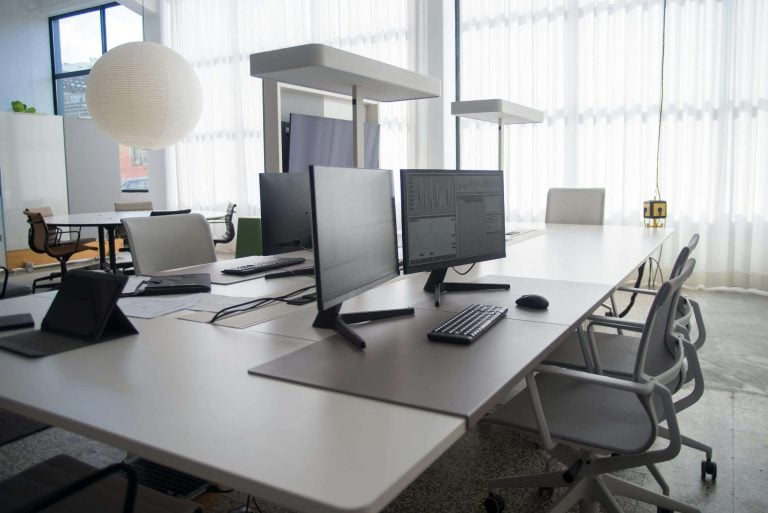
Running an advertising agency means you’re surrounded by noise by design. Open floor plans, brainstorm walls covered in sticky notes, people talking over each other in creative reviews. I built that environment because I thought it was what a thriving agency looked like. What I didn’t account for was how much energy I spent every single day just filtering it out.
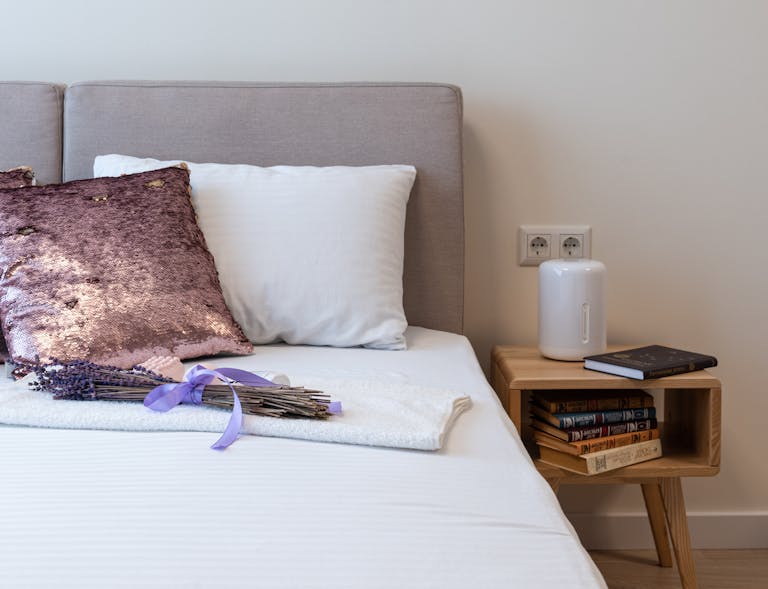
Many introverts process their surroundings deeply. We notice things. A room with too much visual information isn’t neutral background, it’s active input that demands processing. That’s partly why so many of us feel drawn to cleaner, quieter spaces. It’s not aesthetic preference. It’s cognitive relief.
Minimalism, at its best, creates the conditions for the kind of deep, unhurried thinking that introverts do well. It’s worth noting that researchers at Berkeley have explored how solitude supports creativity, and a simpler environment is one of the most accessible ways to create that solitude even when you can’t physically be alone.
If you’ve ever noticed that your best ideas come in the shower or on a quiet walk, you already understand the principle. These books put language around something you may have been feeling for years without knowing what to call it.
What Are the Best Books on Minimalism for Introverts?
I want to be honest about how I’ve organized this list. These aren’t ranked by popularity or Amazon ratings. They’re ordered by the sequence in which I’d recommend reading them, based on where most people start and where the thinking tends to deepen over time.
The Life-Changing Magic of Tidying Up by Marie Kondo
Most people have heard of this one, and many have dismissed it as a book about folding laundry. That’s a fair reading of the surface, but what Kondo is actually describing is a methodology for making decisions about what you want your life to contain. The famous “spark joy” question is less about sentiment and more about forcing yourself to be intentional about every single object you keep.
What struck me most was how exhausting Kondo reveals our relationship with stuff to be. Every item you own that you don’t actively want is a small, ongoing drain. As an INTJ, I respond well to systems, and the KonMari method is nothing if not a system. I applied it to my home office during a particularly brutal stretch of agency life, and the clarity I felt afterward wasn’t just psychological. My actual output improved in the weeks that followed.
This is the right first book because it’s concrete and actionable. It doesn’t ask you to adopt a philosophy before you’ve experienced any results. You do the work, you feel the difference, and then you start asking why it worked.
Goodbye, Things by Fumio Sasaki
Sasaki is more radical than Kondo, and more vulnerable. He’s a Japanese writer who reduced his possessions to a remarkable extreme and then wrote honestly about what drove him to do it. What makes this book valuable isn’t the extreme, it’s the self-examination underneath it.
Sasaki writes about comparison, about the way we accumulate things to signal something to others or to ourselves, and about how exhausting that performance becomes. I recognized that pattern immediately. I spent years in advertising buying into the idea that the right office, the right wardrobe, the right car were part of the leadership image I was supposed to project. Sasaki names that game clearly and without judgment, which made it easier for me to admit I’d been playing it.
For introverts who have spent time performing extroversion, this book hits differently. The relief Sasaki describes when he stops curating his possessions for an audience mirrors the relief many of us feel when we finally stop curating our personalities for one.

Essentialism by Greg McKeown
This is the book I wish I’d read before I said yes to every client pitch, every speaking engagement, and every industry event that came across my desk during my agency years. McKeown’s central argument is simple: doing fewer things better produces more meaningful results than doing many things adequately. He calls this the disciplined pursuit of less.
What separates Essentialism from generic productivity advice is McKeown’s emphasis on the cost of non-essential commitments. Every yes is a no to something else. For introverts who already find social and professional demands draining, that framing is clarifying in a way that feels almost physical. You start looking at your calendar differently.
I’ve written before about what happens when introverts don’t get enough alone time, and McKeown’s work is essentially a blueprint for preventing that depletion before it starts. Protecting your time and protecting your energy are the same act.
McKeown also addresses something that resonates deeply with the INTJ wiring I’ve come to understand in myself: the tendency to want to do things thoroughly or not at all. Essentialism gives that tendency a productive frame. It’s not perfectionism. It’s prioritization.
Digital Minimalism by Cal Newport
Newport’s argument is that our relationship with technology, specifically social media and the attention economy, is fundamentally incompatible with a reflective, intentional life. He’s not anti-technology. He’s pro-intentionality, and he makes a compelling case that most of us have allowed apps and notifications to colonize the mental space we need for thinking, creativity, and genuine rest.
This book changed my phone habits more than any other single thing I’ve read. I ran agency social media accounts for Fortune 500 brands. I understood the mechanics of engagement and dopamine loops from a professional standpoint. Newport made me confront how thoroughly I’d become subject to the same mechanisms I was deploying for clients.
For introverts who are also highly sensitive, the case Newport makes connects to something researchers have explored around overstimulation and nervous system regulation. Constant digital input isn’t neutral. It’s a sustained demand on your attention that leaves less capacity for the depth of processing that introverts do naturally and need to do well.
Newport’s “digital declutter” practice, a 30-day break from optional technologies, is the most practical experiment in this entire list. I’ve done a version of it twice. Both times, the first week was uncomfortable and the following weeks were genuinely restorative.
The More of Less by Joshua Becker
Becker is the most grounded and least extreme of the minimalism writers I’d recommend. He’s not asking you to count your possessions or live with a capsule wardrobe. He’s asking a quieter question: what would your life look like if you owned less, and what would you do with the time and attention you freed up?
What I appreciate about this book is that Becker frames minimalism as a means rather than an end. The goal isn’t a sparse apartment. The goal is whatever matters most to you, and owning less is one way to clear a path toward it. That framing works well for introverts because it connects decluttering to something personal and internal, not to an aesthetic or a lifestyle brand.
Becker also writes about the relationship between physical simplicity and mental spaciousness in ways that align with what I know about how highly sensitive people experience their environments. If you’re interested in the broader picture of HSP self-care and daily practices, Becker’s approach fits naturally into that framework. Simplifying your surroundings is one of the most accessible forms of self-care available.
Walden by Henry David Thoreau
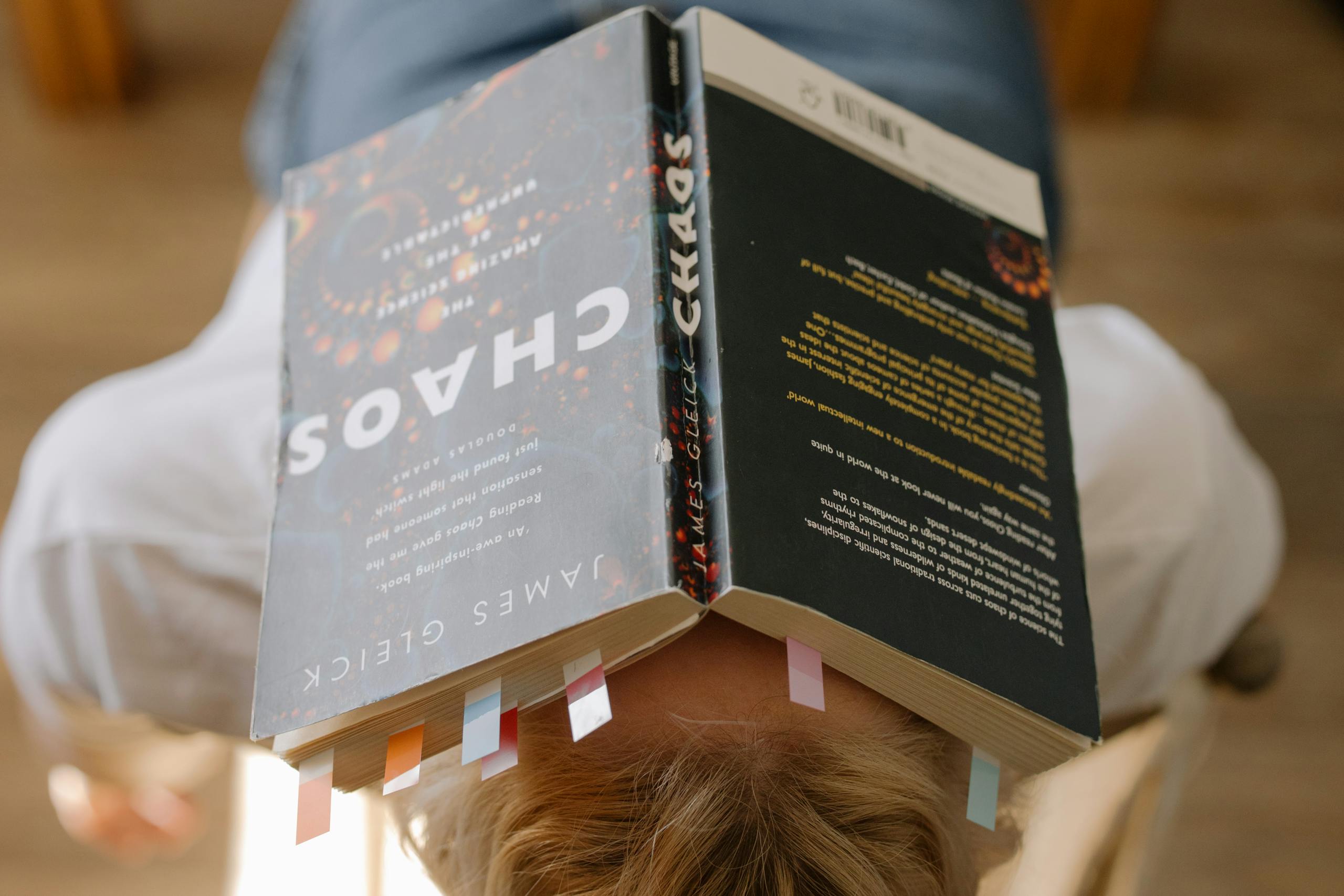
I’ll be honest: I tried to read Walden in college and found it slow. I came back to it in my mid-forties, after leaving the agency world behind, and it read like a different book entirely.
Thoreau’s experiment at Walden Pond was radical for its time and remains radical now. He stripped his life down to essentials not to be eccentric but to see what was actually necessary and what he’d been doing out of habit or social expectation. His observations about the cost of busyness, about the way most people live lives of quiet desperation while chasing things they don’t genuinely want, still land with uncomfortable precision.
This isn’t a practical how-to book. It’s a philosophical invitation. Thoreau’s deep connection to the natural world as a source of clarity and restoration connects to something many introverts experience instinctively. The healing power of nature for highly sensitive people is something worth exploring alongside Walden, because Thoreau was writing about the same phenomenon two centuries before the research caught up with him.
Read this one slowly. It rewards that kind of attention.
Everything That Remains by Joshua Fields Millburn and Ryan Nicodemus
The Minimalists, as Millburn and Nicodemus are known, built one of the most widely read minimalism platforms in the world from a fairly simple premise: they were successful by conventional measures and genuinely miserable, and owning less helped them find their way out.
This book is part memoir, part manifesto. It’s more emotionally raw than the others on this list, and that vulnerability is part of what makes it effective. Millburn writes about grief, about corporate burnout, about the gap between what he thought success looked like and what it actually felt like from the inside. That gap will be familiar to many introverts who’ve spent time performing a version of themselves that doesn’t quite fit.
I managed a team of about thirty people at the height of my agency years. Several of them were burning out in ways I could see clearly but didn’t have the language to address at the time. Reading Everything That Remains years later, I recognized what several of them had been going through. The book would have been useful then. It’s still useful now.
How Does Minimalism Support Introvert Recharging?
The connection between minimalism and recharging isn’t incidental. It’s structural. When your environment demands less processing, you have more capacity for the kind of deep rest that actually restores you.
I’ve noticed this most clearly in my sleep. During the years when my home office doubled as a storage space for client files, industry awards, and a decade’s worth of accumulated agency memorabilia, I slept poorly and woke up already feeling behind. After clearing that room down to a desk, a chair, a lamp, and a single bookshelf, my sleep improved noticeably. There’s a real relationship between environmental simplicity and rest quality, and HSP sleep and recovery strategies explore that connection in practical detail.
Beyond sleep, minimalism creates the conditions for genuine solitude. Not just being physically alone, but being mentally alone in a way that allows for real restoration. The essential need for solitude is well documented among highly sensitive introverts, and a simplified environment is one of the most reliable ways to make that solitude feel safe and restorative rather than merely empty.
There’s also something worth naming about the relationship between minimalism and decision fatigue. Every choice you eliminate from your daily environment, every object you don’t have to look at and decide about, frees up cognitive bandwidth for things that actually matter to you. For introverts who tend to think carefully and thoroughly about decisions, reducing the volume of low-stakes choices is a genuine gift.

What Should You Read First If You’re New to Minimalism?
Start with Essentialism if you’re primarily dealing with an overloaded schedule and too many commitments. Start with The Life-Changing Magic of Tidying Up if your physical space is the most pressing issue. Start with Digital Minimalism if your phone and social media habits are the main source of drain.
The entry point matters less than the direction of travel. All of these books are pointing toward the same thing: a life with more space in it. More space to think, to rest, to be present with what you actually care about. For introverts, that’s not a luxury. It’s a baseline requirement for functioning well.
My own path through these books was non-linear. I read Newport before Kondo, circled back to Thoreau after Sasaki, and found Becker at a point when I needed permission to be moderate rather than extreme. There’s no wrong sequence. The ideas build on each other regardless of the order you encounter them.
One thing I’d add: reading about minimalism and practicing it are different activities. The books are most valuable when they prompt you to actually change something, even something small. Clear one shelf. Delete one app. Decline one commitment you were going to accept out of obligation. The philosophy becomes real in those small acts.
I think about my dog Mac sometimes when I consider what genuine contentment looks like. He’s written about on this site in a piece about Mac’s alone time, and there’s something instructive in how naturally he settles into quiet. He doesn’t perform rest. He just rests. Minimalism, at its best, helps humans do the same thing.
How Do These Books Address the Emotional Side of Letting Go?
One thing that surprised me when I first started reading in this space was how emotionally charged the act of letting go turned out to be. Kondo addresses this directly, instructing readers to thank objects before releasing them, which sounds strange until you try it and realize it’s actually a way of acknowledging the feeling without being controlled by it.
Sasaki goes further, examining why we hold on to things in the first place. Often it’s not attachment to the object itself but to what it represents: a version of ourselves we’re not ready to release, a relationship we’re still processing, a future we imagined and haven’t let ourselves grieve. That’s heavy material, and Sasaki handles it with a lightness that makes it approachable.
The Minimalists write about this most personally. Millburn’s account of going through his mother’s possessions after her death, and what that process revealed about how we use objects to avoid feelings, is one of the more honest pieces of writing in the entire genre.
For introverts who process emotion internally and sometimes slowly, these books offer something valuable: permission to take your time with the emotional work of simplifying. You don’t have to do it all at once. You don’t have to perform the process for anyone else. You can move at the pace that allows you to actually feel what you’re doing, which is the only pace that produces lasting change.
There’s good evidence that the way we manage our environments affects our psychological wellbeing in measurable ways. Frontiers in Psychology has published work on how environmental factors interact with mental health, and the connection between clutter, stress, and cognitive load is one that minimalism books address practically even when they don’t use clinical language.
What the best books in this genre share is an understanding that the external work of simplifying is always in service of something internal. You’re not just clearing your closet. You’re clearing your head. And for introverts who do their best thinking in quiet, uncluttered mental space, that matters enormously.

If you want to go deeper on the practices that support this kind of intentional living, the Solitude, Self-Care and Recharging hub covers everything from daily routines to recovery strategies built specifically around how introverts and highly sensitive people are wired.
Minimalism gave me back something I didn’t know I’d lost: the experience of my own home as a place that restored me rather than demanded more from me. That’s not a small thing. For anyone who spends significant energy managing the external world, having a sanctuary that genuinely recharges you is foundational. These books helped me build that. I think they can do the same for you.
About the Author
Keith Lacy is an introvert who’s learned to embrace his true self later in life. After 20 years in advertising and marketing leadership, including running agencies and managing Fortune 500 accounts, Keith now channels his experience into helping fellow introverts understand their strengths and build fulfilling careers. As an INTJ, he brings analytical depth and authentic perspective to every article, drawing from both professional expertise and personal growth.
Frequently Asked Questions
What is the best book on minimalism for beginners?
The Life-Changing Magic of Tidying Up by Marie Kondo is the most accessible starting point for most people. It offers a concrete, step-by-step process that produces visible results quickly, which helps build momentum for the broader mindset shift that minimalism requires. If your primary challenge is time and commitments rather than physical clutter, Essentialism by Greg McKeown is an equally strong entry point.
Are minimalism books helpful for introverts specifically?
Yes, and meaningfully so. Introverts tend to be more sensitive to environmental stimulation than extroverts, which means cluttered or overstimulating spaces create a greater cognitive and emotional drain. Minimalism books address the root of that drain by helping you design environments and schedules that require less filtering and processing. The result is more mental energy available for the depth of thinking and genuine rest that introverts need.
Does minimalism mean owning as little as possible?
Not in any of the books recommended here. The most useful minimalism writing treats “less” as a direction rather than a destination. Authors like Joshua Becker and Greg McKeown are explicit about this: the goal is intentionality, not austerity. You’re asking what you actually want your life to contain and removing what doesn’t serve that. For some people that means dramatic reduction; for others it means modest, targeted changes that free up meaningful space and energy.
How does digital minimalism differ from physical minimalism?
Physical minimalism focuses on your material possessions and physical environment. Digital minimalism, as Cal Newport describes it, focuses on your relationship with technology, particularly apps, social media, and devices that fragment your attention. Both address the same underlying problem: too much input competing for finite cognitive and emotional resources. Newport argues that digital clutter is in some ways more insidious than physical clutter because it’s designed by professionals to be as attention-capturing as possible, making intentional boundaries harder to maintain.
Can minimalism help with introvert burnout and recovery?
Minimalism addresses several of the conditions that contribute to introvert burnout: overstimulating environments, overcommitted schedules, and the cognitive load of managing too much at once. By reducing what your environment demands from you, minimalism creates more space for the rest and recovery that introverts require. It’s most effective as a preventive practice rather than a cure, but even people in active burnout often find that simplifying their immediate surroundings provides some relief and a clearer starting point for recovery.