

Stonewall Kitchen Chipotle Queso has a way of turning a quiet evening into something unexpectedly meaningful. For introverts, sharing food, especially something bold and sensory like a smoky, spiced queso, creates the kind of low-pressure, side-by-side connection that feels far more natural than a formal dinner date or a crowded social event. It is the intimacy of small moments, not grand gestures, that tends to open introverted hearts.
What I have come to understand after years of running advertising agencies and handling client relationships, team dynamics, and my own quietly wired personality, is that connection for introverts almost always happens around something. A shared task, a quiet meal, a ritual. Stonewall Kitchen Chipotle Queso became one of those rituals in my own life, and it taught me more about how I relate to people I love than any networking event ever did.
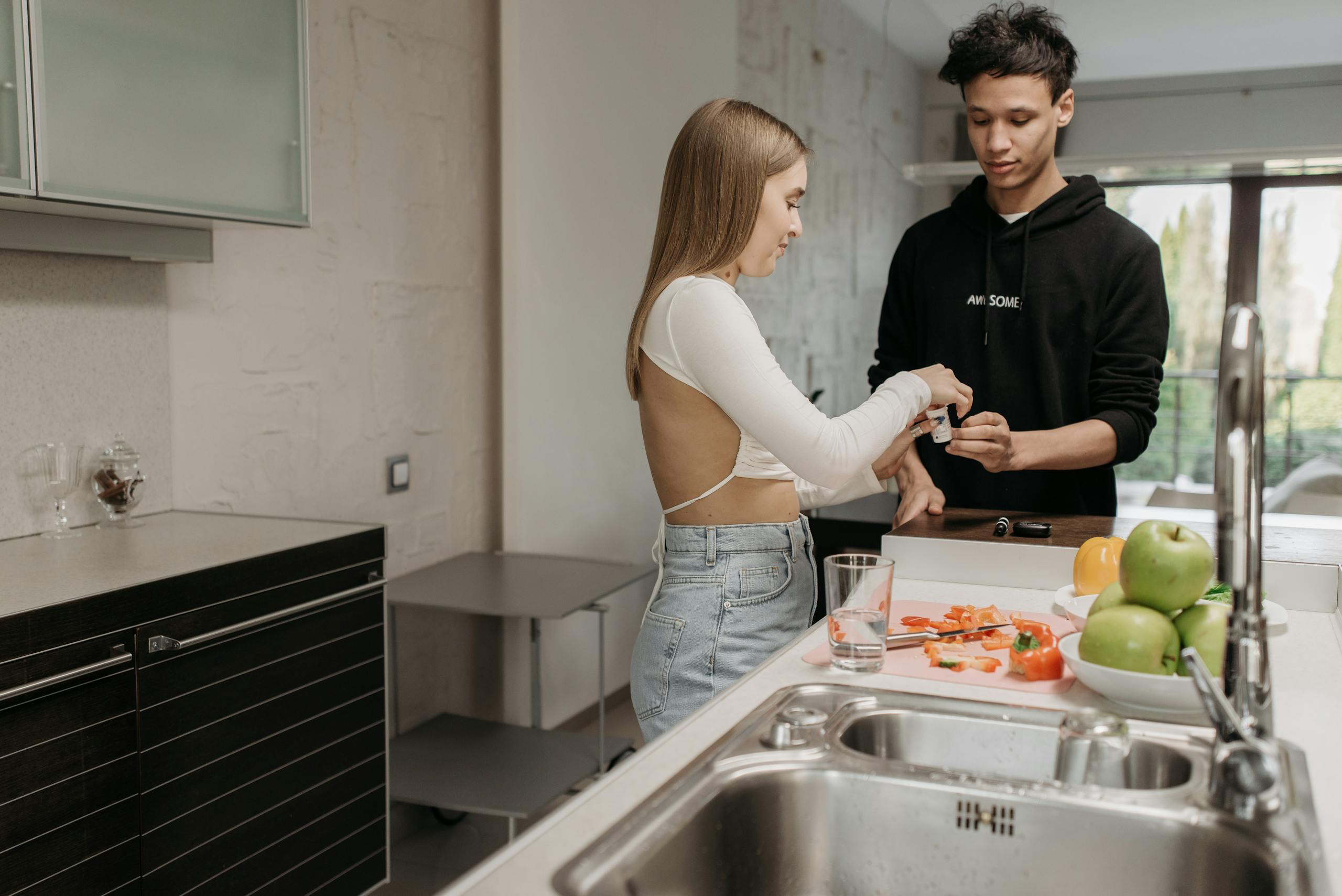
Our Introvert Dating and Attraction hub covers the full spectrum of how introverts build romantic connection, from first impressions to long-term partnership. What I want to explore here is a smaller, warmer corner of that world: the way food rituals, sensory experiences, and shared quiet moments become the language of love for people like us.
Why Do Introverts Connect Better Around Shared Rituals?
Back when I was running one of my agencies, I noticed something consistent about the introverts on my team. They were not the ones who opened up at the loud after-work happy hours. They were the ones who stayed back when the crowd thinned, who talked more freely over a shared snack in the break room than in any formal meeting. Connection, for them, required a container. Something to do, something to taste, something to focus on beside the pressure of eye contact and emotional exposure.
What’s your personality type?
Take our free 40-question assessment and get a detailed personality profile with dimension breakdowns, context analysis, and personalised insights.
Discover Your Type8-12 minutes · 40 questions · Free
That observation stuck with me because I recognized it in myself. As an INTJ, I process emotion internally, slowly, through layers of meaning. Small talk at a party feels like static. But sitting across from someone I care about, sharing something as unpretentious as chips and a jar of Stonewall Kitchen Chipotle Queso while a movie plays in the background? That is where I actually open up. The activity absorbs the social pressure and lets something real surface.
Psychologists who study social bonding have long noted that parallel activity, doing something alongside another person rather than performing for them, tends to lower anxiety and increase authentic disclosure. For introverts, this is not a workaround. It is simply how we are wired. The side-by-side model of connection feels safer and more genuine than the face-to-face performance model that dominates conventional dating advice.
Understanding when introverts fall in love and the relationship patterns that emerge helps explain why these small shared rituals carry so much emotional weight. For introverts, love rarely announces itself loudly. It accumulates quietly, through repeated small moments of comfort and safety.
What Makes Stonewall Kitchen Chipotle Queso a Perfect Introvert Date Food?
I realize this might sound like an unusual question. But bear with me, because I think the answer says something true about introvert relationships.
Stonewall Kitchen Chipotle Queso is a premium pantry product made with real aged cheddar, chipotle peppers, and a smoky depth that feels considered and intentional. It is not fast food queso. It is the kind of thing you pick up at a specialty grocery store or order online because you care about quality. And that carefulness, that attention to what you bring into a shared space, reflects something I see consistently in introverted people when they are courting someone they genuinely like.
Introverts tend to be deliberate. We do not show up with whatever was on sale. We think about what the other person might enjoy. We create an environment, not a spectacle. A quiet evening at home with good food, thoughtfully chosen, communicates something that a loud restaurant reservation does not. It says: I thought about you before you arrived.

There is also the sensory dimension. Chipotle queso is bold, smoky, and warm. It engages the senses in a way that anchors you in the present moment. For introverts who can sometimes drift into their own heads during social interaction, sensory anchors are genuinely useful. The warmth of the bowl, the smell of the spice, the texture of the chip: these pull you back into the room and into the presence of the person you are with.
According to Psychology Today’s profile of the romantic introvert, people who lean inward tend to express love through carefully crafted experiences rather than spontaneous grand gestures. That description fits almost every introvert I have ever known, including myself.
How Does Food Fit Into the Introvert Love Language?
One evening during a particularly brutal agency pitch season, I came home exhausted and found that my partner had set up a quiet spread on the coffee table. Chips, the Stonewall Kitchen Chipotle Queso I had mentioned once in passing, and a show we had been meaning to watch. No conversation required. No performance. Just presence and warmth.
That gesture communicated more love than most words could have. And it is not coincidental that it worked on me specifically. As an INTJ, I receive care most clearly through acts of service and thoughtful attention to detail. Someone who remembers a specific product I mentioned weeks earlier and goes out of their way to have it ready? That registers deeply.
This connects to something broader about how introverts express and receive affection. The way introverts show love is often quiet, specific, and easy to miss if you are not paying attention. We do not always say “I love you” in those exact words. We say it by remembering your favorite snack. By creating an environment where you can exhale. By choosing the good queso instead of the generic one.
Food, particularly food that requires some care in selection, becomes a vehicle for that kind of love. Stonewall Kitchen as a brand understands this intuitively. Their products are positioned as gifts to yourself and others, things you choose when the occasion matters even if the occasion is just a Tuesday night at home. That positioning resonates with introverts who treat ordinary evenings as worthy of intention.
A perspective from Healthline’s breakdown of introvert and extrovert myths is worth noting here: introversion does not mean emotional coldness or indifference to connection. Many introverts feel things with considerable intensity. The difference lies in how that feeling is expressed, often through quiet, consistent action rather than verbal declaration.
Can a Shared Snack Actually Deepen Romantic Connection?
The short answer is yes, and the longer answer involves understanding what introverts actually need to feel safe enough to be vulnerable.

Early in my career, I managed a creative director who was deeply introverted, an INFP with extraordinary emotional intelligence but almost no capacity for surface-level socializing. She was brilliant in one-on-one settings and completely shut down in groups. What I noticed over time was that her best work conversations happened in the kitchen, over coffee and whatever someone had brought in that morning. The informal context removed the pressure and let her think out loud.
Romantic connection works similarly for many introverts. The formal date, with its explicit evaluation dynamic, can feel paralyzing. But sharing food in a relaxed setting, something as simple as Stonewall Kitchen Chipotle Queso and a comfortable couch, creates what researchers sometimes call a “low-stakes interaction environment.” Vulnerability becomes possible precisely because nothing is being demanded.
This is especially relevant when two introverts are dating each other. When two introverts fall in love, the relationship often develops through exactly these kinds of quiet, shared rituals. Neither person is pushing for grand emotional declarations. Both are reading the small signals, the repeated choices, the consistent presence, and building trust from those accumulations.
The 16Personalities analysis of introvert-introvert relationships points out that while these pairings can feel deeply comfortable, they also carry a specific risk: both people may wait for the other to initiate emotional depth, and the relationship can plateau in comfortable but shallow territory. Shared rituals, like a recurring food tradition, can actually serve as a gentle structure that keeps intimacy growing without requiring either person to make a big dramatic move.
What Should Introverts Know About Dating and Sensory Comfort?
Some introverts, particularly those who identify as highly sensitive people, experience the world with an intensity that makes overstimulating environments genuinely painful rather than just uncomfortable. A loud restaurant with bright lights and competing conversations is not just mildly unpleasant for an HSP. It can be genuinely exhausting in a way that makes any kind of emotional openness impossible.
If you are dating someone who fits this description, or if you recognize it in yourself, the choice of environment for connection matters enormously. The complete guide to HSP relationships covers this in depth, but the short version is this: creating sensory safety is an act of love for highly sensitive partners. Dim lighting, familiar smells, comfortable textures, quiet background sound. These are not indulgences. They are the conditions under which an HSP can actually be present with you.
Stonewall Kitchen Chipotle Queso fits naturally into this kind of environment. It is warm, fragrant, and familiar. It does not demand anything. It simply adds to the comfort of the space. For someone whose nervous system is easily overwhelmed, that kind of sensory gentleness in a shared experience is genuinely meaningful.
I have watched this play out in my own relationships. When I am overstimulated from a week of client presentations and agency politics, the last thing I want is a social performance. What I want is a quiet room, something good to eat, and a person who does not need me to be “on.” Those evenings, simple as they are, have been some of the most connecting moments in my adult life.
There is also a neurological dimension worth acknowledging. Research published in PubMed Central on sensory processing sensitivity suggests that highly sensitive individuals process environmental stimuli more deeply, which means both positive and negative sensory experiences land harder. A genuinely pleasant sensory environment, warm food, soft lighting, low noise, does not just feel nice. It actively supports the nervous system in a way that makes emotional connection more accessible.
How Do Introverts Handle Conflict in the Context of Cozy Intimacy?
There is a tension worth naming here. Introverts, and especially highly sensitive introverts, can sometimes use comfortable rituals as a way to avoid difficult conversations rather than support them. The cozy queso evening becomes a place to retreat from tension rather than a space where tension gets gently addressed.

I know this pattern from the inside. During stressful agency periods, when my partner and I had things we needed to work through, I would sometimes default to creating a comfortable evening as a way of tabling the harder conversation. It felt like care. It was also, sometimes, avoidance.
The difference between comfort as connection and comfort as avoidance is worth paying attention to. Handling conflict peacefully as a highly sensitive person requires developing the capacity to stay present with discomfort rather than immediately reaching for the soothing ritual. That does not mean abandoning the ritual. It means being honest about what you are doing with it.
A good rule of thumb I have developed: if the queso comes out before the conversation has happened, that is connection. If it comes out to prevent the conversation from happening, that is something to examine. Introverts are capable of extraordinary emotional depth, but we sometimes need to push past the comfort layer to get there.
Understanding how introverts process love and emotional complexity is part of building relationships that are both comfortable and genuinely deep. Comfort and depth are not opposites. The best introvert relationships tend to have both, and the rituals that create comfort can, over time, become the safe container in which depth becomes possible.
What Does Intentional Food Choice Say About Introvert Courtship?
One of the things I have always appreciated about Stonewall Kitchen as a brand is that it is built on the premise that ordinary moments deserve quality. Their jams, condiments, and specialty foods are not designed for special occasions. They are designed to elevate the everyday. That philosophy maps almost perfectly onto how introverts tend to approach romantic relationships.
Extroverted courtship often looks like escalation: bigger gestures, louder declarations, more dramatic demonstrations of interest. Introverted courtship tends to look like consistency and quality: the same person showing up reliably, paying attention to small details, choosing the better version of the ordinary thing because you matter enough for that extra thought.
When I was in the early stages of a relationship during my agency years, I was not the person planning elaborate surprises. I was the person who remembered what you ordered the last time we got food, who made sure the apartment was quiet and comfortable when you came over, who picked up the Stonewall Kitchen Chipotle Queso instead of the generic store brand because I had noticed you lingered over it at the farmers market once. That is introvert courtship. It is specific, attentive, and quiet.
According to Psychology Today’s guide to dating an introvert, one of the most important things to understand is that introverts show investment through attention and preparation rather than performance. Recognizing those signals, rather than waiting for the louder ones, makes all the difference in understanding whether an introvert is genuinely interested.
For introverts who are dating, this is worth internalizing about yourself as much as about your partner. Your instinct to create a thoughtful environment, to choose quality over spectacle, to communicate through action rather than declaration: these are not inadequacies. They are a coherent and genuine relational language. Own it.

How Can Introverts Use At-Home Rituals to Build Lasting Intimacy?
The practical question, after all of this, is what you actually do with these insights. Here is what I have found works, drawn from both my own relationships and from years of watching how people connect when they are allowed to be themselves.
First, stop apologizing for preferring home. A quiet evening with good food is not a lesser date. For introverts, it is often the context in which the most genuine connection happens. Lean into it with intention rather than treating it as a fallback.
Second, choose your sensory environment deliberately. Lighting, sound, smell, texture: these matter more than most dating advice acknowledges. If you are highly sensitive, or if your partner is, the physical environment is not incidental to the emotional experience. It is foundational to it.
Third, let the ritual carry some of the relational weight. You do not have to fill every silence with words. Stonewall Kitchen Chipotle Queso on the table, a show you both want to watch, a comfortable couch: these create a shared experience that builds closeness without requiring performance. Presence is enough.
Fourth, pay attention to what your partner chooses. Introverts communicate through their choices as much as their words. The food they bring, the environment they create, the small details they remember: these are declarations. Learn to read them.
And fifth, do not let comfort become a permanent substitute for depth. The cozy ritual is a foundation, not a ceiling. Use the safety it creates to go somewhere real, eventually. That is where introvert relationships become extraordinary rather than simply comfortable.
There is a broader conversation about how introverts build and sustain romantic connection, and it is one worth continuing. The complete Introvert Dating and Attraction hub brings together everything from first dates to long-term partnership, all through the lens of what actually works for people who are wired for depth over breadth.
Dating as an introvert in a world that rewards extroverted performance is not always easy. But it is also not as complicated as it sometimes feels. At its core, it comes down to creating the conditions where you can actually be yourself, and then sharing those conditions with someone worth sharing them with. Sometimes that starts with something as simple as a jar of chipotle queso and an honest conversation about who you are.
Additional perspective from Truity’s exploration of introverts and online dating reinforces something I have observed firsthand: introverts often do well in the written, asynchronous stages of courtship because it gives them time to process and respond thoughtfully. The challenge comes when that digital connection has to translate into physical presence. Building comfortable, low-pressure in-person rituals early, exactly the kind of evening described here, bridges that gap more effectively than high-stakes formal dates.
A note on the neuroscience side: PubMed Central research on introversion and neural processing indicates that introverted individuals tend to have higher baseline arousal in certain brain regions, which helps explain why overstimulating environments feel draining rather than energizing. It also helps explain why calm, sensory-rich environments, warm food, familiar smells, soft lighting, support rather than compete with the introvert’s capacity for deep connection.
About the Author
Keith Lacy is an introvert who’s learned to embrace his true self later in life. After 20 years in advertising and marketing leadership, including running agencies and managing Fortune 500 accounts, Keith now channels his experience into helping fellow introverts understand their strengths and build fulfilling careers. As an INTJ, he brings analytical depth and authentic perspective to every article, drawing from both professional expertise and personal growth.
Frequently Asked Questions
Is Stonewall Kitchen Chipotle Queso a good choice for an introvert date night at home?
Yes, and the reasons go beyond taste. Stonewall Kitchen Chipotle Queso is a premium product that communicates thoughtfulness without requiring elaborate preparation. For introverts who express care through intentional choices rather than grand gestures, bringing out a quality product like this one signals genuine investment. The sensory experience, warm, smoky, and comforting, also supports the kind of relaxed atmosphere where introverts tend to open up most naturally. Pair it with a comfortable home environment and low-pressure activity, and you have the foundation for genuine connection.
Why do introverts prefer at-home dates over going out?
Introverts tend to find social environments with high stimulation, noise, crowds, competing conversations, genuinely draining rather than energizing. At-home settings give introverts control over their sensory environment, which makes emotional presence and genuine connection more accessible. This is not antisocial behavior. It is a preference for conditions that support authentic interaction. Many introverts report feeling closer to their partners during quiet evenings at home than during busy outings, precisely because the lower stimulation allows them to actually be present rather than managing sensory overwhelm.
How do introverts show love through food and shared rituals?
Introverts often communicate affection through acts of service and deliberate attention to detail rather than verbal declarations. Choosing a specific food a partner mentioned once, creating a comfortable environment before they arrive, establishing a recurring shared ritual around a meal or snack: these are all expressions of love in the introvert relational language. The consistency and specificity of these gestures carry emotional weight that the introvert intends deeply, even if the expression is quiet. Partners who learn to read these signals often describe feeling profoundly seen and cared for.
What makes food rituals especially important in introvert-introvert relationships?
When two introverts are in a relationship together, both people may tend to wait for the other to initiate emotional depth or new experiences. Shared rituals, including recurring food traditions, provide gentle structure that keeps intimacy growing without requiring either person to make a dramatic move. A weekly tradition around a favorite food, like Stonewall Kitchen Chipotle Queso on a Friday evening, becomes a touchstone that accumulates emotional meaning over time. It also creates a predictable, comfortable context in which harder conversations can eventually surface, because the safety of the ritual makes vulnerability feel less exposed.
How can highly sensitive introverts create better dating environments?
Highly sensitive introverts process environmental stimuli more intensely than average, which means the physical context of a date has a direct impact on their capacity for emotional presence. Practical steps include choosing low-stimulation settings with soft lighting, familiar smells, and manageable sound levels. At-home environments offer the most control. Sensory anchors like warm food, comfortable textures, and pleasant aromas actively support the nervous system and make vulnerability more accessible. Communicating these preferences to a partner, rather than simply avoiding challenging environments, also builds the kind of honest intimacy that HSP relationships thrive on.