
Creatine monohydrate for brain fog is gaining serious attention as a supplement that may support mental clarity, cognitive energy, and focus, particularly for people whose brains run hard and recover slowly. Unlike stimulants that force wakefulness, creatine works at the cellular level, helping brain cells produce and recycle energy more efficiently. For introverts who process deeply and recover quietly, that distinction matters more than most supplement marketing will tell you.
My own experience with creatine started not from a fitness magazine but from a moment of genuine cognitive exhaustion. After back-to-back client presentations for a Fortune 500 retail account, I sat at my desk on a Thursday afternoon and could not form a complete sentence in my head. Not writer’s block. Not stress. My brain had simply run out of fuel, and no amount of coffee was fixing it.
What followed was months of quietly experimenting, reading, and paying attention to how my mind actually works under pressure. Creatine became part of that process, and what I found surprised me enough to write about it here.

If you’ve been exploring what supports your mental health as an introvert, cognitive fatigue and brain fog are topics worth examining closely. Our Introvert Mental Health Hub covers the broader landscape of how introverts think, feel, and recover, and this article fits squarely into that conversation.
What Is Brain Fog and Why Do Introverts Experience It So Intensely?
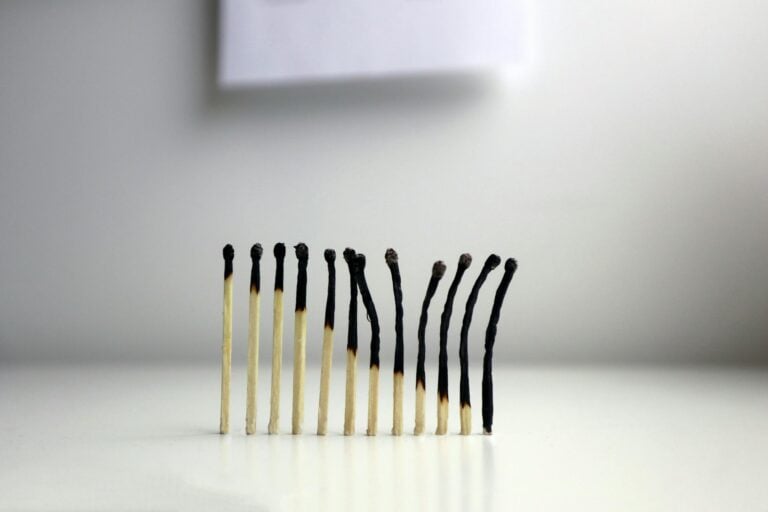
Brain fog isn’t a clinical diagnosis. It’s a description of something very real: the slow, cotton-stuffed feeling where thinking requires effort that normally comes automatically. Words don’t land. Decisions feel enormous. The mental speed you usually rely on seems to have gone offline.
For introverts, this tends to show up after periods of sustained social demand, high-stakes cognitive work, or environments that require constant sensory processing. Running advertising pitches for major accounts meant I spent entire days in rooms full of competing voices, rapid-fire questions, and creative pressure. By the time I got home, my processing capacity was genuinely depleted. Not tired in the way sleep fixes. Depleted in a way that felt cellular.
Highly sensitive people often describe this more acutely. The kind of HSP overwhelm that comes from sensory overload isn’t just emotional. It has a cognitive cost that lingers well past the triggering event. When your nervous system is processing at a higher resolution than most, you burn through mental energy faster, and recovery takes longer.
Brain fog can also be worsened by anxiety. The mental loop of anticipating social situations, replaying conversations, or managing the emotional weight of a workday draws on the same cognitive resources you need for clear thinking. The National Institute of Mental Health notes that cognitive symptoms like difficulty concentrating are a core feature of anxiety disorders, not a side effect. For introverts managing anxiety alongside the natural demands of deep processing, brain fog can become a near-daily companion.
What Does Creatine Actually Do in the Brain?
Most people associate creatine with gym culture, with bodybuilders loading up before heavy lifts. That association has obscured a quieter body of evidence suggesting creatine plays a meaningful role in brain energy metabolism.
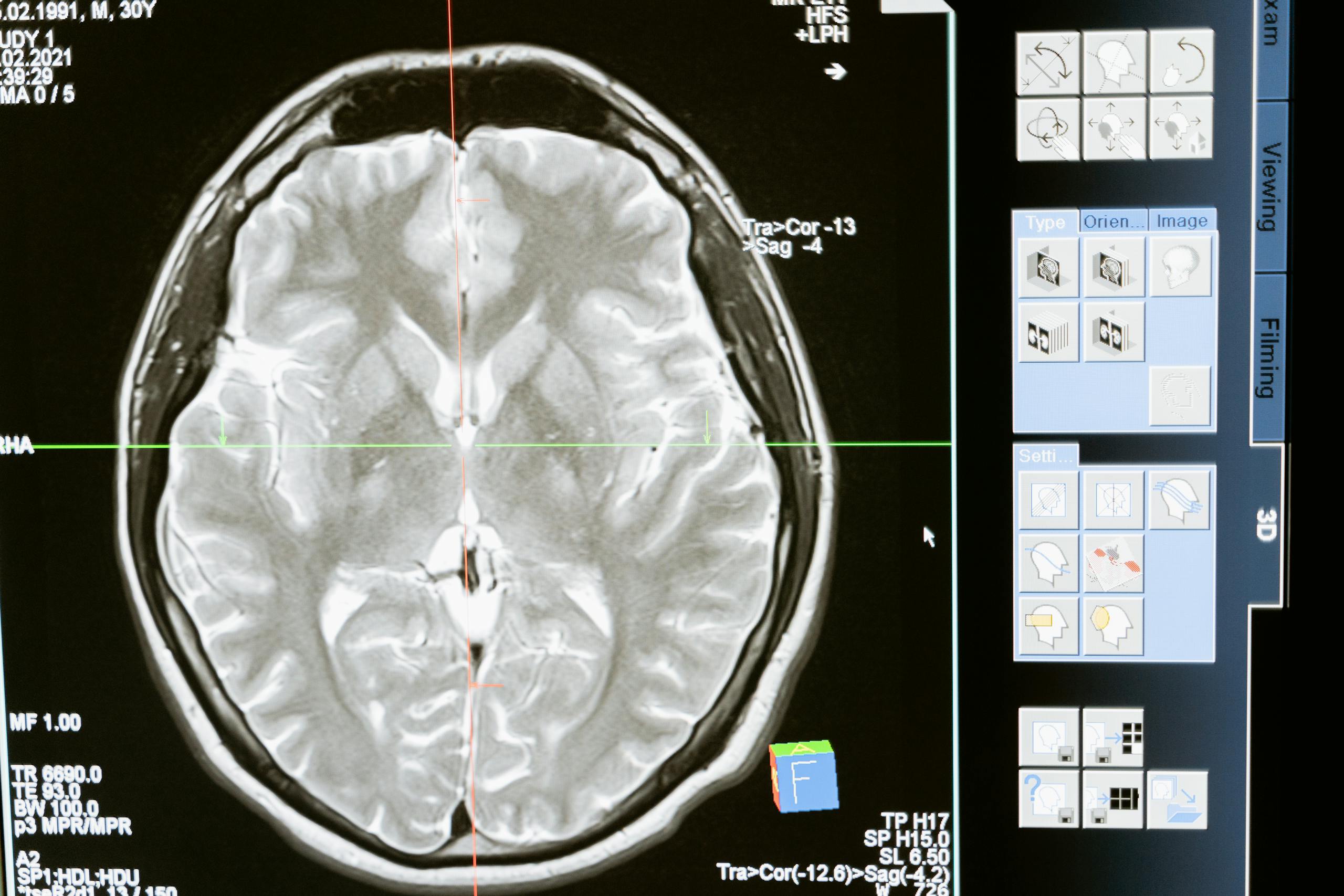
Your brain is an energy-hungry organ. Even at rest, it consumes a disproportionate share of your body’s energy output. That energy comes primarily from ATP (adenosine triphosphate), and when ATP gets used up, it needs to be rapidly recycled. Creatine phosphate helps regenerate ATP quickly, essentially acting as a buffer that keeps energy available during high-demand periods.
The brain uses this same system. During cognitively demanding tasks, sleep deprivation, or periods of mental stress, brain creatine levels drop. Supplementing with creatine monohydrate can increase the brain’s creatine stores, which may help maintain that ATP recycling during the moments when your thinking is under the most strain.
A review published through PubMed Central examined the relationship between creatine supplementation and cognitive performance, particularly under conditions of stress or sleep deprivation. The findings suggested meaningful improvements in tasks requiring speed and accuracy, with the effects most pronounced when the brain was already taxed. That qualifier matters: creatine seems to help most when you need it most, which is precisely the condition introverts often find themselves in after sustained cognitive or social demands.

Additional research available through PubMed Central has explored creatine’s potential role in mood and mental health, including its interaction with neurotransmitter systems. While this area is still developing, the preliminary picture is interesting: creatine may influence more than just raw cognitive speed. It may also affect how the brain handles emotional processing under load.
Why Does This Matter Specifically for Deep Processors?
There’s a reason I’m writing about creatine on a site about introversion rather than on a fitness blog. The people most likely to benefit from cognitive energy support are the people whose brains are doing the most work per unit of time.
Introverts, and especially highly sensitive introverts, tend to process information at greater depth. That’s not a metaphor. It reflects how the nervous system actually engages with incoming data, filtering for meaning, nuance, and implication rather than moving quickly to a surface response. That depth comes at a cost. It uses more energy. It generates more internal dialogue. It takes longer to fully discharge.
One of the things I noticed running my agency was that my most analytically gifted team members, the ones who caught what everyone else missed, were also the ones most likely to hit a wall mid-afternoon. Not because they were less capable. Because they were running more processes simultaneously. The introverted strategists on my team needed genuine recovery time between heavy cognitive sessions in a way that the more extroverted account managers simply didn’t.
HSP anxiety compounds this further. When you’re managing HSP anxiety and its cognitive demands alongside a full professional day, your brain is handling two parallel loads: the external task and the internal emotional regulation. Creatine’s potential to support brain energy during high-load periods makes it worth considering as one piece of a broader mental wellness approach.
I want to be careful here. Creatine is not a cure for brain fog. It’s not going to fix chronic stress, poor sleep, or an environment that doesn’t suit your nervous system. What it may do is give your brain a slightly fuller tank to draw from when those demands are unavoidable.
What Does the Evidence Actually Say About Cognitive Benefits?
The honest answer is that the research is promising but not yet definitive. That’s a different thing from saying it doesn’t work. It means the picture is still being filled in.
What the existing evidence does suggest fairly consistently is that creatine supplementation appears to benefit cognitive tasks that require short-duration, high-intensity mental effort, similar to the way it benefits short-duration, high-intensity physical effort. Memory recall, processing speed, and executive function tasks have shown the most consistent response in the literature.
Vegetarians and vegans tend to show more pronounced cognitive benefits from creatine supplementation, which makes sense: dietary creatine comes primarily from meat and fish, so people who don’t eat those foods have lower baseline brain creatine levels to begin with. Supplementing brings them up to a level that omnivores already maintain through diet. If you’re a plant-based introvert wondering why your brain feels foggy, this is worth knowing.
Sleep deprivation is another area where creatine’s cognitive effects appear most clearly. When I was in the thick of agency pitches, pulling late nights before major presentations, the cognitive drop the next morning was brutal. The research suggests creatine may partially offset the cognitive impairment that comes from sleep loss, though it’s obviously not a substitute for actual sleep.
For context on how cognitive function and mental health intersect, the National Library of Medicine’s overview of cognitive function provides useful grounding. Understanding the underlying mechanisms helps you evaluate claims about any supplement more clearly, creatine included.

How Does Brain Fog Connect to the Emotional Weight Introverts Carry?
Brain fog isn’t only about cognitive output. For many introverts, it’s tied directly to emotional processing load. When you feel things deeply, when you’re attuned to the emotional undercurrents in every room you enter, that attunement doesn’t switch off at the end of a meeting. It keeps running.
The way introverts approach HSP emotional processing and feeling deeply means that a difficult conversation at 10 AM can still be generating internal processing at 4 PM. That background process uses cognitive resources. It’s one reason why introverts can feel mentally exhausted even on days when they haven’t done anything that looks demanding on paper.
I managed a creative director at my agency who was one of the most perceptive people I’ve ever worked with. She could read a client’s unspoken hesitation from across a conference table and adjust her presentation in real time. But by midday, she was visibly depleted. Not disengaged, depleted. Her brain was doing extraordinary work that no one else in the room was doing, and it had a cost.
The emotional dimension of brain fog is also connected to empathy. HSP empathy can be a double-edged sword precisely because absorbing and processing others’ emotional states is metabolically expensive. When you’re wired to feel what others feel, you’re not just observing the room. You’re running it internally. That’s a significant cognitive and emotional load, and it’s part of why brain fog hits some people harder than the conventional explanations account for.
What About Perfectionism and the Mental Load It Creates?
There’s another angle to brain fog that rarely gets discussed in supplement contexts: the cognitive cost of perfectionism. Many introverts, particularly those with high standards and deep analytical tendencies, run a continuous quality-checking process in the background of everything they do. Every email gets reviewed. Every decision gets second-guessed. Every interaction gets replayed.
That loop is exhausting. And it’s not a character flaw. It’s a pattern that often develops from a place of genuine care and high standards. But HSP perfectionism and the high standards trap can quietly drain the cognitive resources you need for actual clear thinking. When your brain is spending 30% of its energy on self-monitoring and error-checking, the remaining 70% has to carry the full load of your actual work.
I spent years running my agency in exactly this mode. Every client deck got one more pass. Every strategic recommendation got stress-tested internally before it left my mouth. That standard produced good work. It also produced a kind of chronic cognitive fatigue that I attributed to “just how leadership feels” for a long time. It wasn’t. It was a specific pattern that had a specific cost.
Creatine isn’t going to fix perfectionism. But if you’re already working on the psychological patterns, having more cognitive energy available makes the work easier. You’re not trying to rewire thought patterns while running on fumes.
How Should You Actually Use Creatine for Cognitive Support?
Creatine monohydrate is the most studied form of creatine and the one with the strongest evidence base. Other forms exist, creatine HCl, buffered creatine, and various proprietary blends, but none have demonstrated meaningfully superior results in the research, and most cost significantly more. For cognitive purposes, creatine monohydrate is the sensible starting point.
Dosing in the research typically falls in the range of 3 to 5 grams per day. Some protocols use a loading phase of higher doses for the first week to saturate muscle and brain creatine stores faster, followed by a maintenance dose. Others skip loading entirely and simply take a consistent daily dose, reaching saturation more gradually over several weeks. Both approaches appear to work. The loading phase gets you there faster. The gradual approach is gentler on the digestive system, which some people find matters.
Timing matters less than consistency. Creatine works by building up stores over time, not by providing an acute hit the way caffeine does. Taking it at the same time each day, whether morning, afternoon, or with a meal, matters more than the specific hour. I take mine in the morning with breakfast, mostly because it’s easy to remember and I’m already in a supplement routine at that point in the day.
Creatine monohydrate mixes easily with water and is essentially tasteless, which makes it one of the more practical supplements to add to a daily routine. There’s no unpleasant aftertaste to manage and no complex protocol to follow.
One important note: creatine draws water into muscle cells, so adequate hydration matters more when supplementing. This is easy to overlook but worth paying attention to, especially if you’re someone who already tends to underdrink water during focused work sessions.

What Role Does Burnout Recovery Play in All of This?
Burnout is a different animal than ordinary fatigue, and it’s worth distinguishing the two when thinking about what creatine can and can’t do. Ordinary cognitive fatigue, the kind that comes from a hard day or a demanding week, responds to rest, nutrition, and recovery. Burnout is a sustained depletion that doesn’t resolve with a weekend off. It’s structural, and it requires structural changes.
Introverts are particularly vulnerable to burnout not because they’re weaker than extroverts but because the environments most professional settings create are genuinely misaligned with how they operate best. Open offices, constant availability expectations, back-to-back meetings, and the implicit social pressure to perform extroversion as a sign of engagement, these aren’t neutral conditions. They’re conditions that require introverts to spend energy continuously just to participate.
The American Psychological Association’s work on resilience frames recovery not as bouncing back to a previous state but as adapting and building capacity over time. That framing resonates with me more than the “just rest and you’ll be fine” advice I used to give myself. Recovery from burnout involves changing conditions, not just resting within the same conditions.
Where creatine fits into burnout recovery is modest but real. During the recovery phase, when you’re rebuilding cognitive capacity and trying to protect the mental energy you do have, supporting your brain’s energy systems gives the recovery process something to work with. It’s not the intervention. It’s a supporting condition.
Rejection and perceived failure also play into burnout in ways that are easy to underestimate. The way introverts process HSP rejection and the healing process means that professional setbacks don’t just sting in the moment. They get processed thoroughly, sometimes for days, drawing on cognitive and emotional resources that then aren’t available for other things. Recognizing that pattern is part of building a recovery approach that actually fits how you’re wired.
Are There Any Risks or Considerations Worth Knowing?
Creatine monohydrate has one of the strongest safety profiles of any widely used supplement. Decades of research across athletic and clinical populations have not found meaningful adverse effects at standard doses in healthy adults. The concerns that circulated years ago about kidney damage have not been supported in the research, though anyone with pre-existing kidney conditions should consult a doctor before supplementing.
Some people experience mild gastrointestinal discomfort, particularly during a loading phase. Spreading doses throughout the day or skipping the loading phase entirely tends to resolve this.
Creatine is not a stimulant. It doesn’t affect sleep architecture, doesn’t create dependency, and doesn’t produce the jittery edge that caffeine can. For introverts who are already sensitive to stimulants and careful about what they put in their bodies, that’s a meaningful distinction.
One practical consideration: creatine supplementation increases body weight slightly in the first week or two, due to water retention in muscle tissue. This is not fat gain. It’s water. But it’s worth knowing so it doesn’t become a source of unnecessary concern.
As with any supplement, quality matters. The creatine market has products ranging from pharmaceutical-grade to poorly manufactured. Looking for products that have been third-party tested for purity is a reasonable precaution, particularly given how unregulated the supplement industry remains. The University of Northern Iowa’s research on supplement quality offers useful context on why sourcing decisions matter more than most consumers realize.
How Does This Fit Into a Broader Mental Wellness Approach?
Creatine works best as part of a thoughtful approach to mental wellness, not as a standalone fix. The introverts I’ve seen thrive, including myself in my better periods, tend to combine several things: sleep that’s genuinely protected, environments that allow for recovery between demands, nutrition that supports rather than depletes, and an honest understanding of their own cognitive and emotional patterns.
The Psychology Today piece on introvert communication patterns captures something important: introverts often need to explicitly design their environments to work for them, because the default settings in most professional and social contexts are not designed with introverts in mind. That design work extends to how you support your cognitive function.
For me, the most significant shift wasn’t adding creatine. It was recognizing that brain fog was information, not weakness. It was telling me that my system was overloaded and under-resourced. Creatine became one part of addressing the resource side of that equation. Changing how I structured my days, protecting recovery time, and being more honest about my actual capacity addressed the overload side.
The combination worked better than either approach alone. That’s probably the most honest thing I can say about it.

There’s much more to explore on the mental health side of introversion. The full range of topics, from sensory processing to emotional recovery to anxiety management, lives in our Introvert Mental Health Hub, and it’s worth spending time there if cognitive wellness is something you’re actively working on.
About the Author
Keith Lacy is an introvert who’s learned to embrace his true self later in life. After 20 years in advertising and marketing leadership, including running agencies and managing Fortune 500 accounts, Keith now channels his experience into helping fellow introverts understand their strengths and build fulfilling careers. As an INTJ, he brings analytical depth and authentic perspective to every article, drawing from both professional expertise and personal growth.
Frequently Asked Questions
Does creatine monohydrate actually help with brain fog?
Creatine monohydrate may help reduce brain fog by supporting the brain’s energy production systems, particularly during periods of cognitive stress, sleep deprivation, or sustained mental demand. The effects appear most pronounced when the brain is already taxed. It’s not a cure for brain fog caused by chronic stress or poor sleep, but it can support cognitive function as part of a broader wellness approach.
How long does creatine take to work for cognitive benefits?
Creatine works by building up stores in the brain over time rather than producing an immediate effect. With a standard daily dose of 3 to 5 grams, noticeable cognitive effects may take two to four weeks to develop as brain creatine levels gradually increase. A loading phase of higher doses for the first week can accelerate this, though it’s not required and may cause mild digestive discomfort in some people.
Is creatine safe for long-term use?
Creatine monohydrate has been studied extensively across athletic and clinical populations and has a strong safety profile at standard doses in healthy adults. Long-term use has not been associated with meaningful adverse effects in the research. People with pre-existing kidney conditions should consult a healthcare provider before supplementing, as creatine does increase the metabolic byproduct creatinine, which can affect certain kidney function markers.
Why might introverts specifically benefit from creatine for brain fog?
Introverts, and particularly highly sensitive people, tend to process information at greater depth and carry a higher emotional processing load than their external output might suggest. This deep processing uses more cognitive energy per unit of time, which can lead to faster depletion and more pronounced brain fog after demanding periods. Creatine’s potential to support brain energy availability makes it relevant for anyone whose cognitive demands are high relative to their recovery time.
Does it matter when you take creatine during the day?
Timing is less important than consistency. Creatine builds up in the brain over days and weeks, so the specific hour you take it matters far less than taking it reliably every day. Many people find it easiest to take with breakfast or another consistent daily routine. Taking it with a meal may also reduce the mild gastrointestinal discomfort that some people experience when taking creatine on an empty stomach.