

The Jacksonville Journal-Courier has been telling the stories of a small Illinois community for generations, and buried inside its pages are quiet lessons about family, identity, and the way introverts process belonging in places that feel both intimate and overwhelming. Small-town news carries a particular emotional weight for people wired like me: every headline is personal, every obituary connects to someone’s dinner table, and the social expectations embedded in community life can feel both comforting and suffocating at the same time.
For introverts raised in or connected to places like Jacksonville, Illinois, local news isn’t just information. It’s a mirror reflecting back the family dynamics, community pressures, and identity questions that shape how quiet people understand themselves and their place in the world.

If you’ve been thinking about how family dynamics shape the introvert experience, the broader conversation lives in our Introvert Family Dynamics and Parenting hub, where we examine everything from raising sensitive children to managing the emotional weight of family expectations as an adult introvert.
What Does Small-Town Community Life Actually Feel Like for an Introvert?
Growing up in or around a tight-knit community means everyone knows your name, your parents’ names, and probably your grandparents’ names too. For extroverts, that web of connection feels like warmth. For introverts, it can feel like a spotlight that never quite turns off.
I didn’t grow up in Jacksonville, but I spent enough time working with clients in mid-sized Midwestern markets during my agency years to understand what community identity does to people. We ran campaigns for regional brands where the client contact would say things like, “Everyone here knows everyone. You can’t run a message that feels impersonal.” What they meant was: in small communities, relationships are the currency. And relationships require a kind of constant social availability that doesn’t come naturally to people like me.
The introvert in a small town faces a specific kind of tension. The community offers genuine belonging, shared history, and the kind of slow, meaningful connection that introverts actually crave. Yet it also demands visibility, participation, and a willingness to be known in ways that feel uncomfortably public. Local news amplifies that tension. When the Jacksonville Journal-Courier covers a school board meeting, a family milestone, or a community loss, it pulls private experience into public space. For introverts, that crossing of the threshold between private and public is never emotionally neutral.
What I’ve come to understand, both through my own experience and through conversations with introverts who’ve reached out after reading my work, is that the discomfort isn’t about not caring. Introverts often care more deeply about community than their quietness suggests. The discomfort comes from the way community life asks you to perform your caring in public, on a schedule, in front of people who are watching.
How Do Family Expectations in Small Communities Shape Introverted Children?
One of the most consistent patterns I hear from introverts is that childhood in a close-knit community came with a specific set of unspoken rules. Show up to things. Be friendly. Don’t disappear into your room when relatives visit. Smile at church. Wave at neighbors. The message, delivered without malice by people who genuinely loved you, was that visible participation equaled belonging.
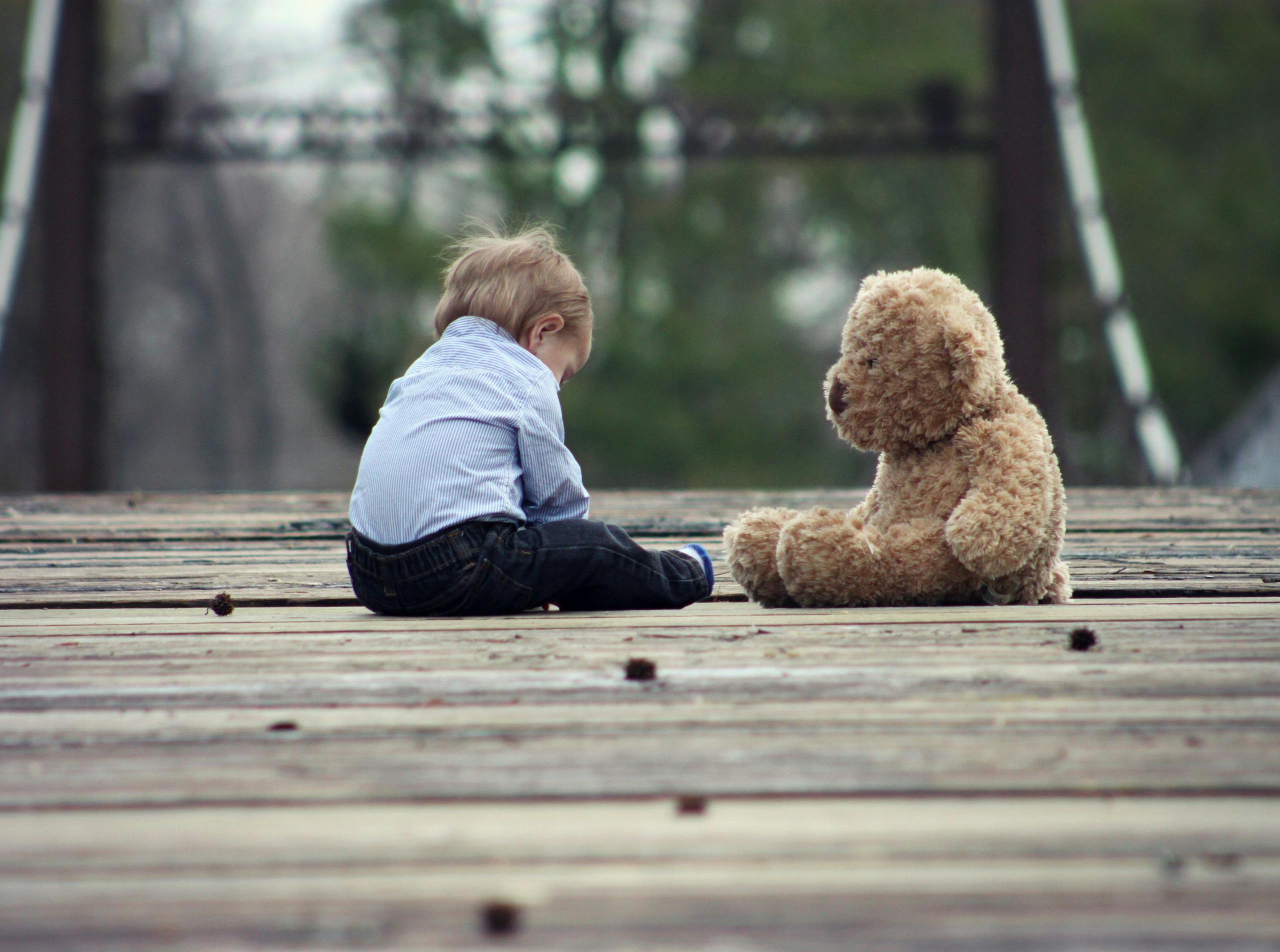
For a child who processes the world quietly, who needs time alone to recover from even positive social experiences, those expectations create a particular kind of internal conflict. You love your family. You love your town, in your way. Yet the cost of showing that love in the approved manner feels genuinely depleting. And when you can’t explain why you need to leave the family gathering early, or why you’d rather read than go to the parade, the people around you fill the silence with their own interpretations. Shy. Antisocial. Thinks she’s too good for us.
What’s worth understanding is that temperament is not a choice. The National Institutes of Health has noted that infant temperament shows meaningful connections to introversion in adulthood, suggesting that the quiet child at the family reunion isn’t being difficult. They’re being themselves in the truest sense.
Parents who understand this can change everything. The ones who say, “It’s okay to take a break from the party,” or “You don’t have to talk to everyone, just say hello,” give introverted children permission to exist without apology. The ones who don’t, even with the best intentions, can plant seeds of shame that take decades to uproot. I know because I spent a significant portion of my adult career performing extroversion so convincingly that my own team didn’t know I went home drained after every all-hands meeting.
If you’re raising a sensitive or introverted child and feeling the weight of that responsibility, the piece on HSP parenting and raising children as a highly sensitive parent offers a grounded, compassionate look at what that experience actually requires of you.
Why Does Local News Carry Such Emotional Weight for Sensitive Readers?
There’s something about small-town journalism that bypasses the emotional filters most of us build up around national news. When a major outlet reports on tragedy, there’s a degree of abstraction built into the distance. When the Jacksonville Journal-Courier reports on a local family’s loss, or a longtime business closing, or a community member’s struggle, the emotional proximity changes everything.
Introverts tend to be deep processors. We don’t skim emotional content the way some people can. A story about a family in our community lands differently than a wire service report about a family three states away. We sit with it. We imagine the specifics. We connect it to people we know, or to our own family history, or to fears we carry quietly.
This is connected to something broader in how personality shapes emotional experience. The research available through PubMed Central on personality and emotional processing points toward meaningful differences in how people with varying trait profiles respond to emotionally charged information. For people high in openness or sensitivity, the gap between reading about something and feeling it is narrower than most people realize.
I noticed this acutely during my agency years when we worked on community-focused campaigns. My extroverted colleagues could review a client’s difficult brand story, extract the strategic insight, and move on. I’d still be thinking about it at midnight. Not because I was less professional, but because my processing style doesn’t have an off switch. The emotional content of a story doesn’t stay in the story. It follows me home.
For introverts connected to places like Jacksonville, reading the local paper isn’t passive. It’s an act of emotional engagement that requires recovery time. And that’s not a weakness. That’s depth.

How Do Introverts Fit Into the Social Architecture of Small Communities?
Small communities are built on visible participation. The volunteer fire department. The church committee. The school board. The local sports booster club. The social architecture of a town like Jacksonville is designed around people showing up, being seen, and contributing in ways the community can witness and acknowledge.
Introverts contribute differently. We’re often the ones doing the work that doesn’t require an audience: the behind-the-scenes organizing, the careful planning, the one-on-one conversations that hold things together when the public meetings fall apart. Yet because our contributions aren’t always visible in the ways communities have traditionally rewarded, we can feel like we’re failing at belonging even when we’re carrying significant weight.
Understanding your own personality architecture matters here. Tools like the Big Five personality traits test can help you articulate not just introversion but the full picture of how you engage with the world, including conscientiousness, agreeableness, and openness, all of which shape how you show up in community contexts.
What I’ve found, both personally and in watching the introverts on my agency teams over the years, is that the most effective introverts in community settings aren’t the ones who force themselves to become more extroverted. They’re the ones who find the specific roles where their natural strengths are visible. The person who writes the community newsletter. The one who coordinates logistics for the fundraiser without needing to emcee it. The one who has the long, quiet conversation with the neighbor who’s struggling while everyone else is busy being social.
These contributions matter. They’re just not always covered in the local paper.
What Happens When Family Dynamics and Community Pressure Collide?
One of the most challenging situations for introverts in small communities is when family expectations and community pressure reinforce each other. Your family wants you at every gathering. Your community expects your family to show up together. The social architecture creates a kind of double obligation that can feel genuinely impossible to meet without losing yourself.
Psychology Today’s overview of family dynamics captures something important here: family systems develop their own rules, roles, and expectations that persist across generations. In small communities, those family systems are embedded in a larger social system that amplifies them. The introvert who needs space isn’t just pushing back against their family. They’re pushing back against a whole architecture of expectation.
I watched this play out with a creative director I managed at the agency, a deeply introverted woman who came from a small Illinois town not unlike Jacksonville. Every holiday season, she’d return from family visits visibly depleted, not because her family was difficult, but because the combination of family intensity and community visibility left her with nothing in reserve. It took her years to develop the language to explain what was happening, and even longer to feel entitled to ask for what she needed.
Part of what made the difference for her was understanding that her needs weren’t defects. They were features of a particular kind of mind. When she started framing her introversion as information rather than failure, she could have honest conversations with her family about what the visits actually required of her.
That kind of self-knowledge starts with honest self-assessment. Something as simple as the likeable person test can surface useful insights about how you come across in social situations, which is often the first step in understanding why community dynamics feel the way they do.

How Does Caring for Others in a Community Context Affect Introverts?
Small communities carry their members through hard times in ways that larger cities rarely manage. When someone in Jacksonville is sick, or grieving, or struggling, the community shows up. Casseroles appear. People sit with you. Help arrives without being asked for.
For introverts, being on the receiving end of that care can be as emotionally complex as giving it. Accepting help requires a kind of vulnerability and social openness that doesn’t always come easily. And giving care, while deeply meaningful to many introverts who are naturally empathetic, requires managing your own energy carefully so you don’t give until you’re empty.
This is something worth thinking about seriously if you’re in a caregiving role within your family or community. The personal care assistant test online can be a useful starting point for understanding your natural caregiving strengths and where you might need additional support or boundaries.
There’s also a physical dimension to caregiving that introverts sometimes underestimate. The sustained social contact required in caregiving situations, even loving, chosen ones, depletes introvert energy reserves in ways that can accumulate into genuine burnout. The American Psychological Association’s resources on trauma are worth reading in this context, because chronic depletion without recovery can create lasting psychological effects that look and feel a lot like trauma responses.
What I’ve learned, sometimes the hard way, is that sustainable care requires honest accounting of your own capacity. The most effective caregivers I’ve known, introverted or otherwise, are the ones who’ve gotten very clear about what they can genuinely offer and what they need in return.
What Can Local News Teach Introverts About Their Own Family Histories?
There’s a particular kind of research that introverts tend to excel at: the deep, patient, detail-oriented work of understanding where things come from. For those with family roots in places like Jacksonville, local newspapers are archives of that history. Birth announcements, wedding notices, letters to the editor, coverage of local controversies, all of it adds texture to the family stories we carry.
What I find genuinely moving about this is how much it can shift your understanding of the people who raised you. Reading about your grandmother’s community involvement in a 1962 issue of the Journal-Courier, or finding your grandfather’s name in a story about a local labor dispute, places your family in a context that family mythology alone can’t provide. It humanizes people you may have only known in their roles: parent, grandparent, difficult uncle, quietly devoted aunt.
For introverts, who tend to process family relationships with particular depth and sometimes particular pain, that kind of historical context can be genuinely healing. It doesn’t excuse harm, and it doesn’t simplify complicated people. Yet it can make them more legible. More human. And sometimes, more forgivable.
Understanding the full personality picture of your family members, and yourself, can add another layer to that process. Personality frameworks like the MBTI or the Big Five don’t explain everything, but they can provide language for patterns that have felt mysterious or painful for years. Truity’s exploration of personality type rarity offers a useful reminder that some of us are simply wired in ways that make us statistically uncommon, which can explain a lot about why we felt like outliers in families and communities that didn’t share our wiring.
It’s also worth being honest about the harder dimensions of family history. Some introverts carry not just the quiet weight of being misunderstood, but genuine relational wounds that require more than self-awareness to address. If you’ve ever wondered whether your emotional responses to family dynamics cross into territory that warrants professional attention, the borderline personality disorder test is one resource that can help you begin to distinguish between introvert sensitivity and patterns that might benefit from clinical support.
How Can Introverts Build Genuine Belonging in Community Without Losing Themselves?
Belonging is one of the deepest human needs, and introverts want it as much as anyone. The difference is that we need it to be real. Performed belonging, the kind that requires you to show up and smile and participate on the community’s terms regardless of your own energy or authenticity, isn’t actually satisfying. It’s exhausting, and over time it erodes your sense of self.
What I found, after years of performing extroversion in client meetings and industry conferences and agency all-hands events, is that genuine belonging requires you to be genuinely present. And you can only be genuinely present when you’re not spending all your energy managing the performance.

In small communities, this often means making intentional choices about where you invest your social energy. You don’t have to attend every event. You don’t have to be on every committee. Yet the events you do attend, the commitments you do make, those should be ones where you can show up as yourself rather than as the version of yourself the community expects.
The introverts I’ve watched build the most meaningful community connections are the ones who’ve gotten very good at saying no to the things that drain them and yes to the things that actually matter to them. That clarity requires self-knowledge, honest communication, and the willingness to disappoint people occasionally. None of those things are easy. All of them are worth it.
There’s also something to be said for finding the other introverts in your community. They’re there, quieter than the extroverts, perhaps, but present. The person who always brings a book to the community picnic. The one who volunteers for tasks that don’t require public speaking. The neighbor who waves but doesn’t always stop to chat. Understanding the dynamics of introvert-introvert relationships can help you build those connections in ways that are sustaining rather than complicated.
Community, at its best, makes room for all kinds of people. The Jacksonville Journal-Courier, like local papers everywhere, tells the stories of a community that includes quiet people doing meaningful things in ways that don’t always make headlines. Those stories matter. Those people matter. And the introverts reading the paper at the kitchen table on a Saturday morning, processing every word more deeply than anyone around them realizes, matter too.
There’s much more to explore about how introverts handle family systems, parenting challenges, and community belonging. Our complete Introvert Family Dynamics and Parenting hub brings together resources across the full spectrum of these experiences.
About the Author
Keith Lacy is an introvert who’s learned to embrace his true self later in life. After 20 years in advertising and marketing leadership, including running agencies and managing Fortune 500 accounts, Keith now channels his experience into helping fellow introverts understand their strengths and build fulfilling careers. As an INTJ, he brings analytical depth and authentic perspective to every article, drawing from both professional expertise and personal growth.
Frequently Asked Questions
Why do introverts often feel overwhelmed by small-town community life?
Small communities are built around visible participation and social availability, both of which require sustained extroverted energy that introverts don’t naturally have in abundance. The intimacy of small-town life, where everyone knows everyone and social expectations are embedded in daily interactions, means introverts face a near-constant low-level demand on their energy reserves. The desire to belong is real, yet the cost of belonging on the community’s terms can feel genuinely depleting for people who need quiet and solitude to restore themselves.
How does growing up in a close-knit community affect introverted children?
Introverted children in close-knit communities often receive the message, delivered without malice, that visible participation equals belonging. When a child’s natural temperament makes that kind of participation difficult, they can internalize shame about their quietness rather than understanding it as a feature of their personality. The long-term effect depends significantly on whether the adults in their life validate their need for solitude or treat it as a problem to be corrected. Children whose introversion is understood and respected tend to develop healthier relationships with their own needs as adults.
What role does local news play in the emotional life of introverted readers?
Local news carries a particular emotional weight for introverts because the proximity of the stories removes the abstraction that usually buffers emotional response. When a story involves people or places you know, or that connect to your family history, the emotional content lands more directly. Introverts, who tend to process information and emotion deeply rather than skimming the surface, often find that local news requires genuine recovery time. Reading about community loss, conflict, or change isn’t passive for people wired this way. It’s an act of emotional engagement.
How can introverts contribute meaningfully to community life without burning out?
The most sustainable path for introverts in community settings is finding roles that align with their natural strengths rather than forcing themselves into extroverted performance. Behind-the-scenes organizing, careful planning, one-on-one support, written communication, and detail-oriented coordination are all areas where introverts tend to excel and contribute significantly. Saying no to obligations that drain without replenishing, and yes to ones that feel genuinely meaningful, is not selfishness. It’s the kind of honest self-management that makes sustained contribution possible over the long term.
Can exploring local history through newspapers help introverts process family dynamics?
Local newspaper archives can offer a genuinely valuable perspective on family history for introverts who process relationships with depth and sometimes with pain. Seeing family members in their community context, as people with public roles, civic contributions, and historical circumstances, can humanize them in ways that family stories alone don’t always manage. This doesn’t resolve complicated relationships or excuse harm, yet it can add context that makes people more legible and sometimes more forgivable. For introverts who tend to carry family history deeply, that kind of historical grounding can be a meaningful part of their own emotional processing.