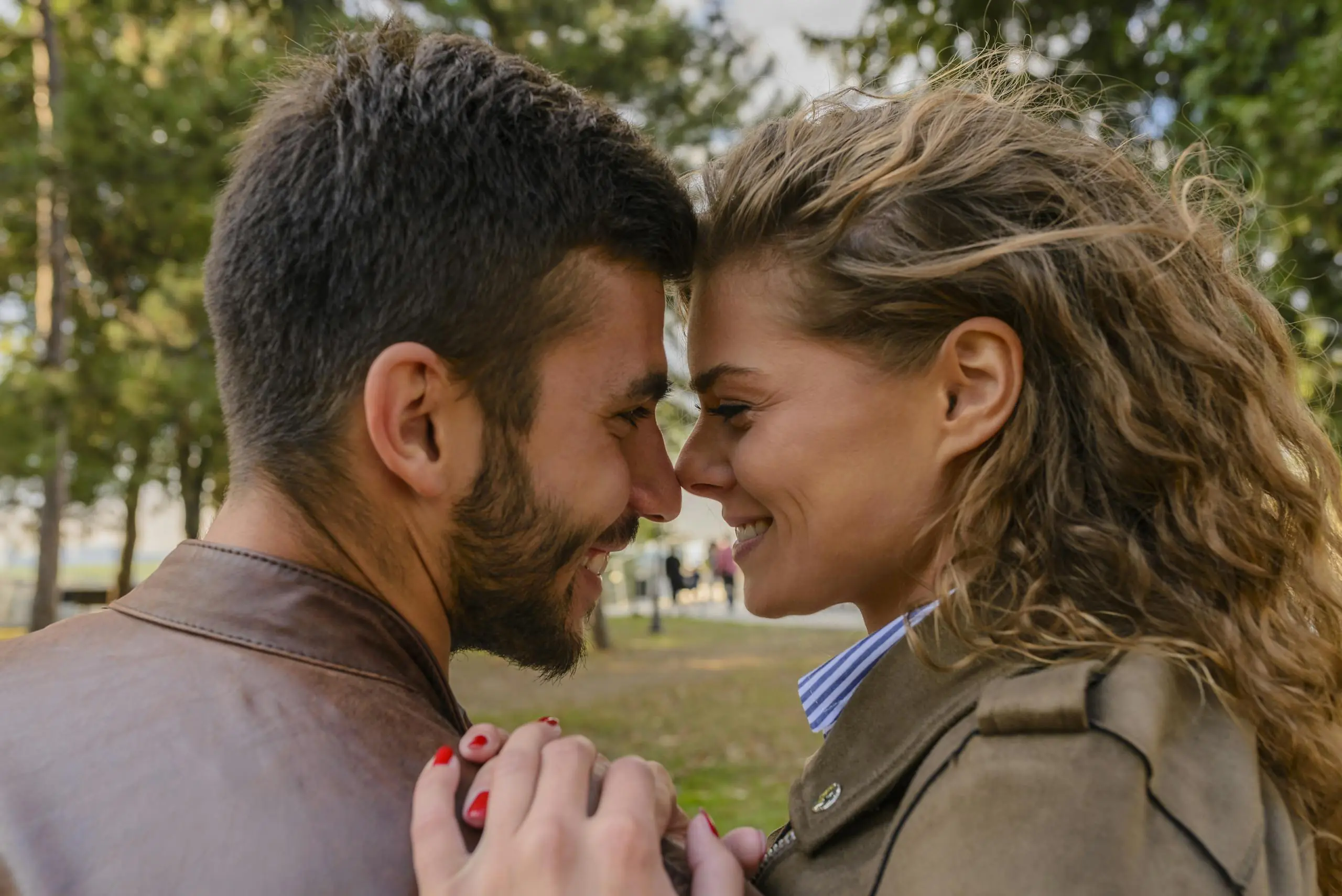

Stonewall Resort State Park in West Virginia offers introverts something rare in the dating world: a setting where quietness is the point, not the problem. Nestled around Stonewall Jackson Lake, this sprawling state park combines mountain solitude, lakeside lodges, and unhurried natural beauty in ways that make genuine connection feel possible without the noise and performance that drain introverted people in more conventional date settings.
Plenty of people assume that romance requires crowded restaurants, loud music, and constant conversation. My experience, both personally and watching relationships form among the people I’ve worked with over the years, suggests something different. Some of the most meaningful connections happen in places where two people can simply be present together without the pressure to perform.
If you want a broader look at how introverts approach attraction and connection, our Introvert Dating and Attraction hub covers the full range of topics, from first conversations to long-term compatibility. This article focuses on something more specific: why a place like Stonewall Resort State Park works so well as a backdrop for introverted romance, and how to make the most of it.
Why Do Introverts Struggle With Conventional Date Settings?
Crowded restaurants have always been difficult for me. Not because I’m antisocial, but because the ambient noise forces me to work harder just to hear what someone is saying, which means I’m spending cognitive energy on logistics instead of actually connecting. Add in the performance pressure of being seen, the time pressure of a reservation, and the general overstimulation of a busy Friday night dining room, and what should be an intimate experience becomes an endurance test.
This isn’t a personal quirk. Many introverts find that conventional date settings are designed around extroverted assumptions: that more stimulation equals more fun, that silence is awkward, that the energy of a crowd creates romantic atmosphere. For people who process the world inwardly, those environments often produce the opposite effect. Exhaustion crowds out warmth. Overstimulation replaces curiosity.
During my agency years, I watched this dynamic play out in client entertainment situations constantly. We’d take clients to loud, trendy restaurants in New York or Chicago, and I’d come home drained even when the evening had gone well by every external measure. My more extroverted colleagues seemed energized by those same events. The difference wasn’t social skill. It was wiring.
What introverts tend to need in romantic settings is the same thing they need in most social situations: enough quiet to actually think, enough space to be genuine, and enough time to let connection develop at its own pace. Psychology Today notes that romantic introverts often prefer depth over breadth in their connections, valuing meaningful one-on-one time over social spectacle. Stonewall Resort State Park provides all of that almost effortlessly.
What Makes Stonewall Resort State Park Different From Other Romantic Destinations?
Stonewall Resort State Park sits on about 1,900 acres in Roanoke, West Virginia, centered around the 2,650-acre Stonewall Jackson Lake. The park includes a full-service lodge, private cabins, a golf course, marina, hiking trails, and miles of shoreline. What it doesn’t include is the kind of manufactured entertainment that turns a peaceful setting into a theme park.
That absence is the point. When you’re at Stonewall, the lake is the entertainment. The herons standing motionless in the shallows are the entertainment. The way the fog sits low over the water at 7 AM, or the way the light changes on the ridgeline in the late afternoon, those are the things that fill the space between words. And for introverts, that kind of environment removes the pressure to fill silence artificially.
The lodge itself is worth mentioning because it strikes an unusual balance. It’s comfortable and well-appointed without being ostentatious. You can have a genuinely good meal there, sit by a fire in the evening, or take a kayak out on the lake without any of it feeling forced or performative. The pace of the place invites you to slow down, which is exactly what introverted people need to feel safe enough to open up.
Understanding how introverts fall in love often comes down to understanding their need for safety and unhurried time. The patterns that emerge when introverts fall in love frequently involve slow builds, shared quiet experiences, and moments of genuine vulnerability rather than grand gestures in public settings. Stonewall is built for exactly that kind of progression.
How Does Nature Create the Conditions for Introverted Connection?
There’s something about being in nature that lowers the social stakes. I’ve noticed this in myself for years, and I’ve watched it happen with other introverted people. When you’re walking a trail or sitting on a dock watching the water, conversation becomes optional rather than mandatory. You can talk or not talk, and both feel natural. That removal of conversational obligation is genuinely freeing for people who find small talk exhausting.
At Stonewall, the hiking trails wind through hardwood forests along the lake’s edge, offering the kind of side-by-side experience that introverts often find easier than face-to-face intensity. There’s something about walking together, looking at the same things, noticing the same details, that builds a quiet kind of intimacy without requiring either person to perform or fill space.
I think about a camping trip I took years ago with someone I was dating at the time. We weren’t particularly talkative people, either of us. But we spent three days paddling, cooking over a camp stove, and watching storms move across a lake from the shelter of a tarp, and by the end of it we knew each other in a way that months of dinner dates hadn’t produced. The shared experience did the work that conversation couldn’t.
Introverts tend to show affection through presence and attention rather than words alone. The ways introverts express love often involve being fully present in shared moments, noticing details about their partner, and creating space for genuine connection rather than performing romance. A place like Stonewall makes that kind of expression feel natural rather than effortful.
There’s also a neurological dimension worth acknowledging. Spending time in natural environments tends to reduce the kind of low-grade stress that makes social interaction harder. Research published in PubMed Central has examined how natural settings affect stress response and cognitive restoration, findings that align with what many introverts report anecdotally: that they feel more like themselves, more open and less guarded, when they’re away from urban overstimulation.
What Activities at Stonewall Work Best for Introverted Couples?
Not every activity at Stonewall is equally suited to introverted connection. Some things work better than others, and it’s worth thinking about which experiences actually create the conditions for the kind of depth introverts are looking for.
Kayaking or canoeing on Stonewall Jackson Lake is probably the single best activity the park offers for introverted couples. You’re side by side or in separate boats, moving through a quiet landscape, with conversation available but never required. The physical activity gives you something to focus on, which paradoxically makes it easier to talk about things that matter. Some of the most honest conversations I’ve had in my life happened while doing something with my hands or moving through a landscape.
The hiking trails around the lake offer similar benefits. There are several miles of trails ranging from easy lakeside walks to more challenging ridge routes, and the variety means you can calibrate the physical intensity to whatever feels right for where you are in a relationship. An easy lakeside walk on a first visit creates different conditions than a more demanding hike that requires mutual encouragement and problem-solving.
Fishing from the dock or a rented boat is another underrated option. I know that sounds almost comically quiet as a date activity, but that’s precisely the point. Fishing creates long stretches of comfortable silence punctuated by genuine moments of shared attention. When something happens, you both notice it together. When nothing happens, you’re simply present with each other. For introverts who find constant conversation exhausting, that rhythm is genuinely restful.
Evening meals at the lodge restaurant are better than most restaurant dates because the setting is calm, the pace is unhurried, and the views of the lake provide a natural focal point that takes pressure off the need to maintain constant eye contact or fill every silence. Ending a day of outdoor activity with a quiet dinner feels earned in a way that a standalone restaurant date often doesn’t.
For couples who are both introverted, the cabin option at Stonewall is worth serious consideration. Having your own private space changes the dynamic significantly. You can retreat, recharge, and reconnect on your own schedule without handling the social logistics of a shared lodge space. When two introverts build a relationship together, having the ability to recharge independently while sharing an experience is often what makes extended time together sustainable rather than draining.
How Should Highly Sensitive People Approach Stonewall as a Romantic Setting?
Highly sensitive people, a trait that overlaps significantly with introversion but isn’t identical to it, often have an even more pronounced response to environment than introverts generally. For HSPs, the sensory richness of a place like Stonewall can be deeply nourishing rather than overwhelming, provided the pacing is right.
One of the designers I worked with at my agency years ago was an HSP who described natural environments as the only places where she felt her sensitivity was an asset rather than a liability. In the city, she was constantly filtering noise, conflict, and emotional residue from the people around her. In the mountains, that same sensitivity meant she noticed things that other people walked right past. She’d stop on a trail and point out a detail in the bark of a tree or the way light was hitting a spider’s web, and suddenly everyone around her was seeing something they’d been looking at without actually seeing.
That capacity for deep noticing is genuinely romantic when it’s shared with the right person. Dating as a highly sensitive person comes with specific considerations around overstimulation, emotional intensity, and the need for environments that feel safe rather than assaulting. Stonewall checks those boxes in ways that most conventional date settings simply don’t.
The one caution I’d offer for HSPs is around pacing. It can be tempting to fill a weekend at Stonewall with activities, sunrise kayaking, a morning hike, afternoon fishing, evening dinner, and a walk after dark. That schedule might work for some couples, but HSPs often need more unscheduled time than they initially plan for. Building in genuine rest periods, time to simply sit on the cabin porch or watch the lake without an agenda, is what allows the sensitivity to function as a gift rather than a burden.
Conflict, when it arises between sensitive people in close quarters, also deserves some advance thought. Working through disagreements peacefully as an HSP often requires more space and more time than typical conflict resolution models assume. Having a private cabin rather than a shared lodge room means you have somewhere to go when you need to process independently before coming back together.

What Does Introvert Compatibility Look Like in a Setting Like This?
One of the things I’ve come to understand about my own INTJ wiring is that compatibility for me has never been about finding someone who matches my energy level in social situations. It’s been about finding someone who respects the way I process the world and whose own processing style doesn’t require constant performance from me.
A place like Stonewall functions almost as a compatibility test in the best possible sense. How does your partner respond to silence? Do they fill it reflexively, or can they sit with it? Do they notice the same things you notice, or do they seem to be looking at a completely different world? Are they energized by the quiet, or are they checking their phone every twenty minutes looking for stimulation?
None of those observations are judgments. Some people genuinely need more stimulation than a mountain lake provides, and that’s useful information. But for introverts assessing compatibility, watching how someone responds to a quiet natural environment tells you something that three months of city dating might not reveal.
Understanding how introverts experience love and attraction involves recognizing that emotional processing happens on a different timeline than it does for more extroverted people. The way introverts process romantic feelings often involves significant internal reflection before those feelings are expressed outwardly, which means that a setting offering time and space for that internal work isn’t just comfortable, it’s actually necessary for the relationship to develop authentically.
At Stonewall, the rhythm of the place encourages exactly that kind of internal processing. Long mornings, unhurried meals, evenings without much agenda. That pacing allows introverts to actually catch up with their own feelings rather than performing emotions they haven’t had time to genuinely experience yet.
Compatibility between introverts, or between an introvert and a partner who understands introversion, often shows up most clearly in how two people handle unstructured time together. 16Personalities has written thoughtfully about the dynamics of introvert-introvert relationships, including the ways that shared quietness can be deeply bonding and the ways it can occasionally create distance if neither person initiates connection. Stonewall’s natural beauty tends to solve the initiation problem by giving both people something to respond to together.
How Do You Plan a Stonewall Trip That Actually Works for Introverts?
Planning matters more than most people acknowledge, especially for introverts who do their best when they have some sense of what to expect. That doesn’t mean over-scheduling. It means thinking through the structure of a trip so that you’re not making too many decisions in the moment, which is genuinely exhausting for introverted people.
Book a cabin rather than a lodge room if your budget allows. The private outdoor space changes everything. You’ll have somewhere to drink coffee in the morning without handling other guests, somewhere to decompress after dinner, and somewhere to retreat if either of you needs time alone without it feeling like a relationship problem.
Plan one anchor activity per day and leave everything else open. That might mean a morning kayak rental on day one, a longer hike on day two, and a fishing outing on day three. Anchor activities give the day shape without filling it completely, which means there’s room for the spontaneous moments that often turn out to be the most meaningful ones.
Have an honest conversation before you go about how much social interaction each of you needs and can handle. I’ve made the mistake in my own relationships of assuming that because someone was introverted, they’d automatically want the same amount of solitude I did. That’s not always true. Some introverts recharge quickly and want more activity; others need long stretches of genuine quiet. Knowing where your partner falls on that spectrum before you arrive saves a lot of friction.
Dating an introvert well often comes down to understanding their specific recharge needs rather than applying a generic introvert template. Those needs vary significantly from person to person, and a trip like this is an opportunity to learn them in a low-stakes environment.
Also worth considering: timing. Stonewall is genuinely different in different seasons. Summer brings more visitors and more activity on the lake, which can tip the balance toward overstimulation for some introverts. Fall is widely considered the peak season for the colors and the cooler temperatures, but it also draws more tourists. A weekday visit in late spring or early fall often hits the sweet spot of beautiful conditions without the weekend crowds.

What Can a Place Like Stonewall Teach Introverts About Romantic Vulnerability?
There’s a version of introvert dating advice that focuses entirely on managing the experience: how to handle first dates, how to communicate your needs, how to avoid overstimulation. All of that is genuinely useful. But there’s another dimension that gets less attention, which is the question of how introverts actually open up and become vulnerable with another person.
Vulnerability is hard for most people, but it’s often particularly difficult for introverts because the internal world is so rich and so private that sharing it feels like a real exposure. I spent years in my career projecting a version of competence and control that had very little room for uncertainty or softness. That worked fine in client presentations. It was a disaster in intimate relationships.
What I’ve found, both personally and in watching other introverts, is that vulnerability tends to happen sideways rather than head-on. You don’t sit across a table from someone and decide to be vulnerable. You’re walking along a lake at dusk and something about the light or the quiet makes you say something true that you hadn’t planned to say. The environment creates the opening that the intention couldn’t.
Stonewall is full of those openings. The long silences on the water, the way a storm moves across the lake, the particular quality of stillness at 6 AM when the mist is still sitting on the surface, all of it creates conditions where the usual defenses become less necessary. You’re not performing. You’re just there, with another person, in a beautiful place. And sometimes that’s all it takes.
Some of the most meaningful introvert-friendly relationships I’ve observed have a quality of shared witnessing at their core, two people paying attention to the same world together, noticing things, and gradually trusting each other with what they notice. That’s not a dramatic form of connection, but it’s a durable one. Psychological research on relationship quality consistently points to shared positive experiences as a significant factor in long-term satisfaction, which aligns with what introverts often know intuitively: that doing something meaningful together matters more than talking about it afterward.
For introverts who find online dating exhausting or alienating, a destination like Stonewall offers a completely different model for connection. Truity’s examination of introverts and online dating points out that while the written communication format can suit introverts initially, the eventual transition to in-person interaction often creates significant anxiety. Shared experiences in calm natural settings can ease that transition in ways that a traditional first date simply can’t replicate.
If you want to go deeper on the full spectrum of introvert dating and attraction, the Introvert Dating and Attraction hub covers everything from early-stage connection to long-term relationship patterns, all through the lens of what actually works for introverted people.
About the Author
Keith Lacy is an introvert who’s learned to embrace his true self later in life. After 20 years in advertising and marketing leadership, including running agencies and managing Fortune 500 accounts, Keith now channels his experience into helping fellow introverts understand their strengths and build fulfilling careers. As an INTJ, he brings analytical depth and authentic perspective to every article, drawing from both professional expertise and personal growth.
Frequently Asked Questions
Is Stonewall Resort State Park a good place for a first date?
Stonewall Resort State Park can work beautifully as a first date destination, provided both people are comfortable with a more immersive experience than a typical first meeting. A day trip that includes a kayak rental and a meal at the lodge gives you plenty of natural conversation material without the pressure of a formal sit-down setting. That said, some people prefer a lower-commitment first meeting before investing in a longer outing, so it’s worth gauging your potential partner’s comfort level with the format before suggesting it.
What is the best time of year to visit Stonewall Resort State Park for a romantic trip?
Late spring and early fall tend to offer the best combination of comfortable temperatures, natural beauty, and manageable visitor numbers. Fall foliage around Stonewall Jackson Lake is genuinely spectacular and creates a naturally romantic atmosphere. Weekday visits in either season avoid the weekend crowds that can make the park feel less intimate. Summer is beautiful but busier, while winter visits offer dramatic solitude if you’re comfortable with cold weather and limited amenities.
How do introverts typically show affection in a natural setting like Stonewall?
Introverts often express affection through presence and attention rather than words or grand gestures. In a natural setting, that might look like pointing out something they noticed and wanted to share with you, choosing to walk close rather than maintaining distance, or simply staying near you during long quiet stretches. These subtle expressions of connection are meaningful precisely because they’re genuine rather than performed. Paying attention to these small signals matters more than waiting for verbal declarations.
Can highly sensitive people handle an overnight stay at Stonewall without becoming overwhelmed?
Most highly sensitive people find natural environments genuinely restorative rather than overwhelming, provided the pacing is right. Booking a private cabin rather than a lodge room gives HSPs the ability to retreat and recharge without handling shared spaces. Building unscheduled time into each day, rather than filling every hour with activities, is the most important planning consideration. The sensory richness of the lake and forest environment tends to be nourishing for HSPs in a way that urban stimulation simply isn’t.
What makes nature-based dates better for introverts than conventional restaurant dates?
Nature-based dates remove several of the specific stressors that make conventional restaurant dates difficult for introverts. There’s no ambient noise requiring extra cognitive effort, no time pressure from reservations, no performance pressure from being seen in a public social setting, and no obligation to maintain constant conversation. Side-by-side activities like hiking or kayaking allow conversation to emerge naturally rather than being forced, and shared attention to the environment provides genuine connection material that small talk can’t replicate. For introverts, the result is a date that feels genuinely enjoyable rather than something to endure.