

A comfort zone bar and grill menu, if one existed, would be a curated list of restorative experiences that introverts return to again and again when the world has asked too much of them. Think of it as your personal recharging blueprint, the activities, rituals, and solitude practices that genuinely restore your energy rather than simply killing time.
Most introverts already know what’s on their menu. They just haven’t given themselves permission to order freely.
There’s a broader world of solitude, self-care, and recharging practices worth exploring at the Solitude, Self-Care & Recharging hub, where you’ll find resources built specifically around the introvert’s need to restore rather than just rest. This article is one piece of that larger conversation.

What Does a Comfort Zone Bar and Grill Menu Actually Mean for Introverts?
Bear with me on the metaphor, because I think it’s genuinely useful. A bar and grill menu has starters, mains, sides, and desserts. Each category serves a different purpose. You don’t eat everything at once. You choose based on what you need, how hungry you are, and how much time you have. Your comfort zone works exactly the same way.
After running advertising agencies for two decades, I had a very full menu of activities I told myself I needed. Client dinners. Industry events. Team happy hours. Award show after-parties. My calendar looked like someone who genuinely loved being around people. Except I wasn’t that person, and pretending otherwise cost me more than I ever acknowledged at the time.
What I actually needed, and rarely gave myself, was a clear and guilt-free list of restorative experiences I could return to without explanation. Not excuses. Not apologies. Just a standing order I trusted completely.
The comfort zone bar and grill menu concept is about building that list intentionally. It’s about knowing your starters from your mains, understanding which experiences give you a quick energy boost versus which ones require more time but deliver deeper restoration. It’s about treating your own recharging needs with the same seriousness you’d give any other appointment on your calendar.
And it’s about recognizing that your comfort zone isn’t a cage. It’s a kitchen that knows exactly how you like things prepared.
What Goes on the Starters Menu? (Quick Recharge Rituals)
Starters are the small, accessible rituals you reach for when you have twenty minutes or less and need to shift your internal state. They won’t fully restore you after a brutal week, but they interrupt the drain before it becomes a flood.
My personal starters list took years to build honestly. For a long time, I confused what I thought I should enjoy with what actually worked. I thought I should decompress by calling a friend or going out for a drink. What actually worked was making coffee slowly, sitting somewhere quiet, and letting my mind wander without an agenda.
Common starters on an introvert’s comfort zone menu tend to include things like: a ten-minute walk without headphones, brewing tea or coffee as a ritual rather than a task, sitting near a window and doing nothing in particular, journaling a few sentences about whatever is sitting heaviest in your mind, or stepping outside for a few minutes of fresh air. The healing power of nature connection is real even in small doses. You don’t need a forest. A backyard, a park bench, or even an open window can shift something.
What makes a starter effective isn’t its duration. It’s the absence of social performance. You’re not managing anyone’s perception of you. You’re not being helpful or impressive or strategic. You’re just being, quietly, in a way that requires nothing from your social energy reserves.
One of my most reliable starters during agency years was arriving to the office thirty minutes before anyone else. I’d make coffee, sit at my desk, and think without interruption. My team thought I was a workaholic. What I was actually doing was buying myself enough quiet to function well for the rest of the day. That thirty minutes was non-negotiable for me, even when it meant earlier alarm clocks and longer commutes.

What Belongs on the Main Course Menu? (Deep Restoration Practices)
Mains are the experiences that require more time and space but deliver genuine, sustained restoration. These are the practices you return to when your energy account is genuinely overdrawn, not just a little low.
For introverts, deep restoration almost always involves solitude in some meaningful form. Not just being physically alone, but being mentally alone, free from the background hum of other people’s needs, expectations, and emotional states. The distinction matters. You can be alone in your apartment while still feeling the weight of seventeen unread messages and an inbox full of requests. That’s not solitude. That’s isolation with Wi-Fi.
Genuine solitude, the kind that actually restores, tends to involve a deliberate withdrawal from social input. That might look like a full day with no scheduled obligations, a weekend without social media, a solo trip somewhere unfamiliar, or simply an afternoon where you follow your own curiosity without explaining yourself to anyone. There’s compelling writing on this at Berkeley’s Greater Good Science Center, which explores how solitude connects to creativity and internal clarity.
The concept of alone time as an essential need isn’t indulgent or antisocial. It’s physiological. Many introverts, particularly those who are also highly sensitive, process sensory and emotional information more intensely than average. The nervous system needs downtime not as a luxury but as a functional requirement.
My main course, the thing I return to when I’m genuinely depleted, is extended reading time. Not scrolling. Not skimming articles. Actual books, physical or digital, where I’m fully inside someone else’s thinking for hours at a stretch. At the peak of my agency years, I was running a team of sixty people across two offices, managing accounts worth tens of millions of dollars, and fielding calls from clients at all hours. The thing that kept me functional wasn’t the occasional vacation. It was protecting two to three hours of reading time each week as if it were a client commitment. When I let that slip, everything else degraded.
Your main course will be different. Some introverts find deep restoration in creative work done alone, writing, painting, building, composing. Others find it in physical solitude, long solo runs, hiking, swimming laps. Others find it in the kind of deep intellectual engagement that happens when you have a whole afternoon to think through one interesting problem without interruption. What all of these share is sustained, uninterrupted internal focus.
What Are the Sides? (Supporting Practices That Amplify Everything Else)
Sides on a bar and grill menu aren’t the star of the plate, but they make the whole meal better. In the comfort zone context, side practices are the supporting habits that amplify your main restoration practices and help you maintain baseline wellness between deeper recharging sessions.
Sleep is the most fundamental side dish, and it’s one that highly sensitive introverts often struggle with more than they admit. The relationship between sensory processing, emotional depth, and sleep quality is real. When you’re wired to notice and process more than average, your nervous system doesn’t always know when to stop. Practical rest and recovery strategies for HSPs offer concrete approaches to this specific challenge, and many of them apply broadly to introverts even if you don’t identify as highly sensitive.
Daily self-care practices form another essential side. Not the performative wellness version you see on social media, but the quiet, consistent habits that keep your system calibrated. Essential daily practices for highly sensitive people covers this territory well, and the principles translate directly to anyone who processes the world deeply.
Physical movement belongs on the sides menu too, particularly movement done alone or in low-social environments. Running without headphones. Yoga in your living room. Strength training at an off-peak hour when the gym is quiet. Movement clears the mental residue of social interaction in a way that’s hard to replicate otherwise.
I added a standing lunch break to my daily routine during a particularly demanding stretch of client work. Not a working lunch. Not a lunch meeting. An actual break where I walked around the block, sat somewhere outside, and ate without looking at my phone. My team thought it was eccentric. What it actually was, was the difference between arriving home with something left in me and arriving home completely empty.

What Happens When You Skip the Menu Entirely?
Ignoring your comfort zone menu doesn’t mean you stop functioning. It means you start running on fumes, and the quality of everything you do quietly degrades while you tell yourself you’re fine.
There’s a particular kind of introvert depletion that doesn’t look like exhaustion from the outside. You’re still showing up. You’re still producing. You’re still being professional and engaged and present. But internally, something has gone flat. The thinking that used to feel sharp feels labored. The creativity that came naturally now requires effort just to fake. The patience you normally have for other people’s needs has thinned to something fragile.
The consequences of sustained alone-time deprivation are real and worth understanding clearly. What happens to introverts when they don’t get adequate alone time goes beyond irritability or tiredness. It touches cognitive function, emotional regulation, and the ability to connect authentically with other people. The full picture of what happens when introverts don’t get alone time is worth reading if you’ve ever wondered whether your depletion is something more serious than just needing a good night’s sleep.
From a physiological standpoint, chronic social overstimulation without adequate recovery affects the body, not just the mind. The CDC’s research on social connectedness and health risk factors documents the physical consequences of chronic stress and social strain, and while it focuses primarily on isolation, the underlying message about the body’s need for balance applies in both directions.
I watched this play out in real time during a particularly brutal new business pitch season early in my agency career. We were chasing three major accounts simultaneously, which meant months of late nights, weekend work, and constant client-facing performance. I told myself I’d rest after we landed the business. We landed two of the three. And I spent the next six weeks barely functional, not from celebration, but from a deficit I’d been accumulating for months without acknowledging it.
The menu doesn’t work if you only consult it during emergencies. It works when you treat it as a regular practice.
How Do You Build a Comfort Zone Menu That’s Actually Yours?
Most advice about self-care hands you someone else’s menu and tells you to enjoy it. Meditation. Yoga. Journaling. Gratitude lists. These are fine if they work for you. They’re useless if they don’t, and forcing yourself through practices that don’t resonate is just another form of performance.
Building your own menu starts with honest observation rather than aspiration. What do you actually do when you have unstructured time and no one is watching? Not what you think you should do. What do you genuinely reach for? That’s your first clue.
Pay attention to what leaves you feeling more like yourself versus what leaves you feeling vaguely depleted even when it was nominally enjoyable. Some activities are enjoyable in the moment but draining afterward. Others feel like mild effort in the moment but leave you genuinely restored. The second category belongs on your menu. The first category might belong on your social calendar, but it shouldn’t be mistaken for recharging.
Consider the dimension of time honestly. Some people restore quickly with short, frequent breaks. Others need longer, less frequent stretches of solitude to feel genuinely reset. There’s interesting work on this in research published through PubMed Central on how individual differences in stress recovery affect the duration and type of rest people actually need. Neither pattern is wrong. What’s wrong is applying someone else’s pattern to your own nervous system.
One thing I’ve found useful is thinking about your menu in terms of energy cost and energy return. Every social or professional obligation has an energy cost. Every restorative practice has an energy return. Your goal isn’t to eliminate costs, that’s not realistic for anyone living in the world. Your goal is to ensure your returns consistently meet or exceed your costs over time.
When I finally started treating my comfort zone practices as non-negotiable rather than optional, my agency performance actually improved. Not because I was working harder, but because I was arriving to the work with more of myself intact. The INTJ in me had always been able to see systems clearly, but I’d never applied that same systems thinking to my own energy management. Once I did, the logic was obvious.

What Role Does Alone Time Play as the Foundation of the Menu?
If the comfort zone menu has a foundation, alone time is it. Not as a preference or a personality quirk, but as the structural base that makes everything else possible.
Alone time isn’t the same as loneliness, and this distinction matters enormously. Loneliness is an unwanted absence of connection. Alone time is a chosen, purposeful withdrawal from social input that allows the internal world to breathe. One is painful. The other is essential. Harvard Health’s exploration of loneliness versus isolation gets at some of this complexity, though the introvert experience of chosen solitude sits in a different category from either clinical loneliness or social isolation.
For introverts, alone time is where thinking happens at its best. It’s where the observations gathered during social interaction get processed, sorted, and integrated. It’s where creative connections form. It’s where emotional residue from the day gets examined and released. Without it, all of that material just accumulates, unprocessed, creating a kind of internal noise that makes everything harder.
There’s something I’ve come to think of as the quality of aloneness. Not all alone time is equally restorative. Alone time spent worrying about tomorrow’s presentation isn’t the same as alone time spent genuinely following your own curiosity. Alone time with a phone in your hand, half-scrolling, half-present, isn’t the same as alone time where you’re fully inside your own experience.
My dog Mac taught me something about this that I wasn’t expecting. I wrote about it separately in a piece on Mac alone time, but the short version is that walking with him forced me into a particular quality of presence that I’d been avoiding. No agenda. No performance. Just movement and attention. It sounds simple. It was, and it changed how I thought about what alone time actually requires.
Alone time also has a social function that’s counterintuitive but real. When introverts get adequate solitude, they tend to show up more fully in social situations, not less. The depletion that comes from insufficient alone time is what creates the withdrawn, unavailable version of an introvert. Adequate solitude creates the engaged, present, genuinely connected version. Protecting your alone time isn’t antisocial. It’s what makes authentic connection possible.
How Do You Actually Protect Your Comfort Zone Menu in a Demanding World?
Knowing what’s on your menu is the easy part. Protecting it against the constant pressure of professional demands, social obligations, and other people’s needs is where most introverts struggle.
The first thing to accept is that no one is going to protect your comfort zone for you. This isn’t cynicism. It’s just accurate. The people in your life who love you and the colleagues who respect you are still operating from their own energy systems, their own needs, their own assumptions about what you want and what you can handle. They’re not deliberately depleting you. They just can’t see your internal energy balance the way you can.
Scheduling is the most practical tool available. What gets scheduled gets protected. What gets left to chance gets consumed by whatever is most urgent in the moment. Block your recharging time in your calendar the way you’d block a client meeting. Not as a vague intention but as a specific appointment with a start time and an end time.
Learning to decline without over-explaining is a skill worth developing. Most introverts, myself included, have a tendency to justify their need for space with elaborate explanations designed to make the other person feel that their invitation wasn’t the problem. You don’t owe anyone a detailed account of your nervous system. “I’m not able to make it, but thank you for including me” is a complete sentence.
There’s also the question of what you do when you do have unstructured time. Many introverts fill it reflexively with productivity, catching up on email, running errands, handling the tasks that accumulated during the week. This feels responsible. It’s actually a form of avoidance. Genuine recharging requires you to be present with yourself, not just alone with your to-do list.
Emerging research on recovery from work-related stress, including findings published through Frontiers in Psychology, points consistently to the importance of psychological detachment, genuinely disengaging from work-related thinking during recovery periods, as a key factor in actual restoration. Being physically alone while mentally still at the office isn’t recovery. It’s just a different location for the same stress.
Solo travel is an underrated item on many introverts’ comfort zone menus, and it’s worth mentioning specifically. The freedom of moving through unfamiliar spaces on your own schedule, answering to no one, following your own curiosity without negotiating with a companion’s preferences, is a particular kind of restoration that group travel simply cannot replicate. Psychology Today’s exploration of solo travel touches on why this appeals so strongly to people who need space to think and move freely.
I took my first solo trip in my mid-forties, a long weekend in a city I’d always wanted to explore but never managed to visit with anyone else. I ate when I was hungry. I walked where I wanted. I spent three hours in a bookstore without feeling like I was inconveniencing anyone. It was one of the most genuinely restorative experiences I’d had in years, and I came home feeling more like myself than I had in months.
What’s the Dessert on the Comfort Zone Menu?
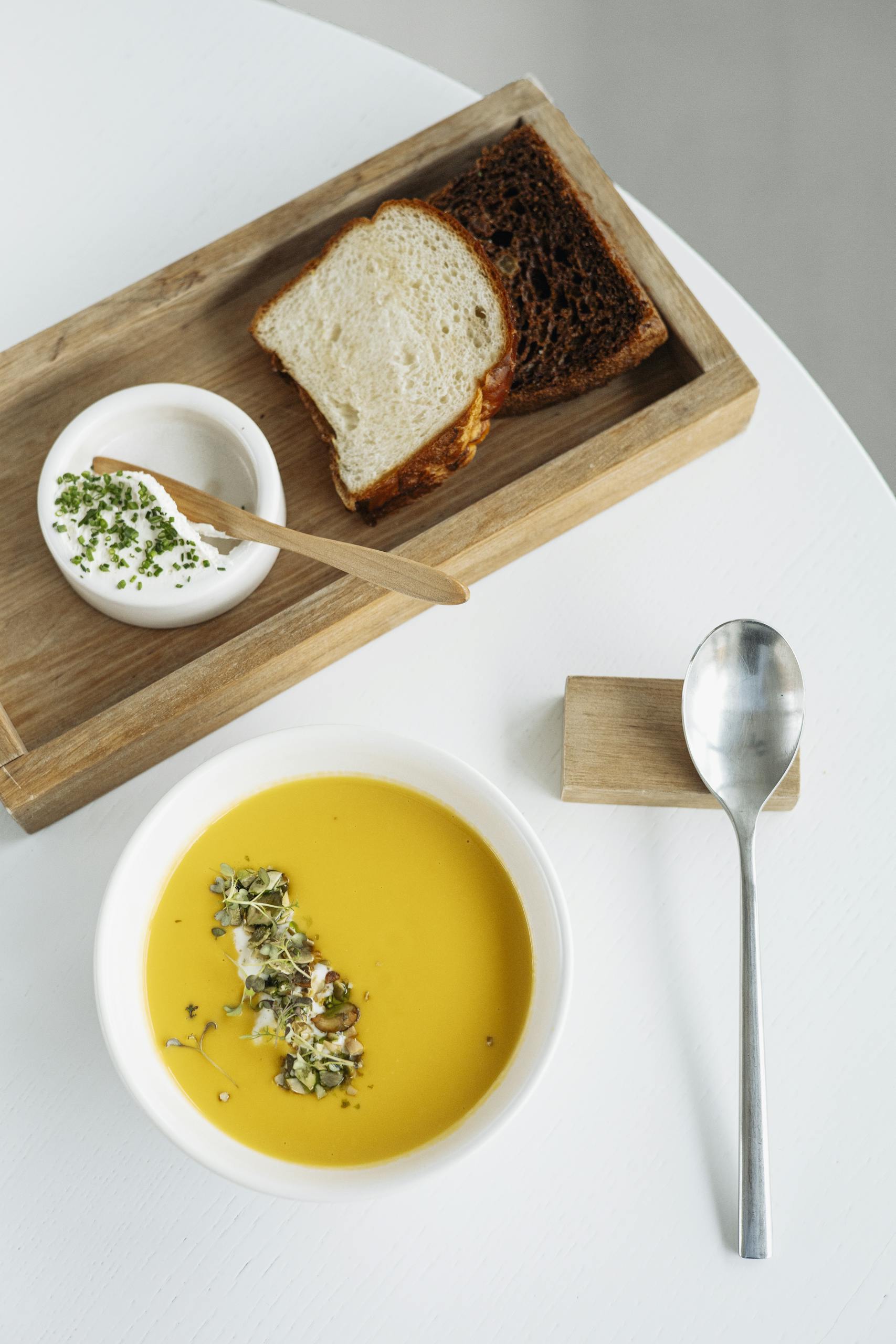
Every good menu ends with something worth savoring. Dessert on the comfort zone menu isn’t about indulgence in the guilty sense. It’s about the experiences that bring genuine pleasure without any particular purpose beyond the pleasure itself.
For many introverts, this is where creativity lives. The project with no deadline. The book read purely for enjoyment. The playlist assembled for no one but yourself. The long conversation with one person you genuinely love, where depth is the whole point and performance is nowhere in the picture.
The case for embracing solitude as a health practice made in Psychology Today captures something important here. Solitude isn’t just about recovering from stress. At its best, it’s where introverts do some of their most alive living. The internal world is rich. It deserves time and attention not just as a recovery mechanism but as a destination in its own right.
There’s also something in the broader literature on rest and psychological wellbeing that speaks to this. Rest that includes genuine positive experience, not just the absence of stress, produces different and better outcomes than rest that’s purely about recovery. Your comfort zone menu should include things that actively delight you, not just things that prevent burnout.
My dessert is music. Specifically, playing guitar badly and alone in a room where no one can hear me. I’m not good. I’ve never been good. I have no ambition to perform or improve in any measurable way. What I have is an hour, occasionally, where I’m completely absorbed in something that asks nothing of my professional self, my social self, or my strategic self. It’s just sound and attention and the particular pleasure of being entirely present in something that doesn’t matter to anyone but me.
That’s the whole point of dessert. It doesn’t have to be productive. It doesn’t have to be impressive. It just has to be genuinely, privately yours.
If you’re building your own comfort zone menu and want more context for the practices that support introvert wellbeing, the full Solitude, Self-Care & Recharging hub is a good place to spend some time.
About the Author
Keith Lacy is an introvert who’s learned to embrace his true self later in life. After 20 years in advertising and marketing leadership, including running agencies and managing Fortune 500 accounts, Keith now channels his experience into helping fellow introverts understand their strengths and build fulfilling careers. As an INTJ, he brings analytical depth and authentic perspective to every article, drawing from both professional expertise and personal growth.
Frequently Asked Questions
What is a comfort zone bar and grill menu for introverts?
A comfort zone bar and grill menu is a personal framework for organizing your restorative practices into categories based on how much time and depth they require. Like a restaurant menu, it includes quick options (starters), deeper practices (mains), supporting habits (sides), and purely pleasurable experiences (dessert). The goal is to have a clear, trusted list of activities that genuinely restore your energy so you can return to them without second-guessing yourself.
How is a comfort zone different from avoiding growth?
A comfort zone, in the sense used here, isn’t about avoiding challenge or staying permanently safe. It’s about having a reliable base of restorative practices that keep you functioning well. Growth requires energy. If your energy account is chronically overdrawn, you can’t grow effectively anyway. Protecting your comfort zone is what makes sustained growth possible, not what prevents it.
Why do introverts need a deliberate recharging menu when extroverts don’t seem to?
Extroverts generally gain energy from social interaction, so the default structure of most professional and social environments naturally recharges them. Introverts gain energy from solitude and internal focus, which the same environments actively drain. Without a deliberate recharging practice, introverts are constantly spending energy without a reliable way to replenish it. The menu provides that replenishment structure explicitly, because the environment won’t provide it automatically.
How do you know which practices actually belong on your comfort zone menu?
Pay attention to how you feel after an activity, not just during it. Some activities are enjoyable in the moment but leave you feeling vaguely empty afterward. Others require mild effort but leave you feeling more like yourself. The second category belongs on your menu. Also notice what you reach for naturally when you have unstructured time and no one is watching. That’s usually a reliable signal of what genuinely restores you rather than what you think should restore you.
What’s the most common mistake introverts make with their comfort zone practices?
The most common mistake is treating comfort zone practices as optional rewards for when everything else is done, rather than as non-negotiable maintenance. This creates a pattern where recharging only happens during emergencies, when the deficit is already significant, rather than consistently enough to prevent the deficit from building. Scheduling restorative practices with the same commitment you’d give professional obligations is what makes the difference between surviving and actually functioning well.