My phone buzzed during a rare afternoon break at the agency. Another invitation to drinks. More networking dinners. Yet another “quick coffee” that would stretch past an hour. I stared at the screen, feeling that familiar weight settle into my chest.
Twenty years managing client relationships taught me to say yes reflexively. Saying yes built my reputation. It landed Fortune 500 accounts. Agreeing kept teams motivated and clients happy. But somewhere between the thousandth meeting and the endless stream of social obligations, I lost track of what my nervous system was trying to tell me: I desperately needed to be alone.

Wanting solitude isn’t antisocial or selfish. Research from the University of Reading tracked 178 adults and found that spending time alone reduced stress and increased feelings of autonomy, particularly when that alone time came from personal choice rather than external circumstances. The data revealed something many people spend years learning the hard way: solitude serves a specific psychological function that social time cannot replace.
Honoring the need to be alone requires recognizing it exists in the first place. Our General Introvert Life hub explores how individuals experience everyday situations shaped by their temperament, and solitude sits at the heart of those patterns. For those wired to process internally, time alone isn’t optional recovery time tucked between social events. It’s the foundation that makes everything else possible.
What “I Want to Be Alone” Really Means
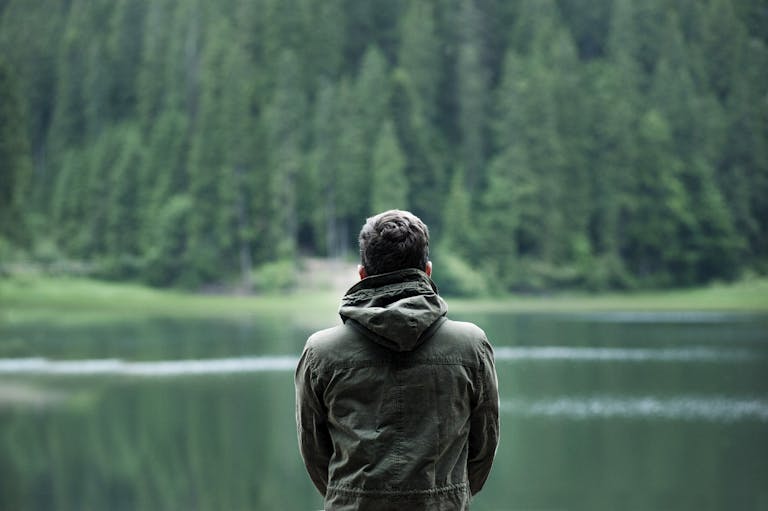
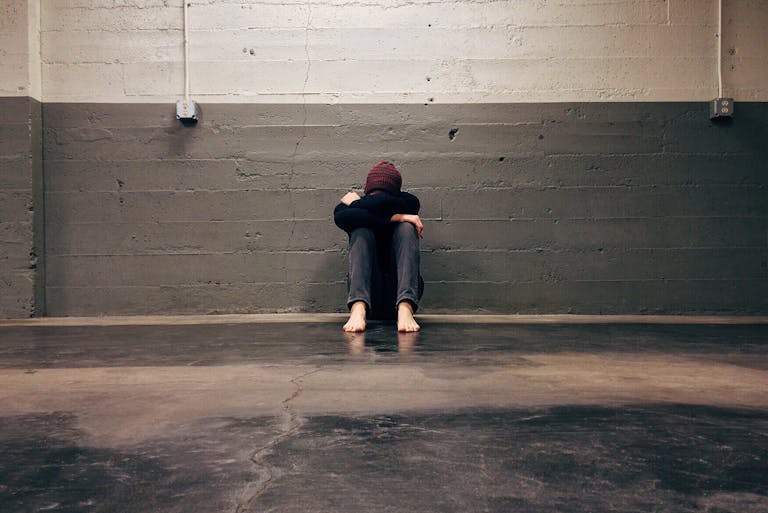
The phrase carries baggage. People hear “I want to be alone” and assume isolation, loneliness, or rejection. They worry you’re depressed, angry, or pulling away from relationships. None of that captures what actually happens when someone needs solitude.
A 2021 study published in Frontiers in Psychology examined solitude narratives from 2,035 participants ranging from adolescents to older adults. Researchers found that solitude is distinct from loneliness and isolation. Loneliness stems from feeling disconnected from others. Isolation involves involuntary separation. Solitude represents chosen time away from social interaction, often pursued for specific psychological benefits like reflection, creativity, or emotional regulation.
During my agency years, I scheduled “strategy sessions” that were really just blocked time where nobody could reach me. I’d sit in my office with the door closed, ostensibly reviewing campaign data, but really just letting my mind settle. Those hours weren’t wasted. They were the only thing preventing complete burnout. My team probably thought I was incredibly disciplined about planning. What I was actually doing was protecting the alone time my nervous system required to function.
Wanting to be alone serves multiple psychological needs. Autonomy ranks high among them. Self-determination theory identifies autonomy as one of three basic psychological needs essential for well-being, alongside competence and relatedness. Autonomous motivation for solitude means seeking time alone because it aligns with your values and interests, not because you’re avoiding people or responsibilities.
Research conducted by psychologists Thuy-vy Nguyen, Richard Ryan, and Edward Deci found that solitude generally produces a deactivation effect, decreasing both positive and negative high-arousal emotions. Alone time creates space for low-arousal positive states like calm, peace, and relaxation. For people who spend their days managing external demands and social stimulation, that deactivation isn’t withdrawal. It’s restoration.
Why Society Misunderstands the Need for Solitude
American culture treats being alone as inherently problematic. Extraversion dominates social norms. Team activities, open offices, constant connectivity, and packed social calendars signal success and health. Choosing solitude triggers concern from others who interpret alone time through their own lens of what feels comfortable and normal.
A 2024 study published in Nature Human Behaviour analyzed how people think about being alone and found that news articles mention the risks of solitude five times more often than the benefits. Media coverage consistently frames time alone as dangerous, linking it to poor health outcomes and dissatisfaction. When participants read articles describing solitude as beneficial, they reported more positive experiences during alone time compared to those who read about risks or received no information.
Our beliefs shape our experiences. If you’ve internalized the message that wanting to be alone means something’s wrong, you’ll feel guilty or anxious when that need surfaces. The guilt compounds the problem. You need solitude to recharge, but believing that need is defective adds stress to what should be restorative time.
I watched this pattern play out across my agency career. Junior team members would apologize for declining lunch invitations, as if eating alone signaled poor fit with company culture. Senior executives would schedule back-to-back meetings to demonstrate engagement, then crash on weekends. The unspoken rule was clear: visible social participation mattered more than actual well-being. Looking back, I realize how many talented people left because they couldn’t sustain the constant interaction the role seemed to demand. Understanding why certain types of interaction drain some people more than others would have helped everyone set more realistic expectations.

Recognizing When You Need to Be Alone
The need for solitude announces itself differently for everyone. Some people notice physical exhaustion. Others experience mental fog or emotional reactivity. Recognizing your specific signals prevents reaching the point where solitude becomes emergency damage control rather than regular maintenance.
Pay attention to irritability that seems disproportionate to circumstances. When small inconveniences trigger outsized reactions, your nervous system is probably operating on empty. Notice when you start avoiding eye contact, keeping conversations short, or finding excuses to skip social events you’d normally enjoy. These aren’t character flaws. They’re data.
Physical symptoms matter too. Tension headaches, jaw clenching, restless sleep, and digestive issues can all signal that your body needs recovery time. External stimulation affects internal systems. When you spend too long managing the demands of being around others, your stress response stays activated even when you’re technically at rest.
My own warning sign was decision fatigue. I’d sit through an entire meeting, successfully manage complex client relationships, then spend twenty minutes staring at a lunch menu unable to choose between two sandwiches. The cognitive load of constant social monitoring and external responsiveness depleted resources needed for basic executive function. Recognizing how social interaction drains specific cognitive resources helps you intervene before complete depletion.
How to Honor the Need Without Guilt
Honoring your need for solitude starts with permission. You don’t need to justify wanting time alone to yourself or anyone else. Solitude isn’t a luxury you earn through productivity or social compliance. It’s a basic requirement for psychological well-being, as fundamental as sleep or nutrition.
Research published in PLOS ONE found surprising results about introversion and solitude. Contrary to popular belief, introversion doesn’t strongly predict motivation for solitude. What matters more is dispositional autonomy, the tendency to regulate behavior from a place of self-congruence and interest. People high in autonomous functioning seek solitude because it aligns with their values and supports their well-being, not just because social interaction feels uncomfortable.
Stop framing alone time as compensation for social inadequacy. You’re not “bad at people” because you need regular solitude. You’re honoring how your nervous system processes experience and maintains equilibrium. That’s competence, not deficiency.
Set boundaries that protect solitude without lengthy explanations. “I have plans” is sufficient. You don’t owe anyone a detailed account of how you’ll spend your evening, even if those plans involve sitting quietly in your apartment doing nothing in particular. The cultural expectation that alone time requires justification creates the guilt loop you’re trying to escape.

Experience taught me this slowly. For years, I’d invent elaborate excuses for declining social invitations, crafting stories about prior commitments or work obligations. The effort of maintaining those fabrications added stress I was trying to avoid. Eventually, I started responding with simple, honest boundaries: “Thanks for the invitation. I need a quiet evening tonight.” Most people respected that. The few who didn’t revealed more about their own discomfort with solitude than anything about my choices.
Schedule solitude like you’d schedule important meetings. Block time on your calendar. Protect it from encroachment. Treat it as non-negotiable. When that time arrives, resist the urge to fill it with productive tasks. Solitude’s value lies partly in creating space for your mind to wander, process, and rest. Communicating boundaries around alone time becomes easier with practice and clear internal conviction about its importance.
What to Do With Your Alone Time
Solitude works best when it serves clear purposes aligned with your needs. Some alone time calls for complete disconnection. Other periods benefit from structured activities that facilitate the reflection or creativity that drew you to solitude initially.
For emotional regulation, choose activities that calm your nervous system. Reading, walking, listening to music, or simply sitting in a quiet space all support downregulation. The research on solitude’s deactivation effect suggests that alone time naturally reduces high-arousal emotions. Work with that tendency rather than trying to maintain social-level stimulation when you’re alone.
Creative pursuits benefit from solitude’s particular quality of mental space. Writing, art, music, or problem-solving often require sustained focus that’s difficult to maintain around others. The absence of social monitoring frees cognitive resources for deeper engagement with whatever project or question occupies your attention.
Self-reflection needs unstructured time. Journaling, meditation, or simply letting your mind wander without agenda all benefit from periods where you’re not managing anyone else’s needs or responding to external demands. Some of my most valuable strategic insights came during solitary walks where I wasn’t actively trying to solve problems, just giving my mind permission to process information it had been accumulating.
Physical rest matters too. Sleep counts as solitude. So does lying on your couch staring at the ceiling. Not every moment requires optimization or productivity. Sometimes your body just needs to stop, and that’s sufficient purpose for your alone time. Challenging myths about productivity and social participation helps you give yourself permission for genuine rest.

Balancing Solitude and Connection
Honoring your need for solitude doesn’t mean abandoning relationships or avoiding all social interaction. Research from the University of Reading’s 21-day diary study found no universal optimal balance between solitude and social time. What matters more is that your alone time comes from autonomous choice rather than external pressure or circumstance.
Quality relationships actually support healthy solitude patterns. People who feel secure in their connections typically experience less guilt about needing time alone. They trust that temporary distance doesn’t threaten the relationship’s foundation. Partners, friends, and family members who understand your solitude needs make it easier to honor them without constant negotiation or defensiveness.
Communicate your patterns clearly. Help people close to you recognize that your need for alone time isn’t about them. When I finally had this conversation with my spouse, explaining that my evening silence wasn’t frustration with our relationship but necessary recovery from a day of external demands, our dynamic shifted. She stopped interpreting my withdrawal as rejection and I stopped feeling guilty about needing space.
Notice when relationships drain you because they prevent access to solitude rather than because of incompatibility. Some partnerships or friendships create constant pressure for availability and engagement. If someone consistently makes you feel guilty for having boundaries around alone time, that’s valuable information about whether the relationship serves your well-being. Avoiding common patterns that undermine your needs includes protecting solitude from relationships that don’t respect it.
Build solitude into your routine rather than treating it as emergency intervention. Regular alone time prevents the accumulation of stress and overstimulation that eventually forces complete withdrawal. Small, consistent periods of solitude maintain baseline well-being better than sporadic extended isolation after you’ve already hit burnout.
Living With the Need
Accepting that you need regular solitude changes how you structure your life. Career choices, living situations, relationship patterns, and daily schedules all look different when you prioritize protecting alone time rather than apologizing for it.
I turned down a promotion that would have required constant client-facing work precisely because I knew the role would eliminate the solitude I needed to function effectively. From the outside, that looked like stalled ambition or fear of responsibility. From my perspective, it was honest assessment of what conditions allowed me to do good work. The role I eventually took offered more autonomy and flexibility, which translated directly into better performance and sustainability.
Your need for solitude isn’t a problem to solve. It’s a feature of how you’re wired, as legitimate as any other aspect of your temperament or physiology. Honoring that need isn’t selfish withdrawal from the world. It’s maintaining the foundation that allows you to show up effectively when you do engage with others.
The cultural narrative that paints wanting to be alone as pathological or antisocial damages people who operate differently than extroverted norms suggest everyone should. When you stop fighting your need for solitude and start protecting it, you’re not becoming more isolated. You’re creating the conditions for genuine connection and sustainable engagement with the world around you.
Frequently Asked Questions
Is wanting to be alone a sign of depression?
Wanting solitude differs from depressive withdrawal. Chosen alone time that leaves you feeling restored supports well-being. Depression typically involves loss of interest in activities you normally enjoy, persistent low mood, and isolation that increases distress rather than relieving it. If alone time fails to provide relief or you’re avoiding people because everything feels overwhelming rather than because you need space, consider consulting a mental health professional.
How much alone time is normal?
Evidence from the University of Reading’s 21-day diary study reveals no universal optimal amount of solitude. What matters more is whether your alone time comes from personal choice and whether it supports your functioning. Some people thrive with several hours of daily solitude. Others need less frequent but longer stretches. Pay attention to how you feel rather than comparing yourself to arbitrary standards.
How do I explain my need for alone time to family or partners?
Focus on what solitude provides rather than what you’re avoiding. Explain that alone time helps you regulate emotions, process information, and maintain energy for connection. Frame it as supporting your ability to be present in relationships rather than withdrawing from them. Use specific examples: “I need an hour alone after work to decompress so I can actually engage with you during dinner.”
What if I feel guilty for wanting to be alone?
Guilt often stems from internalizing messages that solitude is selfish or antisocial. Challenge those beliefs by examining evidence. Does your alone time help you function better? Do you show up more effectively in relationships when you’ve had adequate solitude? Recognize that honoring your needs enables you to meet others’ needs more sustainably. Guilt serves no one if it prevents you from maintaining your baseline well-being.
Can wanting to be alone damage my relationships?
Healthy relationships accommodate individual needs for space. Partners and friends who respect your solitude requirements typically experience better connection because you’re not constantly operating on empty. Relationships that can’t tolerate reasonable boundaries around alone time may need reevaluation. Sustainable connection requires that everyone’s needs, including yours, receive consideration.
Explore more introvert life resources in our complete General Introvert Life Hub.
About the Author
Keith Lacy is an introvert who’s learned to embrace his true self later in life. With a background in marketing and a successful career in media and advertising, Keith has worked with some of the world’s biggest brands. As a senior leader in the industry, he has built a wealth of knowledge in marketing strategy. Now, he’s on a mission to educate both introverts and extroverts about the power of introversion and how understanding this personality trait can unlock new levels of productivity, self-awareness, and success.