

The best tools to work remotely do more than solve technical problems. They reshape the entire rhythm of your workday, giving you back the quiet, the focus, and the autonomy that most open offices quietly stripped away. For introverts, a well-built remote setup isn’t just convenient. It’s a genuine competitive advantage.
After two decades running advertising agencies, I watched talented introverted people perform well below their potential simply because the environment worked against them. Loud floors, constant interruptions, the pressure to perform energy you didn’t have. When remote work became mainstream, something shifted. The people I’d always known were brilliant finally had a setup that matched how they actually think.
There’s a lot of generic “remote work tools” content out there. What I want to offer here is something more specific: a grounded look at which tools actually matter when you’re wired for depth, when you process slowly and carefully, and when your best thinking happens in silence.
If you’re building out a remote workspace and want to see how tools fit into a broader picture of introvert-friendly resources, our Introvert Tools and Products Hub covers everything from focus aids to books that reframe how we understand our own wiring.
Why Do Introverts Thrive in Remote Work Environments?
Not every introvert loves working from home automatically. Some people find the isolation difficult, especially those who draw some energy from structured social contact. But for many of us, remote work removes the single biggest drain on our cognitive resources: involuntary social stimulation.
As an INTJ, my mind works best when I can follow a thought to its end without being pulled sideways. In an agency setting, that was nearly impossible. Someone would stop by my desk mid-analysis to chat about lunch. A meeting would get called with ten minutes’ notice. By 2 PM, I’d used up my best mental energy just managing interruptions rather than doing the work I was hired to do.
Remote work changed that equation. When I started working from a home office more regularly in the later years of running my last agency, my output improved noticeably. Not because I was working more hours, but because the hours I worked were actually productive.
What Psychology Today notes about how introverts think aligns with this experience: introverted minds tend to process information more thoroughly, which requires longer, uninterrupted stretches of concentration. Remote work, when set up correctly, creates exactly that.
The tools you choose either support that kind of deep work or quietly undermine it. That distinction matters more than most people realize.
What Communication Tools Actually Work for Introverts Working Remotely?
Communication tools are where most remote work advice gets it wrong. The default assumption is that more communication tools equal better collaboration. From an introvert’s perspective, more tools often just means more noise.
What actually works is asynchronous communication. Tools that let you respond on your own schedule, after you’ve had time to think, produce dramatically better output from introverted people than real-time chat platforms that demand instant responses.
Slack gets used at most companies, and it can work well if you set it up intentionally. what matters is ruthless channel organization and aggressive use of “Do Not Disturb” settings. I’ve coached people through restructuring their Slack workspace so that only genuinely urgent messages interrupt focused work time. Everything else waits. That single change transformed how several introverted team members experienced their workdays.
Loom is one of the more underappreciated tools in remote work. Instead of a meeting to explain something complex, you record a short video. The person watches it when they’re ready, thinks it through, and responds thoughtfully. For introverts on both ends of that exchange, it removes the pressure of real-time performance while still allowing genuine human communication.
Notion or similar documentation tools shift team communication from reactive to structured. When processes, decisions, and updates live in a shared document rather than a chat thread, introverts can engage with information at their own pace. I’ve found that introverted team members contribute far more substantively in written documentation than they ever did in verbal brainstorms.
One thing worth noting: Isabel Briggs Myers spent decades arguing that different personality types communicate differently by design, not by deficiency. Her work in Gifts Differing remains one of the most useful frameworks for understanding why asynchronous tools feel so natural to introverted people. It’s not a preference. It’s wiring.

Which Focus and Deep Work Tools Make the Biggest Difference?
Focus is where introverts have a natural edge, but only when the environment supports it. The right tools protect that edge. The wrong ones erode it.
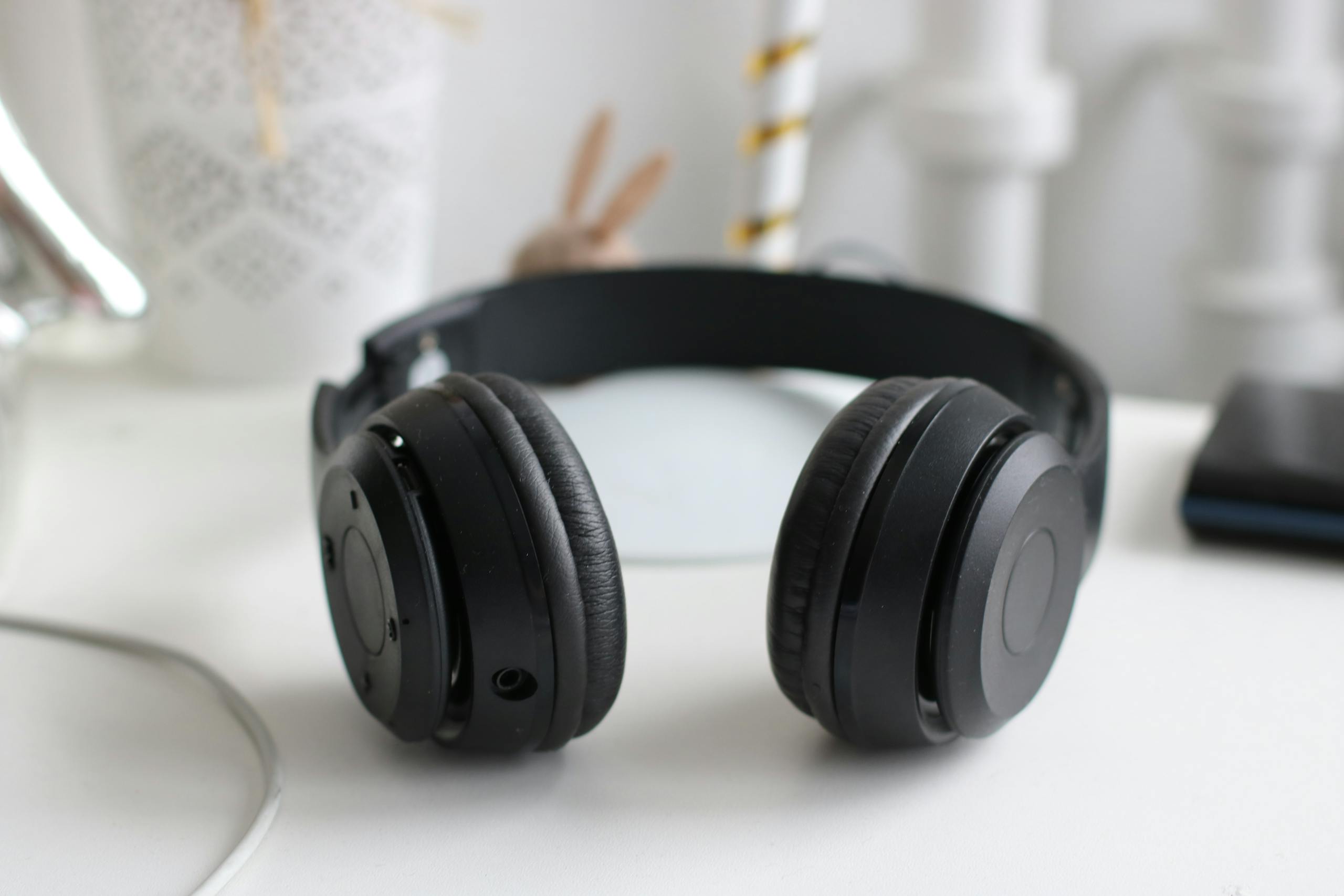
Noise-canceling headphones are probably the single most impactful physical tool for remote introverts. I’m not talking about casual listening headphones. I mean a serious pair designed specifically to block environmental sound. Sony WH-1000XM5 and Bose QuietComfort Ultra are the two most consistently recommended options among people who depend on deep focus. When I’m in a writing session or working through a complex strategy problem, these headphones create a bubble that nothing gets through.
If you’re shopping for a fellow introvert, this kind of gear makes for one of the most thoughtful gifts for introverted guys you can give, because it directly supports the way they work best.
Forest or Focus@Will are apps that help manage attention during work sessions. Forest gamifies focus time by growing a virtual tree while you stay off your phone. Focus@Will uses music scientifically designed to reduce mind-wandering. Neither is magic, but both create a ritual around focus that many introverts find useful for signaling to their brain that deep work time has started.
RescueTime tracks how you actually spend your time on your computer. For introverts who tend toward perfectionism and self-reflection, seeing real data about where your hours go can be clarifying. I used a time-tracking tool during a particularly scattered period running my agency and discovered I was losing nearly ninety minutes daily to low-value email management. That data gave me permission to restructure my day in a way that gut instinct alone wouldn’t have.
Todoist or Things 3 for task management work well for introverted people because they externalize the mental load of remembering everything. When your task list lives outside your head, your internal processing space opens up for actual thinking rather than inventory management.
There’s a broader pattern worth naming here. The five core benefits of introversion that researchers consistently identify, including careful observation, depth of focus, and thoughtful decision-making, all depend on cognitive space. Tools that protect that space don’t just make you more productive. They make you more authentically yourself at work.
How Should You Set Up Your Physical Remote Workspace?
Physical environment matters more than most productivity content acknowledges. For introverts, the workspace isn’t just where work happens. It’s where recovery happens between intense cognitive sessions. Getting it right changes everything.
Start with the chair. This sounds mundane until you’ve spent eight hours in a bad one. An ergonomic chair like the Herman Miller Aeron or Secretlab Titan isn’t an indulgence. It’s an investment in sustained focus. Physical discomfort creates a background hum of distraction that compounds over a workday in ways you might not consciously notice but definitely feel.
Lighting deserves equal attention. Natural light is best, but a quality desk lamp with adjustable color temperature (something like the BenQ ScreenBar or Elgato Key Light) reduces eye strain and helps regulate your energy through the day. I added a warm-toned lamp to my home office setup a few years ago and noticed a genuine difference in how long I could sustain focused work before feeling depleted.
A second monitor is one of those tools that sounds like a luxury until you use it for a week and can’t imagine going back. For introverts who do deep analytical work, having research visible on one screen while writing or building on another removes the constant context-switching that fragments concentration.
Plants, intentional organization, and minimal visual clutter all contribute to what researchers studying human neuroscience describe as cognitive load management. A calm visual environment reduces the low-level processing your brain does on background stimuli, freeing more capacity for actual work.
Some of these workspace items also happen to make excellent gifts. If you’re looking for a meaningful gift for an introvert man in your life, a quality desk lamp, a cable management kit, or a white noise machine speaks directly to how he actually spends his days.
What Video Call Tools and Strategies Help Introverts Manage Meeting Fatigue?
Video calls are the part of remote work that most introverts find genuinely draining. There’s something about the sustained social performance of appearing engaged on camera, managing your own facial expressions, and processing both verbal and visual input simultaneously that hits differently than in-person meetings.
Zoom fatigue is real, and it affects introverts disproportionately. The constant self-monitoring that video calls require, seeing your own face, managing your background, performing attentiveness, adds a cognitive layer that in-person conversations don’t.
A few tools and practices help significantly.
Hide self-view on Zoom. Most people don’t know this option exists. Clicking “Hide Self View” removes your own face from your screen during calls, which reduces the self-monitoring loop dramatically. I started recommending this to introverted team members years ago, and the feedback was almost universally positive.
Krisp is a noise-canceling app that filters background sound from your microphone in real time. Beyond the practical benefit, knowing that ambient noise isn’t bleeding into your calls removes a background anxiety that lets you focus on the actual conversation.
Otter.ai transcribes meetings automatically. For introverts who process information more thoroughly in writing than in real-time conversation, having a searchable transcript of every meeting is genuinely valuable. You can review what was said, catch things you might have missed in the moment, and prepare more thoughtful follow-ups.
Strategy matters as much as tools here. Blocking “no meeting” time on your calendar, batching calls on specific days rather than scattering them across the week, and defaulting to asynchronous communication when a meeting isn’t truly necessary all reduce the cumulative drain.
There’s also something worth saying about negotiating your meeting load. Harvard’s Program on Negotiation frames negotiation as a skill that can be applied to workplace conditions, not just compensation. Advocating for asynchronous-first communication or protected focus blocks is a legitimate professional conversation, not a demand for special treatment.
Are There Tools Specifically for Managing Energy, Not Just Time?
Most productivity advice is about time management. For introverts, energy management is the more important variable. You can have eight hours available and still produce nothing meaningful if your energy is depleted.
This was one of the most significant shifts in how I ran my own work life. Early in my agency career, I scheduled my day based on what needed to happen when. Meetings got placed wherever the calendar allowed. Deep work got squeezed into whatever gaps remained. The result was consistently mediocre output from someone who was capable of much better.
Once I started treating my energy as the primary resource to protect, everything reorganized. High-cognitive work went in the morning, when my internal battery was full. Meetings and calls went in the afternoon. Administrative tasks filled the end of the day when my capacity for original thinking had largely run out.
Google Calendar’s “Focus Time” feature (available through Google Workspace) blocks time and automatically declines meeting requests during those windows. It’s a simple tool with meaningful impact when used consistently.
Daylio is a micro-journaling app that lets you track mood and activities quickly. Over time, patterns emerge. You start to see which types of work drain you faster, which days of the week tend to be harder, and what conditions correlate with your best output. That kind of self-knowledge is enormously useful for an introvert trying to design a sustainable work rhythm.
Susan Cain’s work on introversion, which you can absorb in depth through the Quiet audiobook, frames energy management not as self-indulgence but as basic professional hygiene. Introverts who ignore their energy needs don’t just feel worse. They perform worse, make worse decisions, and eventually burn out in ways that affect everyone around them.

What Security and Financial Tools Support a Stable Remote Work Life?
Remote work, especially freelance or self-employed remote work, introduces financial variability that salaried office work doesn’t. For introverts who tend toward careful planning and risk awareness, building a stable financial foundation matters as much as having the right productivity tools.
A solid emergency fund is foundational. The Consumer Financial Protection Bureau’s guide to building an emergency fund is one of the clearest, most practical resources available on this. For remote workers without employer safety nets, three to six months of expenses in accessible savings changes your relationship to risk and to the work itself. Financial anxiety is a significant cognitive drain that affects introverts and extroverts equally.
A password manager like 1Password or Bitwarden handles the security side of remote work. When your work life lives entirely online, the risk surface expands considerably. A password manager removes the cognitive load of managing dozens of credentials while significantly improving your actual security posture.
A reliable VPN matters when you work from coffee shops or co-working spaces. NordVPN and ProtonVPN are both solid options. For introverts who occasionally need a change of environment to reset their focus, knowing your connection is secure removes a background concern that would otherwise occupy mental space.
Wave or FreshBooks for invoicing and accounting keeps the business side of freelance remote work organized without requiring accounting expertise. The less time you spend on administrative friction, the more time you have for the deep work that actually moves your career forward.
How Do You Build a Remote Work Setup That Reflects Your Actual Personality?
This is the question I wish someone had asked me earlier. Not “what tools are popular” but “what setup actually fits how you’re wired.”
There’s a difference between a remote setup optimized for an extrovert who misses the office and one designed for an introvert who finally has the space to work the way their brain prefers. The extrovert might prioritize video call quality, virtual social tools, and open communication channels. The introvert needs something different: friction between themselves and interruptions, space for deep work, and tools that support thoughtful rather than reactive communication.
A resource I’ve found genuinely useful for thinking about this is the Introvert Toolkit, which offers a structured way to assess your own needs and build systems around them rather than defaulting to what everyone else is using.
One thing worth adding: humor matters in a home office. Spending ten hours a day in a space that feels sterile and corporate defeats the whole point. Some of the most popular items among introverts I know are things that make them smile, mugs with introverted humor, desk signs, small ridiculous objects that signal “this is my space and I like it here.” If you want ideas, the collection of funny gifts for introverts has some genuinely good ones that double as workspace personality.
The broader point is that your remote setup should feel like yours. Not a replica of an open office, not a performance of productivity for an audience that isn’t there. A space that fits your actual cognitive style, supports the kind of work you do best, and reflects the person doing the work.
That’s what remote work makes possible in a way that most office environments never did. And for introverts who’ve spent years adapting to environments built around extroverted defaults, it’s genuinely meaningful.
There’s also something worth saying about the social dimension of remote work for introverts. Many of us don’t want zero social contact. We want social contact on our own terms, in the right doses, with people we’ve chosen to engage with. Remote work allows exactly that. A quick Slack exchange, a well-structured weekly team call, a one-on-one video conversation with a colleague you actually like. These interactions feel energizing rather than draining precisely because they’re intentional rather than imposed.
What neuroscience research published through PubMed Central suggests about introversion and social processing aligns with this: introverts don’t process social information less richly than extroverts. They process it more intensely, which means they need more recovery time after social engagement. Designing a remote setup that accounts for that rhythm isn’t avoidance. It’s self-awareness applied to professional life.

What Separates a Good Remote Setup From a Great One?
After thinking through all of this, the honest answer is intention. A good remote setup has the right tools. A great one has been built with a clear understanding of who’s using it and how that person actually works.
For introverts, that means fewer tools, not more. It means communication systems that default to asynchronous rather than real-time. It means a physical space that signals focus rather than availability. It means energy management built into the schedule rather than treated as an afterthought.
When I look back at my agency years, the thing I most wish I’d had wasn’t a better project management tool or a faster laptop. It was permission to work the way I actually work best. Remote work, when set up thoughtfully, gives introverts that permission structurally. The tools are just the mechanism.
There’s a broader conversation about what introverts bring to professional life that goes well beyond remote work. Psychology Today’s piece on introverts as negotiators is one example of how introvert strengths show up in contexts that conventional wisdom assigns to extroverts. The same quiet attention, careful preparation, and depth of processing that makes introverts excellent remote workers makes them effective in many roles people assume require extroversion.
Build your remote setup around your strengths. Protect your focus. Design for recovery as well as productivity. And stop apologizing for needing a different kind of environment than the person who thrives on chaos and constant contact.
Your wiring is an asset. Your setup should reflect that.
Want to explore more tools and resources built around introvert strengths? Our complete Introvert Tools and Products Hub is a good place to keep building from here.
About the Author
Keith Lacy is an introvert who’s learned to embrace his true self later in life. After 20 years in advertising and marketing leadership, including running agencies and managing Fortune 500 accounts, Keith now channels his experience into helping fellow introverts understand their strengths and build fulfilling careers. As an INTJ, he brings analytical depth and authentic perspective to every article, drawing from both professional expertise and personal growth.
Frequently Asked Questions
What are the most important tools to work remotely for introverts?
The most impactful tools for introverted remote workers tend to fall into three categories: noise-canceling headphones for protecting focus, asynchronous communication tools like Loom and Notion for reducing real-time social pressure, and calendar tools that block dedicated deep work time. Beyond specific apps, a well-organized physical workspace with good lighting and minimal visual clutter makes a measurable difference in sustained concentration. The goal is a setup that creates structure around your best cognitive hours and friction between you and unnecessary interruptions.
How can introverts reduce video call fatigue while working remotely?
Several practical strategies help significantly. Using the “Hide Self View” option in Zoom removes the self-monitoring loop that makes video calls particularly tiring. Batching calls on specific days rather than scattering them across the week reduces the cumulative drain. Tools like Otter.ai that transcribe meetings automatically mean you can review conversations afterward rather than processing everything in real time. Most importantly, defaulting to asynchronous communication whenever a meeting isn’t truly necessary reduces your total call load over time.
Is remote work actually better for introverts than office work?
For many introverts, yes, though the degree varies by person and role. Remote work removes involuntary social stimulation, which is the primary energy drain for most introverted people. It allows control over communication timing, workspace environment, and the rhythm of social contact. That said, remote work requires intentional structure to work well. Without deliberate boundaries and the right tools, it can become isolating or unfocused in different ways. The advantage is real, but it depends on building a setup that actively supports how introverts think and work best.
What physical workspace items make the biggest difference for remote introverts?
Noise-canceling headphones consistently rank as the most impactful single item. After that, an ergonomic chair prevents the physical discomfort that creates background distraction over long work sessions. A quality desk lamp with adjustable color temperature reduces eye strain and supports sustained focus. A second monitor reduces context-switching during complex work. Plants and minimal visual clutter reduce cognitive load from background stimulation. These aren’t luxuries. They’re investments in the cognitive conditions that introverts need to perform at their actual level.
How do introverts manage energy rather than just time when working remotely?
Energy management for introverts means scheduling cognitively demanding work during peak hours, typically morning for most people, and placing meetings and calls in lower-energy afternoon windows. Tools like Google Calendar’s Focus Time feature block those peak hours automatically. Micro-journaling apps like Daylio help identify patterns in what drains or restores your energy over time. Building recovery time into the schedule, short breaks between intense sessions, a proper lunch away from screens, treats energy as a resource to manage rather than a problem to push through. That shift in framing tends to produce better sustained output than simply working longer hours.