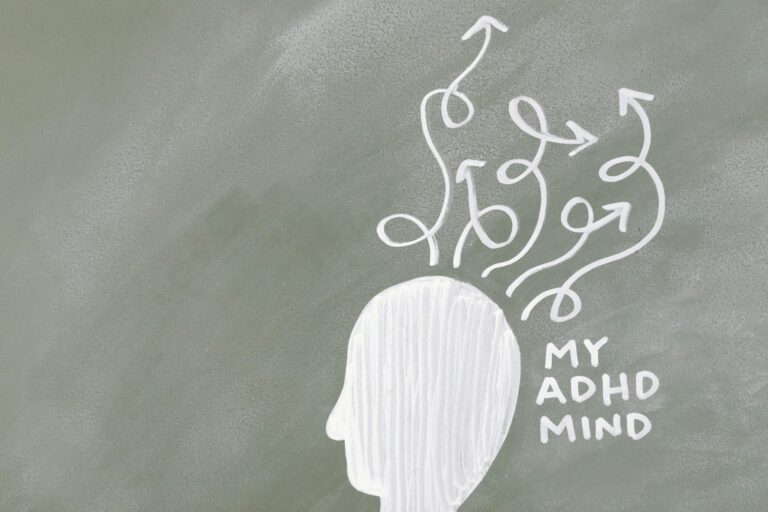

Brain fog after quitting weed is one of the least talked about parts of cannabis withdrawal, and for introverts who rely on mental clarity to function at their best, it can feel genuinely destabilizing. The fog typically includes difficulty concentrating, slowed thinking, memory gaps, and a strange emotional flatness that makes it hard to feel like yourself. For most people, it lifts within a few weeks, though the timeline varies depending on how long and how heavily cannabis was used.
What makes this harder for introverts is that our inner world is our home base. When that internal clarity goes murky, it’s not just inconvenient. It feels like losing the one place we actually feel safe.

My mind has always been my most reliable tool. Running advertising agencies for over two decades, I depended on the ability to think clearly, spot patterns quickly, and process complex information in real time. I’m an INTJ, and like most INTJs, I live largely inside my own head. When that internal machinery starts grinding instead of humming, everything suffers, professionally, personally, and emotionally. I’ve watched people on my teams go through versions of this fog during high-stress periods, and I’ve experienced my own variants of it through burnout and exhaustion. The experience of brain fog after quitting weed shares a lot of that same texture, and understanding what’s actually happening makes it easier to move through.
If mental health challenges intersect with your introversion in ways that feel hard to name, our Introvert Mental Health hub covers the full range of these experiences with depth and honesty.
Why Does Brain Fog Happen After Quitting Weed?
Cannabis affects the brain’s endocannabinoid system, a network of receptors involved in mood regulation, memory, sleep, and cognitive processing. When someone uses cannabis regularly, the brain adjusts to that presence. It essentially recalibrates around it. When you stop, the brain has to recalibrate again, and that process takes time.
The National Institutes of Health outlines cannabis withdrawal as a recognized syndrome that can include irritability, sleep disruption, anxiety, and cognitive effects including difficulty concentrating. These symptoms typically begin within a day or two of stopping and peak somewhere around the first week. The cognitive piece, the fog itself, often lingers longer than the more acute symptoms.
What’s happening neurologically is that the brain’s dopamine system, which cannabis influences significantly, needs time to find its baseline again. Dopamine plays a central role in motivation, focus, and the sense of reward that comes from completing tasks or solving problems. During the adjustment period, many people describe feeling unmotivated, mentally slow, and emotionally flat. That flatness is particularly disorienting for introverts who process the world through rich internal experience.
For those who are also highly sensitive, the experience can layer on additional complexity. HSP overwhelm and sensory overload can intensify during withdrawal because the nervous system is already under strain. Sounds feel louder, lights feel harsher, and the mental effort required to filter ordinary stimuli becomes exhausting in a way that’s hard to explain to people who don’t experience sensitivity that way.
How Long Does the Fog Actually Last?
Honestly, the timeline is frustratingly individual. For occasional or short-term users, the cognitive fog might lift within a week or two. For people who used cannabis heavily and consistently over years, the brain recalibration can take considerably longer, sometimes several months before thinking feels fully sharp again.
A few factors influence the duration. How long and how frequently someone used cannabis matters a great deal. Age plays a role, as younger brains tend to recalibrate more quickly. Sleep quality during withdrawal is a major variable, and since cannabis often disrupts REM sleep when stopped abruptly, poor sleep compounds the cognitive effects significantly. Stress levels, hydration, exercise habits, and underlying mental health factors all contribute to how the fog presents and how long it persists.

What I’ve noticed in myself during periods of mental fog, whether from burnout, sleep deprivation, or any other cause, is that the INTJ tendency to demand high cognitive performance from myself makes the fog feel worse than it might actually be. There’s a kind of meta-suffering that happens when you’re aware your thinking is impaired and you keep testing yourself against it. At one point during a particularly brutal agency restructuring, I was running on poor sleep and high cortisol for about three months. My thinking slowed noticeably. I remember sitting in a strategy session with a major retail client, someone I’d worked with for years, and losing the thread of my own argument mid-sentence. That moment of internal panic, the “where did that go?” sensation, is something people describe vividly when talking about cannabis withdrawal fog.
The good news, and I mean this practically rather than as reassurance, is that the brain is genuinely resilient. The American Psychological Association’s work on resilience emphasizes that the brain and nervous system have a remarkable capacity to return to equilibrium given the right conditions. The fog is not permanent, even when it feels that way in week three.
Why Introverts Feel This Differently Than Extroverts
Introverts process the world differently at a neurological level. We tend to have more active internal processing, meaning we’re constantly running a kind of background analysis on our experiences, observations, and emotions. That internal activity is a strength in most contexts. It’s what allows introverts to think deeply, notice nuance, and bring considered perspectives to complex problems.
Brain fog disrupts that internal processing more acutely than it disrupts an extrovert’s primary mode of engagement, which is more externally oriented. When an extrovert experiences cognitive fog, they might feel less sharp in conversation or less energized in group settings. When an introvert experiences it, the entire internal world goes quiet in an unsettling way. The rich inner commentary that usually runs in the background goes static. The ability to sit quietly and think through a problem, one of the introvert’s greatest assets, becomes frustratingly inaccessible.
This connects directly to how introverts process emotion. Normally, we work through feelings internally, sometimes over long periods, filtering experience through reflection before arriving at understanding. During cannabis withdrawal fog, that emotional processing capacity can feel blocked. Feelings arise but don’t resolve. There’s a kind of emotional stuckness that accompanies the cognitive fog, and for people who are already prone to anxiety as a highly sensitive person, this period can feel genuinely alarming.
I managed a creative director at one of my agencies who was an INFJ, deeply introverted and highly sensitive. When she went through a period of significant personal stress, I watched her describe almost exactly this phenomenon without any cannabis involvement. Her inner world went “flat,” as she put it. She couldn’t access the emotional depth that normally fueled her best creative work. She wasn’t depressed in a clinical sense. She was in a kind of cognitive-emotional withdrawal from her own internal richness. The parallel to what people describe during cannabis withdrawal fog is striking.
What’s Actually Happening to Your Memory and Focus?
The memory effects of cannabis withdrawal fog tend to show up in two specific ways. Short-term memory feels unreliable, where you walk into a room and forget why, lose words mid-sentence, or read the same paragraph three times without it sticking. Working memory, the ability to hold multiple pieces of information in mind simultaneously while using them, also takes a hit. For introverts who rely on complex internal reasoning, this working memory impairment is particularly frustrating.
Focus problems during this period tend to feel different from ordinary distraction. It’s less that external things are pulling your attention and more that attention itself feels slippery. You can sit in a quiet room with no distractions and still find your mind unable to lock onto a task. That particular experience, the inability to concentrate even in ideal introvert conditions, is one of the most disorienting aspects of post-cannabis fog.
Research published in PubMed Central on cannabis and cognitive function has explored how regular cannabis use affects memory and executive function, and how these effects evolve after stopping use. The trajectory generally points toward improvement, but the rate varies considerably between individuals.

For highly sensitive people, the emotional dimension of this memory and focus disruption adds another layer. When you’re someone who processes experiences deeply, as explored in HSP emotional processing and feeling deeply, the inability to access that depth feels like a specific kind of loss. It’s not just that thinking is harder. It’s that the quality of inner experience that defines how you relate to the world feels diminished.
The Emotional Flatness Nobody Warns You About
Of all the symptoms people describe during brain fog after quitting weed, emotional flatness seems to catch people most off guard. They expect the cognitive symptoms. They don’t expect to feel emotionally muted.
This flatness happens because the dopamine and serotonin systems that regulate emotional experience are recalibrating alongside the cognitive systems. Things that normally bring pleasure or satisfaction feel neutral. Connections that normally feel warm feel distant. Creative work that normally flows feels forced. For introverts who draw energy and meaning from their inner emotional lives, this muting can feel like a kind of identity disruption.
It’s worth naming that this emotional flatness is different from depression, even though they can look similar from the outside. Depression involves a persistent low mood and often a negative internal narrative. The withdrawal flatness is more of an absence, a quieting of the emotional range rather than a descent into darkness. That said, for people already managing depression or anxiety, the withdrawal period can interact with those conditions in complicated ways. Consulting a healthcare provider is worth doing if the flatness persists or deepens.
The National Institute of Mental Health’s resources on anxiety are worth reviewing during this period, particularly if the emotional flatness alternates with periods of heightened anxiety, which is a common pattern during cannabis withdrawal.
One thing I’ve observed in myself during periods of emotional flatness from burnout is that highly sensitive introverts can misread the flatness as evidence of something being permanently wrong. The empathic attunement that normally helps us read ourselves and others goes offline, and we interpret that absence as damage rather than temporary recalibration. This connects to something I’ve written about elsewhere regarding HSP empathy as a double-edged sword, because the same sensitivity that makes us rich in emotional experience also makes us more vulnerable when that experience is disrupted.
What Actually Helps the Fog Lift Faster?
There’s no shortcut that bypasses the neurological recalibration process. But there are real, evidence-informed things that support faster recovery and make the period more manageable.
Sleep is the single most important factor. Cannabis suppresses REM sleep, and when you stop using it, the brain often rebounds into intense dreaming and disrupted sleep cycles for several weeks. This is uncomfortable, but it’s actually the brain doing necessary repair work. Protecting sleep hygiene during this period matters enormously: consistent sleep and wake times, a cool dark room, limiting screens before bed, and avoiding alcohol, which also disrupts REM sleep.
Exercise has a meaningful effect on the speed of cognitive recovery. Physical movement increases blood flow to the prefrontal cortex, the region most involved in focus, decision-making, and working memory. It also stimulates dopamine production naturally, which directly addresses the deficiency driving much of the fog. Even a 20-minute walk makes a measurable difference in cognitive clarity on that day.
Hydration is underrated in this context. The brain is highly sensitive to hydration status, and even mild dehydration meaningfully impairs concentration and memory. During withdrawal, when the body is already under metabolic stress, staying well hydrated supports cognitive function in a simple, direct way.
For introverts specifically, protecting solitude and reducing cognitive load during this period matters. The temptation, especially for high-performers, is to push through the fog by working harder. That strategy backfires. The brain recalibrates more effectively when it’s not under constant performance pressure. Giving yourself permission to do simpler, lower-stakes work during the fog period is not giving up. It’s intelligent management of a temporary condition.
I’ve had to practice this myself. During the agency restructuring I mentioned earlier, the cognitive fog I was experiencing from stress and sleep deprivation actually worsened when I pushed harder. What helped was counterintuitive: I started leaving the office earlier, exercising in the mornings, and deliberately not checking email after 8 PM. My thinking got sharper within two weeks. The brain needs conditions, not willpower.

When the Fog Triggers Perfectionism and Self-Criticism
One of the more insidious aspects of brain fog for introverts, particularly those with perfectionist tendencies, is that the impaired performance triggers a cycle of harsh self-judgment. You know what you’re capable of. You know how your mind normally works. When it doesn’t perform to that standard, the inner critic gets loud.
This is worth examining carefully, because the self-criticism doesn’t just feel bad. It actively prolongs the fog. Stress hormones like cortisol impair prefrontal cortex function, which is exactly the cognitive region already struggling during withdrawal. Beating yourself up for not thinking clearly creates the neurological conditions that make thinking even less clear. It’s a feedback loop that’s hard to interrupt once it starts.
The work of breaking perfectionism’s grip on high standards becomes particularly relevant here. The same high standards that make introverts excellent at deep work can become a source of genuine suffering when a temporary condition makes meeting those standards impossible. Recognizing that the fog is a physiological state, not a reflection of your actual capability, is the cognitive reframe that matters most during this period.
I’ve had to work on this myself. My INTJ wiring means I hold myself to exacting standards, and when my cognitive performance drops for any reason, my first instinct is to diagnose what I’m doing wrong and fix it. During periods of genuine neurological recalibration, that diagnostic instinct has nowhere productive to go. Sometimes the right answer is: your brain is healing, give it time, and stop grading yourself on a curve that doesn’t account for what’s actually happening.
How Withdrawal Fog Affects Introvert Social Energy
Social interaction requires cognitive resources. For introverts, it requires more of them than it does for extroverts, because we’re processing the interaction at multiple levels simultaneously, reading subtext, managing our own internal responses, and filtering what we want to express. During brain fog, those cognitive resources are depleted, which means social interaction becomes significantly more draining than usual.
Many people going through cannabis withdrawal report pulling back from social contact, not just because they feel unwell, but because the cognitive cost of interaction feels genuinely prohibitive. This is worth understanding as a legitimate neurological response rather than a character flaw or a sign of depression.
That said, complete social isolation during this period can amplify the emotional flatness and make the experience feel more permanent than it is. The balance that seems to work for most introverts is low-stakes, low-stimulation contact with people they feel genuinely safe with. Not parties, not work events, not high-demand conversations. Just quiet, easy presence with someone who doesn’t require performance.
There’s also a vulnerability dimension to this period that’s worth acknowledging. When our internal resources are depleted, we’re more susceptible to feeling hurt by ordinary social friction. Processing and healing from rejection as a highly sensitive person becomes especially relevant during withdrawal, because the emotional regulation capacity that normally buffers us against perceived rejection is running low. A casual comment that would normally roll off can land hard. Knowing this in advance helps you contextualize those reactions without spiraling into a story about what they mean.
Additional PubMed Central research on cannabis withdrawal symptoms supports the picture of withdrawal as a multidimensional experience affecting mood, cognition, and social behavior simultaneously, which helps frame the social withdrawal many people experience as part of the syndrome rather than a separate problem to solve.

Rebuilding Cognitive Clarity as an Introvert
Once the acute phase of withdrawal fog begins to lift, the process of rebuilding feels different from simply waiting for the fog to clear. There’s an active quality to recovery that introverts can lean into in ways that align with their natural strengths.
Reading, particularly the kind of sustained, deep reading that introverts tend to love, is one of the most effective ways to rebuild cognitive stamina. Starting with shorter pieces and working back up to longer, more complex material gives the brain a graduated workout that builds capacity without overwhelming it. Journaling serves a similar function, providing a low-stakes environment to practice the internal processing and articulation that fog disrupts.
Creative work, approached without performance expectations, can also help. Not the kind of creative work that requires peak cognitive performance, but exploratory, low-pressure creative engagement. Sketching, writing fragments, playing with ideas without needing them to go anywhere. The introvert’s natural comfort with internal exploration makes this a particularly accessible recovery tool.
Mindfulness practice, even in brief doses, has a meaningful effect on the prefrontal cortex functioning that fog disrupts. The University of Northern Iowa’s research on mindfulness and cognitive function points to consistent practice as a factor in strengthening attention regulation over time. For introverts, who often already have some comfort with internal attention, this is a natural fit.
What I’ve come to understand through my own experiences with cognitive fog, and through watching others work through similar periods, is that the rebuilding phase is actually an opportunity to develop a clearer relationship with your own mental states. When you’ve been foggy and then clarity returns, you appreciate the clarity differently. You become more attuned to what conditions support your best thinking and more willing to protect those conditions deliberately.
For introverts, that attunement is a genuine long-term asset. We’re already wired for self-awareness and internal observation. The experience of handling brain fog, and coming through it, deepens that self-knowledge in ways that serve us well beyond the recovery period itself.
There’s more to explore about the intersection of introversion and mental health challenges in our complete Introvert Mental Health hub, where we cover everything from anxiety and sensory sensitivity to emotional processing and resilience.
About the Author
Keith Lacy is an introvert who’s learned to embrace his true self later in life. After 20 years in advertising and marketing leadership, including running agencies and managing Fortune 500 accounts, Keith now channels his experience into helping fellow introverts understand their strengths and build fulfilling careers. As an INTJ, he brings analytical depth and authentic perspective to every article, drawing from both professional expertise and personal growth.
Frequently Asked Questions
How long does brain fog last after quitting weed?
The duration varies significantly based on how long and how heavily cannabis was used. For occasional users, cognitive fog often resolves within one to two weeks. For people who used cannabis daily over years, meaningful cognitive improvement can take several weeks to a few months. Sleep quality, exercise habits, stress levels, and overall health all influence the timeline. The fog is temporary for virtually everyone, though the pace of recovery is genuinely individual.
Why does brain fog feel worse for introverts after quitting weed?
Introverts rely heavily on internal cognitive processing as their primary mode of engaging with the world. When brain fog disrupts that internal processing, the effect feels more total than it might for extroverts whose primary engagement is more externally oriented. The rich inner world that introverts depend on for thinking, feeling, and making sense of experience goes quiet in a way that feels deeply disorienting. Highly sensitive introverts may also experience amplified sensory sensitivity during withdrawal, adding another layer of difficulty.
What helps brain fog clear faster after stopping cannabis?
Sleep is the most critical factor, as the brain does its deepest repair work during quality sleep. Consistent sleep and wake times, limiting screen use before bed, and avoiding alcohol all support better sleep during withdrawal. Regular physical exercise, particularly aerobic movement, stimulates dopamine production and increases blood flow to the prefrontal cortex. Staying well hydrated, reducing cognitive load by doing simpler work during the fog period, and practicing brief mindfulness exercises all contribute meaningfully to faster recovery.
Is the emotional flatness during cannabis withdrawal the same as depression?
They can look similar but are generally distinct experiences. The emotional flatness during cannabis withdrawal is typically characterized by a muting or absence of emotional range rather than a persistent low mood or negative internal narrative. It reflects the dopamine and serotonin systems recalibrating to baseline after cannabis use. That said, for people already managing depression or anxiety, withdrawal can interact with those conditions in complicated ways. If emotional flatness persists beyond several weeks or deepens into persistent low mood, consulting a healthcare provider is worthwhile.
Can perfectionism make brain fog after quitting weed worse?
Yes, and this is particularly relevant for introverts with high standards for their own cognitive performance. Harsh self-criticism in response to impaired thinking triggers stress hormones that further impair prefrontal cortex function, the exact cognitive region already struggling during withdrawal. The self-judgment creates a feedback loop that prolongs the fog. Recognizing the fog as a temporary physiological state rather than a reflection of permanent capability, and deliberately reducing performance expectations during the recovery period, supports faster and less distressing recovery.