

A mindful eating app can be a quiet but powerful tool for introverts who struggle with emotional eating, sensory overwhelm, and the mental noise that often surrounds food. These apps offer structured prompts, meal tracking, and reflection exercises that align naturally with how introverted minds already work: inwardly, deliberately, and with a preference for private processing over public accountability.
My own relationship with food took years to understand. Not because I was in denial, but because I was too busy performing extroversion in boardrooms to notice what I was actually doing at lunch. Eating fast, eating alone at my desk between calls, or stress-eating after a particularly draining client presentation. It wasn’t until I started paying attention, really paying attention, that I realized food had become my pressure valve. And I needed something to help me slow down.
If any of that resonates with you, you’re in the right place. What follows is an honest look at mindful eating apps through an introvert lens, including what actually works, what to watch out for, and how this practice connects to the broader mental health picture many of us are quietly managing.
This article is part of a larger conversation happening over at the Introvert Mental Health Hub, where I explore the full range of emotional and psychological experiences that come with being wired for depth and quiet. Food and eating are just one thread in that larger fabric.
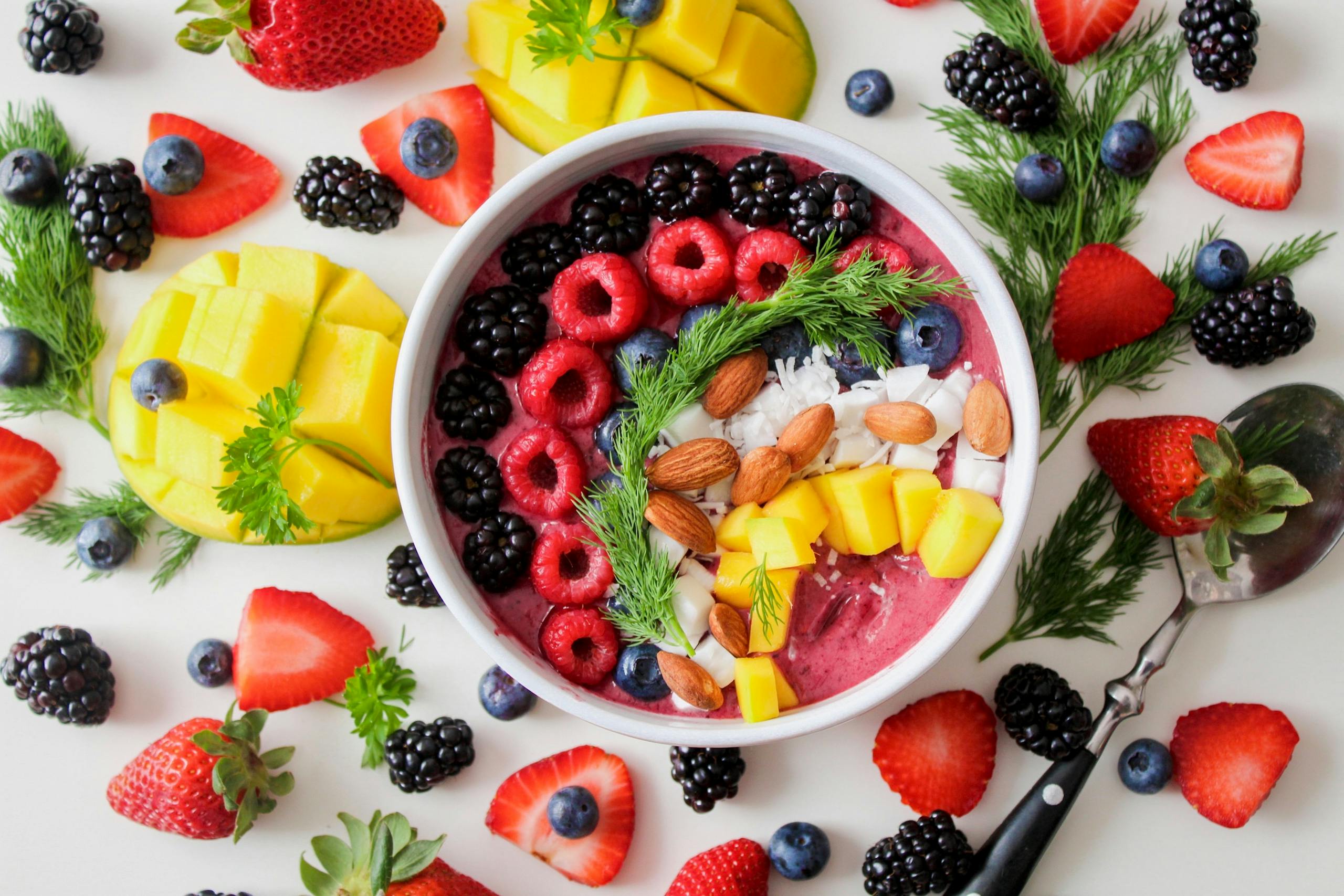
Why Do Introverts Struggle With Mindful Eating in the First Place?
There’s a particular kind of exhaustion that comes from spending eight hours managing other people’s energy. I ran advertising agencies for over two decades, and some days the sheer volume of human interaction, client demands, creative reviews, staff tensions, and the constant performance of enthusiasm left me hollowed out by 3 PM. Food became a coping mechanism I didn’t consciously choose. It was just there, fast and reliable, when everything else felt loud.
Many introverts share this pattern. We’re not impulsive eaters in the stereotypical sense. We don’t usually binge out of boredom. We eat to recover. We eat to fill the silence after overstimulation. We eat because our nervous systems are running hot and something has to cool them down. That’s a fundamentally different relationship with food than what most wellness content addresses, and it requires a different kind of solution.
Introverts who also identify as highly sensitive people face an even more layered challenge. The sensory overload that HSPs experience can trigger emotional eating in ways that feel almost involuntary. When your nervous system is flooded, reaching for food is often the fastest available form of self-regulation. That’s not weakness. That’s a wired-in survival response. But it’s worth understanding so you can work with it rather than against it.
Mindful eating isn’t about restriction. It’s about awareness. And awareness, frankly, is something most introverts are already good at in theory. The challenge is turning that awareness toward our own bodies and habits, rather than outward toward the world we’re so busy observing.
What Does a Mindful Eating App Actually Offer?
Before I get into specific features, let me be honest about something. My first instinct when someone suggested a mindful eating app to me was skepticism. I’m an INTJ. I don’t love being told what to do, and I especially don’t love apps that feel like they’re gamifying something as personal as my relationship with food. I’ve seen enough wellness tech come and go to be cautious.
What changed my mind was realizing that the best apps in this category aren’t prescriptive. They’re reflective. They ask questions rather than issue commands. They create space for you to notice patterns without judging them. That’s a very different experience from a calorie counter, which is essentially a surveillance tool dressed up as self-care.
Most solid mindful eating apps include some combination of the following features. Hunger and fullness scale check-ins, where you rate how hungry you were before eating and how satisfied you felt after. Mood and emotion logging, which helps you track whether you’re eating in response to stress, boredom, anxiety, or genuine physical hunger. Eating speed reminders, which prompt you to slow down during meals. Gratitude or sensory reflection prompts, encouraging you to notice the taste, texture, and smell of what you’re eating. And journal-style note sections where you can write freely about your experience.
For introverts, that last feature is often the most valuable. We process internally. Writing things down externalizes that processing in a way that creates clarity. I started keeping brief notes after meals, nothing elaborate, just a sentence or two about what I’d eaten and how I felt. Within a few weeks, patterns emerged that I hadn’t consciously noticed before. Certain client meetings reliably preceded afternoon snacking. Certain project milestones correlated with skipping lunch entirely. The data was in me all along. The app just gave me a container to catch it.

How Does Emotional Eating Connect to Introvert Mental Health?
Emotional eating and introversion aren’t the same thing, but they’re more connected than most people realize. When you’re someone who processes emotions deeply and privately, food can become a substitute for the emotional release that extroverts might find through conversation, social connection, or physical expression. You internalize. You absorb. And sometimes, without realizing it, you eat.
The connection between anxiety and the way HSPs process stress is well-documented in psychological literature, and the National Institute of Mental Health recognizes anxiety as one of the most common drivers of disrupted eating patterns. For introverts who are also managing social anxiety, the relief that comes from a quiet meal alone can become something you unconsciously chase throughout the day, even when you’re not particularly hungry.
I watched this play out in real time with a team member at one of my agencies, an INFJ creative director who was brilliant at her work but visibly drained after every client-facing meeting. She’d disappear to the break room afterward, not to socialize, but to decompress with food. She wasn’t overeating in any dramatic sense. She was self-regulating. But she confided once that she felt out of control around food after hard days, and that bothered her. What she needed wasn’t a diet. She needed tools that helped her process the emotional residue of those interactions before it translated into unconscious eating. A mindful eating app, paired with some basic emotional awareness practices, made a real difference for her.
The science behind this is grounded in how the brain processes stress and reward. When your nervous system is activated, dopamine-seeking behaviors increase. Food, especially high-fat or high-sugar food, provides a fast dopamine hit. The research collected at PubMed Central on emotional regulation and eating behavior points to the relationship between stress, emotion regulation capacity, and food choices. Building awareness through mindful practices interrupts that cycle, not by willpower, but by creating a small pause between the impulse and the action.
For introverts, that pause is natural territory. We’re already inclined to reflect before acting. A mindful eating app essentially formalizes that inclination and applies it to something we might otherwise do on autopilot.
Which Features Matter Most for Introverted Users?
Not all mindful eating apps are built the same, and some are significantly better suited to introverted users than others. consider this I’ve found matters most, based on both personal experience and conversations with introverts who’ve tried various approaches.
Privacy and no social sharing. Many wellness apps push you toward community features, leaderboards, and sharing your progress with friends. For introverts, this is often a dealbreaker. The moment an app starts nudging me to share my eating habits publicly, I lose interest. The best mindful eating apps keep your data entirely private, with no social pressure built into the design. Your reflection is for you, not for an audience.
Flexible check-in timing. Introverts tend to resist rigid schedules imposed from outside. An app that lets you check in when you’re ready, rather than pinging you with notifications at preset times, respects your autonomy. I turned off most notifications on the app I eventually settled into and instead built the check-in into my existing routines, right after I made my morning coffee and right after I finished eating lunch. That felt sustainable in a way that external reminders never did.
Depth over gamification. Some apps reward streaks, badges, and points. That might work for some personality types, but for many introverts, especially INTJs and INFJs, it feels hollow and even slightly insulting. We don’t need a gold star. We need genuine insight. The apps worth using offer data visualization over time, pattern recognition, and space for nuanced reflection rather than simplified achievement metrics.
Emotion and energy logging. Given how central emotional processing is to introvert wellbeing, an app that lets you log your emotional state alongside your eating habits is far more useful than one focused purely on nutrition. The connection between deep emotional processing and physical responses is real, and a good app helps you see those connections in your own data over time.
No calorie obsession. Mindful eating is not calorie counting with a softer name. Apps that center the experience around numbers, macros, and nutritional targets often push introverts, especially those prone to perfectionism, into an unhealthy analytical spiral. The relationship between perfectionism and disordered eating patterns is something worth taking seriously. Choose an app that keeps the focus on awareness and experience rather than optimization.

How Does Perfectionism Complicate Mindful Eating for Introverts?
This is the part I wish someone had told me earlier. Introverts, and especially introverts who’ve spent careers in high-performance environments, often bring the same exacting standards to their wellness practices that they bring to their work. I certainly did. When I started using a mindful eating app, I found myself trying to do it perfectly. Logging every meal, answering every prompt thoughtfully, reviewing my weekly data with the same rigor I’d apply to a campaign performance report.
That approach lasted about three weeks before I burned out on it entirely and abandoned the app for two months.
What I eventually figured out was that mindful eating, by its very nature, resists perfection. A missed check-in isn’t a failure. An imperfect meal isn’t data to be analyzed and corrected. The practice is about presence, not performance. And for those of us who struggle with the high-standards trap that perfectionism creates, that reframe is genuinely difficult to hold.
One thing that helped me was treating the app as a conversation partner rather than an accountability system. I wasn’t reporting to it. I was using it to think out loud. That subtle shift changed everything. Some days I’d log three meals with detailed notes. Other days I’d open the app once, write two sentences, and close it. Both were valid. Both were useful. The consistency wasn’t in the frequency of logging. It was in the ongoing intention to pay attention.
If you recognize yourself in this, it’s worth reading more about how perfectionism operates in sensitive, high-achieving introverts. The psychological patterns at play aren’t unique to eating. They show up across every area of life, and understanding them in one context tends to illuminate them in others.
Can Mindful Eating Apps Support Deeper Emotional Healing?
An app is a tool, not a therapist. I want to be clear about that. If you’re dealing with a clinical eating disorder, a mindful eating app is not a substitute for professional support. The clinical framework for eating disorders at the National Library of Medicine makes clear that conditions like binge eating disorder, bulimia, and anorexia require professional treatment. Please don’t use an app as a workaround for something that needs clinical attention.
That said, for introverts managing subclinical patterns, stress eating, mindless eating, emotional eating tied to social exhaustion, a mindful eating app can genuinely support deeper self-awareness. And that self-awareness, over time, can become a form of healing.
Part of what makes this possible is the way introverts naturally connect internal states to external behaviors once they have the right framework. We’re already wired for introspection. We already notice things. The app just gives that noticing a structure and a record. Over months of use, you start to see yourself more clearly. You understand your triggers. You recognize your patterns. You develop a more compassionate relationship with your own needs.
That compassion matters more than any specific feature the app offers. The American Psychological Association’s work on resilience consistently points to self-awareness and self-compassion as foundational components of psychological wellbeing. Mindful eating, practiced consistently, builds both.
There’s also a connection worth naming between how we eat and how we process experiences like rejection and social pain. Introverts who’ve experienced criticism, professional setbacks, or relational hurt often carry that in their bodies in ways they don’t fully recognize. The way HSPs process rejection can linger long after the event itself, and that lingering emotional residue often shows up in eating patterns. Mindful eating can be one way, among many, of gently surfacing and releasing what the body has been holding.

What About the Social Dimension of Eating for Introverts?
Eating is rarely just about food. It’s social, cultural, and deeply tied to how we relate to other people. For introverts, the social dimension of eating can be its own source of stress. Business lunches, team dinners, networking events built around food, these are all scenarios where the act of eating gets tangled up with the performance of social engagement.
During my agency years, client dinners were a regular part of the job. I got good at them, in the way you get good at anything you do often enough. But I rarely enjoyed them, and I almost never ate well at them. I was too busy managing the conversation, reading the room, making sure everyone felt heard and valued. By the time I got home, I was starving and exhausted in equal measure, and whatever I ate at 9 PM was definitely not mindful.
A mindful eating app can’t change the social demands of your professional life. What it can do is help you become more aware of how those demands affect your eating, so you can make small adjustments. Maybe that means eating a proper meal before a client dinner so you’re not arriving depleted and hungry. Maybe it means giving yourself a genuine lunch break on days when you have an evening event. Maybe it means noticing that you always skip breakfast on presentation days and deciding to do something about that.
The empathy that many introverts bring to social situations, that deep attunement to other people’s needs and emotional states, can make it very hard to prioritize your own physical needs in group settings. HSP empathy is genuinely a double-edged quality, and one of its less-discussed costs is that it can crowd out self-awareness. When you’re fully absorbed in reading the room, you’re not reading yourself. A mindful eating practice, supported by an app, can help rebalance that equation over time.
There’s also something worth saying about eating alone, which many introverts prefer and which mainstream wellness culture sometimes pathologizes. Eating alone isn’t a problem to be solved. For introverts, a solo meal can be genuinely restorative, a chance to decompress, to be present with your food, to let your nervous system settle. A good mindful eating app honors that. It doesn’t push you toward social eating as an ideal. It meets you where you actually are.
How Do You Build a Sustainable Mindful Eating Practice Without Burning Out?
Sustainability is the word that matters most here. Many introverts I’ve spoken with have tried mindful eating practices and abandoned them, not because the practice didn’t work, but because they approached it with the same intensity they bring to everything else. Full commitment, detailed tracking, high expectations, followed by exhaustion and dropout.
The approach that actually sticks tends to be quieter and more incremental. Start with one meal a day. Not all three, not every snack. Just one. Sit down for it. Put your phone away, or at least flip it face-down. Notice what you’re eating. Notice whether you’re actually hungry. Notice how you feel when you’re done. That’s the whole practice at the beginning.
Add the app layer gradually. Use it to log that one meal for a week. Don’t worry about being comprehensive. Just build the habit of checking in. Over time, if the practice feels useful, expand it. If it starts feeling like a chore, scale back. The goal is a practice that genuinely serves you, not one that adds another item to your already long list of self-improvement obligations.
It also helps to connect the practice to something you already value. If you care about your energy levels and mental clarity, frame mindful eating as a tool for managing those. If you care about your emotional health, frame it as an extension of the inner work you’re already doing. The more the practice connects to your existing values and motivations, the more naturally it integrates into your life.
One of the things I appreciate about the academic work on mindfulness-based interventions is how consistently it points to small, regular practice as more effective than intensive short-term efforts. That finding maps well onto how introverts tend to do their best work: steadily, deeply, and without the noise of performance.
The Psychology Today coverage of introvert psychology has long noted that introverts thrive when they can work at their own pace and on their own terms. That principle applies to wellness practices just as much as it applies to careers and relationships. A mindful eating app that respects your autonomy and works with your natural rhythms is one you’ll actually keep using.

If you’re finding that food and emotional wellbeing are more intertwined than you’d realized, there’s a lot more to explore. The full Introvert Mental Health Hub covers everything from anxiety and sensory sensitivity to emotional processing and resilience, all through the lens of what it actually feels like to be wired this way.
About the Author
Keith Lacy is an introvert who’s learned to embrace his true self later in life. After 20 years in advertising and marketing leadership, including running agencies and managing Fortune 500 accounts, Keith now channels his experience into helping fellow introverts understand their strengths and build fulfilling careers. As an INTJ, he brings analytical depth and authentic perspective to every article, drawing from both professional expertise and personal growth.
Frequently Asked Questions
What is a mindful eating app and how does it work?
A mindful eating app is a digital tool designed to help you build awareness around your eating habits by logging meals, tracking hunger and fullness levels, recording emotional states before and after eating, and reflecting on patterns over time. Rather than counting calories, these apps focus on your internal experience of eating, helping you notice whether you’re eating out of genuine hunger, stress, boredom, or habit. Most include journaling features, check-in prompts, and data visualization so you can identify recurring patterns in your behavior.
Are mindful eating apps helpful for introverts specifically?
Mindful eating apps tend to suit introverts well because they support private, internal reflection rather than social accountability. Introverts are already inclined toward introspection, and these apps provide a structured container for that natural tendency. Features like emotion logging, journaling prompts, and pattern tracking align with how introverts naturally process their experiences. what matters is choosing an app that prioritizes privacy and depth over gamification and social sharing.
Can a mindful eating app help with stress eating?
Yes, though the mechanism is awareness rather than willpower. A mindful eating app helps you notice when stress is driving your eating choices by creating a consistent record of your emotional state alongside your food choices. Over time, you start to see patterns: which situations reliably trigger stress eating, what time of day it tends to happen, and what emotional states are present when it occurs. That awareness creates a small but meaningful pause between the impulse and the action, which is often enough to shift the behavior gradually.
How is mindful eating different from dieting?
Mindful eating is fundamentally different from dieting in both its goals and its methods. Dieting focuses on restriction, rules, and external standards for what and how much you should eat. Mindful eating focuses on awareness, presence, and your own internal experience of hunger, fullness, and satisfaction. There are no forbidden foods, no calorie targets, and no pass or fail outcomes. The practice is about building a more honest and compassionate relationship with your body and its signals, rather than overriding those signals with external rules.
What should I look for when choosing a mindful eating app?
Look for an app that prioritizes privacy with no mandatory social sharing, offers flexible check-in timing rather than rigid notification schedules, includes emotion and energy logging alongside meal tracking, provides journal-style reflection space, and keeps the focus on awareness rather than calorie optimization. Avoid apps that rely heavily on gamification, streaks, or public accountability features, as these tend to undermine the reflective quality that makes mindful eating effective. The best app is one that feels like a private thinking tool, not a performance platform.