

Compassion fatigue is a state of emotional and physical exhaustion that develops when someone absorbs too much of another person’s pain, grief, or distress over time. It differs from ordinary burnout in one specific way: it’s not the workload that depletes you, it’s the emotional weight of caring. For introverts who process the world deeply and quietly, this distinction matters enormously.
People who experience compassion fatigue often describe a gradual numbness, a growing difficulty feeling empathy they once had in abundance. They don’t stop caring all at once. They slowly run out of the internal resources that caring requires.
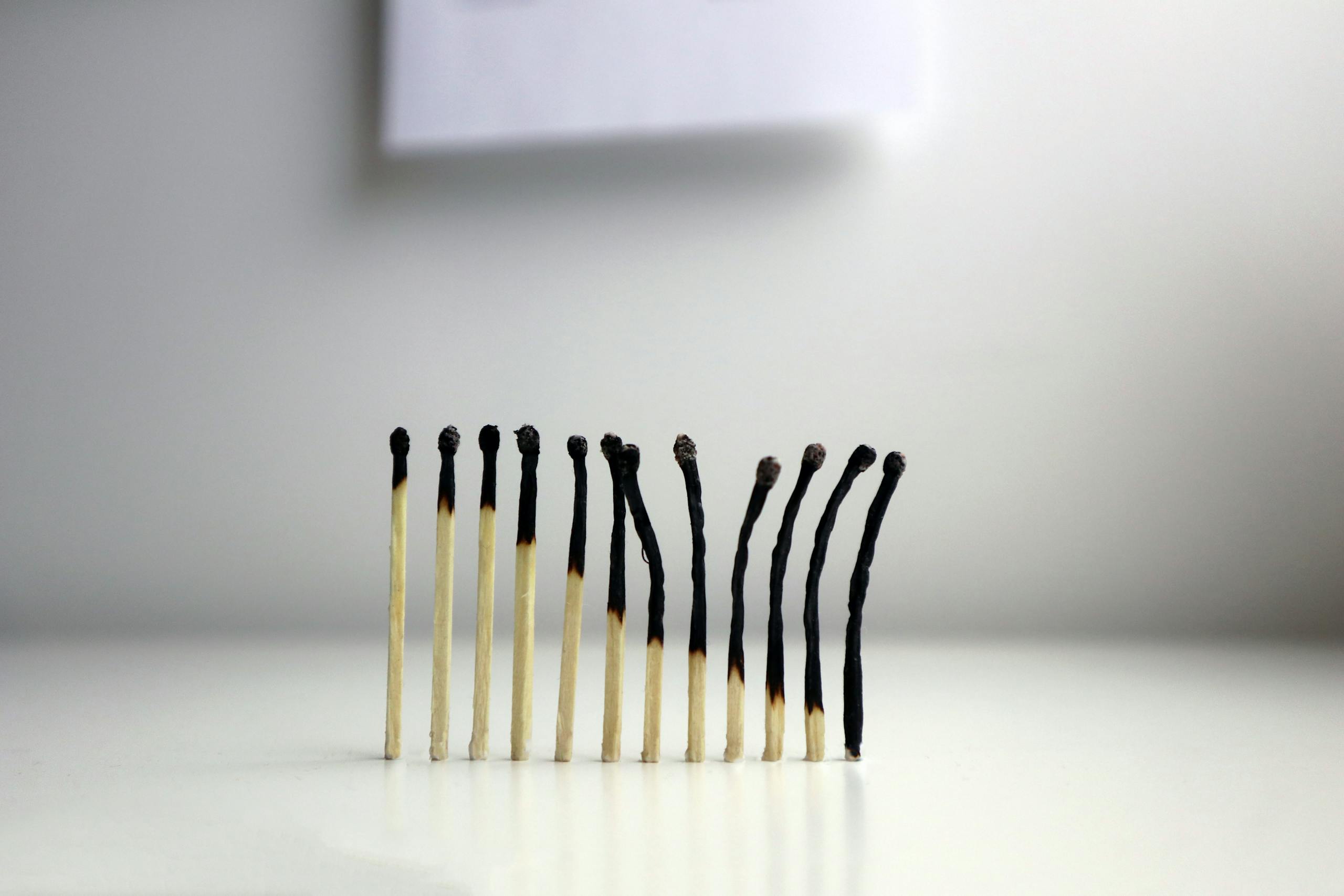
Compassion fatigue doesn’t announce itself. It creeps in quietly, which is exactly why introverts are so vulnerable to it. We tend to process emotion internally, carry other people’s pain without showing it, and push through long after we should have stepped back. By the time the exhaustion becomes visible, it’s already been building for months.
If you’ve been feeling that quiet depletion lately, you’re in the right place. Our Burnout and Stress Management Hub covers the full range of emotional exhaustion that introverts face, and compassion fatigue sits at the center of so much of it. What follows is everything I’ve come to understand about this condition, including what I wish someone had told me years ago when I was running an agency and quietly drowning in other people’s crises.
What Does Compassion Fatigue Actually Feel Like?
The clinical definition of compassion fatigue traces back to work in nursing and social work, fields where caregivers are exposed to trauma and suffering daily. But the emotional mechanics behind it apply far beyond those professions. Anyone who spends significant time holding space for others, absorbing emotional distress, or feeling responsible for other people’s wellbeing can develop it.
The symptoms are often misread as depression or simple tiredness. You might notice a creeping cynicism toward people you genuinely care about. You might feel emotionally flat in situations that would normally move you. Irritability, detachment, a reduced ability to concentrate, physical fatigue that sleep doesn’t fix. All of these show up in compassion fatigue, and all of them can be mistaken for something else entirely.
What makes it harder to spot in introverts specifically is that we already spend a lot of energy processing the world internally. Emotional heaviness is familiar territory for us. We’re used to feeling more than we show. So when compassion fatigue starts pulling us under, we often interpret it as just another Tuesday rather than a warning sign that something is genuinely wrong.
I remember a period in my mid-forties when I was running a mid-sized agency and managing a team of about thirty people. One of my account directors was going through a brutal divorce. A senior creative was battling a health scare. Two junior employees were in conflict that kept spilling into my office. I was also managing a major client relationship that was on the verge of collapse. None of those things were unusual for agency life. What was unusual was how hollow I felt after every conversation. I’d walk out of one-on-ones that should have felt productive and just feel nothing. Not drained, not frustrated. Nothing. That numbness was the first real sign I was in trouble.
Why Are Introverts Especially Vulnerable to This Kind of Exhaustion?
Introverts don’t just observe the world, we absorb it. Our processing style is inward and deep. When someone brings us their pain, we don’t skim the surface of it. We sit with it. We turn it over. We carry it home with us and think about it at 2 AM. That depth of engagement is one of our genuine strengths in relationships and leadership. It’s also what makes compassion fatigue hit us harder.
There’s a related pattern worth noting in highly sensitive people, those who process sensory and emotional information with particular intensity. If you recognize yourself in descriptions of HSP burnout, you’ll find significant overlap with what compassion fatigue produces. Both conditions involve a system that was never designed to absorb this much, finally signaling that it’s reached capacity.
Introversion itself involves a preference for depth over breadth in social engagement. We invest heavily in the connections we do form. That investment is real, and it costs real energy. When those connections involve ongoing emotional need, the cost compounds over time. We’re not just spending energy on the interaction itself. We’re spending energy on the processing afterward, the reflection, the worry, the quiet problem-solving that happens in our heads long after the conversation ends.
A piece published in Frontiers in Psychology examined emotional labor and its relationship to empathic engagement, noting that individuals who engage in deep-level emotional processing face distinct risks of depletion when that processing becomes chronic. That matches what I’ve observed in myself and in the introverted leaders I’ve worked alongside over the years.

There’s also the social anxiety dimension to consider. Many introverts carry a layer of anxiety around social interactions, particularly ones that involve conflict or emotional intensity. When you’re managing other people’s distress while simultaneously managing your own anxiety about doing it well, the energy drain doubles. Stress reduction skills for social anxiety can help address that second layer, but they don’t fully resolve the compassion fatigue underneath if that goes untreated.
How Does Compassion Fatigue Differ From Regular Burnout?
Burnout is typically driven by workload, chronic stress, and a mismatch between effort and reward. You work too hard for too long with too little recovery, and eventually your system gives out. Compassion fatigue has a different mechanism. The depletion comes not from the volume of work but from the emotional content of it. You can be working reasonable hours and still develop compassion fatigue if those hours are filled with absorbing other people’s suffering.
The distinction matters because the recovery paths are different. Burnout recovery often involves rest, reduced workload, and better boundaries around time. Compassion fatigue recovery requires something more specific: rebuilding your capacity for empathy, which means temporarily reducing the emotional demands on your system and actively replenishing what was depleted.
A helpful framework from research published in PubMed Central describes compassion fatigue as having two components: secondary traumatic stress, which comes from indirect exposure to traumatic material, and burnout, which develops from the chronic emotional labor involved in caregiving roles. In practice, these two components often show up together, which is part of why the condition can be hard to name clearly when you’re inside it.
One way I’ve come to distinguish them in my own experience: burnout made me want to do less. Compassion fatigue made me want to feel less. That’s a meaningful difference. With burnout, I was still engaged with the people around me, just exhausted by the pace. With compassion fatigue, I was going through the motions of caring while feeling increasingly disconnected from the actual caring itself.
Who Is Most at Risk, and Why Does It Go Unrecognized for So Long?
The professions most commonly associated with compassion fatigue include nursing, social work, therapy, emergency response, and teaching. But the risk extends to anyone in a sustained caregiving role, whether that’s professional or personal. Parents of children with chronic illness. Adult children caring for aging parents. Managers who take their responsibility for their team’s wellbeing seriously. Friends who are the designated emotional anchor in their social circle.
Introverts often occupy these roles without fully recognizing it. We’re good listeners. We’re trusted with difficult conversations. We tend not to broadcast our own distress, so people feel safe bringing theirs to us. Over time, we can become the emotional infrastructure for an entire network of people without anyone, including ourselves, noticing how much that costs.
One of the reasons compassion fatigue goes unrecognized for so long is that it develops gradually and looks, from the outside, like nothing at all. You’re still showing up. You’re still doing your job. You’re still being there for the people who need you. The internal erosion isn’t visible. And because introverts tend to process pain privately, there’s rarely an outward signal that something has shifted.
There’s also a shame component that keeps people from naming it. Saying “I’m exhausted from caring about people” sounds, on the surface, like a complaint about having too much heart. It doesn’t feel like a legitimate medical concern. It feels like something you should be able to push through. That shame is part of what makes compassion fatigue so persistent. People don’t seek help for something they haven’t given themselves permission to call a problem.
Something worth noting: even the small daily social rituals can contribute to this drain. Psychology Today has written about the significant cognitive and emotional load that small talk places on introverts, a load that most extroverts simply don’t experience in the same way. When you’re already running on depleted reserves, even low-stakes social interaction can feel like too much.

What Does Recovery Actually Require?
Recovery from compassion fatigue isn’t simply a matter of taking a vacation or sleeping more, though both of those things help. At its core, recovery requires reducing the emotional demands on your system long enough for your capacity for empathy to rebuild. That sounds straightforward. In practice, it’s one of the harder things an introvert will do, because it requires saying no to people who genuinely need you.
The first step is recognition, and that recognition often needs to come from someone else asking the right question. In my experience, introverts rarely volunteer that they’re struggling. Someone has to notice and ask directly. That’s part of why I think it matters that we talk openly about what compassion fatigue looks like, so the people around us know what to look for, and so we know what to look for in ourselves. Knowing how to ask an introvert if they’re feeling stressed is a genuinely valuable skill, both for the people in our lives and for us learning to ask it of ourselves.
Once you’ve named what’s happening, the recovery work involves a few specific things. Reducing exposure to emotional demand where possible. Rebuilding your own internal resources through activities that genuinely restore you rather than just distract you. Reconnecting with the sense of meaning that originally made you want to care for others. And addressing any secondary traumatic stress directly, which may require professional support.
The American Psychological Association has documented the role that relaxation techniques play in stress recovery, and while these tools don’t address compassion fatigue on their own, they’re a meaningful part of the physical recovery process. The body holds the cost of emotional labor, and it needs direct attention alongside the psychological work.
Self-care in this context isn’t bubble baths and scented candles. It’s the serious, intentional practice of rebuilding your capacity to function. Better self-care for introverts looks different than it does for extroverts, and that difference matters when you’re trying to recover from something this specific. Rest for an introvert means genuine solitude, not just quiet. It means time without emotional demand, not just time off from work.
After that period in my mid-forties when the numbness hit me hardest, I eventually made a change that felt almost embarrassingly simple. I stopped scheduling anything on Sunday mornings. No calls, no emails, no obligations of any kind. Just three or four hours of complete quiet. It took about six weeks before I started to feel something shift. Not a dramatic recovery. Just a gradual return of something I’d lost, the ability to actually care again rather than just perform caring.
Can You Protect Yourself Without Becoming Emotionally Unavailable?
This is the question I hear most often from introverts who recognize themselves in descriptions of compassion fatigue. They’re afraid that setting limits means becoming cold. That protecting their emotional reserves means abandoning the people who depend on them. That fear is understandable, and it’s also one of the things that keeps compassion fatigue going long after it should have been addressed.
The honest answer is that protecting yourself is what makes sustained caring possible. You cannot draw from an empty well. The emotional availability you’re trying to preserve by pushing through is exactly what gets destroyed when you don’t stop.
Practical protection looks like a few things. Being honest with yourself about your current capacity before agreeing to be someone’s emotional support. Creating clear transitions between work and personal time, particularly if your work involves caregiving. Being thoughtful about which relationships and responsibilities you take on during periods of high emotional demand elsewhere. And building in recovery time proactively rather than waiting until you’re depleted.
One thing I’ve found genuinely useful is separating income-generating work from emotional labor as much as possible. During the years when I was most susceptible to compassion fatigue, a significant portion of my work involved managing client relationships through crisis, mediating team conflict, and being the steady presence when everything around me was chaotic. That’s hard to avoid entirely in agency leadership. But I’ve since learned to be much more deliberate about which professional contexts I put myself in, and about building financial stability in ways that don’t require constant emotional output. Stress-free side hustles for introverts are worth considering not just for income but for the psychological relief of work that doesn’t require you to absorb someone else’s distress.

What Role Does Social Pressure Play in Making This Worse?
There’s a particular kind of social pressure that introverts face in caregiving roles: the expectation that good people are always available. That a good manager has an open door. That a good friend answers the phone. That a good parent is always emotionally present. These expectations are rarely stated explicitly, but they’re deeply embedded in how we evaluate ourselves and how others evaluate us.
For introverts, who are already prone to internalizing others’ expectations and holding themselves to high standards, this pressure is especially corrosive. We don’t just feel the external expectation. We absorb it and make it our own. We tell ourselves we should be able to handle this. We feel guilty for needing space. We interpret our own depletion as a character flaw rather than a physiological reality.
The introvert energy equation, as Psychology Today has explored, is fundamentally different from the extrovert energy equation. Social and emotional engagement costs introverts energy in a way that it doesn’t cost extroverts. That’s not a weakness. It’s a design feature. But it means that the social pressure to be endlessly available is, for introverts, a pressure to operate in a way that’s genuinely unsustainable.
Even seemingly low-stakes social demands can pile up. The mandatory team-building exercise. The office icebreaker. The networking event that “only takes an hour.” If you’ve ever wondered why icebreakers feel so stressful even when the stakes are low, the answer connects directly to this: every social demand draws from the same reservoir, and when that reservoir is already depleted by compassion fatigue, even small withdrawals feel significant.
Recognizing this dynamic is part of what allows you to stop blaming yourself for your own depletion. You’re not broken. You’re not weak. You’re running a system that has specific requirements, and those requirements have been consistently unmet. That’s a logistical problem, not a moral failure.
When Should You Seek Professional Support?
Compassion fatigue exists on a spectrum. Mild forms can often be addressed through intentional rest, limit-setting, and the kind of self-care practices discussed above. More severe forms, particularly those involving secondary traumatic stress, warrant professional support.
Signs that you’ve moved beyond what self-directed recovery can handle include intrusive thoughts or images related to others’ suffering, significant disruption to sleep, a persistent inability to feel positive emotion even in situations that should produce it, physical symptoms that don’t resolve with rest, and a growing sense of hopelessness about your ability to recover. Any of these warrant a conversation with a mental health professional.
A PubMed Central publication on secondary traumatic stress distinguishes between the milder forms of compassion fatigue and the more acute presentations that share characteristics with post-traumatic stress. The distinction matters clinically because the treatment approaches differ. Self-care is appropriate for one end of the spectrum. Trauma-informed therapy may be necessary for the other.
There’s also value in professional support even at the milder end, simply because compassion fatigue distorts your self-perception. When you’re in it, you often can’t accurately assess how depleted you are or how long you’ve been depleted. A therapist provides an outside perspective that’s hard to generate on your own when your internal calibration system is the thing that’s been affected.
One practical grounding tool worth knowing about is the 5-4-3-2-1 technique, documented by the University of Rochester Medical Center as a coping method for anxiety and acute stress. It won’t resolve compassion fatigue on its own, but it can interrupt the spiral of emotional overwhelm in the moment, which is sometimes exactly what you need to get through a difficult day while you work on the larger recovery.

What Does Long-Term Resilience Against Compassion Fatigue Look Like?
Building resilience against compassion fatigue isn’t about becoming less caring. It’s about building the infrastructure that allows you to sustain caring over time. That infrastructure looks different for every person, but for introverts, it tends to involve a few consistent elements.
Regular, non-negotiable solitude. Not as a reward for getting through a hard week, but as a standing commitment that doesn’t get traded away when things get busy. Clarity about which emotional demands are yours to carry and which belong to someone else. Relationships and professional contexts that allow for reciprocity rather than requiring you to be the consistent giver. And an honest, ongoing relationship with your own emotional state, so you can catch depletion early rather than waiting until it becomes a crisis.
Meaning matters here too. Compassion fatigue erodes not just energy but purpose. Part of long-term resilience involves regularly reconnecting with why you care in the first place, what drew you to the work or the relationship, what you value about your capacity for empathy. That reconnection doesn’t happen automatically. It requires deliberate attention.
I’ve also found that being honest with the people in my life about my limits has been more protective than I expected. For years, I operated under the assumption that admitting I had limits would cost me respect or make people feel like a burden. What I found instead was that naming my capacity clearly, saying “I have about an hour of good listening in me today, let’s use it well,” actually improved the quality of the support I could offer. People got the real me for an hour instead of the depleted, going-through-the-motions version of me for three.
There’s a broader resource worth bookmarking as you think about all of this. Our Burnout and Stress Management Hub pulls together everything we’ve written on emotional exhaustion, recovery, and sustainable wellbeing for introverts. Compassion fatigue is one piece of a larger picture, and the hub gives you the full context.
About the Author
Keith Lacy is an introvert who’s learned to embrace his true self later in life. After 20 years in advertising and marketing leadership, including running agencies and managing Fortune 500 accounts, Keith now channels his experience into helping fellow introverts understand their strengths and build fulfilling careers. As an INTJ, he brings analytical depth and authentic perspective to every article, drawing from both professional expertise and personal growth.
Frequently Asked Questions
What is the simplest way to define compassion fatigue?
Compassion fatigue is the emotional and physical exhaustion that develops from sustained exposure to other people’s suffering or distress. It differs from regular burnout in that the depletion comes from the act of caring itself rather than from workload volume. People experiencing it often describe a growing emotional numbness, a reduced capacity for empathy, and a sense of detachment from people and situations they previously cared about deeply.
Are introverts more likely to develop compassion fatigue than extroverts?
Introverts process emotional information deeply and internally, which means they tend to absorb and carry others’ pain more thoroughly than people who process externally. Combined with the fact that social and emotional engagement costs introverts more energy to begin with, this creates a higher baseline vulnerability to compassion fatigue. That said, compassion fatigue can affect anyone in a sustained caregiving role regardless of personality type.
How long does it take to recover from compassion fatigue?
Recovery timelines vary significantly depending on how long the fatigue has been developing, how severe it is, and what recovery practices are put in place. Mild compassion fatigue can begin to lift within weeks when emotional demands are reduced and genuine restorative rest is prioritized. More severe cases, particularly those involving secondary traumatic stress, may require months of intentional recovery and professional support before meaningful improvement is felt.
Can you have compassion fatigue if you’re not in a caregiving profession?
Absolutely. While compassion fatigue was first documented in nursing and social work, it develops in any context where someone consistently absorbs another person’s emotional pain. Parents, partners, friends who serve as emotional anchors, managers who take their team’s wellbeing seriously, and volunteers in crisis support roles can all develop compassion fatigue. The professional context matters less than the sustained pattern of emotional exposure and absorption.
What’s the difference between compassion fatigue and secondary traumatic stress?
Secondary traumatic stress is one component of compassion fatigue, specifically the distress that comes from indirect exposure to traumatic material. Someone who regularly hears detailed accounts of trauma, violence, or severe suffering can develop trauma-like symptoms themselves, even without direct exposure. Compassion fatigue is the broader condition that encompasses both this secondary traumatic stress and the chronic burnout that develops from sustained emotional labor. Secondary traumatic stress tends to be more acute and may require trauma-informed therapeutic support.