Not wanting to celebrate your birthday doesn’t mean something is wrong with you. Many people, especially introverts, find that birthdays bring unwanted attention, social pressure, and a kind of forced cheerfulness that feels exhausting rather than joyful. Skipping the party or keeping the day quiet is a completely valid choice, and one that reflects self-awareness rather than sadness.

My birthday falls in late autumn. For most of my adult life, I dreaded it. Not because I was depressed or had some complicated relationship with aging, but because the expectation attached to it felt completely foreign to who I am. Colleagues would ask what big plans I had. My team would want to do something, anything, to mark the occasion. And I’d sit there thinking, “I just want to go home, make dinner, and read.” That felt like a confession I wasn’t supposed to make.
If you’ve ever typed “I never like to celebrate my birthday” into a search bar at midnight, wondering whether you’re the only one who feels this way, you’re not in unusual company. A significant portion of thoughtful, self-aware people feel exactly the same. The discomfort isn’t a symptom. It’s information about how you’re wired.
Our introversion hub explores the full range of how introverts experience social expectations, but birthday pressure adds a specific layer worth examining on its own.
- Declining birthday celebrations reflects self-awareness about your energy needs, not depression or emotional dysfunction.
- Birthday pressure stems from cultural messaging and commercial interests, not genuine personal preferences you must accept.
- Introverts experience measurable stress from forced social performance and attention-seeking expectations on birthdays.
- Quiet birthday alternatives like reading at home align with how you actually recharge and deserve respect.
- Your birthday preferences require no explanation or apology to colleagues, friends, or family members.
Why Are So Many People Not Interested in Their Birthday?
Birthdays carry cultural weight that most of us absorb without questioning. From childhood, the message is clear: your birthday is the one day you’re supposed to be the center of attention, surrounded by people, performing happiness on cue. For extroverts, that might feel natural. For introverts, it can feel like being asked to perform a role you never auditioned for.
What’s your personality type?
Take our free 40-question assessment and get a detailed personality profile with dimension breakdowns, context analysis, and personalised insights.
Discover Your Type8-12 minutes · 40 questions · Free
The American Psychological Association has documented how social pressure and performance expectations create measurable stress responses, particularly in people who process emotion internally. A birthday, stripped of its cultural scaffolding, is just a date. The anxiety around it comes from what we’ve been told that date is supposed to mean.
I ran advertising agencies for over two decades. Part of my job was understanding how cultural narratives shape behavior, how brands attach meaning to moments that didn’t inherently have it. Birthdays are, in many ways, a masterclass in this. The greeting card industry, the restaurant industry, the event planning world, all of them have a financial interest in convincing you that an uncelebrated birthday is a failed birthday. That framing benefits them. It doesn’t necessarily benefit you.
Being not interested in birthdays doesn’t require an explanation or an apology. It often reflects something much simpler: you know how you recharge, and a crowd of well-meaning people singing at you isn’t part of that equation.
Is It Normal to Never Like Celebrating Your Birthday?
Yes, completely. And the reasons vary more than most people assume.
Some people feel uncomfortable being the center of attention. Others find the forced milestone quality of birthdays anxiety-inducing, especially as they get older. Some simply don’t attach emotional significance to the date itself. And for introverts specifically, the social energy required to host, attend, or even acknowledge a birthday celebration can feel genuinely depleting rather than energizing.
Psychology Today has published extensively on how introverts process social interactions differently, not worse, just differently. Where an extrovert might feel recharged after a party in their honor, an introvert often needs significant recovery time afterward. Knowing that about yourself and choosing to protect your energy isn’t avoidance. It’s self-knowledge in action.
There’s also a distinction worth making between not liking birthdays and struggling with something deeper. If you find that your feelings around your birthday are tied to grief, depression, or significant life regret, those deserve attention. The Mayo Clinic offers solid resources on distinguishing seasonal mood shifts from more persistent concerns. But if you’re simply someone who finds the whole production unnecessary, that’s a personality preference, not a problem.
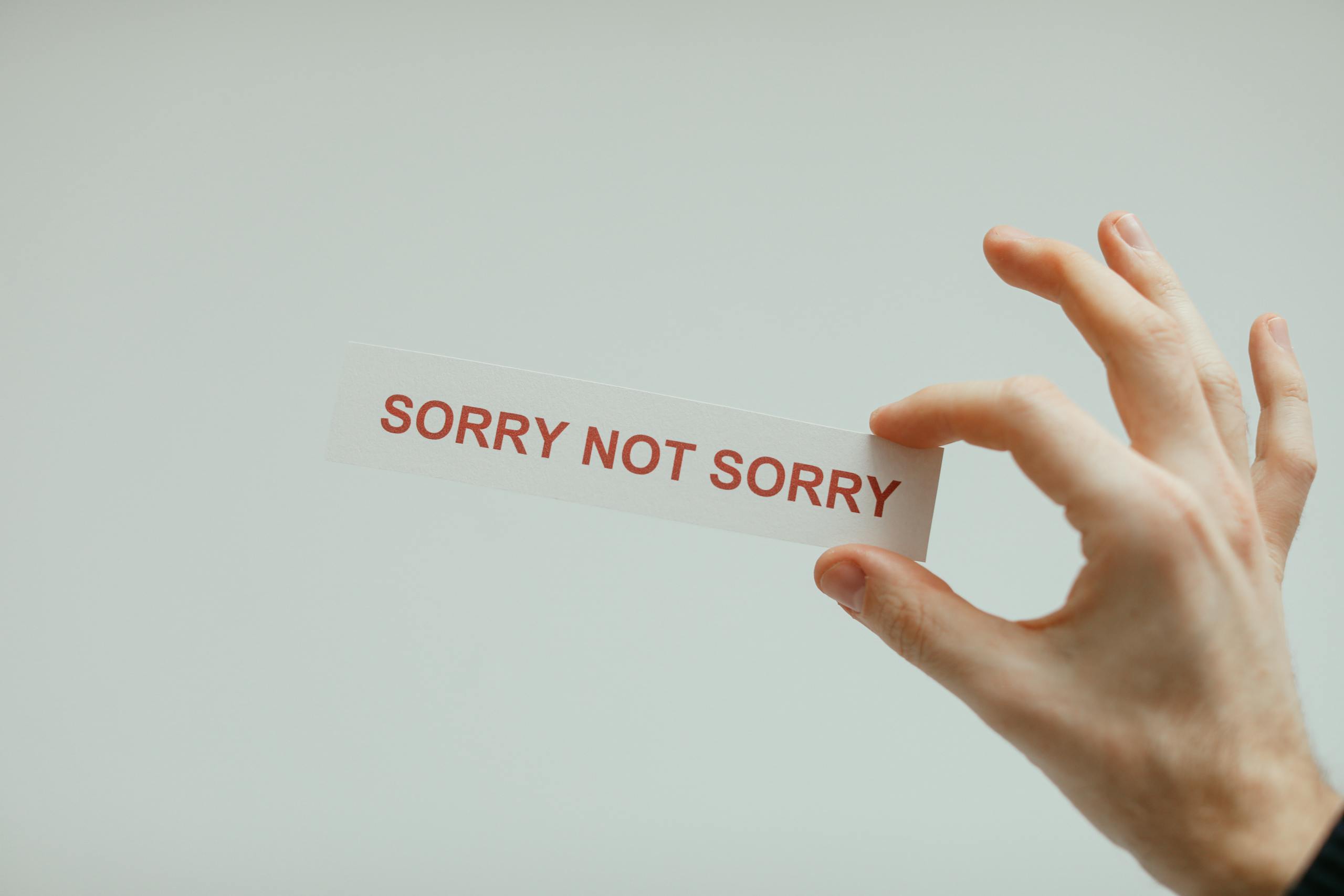
At one of the agencies I ran, we had a client, a senior VP at a Fortune 500 company, who was known for being sharp, thoughtful, and quietly effective. Every year when her birthday came around, her team would try to organize something, and every year she’d redirect them back to work. People whispered about it. Was she unhappy? Was something wrong? The truth, as she told me once over coffee, was straightforward: “I just don’t see why one day a year should require me to perform extroversion.” She wasn’t sad. She was clear about herself. That clarity is actually a strength.
What Makes Birthdays Feel So Overwhelming for Introverts?
Several things converge at once, and understanding each one separately helps explain why the combination feels so heavy.
The Attention Is Inescapable
On most days, introverts can manage how much social attention they receive. They can step back in meetings, keep conversations one-on-one, choose when to engage. A birthday removes all of that control. Suddenly everyone is looking at you, expecting a reaction, waiting for you to perform delight. That loss of control over social exposure is genuinely uncomfortable for people who are wired to process experience internally.
At my agencies, I was always more comfortable in strategy sessions than in spotlight moments. I could hold a room when I needed to, but I had to prepare for it. Birthdays give you no preparation window. The attention just arrives.
The Emotional Performance Requirement
Birthdays come with an implicit emotional script. You’re supposed to feel happy, grateful, excited. If your actual emotional state doesn’t match that script, you face a choice between performing an emotion you don’t feel or disappointing the people around you. Neither option is comfortable. For people who value authenticity, the performance option feels particularly hollow.
A 2019 study published through the National Institutes of Health examined emotional labor and its effects on psychological wellbeing, finding that sustained performance of emotions inconsistent with internal states creates measurable stress. Birthday celebrations, for people who find them draining, are a form of emotional labor that most people don’t recognize as such.
The Social Energy Drain Is Real
Even a small birthday gathering requires sustained social engagement. You’re expected to be present, responsive, and appreciative for hours. For introverts, that kind of extended social performance depletes energy reserves in a way that takes real recovery time. Knowing that a celebration will cost you the next day, or sometimes two, is a legitimate reason to opt out.
This isn’t about being antisocial. Some of the most genuinely warm, caring people I’ve worked with over the years are deeply introverted. They love the people in their lives. They just love them in ways that don’t require group events with cake.
Why Do Some People Feel Not Ready for Their Birthday?
The “not ready” feeling is worth examining separately because it points to something slightly different from simple disinterest.
Birthdays are cultural checkpoints. They invite comparison, between where you are and where you thought you’d be, between your life and the lives of people your age, between the person you were last year and the person you are now. For people who already spend significant time in internal reflection, a birthday can amplify that comparison in ways that feel destabilizing rather than celebratory.
As an INTJ, I have a particular relationship with self-assessment. My mind naturally runs audits. Am I where I planned to be? What’s working, what isn’t, what needs to change? Most of the time, that internal processing happens quietly and on my own schedule. A birthday forces it into the open, attaches a number to it, and invites other people to weigh in. That combination can feel genuinely overwhelming.
Feeling not ready for a birthday often means feeling not ready for the scrutiny that comes with it, both internal and external. That’s a reasonable response to an unreasonable expectation.

How Do You Handle Other People When You’re Not Interested in Celebrating?
This is where things get practically complicated. Your preference is valid. Other people’s desire to celebrate you also comes from a genuine place. handling that gap without guilt or conflict takes some thought.
Be Direct, Not Apologetic
Most people who want to celebrate you are doing it because they care about you. When you communicate your preference clearly and warmly, most of them will respect it. “I really appreciate the thought, and I’d love to connect with you separately, but I’m keeping my birthday low-key this year” is a complete sentence. You don’t owe anyone an explanation beyond that.
What tends to create conflict isn’t the preference itself but the vagueness around it. If people don’t know what you want, they default to what they would want. Being specific removes the guesswork and the awkwardness.
Offer an Alternative That Works for You
If someone important to you genuinely wants to mark the occasion, give them a way to do that on your terms. A one-on-one dinner the week before. A phone call. A walk. Something that honors the relationship without requiring you to perform for an audience. Most people who love you want to connect with you, not necessarily to throw you a party. Give them a path to connection that doesn’t cost you your energy reserves.
Stop Apologizing for Your Wiring
This one took me years to absorb. Early in my career, I’d apologize for needing quiet. I’d apologize for not wanting to do the after-work drinks, the team celebrations, the birthday lunches. Every apology sent a signal that something was wrong with me. Nothing was wrong with me. My energy management looked different from the extroverts around me, and that difference required no apology.
The same applies here. You are not broken because you’d rather spend your birthday alone or with one trusted person. You are not ungrateful because a party sounds exhausting. You know yourself. Act accordingly, without the guilt.
What Are Healthy Alternatives to Traditional Birthday Celebrations?
Opting out of the standard celebration doesn’t mean the day has to be meaningless. Many introverts find that creating their own intentional ritual around their birthday actually feels more meaningful than any party could.
Some approaches that work well for people who are not interested in traditional birthday celebrations:
A solo day designed entirely around your preferences. No obligations, no performance, no schedule driven by other people’s expectations. A long walk, a favorite meal, a book you’ve been saving, a film you’ve wanted to see. A day that belongs entirely to you is, arguably, a more fitting birthday tribute than one spent managing other people’s feelings about how you’re celebrating.
A meaningful one-on-one conversation with someone you genuinely want to spend time with. Not a party, not a group dinner, just a real conversation with a person who matters to you. For introverts, depth of connection matters far more than breadth of attendance.
A personal reflection ritual. Some people use their birthday as an annual checkpoint, not in a pressured way, but in a quiet, intentional way. Writing in a journal, reviewing what the past year taught them, setting intentions for the year ahead. This kind of internal marking of the day can feel genuinely satisfying without requiring any external performance.
A contribution rather than a reception. Some people find it more meaningful to give on their birthday than to receive. Volunteering, donating to a cause, doing something kind for someone else. Redirecting the energy of the day outward in a way that aligns with your values can transform a day you’ve been dreading into one that feels genuinely worthwhile.

Does Not Wanting to Celebrate Mean You’re Depressed or Unhappy?
Not inherently, no. And it’s worth being clear about this distinction because the conflation of introversion with depression is one of the most persistent misunderstandings about how introverts are wired.
Introversion is a personality trait, not a mood disorder. The World Health Organization distinguishes clearly between personality characteristics and clinical mental health conditions. Choosing solitude, preferring quiet, finding social events draining, none of these are symptoms. They are descriptions of how certain people process experience.
That said, if your feelings about your birthday are accompanied by persistent sadness, loss of interest in things you normally enjoy, changes in sleep or appetite, or a sense of hopelessness, those experiences deserve attention. The National Institute of Mental Health offers clear guidance on recognizing when low mood has crossed into something that warrants professional support. Knowing the difference matters.
For most people who simply feel not interested in celebrating their birthday, what’s present is clarity rather than depression. They know what they want, they know what they don’t want, and they’re comfortable with that. That kind of self-knowledge is something many people spend years trying to develop.
I’ve had colleagues over the years who genuinely worried about me because I didn’t make a fuss over my birthday. They’d ask if I was okay, if something was wrong, if I needed to talk. The answer was always the same: I’m fine. I just don’t need a party to feel valued. Those are two entirely different things.
Why Does Society Make It So Hard to Be Not Interested in Birthdays?
Because celebration has been packaged and sold as a moral good. To not celebrate is, in the cultural narrative, to not appreciate life, to not value the people around you, to be somehow deficient in joy.
This framing is worth pushing back on directly.
The Harvard Business Review has written thoughtfully about how workplace cultures often penalize introversion by treating extroverted behaviors as the default standard for engagement and enthusiasm. The same dynamic plays out in social culture around birthdays. The person who wants a big party is seen as appropriately celebratory. The person who wants to be left alone is seen as problematic. The standard is set by the extroverted majority, and everyone else is measured against it.
Recognizing that standard as culturally constructed rather than objectively correct is genuinely freeing. You don’t have to meet a standard that was never designed with your personality in mind.
In advertising, we called this “the assumed audience.” Every campaign is built for someone, and that someone is rarely everyone. Cultural scripts around birthdays were built for a particular kind of person. If you’re not that person, you’re not obligated to follow the script.
How Can You Reclaim Your Birthday on Your Own Terms?
Reclaiming your birthday starts with a simple act: deciding what the day means to you, rather than accepting what culture says it should mean.
That might mean celebrating in a way that looks nothing like a traditional birthday. It might mean not celebrating at all in any outward sense. What matters is that the choice is yours, made with intention rather than guilt.
A few things that help with this process:
Get specific about what you actually want. Not what you think you should want, not what would make other people comfortable, but what would make the day feel good to you. Write it down if that helps. Clarity about your own preferences is the foundation of everything else.
Communicate early. If you tell people a week before your birthday that you’re keeping it quiet, they have time to adjust their expectations. If you wait until the day of, you’re managing disappointment in real time, which is harder for everyone.
Build a ritual that reflects your values. Introverts tend to find meaning in depth rather than breadth. A single meaningful activity, a walk in a place you love, a meal you cook yourself, a conversation with someone who really knows you, can carry more weight than an entire evening of surface-level socializing.
Give yourself permission to feel good about your choice. The guilt that often accompanies opting out of celebrations is learned, not inherent. It can be unlearned. You are allowed to know yourself and act accordingly.

What Does It Actually Mean to Honor Yourself on Your Birthday?
This question reframes the whole conversation in a useful way. Because the argument for birthday celebrations is usually framed as honoring yourself, marking the occasion, acknowledging that you exist and that your existence matters. That argument has real merit. Where it goes wrong is in assuming that honoring yourself requires an audience.
For introverts, honoring yourself often looks like solitude. It looks like protecting your energy. It looks like spending time in ways that genuinely restore you rather than deplete you. A day spent doing exactly what you want, without managing anyone else’s expectations or emotions, is a profoundly self-honoring act.
The introvert’s version of a meaningful birthday might be completely invisible to the outside world. No photos, no gathering, no public acknowledgment. And that’s fine. Meaning doesn’t require an audience to be real.
After years of dreading my birthday and then quietly reinventing what it meant to me, I’ve landed somewhere that feels genuinely good. My birthday is now a day I protect. I take it off from work when I can. I do something I genuinely love, usually something outdoors and usually alone or with my partner. I don’t announce it, I don’t perform it, I just live it. That version of the day honors who I actually am far more than any party ever did.
If you’re working through how your introversion shapes your relationship with social expectations, our introversion resources cover these themes in much more depth.
About the Author
Keith Lacy is an introvert who’s learned to embrace his true self later in life. After 20 years in advertising and marketing leadership, including running agencies and managing Fortune 500 accounts, Keith now channels his experience into helping fellow introverts understand their strengths and build fulfilling careers. As an INTJ, he brings analytical depth and authentic perspective to every article, drawing from both professional expertise and personal growth.
Frequently Asked Questions
Is it normal to never like celebrating your birthday?
Yes, it’s entirely normal. Many people, particularly introverts, find birthday celebrations stressful rather than enjoyable. The social pressure, the expectation to perform happiness, and the loss of control over how much attention you receive can all make the day feel draining rather than special. Preferring a quiet birthday, or no celebration at all, is a valid personality preference with no clinical significance.
Why am I not interested in my birthday even though I’m not depressed?
Disinterest in birthdays and depression are two distinct things. Many people who are genuinely content with their lives simply don’t attach emotional significance to the date of their birth, or find the cultural expectations around birthdays exhausting rather than appealing. If you’re otherwise engaged with life and enjoying your days, your birthday disinterest is almost certainly a personality trait rather than a symptom of anything concerning.
How do I tell people I don’t want to celebrate my birthday without hurting their feelings?
Be warm, direct, and early. Something like “I really appreciate that you want to celebrate with me, and I’d love to connect another time, but I’m keeping my birthday low-key this year” covers the bases. Offering an alternative, a coffee, a walk, a separate dinner, gives people a way to express their care for you without requiring you to manage a group event. Most people who love you want to connect with you, not necessarily to throw a party.
What are good alternatives to birthday parties for introverts?
Some alternatives that work well include a solo day designed entirely around your preferences, a meaningful one-on-one conversation with someone important to you, a personal reflection ritual like journaling or reviewing the past year, or redirecting the day toward giving rather than receiving through volunteering or donating. The common thread is intentionality: choosing how the day unfolds rather than defaulting to cultural expectations.
Why does not celebrating my birthday make me feel guilty?
The guilt usually comes from internalizing a cultural script that says celebrating birthdays is the correct, grateful, socially appropriate response to being alive. When your preferences don’t match that script, the gap can feel like a personal failure. Recognizing that the script was written for a particular kind of person, and that you’re not obligated to follow it, is the first step toward releasing the guilt. Your preferences are valid. The standard you’re measuring yourself against may simply not be the right one for you.