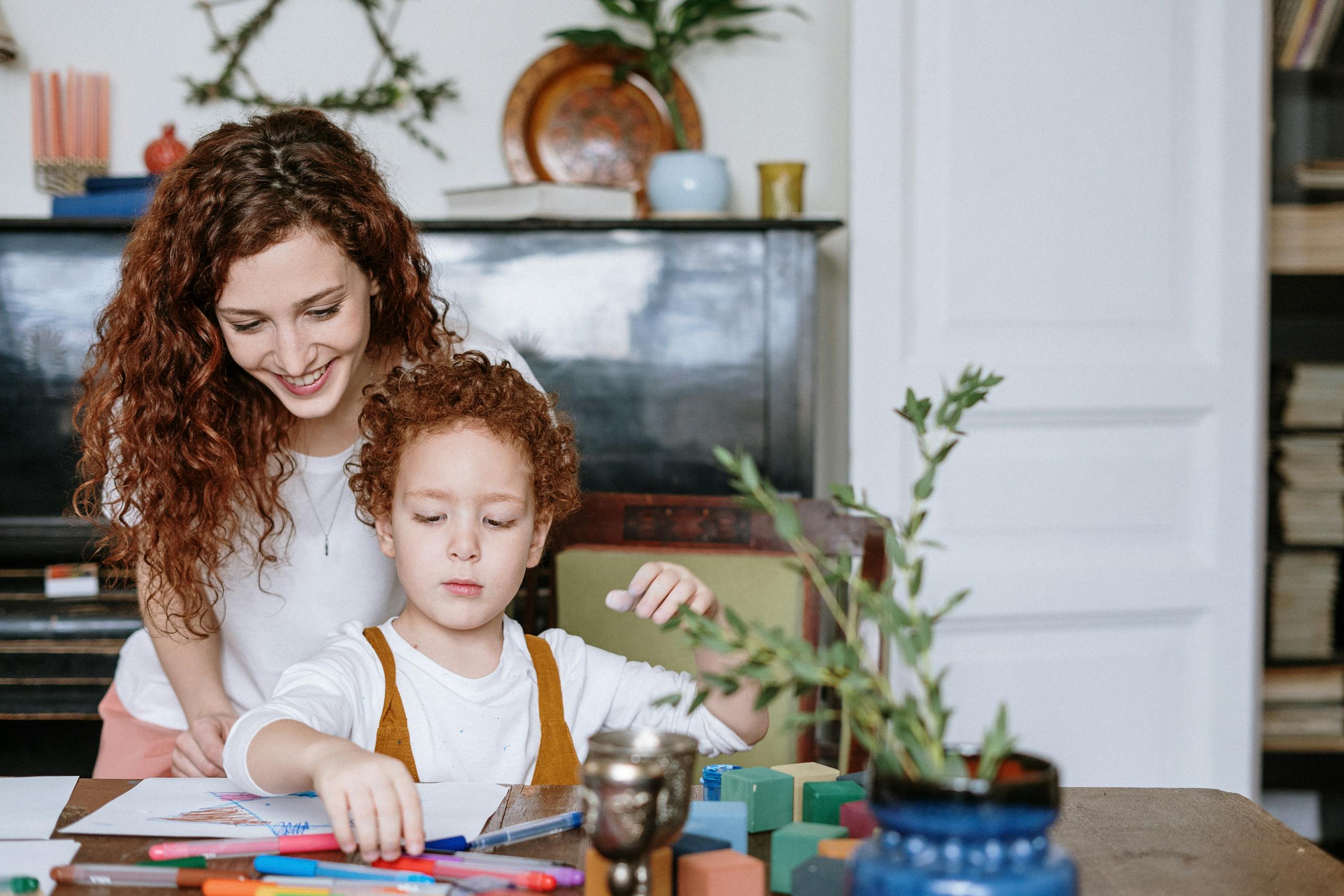

Activities about shyness for elementary students work best when they normalize quiet temperaments, build confidence gradually, and separate shyness from something that needs fixing. The most effective approaches combine storytelling, gentle role-play, and structured social practice in low-pressure settings that let children move at their own pace.
Shyness in young children is common, often temporary, and frequently misunderstood by the adults around them. Whether you are a teacher designing a classroom unit, a counselor supporting a hesitant student, or a parent watching your child hang back at the edge of the playground, the right activities can make an enormous difference, not by turning a shy child into an outgoing one, but by helping them feel safe enough to show up as themselves.
I think about this topic more personally than most people might expect from someone who spent two decades running advertising agencies. I was that kid. The one who knew the answer but kept his hand down. The one who rehearsed what he wanted to say at the lunch table and then said nothing. Understanding where that comes from, and what actually helps, matters deeply to me. If you are exploring the broader landscape of personality and temperament, our Introversion vs Other Traits hub covers the full spectrum of how these traits show up across a lifetime.
What Is Shyness, and Why Does It Show Up in Elementary School?
Shyness is a feeling of apprehension, discomfort, or self-consciousness in social situations, particularly new or unfamiliar ones. It is not a personality disorder, not a character flaw, and not the same thing as introversion, even though the two are often lumped together.
Career Coaching for Introverts
One-on-one career strategy sessions with Keith Lacy. 20 years of Fortune 500 leadership as an introvert, now helping others build careers that work with their wiring.
Learn More50-minute Zoom session · $175
Elementary school is prime territory for shyness to surface because children are being asked to do something genuinely hard: perform socially in front of peers and authority figures, often before they have the language or emotional tools to manage that pressure. A child raising her hand in class is taking a social risk. A child introducing herself to a new classmate is doing something that many adults find uncomfortable. We forget how much courage ordinary school moments require.
Shyness tends to cluster around specific triggers: speaking in front of groups, meeting new people, being evaluated or corrected publicly, and entering situations where the social rules are unclear. A child might be completely at ease with close friends and family but freeze the moment a stranger enters the room. That inconsistency confuses parents and teachers, who sometimes interpret it as defiance or manipulation rather than genuine anxiety.
It is also worth noting that shyness exists on a spectrum. Some children experience mild social hesitance that fades with familiarity. Others carry a more persistent wariness that follows them through multiple school years. And a smaller group experiences shyness at a level that significantly limits their participation and wellbeing. Knowing where a child falls on that spectrum shapes which activities will help most.
One thing I have noticed, both in my own childhood and in watching people across my agency years, is that shyness and introversion often travel together but are not the same passenger. Introversion is about energy: where you draw it from and how you process the world. Shyness is about fear. An introvert may prefer quiet without feeling afraid of people. A shy person may desperately want connection but feel blocked by anxiety. Understanding what extroverted actually means can help clarify this distinction, because extroversion is also frequently mischaracterized as simply being “not shy.”
Why Traditional “Get Kids Talking” Approaches Often Backfire
There is a well-meaning impulse among educators and parents to push shy children into social situations, reasoning that exposure will build confidence. Sometimes it does. More often, forcing a shy child into the spotlight before they feel ready simply reinforces the message that social situations are dangerous and that their instinct to withdraw was correct.
I managed a creative director at one of my agencies who had been painfully shy as a child. She described being called on unexpectedly in third grade, freezing completely, and hearing her classmates laugh. That moment stayed with her for decades. She eventually became a confident presenter, but she got there through gradual, self-paced exposure, not through being thrust into the spotlight before she was ready. The adults in her early life who helped most were the ones who gave her small, manageable challenges rather than public tests she was set up to fail.
Activities that work with shyness rather than against it share a few common features. They lower the stakes. They build on existing strengths. They give children some control over their level of participation. And they frame social engagement as something worth practicing, not something you either have or do not have.
It is also worth recognizing that not every quiet child needs intervention. Some children are simply more reserved by temperament, and that is a legitimate way to be. The goal of any classroom activity around shyness should be to expand a child’s options, not to eliminate their natural tendencies. There is a meaningful difference between being fairly introverted versus extremely introverted, and that same spectrum applies to shyness. Activities should be calibrated accordingly.
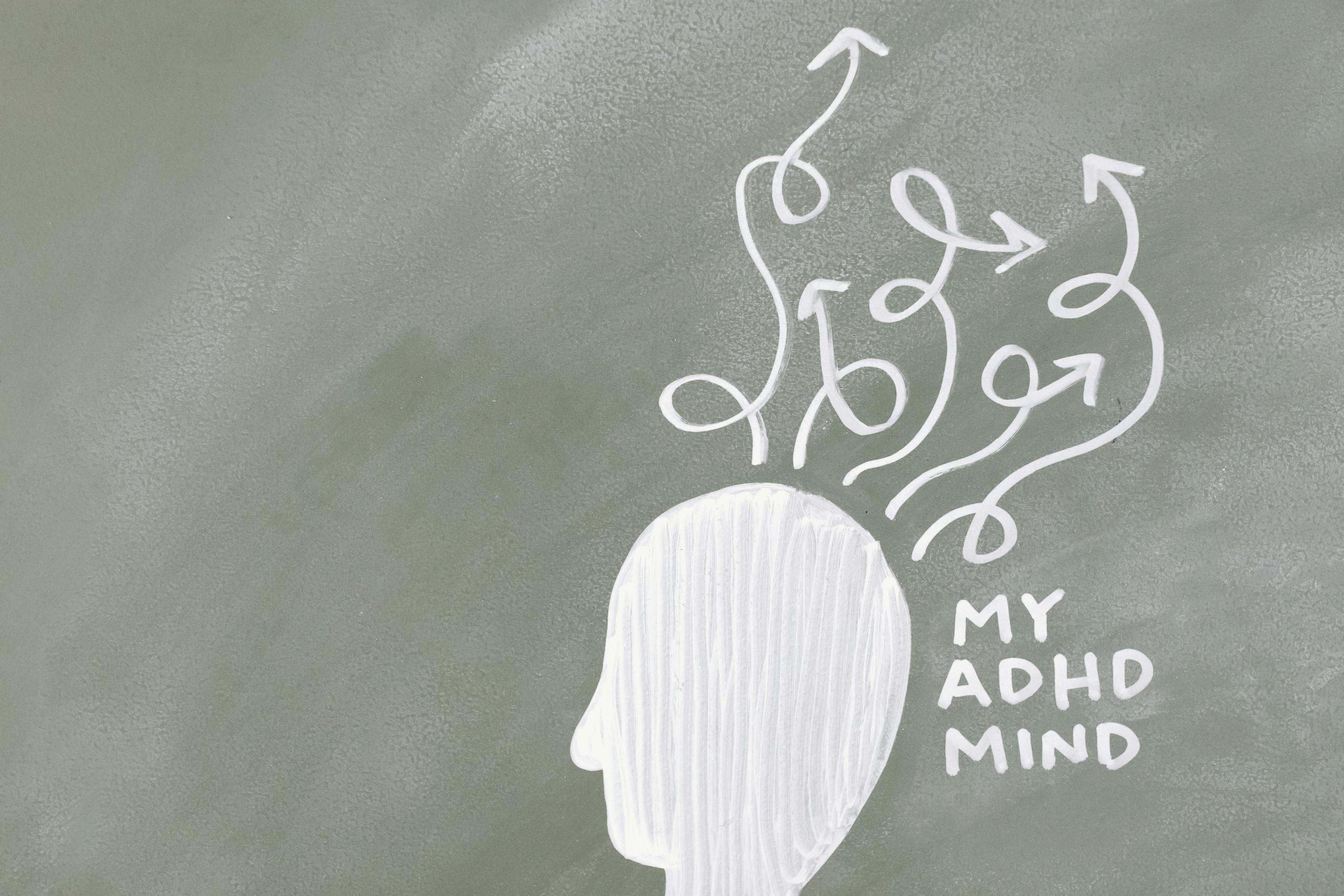
Classroom Activities That Help Shy Elementary Students Build Confidence
The following activities are grounded in what we know about how children develop social confidence. They are designed to be inclusive, meaning the whole class participates rather than singling out the shy child, and they build progressively from lower to higher social demand.
Bibliotherapy: Using Books to Open Conversations
One of the most powerful tools available to elementary teachers is the picture book. Stories about characters who feel nervous, left out, or afraid to speak create a safe distance from which children can explore their own feelings. When a child sees a beloved character experience shyness and find their way through it, the message lands differently than any direct instruction could.
Books like “Chrysanthemum” by Kevin Henkes, “Shy” by Deborah Freedman, and “The Invisible String” by Patrice Karst open rich conversations about belonging, fear, and finding your voice. After reading, teachers can invite reflection through drawing, writing, or small group discussion rather than whole-class sharing, keeping the entry point low for children who are not yet ready to speak publicly.
The follow-up activity matters as much as the book itself. Ask children to draw a time they felt nervous and what helped. Or write a letter to the character with advice. These activities externalize the feeling, which reduces its power, and give shy children a way to process without being put on the spot.
Bibliotherapy also works well as a bridge to discussing the difference between shyness and introversion at an age-appropriate level. A child who consistently prefers reading alone to playing in groups might not be shy at all. They might simply be wired differently, which is a conversation worth having early. Exploring personality differences through story is a gentler entry point than any worksheet or diagnostic conversation.
The “Two Truths and a Wish” Sharing Circle
Traditional show-and-tell can be excruciating for shy children. Standing alone in front of the class with all eyes on you is a high-stakes performance, and the children who need confidence-building the most are often the ones least equipped to handle it.
A modified version called “Two Truths and a Wish” works better. Each child shares two true things about themselves and one thing they wish for, either for themselves or the world. The format is structured enough to reduce decision anxiety, personal enough to feel meaningful, and low-stakes enough that most children can participate without significant fear. The “wish” element also shifts focus outward, which often feels safer for shy children than talking about themselves directly.
Start by having children write their two truths and a wish on paper before sharing. Then offer options: share with a partner, share with a small group, or share with the whole class. Giving children agency over their level of exposure is more effective than requiring uniform participation. Over time, many children naturally choose to share more widely as their comfort grows.
Partner Interviews and “Expert” Conversations
One of the patterns I noticed across twenty years of managing creative teams is that people who struggle to speak up in groups often come alive in one-on-one conversations. Shy individuals are frequently excellent listeners and thoughtful conversationalists when the social stakes are lower. Classroom activities can leverage this strength.
Partner interviews give children a structured reason to talk to one another. Each child becomes the “expert” on something they genuinely know: their pet, their neighborhood, their favorite game, a skill they have practiced. The other child asks prepared questions from a list. This removes the burden of improvisation, which is where social anxiety tends to spike, and positions the shy child as knowledgeable rather than exposed.
After the interview, pairs can share one interesting thing they learned about their partner with the class. The shy child is now being spoken about positively rather than speaking themselves, which is a meaningful step toward public visibility without the full weight of performance.
This mirrors something I used in agency settings with new team members who were clearly capable but reluctant to speak in meetings. Giving someone a defined role, a specific area of expertise, and a structured format for contribution dramatically lowers the barrier to participation. The same principle applies to eight-year-olds.
Puppets, Characters, and Creative Distance
There is a reason puppet therapy has been used with children for decades. Speaking through a character creates psychological distance from the self, which reduces the fear of judgment. A child who cannot say “I feel scared when I have to talk in front of people” can often say it easily through a puppet or fictional character.
Simple puppet activities, where children create a character and then have that character handle a social situation, are remarkably effective for shy elementary students. The character can be shy too, which allows the child to explore solutions without the pressure of personal disclosure. What does the shy puppet do when someone new sits next to them at lunch? What does the puppet say when they want to join a game but do not know how to ask?
Drama and role-play more broadly serve a similar function. When children practice social scripts in a fictional frame, they are rehearsing real skills without real consequences. The child who practices introducing herself as a character in a play is building the same neural pathways she will use when she actually needs to introduce herself. The fictional wrapper just makes the practice feel safer.
The Strengths Wall: Reframing Quiet as a Gift
One of the most damaging things we do to shy children is treat their quietness as a problem to be solved. A classroom activity that deliberately reframes reserved qualities as strengths can shift the internal narrative that shy children carry.
The Strengths Wall works like this: each child receives a card and writes one strength that comes from their personality, including qualities like “I notice things others miss,” “I think before I speak,” “I listen carefully,” or “I am kind to people who feel left out.” These cards go on a shared wall, and the class discusses how different strengths serve different purposes. The goal is to show children that there is no single correct way to be, and that the qualities associated with shyness or introversion carry real value.
This activity pairs well with a broader conversation about personality differences. Children are naturally curious about why people are different, and giving them vocabulary for those differences is genuinely useful. Some children are energized by group activities. Others do their best thinking alone. Neither is better; they are just different operating systems. Helping children understand this early builds both self-acceptance and empathy for peers who are wired differently.
Personality is genuinely complex, and even adults struggle to categorize themselves accurately. Some people feel like they shift between social modes depending on context, which is why tools like the introvert, extrovert, ambivert, and omnivert test can be illuminating for older students and the adults working with them.
How Teachers Can Structure the Classroom Environment to Support Shy Students
Activities are only part of the picture. The environment in which those activities happen matters just as much. A classroom culture that consistently rewards loudness and penalizes silence will undermine even the best-designed activities.
Think-pair-share is one of the most widely recommended classroom structures for a reason. Giving children time to think individually before sharing with a partner, and then with the group, honors the processing style of children who need more time to formulate their thoughts. Spontaneous cold-calling, by contrast, is one of the most reliable ways to increase anxiety in shy students without improving their actual learning.
Offering multiple modes of participation also helps. A child who will not raise her hand might write a thoughtful response on a sticky note. A child who freezes when called on might contribute brilliantly in a written journal. Broadening what counts as participation sends the message that the classroom values different kinds of contribution, not just the loudest or fastest.
Teachers can also create what I would call “social on-ramps”: low-stakes moments of connection that happen before the formal activity begins. Greeting students individually at the door, using names consistently, noticing small things about each child’s interests, these micro-interactions build the relational safety that shy children need before they can take social risks. I used a version of this in agency settings when onboarding new team members. Before asking someone to present in a client meeting, I made sure they had already experienced being seen and valued in smaller moments. The principle translates directly to elementary classrooms.
It is also worth being thoughtful about how we talk about personality differences in front of children. Labeling a child as “the shy one” in their presence, even affectionately, can calcify an identity that the child is still forming. Children are remarkably responsive to the stories adults tell about them. A teacher who says “you are someone who takes your time before speaking, and that is a real strength” is offering a very different narrative than one who says “she is just shy.”
What Parents Can Do at Home to Reinforce Classroom Work
Parents are often the first to notice shyness and the most anxious about it. That anxiety is understandable. Watching your child stand alone at the edge of a birthday party while other kids run and shriek together is genuinely hard. The instinct to intervene, to push, to coach, is strong.
What tends to help more than pushing is modeling. Children watch how their parents handle social discomfort. A parent who says, “I felt nervous walking into that party too, and I took a few deep breaths before I said hello to anyone,” is giving their child a roadmap. Normalizing social anxiety as something adults also experience, and manage, is more powerful than any pep talk.
Parents can also create low-pressure practice opportunities at home. One-on-one playdates are easier than group situations. Familiar settings are easier than new ones. Giving a shy child a role or job in a social situation, being the one who hands out napkins at a family gathering, for example, gives them a reason to interact without requiring them to initiate conversation from nothing.
Reading and discussing books about shyness together extends the bibliotherapy work happening in the classroom. Asking “what do you think the character should do?” is a gentler entry point than “what would you do?” The fictional frame creates enough distance for honest conversation.
Parents should also resist the urge to over-explain or apologize for their child’s shyness in the child’s presence. “She is just shy” as a social disclaimer, offered to every adult who tries to engage a hesitant child, teaches the child that their shyness is something to be managed and explained rather than simply accepted. A quiet “she sometimes takes a little time to warm up” is both more accurate and less defining.

Understanding Personality Complexity in Young Children
One of the more nuanced aspects of working with shy elementary students is recognizing that shyness is rarely the whole story. Children, like adults, are complex. A child might be shy in some contexts and surprisingly bold in others. They might be introverted and shy, or extroverted and shy (yes, that combination exists), or neither.
Some children who appear shy are actually highly sensitive to sensory or emotional input, and the social withdrawal is a response to overstimulation rather than fear of judgment. Others are shy in group settings but perfectly comfortable in one-on-one relationships. Still others are going through a developmental phase that will resolve on its own with time and a supportive environment.
The concept of the omnivert, someone who shifts between introverted and extroverted modes depending on context, is worth understanding for anyone working with children whose social behavior seems inconsistent. A child who is the life of the party at home but freezes at school is not being manipulative. They may simply be someone whose social energy is highly context-dependent. The distinction between an omnivert and an ambivert can help adults understand why the same child seems like a different person in different settings.
Similarly, the concept of an otrovert versus an ambivert adds another layer of nuance to how we think about social energy in children who do not fit neatly into introvert or extrovert categories. Not every child who struggles socially is shy in the traditional sense. Some are simply still figuring out who they are and where they feel most comfortable.
For adults who want to understand their own personality patterns more precisely, which in turn helps them support children more effectively, taking an introverted extrovert quiz can surface some genuinely useful self-knowledge. A teacher who understands her own social patterns is better equipped to recognize and honor those same patterns in her students.
What I have found, both in my own experience and in watching people across my career, is that the adults who were most helpful to shy children were the ones who had done some work on their own relationship with social anxiety. They did not project their own discomfort onto the children. They did not treat shyness as an emergency. And they genuinely believed, from their own experience, that quiet people have something valuable to offer. That belief communicates itself in ways that no activity or curriculum can fully replicate.
Personality research, including work published in journals like Frontiers in Psychology, continues to deepen our understanding of how temperament develops and interacts with environment. What emerges consistently is that early experiences of being seen, accepted, and gently challenged shape social confidence in lasting ways. The activities we offer shy children in elementary school are not just classroom exercises. They are formative experiences that contribute to how those children understand themselves for years to come.
When Shyness May Signal Something More
Most shyness in elementary-aged children is within the normal range of human temperament variation and responds well to supportive environments and thoughtful activities. Yet it is worth knowing the signs that a child’s social anxiety may have moved beyond typical shyness into something that warrants professional attention.
Selective mutism, for example, is a condition in which a child who speaks normally in some settings becomes completely unable to speak in others, typically school. It is often mistaken for extreme shyness but has distinct features and responds to specific interventions. A child who has not spoken a word at school for several months despite being verbal at home deserves a professional evaluation rather than just more patience and encouragement.
Social anxiety disorder, which can emerge in childhood, involves persistent, intense fear of social situations that significantly impairs daily functioning. A child who refuses to attend school, becomes physically ill before social events, or is unable to participate in any social activity despite genuinely wanting to may benefit from support beyond what classroom activities can provide. Counseling resources, including those available through school psychologists and community mental health services, can be genuinely helpful. Research published in PMC has examined how anxiety in children develops and responds to intervention, and the evidence supports early, graduated exposure approaches combined with cognitive tools for managing anxious thoughts.
The distinction between shyness and social anxiety is not always clean, but the functional question is useful: is this child’s quietness limiting their ability to learn, make friends, or participate in daily school life in ways that cause them real distress? If yes, additional support is warranted. If the child is quiet but content, connected to at least one or two peers, and able to engage when the conditions feel right, the most helpful thing is usually to create those conditions more often rather than to pathologize the quietness itself.
Conversations between teachers, counselors, and parents are essential here. Additional research available through PMC explores how social withdrawal in childhood intersects with emotional development, and it reinforces the value of collaborative, multi-setting observation before drawing conclusions about any individual child.
The Long View: What Shy Children Grow Into
I want to close this section with something I wish someone had said to me, or to the adults around me, when I was a quiet kid in elementary school: shyness does not predict the ceiling of what a person can accomplish or contribute.
Some of the most effective leaders I worked with across two decades in advertising were people who had been shy children. They had developed extraordinary listening skills, a careful approach to decision-making, and a genuine interest in understanding people rather than performing for them. Those qualities, which grew directly from the temperament that made childhood socially hard, became competitive advantages in adult professional life.
As an INTJ, I have always processed the world through observation and analysis rather than through social performance. What looked like shyness in my early years was partly that: a preference for understanding a situation fully before engaging with it. The adults who helped me most were the ones who gave me room to observe before requiring me to perform, and who treated my quietness as a form of engagement rather than a form of absence.
That is the gift that thoughtful classroom activities about shyness can give to elementary students. Not the elimination of their quietness, but the expansion of their sense of what is possible within it. A child who learns early that their way of being in the world is valid, even valuable, carries that knowledge forward in ways that matter far beyond any single school year.
Psychology Today’s exploration of why deeper conversations matter touches on something relevant here: the capacity for meaningful connection is not about volume or frequency. It is about depth, attention, and genuine presence. Shy children often have those qualities in abundance. The work is not to change them but to help them find the contexts where those qualities can shine.
For anyone who wants to keep exploring how introversion, shyness, and personality traits intersect across different stages of life, the full range of resources in our Introversion vs Other Traits hub offers a comprehensive look at these distinctions and what they mean in practice.
About the Author
Keith Lacy is an introvert who’s learned to embrace his true self later in life. After 20 years in advertising and marketing leadership, including running agencies and managing Fortune 500 accounts, Keith now channels his experience into helping fellow introverts understand their strengths and build fulfilling careers. As an INTJ, he brings analytical depth and authentic perspective to every article, drawing from both professional expertise and personal growth.
Frequently Asked Questions
What is the difference between shyness and introversion in elementary-aged children?
Shyness is rooted in fear or anxiety about social situations, particularly unfamiliar ones. Introversion is about energy: introverts recharge through solitude and prefer depth over breadth in social interaction. A shy child may desperately want connection but feel blocked by anxiety. An introverted child may simply prefer smaller, quieter social settings without feeling afraid. The two can overlap, but they are distinct traits that respond to different kinds of support.
Which classroom activities are most effective for shy elementary students?
The most effective activities share a few features: they lower the social stakes, they give children some control over their level of participation, and they build on existing strengths rather than exposing weaknesses. Bibliotherapy using picture books about social feelings, partner interviews where children become “experts” on a topic they know well, puppet and role-play activities that create psychological distance from personal disclosure, and structured sharing formats like “Two Truths and a Wish” all work well. what matters is gradual, self-paced exposure rather than forced performance.
Should parents push shy children to be more social?
Gentle encouragement is more effective than pushing. Forcing a shy child into high-stakes social situations before they feel ready tends to reinforce the belief that social situations are dangerous. More helpful approaches include modeling how you manage your own social discomfort, creating low-pressure practice opportunities like one-on-one playdates, giving children a defined role in social situations so they have a reason to interact, and normalizing the experience of feeling nervous without treating it as a crisis.
When does shyness in a child require professional support?
Most shyness in elementary-aged children is within the normal range and responds well to supportive environments. Professional support may be warranted when shyness significantly limits a child’s ability to learn, make friends, or participate in daily school life and causes them real distress. Specific signs to watch for include complete inability to speak in certain settings (which may indicate selective mutism), refusal to attend school, physical symptoms before social events, or persistent inability to engage socially despite genuinely wanting to. A school counselor or child psychologist can help assess whether what you are seeing is typical shyness or something that would benefit from targeted intervention.
How can teachers create a classroom environment that supports shy students without singling them out?
The most supportive classroom environments offer multiple modes of participation so that raising a hand is not the only way to contribute. Think-pair-share structures give children time to formulate thoughts before sharing publicly. Written responses, partner conversations, and small group discussions all lower the barrier to participation. Greeting students individually, using names consistently, and noticing each child’s interests builds the relational safety that shy children need before they can take social risks. Avoiding cold-calling and public correction also reduces the anxiety that makes shy children less likely to engage over time.