
Setting boundaries around alcohol is one of the quieter struggles many introverts carry, rarely discussed but deeply felt. When your social battery is already running low and the pressure to drink becomes part of the social contract, saying no can feel like a much bigger act than it actually is. What makes this particularly complicated for introverts is that alcohol often gets positioned as the solution to the very discomfort we feel in crowded, loud, overstimulating environments.
There’s a reason so many introverts find themselves reaching for a drink at networking events, client dinners, or holiday parties. It temporarily quiets the internal noise. But that short-term relief can quietly erode the boundaries we need most.
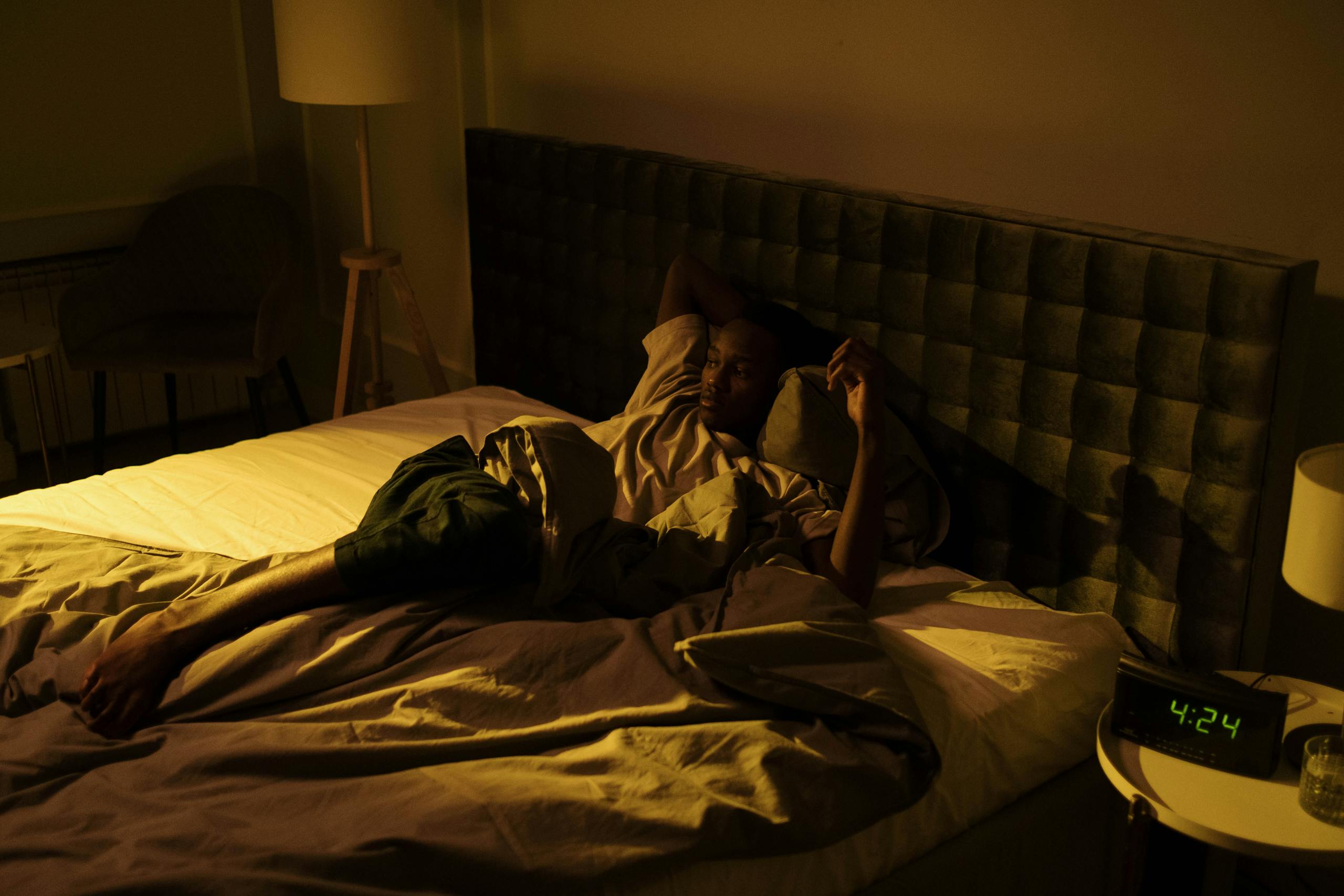
If you’ve ever wondered why this particular boundary feels so hard to hold, and how to find a healthier relationship with alcohol as an introvert, you’re in the right place. The broader conversation about energy, sensory overload, and social pressure lives in our Energy Management and Social Battery hub, and this article adds a layer that doesn’t get talked about enough.
Why Does Alcohol Feel Like a Social Survival Tool for Introverts?
Somewhere in my mid-thirties, running a mid-sized advertising agency in a city where client entertainment was practically a job requirement, I started noticing a pattern in myself. The nights I felt most “on,” most capable of working the room and holding court at a dinner table, were the nights I’d had two or three drinks. And I told myself that was just how business worked.
What’s your personality type?
Take our free 40-question assessment and get a detailed personality profile with dimension breakdowns, context analysis, and personalised insights.
Discover Your Type8-12 minutes · 40 questions · Free
What I didn’t understand then was that I wasn’t becoming a better version of myself after those drinks. I was temporarily suppressing the introvert wiring that made me careful, observant, and selective with my words. The alcohol wasn’t helping me connect. It was helping me perform connection, which is a very different thing.
Many introverts share this experience. Social environments are genuinely taxing for people wired the way we are. Psychology Today has written extensively about why socializing drains introverts more than extroverts, pointing to differences in how our nervous systems process stimulation. When you’re already running hot from the noise, the crowd, the small talk, and the performance demands of a social event, alcohol can feel like a circuit breaker.
The problem is that the circuit breaker also trips some of the most valuable parts of how introverts operate, including our ability to read a room carefully, to notice what’s actually being communicated beneath the surface, and to know when we’ve genuinely had enough.
What Does Sensory Overload Have to Do With Drinking?
Quite a lot, it turns out. And this is the piece of the conversation that most articles about alcohol and social anxiety completely miss.
Many introverts, particularly those who identify as highly sensitive people, aren’t just socially drained at events. They’re physically overstimulated. The lighting is too bright. The music is too loud. There are too many simultaneous conversations competing for attention. The physical environment itself becomes exhausting before a single meaningful exchange has happened.
If you’ve ever felt genuinely overwhelmed by the sensory environment of a bar, a conference hall, or a holiday party, you’re not imagining it. HSP noise sensitivity is a real and documented phenomenon, and the strategies for managing it matter enormously in these settings. Similarly, HSP light sensitivity means that the harsh, flickering, or overly bright lighting common in bars and event spaces can add a layer of physical discomfort that most people in the room simply aren’t experiencing.
Alcohol temporarily dulls that sensory input. It lowers the threshold at which stimulation becomes overwhelming. So for someone who is both introverted and highly sensitive, a drink or two can feel like putting on noise-canceling headphones at a concert. The relief is real. The problem is that it’s borrowed relief, and the loan comes with interest.
There’s also the tactile dimension. Crowded environments mean physical contact, people brushing past you, handshakes, shoulder pats, the general compression of personal space. For those with heightened touch sensitivity, this adds yet another layer of stimulation that compounds the drain. Alcohol can temporarily reduce that discomfort too, which is why the dependency can form so gradually and so quietly.
How Does the Pressure to Drink Show Up in Professional Settings?
Agency culture has a drinking culture. I won’t pretend otherwise. Client dinners, new business pitches, award shows, wrap parties, holiday events, the calendar was full of occasions where not drinking felt like a statement. And as someone who spent years trying to perform extroversion convincingly, I understood exactly how much social lubrication those events were built around.
One particular client relationship comes to mind. We were managing a significant account for a Fortune 500 consumer brand, and the client lead was a gregarious, high-energy extrovert who genuinely loved the social ritual of client entertainment. Long dinners, multiple rounds, stories that ran until eleven. I liked him. I respected the relationship. And I spent years quietly dreading those dinners because I knew what they cost me energetically, and I knew I’d be reaching for a drink earlier than I should just to keep pace.
What I eventually came to understand was that the drinking wasn’t actually what he valued. He valued my attention, my engagement, my genuine interest in what he was building. When I finally started ordering sparkling water after the first glass of wine and leaning more fully into the conversation itself, the relationship didn’t suffer. If anything, it deepened, because I was actually present instead of chemically approximating presence.
The pressure to drink in professional settings is often more assumed than real. We construct elaborate social contracts in our heads about what’s expected, and then we perform compliance with contracts that nobody actually signed. Harvard Health’s guidance on socializing as an introvert makes a useful point here: authenticity in social settings often serves introverts better than performance, even when the performance seems like the safer choice.
What Makes Setting Limits Around Alcohol So Hard for Introverts Specifically?
Setting any kind of social limit is harder for introverts than it looks from the outside. We tend to be deeply aware of how our choices land with others. We’re sensitive to the subtle shifts in a room when we decline something, when we leave early, when we order differently from everyone else. That hyperawareness, which is genuinely one of our strengths in most contexts, becomes a liability when we’re trying to hold a personal limit against social momentum.
Introverts get drained very easily, and that depletion affects our capacity to hold limits under pressure. When you’re already running low on social energy, the cognitive and emotional effort required to decline a drink, explain your reasoning, deflect the follow-up questions, and manage the subtle social awkwardness that sometimes follows is genuinely significant. It’s not weakness. It’s a resource problem.
There’s also the identity dimension. For many introverts who spent years trying to pass as extroverts, alcohol became part of the performance costume. Declining it can feel like stepping out of character in a way that invites questions you’re not ready to answer. Questions about why you’re not drinking often become questions about who you really are, and that’s a lot to process in the middle of a crowded room.
What I’ve found, both personally and in conversations with other introverts over the years, is that the hardest part isn’t the moment of refusal. It’s the anticipatory anxiety beforehand, the mental rehearsal of the conversation, the calculation of social cost. That’s where the real energy goes.

How Do You Build Limits That Actually Hold in Social Situations?
The limits that have worked best for me are the ones I made privately, before I ever walked into the room. Not rules I announced or explained, just quiet decisions I’d already made and committed to before the social pressure had a chance to erode them.
There’s something important in that distinction. A limit you make in the moment, while you’re already depleted and surrounded by people who are drinking, is a limit you’re making under the worst possible conditions. A limit you make at home, when you’re rested and clear-headed, is a different kind of commitment entirely.
Some practical approaches that have worked for me and for introverts I’ve spoken with over the years:
Decide your number before you arrive. Not as a rigid rule, but as a clear intention. One drink, or none, or whatever feels right for that particular event and what you know about your own energy levels going in. Having that number already set means you’re not making the decision in real time, when your reserves are already depleted.
Always have something in your hand. This sounds trivial, but it genuinely reduces the social friction around not drinking. Sparkling water, a non-alcoholic option, anything that satisfies the social ritual of holding a glass. Most people aren’t tracking what’s in your glass. They’re tracking whether you’re engaged.
Give yourself permission to leave before you’re completely drained. One of the biggest drivers of over-drinking at social events is staying past the point where you have any energy reserves left. When you’re genuinely depleted, your limits erode. Managing your energy reserves proactively means leaving while you still have something left, not waiting until you’re running on empty.
Reframe the limit as self-knowledge, not self-denial. The mental shift that made the biggest difference for me was stopping thinking of limits as things I was refusing and starting thinking of them as expressions of what I actually know about myself. I know that alcohol makes me less present, less sharp, and more depleted the next day. Declining isn’t deprivation. It’s just acting on information I already have.
What Role Does Stimulation Calibration Play in Finding the Right Balance?
One of the more useful frameworks I’ve encountered for thinking about introvert energy and alcohol is the concept of stimulation calibration. The idea is that introverts, and particularly highly sensitive introverts, function best within a specific range of stimulation. Too little and we’re understimulated, restless, disconnected. Too much and we’re overwhelmed, anxious, depleted.
Most social events push introverts toward the overwhelmed end of that spectrum. The noise, the crowd, the performance demands, the sensory environment, all of it compounds. Finding the right balance of stimulation is genuinely one of the central skills of introvert energy management, and alcohol distorts your ability to calibrate that balance accurately.
When you drink, you temporarily raise your tolerance for stimulation. The noise seems less loud. The crowd feels less pressing. The conversation feels easier to sustain. But your actual stimulation load hasn’t changed. Your nervous system is still processing all of it. You’ve just temporarily muted the signal that tells you when you’ve had enough.
This is why so many introverts find that events where they’ve been drinking feel fine in the moment but leave them significantly more depleted the following day than events where they haven’t. The stimulation was the same. The feedback mechanism was suppressed. And the bill comes due later.
There’s also a neurological dimension worth acknowledging. Cornell University’s research on brain chemistry and personality has pointed to differences in how introverts and extroverts process dopamine, with introverts generally operating closer to their optimal stimulation threshold. That means the margin between “comfortable” and “overwhelmed” is often smaller for introverts, and alcohol, by masking the signal, can push you well past your actual threshold before you realize it.

How Do You Handle the Social Dynamics When You’re Not Drinking?
This is the part that doesn’t get addressed often enough. The limits themselves are one thing. The social management around them is another.
There will be moments when someone notices you’re not drinking and makes it their business to comment. Sometimes this is innocent curiosity. Sometimes it’s social pressure dressed up as friendliness. And sometimes it’s a genuine reflection of how much drinking culture gets woven into professional and social settings in ways that make abstinence feel like a statement.
My approach has always been to respond with warmth and brevity, and then redirect. “Not tonight, thanks” followed immediately by a genuine question about the other person works remarkably well. People who are genuinely curious are satisfied by a short answer. People who are pressing have no real claim on a longer one.
What I’ve noticed, particularly in professional settings, is that the people who comment most persistently on others not drinking are usually the people most uncomfortable with their own relationship with alcohol. That’s not a judgment. It’s just a pattern worth recognizing, because it shifts the dynamic. Their discomfort isn’t your responsibility to manage.
There’s also something worth saying about the social confidence that comes from holding a limit gracefully. When you decline something calmly, without apology or elaborate explanation, you project a kind of self-possession that actually reads as socially confident. The anxious over-explanation, the defensive justification, those signal discomfort. The quiet, warm “not tonight” signals someone who knows themselves. And that, in my experience, earns more respect in a room than the performance of keeping up ever did.
What Does a Healthier Relationship With Alcohol Actually Look Like for Introverts?
Healthier doesn’t necessarily mean zero. For many introverts, the goal isn’t abstinence. It’s intentionality. Drinking because you genuinely want to, in an environment where you’re not already overwhelmed, with people whose company you actually enjoy, is a very different experience from drinking to manage social anxiety, sensory overload, or the pressure to perform extroversion.
The distinction I’ve come to rely on is this: am I drinking to enhance an experience I’m already enjoying, or am I drinking to make an experience tolerable that I otherwise wouldn’t be choosing? The first is pleasure. The second is a signal worth paying attention to.
There’s also the question of what you’re not doing when you’re relying on alcohol to manage social discomfort. You’re not developing the actual skills and strategies that let you move through social environments more sustainably. You’re not learning where your real limits are. You’re not building the self-knowledge that comes from experiencing your introversion clearly and responding to it honestly.
Some of the most useful work I’ve done around my own energy management came after I stopped using alcohol as a buffer. Suddenly I could feel exactly when I was hitting my limit. I could feel the specific kind of depletion that comes from too much small talk versus too much noise versus too much performance. And because I could feel it clearly, I could respond to it intelligently rather than just suppressing it and hoping for the best.
That kind of self-knowledge is genuinely one of the gifts of introversion, but only if you’re not chemically muffling the signal it’s sending you. Introverts need downtime in ways that are neurologically real, not just personally preferred. Honoring that need starts with being able to hear it clearly.
How Does This Connect to the Broader Work of Protecting Introvert Energy?
Everything I’ve described here sits within a larger framework of energy management that matters deeply to how introverts function, not just socially but professionally, creatively, and personally. The limits we set around alcohol are one expression of a broader commitment to protecting the internal resources that make us effective.
When I was running agencies, I was making dozens of decisions a day that required my best thinking. Strategic decisions, creative judgments, client relationship calls, team management. None of that work happened in social settings. It happened in the quiet hours, in the deep focus time, in the space I protected for actual reflection. The more I compromised that space through over-extension at social events, including the recovery time that followed a night of drinking more than I should have, the worse those decisions got.
The connection between social energy management and professional performance is something introverts often sense but rarely articulate. Emerging research on personality and health outcomes points to real connections between how we manage social stress and broader wellbeing, and the patterns we develop around alcohol in social settings are part of that picture.
Protecting your energy isn’t a luxury. It’s a professional strategy. And for introverts, it requires being honest about the things we use to cope with social demand that actually make the underlying problem worse over time.

There’s a lot more to explore about how introverts manage their social energy across different contexts and settings. Our complete Energy Management and Social Battery hub covers the full range of strategies, from daily energy budgeting to recovery practices to the specific challenges of high-demand social environments.
About the Author
Keith Lacy is an introvert who’s learned to embrace his true self later in life. After 20 years in advertising and marketing leadership, including running agencies and managing Fortune 500 accounts, Keith now channels his experience into helping fellow introverts understand their strengths and build fulfilling careers. As an INTJ, he brings analytical depth and authentic perspective to every article, drawing from both professional expertise and personal growth.
Frequently Asked Questions
Why do introverts often feel more pressure to drink at social events?
Introverts often feel more pressure to drink at social events because alcohol temporarily reduces the sensory and social discomfort that comes with being in high-stimulation environments. When a crowded, loud setting is already pushing you toward your stimulation threshold, alcohol can feel like relief. There’s also the social performance dimension: many introverts have spent years trying to match extroverted social styles, and alcohol makes that performance feel more sustainable in the short term. The pressure is both internal and external, a combination of genuine discomfort and the perceived expectation to keep pace with the social norms of the event.
Is there a connection between being highly sensitive and using alcohol to cope with social situations?
Yes, and it’s worth understanding clearly. Highly sensitive people experience sensory input more intensely than others, including noise, light, physical contact, and the emotional atmosphere of a room. Social events often involve all of these simultaneously. Alcohol temporarily raises the threshold at which stimulation becomes overwhelming, which can make it feel like a practical coping tool. The challenge is that it masks the signals your nervous system is sending about your actual state, which makes it harder to respond intelligently to your real needs. Over time, relying on alcohol to manage sensory overload can prevent you from developing more sustainable strategies for the same challenges.
How can introverts set limits around alcohol without creating social awkwardness?
The most effective approach is to decide your intention before you arrive, so you’re not making the decision in real time when your energy is already depleted. In the moment, warmth and brevity work better than elaborate explanation. A calm “not tonight, thanks” followed by genuine engagement with the other person satisfies most social situations without inviting extended conversation about your choices. Keeping something in your hand, whether sparkling water or a non-alcoholic option, also reduces the social friction significantly. Most people in a room are not tracking what you’re drinking. They’re tracking whether you’re present and engaged.
Does alcohol actually help introverts socialize, or does it just feel that way?
It feels that way more than it actually helps. Alcohol can temporarily reduce social anxiety and sensory discomfort, which makes social performance feel easier in the moment. But it also suppresses some of the qualities that make introverts genuinely good at connection: careful observation, deep listening, the ability to notice what’s actually being communicated beneath the surface. What alcohol often produces is a more extroverted performance, not more authentic connection. Many introverts find, once they stop using alcohol as a social buffer, that their actual connections become more meaningful even if the performance feels less smooth.
What are some practical alternatives to alcohol for managing social energy at events?
Several strategies can reduce the need for alcohol as a social coping mechanism. Arriving with a clear energy plan, including a rough sense of how long you’ll stay and what kind of interactions you’re aiming for, reduces the anxiety that drives drinking. Taking brief breaks during events, stepping outside or finding a quieter corner for a few minutes, helps reset your stimulation level without requiring chemical assistance. Choosing events and environments that are better calibrated to your sensory preferences, when you have that option, makes a significant difference. And building genuine recovery time into your schedule after social events means you’re not carrying a chronic energy deficit that makes every social situation feel more demanding than it needs to be.