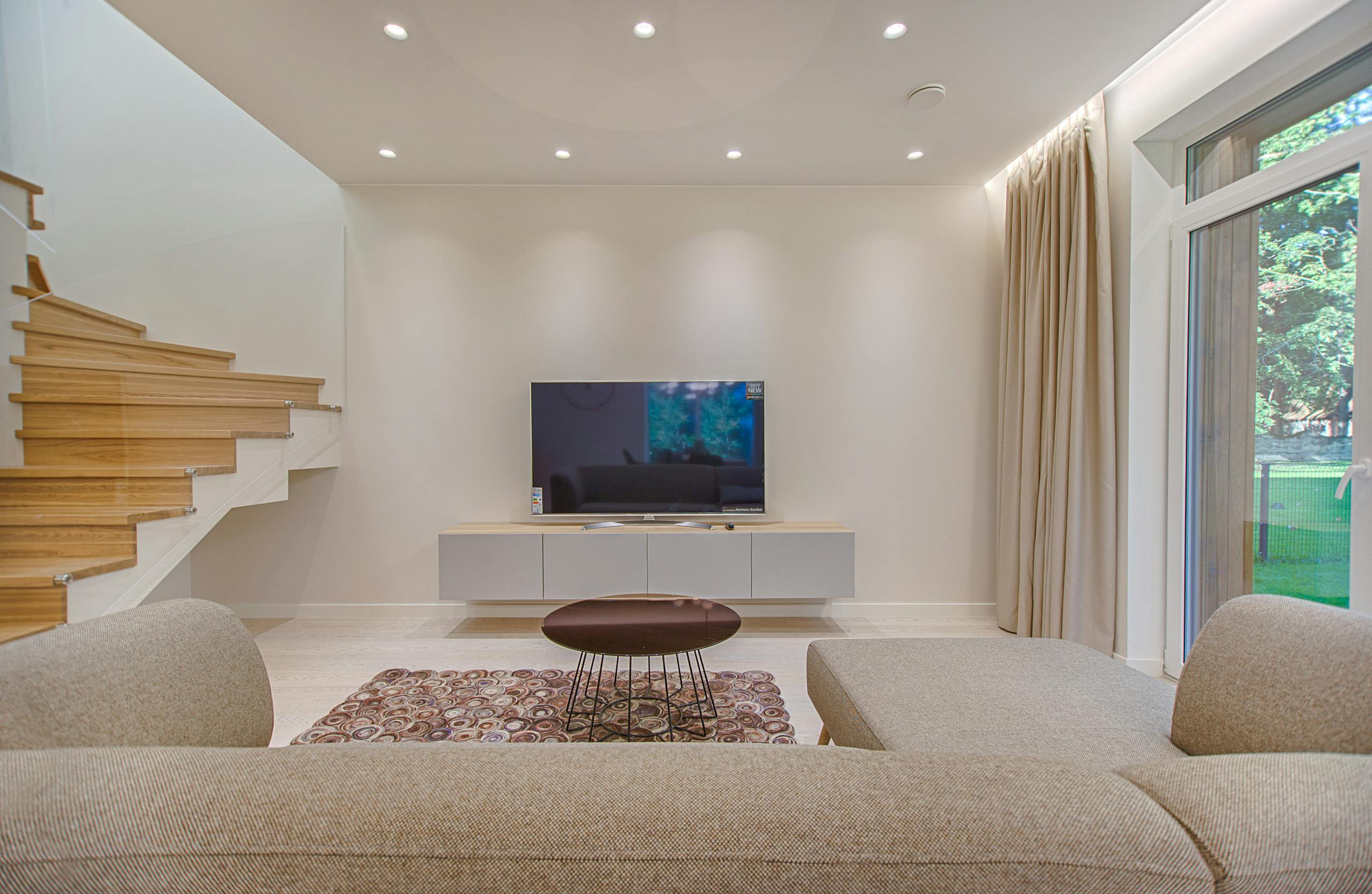

A homebody is someone who genuinely prefers spending time at home over going out, finding comfort, creativity, and restoration in their personal space rather than in social settings or external stimulation. If you’ve ever turned down plans with a sense of relief rather than guilt, or found yourself genuinely excited about a quiet evening in, this quiz will help you see yourself more clearly.
What follows isn’t a personality test designed to label you. It’s a reflection tool, a series of honest questions that reveal how deeply your home environment shapes your energy, your relationships, and your sense of self. Take your time with each one.

Our Introvert Home Environment hub explores the full spectrum of what it means to feel at home in your own skin, and in your own space. This quiz fits right into that conversation, because knowing whether you’re a true homebody changes how you think about your time, your energy, and what you actually need to thrive.
What Does It Actually Mean to Be a Homebody?
Before we get to the quiz questions, I want to clear something up. Being a homebody isn’t about being antisocial, fearful of the world, or lacking ambition. I ran advertising agencies for over two decades. I pitched campaigns to Fortune 500 boardrooms. I flew across the country for client dinners and industry conferences. And through all of it, the moment I landed back home and closed my front door behind me, something in my chest genuinely relaxed.
What’s your personality type?
Take our free 40-question assessment and get a detailed personality profile with dimension breakdowns, context analysis, and personalised insights.
Discover Your Type8-12 minutes · 40 questions · Free
That’s not avoidance. That’s a preference rooted in how certain people process the world. As an INTJ, my internal landscape has always been richer than my external one. My best thinking happens in quiet. My most meaningful conversations happen in small settings. My creativity doesn’t need a buzzing open-plan office. It needs stillness.
Homebodies aren’t people who gave up on life. They’re people who figured out where life feels most alive for them. There’s a meaningful distinction there, and the quiz below is designed to help you find which side of that line you’re actually standing on.
One more thing worth saying: being a homebody and being an introvert often overlap, but they’re not identical. Some extroverts genuinely love staying in. Some introverts push themselves to stay socially active. What the quiz measures is your relationship with home as a source of energy, meaning, and preference, not just where you happen to spend your time.
The Am I a Homebody Quiz: 20 Questions to Find Your Answer
Read each question carefully and answer honestly. There are no right or wrong responses. Score yourself using this simple scale: 1 = Never or rarely, 2 = Sometimes, 3 = Often, 4 = Almost always.
Keep a running total as you go.
Section One: Your Relationship with Going Out
1. When you get an invitation to a social event, is your first instinct to check whether you can reasonably decline?
This isn’t about whether you enjoy events once you’re there. It’s about that initial gut response when the invitation arrives. Many people who identify as homebodies describe a specific feeling: a quiet internal sigh, a quick mental calculation of whether attendance is truly necessary. If that resonates, score yourself higher on this one.
2. Do you feel a genuine sense of relief when plans get canceled?
Canceled plans feel like found time to a homebody. Not wasted time, not disappointment. Found time. If you’ve ever texted “no worries at all!” with a little more enthusiasm than the situation required, you know what I’m describing.
3. Do you find yourself mentally counting down to when you can go home, even at enjoyable events?
I used to do this at agency holiday parties. Good people, decent food, genuinely pleasant conversation. And still, somewhere around the ninety-minute mark, a quiet internal clock would start ticking. Not because I was miserable. Because home was calling.
4. Do you prefer making plans that involve staying in rather than going out?
When you’re the one suggesting activities, do your ideas naturally trend toward home-based options? A movie night in, a dinner at your place, a game evening with a small group. Score yourself honestly here.
5. Does the idea of a completely free weekend with no obligations feel like a gift rather than a problem?
Some people feel restless and purposeless when a weekend opens up with nothing scheduled. Homebodies tend to feel the opposite. An empty calendar is a canvas, not a void.
Section Two: How You Experience Your Home
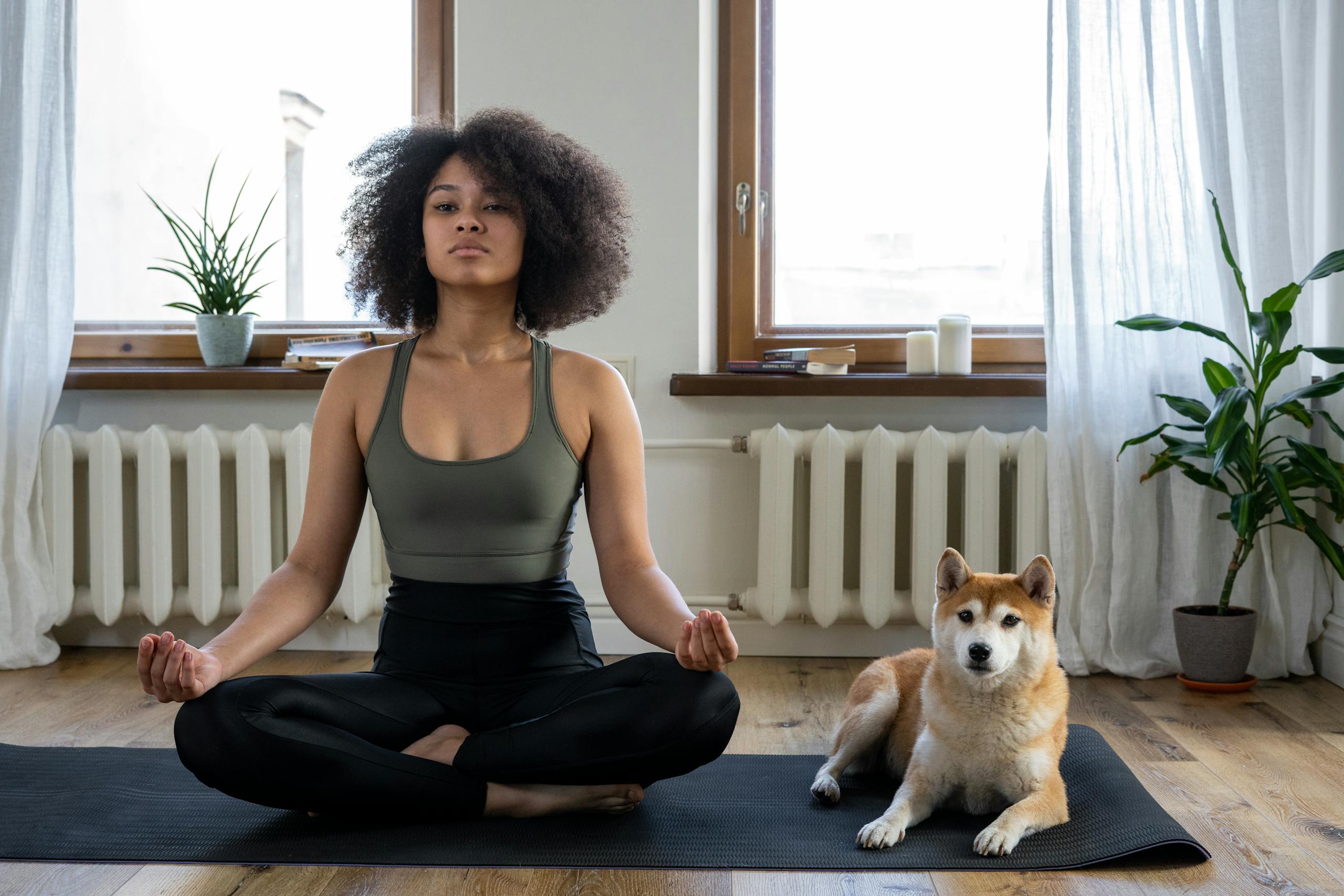
6. Do you put genuine thought and care into making your home comfortable and personal?
Homebodies tend to invest in their spaces, not necessarily in an expensive way, but in a deliberate way. Lighting that feels right. A reading corner that’s actually comfortable. Textures and objects that feel meaningful. If you’ve spent real time thinking about how your home feels to be in, that’s telling.
If you’ve ever explored ideas around HSP minimalism and simplifying your space, you probably already understand this impulse: the environment you come home to matters more than most people realize.
7. Does your home feel like a sanctuary rather than just a place to sleep?
There’s a difference between treating home as a base of operations and treating it as a place of genuine restoration. Homebodies tend to experience the latter. Home isn’t just where their stuff is. It’s where they become themselves again.
8. Do you feel noticeably more relaxed and like yourself when you’re at home compared to being out?
Pay attention to your body when you answer this one. There’s often a physical component to homecoming for people who are wired this way. Shoulders dropping. Breathing slowing. A kind of internal settling that doesn’t happen anywhere else quite the same way.
9. Do you have specific rituals or routines at home that you genuinely look forward to?
Morning coffee in a particular chair. An evening walk around the neighborhood that ends at your front door. A specific playlist for Sunday afternoons. Homebodies often build small ceremonies around their home life, and those rituals carry real emotional weight.
10. Have you ever turned down travel or overnight trips primarily because you didn’t want to leave home?
Not because you couldn’t afford it. Not because of logistics. But because the idea of sleeping in your own bed, in your own space, felt more appealing than wherever the trip was going. Score honestly.
Section Three: Your Social Preferences
11. Do you prefer socializing in small groups or one-on-one rather than large gatherings?
This one connects to something I observed repeatedly in my agency years. The team members who did their best thinking and relationship-building in small settings, not the big all-hands meetings, tended to be the same people who described home as their favorite place to be. There’s a consistency there worth noticing.
12. Do you find online or text-based connection genuinely satisfying rather than a poor substitute for in-person interaction?
Some people maintain meaningful connections without needing to be physically present. If you’ve ever found real community in chat rooms or online spaces built for introverts, that comfort with digital connection often signals a broader comfort with home-based living.
13. Do you feel more energized after a quiet evening in than after a night out?
Energy recovery is one of the clearest markers here. Pay attention to how you feel the morning after each type of evening. That data is honest in a way that self-reporting sometimes isn’t.
14. When you imagine an ideal weekend, does it involve mostly home-based activities?
Close your eyes for a second before answering. Don’t think about what you “should” want. What actually sounds good? A crowded festival or a long afternoon on your couch with something good to read? There’s no judgment in either answer.
15. Do you find it easier to be your authentic self at home than in most public settings?
This is a vulnerability question, and it’s worth sitting with. Many people perform a version of themselves in public that takes real effort to maintain. Home is where that performance ends. If the gap between your public self and your home self feels significant, that’s worth paying attention to.
Section Four: Your Hobbies and How You Spend Time
16. Do most of your hobbies and interests naturally happen at home?
Reading, cooking, writing, gaming, crafting, watching films, gardening in your backyard, practicing an instrument. If your list of things you love doing skews heavily toward home-based activities, that’s a meaningful signal. The right homebody book can tell you a lot about someone’s inner world, and if your bookshelf is full, that’s data too.
17. Do you find yourself more productive and creative at home than in external environments like cafes or offices?
Some people need external stimulation to think clearly. Others need the quiet control of their own environment. Neither is superior. But knowing which one you are tells you something real about where your best self shows up.
18. Have you ever bought something specifically to make staying in more enjoyable?
A better coffee setup. A reading lamp that actually works. A weighted blanket. Comfortable slippers you’d never admit to loving as much as you do. Investing in home comfort is a very homebody thing to do. If you’ve ever browsed through gifts designed specifically for homebodies, you probably already know where you land on this spectrum.
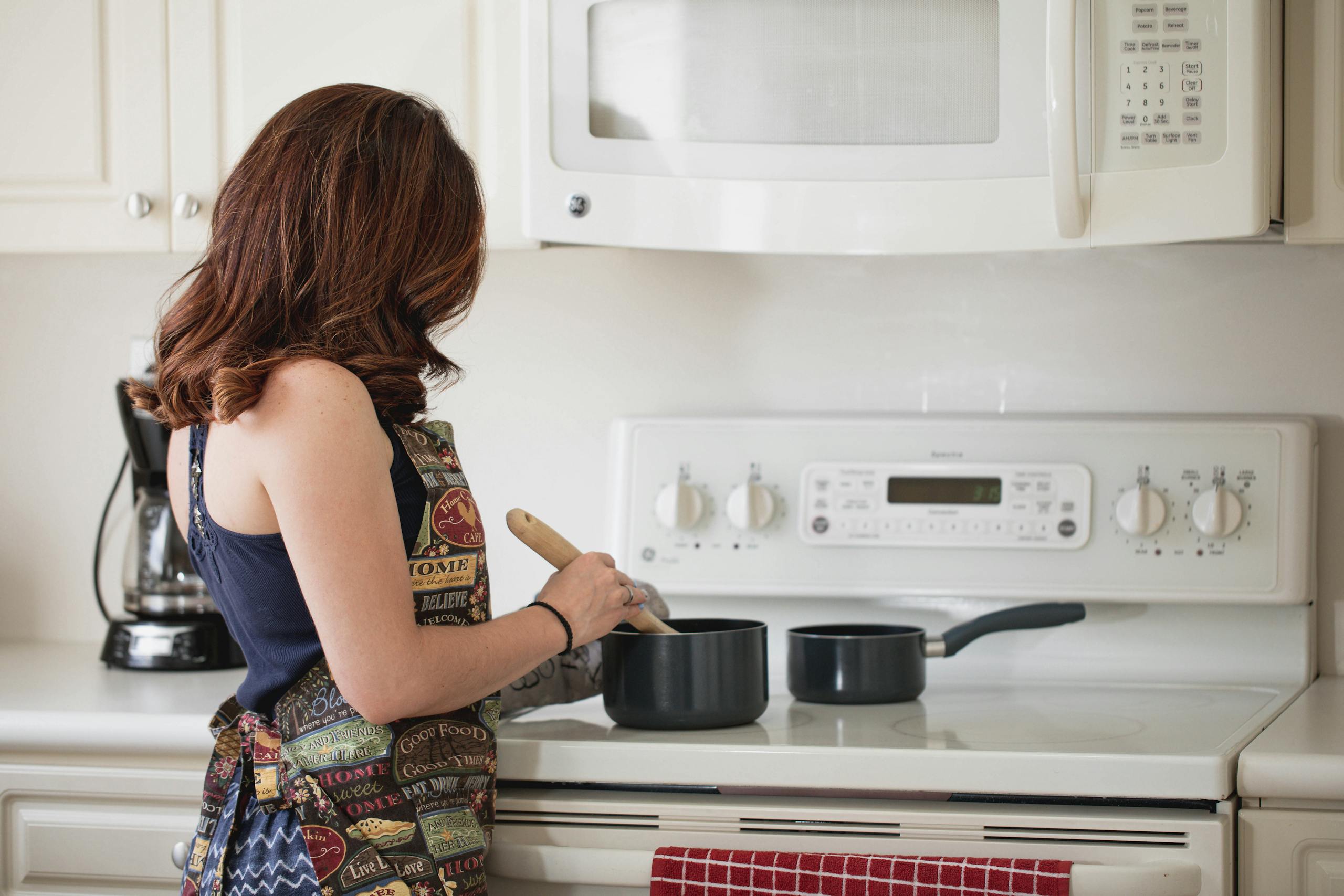
19. Do you find deep satisfaction in domestic activities like cooking, organizing, or decorating your space?
This isn’t about gender roles or domestic expectations. It’s about whether the act of tending to your home feels meaningful rather than tedious. Many homebodies describe a genuine pleasure in the ritual of home maintenance that others find puzzling.
20. Does your home feel like one of the most important places in your life?
Not just logistically. Emotionally. Does it hold weight in how you think about your life, your comfort, your sense of stability? For homebodies, the answer is almost always yes, and it’s usually yes without any ambivalence.
How to Score Your Quiz Results
Add up your scores from all 20 questions. consider this the ranges suggest:
20 to 39: Occasional Homebody. You appreciate your home and value quiet time, but you’re equally comfortable in the world beyond your front door. You likely recharge through a mix of social activity and solitude. Home is important to you, but it doesn’t define your energy the way it does for more committed homebodies.
40 to 59: Leaning Homebody. Home holds real significance for you. You probably have strong preferences around your environment and notice how much your energy shifts depending on where you are. Social situations are manageable but rarely where you feel most yourself. You’re on the homebody spectrum, and embracing that more fully might actually free up a lot of energy you’re currently spending on guilt about it.
60 to 80: Committed Homebody. Home is central to who you are. Your best ideas, your deepest relationships, your most authentic self: all of it lives in the space you’ve built for yourself. You don’t need external validation to feel good about this. The world will keep offering you reasons to go out. You’ve figured out that staying in is often the better answer for you, and that’s not a limitation. It’s clarity.
Why Knowing You’re a Homebody Actually Matters
There’s a version of this conversation that stays superficial: “Oh, you’re a homebody, how cute.” But the real implications run deeper than that, and I want to spend a moment on them.
When I was running my agency, I spent years believing that my preference for home, for quiet evenings, for small gatherings over industry events, was a professional liability. I pushed myself to attend every networking dinner, every conference reception, every after-work drinks invitation. I told myself that the discomfort was the price of ambition.
What I didn’t understand then was that my best strategic thinking happened at home. My clearest client insights came from evenings spent reading and reflecting, not from loud networking events where I was performing extroversion. My most productive mornings started from a place of genuine restoration, not from recovering from a late night out that I never actually wanted to attend.
Knowing you’re a homebody lets you design your life with that reality in mind rather than against it. It helps you say no to the things that drain you without the accompanying guilt. It helps you explain to partners, friends, and colleagues why you operate the way you do. And it helps you stop treating your natural preferences as character flaws that need correcting.
There’s solid psychological grounding for why some people genuinely need more environmental control and solitude than others. Work from researchers exploring personality traits and environmental preferences suggests that individual differences in how people respond to stimulation are real and meaningful, not just preferences to be overridden with enough willpower. Similarly, research on restoration and psychological wellbeing points to the genuine restorative value of environments that feel safe and personally meaningful.
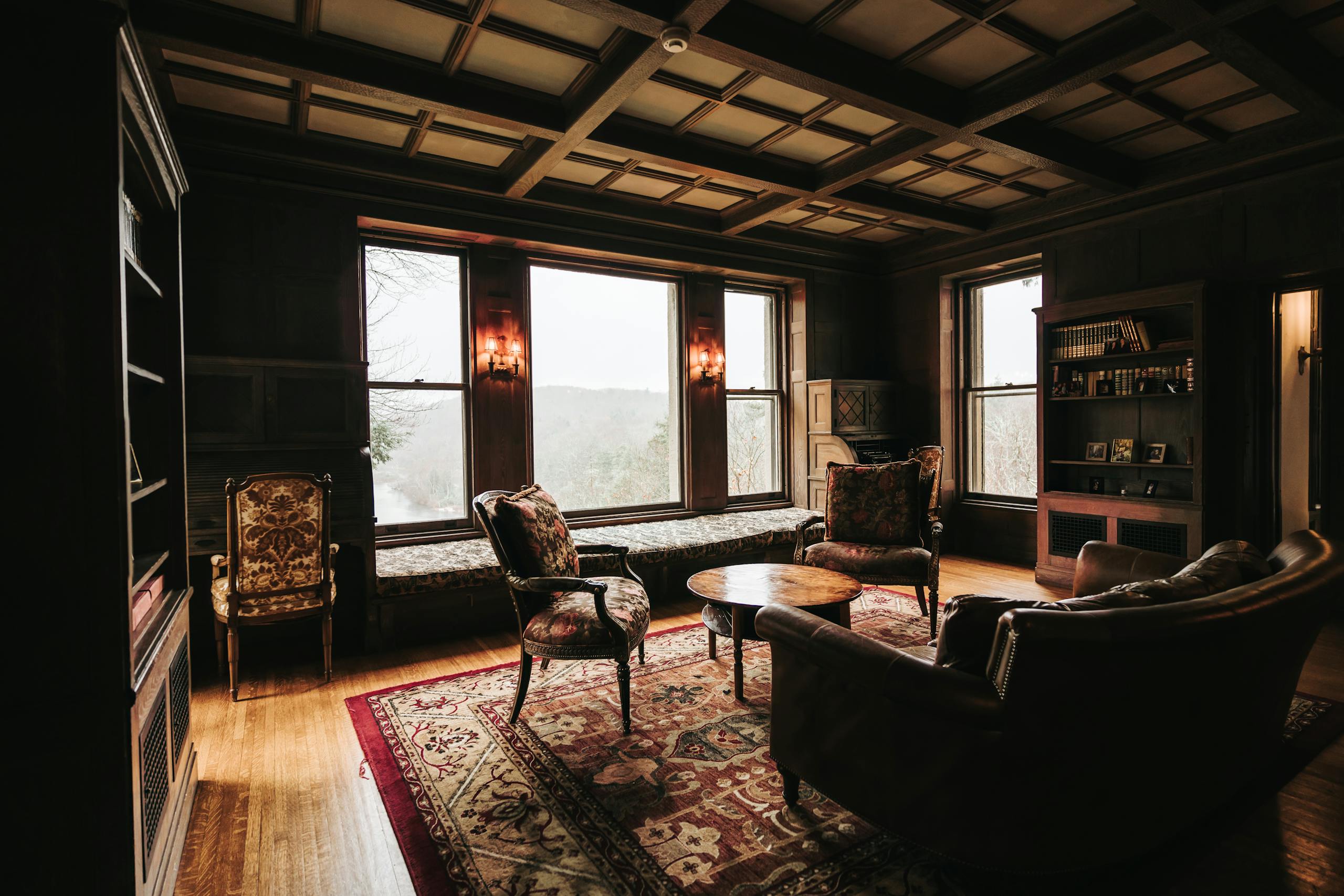
Your home, when it’s working for you, isn’t a retreat from life. It’s the foundation that makes the rest of your life possible.
The Guilt That Follows Homebodies Around
One thing I’ve noticed in talking with introverts and homebodies over the years is how much guilt tends to follow them around. Not just occasional guilt. Chronic, low-level guilt about not going out enough, not being social enough, not living life “fully” enough by whatever external standard they’ve absorbed.
That guilt is worth examining. Where did it come from? Usually from a culture that equates busyness with value and social activity with health. We’re told that the good life involves full calendars, packed weekends, and a social circle you’re constantly maintaining in person. Staying home too much, by this logic, suggests something is wrong with you.
But consider what the alternative actually looks like. Meaningful connection doesn’t require volume. Depth matters more than frequency for many people, and homebodies tend to be very good at depth. They invest in the relationships that matter. They create environments where real conversation can happen. They show up fully for the people they choose to let into their space, precisely because they’re not spreading themselves thin across dozens of surface-level social obligations.
The guilt often dissolves when you stop measuring your social life by someone else’s metrics and start measuring it by your own. Are your relationships meaningful? Do you feel connected to the people who matter to you? Do you have enough solitude to think clearly and feel like yourself? Those are the real questions.
One of the most practical things I ever did was stop apologizing for my home preferences and start investing in them instead. A genuinely comfortable space to spend time in changes the quality of your inner life. Whether that means finding the ideal couch that actually supports long evenings at home, or building a reading nook that you genuinely look forward to settling into, those investments pay dividends in a way that another networking event never will.
What Homebodies Often Get Right That Others Miss
Being a homebody comes with some genuine advantages that don’t get talked about enough. Let me name a few directly.
Homebodies tend to be more intentional about how they spend time. When you’re not filling every evening with external activity, you make choices about what actually matters to you. That intentionality shows up in the quality of hobbies, relationships, and thinking that homebodies tend to develop over time.
Homebodies often build richer inner lives. There’s a reason so many writers, artists, philosophers, and deep thinkers describe themselves as homebodies. Solitude and a stable environment are conditions that support sustained creative and intellectual work. The world gets a lot of good ideas from people who stayed home and thought carefully.
Homebodies are frequently better at rest. In a culture that glorifies exhaustion, knowing how to genuinely restore yourself is a skill. Homebodies have usually figured out what actual rest looks like for them, and they’re not ashamed to pursue it. Psychological research on wellbeing consistently points to the importance of genuine restoration for cognitive function, emotional regulation, and long-term health. Homebodies often have a head start here.
Homebodies tend to know themselves well. Spending time in your own company, in your own space, with your own thoughts, builds a kind of self-knowledge that constant external stimulation can actually prevent. That self-knowledge pays off in decision-making, in relationships, and in the ability to set boundaries without agonizing over them.
If you’re shopping for someone in your life who clearly fits this description, or treating yourself, a thoughtfully curated homebody gift guide can point you toward things that actually honor how they live rather than trying to pull them out of it.
When Homebody Tendencies Deserve a Closer Look
I want to be honest here, because this article would be incomplete without it. There’s a difference between being a homebody and using home as a way to avoid things that genuinely need your attention.
Staying home because it’s where you feel most yourself is healthy. Staying home because anxiety makes it feel impossible to leave, because depression has narrowed your world, or because avoidance has become your primary coping mechanism, those are different situations that deserve different responses.
A genuine homebody still shows up for the things that matter. They go to the doctor. They attend important events for people they love. They push through discomfort when something is genuinely worth the effort. The preference for home doesn’t eliminate agency. It informs choices.
If you notice that your home preference is accompanied by significant distress when you do have to go out, or by a shrinking sense of what feels safe or possible, that’s worth talking to someone about. Understanding your own patterns is the starting point, but sometimes those patterns benefit from outside perspective.
Being a homebody is a personality orientation, not a diagnosis. And like any personality orientation, it exists on a spectrum that ranges from healthy expression to something that might be worth examining more carefully.

Embracing What the Quiz Revealed About You
Whatever your score showed, the most valuable thing you can do with this information is use it honestly. Not to justify isolation, and not to dismiss a genuine preference as something that needs fixing.
If you scored high on the homebody spectrum, consider what it would look like to fully embrace that rather than apologize for it. Invest in your space. Build routines that honor how you actually recharge. Be selective about social commitments in a way that reflects your real capacity rather than an imagined obligation to perform extroversion.
If you scored in the middle range, you might be someone who benefits from more intentional thinking about when you go out and when you stay in. Not every invitation deserves a yes. Not every quiet evening is wasted time. Finding your own rhythm, rather than defaulting to either extreme, is the real work.
And if you scored low, that’s equally valid. Some people genuinely thrive on external stimulation and social variety. Knowing that about yourself is just as useful as knowing the opposite.
What I’ve learned, after two decades of running agencies and then another chapter of genuine self-reflection, is that the people who are most at peace with how they live are usually the ones who stopped trying to be a different kind of person. They looked honestly at what they needed, what gave them energy, what made them feel like themselves, and they built their lives around those truths rather than around someone else’s expectations.
That’s not settling. That’s wisdom.
There’s much more to explore about how introverts and homebodies create spaces that genuinely support them. Our complete Introvert Home Environment hub covers everything from designing your space to understanding why your home matters as much as it does.
About the Author
Keith Lacy is an introvert who’s learned to embrace his true self later in life. After 20 years in advertising and marketing leadership, including running agencies and managing Fortune 500 accounts, Keith now channels his experience into helping fellow introverts understand their strengths and build fulfilling careers. As an INTJ, he brings analytical depth and authentic perspective to every article, drawing from both professional expertise and personal growth.
Frequently Asked Questions
Can someone be a homebody and still have an active social life?
Yes, absolutely. Being a homebody describes where you prefer to spend your time and where you feel most restored, not whether you have relationships or social connections. Many homebodies maintain rich friendships and meaningful social lives. They simply tend to prefer smaller gatherings, home-based socializing, and quality over quantity in their social interactions. The distinction is about preference and energy, not about cutting people out.
Is being a homebody the same as being an introvert?
They overlap significantly but aren’t identical. Introversion describes how you process social energy, specifically that social interaction tends to drain you and solitude tends to restore you. Being a homebody describes a preference for home environments over external ones. Many introverts are homebodies, and many homebodies are introverts, but some extroverts genuinely love staying in, and some introverts push themselves to maintain busy social schedules outside the home. The two traits are related but distinct.
How do I know if my homebody tendencies are healthy or something I should address?
A healthy homebody preference still allows you to show up for things that genuinely matter, appointments, important events for people you care about, necessary obligations. You can leave home when you choose to, even if you’d often rather not. If your preference for staying in is accompanied by significant anxiety about going out, a shrinking sense of what feels safe, or an inability to leave even when you want to, those patterns are worth discussing with a mental health professional. Preference is healthy. Avoidance that limits your life deserves attention.
What are the most common signs that someone is a true homebody?
The clearest signs include feeling genuine relief when plans are canceled, investing real thought and care into making your home comfortable, feeling more like yourself at home than in most public settings, preferring home-based hobbies and activities, and finding that your energy and mood reliably improve after quiet evenings in. Another strong indicator is that your home feels like a sanctuary rather than just a place to sleep. Most committed homebodies describe their home as one of the most emotionally significant places in their lives.
Can homebody tendencies change over time?
They can shift somewhat, particularly in response to major life changes like having children, moving to a new city, or going through significant personal growth. That said, core temperament tends to be fairly stable across a lifetime. Someone who has always found home deeply restorative is unlikely to transform into someone who thrives on constant external stimulation. What tends to change is how much guilt or conflict someone feels about their homebody nature. Many people find that as they get older and more self-aware, they simply accept and embrace their preferences rather than fighting them.