

Self-awareness, self-compassion, and self-care are not three separate practices you check off a list. For introverts especially, they form a single continuous thread: you cannot truly care for yourself without understanding yourself, and you cannot sustain that understanding without extending yourself some grace along the way. Amelia, a character who resonates deeply with many quietly observant people, embodies this connection in a way that feels almost uncomfortably accurate.
What makes that resonance so striking is not the drama. It is the quietness of it. The noticing. The turning inward. The slow, honest reckoning with who you actually are rather than who you have been performing yourself to be.

If you have been sitting with questions about your own inner life, our Solitude, Self-Care and Recharging hub is a good place to start. It pulls together everything we have written about what it means to rest, restore, and genuinely know yourself as an introvert. The article you are reading right now is part of that larger conversation.
What Does It Actually Mean to Be Self-Aware as an Introvert?
Self-awareness gets thrown around a lot. In corporate settings, I heard it constantly. Leaders would talk about emotional intelligence and self-awareness in the same breath as quarterly targets, as if you could schedule a Tuesday afternoon to become more introspective. After two decades running advertising agencies, I can tell you that genuine self-awareness is rarer than most people admit, and it looks nothing like the version described in leadership seminars.
What’s your personality type?
Take our free 40-question assessment and get a detailed personality profile with dimension breakdowns, context analysis, and personalised insights.
Discover Your Type8-12 minutes · 40 questions · Free
For introverts, self-awareness is less a skill to develop and more a natural orientation to strengthen. My mind has always processed experience from the inside out. Before I say something in a meeting, I have usually run it through several internal filters. Before I commit to a decision, I have sat with it quietly, sometimes for days. That inward processing is not hesitation or weakness. It is how I actually think.
The challenge is that this depth of internal observation can become a trap if it is not paired with compassion. I spent years in my agency days being extraordinarily self-aware in a critical sense. I noticed every misstep, every moment I did not perform extroversion convincingly enough, every meeting where I went quiet when the room expected energy. I was watching myself closely, but I was watching myself like a harsh supervisor rather than a curious, caring observer.
That distinction matters enormously. Self-awareness without self-compassion is just sophisticated self-criticism. And self-criticism dressed up as insight does not lead anywhere useful.
Genuine self-awareness, the kind that actually helps you build a life that fits who you are, involves noticing your patterns without immediately judging them. It means observing that you need quiet after a long client presentation without telling yourself you should be different. It means recognizing that you do your best thinking alone without framing that as a social deficiency.
Why Does Self-Compassion Feel So Difficult for Deeply Self-Aware People?
There is a particular irony that people who are most attuned to their inner world often struggle most with treating themselves kindly. I have seen this play out in my own life more times than I can count, and I have watched it happen with people I managed over the years.
One of my creative directors, an extraordinarily perceptive woman, could read a room better than anyone I had ever hired. She noticed subtext in client conversations that most people missed entirely. She was deeply self-aware in the truest sense. Yet she was also relentlessly hard on herself. Every piece of work she produced was filtered through a lens of “not quite good enough.” Her self-awareness amplified her self-criticism rather than softening it.
What I eventually came to understand, partly through watching her and partly through my own slow reckoning with the same pattern, is that highly self-aware people often conflate noticing with judging. The act of observation becomes entangled with evaluation. You see yourself clearly, and then you immediately assess what you see against some standard, usually a standard built from external expectations rather than your own genuine values.

There is also something specific about the introvert experience that makes self-compassion harder to access. Many of us grew up receiving subtle (and sometimes not so subtle) messages that the way we naturally are requires correction. Too quiet. Too serious. Too in your head. Too sensitive. Those messages do not disappear when you become an adult. They go underground and resurface as the internal voice that tells you your need for solitude is antisocial, that your preference for depth over small talk is arrogance, that your exhaustion after social events is weakness.
Psychological research on self-compassion and emotional wellbeing suggests that treating yourself with the same warmth you would offer a struggling friend is genuinely protective, not indulgent. That reframe has stayed with me. I would never have told my creative director that her need to recharge was a character flaw. Yet I told myself exactly that for years.
What Happens When Self-Care Becomes Performative Instead of Genuine?
Self-care has had a complicated few years. It went from a quiet, personal concept to a marketing category, and somewhere in that translation something important got lost. Now self-care often looks like purchasing the right products, following the right routines, and posting evidence of your wellness practices online. That version of self-care is largely disconnected from actual self-knowledge.
Genuine self-care, the kind that actually restores you, has to be built on self-awareness. You cannot care for yourself effectively if you do not know what you actually need. And what introverts need is often quite different from the culturally prescribed version of wellness.
I remember a period in my mid-forties when I was doing everything that was supposed to help. I exercised regularly. I ate well. I scheduled social activities because I had read that connection was essential for mental health. I was performing self-care without practicing it. The social activities exhausted me. The exercise was fine but mechanical. Nothing was calibrated to how I actually function.
What changed things was not a new routine. It was honesty. I sat with the question of what actually made me feel restored, not what should make me feel restored, and the answers were quieter and less glamorous than anything you would find in a wellness magazine. Long mornings with coffee and a book. Walks without a destination or a podcast. Time to think through problems without being interrupted. Creative work done entirely alone before anyone else was awake.
That honest inventory is what real self-care looks like for someone wired the way I am. It requires the self-awareness to know what you need and the self-compassion to give it to yourself without guilt.
Many introverts who identify as highly sensitive find that HSP self-care practices offer a useful framework precisely because they are built around genuine sensitivity rather than generic wellness advice. The specificity matters. Vague self-care recommendations rarely land because they are not designed for how you actually experience the world.
How Does Solitude Connect Self-Awareness to Self-Compassion?
Solitude is where the three practices converge for me. It is where I do my most honest self-observation, where I process the emotional residue of demanding days, and where I make the quiet decisions about how I want to move forward. Without enough of it, all three practices suffer.
There was a stretch during a particularly demanding agency merger when I had almost no solitude for about six weeks. Back-to-back meetings, client dinners, team check-ins, stakeholder calls. I was surrounded by people and information constantly. What I noticed, slowly and then all at once, was that I had lost access to my own thinking. I was reactive rather than reflective. I was saying things in meetings that did not represent my actual views because I had not had time to figure out what my actual views were.
That experience crystallized something I had sensed but never articulated: solitude is not a preference or a luxury for introverts. It is a cognitive and emotional necessity. Without it, self-awareness dims. And when self-awareness dims, self-compassion becomes nearly impossible because you are too busy just getting through the day to observe yourself with any care or clarity.
The costs of chronically skipping that necessary alone time are real and cumulative. If you want to understand what that depletion actually looks like over time, the piece on what happens when introverts don’t get alone time maps it out honestly. It is not pretty, but it is accurate.

The essential need for alone time is well-documented in the HSP literature, and it maps closely onto what many introverts experience regardless of whether they identify as highly sensitive. Alone time is not withdrawal. It is the condition under which genuine self-reflection becomes possible.
Solitude also creates the conditions for something that self-compassion researchers point to as central: the ability to sit with difficult emotions without immediately trying to fix or suppress them. When you are constantly surrounded by external input, you never develop that capacity. You just keep moving, which feels productive but is often a sophisticated form of avoidance.
Can Nature Deepen the Practice of Self-Awareness?
Some of my clearest moments of self-awareness have happened outdoors. Not during structured outdoor activities, just walking. Moving through a space that does not require anything of me socially or professionally. There is something about natural environments that quiets the internal noise in a way that indoor solitude sometimes does not.
I grew up in a small town and spent a lot of time alone outside as a kid, which I now recognize was probably my earliest form of self-care. I did not have language for it then. I just knew that walking through the woods behind our house made me feel less tangled up inside. The same principle still holds. When a problem feels too large to think about directly, moving through a natural environment somehow makes it more manageable.
There is something about the pace of nature that matches the pace of genuine reflection. Neither is in a hurry. Both reward attention. The healing connection between sensitive people and the outdoors speaks to something that many introverts recognize intuitively even if they have never read a word about it formally.
The connection between solitude and creativity explored by researchers at Berkeley touches on something adjacent: when you remove social performance from your environment, something opens up. Your thinking becomes more genuinely your own. That quality of thought is also what makes self-awareness possible. You cannot really observe yourself clearly while you are performing.
Why Is Rest a Form of Self-Knowledge?
Introverts often have a complicated relationship with rest. Many of us were raised in cultures that equate busyness with value, and that equation is hard to shake even when you intellectually reject it. I spent most of my thirties treating rest as something you earned after sufficient productivity, which meant I rarely felt I had earned it.
What shifted my thinking was noticing what happened to my judgment when I was consistently under-rested. My self-awareness deteriorated. I became reactive in client meetings in ways that did not reflect my actual values. I made decisions from impatience rather than clarity. I was less empathetic with my team. The person showing up to work was a diminished, less honest version of me.
Rest, it turns out, is not separate from self-awareness. It is one of the conditions that makes genuine self-awareness possible. When you are exhausted, you do not have the cognitive or emotional resources to observe yourself with any nuance. You just react. And reaction is almost never as honest or as considered as reflection.
Sleep is a particularly underrated piece of this. The rest and recovery strategies that work for sensitive, deeply processing people are worth understanding specifically, because generic sleep advice often misses the particular challenges that come with an active, inward-turning mind. My own sleep improved dramatically when I stopped treating it as a biological function to optimize and started treating it as a genuine act of care for my thinking self.
The health benefits of embracing solitude, as outlined by researchers writing for Psychology Today, extend well beyond mood. The quality of your rest, your capacity for genuine reflection, and your ability to make decisions that align with your actual values all depend on having enough quiet time to let your mind do what it naturally does.

What Does Self-Compassion Look Like in Practice for Introverts?
Self-compassion is not a feeling. It is a practice, and for introverts, it often requires actively countering a lifetime of messages that said your natural wiring was a problem to solve.
In practical terms, it looks like this: you notice that you are exhausted after a day of back-to-back meetings, and instead of telling yourself you should be more resilient, you recognize that exhaustion as accurate information about what your system needs. You honor that information. You protect the evening. You do not apologize for it.
It looks like recognizing that your preference for written communication over impromptu phone calls is not rudeness. It is a legitimate way of thinking that produces better outcomes for you and the people you work with. I spent years apologizing for preferring email. Now I frame it as a working style that produces more considered responses, which is simply true.
Self-compassion also looks like giving yourself permission to need what you need without a lengthy justification. My colleague Mac wrote something that stuck with me about the specific quality of alone time that actually restores you, the kind that is not productive or purposeful but simply yours. That piece on Mac’s experience with alone time captures something I recognize completely: the difference between solitude that recharges and solitude that merely passes time is largely a matter of whether you have given yourself genuine permission to be there.
Permission is a self-compassion act. You are telling yourself that your needs are legitimate, that your wiring is not a deficiency, and that caring for yourself is not selfishness. That internal permission structure is something many introverts have to actively build because it was not handed to them growing up.
The relationship between self-awareness and psychological wellbeing explored in Frontiers in Psychology points to something important: people who understand their own emotional patterns tend to make choices that align more closely with their genuine values. That alignment is what makes life feel coherent rather than exhausting. And for introverts, that alignment almost always involves honoring the need for quiet, depth, and genuine rest.
How Do You Build a Self-Care Practice That Actually Reflects Who You Are?
Building a self-care practice that fits you requires the same honest inventory I described earlier, but it also requires ongoing attention. What restores you in your thirties may not be exactly what restores you in your fifties. What worked when you were single may need adjustment when you are managing a household and a career simultaneously. The practice has to stay connected to current self-knowledge, not just the version of yourself you understood five years ago.
Start with observation rather than prescription. Spend a week noticing, without judgment, what actually leaves you feeling more like yourself and what leaves you feeling depleted. Do not filter the results through what you think you should need. Just notice.
You will probably find that the things that restore you are quieter and more specific than generic wellness advice suggests. A particular kind of morning. A specific creative outlet. A walk in a place that feels genuinely restorative rather than just convenient. Time with one or two people you trust deeply rather than social events designed for networking.
The research on psychological needs and wellbeing consistently points toward the importance of autonomy in self-care practices. Externally imposed routines, even good ones, tend to be less sustainable than practices you have chosen because they genuinely reflect your understanding of yourself. That is why cookie-cutter self-care plans rarely stick for introverts. They were not built from the inside out.
The other element that matters is consistency over intensity. A brief daily practice of genuine solitude is more restorative than an occasional weekend retreat surrounded by people doing wellness activities together. The retreat can be valuable, but it does not replace the daily practice of honoring your need for quiet. Think of it the way you would think about physical health: the daily habits matter more than the occasional grand gesture.
Social connection matters too, and it is worth being honest about that. The CDC’s research on social connectedness makes clear that isolation and loneliness carry real health risks. Introverts are not exempt from needing connection. What differs is the form and frequency that feels genuinely nourishing rather than depleting. Depth over volume. Chosen connection over obligatory socializing. Quality of presence over quantity of contact.
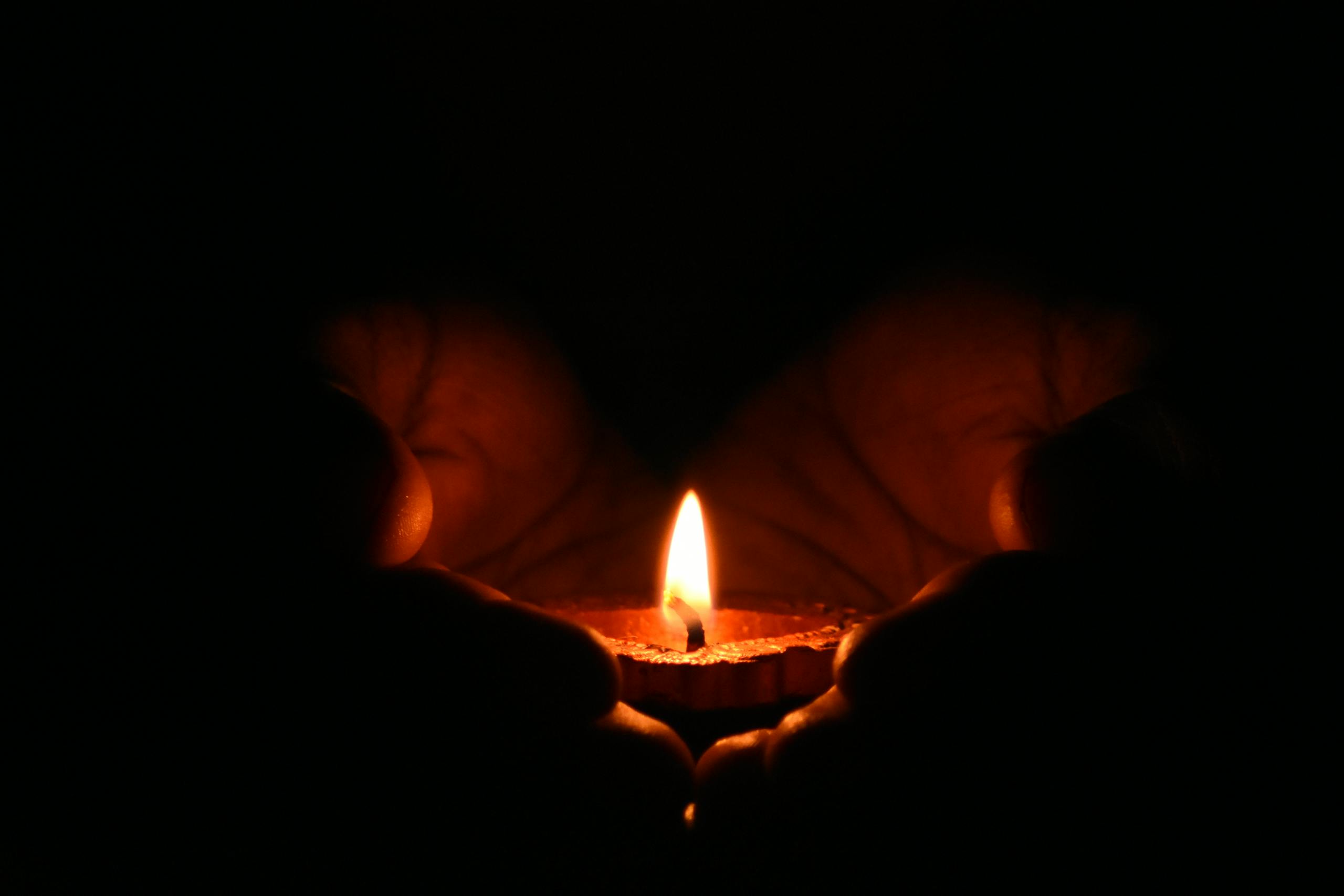
What Amelia’s story in the end reflects is not a formula. It is a posture. A willingness to look inward honestly, to treat what you find there with care, and to build a life that actually fits the person doing the living. That posture is available to anyone willing to practice it, but it takes time, and it takes the kind of quiet that most of us have to actively protect.
There is more to explore on all of this. The full collection of articles on rest, solitude, and genuine self-care lives in our Solitude, Self-Care and Recharging hub, and it is worth spending time there if these questions feel alive for you right now.
About the Author
Keith Lacy is an introvert who’s learned to embrace his true self later in life. After 20 years in advertising and marketing leadership, including running agencies and managing Fortune 500 accounts, Keith now channels his experience into helping fellow introverts understand their strengths and build fulfilling careers. As an INTJ, he brings analytical depth and authentic perspective to every article, drawing from both professional expertise and personal growth.
Frequently Asked Questions
What is the connection between self-awareness and self-compassion for introverts?
Self-awareness and self-compassion are deeply linked for introverts because the same inward orientation that makes self-observation natural can also amplify self-criticism. Introverts tend to process experience deeply, which means they notice their own patterns, reactions, and needs with unusual clarity. Without self-compassion, that clarity becomes a tool for harsh self-judgment rather than genuine understanding. When the two practices work together, self-awareness helps you recognize what you need and self-compassion gives you permission to actually meet those needs without guilt or apology.
How can introverts build a self-care practice that genuinely fits them?
Building a self-care practice that fits an introvert’s actual wiring starts with honest observation rather than following prescribed routines. Spend time noticing what genuinely restores you, not what you think should restore you. Most introverts find that their most restorative practices are quieter and more specific than generic wellness advice suggests: particular kinds of solitude, creative work done alone, time in nature, or deep conversation with one trusted person rather than group socializing. Consistency matters more than intensity. A brief daily practice of genuine restoration is more sustaining than occasional grand wellness gestures.
Why does solitude matter for self-awareness?
Solitude creates the conditions under which genuine self-reflection becomes possible. When introverts are constantly surrounded by external input, they lose access to their own thinking and become reactive rather than reflective. Solitude is not withdrawal or antisocial behavior. It is the environment in which an inward-processing mind can actually do its work. Without enough of it, self-awareness dims, decision-making suffers, and the ability to act in alignment with your own values becomes much harder. For introverts, protecting regular solitude is not a preference. It is a functional necessity.
Is self-compassion the same as self-indulgence?
Self-compassion is not self-indulgence. Self-indulgence avoids difficulty and prioritizes immediate comfort over long-term wellbeing. Self-compassion involves treating yourself with the same warmth and understanding you would offer a close friend who was struggling, which often means acknowledging difficulty honestly rather than avoiding it. For introverts who have internalized messages that their natural wiring is a problem, self-compassion is actually a corrective practice. It means recognizing that needing quiet, preferring depth, and processing experience slowly are legitimate ways of being rather than deficiencies requiring constant apology or correction.
Can introverts be too self-aware?
Introverts can develop a form of self-observation that becomes counterproductive when it is constant, critical, and disconnected from compassion. This is sometimes called over-analysis or rumination, and it differs from healthy self-awareness in one key way: it loops rather than resolves. Healthy self-awareness observes a pattern, draws a useful insight, and informs a decision. Rumination observes a pattern and returns to it repeatedly without moving toward understanding or resolution. The antidote is not less self-awareness but more self-compassion, which allows you to observe yourself honestly and then let the observation settle rather than turning it into an ongoing internal interrogation.