
Americans are spending more time alone than at any point in recent memory, and the conversation around that shift is finally starting to catch up to what many introverts have quietly known for years. Solitude is not a symptom of something broken. For millions of people, it is a deliberate, nourishing choice that supports clearer thinking, emotional balance, and a more honest relationship with themselves.
What makes this cultural moment interesting is not the data itself. It is what the data reveals about a long-standing tension between how our society talks about connection and how people actually experience it. The extrovert ideal has shaped workplaces, schools, and social expectations for generations. But something is shifting. People are carving out more space for themselves, and many are finding that space genuinely restorative rather than isolating.
If you have spent your life feeling slightly out of step with a world that treats constant socializing as the default setting for a healthy, successful person, this moment feels significant. Not as a vindication exactly, but as a kind of quiet exhale.
Our Solitude, Self-Care and Recharging hub explores the full range of what it means to build a life that honors your need for quiet, and the broader cultural shift toward intentional alone time adds another layer worth examining closely.
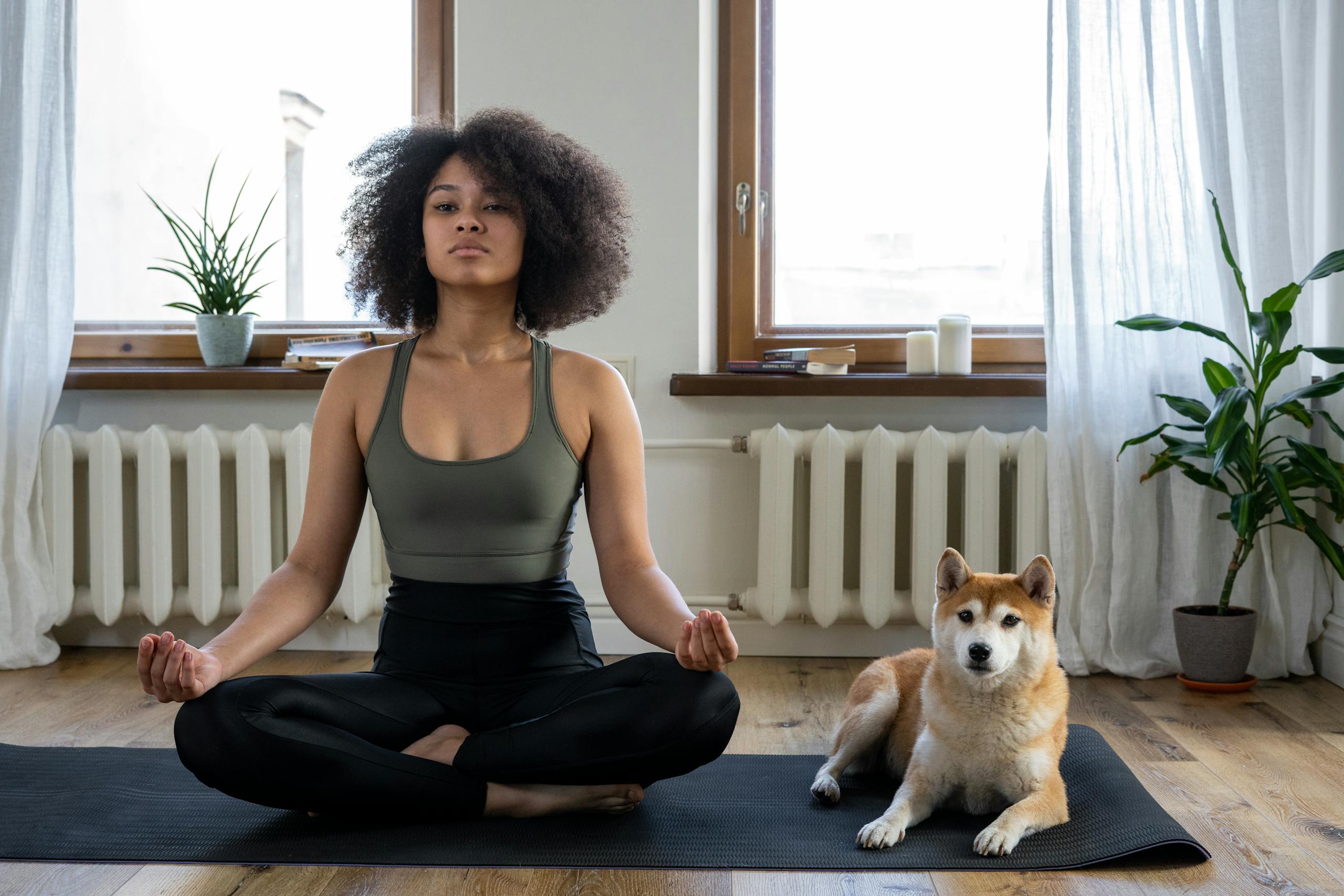
What Does It Actually Mean That Americans Are Spending More Time Alone?
Time-use data consistently shows that Americans are spending more hours in solitary activities than previous generations did. Some of that reflects structural changes, remote work, smaller households, delayed marriage, and the geographic dispersal of families. Some of it reflects genuine preference. And some of it, particularly among younger adults, reflects a kind of exhaustion with performative socializing that social media amplified and then, paradoxically, helped people articulate and push back against.
What’s your personality type?
Take our free 40-question assessment and get a detailed personality profile with dimension breakdowns, context analysis, and personalised insights.
Discover Your Type8-12 minutes · 40 questions · Free
What strikes me about this conversation is how quickly it gets tangled up with loneliness. The assumption in most mainstream coverage is that more time alone equals more loneliness. But that conflation misses something important. Harvard Health has written thoughtfully about the distinction between loneliness and isolation, noting that loneliness is a subjective emotional experience rather than an objective measure of how much time you spend with other people. You can feel profoundly lonely in a crowded room. You can feel deeply content and connected in complete solitude.
I lived that distinction for years without having the language for it. Running an advertising agency meant I was surrounded by people constantly. Account teams, creative departments, client calls that stretched into evenings, industry events where the whole point was visibility and connection. From the outside, my social calendar looked full. From the inside, I was running on empty in a way I could not explain to anyone around me, because the explanation would have sounded ungrateful. All that connection, and I was exhausted by it.
What I needed was not more people. What I needed was more time alone, and I did not give myself permission to want that for a long time.
Is the Shift Toward Solitude a Problem or a Correction?
Depending on who you ask, Americans spending more time alone is either a public health crisis or a long-overdue cultural correction. Both framings contain some truth, which is what makes this conversation worth having carefully.
The concern is real. The CDC has documented the health risks associated with social disconnection, and those risks are not trivial. Chronic loneliness is associated with elevated stress responses, disrupted sleep, and a range of negative physical health outcomes. Nobody who cares about people should dismiss those findings.
Yet, the concern becomes a problem when it treats all solitude as equivalent to loneliness, and when it treats the desire for alone time as a warning sign rather than a legitimate human need. There is a meaningful difference between someone who is isolated against their will and someone who is choosing to spend a Saturday morning alone because that is genuinely what restores them.
For highly sensitive people especially, the pressure to match a social output that was never designed for their nervous systems can cause real harm. Understanding what happens to your body and mind when you consistently override that need is worth taking seriously. What happens when introverts don’t get alone time is not a minor inconvenience. It compounds, quietly, until it becomes something harder to recover from.
The correction piece matters too. A culture that pathologizes the need for solitude, that treats introversion as a social deficit and quiet preference as something to be fixed, has been causing its own kind of harm for a long time. If more Americans are claiming time alone and finding it genuinely nourishing, that is worth understanding rather than immediately medicating with forced social programming.
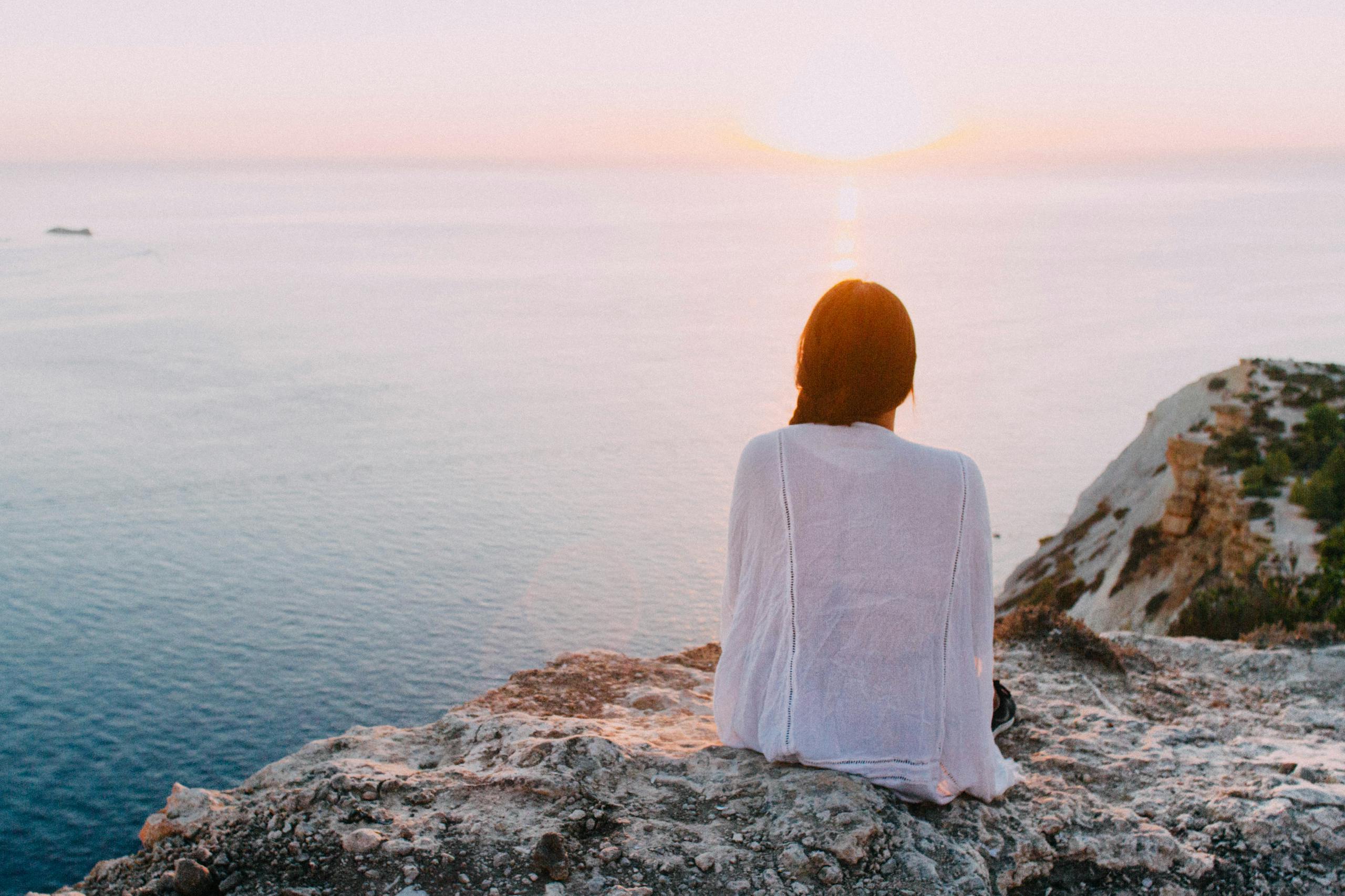
Why Solitude Feels Different When You Actually Choose It
There is a quality of solitude that only becomes available when it is genuinely chosen rather than endured. I noticed this most clearly in my early fifties, after I had stepped back from the daily intensity of agency life. For the first time in decades, I had mornings that were actually mine. No calls, no team check-ins, no client expectations arriving before I had finished my first cup of coffee.
What surprised me was how different that chosen quiet felt from the alone time I had occasionally grabbed during my agency years, those stolen hours that were always tinged with guilt about what I was not doing. Chosen solitude has a different texture entirely. It is spacious in a way that forced social recovery never quite is.
The psychological research on this is genuinely interesting. Berkeley’s Greater Good Science Center has explored how solitude can support creative thinking, suggesting that the mental space created by time alone allows for the kind of associative, non-linear processing that focused, socially-oriented attention tends to crowd out. That matches my experience exactly. Some of my clearest strategic thinking in the agency years happened not in brainstorms but on long drives home after everyone else had left the building.
Choosing solitude also means you bring a different internal posture to it. You are not waiting for it to end. You are not monitoring yourself for signs that you should be doing something more social and productive. You are simply present with your own thoughts, and that presence is where a lot of genuine self-knowledge gets built.
For those who are highly sensitive, this distinction matters even more. The practices that make solitude genuinely restorative rather than merely quiet are worth developing intentionally. HSP self-care practices often center on exactly this: building a daily rhythm that includes enough chosen quiet to keep your nervous system from running at a constant deficit.
How the Pandemic Reshaped America’s Relationship With Being Alone
Any honest conversation about Americans spending more time alone has to reckon with what the pandemic did to our collective relationship with solitude. For many people, especially those who had never spent extended time alone before, the forced isolation of 2020 and 2021 was genuinely traumatic. It produced real loneliness, real grief, and real social anxiety that persisted long after restrictions lifted.
Yet, for a significant number of people, including many introverts who had spent years apologizing for their preferences, the pandemic produced something unexpected alongside the difficulty: a clearer sense of what they actually needed. Stripped of the social obligations that had always felt slightly performative, some people discovered they genuinely thrived with more quiet in their lives. They slept better. They felt less anxious. Their creative work improved.
Sleep is not a minor footnote here. The connection between adequate rest and the ability to genuinely benefit from solitude is tighter than most people realize. When you are chronically sleep-deprived, time alone tends to feel hollow rather than restorative, because your nervous system is too depleted to do anything with the quiet. Sleep and recovery strategies for highly sensitive people address this directly, because for people whose systems process experience more intensely, the quality of rest is foundational to everything else.
What the pandemic also did, at scale, was force a renegotiation of what social connection actually means. When people could not fill their calendars with low-stakes social events, many found they missed some relationships deeply and did not miss others at all. That sorting process, uncomfortable as it was, produced a kind of clarity about what genuine connection looks like versus what had simply been habitual proximity.

What Science Tells Us About the Real Benefits of Time Alone
The science on solitude has been quietly building for years, even as the cultural conversation lagged behind. What emerges from careful reading of that literature is a picture that challenges the assumption that more social contact is always better for human wellbeing.
Voluntary solitude, meaning time alone that a person chooses rather than endures, is associated with meaningful benefits across several dimensions of wellbeing. Research published in Frontiers in Psychology has examined how solitude functions differently depending on whether it is experienced as chosen or imposed, finding that the psychological outcomes diverge substantially based on that distinction.
The benefits most consistently associated with chosen solitude include enhanced self-awareness, reduced cognitive load, improved emotional regulation, and greater creative output. For introverts specifically, these are not surprising findings. They match lived experience. What is useful about having the research behind them is that it makes the case in a language that organizations and institutions actually listen to.
I spent years in agency environments where the open-plan office was treated as an innovation in collaboration. The idea was that proximity would spark creativity, that overhearing each other’s conversations would generate serendipitous connections. What actually happened, at least for the introverts on my team, was that the constant ambient noise and social demand created a chronic state of low-grade overwhelm that made sustained deep thinking nearly impossible. The people who did their best work in those environments were the ones who came in early or stayed late, not because they were more dedicated but because they needed the quiet to actually think.
There is also a body of work on solitude and nature that deserves more attention than it typically gets. The restorative effects of time spent outdoors alone appear to compound the benefits of each separately. The healing dimension of nature connection for highly sensitive people is something I have experienced personally, and the evidence behind it is substantial enough to take seriously as a genuine wellbeing practice rather than a soft preference.
Are We Confusing Alone Time With Loneliness in the Public Conversation?
One of the most persistent problems in how this topic gets covered is the conflation of alone time with loneliness. They share some surface features. Both involve being physically separated from other people. But their psychological profiles are almost opposite.
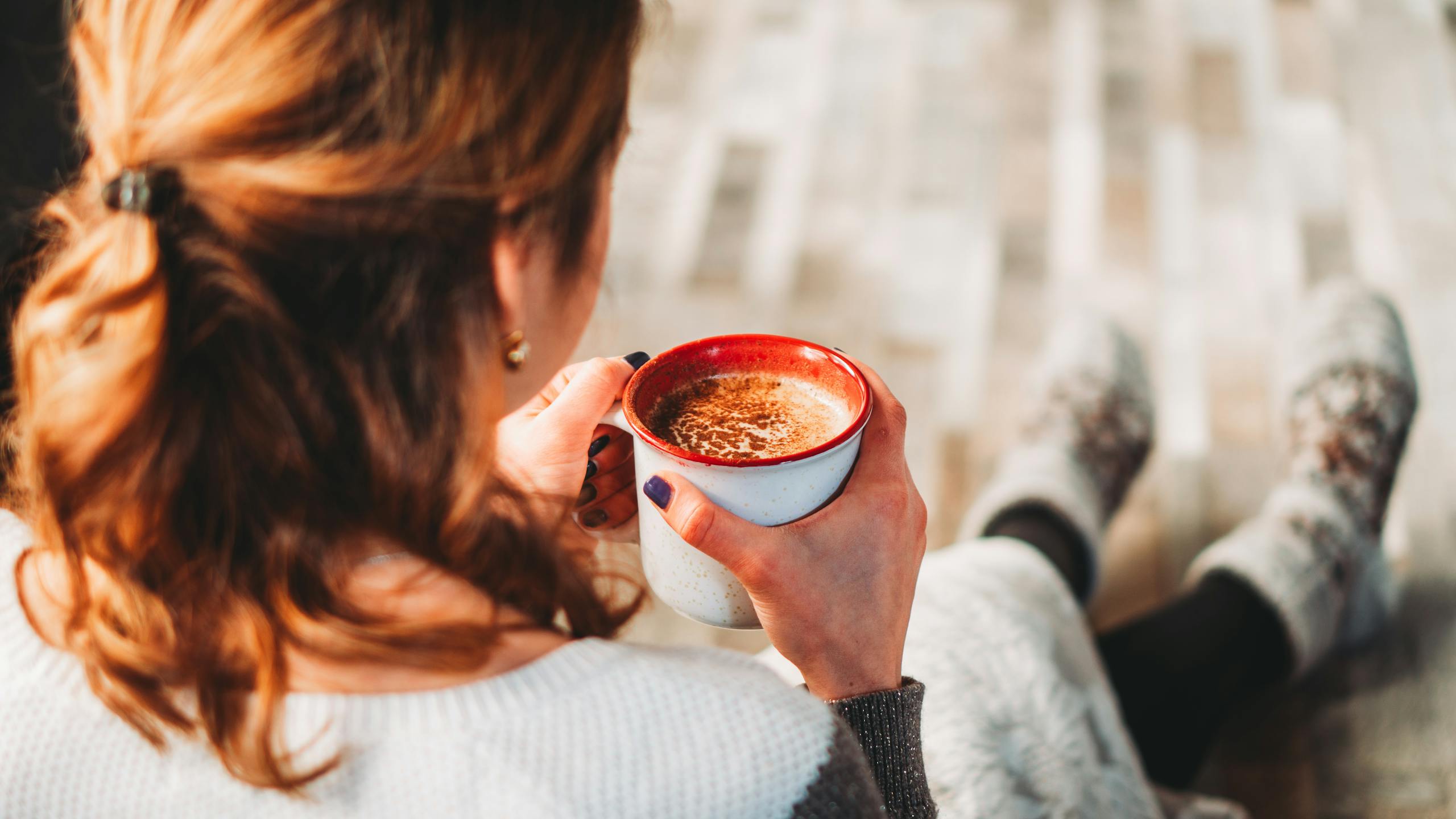
Loneliness is characterized by an unwanted absence of connection, a gap between the social contact you have and the social contact you need. It is painful precisely because it represents a need that is not being met. Solitude, in its healthy form, represents a need that is being met. The person who chooses to spend Sunday morning alone with their thoughts and their coffee is not experiencing a deficit. They are experiencing a fulfillment.
The public health framing around loneliness, while important, sometimes makes this conflation worse by treating any increase in time spent alone as evidence of a loneliness epidemic. Research published through PubMed Central has examined the psychological dimensions of solitude and its relationship to wellbeing, and the picture that emerges is considerably more nuanced than the crisis framing suggests.
What matters is not how much time someone spends alone. What matters is whether that time feels chosen, whether it meets a genuine internal need, and whether the person maintains meaningful connection with others even when they are not in constant contact. You can spend a lot of time alone and be deeply connected. You can be surrounded by people constantly and feel profoundly unseen.
I managed a team of about thirty people at the peak of my agency years. Some of my best performers were the ones who most visibly needed time to themselves, the strategist who took long solo lunches, the copywriter who worked with her door closed and her headphones on. They were not disconnected from the team. They were some of the most thoughtful, engaged contributors I had. They just needed to replenish in a different way than the extroverts on the team did, and once I understood that, I stopped reading their solitary habits as warning signs.
Understanding the specific need for alone time, not as a character quirk but as a genuine psychological requirement, is something worth examining honestly. The essential need for solitude among highly sensitive people is not a preference that can simply be overridden without cost. It is a core feature of how certain nervous systems are organized.

What Intentional Solitude Actually Looks Like in Practice
There is a difference between alone time that happens to you and alone time you build deliberately into your life. The first kind is reactive. You get it when circumstances allow, you grab it when you can, and it often arrives already tinged with guilt or the awareness of what you are avoiding. The second kind is proactive. You protect it, you design it, and you show up to it with intention.
What intentional solitude looks like varies enormously from person to person. For some people it is a morning ritual, an hour before the household wakes up where the quiet is genuinely theirs. For others it is a weekly solo walk, or a standing commitment to one evening per week with no social obligations. Some people find it in creative practice, writing or painting or playing music alone. Some find it in movement, running or swimming where the physical rhythm creates a kind of internal space.
There is also something to be said for the particular quality of solo travel as a form of intentional solitude. Psychology Today has explored solo travel as a meaningful choice rather than a consolation prize, noting how the experience of handling new environments alone can produce a particular kind of self-knowledge that group travel rarely generates. I have experienced this myself. Some of the clearest thinking I have done about my own life happened in hotel rooms in cities where I did not know anyone, with no agenda beyond my own curiosity.
What makes solitude genuinely restorative rather than merely empty is the quality of attention you bring to it. Scrolling through your phone while technically alone is not the same thing as sitting with your own thoughts. Watching television to numb out is not the same as reading a book that engages your mind. The form matters less than the quality of presence you bring, and that quality of presence is something you can develop deliberately over time.
My friend Mac, whose approach to alone time I have always admired, taught me something about this without ever framing it as a lesson. His relationship with solitude was never apologetic or performative. It was simply how he organized his life, with genuine intention and without the ambient guilt that used to follow me into my own quiet moments. Watching someone else inhabit their solitude that naturally was more instructive than any framework I could have read.
What This Cultural Shift Means for Introverts Specifically
For introverts, the broader cultural shift toward valuing alone time carries a specific kind of significance. It is not just a trend that happens to align with your preferences. It is a slow renegotiation of what counts as a well-lived life, and that renegotiation has real implications for how introverts are perceived in workplaces, relationships, and social contexts.
For most of my career, the implicit message from the culture around me was that my preference for depth over breadth, for fewer deeper relationships over many surface ones, for quiet reflection over constant collaboration, was something to manage. Not necessarily to fix, but to compensate for. I became quite good at performing extroversion in professional contexts, at projecting the energy and sociability that agency culture expected from a leader. What that performance cost me, in terms of genuine energy and authentic presence, was something I only fully understood after I stopped doing it.
The shift happening now, where more people are openly choosing alone time and finding it valuable rather than shameful, creates a small but meaningful permission structure for introverts to stop compensating. Not to stop connecting, that would be a misreading of what introversion actually is, but to stop pretending that their natural rhythm is a problem to be solved.
Psychology Today has written about embracing solitude as a genuine health practice, noting that the ability to be alone with yourself comfortably is actually a marker of psychological maturity rather than social failure. That framing matters. It repositions solitude from a symptom of deficit to an active investment in wellbeing.
There is also something worth naming about what happens in the body when you consistently give yourself enough alone time. Research available through PubMed Central has examined how voluntary solitude affects physiological stress markers, and the picture that emerges supports what many introverts experience subjectively: that adequate alone time is not a luxury but a genuine regulatory need for certain nervous systems.

Building a Life That Honors Your Need for Quiet
The practical question underneath all of this is not whether solitude is good for you. Most people who need it already know that it is. The practical question is how you build a life that actually includes enough of it, given the social, professional, and relational demands that pull in the opposite direction.
Part of the answer is structural. You have to protect alone time the same way you protect any other genuine need, by building it into your schedule rather than hoping it materializes in the gaps. This sounds simple and is actually quite difficult, particularly in environments where constant availability is treated as a form of commitment.
Part of the answer is relational. The people in your life need to understand that your need for alone time is not a statement about them. It is not withdrawal or rejection. It is maintenance. The introverts I have known who manage this most gracefully are the ones who have been honest with the people closest to them about what recharging actually requires, not as an apology but as useful information for building a relationship that works for everyone involved.
Part of the answer is internal. You have to stop treating your own need for solitude as evidence of something wrong with you. That internal audit, the one where you examine which of your beliefs about alone time came from you and which were borrowed from a culture that never quite understood you, is worth doing. It is not quick work. But it changes the quality of every quiet hour you give yourself from that point forward.
The broader cultural shift toward Americans spending more time alone is, in this sense, an invitation. Not to isolate, but to examine honestly what you need and to build a life that actually provides it. For introverts who have spent years managing their natural preferences rather than honoring them, that invitation is worth taking seriously.
There is more to explore on this topic across our Solitude, Self-Care and Recharging hub, where we have gathered resources on everything from daily practices to deeper questions about what it means to build a life that genuinely fits who you are.
About the Author
Keith Lacy is an introvert who’s learned to embrace his true self later in life. After 20 years in advertising and marketing leadership, including running agencies and managing Fortune 500 accounts, Keith now channels his experience into helping fellow introverts understand their strengths and build fulfilling careers. As an INTJ, he brings analytical depth and authentic perspective to every article, drawing from both professional expertise and personal growth.
Frequently Asked Questions
Why are Americans spending more time alone?
Several factors are contributing to this shift, including structural changes like remote work and smaller households, as well as growing awareness of the genuine benefits of solitude. Many people, particularly introverts and highly sensitive individuals, are also becoming more intentional about protecting alone time as a real wellbeing need rather than a social failure. The pandemic accelerated this for many people by forcing a renegotiation of which social obligations were genuinely nourishing versus merely habitual.
Is spending more time alone the same as being lonely?
No, and conflating the two is one of the most common errors in how this topic gets discussed. Loneliness is a subjective experience of unwanted disconnection, a gap between the social contact you have and what you genuinely need. Solitude, when chosen freely, is the opposite: a need being met rather than a need going unmet. Many people spend significant time alone and feel deeply content, connected, and clear-headed. The quality and voluntariness of alone time matters far more than the quantity.
What are the benefits of intentional solitude?
Chosen solitude is associated with improved self-awareness, reduced cognitive fatigue, better emotional regulation, and enhanced creative thinking. For introverts and highly sensitive people, adequate alone time functions as genuine nervous system maintenance rather than a preference. The benefits are most pronounced when the solitude is voluntary and approached with some degree of presence, meaning genuine quiet engagement with your own thoughts rather than passive consumption or distraction.
How can introverts protect their need for alone time without damaging relationships?
The most effective approach combines honesty with consistency. Being clear with the people in your life that alone time is a genuine need rather than a preference or a statement about them removes a lot of the relational friction. Building solitude into your schedule deliberately, rather than grabbing it reactively, also helps because it makes your rhythm predictable to the people around you. Framing it as maintenance rather than withdrawal tends to land better than framing it as a personality limitation.
Does spending more time alone mean something is wrong with your social life?
Not at all. For introverts and highly sensitive people, a healthy social life often looks quite different from the extrovert model that our culture tends to treat as the default. Fewer, deeper relationships tend to be more nourishing than a wide social network maintained at surface level. Choosing quality of connection over volume of contact is not a deficit. It reflects a genuine understanding of what actually sustains you, and building a life around that understanding is a sign of self-knowledge rather than social failure.