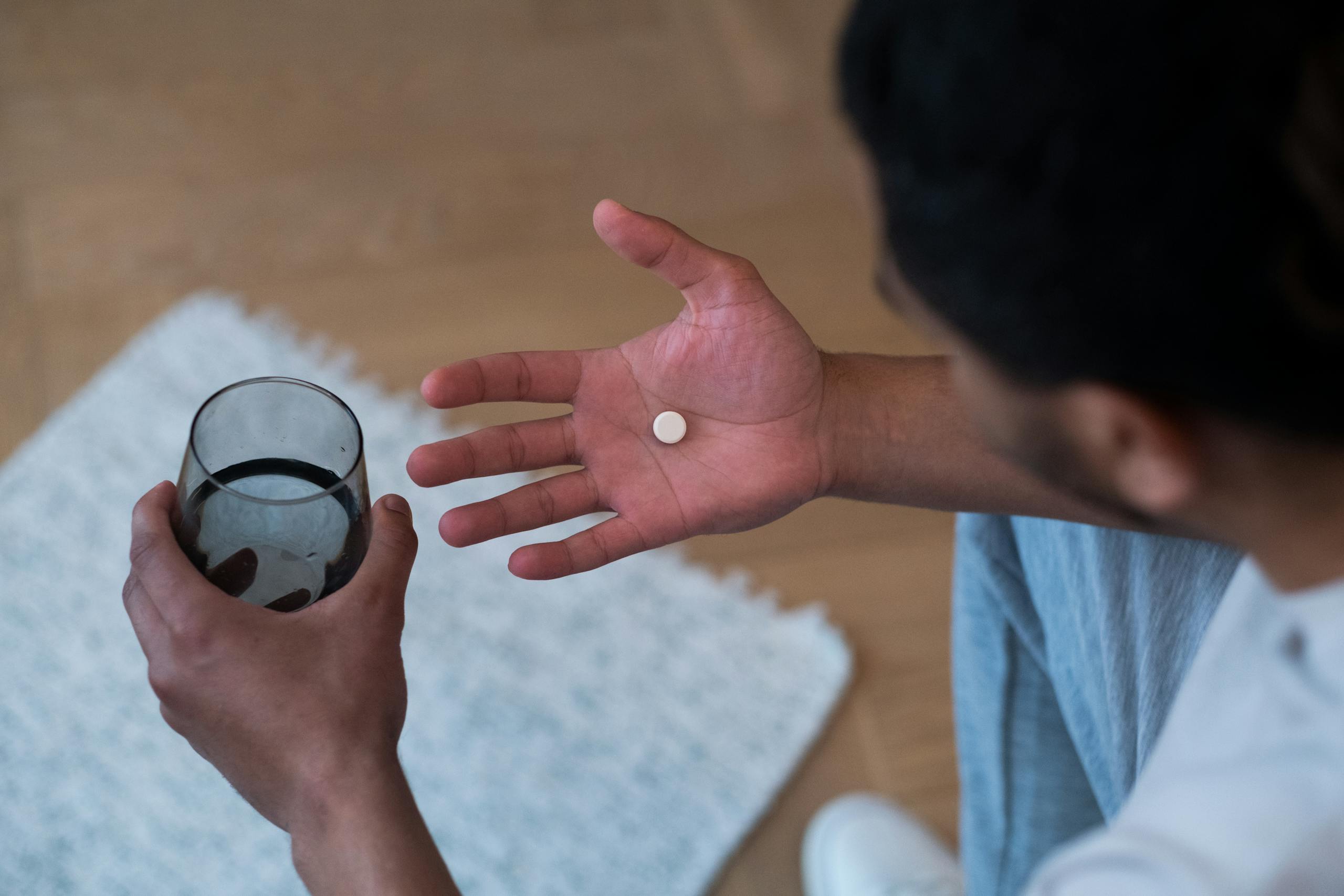

Anti social anxiety medicine refers to medications prescribed to reduce the fear, avoidance, and physical symptoms tied to social anxiety disorder, a condition where social situations trigger intense dread rather than ordinary discomfort. These medications don’t change your personality or make you someone you’re not. What they can do is quiet the alarm system enough that you can actually function, think clearly, and engage with the world on your own terms.
There’s a lot of noise around this topic, and I want to cut through it. As someone who spent decades in high-stakes advertising environments wondering why certain social situations left me completely wrung out, I’ve done a lot of thinking about where introversion ends and anxiety begins. They’re not the same thing, even though they often travel together.

If you’ve been wondering whether medication might be part of your path forward, or if you’re simply trying to understand the landscape better, this article is for you. We’ll look at how anti social anxiety medicine actually works, what the different options are, what to realistically expect, and how this fits into the broader picture of managing anxiety as someone who is wired for depth and internal processing.
This article is part of a larger conversation I’m building over at the Introvert Mental Health Hub, where we explore anxiety, sensitivity, emotional processing, and the specific mental health challenges that tend to show up for people like us. If this resonates, there’s a lot more waiting for you there.
What Actually Qualifies as Social Anxiety Disorder?
Before we talk about medication, it helps to be clear about what we’re treating. Social anxiety disorder isn’t just shyness or a preference for smaller gatherings. According to the American Psychological Association, anxiety disorders involve persistent, excessive fear that significantly interferes with daily functioning. Social anxiety specifically centers on a fear of being judged, embarrassed, or humiliated in social or performance situations.
What’s your personality type?
Take our free 40-question assessment and get a detailed personality profile with dimension breakdowns, context analysis, and personalised insights.
Discover Your Type8-12 minutes · 40 questions · Free
The DSM-5 criteria require that the fear be out of proportion to the actual threat, that it persist for six months or more, and that it cause meaningful distress or impairment in social, occupational, or other areas of life. Someone who prefers a quiet Friday night to a loud party doesn’t meet that bar. Someone who cancels important professional obligations repeatedly because the thought of walking into a room full of people triggers a panic response, that’s a different story.
I managed creative teams for over two decades. I watched talented people shrink in client presentations not because they lacked skill but because something in their nervous system was sounding a false alarm. That’s the distinction that matters. Introversion is a preference. Social anxiety is a threat response that has misfired.
The APA’s overview of shyness and social anxiety draws this distinction carefully, noting that while shyness and introversion are normal personality variations, social anxiety disorder represents a clinical condition that responds to treatment. That framing matters, because it means there are real options available.
The Main Categories of Anti Social Anxiety Medicine
Medication for social anxiety doesn’t come in a single form. There are several classes of drugs that clinicians use, each with a different mechanism, timeline, and risk profile. Understanding the categories helps you have a more informed conversation with your doctor rather than walking in blind.

SSRIs and SNRIs: The First-Line Options
Selective serotonin reuptake inhibitors, commonly called SSRIs, are typically the first medications a psychiatrist or physician will consider for social anxiety disorder. Paroxetine and sertraline are two of the most commonly prescribed in this class for this specific condition. SNRIs, or serotonin-norepinephrine reuptake inhibitors, like venlafaxine, are also used with good effect.
What these medications do is influence the availability of neurotransmitters in the brain over time. They’re not fast-acting. Most people need four to six weeks before noticing meaningful change, and the full effect often takes longer. That timeline frustrated me when I first learned about it, because the INTJ in me wanted a clear mechanism and a predictable outcome. What I eventually understood is that the gradual nature of SSRIs is actually part of how they work. They’re recalibrating a system, not flipping a switch.
Harvard Health notes that SSRIs and SNRIs are considered first-line pharmacological treatments for social anxiety disorder, and that they’re generally well-tolerated, though side effects vary significantly by individual. Starting at a low dose and titrating up slowly tends to minimize the adjustment period.
Beta-Blockers: The Situational Option
Beta-blockers work differently. They don’t affect your brain chemistry in the way SSRIs do. Instead, they block the physical symptoms of anxiety, the racing heart, the shaking hands, the flushed face, by blocking adrenaline receptors in the body. Propranolol is the most commonly used for this purpose.
These are often used situationally rather than daily. A musician before a performance, a speaker before a keynote, someone facing a high-stakes job interview. I’ve spoken to people in my professional circle who used beta-blockers before major client pitches. The cognitive anxiety was still there, but the body wasn’t betraying them anymore, and that was enough to perform.
Beta-blockers don’t address the underlying anxiety over time. They manage the physical expression of it in a specific moment. For people whose social anxiety is primarily performance-based and situational, this can be a genuinely useful tool without requiring daily medication.
Benzodiazepines: Short-Term and With Caution
Benzodiazepines like clonazepam or lorazepam are sometimes prescribed for social anxiety, but they come with significant caveats. They work quickly and effectively to reduce acute anxiety, but they carry a real risk of dependence and are not considered appropriate for long-term daily use in most cases.
Most clinicians treat benzodiazepines as a bridge medication during the weeks before an SSRI takes effect, or for very specific high-stress situations. They’re not a standalone solution for social anxiety disorder, and responsible prescribers will be clear about that from the start.
Buspirone: The Quieter Option
Buspirone is an anti-anxiety medication that works on serotonin and dopamine receptors. It’s not habit-forming, which makes it appealing for longer-term use, and it doesn’t carry the sedation risk of benzodiazepines. It’s less commonly prescribed for social anxiety specifically, but some clinicians use it, particularly for people who haven’t responded well to SSRIs or who have concerns about SSRI side effects.
Like SSRIs, buspirone takes time to work. It’s not a quick-fix option, and it tends to be most effective for generalized anxiety rather than the acute situational fear that characterizes social anxiety disorder specifically.
Why Highly Sensitive People Face a Unique Challenge With Medication
Here’s something that doesn’t get discussed enough in mainstream conversations about anti social anxiety medicine: highly sensitive people often experience medication differently. Not always worse, but differently. The same trait that makes HSPs deeply attuned to emotional nuance and environmental detail also means their nervous systems tend to register subtle physiological shifts more acutely.
If you’ve ever wondered whether your sensitivity to sensory input connects to how you experience anxiety, the article on HSP overwhelm and managing sensory overload explores this connection in depth. The overlap between sensory sensitivity and anxiety is real, and it shapes how people respond to both situations and treatments.
For HSPs starting any new medication, the standard advice to “start low and go slow” becomes even more relevant. Side effects that might be mild for the average person, nausea, sleep disruption, heightened restlessness, can feel more pronounced for someone whose baseline sensitivity is already high. That’s not a reason to avoid medication. It’s a reason to communicate clearly with your prescribing doctor about your sensitivity profile.

The research community has begun paying more attention to how individual neurological differences shape medication response. A PubMed Central review on anxiety treatment highlights the importance of individualized treatment planning, noting that response to pharmacotherapy varies considerably across patients. That variability is amplified when you factor in traits like high sensitivity.
There’s also the emotional processing dimension. Many people with social anxiety, particularly those who are highly sensitive, carry a significant amount of internalized shame around their anxiety. They’ve absorbed the message that their fear is irrational, that they should just push through it. The anxiety itself can become layered with self-criticism, which makes it harder to address. Understanding the way HSP anxiety operates and how it differs from ordinary nervousness is an important part of the picture before and alongside any medication decision.
What Medication Can and Cannot Do
One of the most important things I wish someone had said to me earlier in my career, when I was white-knuckling my way through social situations I found genuinely depleting, is that medication is a tool, not a transformation. It changes the conditions. It doesn’t rewrite who you are.
Anti social anxiety medicine at its best creates enough neurological calm that you can actually use the skills you already have. It reduces the interference. A highly sensitive introvert who starts an SSRI and finds their social anxiety diminishing doesn’t suddenly become extroverted. They become themselves, without the alarm bells drowning everything out.
What medication cannot do is teach you the skills to handle the situations that previously triggered your anxiety. That’s where therapy enters the picture. Cognitive behavioral therapy, particularly exposure-based approaches, has strong support as a treatment for social anxiety. The combination of medication and therapy tends to produce better outcomes than either alone for many people.
I’ve seen this play out in my own professional world. One of the account directors I worked with in the mid-2000s was extraordinarily talented but visibly struggled in client-facing situations. She eventually disclosed to me that she was working with a therapist and had started medication. The change wasn’t that she became a different person. She became more fully herself. Her insights, which had always been sharp, could finally reach the room.
Medication also cannot address the deeper emotional processing work that often underlies social anxiety. People who are deeply empathic, who absorb the emotional states of those around them, often find that their anxiety in social situations is partly a response to the emotional noise of those environments. The way HSP empathy functions as a double-edged sword is directly relevant here. Being able to feel what others feel is a genuine gift, but in crowded or high-stakes social situations, it can become overwhelming in ways that medication alone won’t fully resolve.
The Perfectionism Trap That Keeps People From Seeking Help
There’s a particular pattern I’ve noticed among high-functioning introverts with social anxiety: they delay seeking help because they’re convinced they should be able to handle it themselves. The same analytical mind that makes them excellent at their work turns inward and produces an endless loop of self-assessment, self-criticism, and the conclusion that needing help is a form of failure.
As an INTJ, I know this pattern intimately. Not around medication specifically, but around the broader question of asking for support. There’s a deep-seated drive toward self-sufficiency that can become its own obstacle. And for people with social anxiety who also carry perfectionist tendencies, the fear of being seen struggling in a clinical setting, of saying out loud that social situations are difficult, can feel like exactly the kind of exposure they’ve been avoiding.
The article on HSP perfectionism and breaking the high standards trap addresses this directly. Perfectionism isn’t just about wanting things done well. At its root, it’s often a protective strategy, a way of avoiding criticism by never leaving room for error. When that pattern intersects with social anxiety, it creates a particularly stubborn barrier to getting help.
What I’ve come to understand, both from my own experience and from watching people I’ve managed work through similar struggles, is that reaching out for support isn’t evidence of weakness. It’s evidence of self-awareness. And self-awareness is one of the most valuable traits an introvert brings to the table.

How Social Anxiety Intersects With Deep Emotional Processing
Something that often gets missed in clinical conversations about social anxiety is how much of the experience happens after the fact. The anticipatory anxiety before a social event is one thing. The post-event processing, the replaying of every word said, every perceived misstep, every moment of awkwardness, is another dimension entirely.
People who process emotions deeply tend to carry social interactions with them long after they’ve ended. They’re not just anxious before and during. They’re reviewing and re-evaluating afterward, often with a harshness that they would never apply to anyone else. This is part of why social anxiety can be so exhausting even when the actual social event goes perfectly well.
The way HSP emotional processing works sheds real light on this pattern. When you’re wired to feel things deeply and to extract meaning from experience, social interactions become data-rich events that your mind continues to work through long after they’re over. Anti social anxiety medicine can reduce the intensity of the initial threat response, but the post-processing habit often needs direct attention through therapy or intentional practice.
I spent years in client-facing roles where every presentation was followed by an internal debrief that went on far longer than it should have. As an INTJ, I was already inclined toward post-analysis. Add a layer of social anxiety and that analysis becomes something more painful. What helped me wasn’t suppressing the processing instinct but learning to direct it more constructively. That’s work that happens alongside medication, not instead of it.
Rejection Sensitivity and Why It Complicates the Picture
Social anxiety and rejection sensitivity are closely linked but not identical. Rejection sensitivity refers to the tendency to anticipate, perceive, and respond intensely to social rejection. For many people with social anxiety, the fear driving their avoidance isn’t just of embarrassment in the abstract. It’s specifically the fear of being rejected, dismissed, or found lacking.
This matters for medication decisions because rejection sensitivity can persist even when other anxiety symptoms improve. Someone might find that an SSRI significantly reduces their anticipatory anxiety before social events, but still find that perceived criticism or social exclusion hits them harder than it seems to hit others. Understanding how HSP rejection processing works and how to work through it is an important companion to any pharmacological approach.
A PubMed Central study on social anxiety and interpersonal functioning points to the way social anxiety affects relationship patterns and interpersonal sensitivity over time, suggesting that the social consequences of untreated anxiety extend well beyond the moments of acute fear. Treating the anxiety is part of protecting those relationships and your capacity to function within them.
In my agency years, I watched talented people make career decisions based on rejection sensitivity rather than strategic thinking. They’d avoid pitching for accounts they were genuinely qualified to win because the fear of losing felt unbearable. That’s a real cost, not just emotionally but professionally. And it’s a cost that appropriate treatment can help reduce.
Having an Honest Conversation With Your Doctor
One of the practical barriers to getting appropriate treatment for social anxiety is the conversation itself. There’s something almost ironic about the fact that discussing your social anxiety with a new clinician is, itself, a social situation that can trigger anxiety. Many people undersell their symptoms in the appointment, presenting a composed version of themselves that doesn’t reflect how they actually experience their daily life.
Writing things down before an appointment helps. Not a rehearsed script, but honest notes about specific situations where anxiety has interfered with your functioning. Concrete examples carry more weight than general statements. “I’ve turned down three speaking opportunities at work in the past year because the anticipatory anxiety was too intense” tells a clinician more than “I get nervous sometimes.”
It’s also worth being honest about your sensitivity profile. If you know you tend to be highly attuned to physical sensations, if you notice subtle side effects that others might not register, say so. A good prescriber will factor that into their approach, starting conservatively and adjusting based on your specific response.
The Psychology Today piece on introversion versus social anxiety is worth reading before that appointment. Being able to articulate the difference between your introverted preferences and the anxiety that’s causing actual impairment will help your clinician understand what they’re working with.

Building a Complete Approach Around Medication
Medication works best when it’s part of a broader strategy rather than the whole of it. For introverts with social anxiety, that broader strategy tends to include several elements working together.
Therapy, particularly cognitive behavioral therapy with an exposure component, addresses the thought patterns and avoidance behaviors that maintain social anxiety over time. Medication reduces the intensity of the fear response enough that the exposure work becomes possible. Without that reduction, asking someone to deliberately approach the situations they fear most can feel impossible.
Lifestyle factors matter more than most people expect. Sleep quality has a significant effect on anxiety regulation. Exercise has well-documented effects on mood and stress response. Caffeine intake can amplify anxiety symptoms in ways that are easy to overlook. These aren’t substitutes for medication when medication is genuinely needed, but they’re meaningful variables that affect how well everything else works.
Social structure also matters. Introverts with social anxiety often benefit from having predictable, lower-stakes social contexts where they can practice presence without the full weight of high-stakes performance anxiety. Small groups, one-on-one conversations, structured activities with a clear purpose. Building a social life that fits your actual wiring, rather than trying to force yourself into formats that drain you, is part of the work.
I spent years trying to be the kind of leader who thrived in large-group settings because that’s what I thought leadership required. What I eventually built instead were communication structures that played to my strengths while still delivering what my teams and clients needed. That kind of intentional design applies to your personal life as much as your professional one.
There’s a lot more to explore on the intersection of sensitivity, anxiety, and emotional wellbeing. The full Introvert Mental Health Hub brings together resources on all of these dimensions, from sensory overwhelm to perfectionism to the specific ways anxiety shows up for people wired like us.
About the Author
Keith Lacy is an introvert who’s learned to embrace his true self later in life. After 20 years in advertising and marketing leadership, including running agencies and managing Fortune 500 accounts, Keith now channels his experience into helping fellow introverts understand their strengths and build fulfilling careers. As an INTJ, he brings analytical depth and authentic perspective to every article, drawing from both professional expertise and personal growth.
Frequently Asked Questions
Is anti social anxiety medicine the same as antidepressants?
Many medications used for social anxiety disorder are the same drugs classified as antidepressants, particularly SSRIs and SNRIs. This confuses a lot of people, but the classification reflects how these drugs were originally developed, not a statement that social anxiety is the same as depression. SSRIs work on serotonin systems that are involved in both mood regulation and anxiety response, which is why the same medication can be effective for multiple conditions. Your doctor prescribing an SSRI for social anxiety isn’t suggesting you’re depressed. They’re using a tool that addresses the neurological patterns underlying your anxiety.
How long does it take for social anxiety medication to work?
SSRIs and SNRIs, the most commonly prescribed medications for social anxiety disorder, typically require four to six weeks before producing noticeable effects, with full benefit often taking two to three months to develop. Beta-blockers work within an hour or two for situational use. Benzodiazepines also act quickly but are generally not recommended for long-term daily use. If you start an SSRI and feel discouraged after two weeks with no change, that’s normal. The timeline is frustrating, but it reflects how these medications actually work, gradually recalibrating neurotransmitter systems rather than producing immediate relief.
Will medication change my personality or make me less introverted?
No. Anti social anxiety medicine doesn’t alter your fundamental personality or your introversion. Introversion is a stable trait related to how you process information and where you direct your energy. Medication for social anxiety targets the fear response that makes social situations feel threatening. What many people find after successful treatment is that they feel more like themselves, not less. The anxiety was the interference. Reducing it allows your actual personality, including your introversion, to function more freely. You won’t suddenly crave large parties or find networking energizing. You’ll simply be able to handle necessary social situations without the alarm bells drowning out everything else.
Can highly sensitive people take social anxiety medication safely?
Yes, highly sensitive people can and do take medication for social anxiety safely. That said, HSPs often benefit from a more gradual titration approach because their nervous systems tend to register physiological changes more acutely. Side effects that are mild for others may feel more pronounced initially. This isn’t a reason to avoid medication but a reason to communicate your sensitivity profile clearly to your prescribing doctor so they can start at a conservative dose and adjust based on your specific response. Many HSPs find that once they move past the initial adjustment period, medication significantly improves their quality of life.
Is therapy necessary if I’m taking medication for social anxiety?
Therapy isn’t strictly required, but the combination of medication and therapy, particularly cognitive behavioral therapy, tends to produce better outcomes than either approach alone for most people with social anxiety disorder. Medication reduces the intensity of the fear response. Therapy addresses the thought patterns, avoidance behaviors, and underlying beliefs that maintain anxiety over time. Without the behavioral component, there’s a risk that anxiety returns at full force if medication is eventually discontinued. Many clinicians recommend using the relief that medication provides as a window to do the harder work of changing the patterns that have built up around the anxiety.