
Anxiety doesn’t just make social situations uncomfortable. Over time, it reshapes the way you relate to other people entirely, narrowing your world in ways you might not notice until the narrowing is already well underway. For introverts especially, the effects of anxiety on socialization can be subtle, cumulative, and easy to misread as personality rather than a pattern worth addressing.
If you’ve found yourself declining invitations you once would have accepted, rehearsing conversations before they happen, or replaying interactions long after they’ve ended, anxiety may be doing more work than you realize. Understanding how it operates beneath the surface of your social life is the first step toward reclaiming some of that lost ground.
There’s a meaningful difference between choosing solitude because it restores you and avoiding connection because it feels threatening. That distinction matters, and it’s one I spent a long time failing to make clearly in my own life.
If this resonates with you, the Introvert Mental Health Hub covers a wide range of topics that sit at the intersection of introversion and emotional wellbeing. Anxiety’s effects on social life are just one thread in a much larger picture, and that hub is a good place to see the whole canvas.

How Does Anxiety Actually Change Social Behavior?
Anxiety operates on prediction. Your brain runs a constant background process, scanning for potential threats, and when anxiety is elevated, that scanner becomes oversensitive. Social situations get flagged as risky even when nothing objectively threatening is happening.
What’s your personality type?
Take our free 40-question assessment and get a detailed personality profile with dimension breakdowns, context analysis, and personalised insights.
Discover Your Type8-12 minutes · 40 questions · Free
What follows is a cascade of behavioral changes that, taken individually, seem minor. You might start arriving late to events so you don’t have to stand around making small talk. You might position yourself near exits. You might check your phone more than you need to, not because you’re expecting a message but because it gives you somewhere to look. You might stop initiating plans altogether, telling yourself you’re just being selective, when really you’re managing fear.
I recognize all of these patterns in my own history. During a particularly stressful period running my agency, around the time we’d taken on three major Fortune 500 accounts simultaneously and the pressure was relentless, I stopped accepting most social invitations outside of work. I told myself I was protecting my energy. And partly I was. But I also know now that anxiety was doing a significant portion of that work, convincing me that social engagement was a cost I couldn’t afford rather than a resource that might have helped.
The American Psychological Association describes anxiety disorders as characterized by persistent, excessive fear or worry that’s disproportionate to the actual situation. That disproportionality is worth sitting with. Anxiety doesn’t feel disproportionate from the inside. It feels completely rational, which is part of what makes its effects on social behavior so hard to catch.
Why Do Introverts Experience This Differently?
Introverts are not inherently more anxious than extroverts. That’s a conflation worth clearing up. Yet the way anxiety expresses itself socially can look different for people who already prefer depth over breadth in their connections, who find large groups draining rather than energizing, and who tend to process experience internally before expressing it outward.
When anxiety enters that picture, it can amplify existing preferences into something more rigid. A preference for smaller gatherings becomes a refusal to attend anything with more than two or three people. A tendency toward self-reflection becomes obsessive post-event analysis. A natural comfort with solitude becomes isolation that doesn’t actually feel comfortable at all.
Psychology Today has written thoughtfully about the overlap between introversion and social anxiety, noting that while the two can coexist, they have distinct roots. Introversion is a stable personality orientation. Social anxiety is a fear response. You can be one without the other, and understanding which is driving a given behavior matters enormously for how you address it.
As an INTJ, I’ve always been drawn to solitude for genuine reasons. My best thinking happens alone. My creative work deepens when I have uninterrupted space. But I also spent years using those true things as cover for anxiety-driven avoidance, and the two are not the same thing, even when they produce identical-looking behavior on the surface.
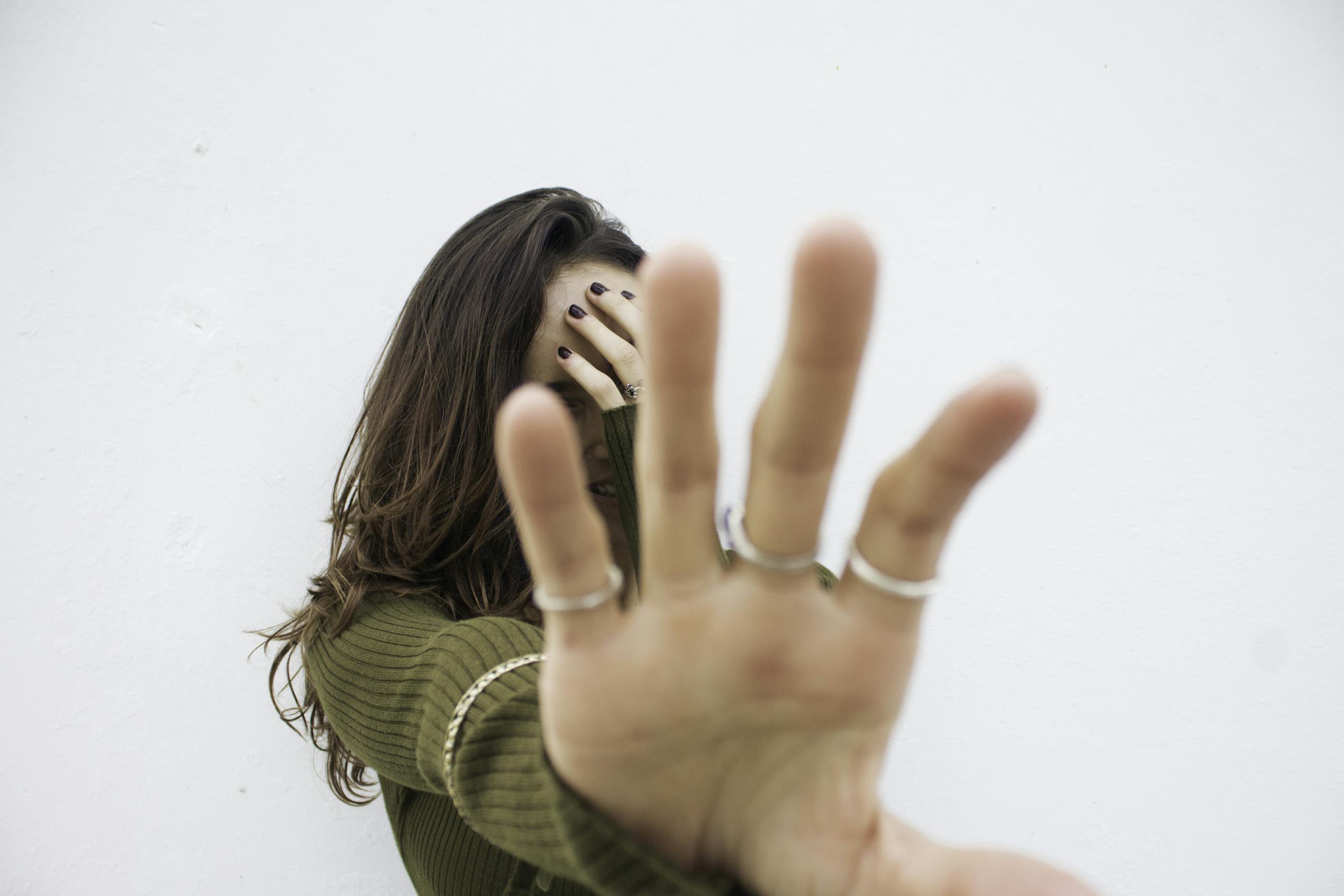
What Does the Gradual Narrowing Actually Look Like?
One of the most insidious things about anxiety’s effects on socialization is how slowly they accumulate. Nobody wakes up one morning and decides to stop having a social life. It happens in increments, each one seemingly reasonable.
You skip one networking event because you’re genuinely exhausted. Then you skip the next one because the first skip felt fine. Then skipping becomes the default, and attending becomes the exception that requires significant internal justification. The circle of people you regularly see gets smaller. The range of situations you feel comfortable in contracts. What once felt mildly uncomfortable starts to feel genuinely threatening.
For highly sensitive people, this process can be especially pronounced. The same perceptual depth that makes HSPs attuned to beauty, nuance, and emotional texture also means they absorb more from social environments. When anxiety is layered on top of that sensitivity, the overload can become a powerful motivator for withdrawal. If you’ve ever felt completely depleted after what should have been a low-key social event, the article on HSP overwhelm and managing sensory overload speaks directly to that experience.
The narrowing also affects the quality of the connections that remain. When anxiety is running the social calendar, relationships tend to be maintained only when they feel safe and predictable. Anything that introduces uncertainty, conflict, or emotional risk gets quietly deprioritized. Over time, relationships that require some degree of vulnerability, which is to say, most meaningful relationships, start to feel like too much.
I watched this happen with some of my longest professional relationships during a particularly difficult agency transition. I kept the working relationships intact but let the personal dimensions atrophy. It was easier. Anxiety told me it was smarter. It wasn’t.
How Does Anxiety Affect the Way You Read Other People?
Anxiety doesn’t just change what you do socially. It changes what you perceive. When your nervous system is primed for threat, you start reading ambiguous social signals as negative. A neutral expression becomes disapproval. A short reply becomes rejection. Someone glancing away mid-conversation becomes evidence that you’re boring them.
This interpretive bias is well-documented in the clinical literature on social anxiety. A study published in PubMed Central examined how anxious individuals process social information differently, tending toward threat-confirming interpretations even when neutral or positive readings are equally plausible. The result is a feedback loop: anxiety distorts perception, distorted perception confirms the threat, confirmed threat increases anxiety.
For people who already process emotion deeply, this distortion can be particularly disorienting. HSPs and introverts often pride themselves on reading people accurately. When anxiety corrupts that capacity, it can feel like a betrayal of something core to your identity, not just an inconvenient symptom.
The work of understanding how you process emotion under stress connects directly to what’s explored in HSP emotional processing and feeling deeply. Emotional depth is a genuine strength. Anxiety can weaponize it against you if you’re not paying attention.

What Role Does Empathy Play in Anxiety-Driven Withdrawal?
There’s a specific way that empathy interacts with anxiety that doesn’t get discussed enough. For people who are naturally attuned to others’ emotional states, social situations carry a kind of emotional load that goes beyond their own experience. You’re not just managing your own anxiety. You’re absorbing the stress, discomfort, and emotional weather of everyone around you.
When anxiety is already taxing your system, that additional emotional weight can make social contact feel genuinely unsustainable. Withdrawal becomes a form of self-protection that feels entirely rational, because in some ways it is. The problem is that it’s also self-reinforcing. The less social contact you have, the more unfamiliar and threatening it feels, and the more your empathic sensitivity gets directed inward rather than outward.
This dynamic is worth exploring carefully, because empathy is one of the most valuable things sensitive introverts bring to their relationships and their work. HSP empathy as a double-edged sword captures exactly this tension: the same quality that makes you a perceptive friend, a thoughtful leader, and a skilled collaborator can also become a source of overwhelm when anxiety is in the mix.
I’ve managed people on my teams over the years who were visibly absorbing everyone else’s stress in high-pressure periods. One creative director in particular, someone I’d describe as a textbook HSP, would become increasingly withdrawn during campaign crunches, not because she didn’t care, but because she cared so much that the emotional load became physically exhausting. Anxiety was amplifying her natural empathy into something that pushed her away from the very connections that might have helped her through those periods.
Does Anxiety Make You Harder on Yourself After Social Interactions?
Post-event processing is something many introverts do naturally. You replay conversations, notice what you said and what you didn’t, consider how things landed. At its best, this is a form of genuine reflection that deepens your understanding of yourself and others.
Anxiety transforms that reflective capacity into something much less useful. Post-event processing becomes post-event prosecution. You don’t review the conversation. You put yourself on trial for it, cataloguing every awkward pause, every slightly clumsy phrase, every moment where you could have been funnier, warmer, or more articulate. The verdict is almost always guilty.
This pattern connects directly to perfectionism, which anxiety tends to intensify significantly. When the standard for a social interaction is that it goes perfectly, and when anxiety ensures you’ll notice every deviation from perfect, the result is a near-constant sense of social failure. That sense of failure then feeds back into avoidance: why put yourself through an experience that you’ll spend the next three days dissecting?
The relationship between high standards and anxiety-driven social withdrawal is examined closely in the piece on HSP perfectionism and breaking the high standards trap. Perfectionism in social contexts is particularly corrosive because, unlike a work project, you can’t revise a conversation after it’s happened.
I spent years running client presentations with this kind of internal commentary running in parallel. The presentation would go well by any objective measure, and I’d spend the drive home cataloguing every moment that wasn’t perfect. That’s anxiety doing what anxiety does: finding the gap between what happened and an impossible standard, and treating that gap as evidence of inadequacy.
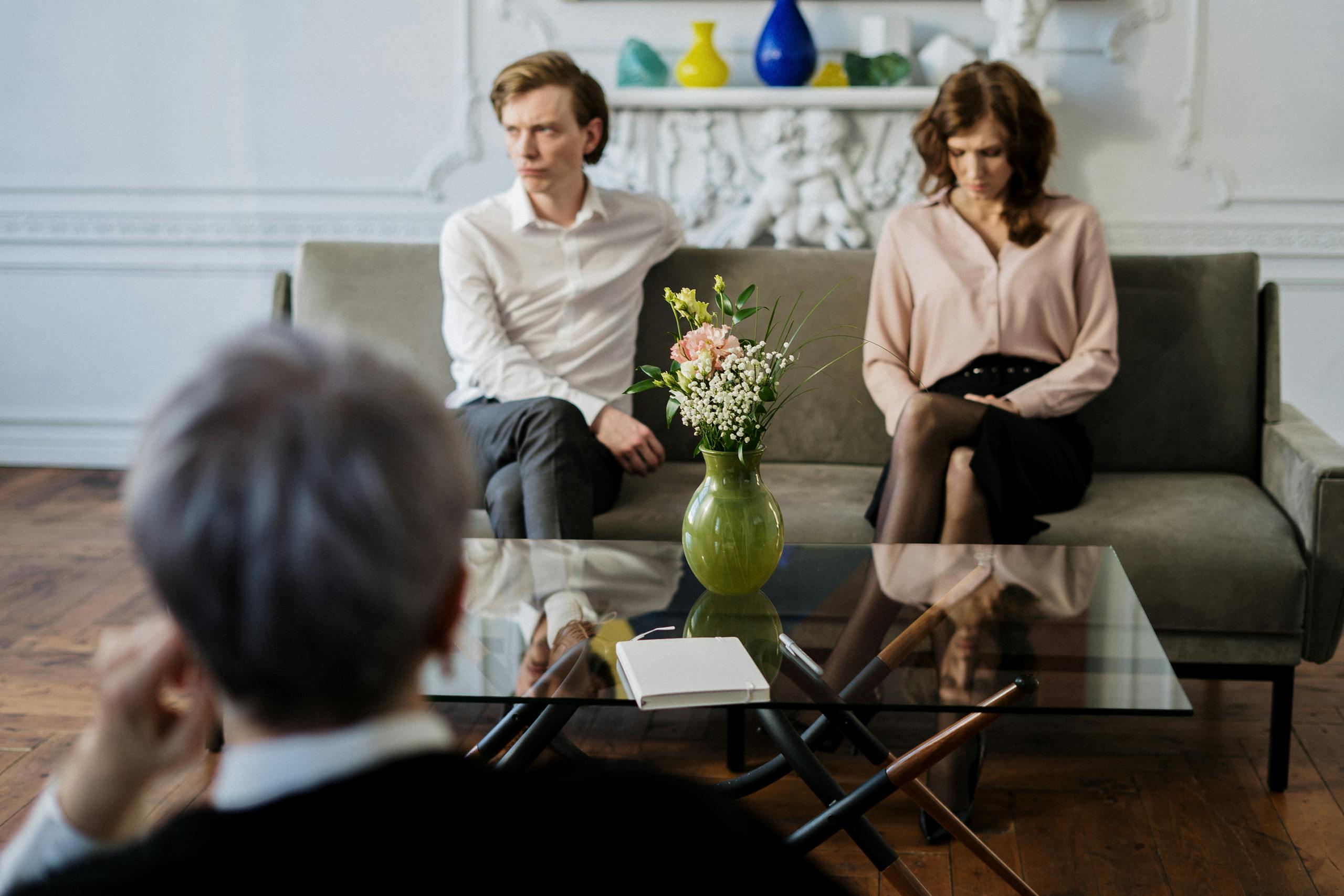
How Does Anxiety Around Rejection Shape Social Choices?
Fear of rejection is one of anxiety’s most powerful social levers. When the possibility of being dismissed, excluded, or judged feels genuinely threatening rather than merely unpleasant, the rational response is to minimize exposure to situations where rejection could occur. You stop reaching out first. You stop sharing opinions that might be controversial. You stop letting people see the parts of you that feel most vulnerable.
The cruel irony is that this self-protective strategy tends to produce exactly the outcome it’s trying to prevent. Withholding yourself from relationships creates distance. Distance creates disconnection. Disconnection feels like rejection, which confirms the original fear and tightens the whole cycle.
There’s also a physiological component worth acknowledging. Research published in PubMed Central has examined how social rejection activates some of the same neural pathways as physical pain, which helps explain why the fear of it can feel so visceral and why anxiety around it can be so motivating as a driver of avoidance.
For sensitive introverts, the anticipation of rejection can be as activating as rejection itself. The piece on HSP rejection, processing and healing gets into the specific ways highly sensitive people experience and carry rejection, and why the healing process often requires more than simply telling yourself not to take things personally.
What Happens When Anxiety and HSP Sensitivity Overlap?
Anxiety and high sensitivity are not the same thing, yet they share enough surface features that they’re frequently confused, both by the people experiencing them and by those around them. Both can produce withdrawal from stimulating environments. Both can result in heightened emotional responses. Both can make certain social situations feel genuinely overwhelming.
When they coexist, the effects on socialization compound in ways that can be difficult to untangle. Sensitivity provides the raw material: a nervous system that takes in more, processes more, and feels more. Anxiety provides the threat-interpretation layer that turns that rich input into something to be feared rather than something to be engaged with thoughtfully.
The American Psychological Association’s overview of shyness draws a useful distinction between shyness, introversion, and social anxiety, noting that each has different origins and different implications for how you might address the social challenges they create. Understanding which factor is most operative in a given situation shapes everything about how you respond to it.
For HSPs dealing with anxiety specifically, the piece on HSP anxiety and coping strategies offers a framework that honors both the sensitivity and the anxiety without collapsing one into the other. That distinction matters practically, not just theoretically.
Can Anxiety Actually Change Your Personality Over Time?
This is a question I find genuinely important, and one that doesn’t get asked often enough. The short answer is that anxiety doesn’t change your core personality, but it can significantly alter how your personality expresses itself, sometimes for so long that the altered version starts to feel like the real one.
An introvert who has spent years managing social anxiety may have built such an elaborate system of avoidance and self-protection that they’ve lost track of which social preferences are genuinely theirs and which are anxiety’s impositions. They may have stopped pursuing connections they actually want because the anxiety around pursuing them has become so familiar that it feels like a preference.
Carl Jung’s typological framework, which forms the foundation of much of what we understand about introversion and extraversion today, understood the psyche as something dynamic rather than fixed. Psychology Today’s exploration of Jungian typology touches on this: personality types describe tendencies and orientations, not ceilings. Anxiety can suppress those tendencies without eliminating them.
What this means practically is that reclaiming a social life shaped by genuine preference rather than anxiety-driven avoidance is possible. It requires distinguishing between the two, which takes honest self-examination, and often some external support.
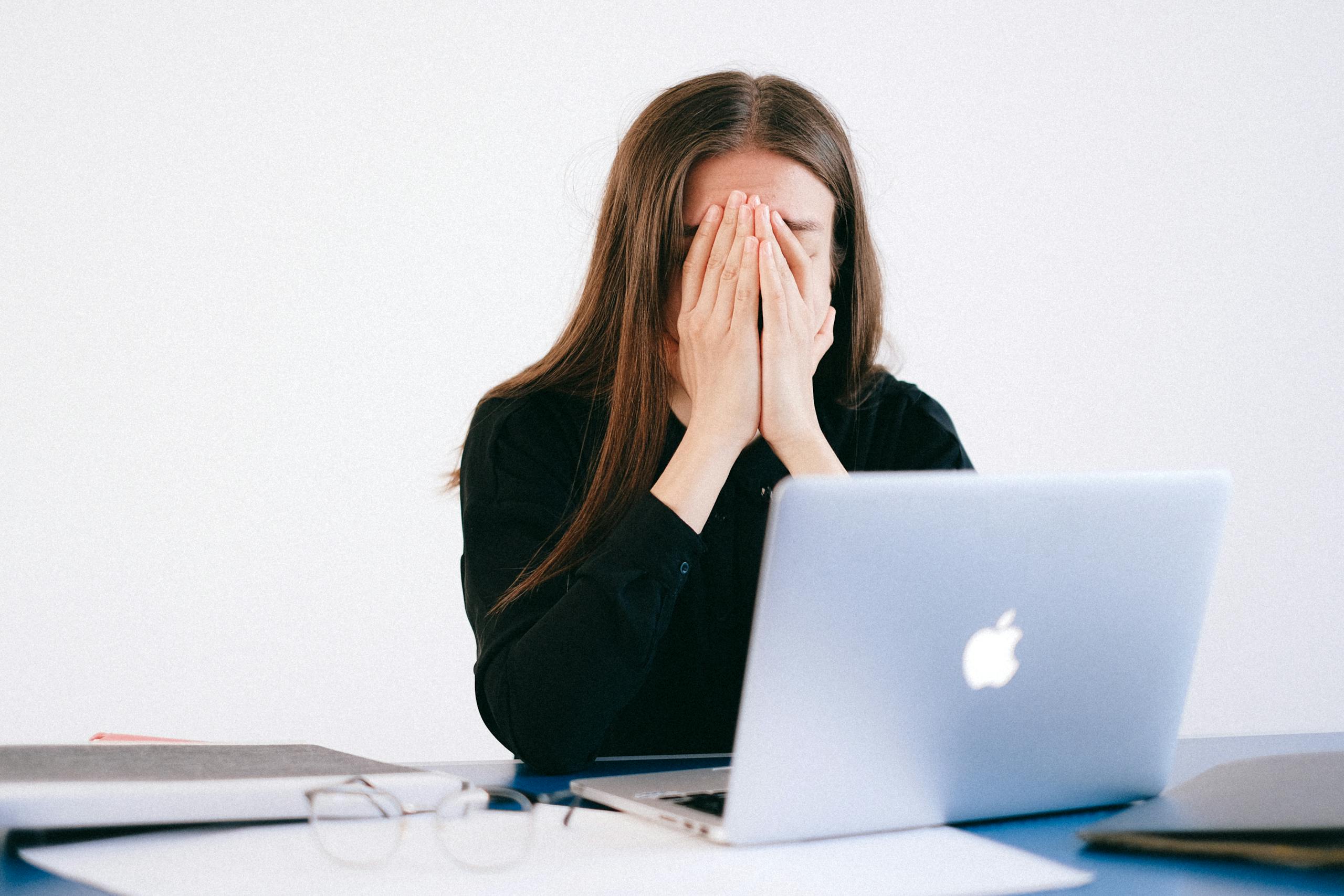
What Actually Helps When Anxiety Has Reshaped Your Social World?
Recovery from anxiety-driven social withdrawal isn’t about forcing yourself into discomfort until it stops feeling uncomfortable. That approach tends to confirm anxiety’s predictions rather than disconfirm them. What actually helps is more gradual and more intentional.
Start by distinguishing between avoidance and genuine preference. Ask yourself, honestly, whether you’re declining a social opportunity because it genuinely doesn’t align with how you want to spend your energy, or because anxiety has made it feel threatening. Those are different answers that warrant different responses.
Behavioral approaches, particularly those rooted in gradual exposure, have a strong track record for social anxiety specifically. Harvard Health outlines several evidence-based treatment approaches for social anxiety disorder, including cognitive behavioral therapy and, in some cases, medication. These aren’t about becoming extroverted. They’re about having genuine choice in how you engage socially, rather than having anxiety make those choices for you.
For many introverts, the most sustainable path involves finding social contexts that match their natural strengths: smaller groups, deeper conversations, shared activities rather than pure socializing, environments where their perceptive and reflective qualities are assets rather than oddities. Anxiety shrinks those contexts. Addressing anxiety expands them back toward something that actually fits.
I found my way back to genuine social engagement gradually, mostly through professional contexts where the structure gave me something to hold onto. A well-run client meeting, a focused creative review, a one-on-one conversation with someone I genuinely respected: these were the entry points. From there, the range expanded. Not to extroversion. To something that actually felt like mine.
There’s more to explore on this intersection of introversion and emotional wellbeing across the full Introvert Mental Health Hub, where anxiety, sensitivity, and social experience are examined from multiple angles.
About the Author
Keith Lacy is an introvert who’s learned to embrace his true self later in life. After 20 years in advertising and marketing leadership, including running agencies and managing Fortune 500 accounts, Keith now channels his experience into helping fellow introverts understand their strengths and build fulfilling careers. As an INTJ, he brings analytical depth and authentic perspective to every article, drawing from both professional expertise and personal growth.
Frequently Asked Questions
Does anxiety cause introverts to become more socially withdrawn over time?
Anxiety can gradually narrow social engagement for introverts, often in increments that feel reasonable in the moment. Each avoidance feels justified, yet the cumulative effect is a significantly smaller social world. The withdrawal isn’t a personality change so much as anxiety progressively limiting the range of situations that feel manageable. Addressing the anxiety rather than simply accepting the narrowing is what creates lasting change.
How can I tell if I’m avoiding social situations because I’m an introvert or because of anxiety?
The clearest distinction lies in how you feel before versus after. Introvert-driven solitude tends to feel chosen and restorative. Anxiety-driven avoidance tends to feel like relief from a threat, often accompanied by some guilt or a sense of missing out. If declining social invitations feels more like escape than preference, anxiety is likely involved. Genuine introversion means solitude feels good. Anxiety means social contact feels dangerous.
Why does anxiety make it harder to read people accurately during social interactions?
Anxiety primes your brain to scan for threat, which biases your interpretation of ambiguous social signals toward negative readings. A neutral expression gets read as disapproval. A brief reply gets read as dismissal. This interpretive bias isn’t a character flaw; it’s a predictable feature of an anxious nervous system. Recognizing the bias doesn’t eliminate it, but it creates enough distance to question your first interpretation rather than treating it as fact.
Can social anxiety permanently change how introverts relate to other people?
Prolonged social anxiety can create deeply ingrained patterns of avoidance and self-protection that feel permanent, but they rarely are. The patterns are learned responses, not fixed traits. With appropriate support, whether through therapy, gradual exposure, or structured social engagement, most people can reclaim social preferences that reflect their actual personality rather than their anxiety. The core introvert orientation remains; what changes is the fear layered on top of it.
What kinds of social environments are most manageable for introverts dealing with anxiety?
Smaller groups, structured interactions, and contexts with a clear shared purpose tend to be most accessible. These environments reduce the open-ended social demand that anxiety finds most threatening. One-on-one conversations, activity-based socializing, and professional contexts with defined roles all give anxious introverts something to anchor to. As anxiety decreases, the range of manageable environments typically expands, not toward extroversion, but toward a fuller expression of genuine introvert strengths.