
Preferring a quiet evening at home over a crowded social event is not anxiety. It is a personality preference, one that reflects how introverts genuinely restore themselves and process the world around them. Anxiety, by contrast, is a fear-based response that limits your choices and creates distress, not a preference that simply points you toward what you actually enjoy.
That distinction sounds simple enough. Yet in practice, the line gets blurry, especially when you have spent years being told that your preference for solitude is somehow a problem to fix. Many introverts carry this confusion quietly, unsure whether they are honoring their nature or hiding from life.
Getting this right matters more than most people realize. Misreading introversion as anxiety can push you toward therapy you do not need, while misreading anxiety as introversion can keep you from getting help that would genuinely change your life. Both mistakes carry real costs.
If you want a broader look at how introversion intersects with mental health, emotional sensitivity, and the inner life that comes with processing the world deeply, the Introvert Mental Health Hub covers this territory with honesty and care. This article focuses specifically on one of the most common and stubborn misconceptions in that space: the idea that choosing Netflix over socializing is a symptom rather than a preference.

Why Does This Confusion Exist in the First Place?
Part of the problem is cultural. We live in a world that has long treated sociability as the default setting for healthy adults. Extroversion gets coded as confidence, warmth, and ambition. Introversion gets coded as shyness, avoidance, and fear. Those associations run deep, and they shape how people interpret their own behavior.
What’s your personality type?
Take our free 40-question assessment and get a detailed personality profile with dimension breakdowns, context analysis, and personalised insights.
Discover Your Type8-12 minutes · 40 questions · Free
I felt this acutely during my years running advertising agencies. The industry rewards people who work a room, who follow up every pitch with a dinner, who are always “on.” As an INTJ, I found those expectations exhausting in ways I could not fully articulate at the time. My instinct after a long client presentation was to go somewhere quiet and think. My colleagues’ instinct was to debrief over drinks for another two hours. Neither of us was anxious. We were just wired differently.
But because extroversion was the assumed norm, my preference for quiet got read as standoffish, or worse, as a sign that something was off. I internalized some of that. There were periods when I genuinely questioned whether my desire for solitude was healthy or whether I was retreating from something I should be facing head-on.
That kind of second-guessing is exhausting. And it is not unique to me. Many introverts spend years trying to determine whether their preferences are legitimate or whether they are symptoms in disguise. The American Psychological Association draws a clear distinction between shyness and introversion, noting that shyness involves distress around social situations while introversion simply reflects a preference for less stimulation. Anxiety belongs in a different category altogether.
What Anxiety Actually Looks Like (Versus What Introversion Looks Like)
Anxiety is not a preference. It is a fear response that operates whether you want it to or not. The American Psychological Association describes anxiety as involving persistent worry, physical symptoms like a racing heart or muscle tension, and difficulty controlling the fear response. Anxiety shrinks your world not because you choose a smaller world, but because fear makes the larger one feel dangerous.
Introversion works differently. An introvert who stays home on a Friday night instead of going to a party is not avoiding something threatening. They are choosing something genuinely appealing. The key test is this: could you go to the party if you wanted to, without significant distress? If yes, you are probably honoring a preference. If the thought of going triggers dread, physical tension, or a cascade of worst-case thinking that you cannot turn off, something else may be at work.
There is also the question of what happens after. An introvert who attends a social event and then needs a day of quiet to recover is experiencing normal depletion. An anxious person who attends a social event and then replays every conversation for hours, searching for what they said wrong, is experiencing something that deserves more attention. That kind of post-event rumination is worth paying attention to, and Psychology Today has written thoughtfully about how introversion and social anxiety can coexist without being the same thing.
For those who are highly sensitive, this distinction can get even more complicated. HSP anxiety has its own texture, shaped by a nervous system that picks up more information from the environment and processes it more thoroughly. That depth of processing can look like anxiety from the outside, even when the internal experience is something quite different.

The Highly Sensitive Piece: When Depth Gets Mistaken for Disorder
Some introverts are also highly sensitive people, and that combination adds another layer to this conversation. Highly sensitive people process sensory and emotional information more deeply than most. They notice subtleties others miss. They feel the weight of a room’s mood before anyone has said a word. They get overwhelmed by environments that most people find merely busy.
That kind of sensitivity is not pathology. But it does mean that certain environments are genuinely more taxing for HSPs, and choosing to avoid them is a reasonable response to real information about how your nervous system works. HSP overwhelm from sensory overload is a documented experience, not an excuse or a weakness. Choosing a quiet evening at home when you know a crowded bar will leave you depleted for two days is practical self-knowledge, not avoidance.
Where it gets complicated is when sensitivity and anxiety genuinely overlap. HSPs do tend to have more reactive nervous systems, which can make them more susceptible to anxiety. But the sensitivity itself is not the anxiety. The depth of emotional processing that HSPs experience can be a source of real richness and insight, even when it is also challenging to manage.
I managed several highly sensitive creatives over the years in my agency work. One art director in particular had a remarkable ability to read a client’s unspoken concerns before the client had articulated them. She would come into my office after a pitch and describe the exact tension she had sensed in the room, and she was almost always right. That sensitivity was an asset. It also meant she needed more recovery time after big presentations than her colleagues did. She was not anxious about presenting. She was depleted by the density of what she absorbed while doing it. Those are genuinely different experiences.
How Empathy Complicates the Picture
There is another dimension worth examining: empathy. Many introverts, and especially highly sensitive introverts, feel other people’s emotional states acutely. Being around people is not just socially tiring. It can be emotionally absorbing in ways that are difficult to describe to someone who does not experience it.
HSP empathy operates as a genuine double-edged quality, offering deep connection on one side and emotional exhaustion on the other. When an empathic introvert chooses to stay home rather than attend a gathering where they know they will spend the evening absorbing everyone else’s emotional static, that is not avoidance. It is a reasonable response to a real cost.
Anxiety, by contrast, is not about absorbing others’ emotions. It is about anticipating threat, whether social, physical, or existential. An anxious person might avoid a gathering because they fear judgment, fear saying the wrong thing, or fear that something bad will happen. An empathic introvert might avoid the same gathering because they know from experience that they will leave feeling wrung out and needing a day to recover. Same behavior, very different internal logic.
That distinction matters because the appropriate response to each is different. Anxiety often benefits from gradual exposure and cognitive work. Empathic depletion benefits from rest, boundaries, and environments that allow for genuine recovery. Treating one like the other does not help.
When Perfectionism Enters the Equation
One pattern I have noticed, both in myself and in the introverts I have worked with over the years, is that perfectionism can blur the line between preference and avoidance in genuinely confusing ways. An introvert who avoids social situations partly because they fear performing imperfectly in them is dealing with something that deserves honest examination.
This is where HSP perfectionism and its relationship to high standards becomes relevant. When your standards for yourself are very high, and when you process social interactions deeply enough to notice every awkward moment in real time, social situations can carry a weight that goes beyond simple preference. That weight is worth distinguishing from the clean, uncomplicated preference of an introvert who simply finds solitude more enjoyable than crowds.
I ran into this myself during a period when our agency was pitching a particularly high-profile account. The presentations were intense, the stakes were real, and I found myself dreading the social components in a way that felt different from my usual preference for quiet. It took me a while to recognize that some of what I was feeling was performance anxiety layered on top of my introversion. My introversion was not the problem. The perfectionism that made every social interaction feel like an evaluation was doing something else entirely.
Recognizing that distinction changed how I prepared for those situations. Honoring my introversion meant building in recovery time and not scheduling back-to-back social events. Addressing the perfectionism meant doing the internal work of separating my worth from my performance in any given room. Both mattered. Neither was the other.
What Happens When Rejection Feels Catastrophic
There is one more thread worth pulling on: rejection sensitivity. Some introverts, particularly those who are also highly sensitive, experience social rejection with an intensity that can make social situations feel genuinely risky. When you have been told repeatedly that your quietness is a problem, or when social environments have historically been places where you felt misunderstood or dismissed, the instinct to protect yourself makes complete sense.
Processing rejection as an HSP is its own significant challenge, one that deserves real attention rather than being folded into a simple preference narrative. If your reluctance to socialize is driven significantly by fear of rejection rather than genuine preference for solitude, that is worth exploring honestly. Not because something is wrong with you, but because fear-driven avoidance and preference-driven solitude have different long-term effects on your wellbeing.
Preference-driven solitude tends to feel restoring. You come out of it feeling more like yourself, more capable, more clear-headed. Fear-driven avoidance tends to feel like relief in the short term and contraction in the long term. Your world gets smaller without you quite noticing it happening.
That distinction is worth sitting with honestly. Not with judgment, but with genuine curiosity about what is actually driving the choice in any given moment.
The Real Question Worth Asking Yourself
So how do you actually tell the difference in your own life? A few honest questions tend to be more useful than any diagnostic framework.
When you choose to stay home instead of going out, how does that choice feel? If it feels like relief, like settling into something that fits you, that is a strong signal of preference. If it feels like escape from something threatening, that is worth examining more closely.
Do you have social situations you genuinely enjoy? Most introverts do. Deep one-on-one conversations, small gatherings with people they know well, activities with a clear shared purpose. If the idea of any social interaction, regardless of size or context, feels threatening, anxiety may be part of the picture.
Does your preference for solitude expand or contract your life over time? Introversion, honored well, tends to create a life of depth and meaning. You invest in fewer relationships but those relationships are rich. You choose fewer activities but those activities matter to you. Anxiety, left unaddressed, tends to create a life that gets smaller and smaller as the list of safe situations narrows.
There is also the question of what happens when you do push yourself into social situations. An introvert who attends a party and has a genuinely good time, even while feeling depleted afterward, is experiencing something different from a person who attends the same party in a state of constant vigilance and leaves feeling relieved to have survived it. Research on social anxiety disorder distinguishes it from introversion partly on the basis of this kind of functional impairment and distress, not merely the preference for less social contact.
Why Getting This Right Actually Matters
There is a version of this conversation that feels purely academic. Introversion versus anxiety, preference versus avoidance. But the practical stakes are real.
An introvert who misreads their preference for solitude as anxiety may spend years in therapy working on something that does not need fixing, or worse, pushing themselves into social situations that drain them in the name of “getting better.” That is not treatment. That is a misdiagnosis of your own nature.
At the same time, an anxious person who misreads their anxiety as introversion may spend years validating avoidance that is quietly narrowing their life. They tell themselves they are honoring their nature when they are actually accommodating fear. Harvard Health notes that social anxiety disorder is genuinely treatable, with approaches that can meaningfully expand someone’s world without requiring them to become a different person. Getting that help requires first recognizing that what you are dealing with is anxiety, not preference.
The goal is not to pathologize introversion. Choosing Netflix over a party is not a symptom. It is a completely legitimate choice that reflects something real about how you are wired. Personality research consistently supports the idea that introversion and extraversion represent genuine, stable differences in how people engage with stimulation, not a spectrum from healthy to unhealthy. Your preference for quiet is not something to overcome. It is something to understand and honor.
What matters is that the preference is actually a preference, not a fear wearing the costume of one.
What This Looks Like in Practice
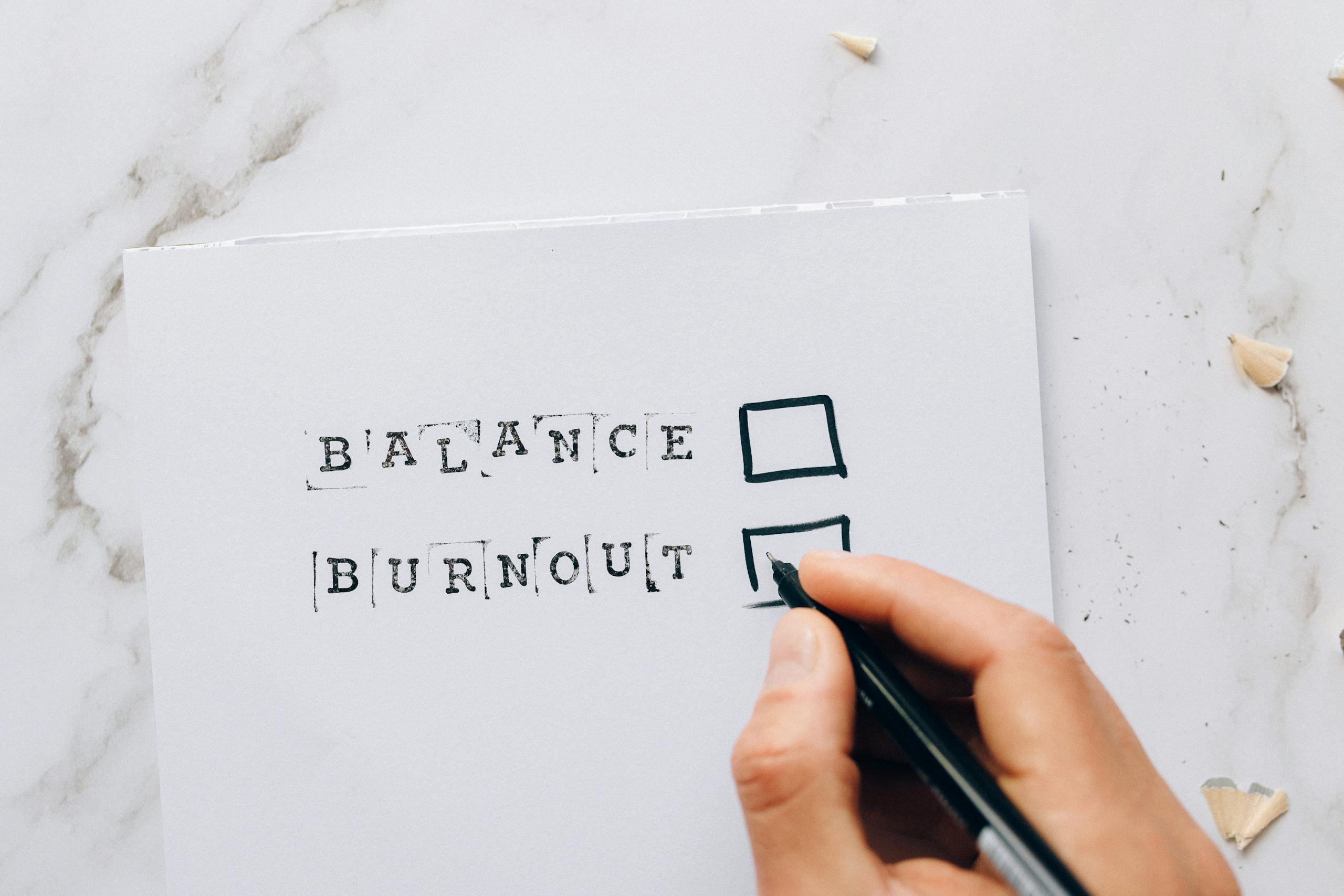
Late in my agency career, I went through a period of real burnout. The kind where even the things I genuinely enjoyed felt flat and effortful. During that period, my desire for solitude intensified significantly. I was staying home more, declining invitations I might otherwise have accepted, spending more time alone than felt quite right.
At first I told myself I was just being an introvert. But over time I recognized that what I was experiencing was not the clean, restoring solitude of someone honoring their nature. It was withdrawal. The difference was subtle but real. My preferred solitude leaves me feeling replenished. That period of withdrawal left me feeling more depleted the longer it went on.
That experience taught me to pay attention to the quality of my solitude, not just its presence. Restorative solitude feels like coming home. Avoidant solitude feels like hiding. Both involve staying home on a Friday night. The internal experience is entirely different.
Paying attention to that difference, with honesty and without judgment, is one of the most useful things an introvert can do for their own mental health. Not because something is wrong with preferring quiet. Nothing is wrong with preferring quiet. But because knowing why you are choosing what you are choosing gives you information that actually helps you take care of yourself well.
There is much more to explore at the intersection of introversion, sensitivity, and mental health. The Introvert Mental Health Hub brings together articles on emotional processing, anxiety, overwhelm, and the inner life of people who feel things deeply. It is a good place to keep reading if this conversation resonated with you.
About the Author
Keith Lacy is an introvert who’s learned to embrace his true self later in life. After 20 years in advertising and marketing leadership, including running agencies and managing Fortune 500 accounts, Keith now channels his experience into helping fellow introverts understand their strengths and build fulfilling careers. As an INTJ, he brings analytical depth and authentic perspective to every article, drawing from both professional expertise and personal growth.
Frequently Asked Questions
Is preferring to stay home instead of socializing a sign of anxiety?
Not on its own. Preferring solitude over social activity is a characteristic of introversion, a stable personality trait, not a symptom of anxiety. Anxiety involves fear, distress, and avoidance driven by perceived threat. If staying home feels genuinely appealing and restorative rather than like an escape from something frightening, that is a preference, not a disorder. The distinction matters because the two experiences call for very different responses.
How can I tell if I am an introvert or if I have social anxiety?
One useful question is whether you could attend social events comfortably if you wanted to. Introverts often can, and sometimes genuinely enjoy social situations in the right context, even while finding them tiring. People with social anxiety typically experience significant dread, physical symptoms, or intrusive worry around social situations regardless of context. Another signal is what happens after socializing: introverts tend to feel depleted but not distressed, while social anxiety often produces prolonged rumination and relief at having survived rather than simply having participated.
Can someone be both introverted and have anxiety?
Yes, and this combination is more common than many people realize. Introversion and anxiety are separate dimensions, meaning they can exist independently or together. An introverted person can also have social anxiety, generalized anxiety, or other anxiety-related experiences. Having both does not mean one caused the other. It means two different things are present and each deserves attention on its own terms. Treating the introversion as the problem when anxiety is also present, or vice versa, tends to be unhelpful.
Why do people confuse introversion with anxiety so often?
Much of the confusion comes from cultural assumptions that sociability is the default for healthy adults. When introversion gets read as avoidance rather than preference, it naturally gets interpreted through a pathology lens. Highly sensitive introverts face an added layer of this confusion because their need for lower stimulation and more recovery time can look like anxiety from the outside even when the internal experience is quite different. The behavioral overlap, staying home, declining invitations, preferring smaller gatherings, makes the two look similar even when the internal drivers are entirely distinct.
What should I do if I am not sure whether my solitude is preference or avoidance?
Pay attention to the quality of the solitude itself. Preference-driven solitude tends to feel restorative. You emerge from it feeling more capable and more like yourself. Avoidance-driven withdrawal tends to feel like relief in the short term but produces a growing sense of contraction over time, as the range of situations that feel safe quietly narrows. If you notice your world getting smaller without you choosing that, or if the thought of social situations produces significant dread rather than simple preference for something else, speaking with a therapist who understands introversion can help you sort out what is actually happening.