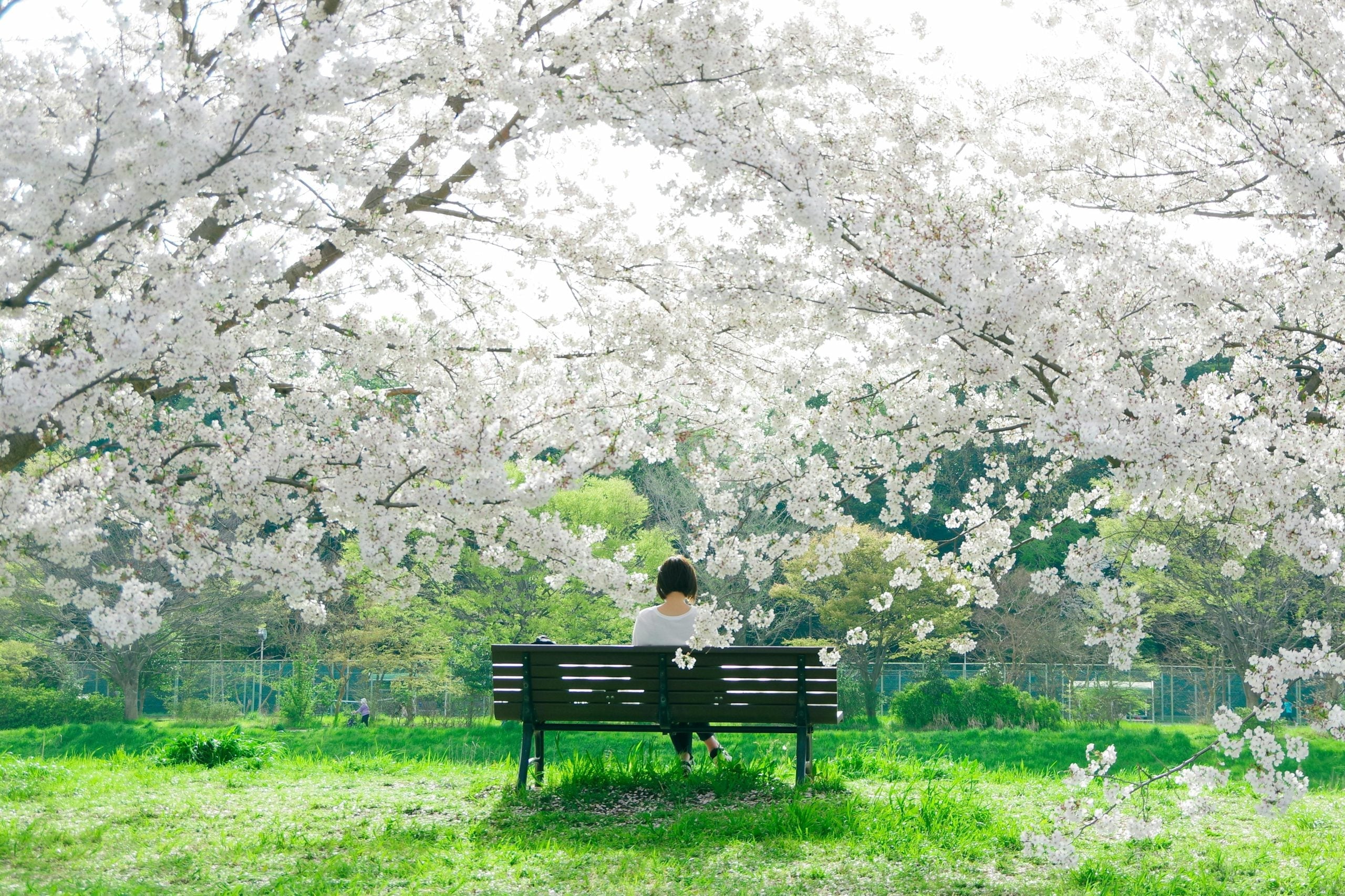

Anxiousness and spending time alone often get tangled together in ways that are genuinely confusing, especially for introverts who are supposed to love solitude. Sometimes the quiet you crave becomes the quiet that unsettles you, and that contradiction deserves a real conversation.
Solitude is not inherently peaceful. For many introverts, time alone carries a complicated emotional charge: relief mixed with restlessness, stillness mixed with an undercurrent of unease that is hard to name. Understanding why that happens, and what to do about it, matters more than pretending the discomfort is not there.
There is a fuller picture of how introversion intersects with mental and emotional wellbeing in our Introvert Mental Health hub, which covers everything from sensory sensitivity to anxiety to emotional processing. This article focuses on one specific, underexplored corner of that picture: the anxious edge that sometimes shows up when we are finally, blessedly alone.

Why Does Solitude Sometimes Feel Anxious Instead of Restful?
My agency years were loud. Pitches, client calls, open-plan offices, the constant performance of confidence that leadership seemed to demand. When I finally got home, closed the door, and had actual silence, I expected to feel restored. Sometimes I did. Other times, an odd restlessness crept in almost immediately, like my nervous system had forgotten how to be still.
What’s your personality type?
Take our free 40-question assessment and get a detailed personality profile with dimension breakdowns, context analysis, and personalised insights.
Discover Your Type8-12 minutes · 40 questions · Free
At the time I chalked it up to stress. What I eventually understood was something more nuanced: I had spent so many years in reactive mode that solitude had become unfamiliar territory. The noise had been covering something. When it stopped, whatever was underneath got louder.
This is more common than people admit. Solitude removes the external stimulation that keeps our minds occupied. For someone whose inner world runs fast and deep, that removal can feel less like rest and more like being left alone with a very active, sometimes critical, internal narrator. The British Psychological Society notes that solitude carries genuine psychological benefits, but those benefits are not automatic. They depend significantly on how a person relates to their own inner experience.
Put simply: solitude amplifies whatever is already present. If what is present includes unprocessed worry, self-criticism, or accumulated emotional weight, the quiet does not dissolve those things. It gives them a stage.
Is the Anxiety About Being Alone, or About What Comes Up When You Are?
There is an important distinction that took me years to make. The anxiousness was never really about solitude itself. It was about what solitude exposed.
During a particularly grinding stretch of running my agency, I had a habit of filling every available moment. Work, podcasts, late-night reading, anything that kept the mental engine turning. A therapist I was seeing at the time pointed out, gently but directly, that I seemed uncomfortable with nothing to do. She was right. Stillness had started to feel like a threat rather than a relief.
What I was avoiding, I eventually realized, was not solitude. It was the backlog of unprocessed thoughts and feelings that solitude would inevitably surface. Concerns about a client relationship that had gone sideways. Doubts about a strategic direction I had committed to publicly. The quiet brought all of it forward, and I had not yet built the capacity to sit with that without it tipping into anxiety.
Many highly sensitive introverts recognize this pattern. The same depth of inner processing that makes solitude valuable also means there is always something waiting to be processed. When you are wired to feel and think deeply, as explored in HSP Emotional Processing: Feeling Deeply, the volume of inner material can feel overwhelming precisely when external noise drops away.
So the question worth sitting with is not “why does being alone make me anxious?” but rather “what does being alone allow me to notice that I have been avoiding?” That reframe does not make the discomfort disappear, but it points toward something more useful than simply avoiding solitude or powering through it.

How Sensory Sensitivity Shapes the Experience of Being Alone
Not all anxiousness in solitude is psychological in origin. For those with heightened sensory sensitivity, the physical experience of being alone can carry its own particular texture.
I remember working from home during a period when my agency was between office spaces. The apartment was quiet, which should have been ideal. Instead I found myself acutely aware of every ambient sound: the hum of the refrigerator, traffic outside, the particular quality of afternoon light. None of it was unpleasant, exactly, but all of it was present in a way it would not have been in a busy office. My sensory system, relieved of the need to filter a crowded environment, seemed to turn its attention to whatever was available.
For people who experience the world with high sensory sensitivity, solitude does not always mean sensory rest. It can mean a shift in what the nervous system is attending to, and sometimes that shift produces its own kind of low-grade unease. Managing that well is something covered in depth in HSP Overwhelm: Managing Sensory Overload, and it is worth understanding as a separate thread from the emotional or cognitive dimensions of anxiousness.
The nervous system does not simply turn off when external demands drop. It recalibrates. For some people, that recalibration feels like relief. For others, it feels like a sudden awareness of internal signals that were previously masked. Heart rate, muscle tension, the background hum of unresolved stress: these become more audible in the quiet, not less.
A piece published in PubMed Central examining the relationship between nervous system arousal and solitude suggests that individual differences in baseline arousal play a meaningful role in how people experience time alone. Those with higher baseline sensitivity may need more intentional structure around solitude to make it genuinely restorative rather than simply quiet.
When the Inner Critic Gets Louder in the Quiet
One of the more uncomfortable truths about anxiousness and spending time alone is that solitude can become a space where self-critical thinking expands to fill the available room. Without the structure of tasks, social interaction, or external demands, the mind sometimes turns inward in ways that are not always kind.
I have watched this happen in myself and in people I have managed. One of my creative directors, a deeply thoughtful person who did some of her best work in focused solitude, would come back from long weekends looking more drained than when she left. When I finally asked her about it, she described spending those quiet hours replaying professional decisions, picking apart things she had said in meetings, cataloguing her perceived shortcomings with an efficiency that would have impressed any analyst. The solitude she needed for her work had become an audit of everything she felt she was getting wrong.
This intersection of solitude and self-criticism is closely tied to perfectionism, and the way high standards can become a source of persistent internal pressure. HSP Perfectionism: Breaking the High Standards Trap addresses this directly, and it is worth reading if your quiet time tends to become a review session for everything you have not yet done well enough.
The inner critic does not need an audience. It is perfectly comfortable performing in an empty room. Recognizing that the anxiousness you feel in solitude is sometimes the sound of that critic at work, rather than a signal that something is genuinely wrong, is a meaningful step toward changing the relationship.
The Role Anxiety Plays in Avoiding Solitude Altogether
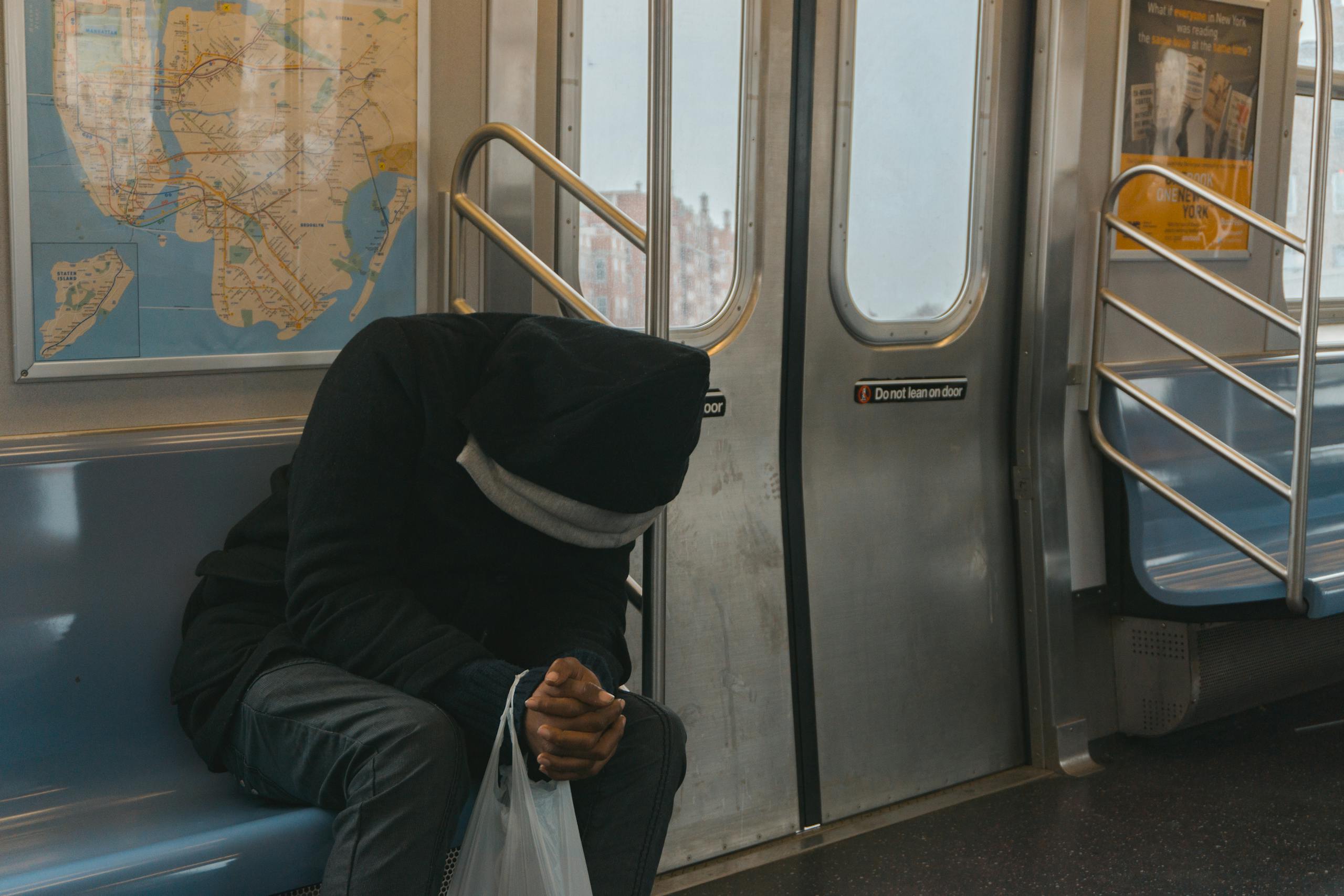
Here is a pattern worth naming plainly: some introverts who genuinely need solitude find themselves unconsciously avoiding it because the experience has become associated with discomfort. The very thing that would restore them has been flagged by their nervous system as something to approach with caution.
This creates a difficult loop. Social interaction drains energy. Solitude, which should replenish it, has become charged with its own anxiety. The result is a kind of chronic low-level depletion with no clear exit, because neither the social world nor the quiet world feels entirely safe.
For people who experience anxiety as a persistent feature of their inner life, understanding how it operates in solitude specifically is part of a broader picture. HSP Anxiety: Understanding and Coping Strategies offers a thorough look at the mechanisms involved and practical ways to work with them rather than around them.
What I have found, both personally and through observing people I have worked with over the years, is that the avoidance of solitude rarely solves the underlying problem. It just defers it. The anxiety does not dissolve because you stayed busy. It waits. And it tends to be louder when it finally gets your attention.
Addressing the anxiousness directly, building a different relationship with what comes up in the quiet, is more sustainable than filling every silence. That is not a comfortable process, but it is a more honest one.
What Happens When Solitude Surfaces Grief or Unresolved Emotion?
Some of the most disorienting experiences of anxiousness in solitude are not really anxiety at all. They are grief, or sadness, or the particular ache of feeling misunderstood, wearing anxiety as a disguise.
After a significant client relationship ended badly, one that had been central to my agency for several years, I went through a stretch where I could not be in my own company without a low, uncomfortable feeling settling in. I kept interpreting it as anxiety about the business, about what came next, about whether I had made the right decisions. Some of that was accurate. But underneath it was something simpler and harder: I was grieving. The loss of that relationship, and the version of my work that had existed within it, mattered to me more than I had let myself acknowledge.
Solitude created the conditions for that grief to surface. That is not a malfunction. That is the psyche doing what it needs to do. The anxious feeling was a signal that something needed attention, not evidence that being alone was dangerous.
For introverts who carry a high degree of empathic sensitivity, this can be compounded by absorbed emotions from others. The emotional residue of a difficult team dynamic, a charged client interaction, or a friend’s pain does not always get fully processed in the moment. It surfaces later, in the quiet, and can feel like free-floating anxiety when it is actually something more specific waiting to be named. HSP Empathy: The Double-Edged Sword explores this dimension of emotional absorption and how it affects inner life over time.
Naming what is actually present, rather than labeling all discomfort as anxiety, changes how you can respond to it. Grief needs acknowledgment. Absorbed emotion needs release. Anxiety needs a different set of tools. Telling them apart is worth the effort.

How Rejection Sensitivity Follows You Into the Quiet
One specific form of anxiousness that tends to intensify in solitude involves the replaying of social interactions, particularly ones that involved any hint of rejection, criticism, or disconnection. The social event ends. You are alone. And your mind, freed from the demands of being present, begins its forensic review.
I know this territory well. After pitches that did not land, after feedback that stung, after conversations where I sensed I had said the wrong thing, the solitude that followed was rarely restful. My mind would reconstruct the interaction in detail, examining it from multiple angles, generating alternate versions of what I should have said. It felt productive. It was not.
What was actually happening was a form of rejection processing that had not yet reached any kind of resolution. The solitude was not causing the distress. It was giving the distress room to move. HSP Rejection: Processing and Healing addresses this cycle directly, including why some people are more prone to it and what actually helps move through it rather than staying stuck in the loop.
There is a meaningful difference between processing and ruminating. Processing moves toward some kind of resolution or acceptance. Ruminating circles the same material repeatedly without arriving anywhere. Solitude supports the first. It can enable the second. Building awareness of which one is happening is a genuinely useful skill.
Can Solitude Actually Reduce Anxiety Over Time?
Yes. But not automatically, and not without some intentionality about how you use it.
The Greater Good Science Center at Berkeley has written about the relationship between solitude and creative and psychological restoration, noting that the benefits tend to emerge when solitude is experienced as chosen and purposeful rather than imposed or avoidant. That distinction matters enormously. Solitude you choose and solitude that simply happens to you feel very different in the body.
What helped me most, and what I have seen help others, was developing a more intentional relationship with alone time. Not just being alone, but having a loose structure for what that time was for. Not a rigid schedule, but a sense of purpose: this is time for thinking, or for rest, or for creative work, or simply for noticing what is present without needing to fix it.
A piece in Nature examining solitude and psychological outcomes found that the quality of the solitude experience, including factors like perceived autonomy and the absence of loneliness, significantly shaped whether time alone felt restorative or distressing. Being alone by choice, with some sense of what you are doing with that aloneness, produces different outcomes than being alone while feeling disconnected or uncertain.
Over time, building a more comfortable relationship with solitude does reduce anxiety for many introverts. Not because the quiet stops surfacing difficult material, but because you develop more confidence in your ability to be with that material without being overwhelmed by it. That confidence does not come from avoiding the discomfort. It comes from accumulating evidence that you can handle what shows up.
Practical Ways to Make Solitude Feel Safer
None of what follows is a prescription. These are things that have helped me and people I know, offered as options rather than instructions.
Start with shorter windows of intentional solitude rather than trying to sustain long stretches before you are ready. Twenty minutes of genuinely chosen quiet, where you are present with yourself without distraction, builds capacity more effectively than two hours of restless avoidance dressed up as alone time.
Give the time a loose container. Not a rigid agenda, but a gentle intention. Some people find that walking, journaling, or making something with their hands provides just enough structure to keep the inner critic from taking over the session entirely. The PubMed Central literature on mindfulness and anxiety suggests that anchoring attention, even loosely, reduces the kind of ruminative thinking that makes solitude feel threatening.
Pay attention to what the anxiousness is actually about. When discomfort arises in solitude, get curious about it rather than immediately trying to escape it. Is this anxiety, or is it grief? Is it the inner critic, or is it a legitimate concern that needs attention? Is it absorbed emotion from someone else’s difficult day? Naming it does not always make it stop, but it changes your relationship to it.
Notice the difference between solitude and loneliness. The CDC’s research on social connectedness is clear that chronic loneliness carries real health consequences. Solitude, which is chosen aloneness, is a different experience from loneliness, which involves a felt absence of connection. If your time alone consistently feels like loneliness, that is worth addressing directly rather than treating as an introvert’s inevitable lot.
Finally, consider what you are bringing into the solitude. If you are coming off a day of difficult interactions, emotional labor, or accumulated stress, the quiet is going to surface all of that. That is not a problem with solitude. It is information about what you are carrying. Frontiers in Psychology has published work on how emotional regulation strategies affect the experience of solitude, suggesting that people who have more flexible ways of working with difficult emotions tend to find alone time more genuinely restorative.

The Difference Between Solitude That Restores and Solitude That Isolates
There is a version of solitude that genuinely replenishes. And there is a version that quietly reinforces disconnection, rumination, and the sense that you are somehow not quite right for needing so much time to yourself.
The difference is not always obvious from the outside, and it is not always obvious from the inside either. What I have come to recognize, after years of trying to figure out why some stretches of alone time left me clearer and others left me more tangled, is that restorative solitude tends to feel chosen and purposeful, even loosely. Isolating solitude tends to feel like retreat from something rather than movement toward something.
When solitude becomes a consistent escape from social anxiety, from difficult emotions, or from situations that feel threatening, it stops being restoration and starts being avoidance. That is worth noticing without judgment. Avoidance is usually a signal that something needs more direct attention than hiding from it can provide.
The goal, if there is one, is solitude that you can genuinely inhabit: time alone that feels like yours rather than time alone that feels like a symptom. Getting there is a process, and it is rarely linear. But it is possible, and it is worth working toward.
If you want to go deeper on the broader landscape of introvert mental health, including how anxiety, sensitivity, and emotional depth intersect, the Introvert Mental Health hub is a good place to keep exploring.
About the Author
Keith Lacy is an introvert who’s learned to embrace his true self later in life. After 20 years in advertising and marketing leadership, including running agencies and managing Fortune 500 accounts, Keith now channels his experience into helping fellow introverts understand their strengths and build fulfilling careers. As an INTJ, he brings analytical depth and authentic perspective to every article, drawing from both professional expertise and personal growth.
Frequently Asked Questions
Why do I feel anxious when I am finally alone?
Solitude removes external stimulation that keeps the mind occupied during the day. For people with active inner lives, that removal can surface unprocessed thoughts, worries, or emotions that were masked by busyness. The anxiousness is often less about being alone and more about what the quiet allows you to notice. Building a more intentional relationship with solitude, including giving it a loose purpose or structure, can help shift the experience over time.
Is anxiousness in solitude a sign of introversion or anxiety disorder?
Feeling uneasy during alone time does not automatically indicate an anxiety disorder, though persistent anxiety that significantly disrupts daily life is worth discussing with a mental health professional. Many introverts experience a complicated relationship with solitude, particularly if they carry high sensory sensitivity, a tendency toward rumination, or unprocessed emotional material. The experience sits at an intersection of personality, nervous system sensitivity, and emotional habits rather than fitting neatly into one category.
How can I make time alone feel more restful and less anxious?
Starting with shorter, intentionally chosen windows of solitude tends to work better than trying to sustain long stretches before you are ready. Giving the time a loose container, such as walking, journaling, or simply sitting with a specific intention, reduces the space for ruminative thinking. Paying attention to what the discomfort is actually about, whether it is anxiety, grief, absorbed emotion, or the inner critic, also helps because different underlying causes respond to different approaches.
What is the difference between solitude and loneliness for introverts?
Solitude is chosen aloneness, time alone that you want and that serves a restorative function. Loneliness is a felt absence of meaningful connection, which can happen in a crowd as easily as in an empty room. Introverts need solitude but are not immune to loneliness. If time alone consistently feels like loneliness rather than restoration, that is a signal worth paying attention to, not a personality trait to accept without question.
Why does my inner critic seem louder when I am alone?
External demands, tasks, and social interaction all compete for mental attention during the day. When those demands drop away in solitude, self-critical thinking can expand to fill the available space. This is particularly common for people who hold themselves to high standards or who tend toward perfectionism. Recognizing that the inner critic does not need quiet to function, but that quiet gives it more room, is a useful first step. Practices that anchor attention, like journaling or mindful movement, can interrupt the cycle without requiring you to silence your thoughts entirely.