
Yes, there are absolutely women who are drawn to shy, introverted guys, and more than you might expect. Many women actively prefer partners who are thoughtful, attentive, and genuinely present in conversation over those who dominate every room they walk into.
Shyness and introversion are not the same thing, and understanding that distinction matters enormously when you’re thinking about attraction. Shyness involves social anxiety, a fear of judgment. Introversion is simply how you process energy and experience the world. Many introverted men are confident, deeply interesting, and incredibly appealing to women who value substance over performance.

Before we get into the specifics, it helps to understand where introversion actually sits on the personality spectrum. Our Introversion vs Other Traits hub covers the full range of how personality types interact, overlap, and affect real life, including relationships. What follows builds on that foundation with something more personal: what it actually feels like to be an introverted man in the dating world, and why that quiet depth is often exactly what women are looking for.
Why Do Some People Assume Introverted Men Are Less Attractive?
Culture has done introverted men a real disservice. Decades of movies, television, and social messaging have pushed a narrow template for what an attractive man looks like: loud, confident, always “on,” commanding attention without effort. The guy who works the room. The one who never seems nervous.
Career Coaching for Introverts
One-on-one career strategy sessions with Keith Lacy. 20 years of Fortune 500 leadership as an introvert, now helping others build careers that work with their wiring.
Learn More50-minute Zoom session · $175
I internalized that template for a long time. Running advertising agencies meant constant client entertainment, pitches, and networking events. I watched extroverted colleagues command rooms with ease, and I spent years wondering what was wrong with me because I found those same rooms exhausting rather than energizing. I was good at my job. I was respected. Yet I kept measuring myself against a standard that was never built for people like me.
That same misalignment plays out in dating. Introverted men sometimes interpret their quietness as a flaw, something to overcome or apologize for. They assume women want the louder version of them. So they either force themselves into uncomfortable performance or they withdraw entirely, convinced they can’t compete.
Neither response is accurate, and neither is necessary. The assumption that extroversion equals attractiveness is a cultural story, not a biological fact. And it’s one that a growing number of women are actively pushing back against.
Part of what makes this conversation complicated is that “introverted” means different things to different people. Someone who is fairly introverted versus extremely introverted will show up very differently in social situations, and that range matters when we’re talking about attraction and compatibility.
What Do Women Actually Say They Find Attractive in Quieter Men?
Ask women who have dated both introverted and extroverted men what they prefer, and the answers are often more nuanced than the cultural script suggests. Many describe the experience of being with an introverted partner as genuinely different in ways they value.
Feeling truly heard is one of the most consistent themes. Introverted men tend to listen with full attention rather than waiting for their turn to speak. That quality, which sounds simple, is actually rare. In a world where most conversations feel like competing monologues, someone who is genuinely curious about what you think and how you feel stands out immediately.
Depth of conversation is another. Psychology Today has written about why deeper conversations matter for human connection, and introverted men tend to gravitate toward exactly that kind of exchange. Small talk feels hollow to most of us. We’d rather talk about what someone actually believes, what keeps them up at night, what they’re working toward. Women who value intellectual and emotional connection often find that quality magnetic.
Calm presence is a third. There’s something grounding about a man who doesn’t need to fill every silence, who isn’t performing for the room, who seems settled in himself even when the environment is chaotic. Many women describe that quality as deeply attractive, especially after experiences with men whose energy felt draining or unpredictable.
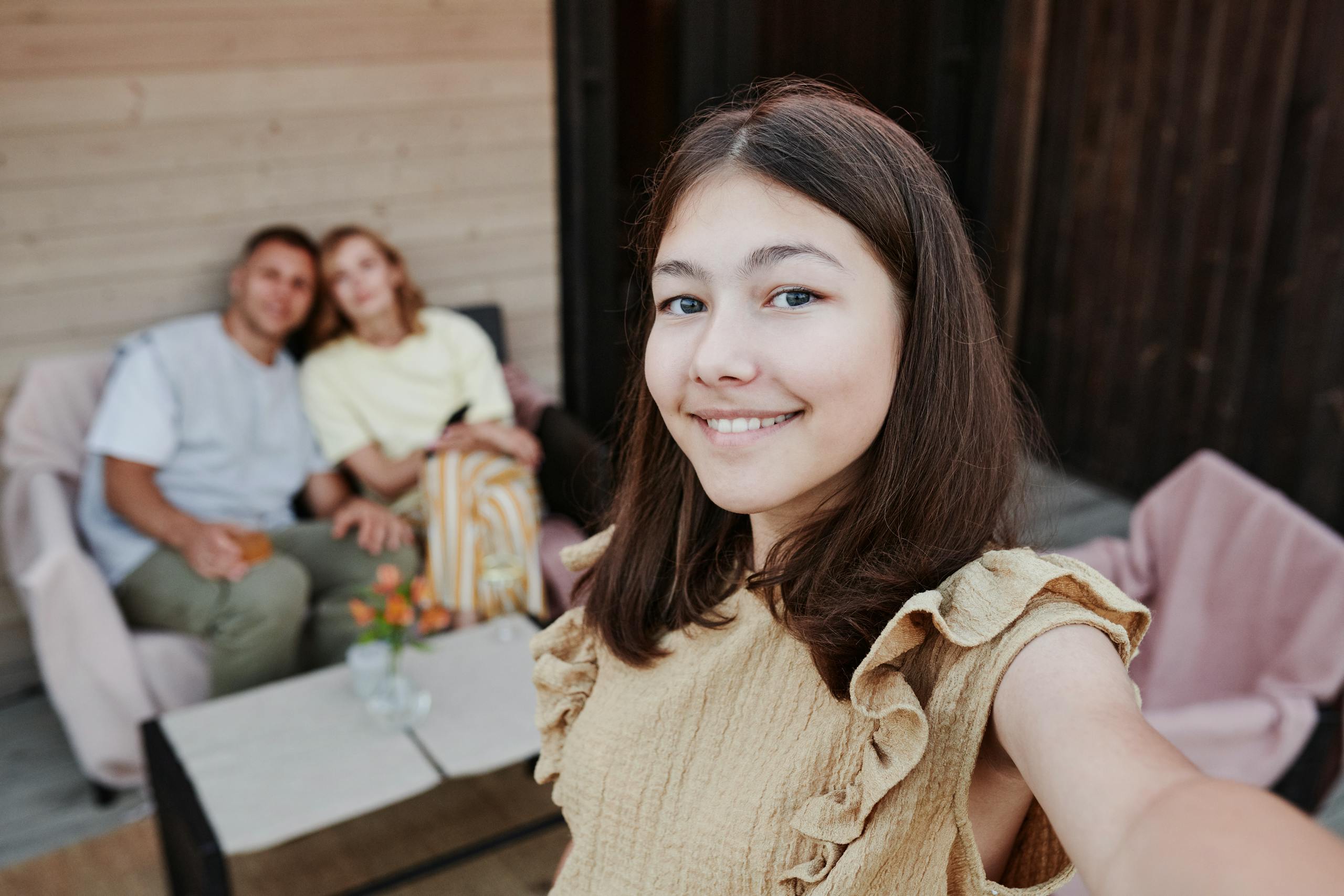
Thoughtfulness in action matters too. Introverted men often remember details, notice things others miss, and express care through considered gestures rather than grand displays. That kind of attentiveness, the kind that says “I was actually paying attention to you,” resonates with women who have felt overlooked in past relationships.
Is Shyness the Same as Introversion, and Does the Difference Matter for Dating?
This distinction matters more than most people realize, and getting it wrong can genuinely hold introverted men back in dating.
Shyness is rooted in fear. It’s the anxiety that comes from worrying about how others will judge you, the hesitation before speaking because you’re afraid of saying the wrong thing, the avoidance of social situations because they feel threatening. Shyness is an emotional response to perceived social risk.
Introversion is something different entirely. It’s about where your energy comes from and where it goes. Introverts recharge through solitude and find extended social interaction draining, not because they’re afraid of people, but because that’s simply how their nervous system works. An introverted man can be confident, warm, and engaging while still needing quiet time afterward to recover.
To understand what extroversion actually means in contrast, it helps to look at the trait directly. What does extroverted mean as a personality trait? Extroverts gain energy from social interaction, think out loud, and tend to process experience externally. That’s not better or worse than introversion. It’s just different wiring.
Why does this matter for dating? Because shyness, left unaddressed, can create real barriers. It can prevent you from initiating conversations, expressing interest, or showing up as yourself. Introversion, by contrast, isn’t a barrier at all. It’s a set of traits that, understood and embraced, can actually make you more attractive.
Many men who identify as “shy introverts” are actually dealing with two separate things at once: the natural introversion that’s simply part of their personality, and social anxiety that has developed over time, often reinforced by cultural messages that told them something was wrong with being quiet. Separating those two threads is worth the effort.
Not everyone falls cleanly into one category either. Some people find their social energy shifts depending on context or mood. If you’ve wondered where you actually fall on the spectrum, taking an introvert extrovert ambivert omnivert test can give you a clearer picture of your baseline tendencies.
What Types of Women Are Most Drawn to Introverted Men?
Attraction is complex and individual, so broad generalizations only go so far. That said, certain patterns do emerge when you look at compatibility and what women describe valuing in relationships.
Women who are themselves introverted often feel deeply compatible with introverted men. There’s a shared understanding of needing quiet time, of preferring meaningful connection over constant socializing, of finding crowded parties more exhausting than fun. Two introverts often build relationships that feel genuinely restful rather than performative.
Women who are highly sensitive or empathic also frequently describe strong attraction to introverted men. The attentiveness, the emotional depth, the willingness to sit with difficult feelings rather than deflecting them, these qualities resonate with women who process the world with similar intensity. Research published in PubMed Central has explored how sensitivity and emotional processing connect to interpersonal dynamics, and the patterns that emerge align with what many women describe in their own relationship experiences.

Women who have had exhausting experiences with high-drama or high-maintenance partners often describe a strong pull toward the steadiness of introverted men. After relationships that felt like constant emotional turbulence, calm and consistency can feel like a revelation.
Intellectually curious women, those who want a partner who reads, thinks, questions, and engages with ideas, often find introverted men to be natural fits. Most of us spend a lot of time in our own heads, which means we tend to develop genuine depth of knowledge and perspective on the things that interest us. That’s compelling to someone who wants a partner they can actually talk to.
Worth noting: some women who identify as ambiverts or omniverts also describe strong compatibility with introverted men. The distinction between those two types is interesting in its own right. Omnivert vs ambivert breaks down how those two personality orientations differ, which can be useful context when thinking about who you’re likely to connect with naturally.
How Can Introverted Men Show Up More Authentically in Dating?
Authenticity is the word I keep coming back to, because it’s where introverted men most consistently undermine themselves. We try to perform extroversion, and it never works. It’s exhausting, it reads as inauthentic, and it attracts women who want a different kind of person than who we actually are.
Early in my career, I learned a hard lesson about this in a professional context. I was pitching a major account, and I’d prepared what I thought was an appropriately energetic, high-charisma presentation because that’s what I assumed clients wanted. It fell flat. A colleague pulled me aside afterward and said, “You’re most compelling when you’re just talking to someone, not performing at them.” That feedback stung, but it was accurate. The clients I built the strongest long-term relationships with were the ones I’d had real conversations with, not the ones I’d dazzled with a performance.
The same principle applies in dating. Women are perceptive. They can feel the difference between someone who is genuinely present and someone who is running a script. Introverted men who stop trying to be louder or more socially dominant and simply show up as themselves often find that their natural qualities, the attentiveness, the depth, the calm, do the work for them.
Some practical considerations worth thinking through:
Choose environments that play to your strengths. A loud bar where you have to shout over music is not where most introverts do their best connecting. A quieter restaurant, a coffee shop, a museum, a walk, these are contexts where genuine conversation can actually happen. You don’t have to force yourself into settings that drain you before a date even begins.
Lead with curiosity rather than performance. Introverts are often excellent at asking questions and genuinely wanting to know the answers. That quality is attractive. Women who feel genuinely interesting to someone respond to that. You don’t need to be the most entertaining person in the room. You need to be the person who makes her feel most seen.
Be honest about who you are without apologizing for it. There’s a difference between saying “I’m kind of an introvert, sorry if I’m boring” and “I tend to be more of a one-on-one person than a crowd person, I’m much better in conversations like this one.” One frames your personality as a deficiency. The other frames it as a preference, which is all it actually is.
Some introverted men find that online or app-based dating suits them well initially, because it allows for the kind of thoughtful, written communication where they naturally excel before moving to in-person connection. There’s no shame in using the formats that work for how your mind operates.
Does the Introvert-Extrovert Dynamic Create Problems in Relationships?
Every relationship has friction points, and introvert-extrovert pairings do come with specific ones worth understanding. But the presence of friction doesn’t mean incompatibility. It means you need honest communication and genuine respect for how the other person is wired.
The most common tension point is social energy. An extroverted partner wants to go out more, spend more time with friends, fill the calendar with activity. An introverted partner needs more downtime, more quiet evenings, more space to recover. Neither of these needs is unreasonable. They’re just different, and they require negotiation.
I watched this play out among colleagues at my agencies over the years. Some of the strongest creative partnerships I ever managed were between introverted strategists and extroverted account leads. They drove each other crazy sometimes. But the extrovert pushed the introvert into client conversations that in the end made the work stronger, and the introvert pulled the extrovert back into the room to actually think before speaking. When both people respected what the other brought, the dynamic was genuinely powerful.
Relationships work the same way. Psychology Today has outlined specific approaches to introvert-extrovert conflict resolution that center on understanding each person’s underlying needs rather than just negotiating surface behaviors. That framing is useful: success doesn’t mean compromise on who you are, it’s to understand what each person actually needs and find genuine ways to honor both.

Some couples handle this by developing clear agreements about alone time and social time, treating both as legitimate needs rather than one being the “normal” default. Others find that their natural rhythms align more than they expected once they stop trying to force each other into a single template.
It’s also worth noting that not every relationship is a clean introvert-extrovert pairing. Many people fall somewhere in the middle of the spectrum. The concept of an “otrovert,” someone who moves between introvert and extrovert tendencies depending on context, adds another layer to how we think about compatibility. Otrovert vs ambivert explores how those two orientations differ and what that means for how someone shows up in relationships.
What Are the Genuine Strengths Introverted Men Bring to Relationships?
Introverted men bring specific relational strengths that are worth naming clearly, not as consolation prizes for not being extroverted, but as genuine qualities that make for deeply satisfying partnerships.
Loyalty and consistency. Introverts tend to invest deeply in the relationships they choose. We don’t spread ourselves thin across dozens of shallow connections. When we commit to someone, that commitment tends to be real and sustained. Women who have experienced partners who were charming but inconsistent often describe the steadiness of an introverted partner as one of the most valuable things in the relationship.
Emotional attentiveness. Because introverts spend a lot of time observing and processing rather than broadcasting, we tend to notice things. We pick up on shifts in mood, on what someone isn’t saying, on the subtle signals that something matters even when it hasn’t been stated directly. That quality can make a partner feel genuinely known rather than just tolerated.
Thoughtful communication. Research on interpersonal communication patterns suggests that the quality of communication matters more than the quantity, and introverts tend to prioritize exactly that. We think before we speak. We choose words with care. In conflict, that tendency toward reflection rather than immediate reaction can prevent a lot of unnecessary damage.
Intellectual partnership. Many women describe wanting a partner who is genuinely curious, who reads and thinks and has opinions and can hold a real conversation about something that matters. Introverted men often excel at this kind of engagement. We’ve spent a lot of time with our own thoughts, which tends to produce genuine perspective.
Comfort with depth and vulnerability. Introverts tend to be more comfortable with emotional depth than the cultural stereotype of men suggests. We process internally, yes, but when we feel safe, we often share with a level of honesty and vulnerability that many partners find both surprising and deeply connecting.
If you’re unsure where your own tendencies fall, an introverted extrovert quiz can help you get a clearer read on which traits are most dominant for you, which matters when you’re thinking about how you naturally show up in relationships.
How Does Self-Acceptance Change the Equation for Introverted Men in Dating?
There’s a version of this conversation that focuses on tactics: how to approach women, what to say, how to seem more confident. That version misses the point entirely.
The most significant shift for introverted men in dating isn’t tactical. It’s internal. It’s the difference between believing your introversion is a problem to manage and understanding it as a genuine part of who you are, one that carries real value.
That shift took me years in my professional life. I spent a long time trying to lead like the extroverted agency heads I admired, performing energy I didn’t have, filling silences I was actually comfortable with, treating my preference for depth over breadth as a weakness. The work I did on understanding my own INTJ wiring changed how I led, how I communicated, and how I related to the people around me. Not because I became more extroverted, but because I stopped pretending I was something I wasn’t.
In dating, that kind of self-acceptance is visible. Women can feel the difference between a man who is at ease with himself and one who is performing ease. Confidence in introverted men doesn’t look like dominance or volume. It looks like someone who knows what he values, who he is, and what kind of relationship he wants. That clarity is genuinely attractive.
Self-acceptance also means being honest about your needs without shame. Needing quiet time isn’t a character flaw. Preferring deep one-on-one conversation to party small talk isn’t antisocial. These are simply how you’re built, and a partner who is right for you will appreciate rather than resent them.

The broader question of how introverts relate to the world, in work, in love, in social settings, is one worth exploring fully. Our Introversion vs Other Traits hub pulls together the full picture of how introversion intersects with personality, behavior, and relationships across different contexts.
About the Author
Keith Lacy is an introvert who’s learned to embrace his true self later in life. After 20 years in advertising and marketing leadership, including running agencies and managing Fortune 500 accounts, Keith now channels his experience into helping fellow introverts understand their strengths and build fulfilling careers. As an INTJ, he brings analytical depth and authentic perspective to every article, drawing from both professional expertise and personal growth.
Frequently Asked Questions
Do women actually prefer introverted men over extroverted men?
Preference varies widely by individual, but many women actively value the qualities introverted men tend to bring: attentiveness, depth of conversation, emotional consistency, and calm presence. There’s no universal preference, but the idea that extroversion is universally more attractive is simply not supported by what women actually describe valuing in partners. Compatibility matters more than where someone falls on the introversion-extroversion spectrum.
Is being shy the same as being introverted when it comes to dating?
No, and the distinction matters. Shyness is social anxiety rooted in fear of judgment, while introversion is about energy and how you process experience. Shyness can create real barriers in dating if it prevents you from initiating or being yourself. Introversion, by contrast, is simply a personality orientation that comes with its own genuine strengths. Many introverted men are confident and engaging once they stop trying to perform extroversion and simply show up as themselves.
Can an introverted man and extroverted woman have a successful relationship?
Yes, and many do. The most common tension point is differing social energy needs, where one partner wants more activity and the other needs more quiet time. These differences are workable when both people communicate honestly about their needs and genuinely respect how the other is wired. Introvert-extrovert pairings can be complementary and deeply satisfying when approached with mutual understanding rather than one person trying to change the other.
How can an introverted man be more confident in dating without pretending to be extroverted?
Confidence for introverted men comes from self-acceptance, not performance. Choosing environments that suit you, like quieter settings where real conversation can happen, helps significantly. Leading with genuine curiosity rather than trying to entertain is often more effective than any social tactic. Being honest about your personality without framing it as a flaw signals self-assurance. Women respond to someone who is at ease with himself, and that ease comes from embracing who you are rather than apologizing for it.
What makes introverted men attractive to women who value deep connection?
Introverted men tend to listen fully rather than waiting for their turn to speak, which makes partners feel genuinely heard. They gravitate toward meaningful conversation over small talk, which creates real intimacy faster than surface-level exchanges. They often notice details others miss, expressing care through attentiveness rather than grand gestures. Their tendency toward loyalty and depth of investment in chosen relationships also resonates strongly with women who prioritize genuine connection over social performance.