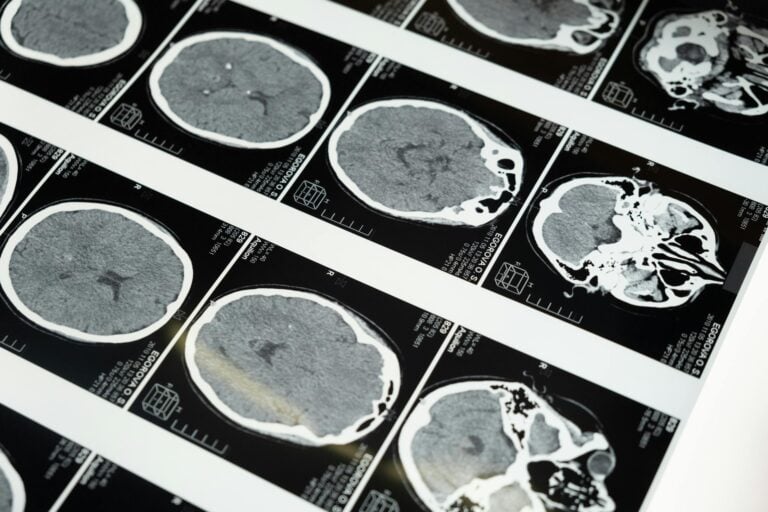

Yes, introverts do have longer neural pathways than extroverts, and this difference shapes nearly everything about how they process the world. Where an extrovert’s brain moves information along a shorter, faster route oriented toward reward and external stimulation, an introvert’s brain routes that same information through longer pathways connected to memory, planning, and internal reflection. This isn’t a flaw or a quirk. It’s wiring.
What makes this so significant is that the length of those pathways explains so much of what introverts already sense about themselves: why a crowded room feels draining, why small talk feels hollow, why a single idea can occupy an entire afternoon, and why solitude feels less like isolation and more like oxygen.

Before we get into the science, it helps to understand the broader picture of what separates introverts from extroverts at a fundamental level. Our Introversion vs Other Traits hub covers the full spectrum of personality differences, but the neural pathway distinction is one of the most concrete biological explanations for why these two groups experience the same world so differently.
What Does the Neural Pathway Difference Actually Mean?
The concept comes largely from the work of psychologist Debra Johnson and her colleagues, who used brain imaging to examine blood flow patterns in introverts and extroverts. What they found was striking: introverts showed greater blood flow in regions of the brain associated with internal processing, including the frontal lobes, which handle planning and problem-solving, as well as areas tied to memory and emotional experience. Extroverts showed more activity in sensory regions oriented toward external input.
Career Coaching for Introverts
One-on-one career strategy sessions with Keith Lacy. 20 years of Fortune 500 leadership as an introvert, now helping others build careers that work with their wiring.
Learn More50-minute Zoom session · $175
Put plainly, the introvert’s brain takes the scenic route. Information passes through more stops, gets filtered through more associations, and arrives at a response after a longer internal conversation. The extrovert’s brain takes the expressway. Faster, more direct, optimized for action and external engagement.
Neither route is superior. But they produce very different people.
I noticed this difference long before I had language for it. Running an advertising agency meant constant input: client calls, creative reviews, strategy sessions, pitches. My extroverted colleagues seemed to thrive on the volume of it. They’d walk out of a chaotic brainstorm energized, talking faster, ideas tumbling over each other. I’d walk out needing twenty minutes alone just to know what I actually thought. At the time, I read that as a weakness. Now I understand it as my brain doing exactly what it was built to do, processing deeply before responding.