

People with social anxiety are not losers. Not even close. Social anxiety is a recognized anxiety disorder that affects millions of people across every profession, personality type, and walk of life, and the shame attached to it says far more about our culture’s discomfort with vulnerability than it does about the people who experience it. If you’ve ever wondered whether struggling socially makes you weak or broken, the answer is a clear and unambiguous no.
That question still stings a little when I see it typed out. Because I’ve asked a version of it myself, quietly, in the middle of a career that looked confident from the outside and felt anything but on the inside.

I ran advertising agencies for over two decades. I pitched Fortune 500 brands, led teams, sat across boardroom tables from executives who expected certainty and charisma in equal measure. And for a long time, I believed that my discomfort in loud rooms, my need to prepare obsessively before presentations, my tendency to replay conversations for days afterward, meant something was fundamentally wrong with me. It took years to understand that what I was carrying wasn’t weakness. It was a nervous system doing exactly what it was built to do, just in a world that hadn’t made room for it.
If you’re exploring the intersection of introversion and mental health more broadly, our Introvert Mental Health Hub covers the full range of topics that matter to people wired the way we are, from anxiety to emotional processing to the quieter struggles that rarely get named out loud.
Where Does the “Loser” Label Even Come From?
Social anxiety doesn’t make someone a loser. But the label gets attached anyway, and it’s worth understanding why.
What’s your personality type?
Take our free 40-question assessment and get a detailed personality profile with dimension breakdowns, context analysis, and personalised insights.
Discover Your Type8-12 minutes · 40 questions · Free
We live in a culture that equates social ease with competence. The person who works a room, who never seems rattled, who laughs loudly and speaks first, gets coded as capable. The person who hesitates at the door of a party, who stumbles through small talk, who goes quiet when anxiety spikes, gets coded as something lesser. That coding is cultural, not factual, but it lands hard when you’re already struggling.
I watched this play out constantly in agency life. New business pitches were theater. The clients wanted to see confidence performed, and the loudest voice in the room often got the credit, regardless of who had actually done the thinking. I had team members who were brilliant, deeply perceptive people, who got passed over for client-facing roles because they didn’t perform ease naturally. One of my account directors, someone who could read a client relationship more accurately than anyone I’ve ever worked with, was quietly sidelined during a major pitch because she “seemed nervous.” She was nervous. She was also right about everything. The pitch went to someone louder who missed the strategic point entirely. We lost the account six months later.
The loser label sticks because social anxiety is visible in ways that other struggles aren’t. A racing heart doesn’t show. Catastrophic thinking doesn’t show. But a flushed face, a voice that cracks, a pause that goes a beat too long, those things show. And in a culture that reads social fluency as a proxy for worth, visible anxiety gets misread as visible failure.
The American Psychological Association draws a clear distinction between shyness, introversion, and social anxiety disorder, and understanding those differences matters. Shyness is a temperament. Introversion is a preference for less stimulating environments. Social anxiety is a clinical condition involving fear of social situations where scrutiny or embarrassment might occur. They can overlap, but they are not the same thing, and none of them is a character flaw.
What Social Anxiety Actually Signals About a Person
Here’s something that took me a long time to sit with: the qualities that make social anxiety so painful are often the same qualities that make someone exceptionally perceptive, careful, and attuned to others.
Social anxiety tends to show up in people who care deeply about how they affect others. The fear of saying the wrong thing comes from genuinely not wanting to hurt anyone. The dread of being judged comes from an acute awareness that other people’s experiences of you are real and matter. That’s not weakness. That’s a form of moral seriousness that plenty of confident, socially fluent people never develop.
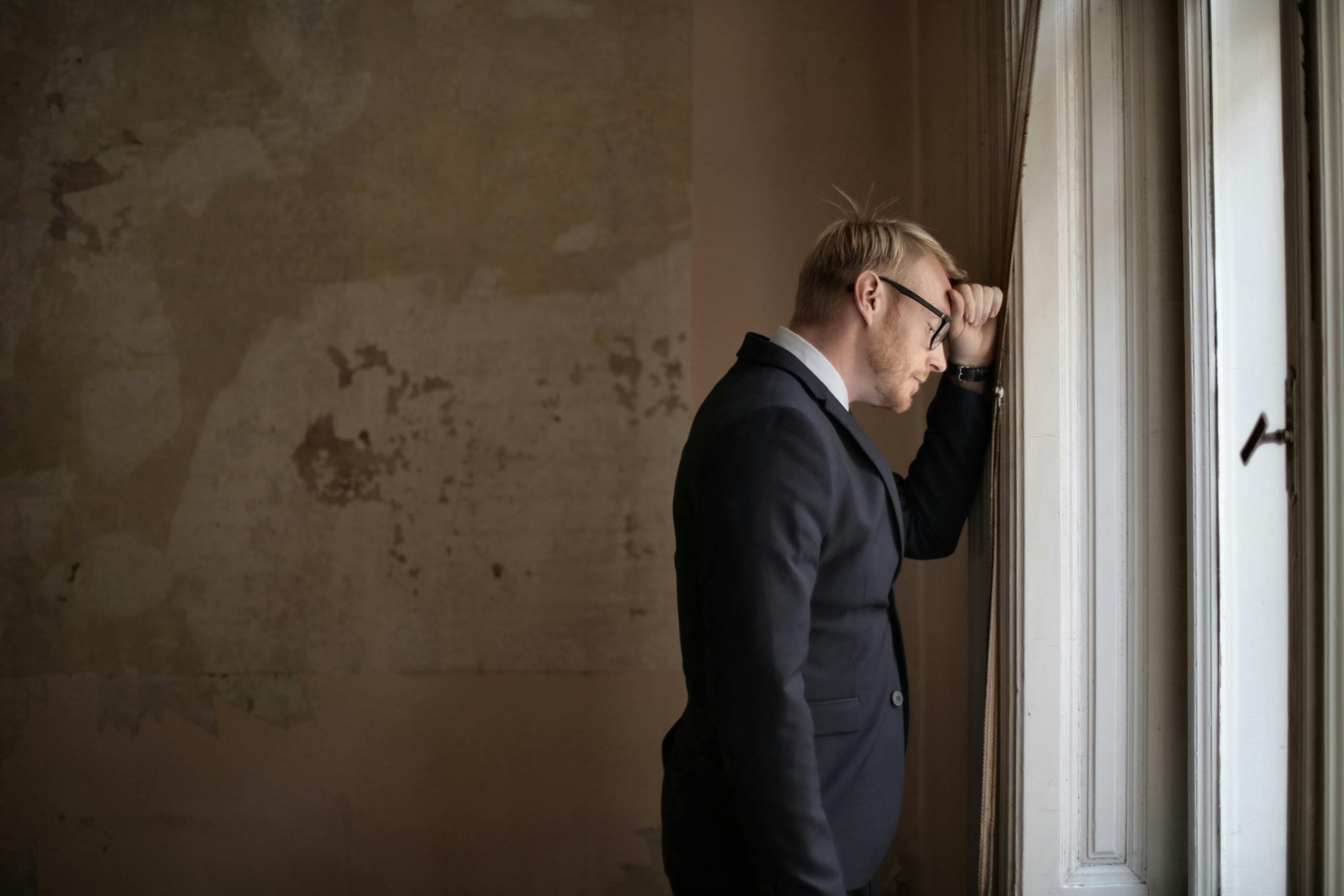
Many people who experience social anxiety also process emotion with unusual depth. They notice undercurrents in conversations that others miss entirely. They pick up on tone, on micro-expressions, on the slight shift in someone’s posture that signals discomfort. That kind of sensitivity can feel like a liability in high-stimulation social environments. In smaller, more meaningful exchanges, it’s often what makes someone the most genuinely connected person in the room.
If you recognize that pattern in yourself, the article on HSP emotional processing and feeling deeply speaks directly to what it’s like to carry that much internal information and not always know what to do with it.
As an INTJ, I process the world through systems and patterns. I don’t experience emotion the way some of the highly sensitive people I’ve worked with do. But I’ve managed enough of them to understand that their emotional depth wasn’t a professional liability. It was a form of intelligence. The ones who learned to trust it, rather than apologize for it, became some of the most effective people I ever worked alongside.
The Shame Spiral Is the Real Problem, Not the Anxiety
Social anxiety is hard. But social anxiety plus shame is a different level of difficult entirely.
When someone believes their anxiety makes them a loser, they don’t just struggle in social situations. They struggle with themselves. Every awkward moment becomes evidence of a fundamental deficiency. Every avoided party, every cancelled plan, every conversation that didn’t go the way they hoped becomes another data point in a case they’re building against themselves. That internal prosecution is exhausting in a way that’s hard to describe if you haven’t lived it.
I built a version of this case against myself for years. Not around social anxiety specifically, but around the introversion that sat underneath it. I told myself that needing quiet to think, that finding large gatherings genuinely depleting, that preferring one real conversation to twenty surface ones, meant I was somehow defective as a leader. I performed extroversion for so long that I started to believe the performance was the real standard and I was failing to meet it.
What shifted wasn’t that I became more socially comfortable. What shifted was that I stopped treating my wiring as a problem to be solved. That reframe didn’t happen overnight. It happened slowly, through experience and through finally reading enough about how introverted and sensitive nervous systems actually work to understand that I wasn’t broken. I was just built differently.
The American Psychological Association’s overview of anxiety disorders makes clear that anxiety conditions are among the most common and treatable mental health experiences. Common and treatable. Not shameful. Not permanent. Not defining.
How Sensitivity and Social Anxiety Intersect
A significant number of people with social anxiety also identify as highly sensitive. The overlap makes sense when you think about it. A nervous system that processes sensory and emotional information more intensely is also going to process social threat more intensely. A crowded room isn’t just loud. It’s overwhelming. A critical comment isn’t just uncomfortable. It echoes.
That kind of sensory intensity has its own challenges. The piece on HSP overwhelm and managing sensory overload gets into what it actually feels like when your environment is asking more of your nervous system than it can comfortably process, and what you can do about it.

Highly sensitive people also tend to carry a particular relationship with empathy that complicates social situations in specific ways. They don’t just notice how others feel. They absorb it. Walking into a room with a difficult emotional undercurrent isn’t just uncomfortable. It’s genuinely taxing in a physiological sense. The piece on HSP empathy as a double-edged sword explores exactly this tension, the way that deep attunement to others can be both a profound gift and a genuine burden.
When empathy runs that deep and anxiety is layered on top of it, social situations become extraordinarily complex. You’re not just managing your own discomfort. You’re picking up on everyone else’s emotional state while simultaneously trying to manage your own fear response. Calling that experience “loser behavior” is like calling someone a loser for finding it hard to carry five bags of groceries at once.
A body of work in psychology, including research published in PubMed Central on anxiety and emotional sensitivity, supports the idea that heightened emotional reactivity and social anxiety often co-occur, and that understanding the connection is essential to finding approaches that actually help.
The Rejection Piece Nobody Talks About
One of the most painful dimensions of social anxiety is the way it amplifies rejection. Not just real rejection, but anticipated rejection. The fear of being left out, dismissed, or found lacking can be so acute that it shapes behavior long before any actual rejection occurs. People pull back. They decline invitations. They stay quiet in meetings where they have something valuable to say. And then they get to watch the very outcomes they feared materialize, not because they were inadequate, but because anxiety made the protective withdrawal feel necessary.
I’ve seen this pattern in talented people throughout my career. A copywriter who never pitched ideas in group settings because he was certain they’d be shot down. He pitched them to me one-on-one, and they were consistently some of the best concepts in the room. The ideas weren’t the problem. The fear of public evaluation was.
Processing that kind of anticipatory rejection, and the real rejection that sometimes follows, requires something more than just toughening up. The article on HSP rejection, processing, and healing addresses this directly, including why rejection lands so much harder for sensitive nervous systems and what genuine healing actually looks like.
What I’ve come to believe, after watching this play out in myself and in people I’ve worked with, is that the anticipation of rejection is often more damaging than rejection itself. Real rejection has edges you can feel and eventually work through. The anticipatory version is formless. It lives everywhere and nowhere, and it’s very good at convincing you that staying small is the only safe option.
When High Standards Make Everything Harder
Social anxiety and perfectionism are frequent companions. The fear of being judged and the drive to perform flawlessly in social situations often feed each other in ways that are genuinely exhausting to manage.
I know this combination well, not from social anxiety specifically, but from the INTJ tendency toward exacting standards. I’ve watched it in myself and in team members who held themselves to impossible benchmarks. One of my creative directors, someone I’d describe as both highly sensitive and deeply anxious in social settings, would spend hours preparing for client presentations that other people walked into cold. Her preparation was meticulous. Her anxiety was real. And her work was consistently exceptional. The perfectionism and the anxiety were two sides of the same coin, and dismissing either one would have meant missing who she actually was.
The article on HSP perfectionism and breaking the high standards trap examines this dynamic carefully, including how to tell the difference between standards that serve you and standards that are quietly running you into the ground.
Social perfectionism, specifically, is a particular kind of exhausting. It’s the internal standard that says every interaction must go well, every impression must be favorable, every word must land correctly. No one can meet that standard. But for someone with social anxiety, failing to meet it doesn’t feel like a normal human imperfection. It feels like confirmation of the very inadequacy they feared.

What Distinguishes Social Anxiety From Introversion, and Why It Matters
Not everyone who struggles socially has social anxiety, and not everyone with social anxiety is introverted. The overlap is real and common, but conflating them creates confusion that gets in the way of actually understanding what’s going on.
Introversion is a preference, not a fear. An introvert who skips a party is often making a deliberate energy management choice. Someone with social anxiety who skips a party may be doing so because the anticipatory dread became too much to push through. The outcome looks similar from the outside. The internal experience is quite different.
A Psychology Today article on introversion and social anxiety explores this distinction thoughtfully, noting that many people carry both, and that understanding which is driving behavior at any given moment matters for how you respond to it.
As an INTJ, my social caution has always been more strategic than anxious. I’m selective about where I spend my energy because I know what it costs me. That’s different from the fear-driven avoidance that characterizes social anxiety. But I’ve worked with and alongside people who carried both, and I’ve seen how easy it is to use introversion as cover for anxiety that’s actually causing real harm. Not because they were hiding. But because the language of introversion gave them a way to make sense of something that deserved more specific attention.
There’s also a meaningful connection to the anxiety that many highly sensitive people experience more broadly. The piece on HSP anxiety and coping strategies addresses the specific texture of anxiety in sensitive nervous systems, which often looks and feels different from generalized anxiety and benefits from approaches tailored to that difference.
What Actually Helps, and What Doesn’t
Telling someone with social anxiety to “just put yourself out there” is about as useful as telling someone with a broken leg to walk it off. The advice comes from a place of not understanding what’s actually happening in the body and mind of someone experiencing genuine anxiety.
What does help tends to involve a combination of approaches. Cognitive behavioral therapy has a strong track record with social anxiety, helping people identify and gradually challenge the thought patterns that fuel avoidance. Exposure work, done carefully and at a manageable pace, can help recalibrate the threat response over time. Medication is a legitimate option for some people, and the Harvard Medical School overview of social anxiety disorder treatments provides a grounded look at the range of options available.
What also helps, and this is something I believe deeply from my own experience, is community. Not the forced kind. Not networking events or team-building exercises designed by extroverts for extroverts. The kind where you find people who understand what it’s like to process the world the way you do, who don’t require you to perform ease you don’t feel, who make space for the kind of depth and quiet that actually restores you.
The PubMed Central research on social support and anxiety outcomes points to connection as a meaningful factor in how people manage and recover from anxiety conditions. Not surprising, really. But worth naming, because people with social anxiety often withdraw from the very thing that would help most.
Self-compassion matters here too. Not as a soft concept but as a practical one. The internal voice that calls you a loser for struggling socially is not a motivational tool. It’s a weight. And it makes everything harder. Treating yourself with the same basic decency you’d extend to a friend who was struggling isn’t weakness. It’s the foundation that makes any other kind of progress possible.

Rewriting the Story You Tell About Yourself
At some point, the question “am I a loser because of this?” has to give way to a different question. Something more like: “What does this tell me about how I’m wired, and what do I actually need?”
That shift isn’t simple. It doesn’t happen because someone tells you to be more positive. It happens gradually, through small experiences that challenge the story, through relationships that hold you differently than the shame narrative does, through understanding yourself well enough to stop measuring your worth by standards that were never built with you in mind.
I spent a long time in advertising believing that the version of leadership I was watching around me was the only valid version. The loud pitch, the easy charm, the ability to perform certainty in rooms full of uncertainty. It took years to understand that my quieter, more analytical approach wasn’t a lesser version of that. It was a different kind of strength that produced different, and often better, results for the people and brands I worked with.
People with social anxiety are not losers. They are people carrying a real and often misunderstood condition, frequently alongside remarkable sensitivity, depth, and care for others. The world loses something when those people spend their energy apologizing for existing rather than contributing what they’re actually capable of.
You can find more on the topics that matter to introverts and sensitive people across our complete Introvert Mental Health Hub, including anxiety, emotional processing, sensory overload, and much more.
About the Author
Keith Lacy is an introvert who’s learned to embrace his true self later in life. After 20 years in advertising and marketing leadership, including running agencies and managing Fortune 500 accounts, Keith now channels his experience into helping fellow introverts understand their strengths and build fulfilling careers. As an INTJ, he brings analytical depth and authentic perspective to every article, drawing from both professional expertise and personal growth.
Frequently Asked Questions
Is social anxiety a sign of weakness or poor character?
No. Social anxiety is a recognized anxiety condition that has nothing to do with character or strength. It involves a nervous system response to perceived social threat, and it affects people across every background, profession, and personality type. Many people with social anxiety are exceptionally perceptive, caring, and capable. The condition reflects how someone is wired, not who they are.
Can someone be both introverted and have social anxiety?
Yes, and many people are. Introversion is a preference for less stimulating environments and a tendency to recharge through solitude. Social anxiety is a fear-based response to social situations involving potential judgment or embarrassment. They are distinct experiences that frequently overlap. Someone can be introverted without anxiety, anxious without being introverted, or both at once. Understanding which is driving behavior in any given moment helps clarify what kind of support is actually useful.
Why does social anxiety feel so much worse for highly sensitive people?
Highly sensitive people process sensory and emotional information more intensely than others. When social anxiety is layered on top of that baseline sensitivity, social situations carry more input, more emotional weight, and more potential for overwhelm. The fear response gets amplified by a nervous system that was already taking in more than average. That’s not a character flaw. It’s a physiological reality that benefits from specific, tailored approaches rather than generic advice about toughening up.
What’s the difference between shyness and social anxiety disorder?
Shyness is a temperament trait involving discomfort or inhibition in new social situations. It tends to ease as familiarity grows and doesn’t typically interfere significantly with daily life. Social anxiety disorder is a clinical condition where fear of social situations involving scrutiny or potential embarrassment causes significant distress and impairs functioning. Someone who is shy might feel awkward at a party. Someone with social anxiety disorder might avoid the party entirely, spend days dreading it beforehand, and replay every moment of it afterward with intense self-criticism.
Does social anxiety ever get better?
Yes. Social anxiety is one of the more treatable anxiety conditions. Cognitive behavioral therapy, exposure-based approaches, medication, and self-compassion practices all have meaningful track records. Progress is rarely linear, and “better” looks different for different people. For some, it means being able to attend social events without days of dread. For others, it means understanding their patterns well enough to stop letting anxiety make all their decisions. Getting support from a qualified mental health professional is the most direct path to finding what works for a specific person.