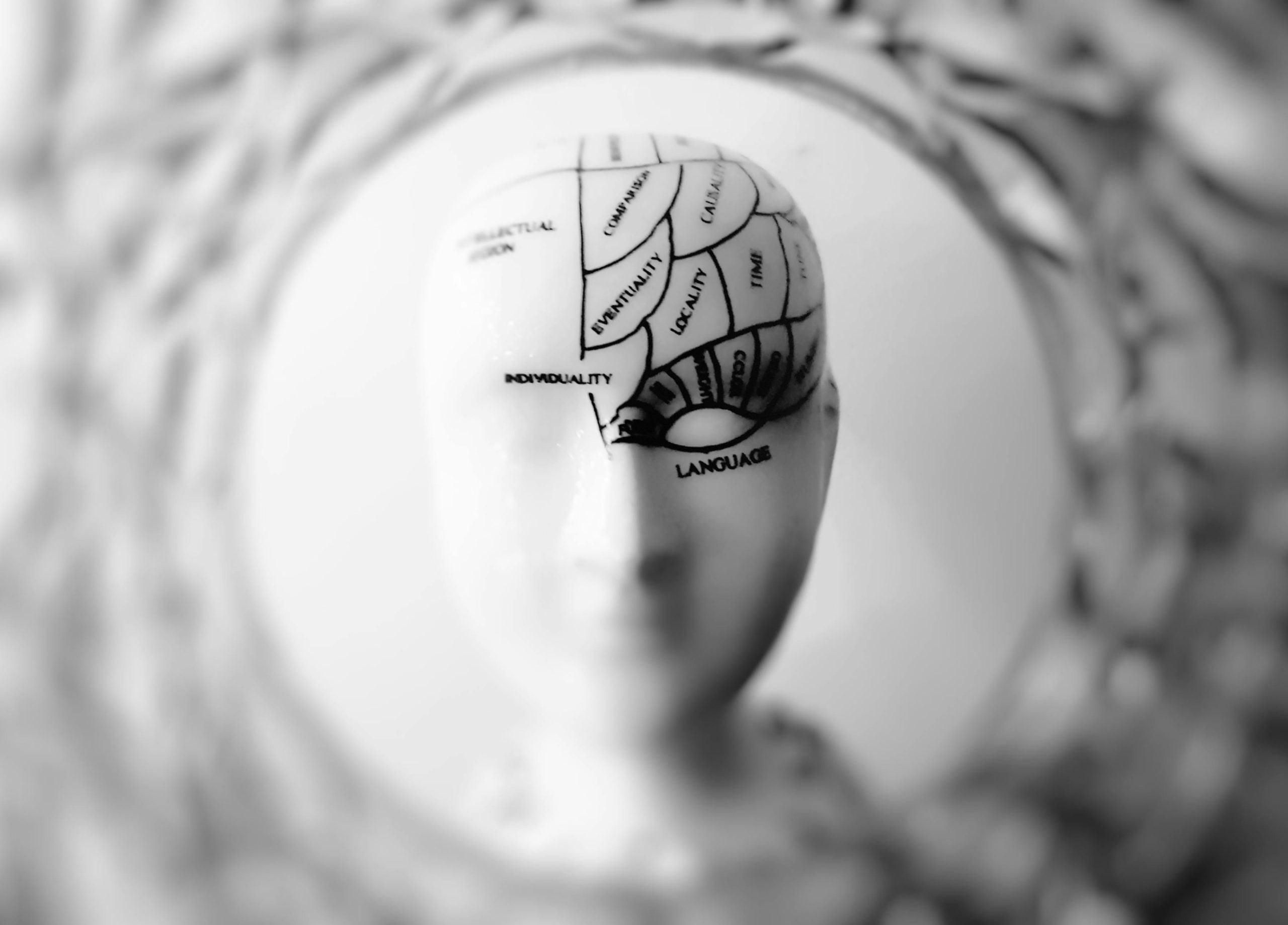

Shyness and embarrassment are not the same thing, even though they often get lumped together in casual conversation. Shyness is a personality tendency, a consistent pattern of feeling apprehensive or inhibited in social situations. Embarrassment is an emotion, a temporary state triggered by a specific moment when you feel exposed or judged. One shapes how you move through the world. The other shows up, stings, and fades.
Confusing them matters more than you might think. Misreading your own emotional experience can lead you to draw the wrong conclusions about who you are, and that has real consequences for how you show up at work, in relationships, and in your own head.

A lot of the confusion around shyness comes from the same place as confusion about introversion itself. People bundle traits, emotions, and behaviors into one messy category and assume they’re all pointing to the same thing. Our Introversion vs Other Traits hub pulls apart many of these overlapping concepts so you can see your personality more clearly, and this article focuses specifically on what separates shyness from embarrassment, and why that distinction matters.
What Does Shyness Actually Mean?
Shyness is a temperament-based tendency to feel anxious, hesitant, or self-conscious in social situations, especially unfamiliar ones. A shy person doesn’t just feel awkward once in a while. They feel a consistent pull toward caution when approaching new people, speaking in groups, or putting themselves in the spotlight.
Career Coaching for Introverts
One-on-one career strategy sessions with Keith Lacy. 20 years of Fortune 500 leadership as an introvert, now helping others build careers that work with their wiring.
Learn More50-minute Zoom session · $175
What makes shyness distinct is that it’s anticipatory. The discomfort often kicks in before anything has gone wrong. You walk into a room full of strangers and feel it before you’ve said a single word. That’s not embarrassment. That’s shyness doing its thing, flooding your system with social threat signals even when there’s no actual threat present.
Shyness has roots in both biology and experience. Some people are wired with a nervous system that’s more sensitive to social evaluation. Others develop shyness through repeated experiences of feeling judged, rejected, or out of place. Often it’s a combination of both. It tends to be stable across time and situations, though it can soften with practice and self-awareness.
One thing worth noting: shyness is not the same as introversion, though they get confused constantly. Introversion is about where you get your energy. Shyness is about social anxiety and apprehension. An introvert can be bold and confident in social settings. A shy person can be extroverted, craving social connection but feeling held back by fear. If you’re curious about where you fall on that spectrum, the Introvert Extrovert Ambivert Omnivert Test can help you get clearer on your actual personality type, separate from shyness.
What Is Embarrassment, and How Is It Different?
Embarrassment is an emotion, not a trait. It’s triggered by a specific event, usually one where you feel exposed, awkward, or like you’ve violated some social norm in front of others. You mispronounce a word in a meeting. You wave back at someone who wasn’t actually waving at you. You walk out of a bathroom with toilet paper on your shoe. Embarrassment floods in, your face heats up, and you want the floor to open and swallow you whole.
That experience is universal. Shy people feel it. Confident people feel it. Extroverts feel it. Even people who seem utterly unflappable in public have moments where embarrassment catches them off guard. It’s part of being a social creature who cares what others think.
What makes embarrassment distinct from shyness is its temporary nature and its reactive quality. It follows a specific event. It peaks quickly and then fades. You might cringe about it the next morning, but the acute emotional charge dissipates. Shyness, by contrast, doesn’t require a triggering event. It’s there before anything happens.
Psychologically, embarrassment is classified as a self-conscious emotion, sitting alongside shame, guilt, and pride. These emotions all involve self-evaluation in a social context. They require a degree of self-awareness and an understanding that others are observing you. That’s why very young children don’t experience embarrassment in the same way adults do. The capacity develops as social cognition matures.

Why Do People Mix Them Up?
The confusion makes sense on the surface. Both shyness and embarrassment involve social discomfort. Both can make you want to shrink, avoid eye contact, or disappear from a situation. Both show up in your body in similar ways, flushed cheeks, a tight chest, a sudden awareness of your own hands. When two things feel similar in the moment, it’s easy to assume they’re the same thing.
There’s also a cultural factor at play. In a lot of settings, especially professional ones, showing any form of social discomfort gets labeled as shyness, whether or not that’s accurate. Someone stumbles over their words during a presentation and a colleague whispers, “She’s so shy.” But that person might not be shy at all. They might be experiencing acute embarrassment in a high-stakes moment. Those are very different things, and treating them the same way doesn’t help anyone.
I watched this play out constantly in my agency years. A creative director on my team, someone I’d describe as genuinely extroverted and socially confident, completely froze during a client presentation after mispronouncing the client’s brand name. The room went quiet. His face went red. Afterward, two people on the team independently described him as “shy.” He wasn’t shy. He was embarrassed. He recovered by the next meeting and presented with full confidence. A shy person’s struggle doesn’t resolve that cleanly between sessions.
Mislabeling matters because it shapes how you respond. If you think you’re shy when you’re actually just prone to embarrassment in high-stakes situations, you might avoid those situations entirely when what you actually need is more practice and lower stakes exposure. The fix for shyness and the fix for situational embarrassment look quite different.
How Does Introversion Factor Into All of This?
Introversion gets pulled into this conversation because introverts are often misread as shy. An introvert who prefers listening over talking, who takes time to warm up in new social settings, who doesn’t volunteer opinions in group settings, can look shy to someone who doesn’t understand how introversion actually works. But preference for quiet and depth isn’t the same as fear of social judgment.
To understand what extroverted actually means helps clarify this further. Extroversion is about gaining energy from social interaction and external stimulation. Introversion is the opposite, energy comes from within, from solitude and internal processing. Neither of those orientations has anything inherently to do with shyness or embarrassment. They describe energy patterns, not social comfort levels.
As an INTJ, I’ve spent a lot of time parsing this in my own experience. Early in my career, I assumed my reluctance to dominate conversations or work the room at industry events meant I was shy. It took years to realize I wasn’t avoiding those situations out of fear. I was avoiding them because they drained me without offering much in return. That’s not shyness. That’s a reasonable energy management decision based on how I’m wired.
The distinction between being fairly introverted and being extremely introverted also plays into how this gets misread. Someone who is fairly introverted versus extremely introverted will have different social thresholds and different visible behaviors. A mildly introverted person might seem relatively social and engaged, while a deeply introverted person might withdraw in ways that look more like shyness to outside observers. But in both cases, the driver is energy, not fear.
Can You Be Both Shy and Easily Embarrassed?
Yes, absolutely. These aren’t mutually exclusive. A shy person can also be someone who experiences embarrassment intensely and frequently. In fact, the two can feed each other in a way that compounds social difficulty. Shyness creates more opportunities for awkward moments because hesitation and self-consciousness can make social interactions feel clunky. Those clunky moments then produce embarrassment, which reinforces the shy person’s belief that social situations are threatening, which deepens the shyness.
That cycle is real and worth understanding. The work of breaking it involves addressing both the anticipatory anxiety (the shyness) and the emotional response to perceived social failure (the embarrassment). They require different approaches. Shyness responds to gradual exposure, building a track record of social experiences that don’t end in catastrophe. Embarrassment responds to perspective-taking, recognizing that the moment isn’t as catastrophic as it feels, that others forget quickly, and that social missteps are universal.
One thing that helped me early in my career was watching how other introverts and shy people on my teams handled these moments differently. I managed a strategist who was genuinely shy, someone who needed significant warm-up time before contributing in group settings and who visibly tensed when put on the spot. She also got embarrassed easily. But over time, I noticed her embarrassment faded faster than her shyness did. She’d recover from a stumble in minutes. Her underlying hesitation in new social situations persisted for years. That told me something about the different depths of these two experiences.

What the Psychology Actually Says
The psychological literature treats shyness and embarrassment as distinct constructs, even when they overlap in lived experience. Shyness is generally understood as a trait-level disposition, something that shows up consistently across situations and time. Embarrassment is categorized as a situational emotion, one that arises in response to specific social events and resolves relatively quickly.
Self-conscious emotions like embarrassment involve a particular kind of social awareness. They require you to imagine how you appear to others, to step outside yourself and see the situation through someone else’s eyes. Research published in PubMed Central on self-conscious emotions highlights that this capacity for self-evaluation in social contexts is what distinguishes emotions like embarrassment, shame, and pride from more basic emotions like fear or anger.
Shyness, from a psychological standpoint, involves a different mechanism. It’s rooted in social threat sensitivity, a tendency to perceive social situations as potentially dangerous to one’s standing or self-image. That sensitivity can be temperamental, some people are simply more reactive to social evaluation from early in life. It can also be shaped by experience, particularly early experiences of rejection, humiliation, or social failure.
Worth noting: shyness is not a clinical diagnosis. It exists on a spectrum from mild social hesitance to something that significantly limits daily functioning. When shyness becomes severe and persistent enough to interfere with work, relationships, and quality of life, it may overlap with social anxiety disorder, which is a clinical condition. But most shy people don’t have social anxiety disorder. They’re simply wired to approach social situations with more caution than average.
Personality type research also distinguishes these concepts clearly. Introversion, shyness, and social anxiety are three separate dimensions that can coexist but don’t have to. Additional work in personality psychology points to the importance of distinguishing trait-level characteristics from state-level emotional responses when trying to understand social behavior. Conflating them produces muddled self-assessment and unhelpful advice.
How Does This Show Up in Professional Settings?
Professional environments are where the shyness-embarrassment confusion does some of its most significant damage. People make career decisions based on misreading their own social experience, and those decisions can quietly limit them for years.
A person who is shy might avoid pitching for a leadership role because they assume the visibility required would be unbearable. A person who is prone to embarrassment might avoid public speaking not because they’re shy but because one terrible presentation years ago left a mark. Those two people need different things. The shy person needs to build confidence through progressive exposure to leadership-level visibility. The person carrying an old embarrassment needs to reframe that past experience and accumulate new evidence that they can present well.
Running agencies for over two decades, I saw both patterns repeatedly. Some of my most talented people held back from client-facing roles because they’d been burned by an embarrassing moment and let it calcify into a belief about who they were. They weren’t shy. They were protecting themselves from a specific kind of pain. Getting them back in front of clients wasn’t about treating shyness. It was about rebuilding trust in their own competence after a specific failure.
Shy employees needed something different. They needed lower-stakes entry points, smaller audiences, more preparation time, and consistent encouragement that didn’t put them on the spot publicly. Treating a shy employee the same way you’d treat someone recovering from an embarrassing incident doesn’t work. The underlying experience is different, and the support needs to match.
Understanding personality differences in professional settings has always interested me as an INTJ. The analytical side of my brain wants to categorize accurately before responding. Getting the category wrong wastes everyone’s time. That instinct toward precision is part of why I care about distinguishing shyness from embarrassment in the first place. Sloppy categorization leads to sloppy solutions.

Where Do Ambiverts and Omniverts Fit Into This Picture?
People who don’t land cleanly on the introvert or extrovert end of the spectrum have their own relationship with shyness and embarrassment, and it’s worth addressing because the mixed-type experience gets overlooked in these conversations.
Ambiverts, people who fall somewhere in the middle of the introvert-extrovert spectrum, often report a more variable social experience. They might feel confident and energized in some social contexts while feeling hesitant and drained in others. That variability can look like shyness to outside observers when really it’s context-dependence. The difference between an omnivert and an ambivert matters here too. An omnivert swings more dramatically between introverted and extroverted modes, sometimes feeling highly social and other times needing deep solitude. An ambivert maintains a more consistent middle ground.
Neither of those patterns is shyness. Shyness is about social threat sensitivity, not about energy preferences or social variability. An omnivert in a withdrawn phase might look shy. An ambivert in an unfamiliar context might look shy. But if the hesitance is about energy management rather than fear of judgment, that’s a different thing entirely.
If you’re not sure where you fall, taking an introverted extrovert quiz can help you get clearer on your natural social orientation before trying to assess whether shyness or embarrassment is actually driving your behavior in specific situations. You can’t accurately diagnose the emotional layer until you understand the personality foundation underneath it.
There’s also a type that doesn’t come up as often in these discussions but deserves mention. The otrovert versus ambivert distinction points to people who are outwardly social but internally oriented, another variation that can confuse the shyness picture. Someone who appears socially fluent but processes everything internally might experience embarrassment more intensely than their confident exterior suggests. The internal processing amplifies the emotional experience even when the outside looks composed.
What Actually Helps With Each One?
Getting the distinction right opens the door to actually doing something useful about your experience. Shyness and embarrassment respond to different kinds of work.
With shyness, the most effective approach tends to involve gradual, consistent exposure to the situations that trigger apprehension, combined with building a body of evidence that those situations don’t end in catastrophe. Avoidance reinforces shyness. Every time you skip the networking event or decline to speak up in a meeting, you send your nervous system the message that the threat was real and the avoidance was necessary. Over time, that pattern solidifies. Moving toward the discomfort in manageable increments is what gradually recalibrates the threat response.
Embarrassment responds better to perspective work. The antidote to embarrassment is usually recognizing that the moment looms much larger in your own mind than it does in anyone else’s. Other people are far less focused on your stumble than you are. They’re thinking about their own presentation, their own lunch, their own worries. Psychology Today’s writing on authentic social connection touches on this, noting that genuine connection tends to come from vulnerability and honesty rather than polished performance. The moments we fear will destroy our credibility often become the moments that make us more relatable.
Humor also helps with embarrassment in a way it doesn’t quite help with shyness. Being able to laugh at yourself after a social stumble is one of the fastest ways to dissolve the emotional charge of embarrassment. It signals to others that you’re not rattled, and it signals to yourself that the moment isn’t catastrophic. Shyness doesn’t respond to humor in the same way because the apprehension exists before anything has gone wrong. There’s nothing to laugh at yet.
One more distinction worth making: embarrassment tends to improve naturally with age and experience. As you accumulate more social history, you develop a broader context for awkward moments. You’ve survived enough of them to know they pass. Shyness can improve with age too, but it requires more intentional work. It doesn’t simply fade with experience the way embarrassment’s sting often does.
Understanding how personality traits interact with emotional regulation, as explored in Frontiers in Psychology, adds another layer to this. People with higher emotional sensitivity tend to experience both shyness and embarrassment more intensely. The work isn’t about eliminating the sensitivity but about developing a more flexible relationship with it.

Why Getting This Right Changes How You See Yourself
Misidentifying your experience has a cumulative cost. Spend enough years calling yourself shy when you’re really just someone who feels embarrassment deeply, and you build an entire self-narrative around social limitation that may not be accurate. That narrative shapes what you pursue, what you avoid, and what you believe is possible for you.
I spent a significant portion of my early career labeling myself as “not a people person” based on a combination of introversion, occasional social awkwardness, and a few genuinely embarrassing professional moments. It took a long time to separate those threads. My introversion was real and worth understanding. My awkwardness in certain settings was often just the normal friction of someone who processes things internally operating in a world that rewards quick, verbal responses. My embarrassing moments were exactly that, moments, not character traits.
Once I got clearer on what was actually happening in my social experience, I could stop trying to fix things that weren’t broken and start working on the things that actually needed attention. As an INTJ, I’d been applying the same analytical rigor I used on business problems to every other domain except my own psychology. Getting precise about the distinction between shyness and embarrassment was part of developing that same precision about myself.
That kind of self-knowledge compounds over time. It doesn’t just help you feel better in the moment. It changes the decisions you make about your career, your relationships, and how much space you give yourself to take risks. Knowing the difference between “I’m afraid of social situations” and “I feel deeply when I stumble in social situations” gives you a much more accurate map to work from.
The broader conversation about introversion, extroversion, and the many traits that get confused with them is one worth continuing to explore. Our complete Introversion vs Other Traits hub covers many of these overlapping concepts in depth, from how introversion differs from social anxiety to where ambiverts and omniverts fit into the picture.
About the Author
Keith Lacy is an introvert who’s learned to embrace his true self later in life. After 20 years in advertising and marketing leadership, including running agencies and managing Fortune 500 accounts, Keith now channels his experience into helping fellow introverts understand their strengths and build fulfilling careers. As an INTJ, he brings analytical depth and authentic perspective to every article, drawing from both professional expertise and personal growth.
Frequently Asked Questions
Are shyness and embarrassment the same thing?
No. Shyness is a personality trait, a consistent tendency to feel apprehensive or inhibited in social situations. Embarrassment is a temporary emotion triggered by a specific social moment, like a misstep or perceived failure in front of others. Shyness exists before anything goes wrong. Embarrassment is a reaction to something that already happened. They can coexist in the same person, but they describe very different experiences.
Can an extrovert be shy?
Yes. Extroversion and shyness operate on separate dimensions. Extroversion describes where you draw energy from, primarily social interaction and external stimulation. Shyness describes social apprehension and fear of judgment. An extrovert can genuinely crave social connection while also feeling inhibited by fear of how others will perceive them. This combination often produces someone who wants to be social but feels held back, which can be particularly frustrating because the desire and the fear are both strong.
Is introversion a form of shyness?
No. Introversion is about energy, not fear. Introverts prefer quieter, less stimulating environments and recharge through solitude and internal reflection. Shyness is about social anxiety and apprehension around judgment. An introvert might prefer a small dinner over a crowded party, but that preference comes from energy management, not from fear of social evaluation. Many introverts are socially confident and comfortable, they simply prefer depth over breadth in their social interactions.
Does embarrassment go away on its own?
Generally, yes. Embarrassment is a temporary emotional state that peaks quickly and fades as time and context shift. Most people find that the sting of an embarrassing moment diminishes significantly within hours or days, even if the memory lingers. What prevents it from fading naturally is rumination, replaying the moment repeatedly and catastrophizing about how others perceived it. Perspective-taking, humor, and from here with new experiences all help embarrassment resolve more quickly and completely.
How do you know if you’re shy or just introverted?
Ask yourself what’s driving your social hesitance. If you hold back in social situations because you’re worried about being judged, rejected, or humiliated, that points toward shyness. If you hold back because social interaction drains your energy and you prefer depth over volume in your connections, that points toward introversion. The two can overlap, but the underlying driver is different. Shyness involves fear. Introversion involves preference. You can also take a personality assessment to better understand your natural social orientation before trying to interpret your specific social behaviors.