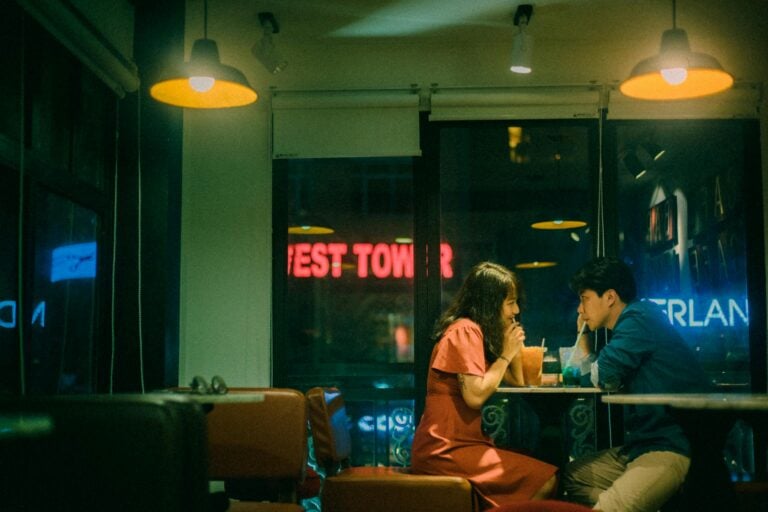

Yes, there are still homebodies. In fact, there may be more of us now than at any point in recent memory, though we’ve spent years being told our preference for home is something to outgrow. Homebodies are people who genuinely recharge, find meaning, and build rich lives from within their domestic spaces, not because they’re afraid of the world, but because home is where they do their best living.
Somewhere along the way, though, the word “homebody” picked up a layer of shame. Saying you’d rather stay home on a Friday night started to feel like a confession. Something to explain. Something to apologize for. And I think that’s worth examining honestly.

There’s a broader conversation happening around how introverts relate to their home environments, and it’s one I find myself returning to often. Our Introvert Home Environment hub explores the many ways introverts create, protect, and draw meaning from their spaces. The homebody identity sits right at the center of that conversation, and it deserves more than a passing mention.
What Happened to the Homebody Identity?
There was a period in my agency years when the entire professional culture ran on visibility. You had to be seen at industry events, at client dinners, at the Friday afternoon drinks that somehow became mandatory. Presence equaled ambition. Absence, even temporary absence, read as disengagement. I played along for a long time because I genuinely believed that’s what leadership required.
What’s your personality type?
Take our free 40-question assessment and get a detailed personality profile with dimension breakdowns, context analysis, and personalised insights.
Discover Your Type8-12 minutes · 40 questions · Free
What I didn’t understand then was that I was performing a version of myself that cost me significantly. Not just in energy, though the energy drain was real. It cost me clarity. My best thinking never happened at a crowded bar after a long client pitch. It happened at home, usually late in the evening, with a quiet room and no competing voices. That’s where I solved problems. That’s where I actually processed what had happened during the day.
The homebody identity has always been there for people like me. What changed is how loudly the culture told us to abandon it. The rise of hustle culture in the 2010s made staying home feel like falling behind. Social media turned every weekend into a public performance of how much you were doing and who you were doing it with. A quiet Saturday at home became something to hide rather than something to protect.
And yet, plenty of people never stopped being homebodies. They just got quieter about it.
Is Preferring Home Actually a Personality Trait?
One of the more interesting questions I’ve thought about over the years is whether the homebody preference is wired in or shaped by experience. My honest answer is that it’s probably both, and the proportion varies from person to person.
For introverts, the connection between personality and environment preference is fairly well established. Introversion, as a trait, involves a lower threshold for external stimulation. Crowded, noisy, socially demanding environments drain introverts faster than they drain extroverts. Home, by contrast, offers something most public spaces don’t: control. You control the noise level, the social demands, the lighting, the pace. That control isn’t just comfort. It’s a genuine functional advantage for people whose nervous systems respond strongly to environmental input.
Highly sensitive people, a group with significant overlap with introverts, feel this even more acutely. The work around HSP minimalism points to something important: for people who process sensory and emotional information deeply, the environment isn’t just a backdrop. It’s an active part of how they function. Simplifying and curating that environment isn’t a luxury. It’s a form of self-management.
There’s also a meaningful body of work on how environment affects cognitive performance. A study published in PubMed Central explored how environmental factors shape psychological wellbeing and restoration, finding that spaces offering a sense of safety and predictability support genuine mental recovery. For homebodies, that research maps almost perfectly onto lived experience.

Did the Pandemic Change What “Homebody” Means?
Something genuinely shifted between 2020 and 2022. Millions of people who had never thought of themselves as homebodies suddenly found themselves living like one, and many of them discovered they didn’t hate it. Some of them found they preferred it. Working from home, cooking more, investing in their living spaces, finding entertainment and connection within domestic life: these weren’t just adaptations. For a lot of people, they were revelations.
I watched this happen with people I knew, including former colleagues who had always seemed to thrive on the office energy and the constant social motion. A few of them told me, quietly, that the forced slowdown had shown them something about themselves they hadn’t expected. They liked being home. They liked the pace. They felt more like themselves than they had in years.
What the pandemic did, among other things, was briefly remove the social cost of staying home. When everyone was home, no one had to explain themselves. The apology wasn’t required. And in that window, a lot of people got an honest look at what their natural preferences actually were, stripped of the performance pressure.
Post-pandemic, the pressure to return to constant outward engagement came back quickly. But something had changed. The homebody identity had been, at least temporarily, normalized for a much wider group of people. The conversation about introversion and home preference became more mainstream, and the shame around it started to loosen, even if only a little.
What Do Real Homebodies Actually Do All Day?
One of the most persistent misconceptions about homebodies is that staying home means doing nothing. That the homebody life is passive, undirected, somehow smaller than a life spent out in the world. I’ve heard versions of this my whole adult life, and it has never matched my actual experience.
My most productive creative work has always happened at home. Some of the most complex strategic thinking I did during my agency years happened not in conference rooms but in my home office at odd hours, when the noise had stopped and I could actually hear myself think. The ideas that won accounts didn’t usually come from brainstorming sessions. They came from quiet time, often at home, where I could follow a thought without interruption.
Homebodies tend to invest deeply in the things they love. Reading, cooking, gardening, creative projects, deep conversations with a small number of people, home improvement, music, writing. These aren’t small or trivial pursuits. They’re often where genuine expertise and joy accumulate over time. A homebody book isn’t just something to pass the time. It’s a portal into a world of ideas that can be as expansive as any trip abroad.
The couch, often used as a symbol of laziness, is actually a site of serious intellectual and emotional life for many homebodies. There’s a reason I wrote an entire piece on what the homebody couch really represents. It’s not about inertia. It’s about having a place where you can think, feel, rest, and reconnect with yourself without the constant demand to be performing for an audience.

How Do Homebodies Stay Connected Without Draining Themselves?
Connection is something I think about a lot, partly because it was one of the areas I got wrong for a long time. I used to conflate connection with presence. If I was in the room, I was connecting. If I wasn’t, I was isolating. That binary made staying home feel like a social failure even when it was exactly what I needed.
What I’ve come to understand is that depth matters more than frequency for most introverts. A two-hour conversation with one person you genuinely trust is more nourishing than three hours at a party surrounded by people you barely know. Psychology Today’s work on deeper conversations captures something I’ve felt instinctively for years: meaningful connection requires a kind of attention and vulnerability that surface-level social settings rarely support.
Homebodies have found creative ways to maintain connection without sacrificing the environment that sustains them. Online communities, text-based relationships, scheduled calls with close friends, hosting small gatherings at home rather than going out, these are all legitimate and often deeply satisfying forms of connection. The idea that real connection requires going somewhere is a cultural assumption, not a psychological law.
Digital spaces have also opened up genuine community for people who find in-person socializing exhausting. Chat rooms built for introverts might sound like a contradiction to some, but they represent something real: the ability to engage at your own pace, on your own terms, without the sensory overload of physical social environments. For homebodies, these spaces can be a meaningful bridge between solitude and connection.
Why Does Society Still Push Back Against the Homebody Life?
Even now, with all the cultural conversation around introversion and self-care, there’s still a persistent undercurrent of judgment toward people who prefer home. I’ve felt it in professional settings, in family conversations, in the way certain social invitations come loaded with an implicit expectation that declining means something is wrong with you.
Part of this is structural. Western culture, particularly American culture, has long associated outward activity with virtue. Busyness signals worth. Sociability signals health. Ambition requires visibility. These aren’t universal human values. They’re cultural constructs, and they’ve done a fair amount of damage to people whose natural orientation runs differently.
There’s also a conflation problem that I think does real harm. Preferring home gets mixed up with depression, avoidance, and social anxiety in ways that aren’t always accurate. Yes, sometimes staying home is a symptom of something that needs attention. A PubMed Central study on social withdrawal makes useful distinctions between withdrawal driven by preference and withdrawal driven by distress. Those are genuinely different things, and treating every homebody as someone who needs to “get out more” flattens a meaningful distinction.
When I ran my agency, I had a team member who was one of the most creatively gifted people I’ve ever worked with. She was also a committed homebody who declined most social invitations and preferred to work from home whenever possible. A few people on the team read her as disengaged. I read her as someone who had figured out what she needed to do her best work. Her output consistently proved the point.
What Makes a Home Feel Like Enough?
This is the question I find most interesting, because the answer is different for everyone and it changes over time. For me, what makes home feel like enough has evolved considerably over the past decade.
Early in my career, home was mostly a place I slept. The real life was happening elsewhere, or so I believed. As I got older and started understanding myself better as an INTJ, I began investing in my home environment differently. Not just physically, though the physical environment matters, but in terms of how I used the space and what I allowed it to hold for me.
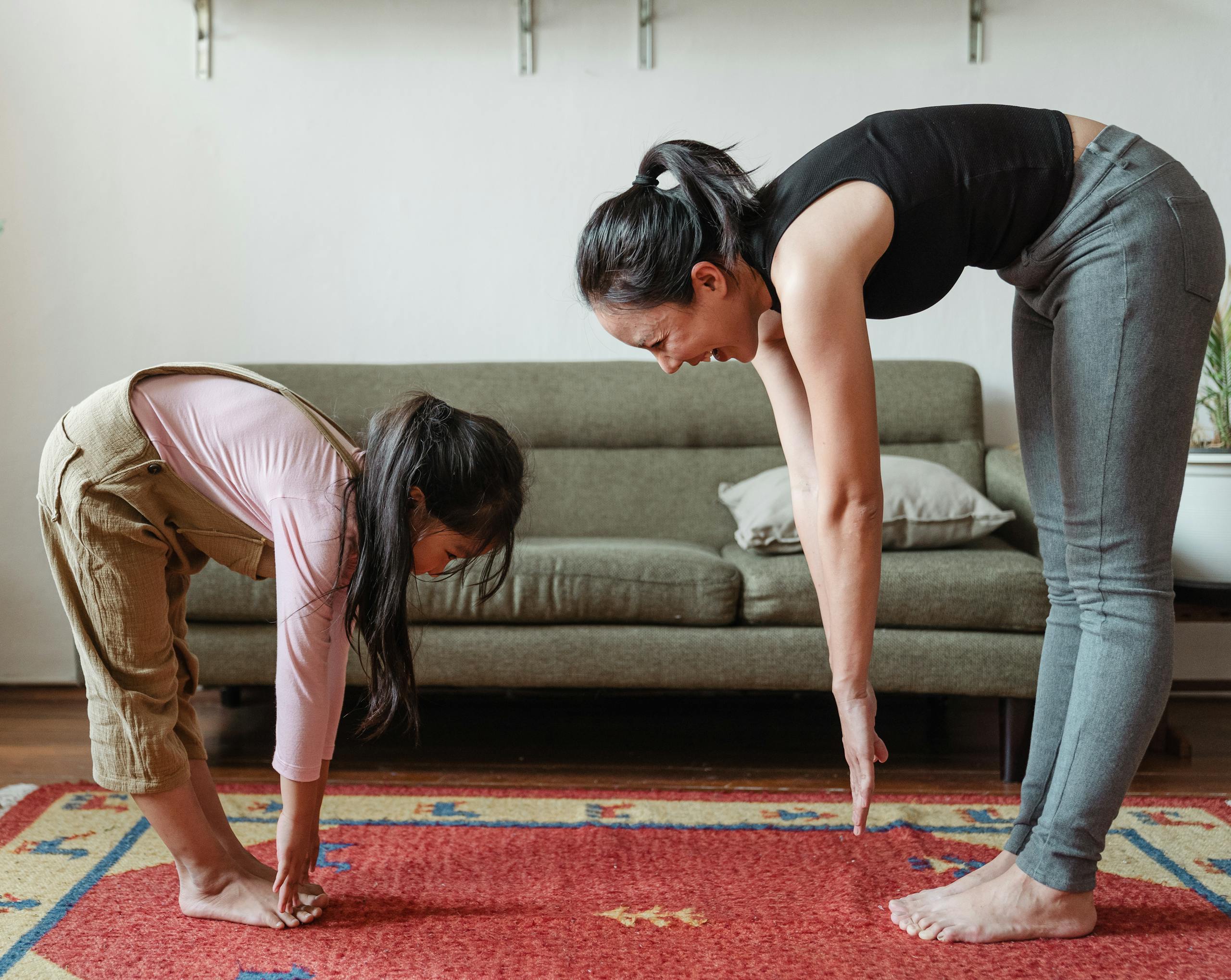
A home that feels like enough tends to have a few things in common. It has spaces for different kinds of activity: somewhere to think, somewhere to rest, somewhere to create. It has sensory qualities that support rather than agitate: lighting that isn’t harsh, sound levels that can be controlled, a general sense of order that doesn’t tip into sterility. And it has meaning. The objects in it, the books, the art, the plants, the small accumulated evidence of a life being lived, these things matter more than most interior design advice acknowledges.
When I think about what to give someone who genuinely loves being home, I think about things that deepen that environment rather than pull them out of it. The best gifts for homebodies aren’t gift cards to restaurants or tickets to events. They’re things that make the home itself richer: a beautiful lamp, a specific book they’ve been meaning to read, something that says “your way of being in the world is valid and worth supporting.” Our homebody gift guide goes into this in more detail, but the underlying principle is about honoring the preference rather than trying to redirect it.
Is the Homebody Life Sustainable Long-Term?
A question I get asked, sometimes with genuine curiosity and sometimes with a faint edge of skepticism, is whether a home-centered life is actually sustainable over decades. Doesn’t it get lonely? Doesn’t it get small?
My honest answer is that it depends entirely on how you build it. A home-centered life that’s rich in meaning, maintained relationships, creative engagement, and intellectual stimulation doesn’t feel small. It feels like exactly the right size. The loneliness risk is real, but it’s a risk that can be managed through intentional connection rather than through forcing yourself into environments that don’t work for you.
What I’ve noticed in myself and in people I’ve observed over the years is that the homebodies who thrive long-term tend to be the ones who are honest with themselves about what they actually need. They don’t use home as a hiding place from things that need to be faced. They use it as a base of operations from which they engage with the world on their own terms. That distinction matters.
The Frontiers in Psychology research on personality and wellbeing points toward something I find genuinely encouraging: the relationship between personality traits and life satisfaction is mediated significantly by fit, meaning how well your environment and lifestyle match your actual psychological makeup. Homebodies who build lives that fit their nature tend to report higher satisfaction than those who spend years trying to reshape themselves to fit a different mold.
That’s not a prescription for never leaving home or never challenging yourself. It’s a case for honesty. Know what you are. Build accordingly. Stop apologizing for the rest.

There’s more to explore on how introverts create, protect, and draw meaning from their home environments. The full range of that conversation lives in our Introvert Home Environment hub, and it’s worth spending time with if this resonates with you.
About the Author
Keith Lacy is an introvert who’s learned to embrace his true self later in life. After 20 years in advertising and marketing leadership, including running agencies and managing Fortune 500 accounts, Keith now channels his experience into helping fellow introverts understand their strengths and build fulfilling careers. As an INTJ, he brings analytical depth and authentic perspective to every article, drawing from both professional expertise and personal growth.
Frequently Asked Questions
Are homebodies the same as introverts?
Not exactly, though there’s significant overlap. Introversion is a personality trait describing how someone gains and loses energy in relation to social stimulation. Being a homebody is more of a lifestyle orientation, a genuine preference for home-based living. Many introverts are homebodies, but some extroverts also prefer domestic life, and some introverts enjoy going out frequently. The two concepts are related but not identical.
Is being a homebody a sign of depression or social anxiety?
Preferring home is not inherently a sign of depression or anxiety. The meaningful distinction is whether the preference comes from genuine enjoyment of home life or from avoidance driven by fear or distress. Someone who loves being home, feels content and engaged there, and maintains meaningful connections is expressing a personality preference. Someone who stays home because they feel unable to face the outside world may benefit from professional support. If you’re uncertain which applies to you, speaking with a mental health professional is always a reasonable step.
How do homebodies maintain friendships and relationships?
Homebodies tend to prioritize depth over frequency in their relationships. Regular phone or video calls with close friends, hosting small gatherings at home, text-based communication, and online communities all serve as meaningful connection points. what matters is intentionality: making sure relationships are actively maintained rather than passively allowed to drift. Many homebodies find that a small number of deep, trusted relationships sustains them far better than a wide social network of surface-level connections.
Can you be a homebody and still have a fulfilling career?
Absolutely. Many careers accommodate or actively benefit from the qualities that homebodies bring: focus, depth, independent work capacity, and strong written communication. Remote work has expanded these options considerably. Even in careers that require some external engagement, homebodies often find ways to structure their work life to protect the home time they need. The broader challenge is managing the cultural expectation that career ambition requires constant visibility, which is a perception worth pushing back on directly.
What’s the difference between being a homebody and being a recluse?
A homebody prefers home as their primary environment but remains engaged with the world, maintaining relationships, pursuing interests, and participating in life on their own terms. A recluse, in the clinical or colloquial sense, withdraws from social contact almost entirely and often does so in response to distress rather than preference. The distinction matters because homebodies are not isolated people. They are people who have chosen a particular relationship with their domestic space, one that supports rather than replaces their engagement with the world around them.