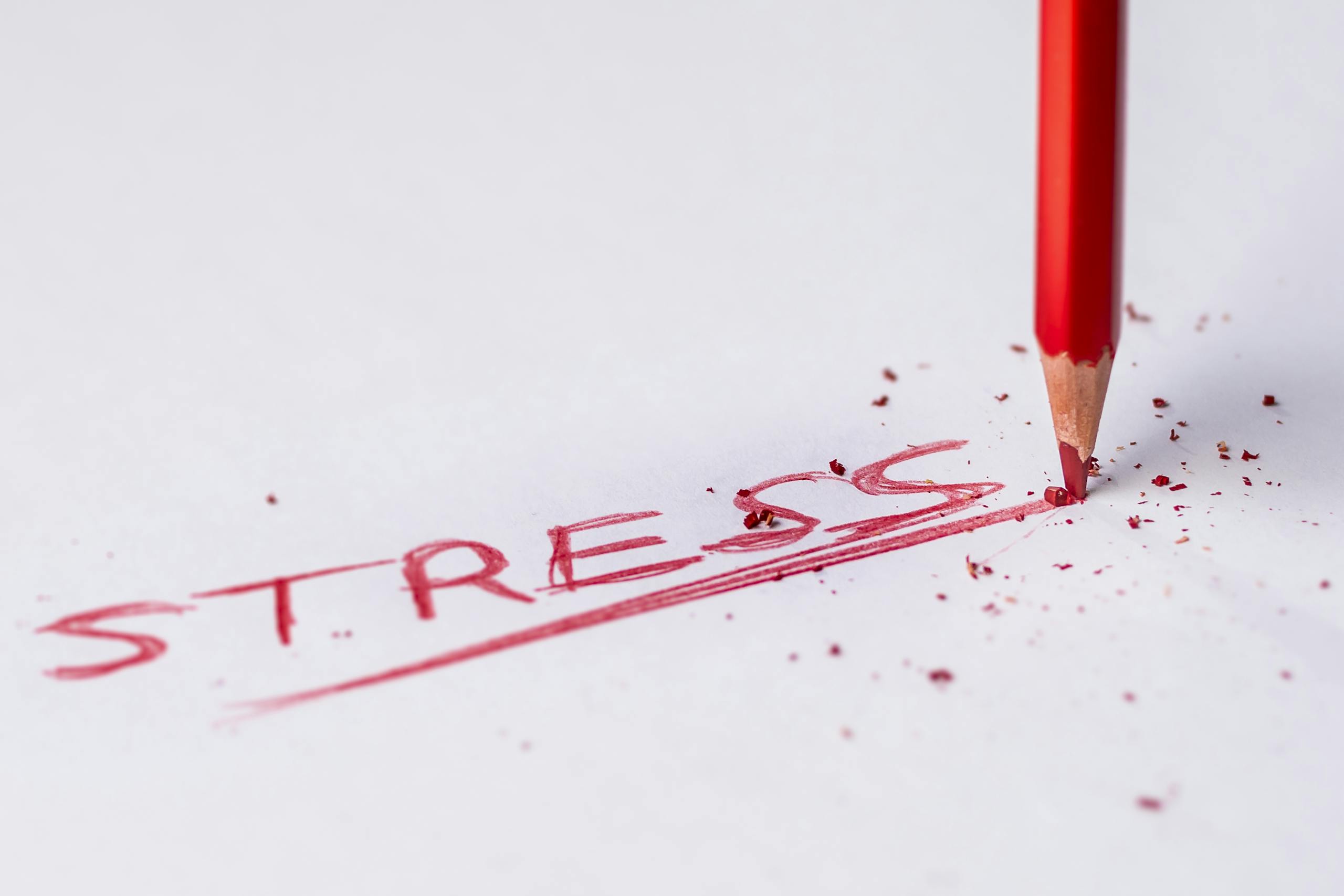

Asian individuals, on average, report higher levels of body dissatisfaction and social physique anxiety than their non-Asian peers, even when controlling for body weight and size. This pattern appears across multiple cultural contexts and age groups, shaped by a combination of cultural ideals, collectivist social pressure, and the psychological weight of being perceived and evaluated by others. What makes this particularly worth examining is how rarely it gets named for what it is: a mental health burden that compounds quietly, often in people who have been taught that silence and stoicism are virtues.
Social physique anxiety, specifically, is the fear of being judged negatively based on how your body looks to others. It sits at the intersection of self-perception, social comparison, and the ever-present awareness that your body is visible in a world that has opinions about it. For introverts, and for many people in Asian communities who have internalized a strong orientation toward external evaluation, that anxiety can become a persistent background noise that shapes how you move through every room you enter.
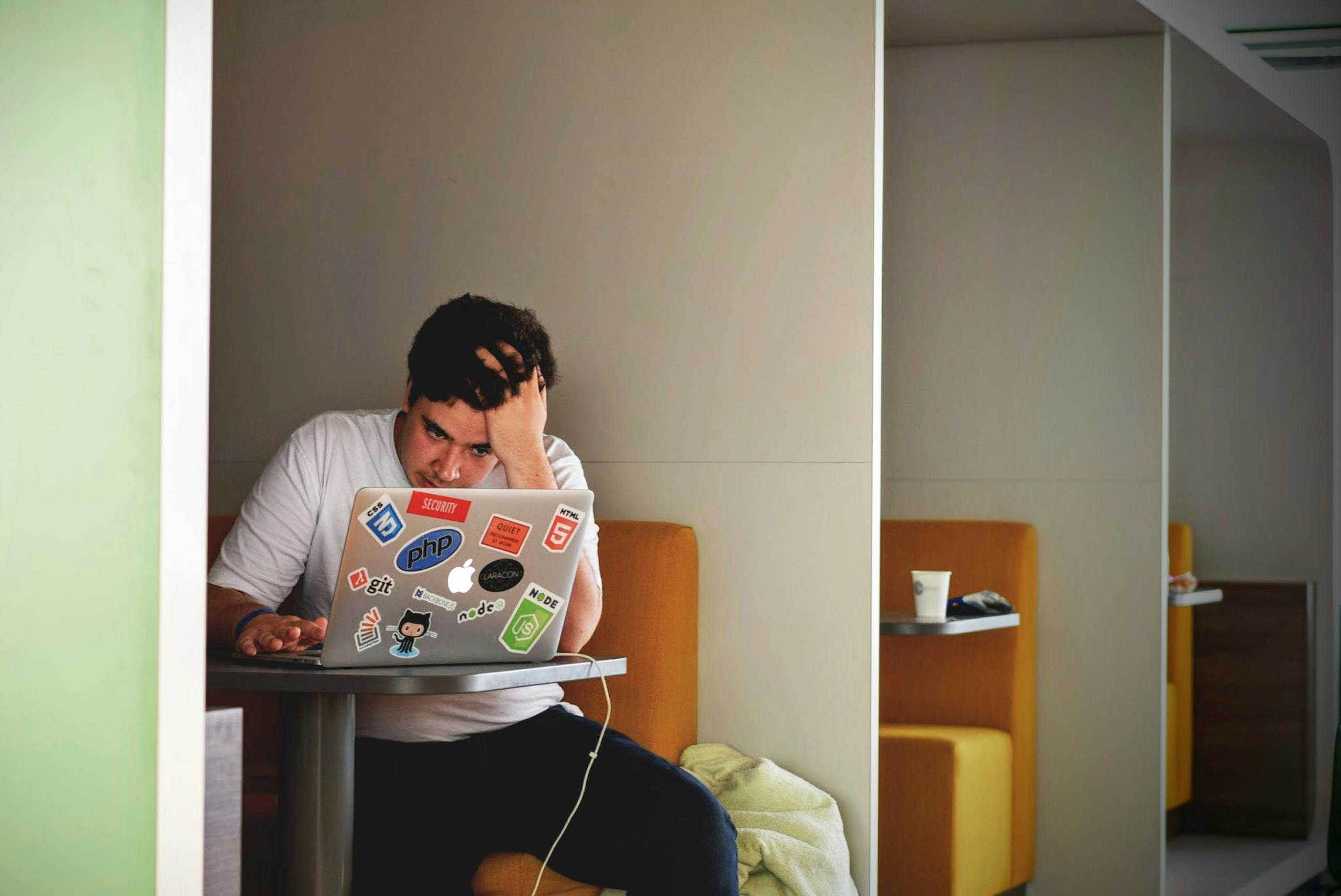
Body image struggles rarely exist in isolation. They connect to anxiety, perfectionism, the fear of rejection, and the exhausting work of managing how you appear to others. Our Introvert Mental Health Hub covers many of these overlapping pressures, and the research on Asian body dissatisfaction adds a cultural layer that deserves its own honest conversation.
What Is Social Physique Anxiety and Why Does It Matter?
Social physique anxiety is not simply feeling insecure about your body. It is the anticipatory dread of being evaluated, the hyperawareness of how your physical self appears to others, and the behavioral changes that follow from that awareness. People who experience it may avoid certain clothing, decline social invitations, or become preoccupied with how they look in group settings in ways that interfere with daily functioning.
What’s your personality type?
Take our free 40-question assessment and get a detailed personality profile with dimension breakdowns, context analysis, and personalised insights.
Discover Your Type8-12 minutes · 40 questions · Free
What distinguishes social physique anxiety from general body dissatisfaction is its inherently social dimension. It is not just about what you see in the mirror. It is about what you imagine others see when they look at you, and what judgment might follow. That imagined audience is often more powerful than any real one.
As someone who spent two decades in advertising, I understand the psychology of the imagined audience better than most. We built entire campaigns around it. Every consumer decision, we were told, is filtered through the question: “What will others think?” We used that to sell products. What I did not fully appreciate until much later was how deeply that same mechanism operates inside people who have been culturally conditioned to prioritize external perception from childhood. The American Psychological Association recognizes anxiety disorders as among the most common mental health conditions, and social physique anxiety, while not always classified as a standalone disorder, shares the same core architecture: threat perception, avoidance, and chronic vigilance.
Why Do Asian Communities Experience This More Intensely?
Several cultural and psychological factors contribute to higher rates of body dissatisfaction and social physique anxiety among Asian individuals. None of them exist in isolation, and none of them are inevitable. But understanding them matters.
Collectivist cultural frameworks place significant emphasis on group harmony, family honor, and social standing. In this context, the body is not just personal. It is a reflection of the family, the community, and the culture. Comments about weight or appearance from relatives are often framed as expressions of care rather than criticism, which makes them harder to name as harmful and even harder to push back against.
At the same time, media representations of beauty in many East and Southeast Asian contexts have historically emphasized specific ideals: slimness, fair skin, particular facial features. These standards are narrow and, for many people, physiologically unattainable. When the beauty ideal is both culturally reinforced and physically impossible to achieve, body dissatisfaction becomes structurally embedded rather than individually experienced.
There is also the experience of being visibly different in Western contexts. Asian Americans and Asian diaspora communities often carry the additional psychological weight of handling between cultural expectations, which can pull in opposite directions simultaneously. A study published through PubMed Central examining body image across ethnic groups found that cultural variables, including acculturation stress and internalized beauty standards, play a meaningful role in how body dissatisfaction develops and persists.
How Introversion and High Sensitivity Amplify the Experience
Many introverts are wired for deep internal processing. We notice more, filter more, and often feel more. That capacity for observation and reflection is genuinely a strength in many contexts. In the context of body image and social evaluation, though, it can become a liability. The same sensitivity that allows an introvert to read a room accurately also means they are more likely to pick up on subtle social cues, perceived judgments, and the ambient pressure of being watched.
For highly sensitive people, this is amplified further. If you have ever felt overwhelmed in crowded or visually stimulating environments, you know that sensory input does not always stay neatly categorized. The social pressure of a room full of people, combined with self-consciousness about appearance, can create a kind of feedback loop that is genuinely exhausting. That experience connects directly to what I have written about in our piece on HSP overwhelm and managing sensory overload, where the environment itself becomes a source of sustained stress.
I managed a creative team early in my agency career that included several highly sensitive individuals. One of them, a designer of Korean descent, was extraordinarily talented but would visibly withdraw after client presentations. At the time, I attributed it to shyness. Looking back with more understanding, I can see that she was processing the social evaluation of the room at a depth that most people in that room were not. Every glance, every pause, every raised eyebrow from a client was being absorbed and interpreted. That kind of processing takes a toll, especially when body image is already a source of anxiety.
The connection between high sensitivity and anxiety is well-documented in the HSP literature, and social physique anxiety fits neatly within that framework. When you are wired to process deeply, perceived social threats, including the threat of being judged for how you look, register with more intensity and linger longer.
The Role of Perfectionism in Body Image Distress
Perfectionism and body dissatisfaction are close companions. The same internal standard-setting that drives high achievement can turn inward on the body, creating a relentless comparison between how you look and how you believe you should look. In Asian cultural contexts where academic and professional excellence are often expected, perfectionism frequently extends into physical appearance as well.
As an INTJ, I have my own relationship with perfectionism. My version tends to focus on systems and outcomes rather than appearance, but I recognize the underlying architecture: the belief that falling short of a standard reflects something fundamental about your worth. When that architecture gets applied to the body, the results can be psychologically corrosive.
Our article on HSP perfectionism and breaking the high standards trap explores how the drive for flawlessness often originates in sensitivity and the fear of judgment, not in genuine ambition. That same dynamic plays out in body image distress. The person who cannot leave the house without checking their appearance repeatedly is not vain. They are anxious. And the anxiety is often rooted in a deeply internalized belief that their body, as it is, is not acceptable.
In advertising, we sold aspirational images constantly. I oversaw campaigns that presented idealized bodies as the natural result of using a particular product. I am not proud of all of it. What I understand now, that I did not fully reckon with then, is that aspirational imagery does not just create desire. It creates a gap between reality and ideal that people then experience as personal failure. For communities already carrying cultural pressure around appearance, that gap becomes wider and more painful.

Emotional Processing and the Weight of Unsaid Things
One of the most underappreciated aspects of body dissatisfaction in Asian communities is how rarely it gets spoken aloud. In cultural contexts that emphasize emotional restraint and the management of face, the internal experience of body shame often has nowhere to go. It gets processed quietly, alone, in ways that can deepen rather than resolve the distress.
Introverts, broadly, tend toward internal emotional processing. That can be a genuine strength, the ability to sit with complexity and work through it without immediately externalizing. Yet when the emotion being processed is shame, and when the cultural context discourages vulnerability, internal processing can become circular rather than generative. You turn the feeling over and over without reaching any resolution.
What I have found, both personally and in watching others, is that processing emotions deeply requires some form of external anchor, whether that is writing, conversation with a trusted person, or even structured reflection. Without that anchor, deep processing can slide into rumination. And rumination about body image is particularly sticky because the body is always present. You cannot take a break from it.
A PubMed Central review on body image and psychological wellbeing highlights the relationship between emotional regulation strategies and body satisfaction outcomes. The research suggests that people who have access to adaptive emotional processing approaches tend to experience less severe body dissatisfaction over time. That is not a small finding. It points toward something actionable: the way you process emotion about your body matters as much as the content of those emotions.
Empathy, Social Comparison, and the Watching Eye
Empathy is a remarkable capacity. It allows us to understand others, build connection, and respond with care. It also, in certain configurations, becomes the mechanism through which social physique anxiety operates. When you are highly attuned to how others feel, you are also highly attuned to how others might perceive you. The same radar that picks up on someone else’s discomfort can turn inward and begin scanning for signs that you are being evaluated negatively.
This is the double-edged quality of deep empathy that I have explored in relation to HSP empathy. The gift of reading social environments accurately becomes a burden when that accuracy is directed at yourself. You become the object of your own observational capacity, which is an exhausting place to live.
Social comparison theory, developed by Leon Festinger in the 1950s, describes the human tendency to evaluate ourselves in relation to others. In collectivist cultural contexts, social comparison is not just a psychological tendency. It is often an explicit cultural practice. Family gatherings where appearance is commented on, peer groups where thinness is admired, social media environments where filtered images set impossible standards, all of these create a landscape of constant comparison.
For introverts who are already processing their social environments at depth, that comparison landscape is experienced more intensely. The distinction between introversion and social anxiety matters here: introversion is a preference for less stimulation, while social anxiety is a fear-based response to social evaluation. Yet the two can coexist, and in the context of body image, social physique anxiety can activate anxiety responses in people who would not otherwise identify as socially anxious.
Rejection, Shame, and What Happens After the Comment
Many Asian individuals who experience body dissatisfaction can trace it back to specific moments: a comment from a grandmother, a comparison made by a parent, a look from a peer. These moments may seem small from the outside. From the inside, they can land with the force of rejection, a signal that you are not acceptable as you are.
Rejection sensitivity is particularly acute in people who process deeply, and the experience of being judged for your body carries a specific kind of shame because the body feels so fundamental to the self. You cannot change your body the way you can change your behavior or your opinions. When your body becomes the site of rejection, the message feels permanent in a way that other forms of criticism do not.
Processing that kind of rejection, and finding a path through it, is genuinely difficult work. Our piece on HSP rejection, processing and healing addresses the particular challenge of working through rejection when you feel things deeply, and the principles apply directly to body-based rejection as well. Healing is not about becoming indifferent to what others think. It is about developing a relationship with yourself that does not collapse under the weight of external judgment.
In my agency years, I watched talented people, many of them from Asian backgrounds, hold themselves back from leadership roles because they did not believe their presence commanded respect. Some of that was about personality type. A fair amount of it, I came to understand, was about body image. The belief that you do not look the part is a quiet, corrosive force that operates well below the level of conscious strategy.

What Actually Helps: Moving Toward a Different Relationship With the Body
There is no single answer to body dissatisfaction and social physique anxiety, and anyone who tells you otherwise is selling something. What the evidence does suggest is that several approaches can meaningfully shift the experience over time.
Cognitive reframing is one of the most consistently supported approaches. Not positive thinking in the superficial sense, but the deliberate practice of questioning the assumptions behind body-critical thoughts. Whose standard is this? Where did it come from? What is it actually protecting me from? These questions do not dissolve anxiety immediately, but they interrupt the automatic loop that keeps it running.
The Harvard Health guidance on social anxiety points to cognitive behavioral approaches as among the most effective interventions available, and those approaches translate reasonably well to social physique anxiety specifically. The core skill is learning to observe the anxious thought rather than be governed by it.
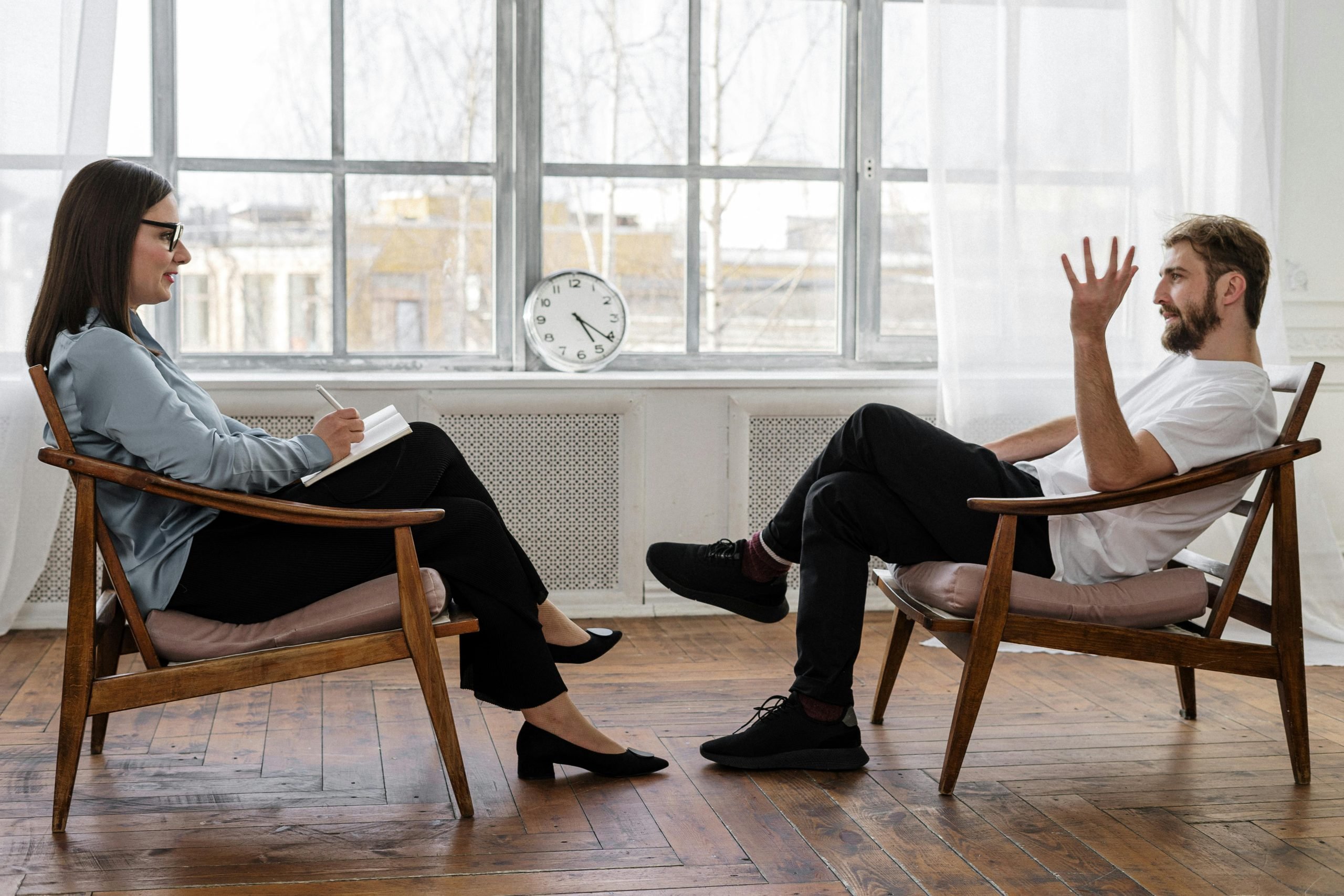
Cultural context also matters in treatment. Therapists who understand the specific pressures of collectivist family systems, the dynamics of face and shame in Asian cultural contexts, and the experience of handling between cultural identities are better positioned to help. Generic body image interventions developed in predominantly Western, individualist frameworks do not always translate cleanly.
Community and representation matter too. Seeing bodies that look like yours treated as worthy and beautiful, in media, in social circles, in the stories that get told, shifts the ambient standard in ways that individual work alone cannot. This is not a reason to wait for culture to change before doing your own healing. It is a reason to be thoughtful about the environments you inhabit and the images you consume.
The APA’s work on shyness and social evaluation is worth reading in this context, because it distinguishes between the fear of evaluation and the reality of evaluation. Most people, most of the time, are not scrutinizing your body as closely as you imagine. The imagined audience is always larger and more critical than the actual one. That does not make the anxiety less real, but it does open a small gap between the fear and the fact.
Building Self-Worth That Does Not Live in the Mirror
Somewhere in my mid-forties, after years of running agencies and performing a version of leadership that did not quite fit, I started to separate my sense of worth from external validation. That process was slow and imperfect and is still ongoing. What shifted was not that I stopped caring what others thought. It was that I developed a more stable internal reference point that did not depend entirely on external approval to stay upright.
Body image works the same way. The goal is not indifference to appearance. It is building an internal sense of self that is not primarily organized around how the body looks to others. That kind of self-worth is genuinely harder to develop in cultural contexts where external evaluation is woven into the fabric of daily life. It requires deliberate effort and, often, some form of professional support.
For introverts specifically, that internal work often happens through writing, reflection, and quiet conversation rather than group programs or high-energy interventions. Knowing your own processing style and working with it, rather than against it, matters. An introvert who is forced into a loud, group-based body image workshop may leave feeling worse, not because the content was wrong, but because the format was not built for how they process.
The research on culturally adapted interventions consistently shows that matching the approach to the cultural and psychological context of the individual improves outcomes. That is not a radical claim. It is common sense that the mental health field is still catching up to in practice.

There is more to explore on these intersecting pressures. The full range of mental health topics for introverts and highly sensitive people lives in our Introvert Mental Health Hub, where you will find resources that speak directly to the depth at which many of us process our inner lives.
About the Author
Keith Lacy is an introvert who’s learned to embrace his true self later in life. After 20 years in advertising and marketing leadership, including running agencies and managing Fortune 500 accounts, Keith now channels his experience into helping fellow introverts understand their strengths and build fulfilling careers. As an INTJ, he brings analytical depth and authentic perspective to every article, drawing from both professional expertise and personal growth.
Frequently Asked Questions
Why do Asian individuals tend to report higher body dissatisfaction than other groups?
Higher rates of body dissatisfaction among Asian individuals are shaped by a combination of cultural ideals that emphasize specific physical standards, collectivist social frameworks where appearance reflects on the family and community, and the psychological experience of handling between cultural identities. These factors compound each other, creating a context where body-related self-evaluation is both more frequent and more socially weighted than in many other cultural settings.
What is social physique anxiety and how is it different from general body dissatisfaction?
Social physique anxiety is specifically the fear of being negatively evaluated by others based on your physical appearance. General body dissatisfaction refers to how you feel about your body privately, the gap between how you look and how you wish you looked. Social physique anxiety adds the social dimension: the anticipatory dread of being watched, judged, and found lacking by others. Both can coexist, and often do, but they are distinct psychological experiences that can require different approaches to address.
How does introversion connect to body image struggles?
Introverts tend to process their internal and external environments at greater depth, which means perceived social judgments, including judgments about appearance, register more intensely and linger longer. This is not a flaw in introversion. It is a feature of deep processing that becomes a challenge in contexts where social evaluation is frequent or culturally emphasized. Highly sensitive introverts may find this particularly pronounced, as their nervous systems are wired to pick up on subtle social cues that others might not notice.
Are there culturally specific approaches to treating body dissatisfaction in Asian communities?
Yes, and they matter. Generic body image interventions developed in Western, individualist frameworks do not always address the specific dynamics of collectivist family pressure, face and shame, or bicultural identity stress. Therapists with cultural competency in Asian contexts are better positioned to help, as are interventions that acknowledge the social and familial dimensions of body image rather than treating it as purely an individual psychological issue. Seeking out culturally informed support is a reasonable and worthwhile step.
What practical steps can help reduce social physique anxiety over time?
Cognitive reframing, which involves questioning the origin and validity of body-critical thoughts, is one of the most consistently supported approaches. Reducing exposure to media and social environments that reinforce narrow physical ideals can also shift the ambient standard over time. For introverts, reflective practices like journaling can help externalize and process body-related emotions that might otherwise become circular. Professional support from a therapist familiar with both body image issues and cultural context offers the most structured path forward. Progress is gradual, but the direction matters more than the speed.