

Self-care for introverts isn’t about bubble baths and scented candles, though those can certainly help. At its core, it’s about understanding how your nervous system actually works and building daily practices that honor the way you’re wired, not the way the world expects you to be.
After two decades running advertising agencies, I spent a long time confusing exhaustion with weakness. It took me years to recognize that what I needed wasn’t more resilience in the conventional sense. What I needed was a fundamentally different relationship with rest, solitude, and my own internal rhythms. These four self-care tips changed that relationship for me, and I think they’ll resonate with you too.

If you’re looking for a broader foundation to build from, our Solitude, Self-Care and Recharging hub covers the full landscape of what it means to genuinely restore yourself as an introvert, from daily rituals to the deeper science of why alone time matters so much to people wired like us.
Why Does Self-Care Feel So Different for Introverts?
There’s a version of self-care that gets sold to everyone equally: go to the spa, call a friend, join a yoga class, get out of the house. And while none of those things are inherently wrong, they’re often built around an extroverted model of restoration. The assumption is that stimulation and social connection are what fill you back up.
What’s your personality type?
Take our free 40-question assessment and get a detailed personality profile with dimension breakdowns, context analysis, and personalised insights.
Discover Your Type8-12 minutes · 40 questions · Free
For many of us, that model does the opposite. I remember sitting through a “team wellness day” at one of my agencies, a full afternoon of group activities designed to boost morale. By the time I drove home, I was more depleted than I’d been at the start of the week. Not because the activities were bad, but because they added stimulation to a system that was already running on fumes.
Introverts restore energy inward. We process deeply, feel things thoroughly, and carry a lot of internal weight that doesn’t always show on the surface. That means our self-care needs to create space for that processing, not pile more onto it. Psychology Today has written thoughtfully about how solitude itself functions as a health practice, and for introverts, that framing makes intuitive sense.
What I’ve found, both from my own experience and from years of observing the introverts on my teams, is that effective self-care for people like us tends to cluster around four core areas. None of them are complicated. But all of them require intention, because the world isn’t designed to make them easy.
Tip 1: Treat Solitude as a Non-Negotiable, Not a Reward
One of the most damaging patterns I see in introverts, and one I lived for years, is treating alone time as something you earn after you’ve fulfilled all your obligations. You get through the meetings, the calls, the social obligations, and then maybe, if there’s time left over, you get a few quiet minutes to yourself.
That structure keeps you perpetually depleted. By the time you reach the solitude, you’re too exhausted to actually use it well.
What changed things for me was treating solitude the way I treated client deadlines: as something that had to happen, not something that might happen if conditions aligned. I started blocking time on my calendar every morning before the agency day began. Thirty minutes, sometimes forty-five, where nothing was scheduled and no one could reach me. I didn’t always spend it doing anything in particular. Sometimes I read. Sometimes I just sat with my thoughts. But that protected time became the foundation that made everything else manageable.
The science behind this is worth understanding. Berkeley’s Greater Good Science Center has explored how solitude supports creativity and cognitive clarity, which tracks with what I experienced. My best strategic thinking never happened in meetings. It happened in those quiet morning hours before anyone else was awake.
If you want to understand what’s actually at stake when this time disappears, the piece on what happens when introverts don’t get alone time is worth reading. The consequences are more significant than most people realize, and they compound over time in ways that can look like burnout, anxiety, or simple irritability.
Protecting solitude isn’t selfish. It’s structural. You can’t sustain the depth of presence that introverts are capable of giving if you never create the conditions to restore it.

Tip 2: Build Boundaries Around Your Energy, Not Just Your Time
Most advice about boundaries focuses on time. Don’t overcommit. Learn to say no. Leave early. And while those things matter, they miss something important for introverts: it’s not just the hours that drain you, it’s the quality of engagement those hours require.
Two hours of deep, one-on-one conversation with someone I trust costs me far less than thirty minutes of surface-level small talk in a crowded room. An afternoon of focused creative work leaves me energized. An afternoon of interruptions, even pleasant ones, leaves me hollow. The math isn’t about quantity. It’s about what kind of engagement your nervous system is being asked to sustain.
When I was running my largest agency, I had a team of about forty people. I learned early that I couldn’t show up equally to every interaction and still have anything left for the work that actually required my depth of focus. So I started being deliberate about where I invested my relational energy. I kept my door open for substantive conversations. I closed it, literally and figuratively, when I needed to protect the concentration that strategic work demanded.
Some people read that as aloofness. A few of my extroverted colleagues were genuinely puzzled by it. But the introverts on my team understood immediately. One of my senior account managers, an INFJ who was remarkable at reading client dynamics, once told me that my visible boundary-setting gave her permission to set her own. That stuck with me.
Energy-based boundaries also extend to the digital world. Notifications, group chats, email threads that demand constant responsiveness: all of these create a low-grade stimulation that accumulates. Batch your responses. Create windows for deep work that are genuinely protected. Your attention is a finite resource, and treating it that way isn’t a luxury, it’s a requirement for sustained performance.
For those who identify as highly sensitive as well as introverted, the need for energy-based boundaries runs even deeper. The guidance on HSP self-care and essential daily practices offers a thoughtful framework for building those structures into your daily life.
Tip 3: Let Sleep Become Your Most Serious Recovery Tool
Sleep is where this conversation gets personal for me, because I spent years treating it as negotiable.
In the agency world, late nights were a badge of commitment. We’d pull long hours before pitches, work through weekends on campaign launches, and treat exhaustion as evidence of dedication. I bought into that culture completely. And as an INTJ who was already running a fairly relentless internal monologue, I was adding poor sleep to a system that was already working overtime just processing the day.
What I didn’t understand then was that sleep deprivation hits introverts in a specific way. Our internal processing doesn’t pause because we’re tired. If anything, it intensifies, cycling through unresolved thoughts and emotions without the cognitive resources to manage them well. The irritability and emotional reactivity I sometimes experienced during high-pressure periods weren’t personality flaws. They were the predictable result of a depleted system trying to maintain its usual depth of engagement.
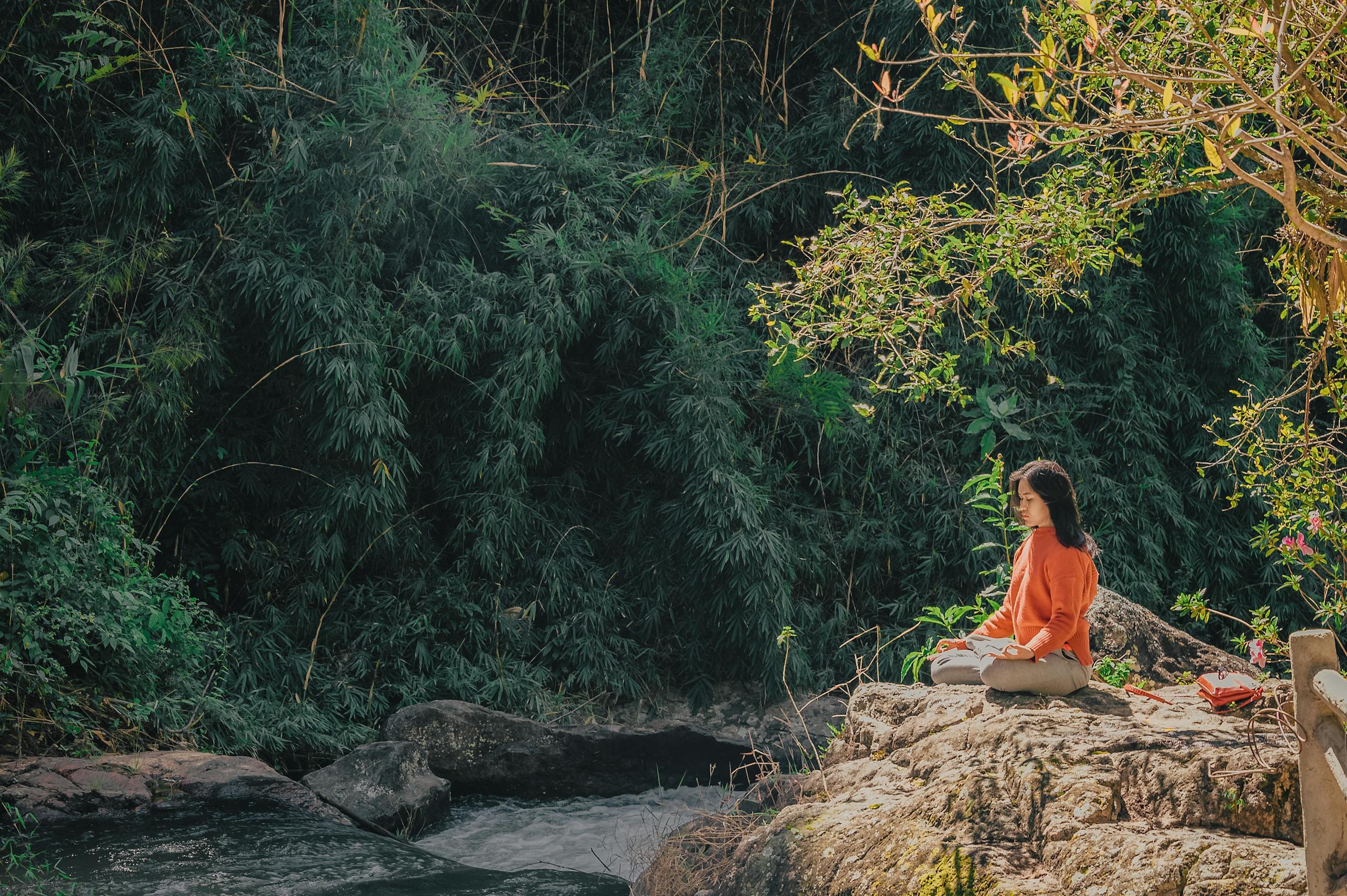
Good sleep hygiene for introverts means more than going to bed at a reasonable hour. It means creating a wind-down period that allows your mind to actually decelerate. That internal processing engine needs a runway, not a hard stop. I started giving myself at least an hour before bed without screens, without work, without anything that required active problem-solving. Reading fiction helped. So did sitting quietly and letting the day settle before I tried to sleep.
The strategies outlined in the article on HSP sleep and recovery align closely with what I’ve found works, particularly the emphasis on creating sensory conditions that support genuine rest rather than just unconsciousness. There’s a difference, and introverts tend to feel that difference acutely.
A PubMed Central review on sleep and emotional regulation highlights how inadequate sleep undermines our capacity to process and respond to emotional information, which is particularly relevant for those of us who do a lot of that processing internally. When sleep suffers, so does the quality of everything that depends on it.
Prioritizing sleep isn’t indulgent. It’s the foundation that everything else rests on. Without it, the other self-care practices you build are working against a significant headwind.
Tip 4: Find Your Version of Nature and Use It Consistently
I grew up in a city. My agency years were spent largely in offices, conference rooms, and client meetings in urban centers. Nature wasn’t something I thought about much in the context of self-care, honestly.
That changed during a particularly brutal stretch of pitches and personnel issues at my agency. A colleague suggested I take a walk, not as a metaphor, but literally, outside, during the workday. I remember thinking it sounded like the most inefficient use of thirty minutes I could imagine.
I was completely wrong. Something about being outside, away from screens and ambient office noise, created a kind of cognitive reset I hadn’t experienced in months. My thinking clarified. Problems that had felt intractable started to look different. I came back to my desk with a quality of attention I hadn’t had before I left.
That experience sent me looking for explanations, and what I found made sense for introverts specifically. Natural environments tend to reduce the kind of directed attention that our work demands, and that reduction allows the restorative, reflective processing that introverts do naturally to actually function the way it’s meant to. We’re not escaping our minds in nature. We’re giving them the right conditions to work properly.
The connection runs especially deep for highly sensitive people. The article on HSP nature connection and the healing power of the outdoors explores this with real nuance, and much of it applies to introverts broadly, not just those who identify as highly sensitive.

Your version of nature doesn’t have to be dramatic. It doesn’t require hiking trails or weekend camping. A park bench. A garden. A quiet street with trees. What matters is the sensory shift, the reduction in artificial stimulation and the presence of something that doesn’t demand anything from you.
I’ve also found that nature works particularly well as a solo practice. There’s a version of being outdoors that’s social and stimulating, group hikes, outdoor events, crowded parks. That’s fine, but it’s not the same thing. The restorative quality I’m describing comes from being alone in natural surroundings, which is why the piece on solitude as an essential need resonates so strongly in this context. Combining solitude with nature creates a kind of compounding effect that’s hard to replicate any other way.
Consistency matters more than intensity here. A twenty-minute walk three or four times a week will do more for you than an occasional full-day retreat. Build it into your routine the same way you’d protect any other essential appointment.
What Does It Actually Look Like to Put These Together?
Self-care advice tends to exist in a kind of aspirational vacuum. It sounds good in theory and falls apart the moment a real week arrives with its actual demands and complications. So I want to be honest about what integration actually looks like.
These four practices don’t require a perfectly ordered life. They require intention and a willingness to treat your own restoration as a legitimate priority rather than an afterthought.
In my agency days, my version looked like this: thirty minutes of protected morning time before the day started, a deliberate walk at some point during the day (even a short one), a firm end time on my work email in the evenings, and a wind-down routine before bed that didn’t involve screens or unresolved work problems. None of it was glamorous. All of it was essential.
What I’ve also noticed is that these practices reinforce each other. Adequate sleep makes it easier to protect boundaries. Protected solitude makes it easier to use nature time well. Good boundaries make sleep more accessible because you’re not lying awake processing the overstimulation of a day that had no edges.
There’s also something worth saying about the social dimension. The CDC has documented the health risks associated with social isolation, and it’s important to distinguish what we’re talking about here from withdrawal or avoidance. Protecting your energy isn’t the same as cutting yourself off. Introverts can be deeply connected and genuinely social while still needing structured recovery time. The goal is sustainability, not hermitage.
Harvard Health has written about the distinction between loneliness and chosen solitude, and that distinction matters enormously for introverts who sometimes feel pressure to justify their need for alone time. Choosing solitude as a restorative practice is fundamentally different from feeling isolated. One restores you. The other depletes you in a different way.
My dog Mac taught me something about this that I didn’t expect. He’s a creature of consistent routine, and watching him settle into his own rhythms of rest and engagement made me think differently about how I was managing mine. The piece on Mac’s alone time captures something genuine about what restorative solitude actually looks like when it’s lived without apology or explanation.
The Deeper Shift: From Coping to Thriving
There’s a version of self-care that’s purely defensive. You do it to survive the week, to get through the demands, to manage the depletion. That version is better than nothing, but it keeps you in a reactive posture.
What I’ve experienced over the years, and what I see in introverts who’ve genuinely made peace with how they’re wired, is that consistent self-care eventually shifts from defensive to generative. You’re not just maintaining yourself. You’re actually creating the conditions for the kind of depth, focus, and quality of presence that introverts are capable of at their best.

The research published in Frontiers in Psychology on well-being and restorative practices points toward something introverts often know intuitively: quality of rest and quality of engagement are directly linked. You can’t sustain meaningful depth of contribution without meaningful depth of recovery.
That’s not a limitation. It’s actually a clarifying truth. Introverts who understand and honor their own restoration needs tend to show up with a quality of focus, creativity, and interpersonal depth that’s genuinely distinctive. The self-care isn’t separate from the contribution. It’s what makes the contribution possible.
One more thing worth naming: this process takes time. I didn’t build these practices overnight, and I didn’t always maintain them consistently. There were stretches at my agency where the demands felt too pressing to honor any of this, and I paid for those stretches in ways that took time to recover from. Be patient with yourself. The goal isn’t perfection. It’s a general direction toward honoring what you actually need.
There’s also real value in understanding the experiences of highly sensitive people alongside introvert-specific needs, since many of us sit at the intersection of both. The PubMed Central research on sensory processing sensitivity offers useful context for why some of us experience stimulation and recovery so intensely, and why the practices described here aren’t optional extras but genuine necessities.
You deserve a self-care practice that’s built for how you actually work, not how the world assumes you should work. These four tips are a starting point. Build from them in whatever way fits your specific life, your specific rhythms, and your specific version of what restoration actually feels like.
There’s much more to explore on this topic. Our complete Solitude, Self-Care and Recharging hub brings together everything we’ve written about rest, recovery, and the practices that help introverts not just cope but genuinely flourish.
About the Author
Keith Lacy is an introvert who’s learned to embrace his true self later in life. After 20 years in advertising and marketing leadership, including running agencies and managing Fortune 500 accounts, Keith now channels his experience into helping fellow introverts understand their strengths and build fulfilling careers. As an INTJ, he brings analytical depth and authentic perspective to every article, drawing from both professional expertise and personal growth.
Frequently Asked Questions
What is the most important self-care practice for introverts?
Protecting intentional solitude tends to be the foundational practice for most introverts. Without regular time alone to process and restore, the other self-care practices you build have less to work with. Many introverts find that even thirty minutes of genuinely protected quiet time each day creates a meaningful difference in how they experience everything else.
How do introverts set boundaries without damaging relationships?
Energy-based boundaries work best when they’re communicated with warmth and clarity rather than defensiveness. Explaining that you need time to process before responding, or that you work best with protected focus time, frames the boundary as a feature of how you operate rather than a rejection of others. Most people respond well to honest, matter-of-fact communication about what you need.
Is wanting to be alone a sign of depression or social anxiety?
Not inherently. Choosing solitude as a restorative practice is fundamentally different from withdrawing due to distress. Introverts who are thriving often spend significant time alone and feel genuinely restored by it. The distinction worth paying attention to is whether solitude feels like a choice that leaves you energized, or an avoidance that leaves you more isolated and anxious. If it’s the latter, speaking with a mental health professional is a reasonable step.
How does sleep affect introverts differently than extroverts?
Introverts tend to do a significant amount of internal processing throughout the day, filtering experience through reflection, observation, and deep analysis. That processing doesn’t stop at bedtime. Poor sleep removes the cognitive resources needed to manage it well, which can intensify emotional reactivity and make the internal monologue harder to quiet. A deliberate wind-down routine that allows the mind to decelerate before sleep tends to be more important for introverts than for those who process more externally.
Can nature time really make a difference for introverts who live in cities?
Yes, and it doesn’t require dramatic natural settings. What matters most is the sensory shift: reduced artificial stimulation, fewer demands on directed attention, and the presence of something that doesn’t require anything from you. A park, a quiet street with trees, or even a garden creates enough of that shift to be genuinely restorative. Consistency matters more than scale. Short, regular time in natural surroundings tends to be more effective than occasional larger excursions.