
Being an introvert at school doesn’t mean you’re at a disadvantage. Introverts thrive when they understand how their minds work: they process deeply, observe carefully, and build meaningful connections. With the right strategies for managing energy, classroom participation, and social demands, introverted students can do more than survive school. They can lead it.
School is one of the first places where the world tells you that being quiet is a problem. Raise your hand more. Speak up. Join more clubs. Sit at the big table at lunch. I heard versions of that feedback for years, long before I ever understood what it meant to be wired the way I am. What nobody told me then was that the qualities making me feel out of step in the classroom would eventually become the foundation of everything I built professionally.
That realization didn’t come quickly. It came after two decades of running advertising agencies, managing Fortune 500 relationships, and quietly wondering why the conventional playbook always felt like I was wearing someone else’s shoes. But it did come. And if you’re an introverted student, or a parent watching one struggle to fit in, what I want you to understand is this: there’s nothing to fix here. There’s something to understand.

At Ordinary Introvert, we write extensively about introversion across every stage of life, from school to career to relationships. If you’re looking for a broader foundation, our introvert resources hub covers the full landscape of what it means to live authentically as someone who processes the world from the inside out.
What Does It Actually Mean to Be an Introvert at School?
Most people think introversion is about shyness. It isn’t. A 2021 report from the American Psychological Association clarified that introversion is fundamentally about where you direct your energy, and how you restore it. The APA describes introverts as people who are energized by solitude and internal reflection rather than external stimulation. Shyness is a fear of social judgment. Introversion is a preference for depth over volume.
What’s your personality type?
Take our free 40-question assessment and get a detailed personality profile with dimension breakdowns, context analysis, and personalised insights.
Discover Your Type8-12 minutes · 40 questions · Free
In a school environment, that distinction matters enormously. The student who doesn’t volunteer answers in class may be processing the question three levels deeper than anyone who raised their hand first. The kid eating lunch alone on Tuesday might be recharging after a draining Monday, not isolated or unhappy. The one who asks to work alone on a group project might produce something more thoughtful than the entire group combined.
I was that student. I remember sitting in the back of a high school English class, having already worked through the essay question in my head while the teacher was still explaining it. By the time discussion opened up, I’d considered three different angles, settled on the one that felt most defensible, and mentally moved on. What I hadn’t done was raise my hand. My participation grade suffered. My thinking didn’t.
That gap between internal richness and external performance is one of the defining tensions introverted students face. School systems are largely built for visible participation: class discussions, group work, presentations, extracurricular involvement. None of those formats naturally favor the student who does their best thinking alone, in writing, or after a long quiet pause.
How to Not Be an Introvert at School (And Why That’s the Wrong Question)
Let me address this directly, because it’s one of the most common things introverted students search for. If you’ve typed “how to not be an introvert at school” into a search bar, I understand the impulse completely. You’re exhausted. You’re watching extroverted classmates seem effortlessly comfortable in environments that drain you. You want to know how to be more like them.
consider this I’d tell my younger self: you can’t stop being an introvert, and you wouldn’t want to if you understood what it actually gives you. What you can do is stop working against yourself and start working with how your mind functions.
Early in my agency career, I tried to out-extrovert the room. I’d push myself to be the loudest voice in client meetings, the most socially available person at industry events, the one who always had an answer before anyone else. It worked, superficially. Clients liked the energy. But I was running on fumes by Wednesday every week, and the quality of my thinking suffered because I wasn’t giving it the quiet space it needed to do its best work.
The shift happened when I stopped trying to perform extroversion and started building systems that let my introversion function at its highest level. Preparation before meetings instead of improvisation during them. Written communication when possible. Deliberate recovery time built into my schedule. The quality of my work went up. My energy stabilized. And ironically, I became more effective in social and professional situations because I wasn’t constantly depleted.
That same principle applies to school. success doesn’t mean become someone who finds group projects energizing or loves speaking in front of the class. The goal is to build strategies that let your introverted strengths show up consistently, while managing the environments that drain you.

What Are the Real Strengths Introverted Students Bring to the Classroom?
Introverted students consistently demonstrate a set of qualities that have significant academic and long-term professional value. A 2012 study published through the National Institutes of Health found that introverts tend to outperform extroverts in tasks requiring sustained attention and careful processing. The NIH research base on cognitive processing styles supports the idea that slower, more deliberate thinking often produces more accurate and creative outcomes than fast, reactive responses.
What does that look like in practice? A few things stand out.
Deep Focus and Independent Work
Introverted students often have a natural capacity for concentration that their extroverted peers have to work much harder to develop. When the environment is right, they can sustain focus on complex material for extended periods. Essays, research projects, independent reading, and analytical work are areas where this shows up clearly.
Observational Intelligence
My mind has always worked this way: I notice what’s happening in a room before I participate in it. In a client pitch, I’d read the body language of the decision-makers while my extroverted colleagues were busy filling silence. That observational quality translated directly into better strategy, because I understood what the room actually needed rather than what I assumed it needed. Introverted students develop this same capacity in classroom dynamics, peer relationships, and academic environments.
Thoughtful Communication
Introverts tend to think before they speak, which means when they do contribute, it tends to be considered and substantive. Written assignments often become a place where introverted students genuinely excel, because the format rewards exactly the kind of internal processing they do naturally.
Meaningful Relationship Building
Introverted students typically prefer a few close friendships over a wide social network. According to Psychology Today, introverts often form deeper, more loyal relationships precisely because they invest more intentionally in the connections they choose. In school, those friendships become academic partnerships, support systems, and the kind of relationships that actually last.
You might also find graduate-school-applications-for-introverts helpful here.
How Can Introverts Manage Energy Drain at School?
Energy management is the central skill for any introvert in a high-stimulation environment, and school is one of the most stimulating environments that exists. Six or seven hours of social interaction, noise, group work, and performance demands, repeated five days a week. Without deliberate recovery strategies, even the most capable introverted student will hit a wall.
A 2018 study referenced by Mayo Clinic on stress and cognitive function found that chronic overstimulation without adequate recovery significantly impairs concentration, memory consolidation, and emotional regulation. Those aren’t abstract concerns for introverted students. They’re the daily reality of trying to perform in environments that weren’t designed with their nervous system in mind.
Practical energy management at school looks like this:
Identify Your Recovery Windows
Lunch, passing periods, study hall, and the time between school and evening activities are all potential recovery windows. Using even 10 to 15 minutes of genuine quiet, whether that’s reading alone, sitting outside, or simply not talking, can meaningfully restore focus for the next block of the day. I built this habit as an adult and wished I’d understood it at 15. The difference between arriving at a 3 PM meeting depleted versus partially restored is enormous.
Prepare More Than You Think You Need To
One of the most effective things an introverted student can do is over-prepare for high-stakes social situations. Class discussions, presentations, group project kickoffs, any moment that requires visible performance is far less draining when you’ve already processed the material thoroughly in private. Preparation converts anxiety into quiet confidence. I learned this running new business pitches. The introverts on my team who came in deeply prepared consistently outperformed the ones relying on improvisation.
Be Strategic About Extracurricular Commitments
School culture puts enormous pressure on students to join everything. Sports, clubs, student government, community service, the list never ends. Introverted students can and should participate in extracurriculars, but the selection matters. Activities that align with genuine interests and allow for depth of engagement, rather than constant social performance, will be sustaining rather than depleting. Writing clubs, debate, individual sports, art programs, science teams: these formats tend to work well for introverts because they reward focused effort and independent skill development.
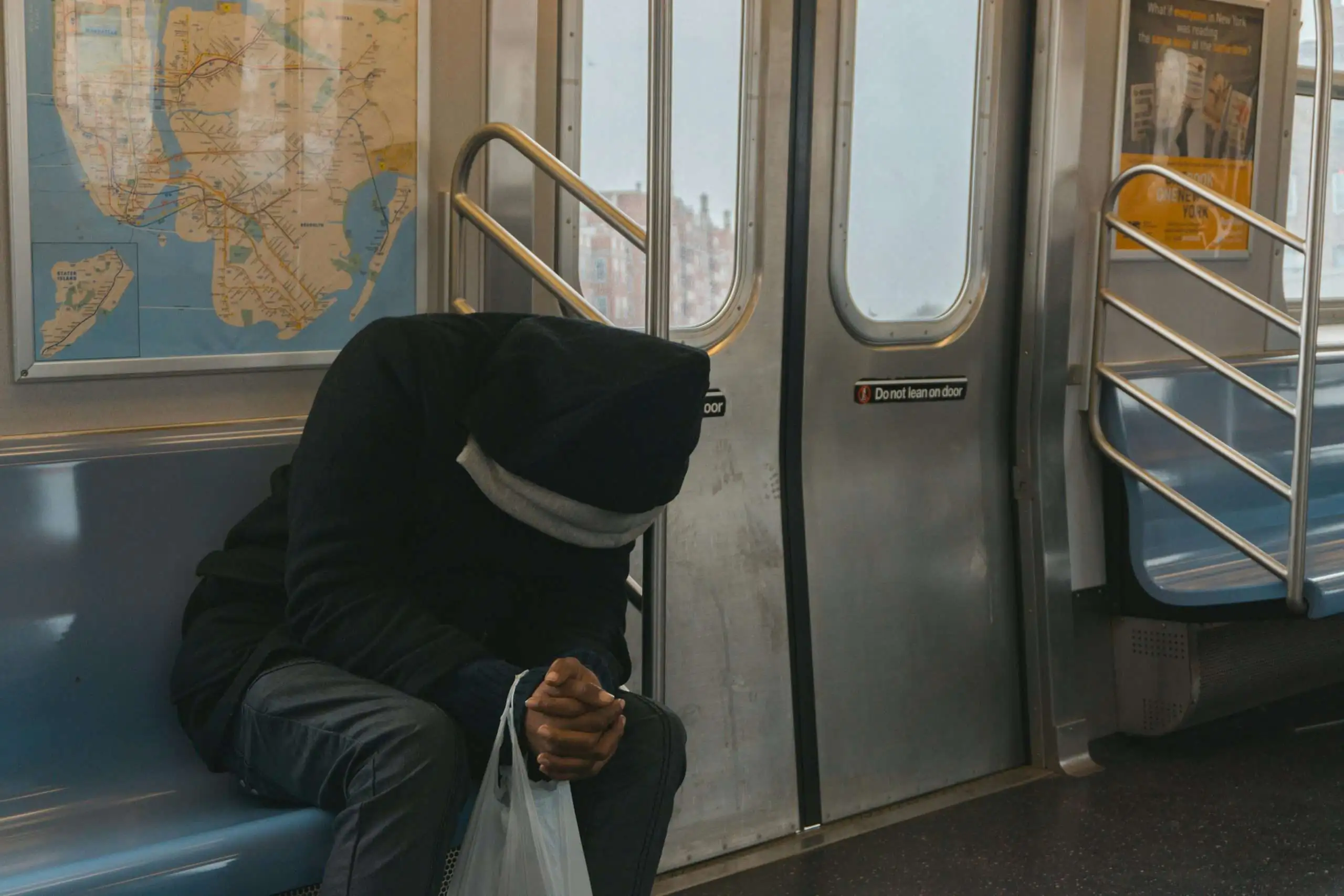
How Should Introverts Handle Group Work and Class Participation?
Group work and class participation are two of the most consistent pain points for introverted students, and they deserve direct, practical attention.
Group work tends to frustrate introverts for a specific reason: the format rewards the loudest voice, not the best thinking. Decisions get made quickly, often before the introvert has had time to process the full problem. The extroverts in the group interpret silence as disengagement. The introvert interprets the chaos as noise that makes good thinking impossible.
A strategy that works: claim a defined role early. In any group project, there are tasks that require social coordination and tasks that require independent depth. The research synthesis, the written analysis, the design work, the final editing pass: these are high-value contributions that play to introverted strengths. Volunteering for those roles isn’t avoiding participation. It’s allocating your best capabilities to where they’ll have the most impact.
Class participation is a different challenge. Many introverted students know the answer but don’t raise their hand because they want to be certain before speaking, or because the pace of discussion doesn’t allow time for the kind of processing they do naturally. APA research on learning styles suggests that introverts often benefit from written reflection as a precursor to verbal participation, which is why journaling, reading responses, and pre-discussion writing prompts tend to produce better outcomes for this group.
If participation grades are a concern, consider talking to your teacher directly. Most educators respond well to a student who says something like: “I process better when I’ve had time to think. Could I contribute through written responses in addition to verbal discussion?” That kind of self-advocacy is a skill that will serve you for the rest of your life, and it often produces better academic outcomes than white-knuckling through formats that don’t fit how you think.
What Study Habits Actually Work for Introverted Students?
Introverts tend to be strong independent learners, which means the study environment matters enormously. Noise, interruption, and social pressure are the enemies of deep processing. Creating conditions for focused work isn’t a preference or a luxury. It’s a performance requirement.
A few principles that make a meaningful difference:
Single-Task Environments
Introverts process deeply, which means they’re particularly vulnerable to the cognitive cost of task-switching. A 2019 analysis from the National Institutes of Health on attention and multitasking found that switching between tasks can reduce cognitive performance by up to 40 percent. For an introverted student, that number likely underestimates the real cost. Studying one subject at a time, in blocks of focused time with genuine breaks between them, produces far better retention than scattered multi-subject sessions.
Writing as a Processing Tool
Many introverts think better in writing than in conversation. Using writing not just for assignments but as a study tool, summarizing what you’ve learned, asking questions in a notebook, explaining concepts back to yourself in your own words, activates the deep processing that introverts do naturally and converts it into academic performance.
Strategic Collaboration
Study groups can work for introverts, but the format matters. A small group of two or three people with a clear agenda and defined roles is very different from an open-ended social study session. Introverts often do well with a “parallel work” model: studying independently in the same space, then coming together to discuss specific questions. That structure captures the accountability benefit of group study without the constant social demand.

How Do Introverted Students Build Social Connections Without Burning Out?
Social connection matters deeply to introverts. That’s a point worth making clearly, because the stereotype suggests otherwise. Introverts don’t dislike people. They’re selective about which interactions they invest in, and they need recovery time after sustained social engagement. Those are very different things from being antisocial.
The social challenge at school is that the dominant model is quantity-based: the more friends you have, the more activities you attend, the more visible you are, the better. Introverts operate on a quality-based model. A few genuine connections are more sustaining than a wide network of surface-level ones.
Building those connections in a school environment works best through shared activity rather than direct socializing. Joining a club, working on a project together, being part of a team: these formats give introverts a structured context for connection that doesn’t require performing sociability for its own sake. The conversation emerges from the shared work, which is a much more natural entry point.
I’ve built some of the most important professional relationships of my career through exactly that model. Shared client challenges, creative problems we were both invested in solving, moments of genuine collaboration on something that mattered. Not networking events. Not forced social situations. Work that we both cared about, which created the conditions for real connection.
According to Psychology Today’s coverage of introvert social dynamics, introverts tend to form stronger attachments when relationships develop gradually and organically rather than through high-pressure social situations. That’s not a limitation. It’s a feature of how introverts build trust.
What Should Parents Know About Supporting an Introverted Student?
If you’re a parent reading this, one of the most valuable things you can do is resist the urge to fix what isn’t broken. An introverted child who prefers reading to parties, who has two close friends instead of ten, who needs an hour of quiet after school before they can talk about their day, is not a child who needs intervention. They’re a child who needs understanding.
The CDC’s research on child development emphasizes the importance of recognizing individual temperament differences in educational settings. Pushing introverted children toward constant social engagement without adequate recovery time can contribute to anxiety, school avoidance, and long-term resistance to environments that might otherwise be positive for them.
What helps: validating their experience rather than minimizing it. Asking open questions about what’s working and what’s hard. Communicating with teachers about your child’s learning style so that participation expectations can be met in ways that don’t require constant verbal performance. And modeling what it looks like to honor your own need for quiet, if that’s part of your own experience.
I didn’t have the language for what I was experiencing when I was in school. Nobody told me that the way I processed the world had a name, or that it came with genuine strengths. What I had instead was a persistent sense that I was doing something wrong by being the way I was. That belief followed me into my professional life and cost me years of unnecessary self-doubt. Giving a child the vocabulary and the permission to understand themselves accurately is one of the most powerful things a parent can offer.
How Can Introverted Students Prepare for High-Pressure Moments?
Presentations, oral exams, college interviews, auditions, tryouts: school is full of moments that require an introverted student to perform under conditions that don’t suit them naturally. These moments are manageable, but they require a different kind of preparation than what most students are taught.
The standard advice is to practice until you’re comfortable. For introverts, comfort comes from a different place. It comes from mastery of the material, not repetition of the performance. When I knew a client’s business deeply, when I’d done the analysis and could defend every strategic recommendation from multiple angles, I could walk into a room of senior executives and hold my own. Not because I’d rehearsed my delivery, but because I’d done the thinking that made delivery almost secondary.
For introverted students facing high-pressure moments:
Prepare the substance first, the delivery second. Know your material so thoroughly that the presentation becomes a natural expression of what you actually understand, rather than a performance of something you’re trying to remember.
Build in pre-event quiet time. Arriving at a presentation or interview having spent the previous hour in noise and social stimulation is a setup for underperformance. Protect the hour before high-stakes moments as recovery and centering time.
Reframe nerves as processing. The physiological experience of anxiety and the experience of focused readiness are almost identical. Introverts who learn to interpret pre-performance nerves as their mind gearing up for deep engagement, rather than as evidence that something is wrong, consistently perform better than those who fight the sensation.
The Harvard Business Review has published extensively on introvert performance in high-stakes settings, consistently finding that introverts who leverage preparation and deliberate practice outperform their extroverted peers in complex, cognitively demanding situations. That research reflects something introverted students can experience for themselves, once they stop trying to perform like extroverts and start performing like themselves.

What Does Thriving at School Actually Look Like for an Introvert?
Thriving doesn’t look the same for every student, and for introverts, it almost never looks the way school culture suggests it should. It isn’t the student who’s involved in everything, always visible, always social. It’s the student who knows how they work, builds environments and habits that support their best thinking, and shows up fully in the ways that matter to them.
That might mean writing an essay that genuinely moves the teacher. Building a friendship with one person who becomes a lifelong connection. Preparing so thoroughly for a presentation that the nerves don’t win. Finding the one teacher who sees the depth behind the quiet and reflects it back. Discovering that the subject you process slowly and carefully is the one you understand more completely than anyone else in the room.
Those moments don’t make the headlines in school culture. They don’t show up on the kind of social scoreboard that adolescents tend to use to measure themselves. But they build something real: a relationship with your own mind, an understanding of how you do your best work, and a foundation of self-knowledge that becomes more valuable with every year that passes.
Twenty years into a demanding career, the qualities that made school feel hard are the ones that made me good at my work. The depth of processing. The observational intelligence. The preference for preparation over improvisation. The ability to form real relationships rather than performative ones. None of those things developed in spite of my introversion. They developed because of it.
Explore more introvert strategies and self-understanding resources in our complete Introvert Life Hub at Ordinary Introvert.
About the Author
Keith Lacy is an introvert who’s learned to embrace his true self later in life. After 20 years in advertising and marketing leadership, including running agencies and managing Fortune 500 accounts, Keith now channels his experience into helping fellow introverts understand their strengths and build fulfilling careers. As an INTJ, he brings analytical depth and authentic perspective to every article, drawing from both professional expertise and personal growth.
Frequently Asked Questions
Can introverts be successful students even if they dislike group work and class discussions?
Yes, and often significantly so. Introverted students tend to excel in independent work, written assignments, research, and sustained study, all of which carry substantial academic weight. Managing group work and class participation is a skill that can be developed with the right strategies, but it doesn’t define academic potential. Many of the most accomplished students and scholars throughout history have been deeply introverted.
How can an introverted student improve their class participation grade without constant verbal contribution?
Talking directly with the teacher is often the most effective first step. Many educators are open to alternative participation formats, including written discussion responses, reflection journals, or one-on-one conversations. Preparing specific points before class discussions also helps introverts contribute more confidently when they do speak, because the thinking has already been done in a low-pressure environment.
Is it normal for introverted students to feel exhausted after a full school day?
Completely normal, and worth taking seriously. School environments involve sustained social interaction, noise, and performance demands that are genuinely draining for people who restore their energy through quiet and solitude. Building deliberate recovery time into the after-school routine, even 20 to 30 minutes of genuine quiet before homework or activities, can significantly improve focus, mood, and overall wellbeing for introverted students.
How should parents talk to teachers about their introverted child’s needs?
Approach the conversation from a learning style perspective rather than framing it as a problem. Share specific observations: your child processes deeply before speaking, does their best thinking in writing, and may need more time than verbal discussion allows. Ask whether alternative participation formats are available, and whether the teacher has noticed specific strengths that align with how your child works. Most educators respond positively to parents who come prepared with insight rather than complaints.
What extracurricular activities tend to work best for introverted students?
Activities that reward focused individual effort and allow for depth of engagement tend to be the best fit. Writing clubs, debate, individual sports, visual arts, music, science and academic competitions, and technology programs are all formats where introverted students can excel and find genuine community. The common thread is that these activities center on a shared interest or skill rather than requiring constant social performance, which allows introverts to connect through what they’re doing rather than through small talk.