Barcelona seduced me before I ever set foot on its streets. As someone wired for depth and internal reflection, I found myself drawn to a city where world-class art museums promise hours of solitary contemplation, where Gothic architecture tells stories without words, and where the Mediterranean pace accommodates those who prefer observing life rather than performing it.
After spending years managing high-energy client presentations and agency pitches, I’ve learned that my ideal vacation looks nothing like endless social activities or packed itineraries. My mind processes emotion and information quietly, filtering meaning through layers of observation, intuition, and subtle interpretation. Barcelona, surprisingly, became my unexpected sanctuary.
Most travel guides describe Barcelona as a party destination, a city of beaches and nightlife. That reputation initially made me hesitant. But beneath the tourist veneer lies something far more nourishing for the introspective soul: a city built by dreamers and artists, where quiet contemplation is woven into the cultural fabric itself.
Why Barcelona Works for Introverts
The city operates on what locals call “tranquilidad,” a slower rhythm that respects personal space and quiet moments. Unlike some European capitals where aggressive vendors and crowded attractions dominate, Barcelona offers countless opportunities to slip into solitude while surrounded by extraordinary beauty.
I used to think cities were inherently draining for introverted types. My experience managing Fortune 500 client relationships taught me otherwise: the right environment matters more than the size of the crowd. Barcelona provides something rare for a major metropolitan area, which is the ability to be alone in public without feeling isolated or conspicuous.
Research from the University of California, Santa Cruz confirms what many introverts intuitively understand: spending time alone, even in public spaces, can boost mood and reduce stress. Barcelona’s cafe culture, museum scene, and architectural wanderings create perfect conditions for this kind of psychological rejuvenation.
The city’s grid layout in the Eixample district offers exactly the predictability that energy management requires. You always know where you are, which frees mental bandwidth for actually experiencing the art and architecture rather than anxiously navigating unfamiliar terrain.
The Neighborhoods That Welcome Quiet Souls
Not all Barcelona neighborhoods suit the introverted temperament equally. Las Ramblas, the famous pedestrian boulevard, often overwhelms even the most socially resilient visitors with its crowds and persistent street vendors. I learned this the hard way during my first visit, when I escaped into a side street just to catch my breath.
Gracia emerged as my favorite discovery. This former village, now absorbed into Barcelona proper, retains its small-town character through intimate plazas and narrow streets where locals outnumber tourists. The neighborhood feels like a well-kept secret, perfect for those who prefer meaningful solitude over crowded attractions.
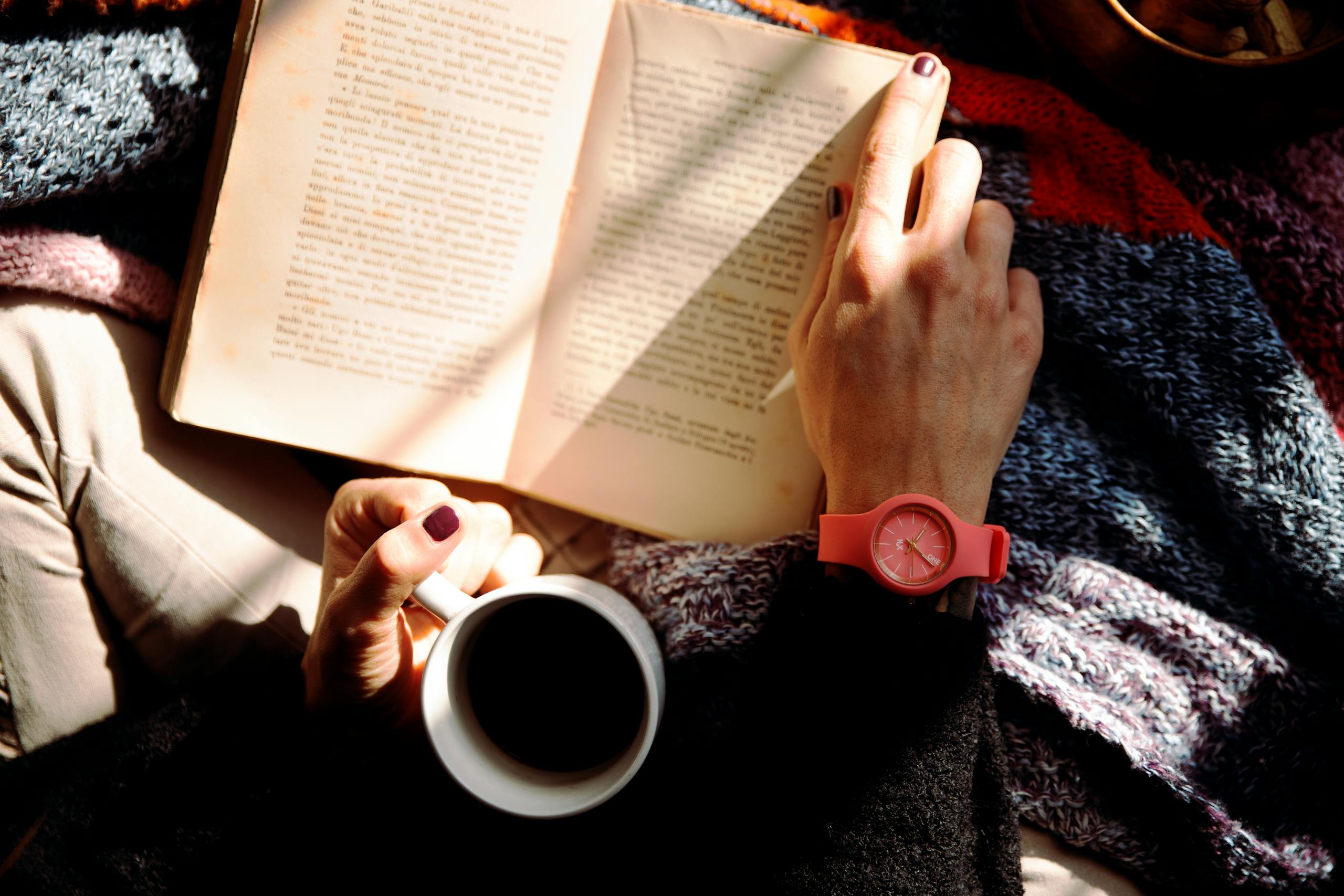
Plaça del Sol in Gracia offers something unusual: a square where sitting alone with coffee and a book feels completely natural. The locals here understand that presence doesn’t require performance. You can spend hours people-watching without anyone questioning why you’re by yourself.
The Eixample neighborhood deserves special mention for its introvert-friendly qualities. The wide, tree-lined streets feel open rather than claustrophobic. The grid pattern eliminates the disorientation that comes from wandering medieval streets, reducing the cognitive load that exhausts us faster than any social interaction. According to Barcelona Tourism, this district was deliberately designed in the 19th century to provide residents with light, air, and space.
Poblenou offers beach access without the Barceloneta crowds. This former industrial district has reinvented itself as a creative hub, attracting the kind of thoughtful, independent professionals who understand that working alone doesn’t mean lonely. The Rambla del Poblenou provides a quieter alternative to the main Ramblas, perfect for those who want to experience local life without the tourist intensity.
Museums Made for Deep Thinking
Barcelona’s museum scene caters to the introspective mind like few other cities. The Picasso Museum traces the artist’s development from talented teenager to revolutionary master, and the chronological layout allows for methodical exploration at your own pace. I spent three hours there without speaking to anyone except the ticket seller, completely absorbed in watching Picasso’s style evolve painting by painting.
The Fundació Joan Miró sits atop Montjuïc hill, offering both world-class surrealist art and stunning city views. Miró himself was fascinated with psychology and the subconscious, making his work particularly resonant for those of us who spend considerable time in our own inner landscapes. The museum’s architecture creates contemplative spaces where you can sit with a single painting for as long as you need.
The National Art Museum of Catalonia houses one of the world’s finest collections of Romanesque art. These medieval frescoes, rescued from Pyrenean churches, communicate something profound about human spirituality without requiring any social interaction to appreciate. The museum occupies the National Palace on Montjuïc, and the walk up provides excellent recharging time before entering.
For contemporary art enthusiasts, MACBA in the Raval neighborhood offers challenging exhibitions in a striking white building. The plaza outside attracts skateboarders, which might seem incongruous, but there’s something meditative about watching skilled movement while processing whatever the current exhibition provoked in your thinking.

Gaudí and the Architecture of Wonder
Antoni Gaudí’s buildings invite the kind of sustained attention that introverts excel at providing. The Sagrada Família, still under construction after more than 140 years, rewards careful observation in ways that a quick walkthrough simply cannot achieve. Light filters through stained glass windows at different angles throughout the day, and each visit reveals details you missed before.
I used to think architectural attractions were for quick photos and moving on. Running an advertising agency, I was conditioned to value efficiency over depth. But standing inside the Sagrada Família changed something in me. The building demands slowness. Rushing through feels almost disrespectful to what Gaudí spent his entire life creating.
Park Güell requires more strategic planning. The monument zone can become crowded, but arriving at opening time or in late afternoon provides the contemplative experience the space deserves. Gaudí’s organic forms emerge from careful observation of nature, and appreciating them fully requires the patient attention that comes naturally to those who prefer depth over breadth.
Casa Batlló and La Pedrera on Passeig de Gràcia showcase Gaudí’s residential architecture. Both buildings feature rooftop terraces where you can escape the interior crowds and simply absorb the strange beauty of these structures against the Barcelona skyline. The chimneys at La Pedrera inspired Star Wars costume designers, proof that imagination flourishes in quiet observation.
The Art of Dining Alone in Barcelona
Spanish dining culture surprisingly accommodates solo diners. The tapas tradition means ordering multiple small plates at a bar counter feels completely natural, eliminating the awkwardness of sitting alone at a restaurant table. I discovered that positioning myself at the bar actually provided better access to the most interesting culinary experiences.
The Spanish dining schedule works in the introvert’s favor. Locals typically eat dinner at 9 PM or later, which means eating earlier provides quieter restaurant experiences. This timing also preserves your evening energy for whatever recharging rituals you prefer in your accommodation.
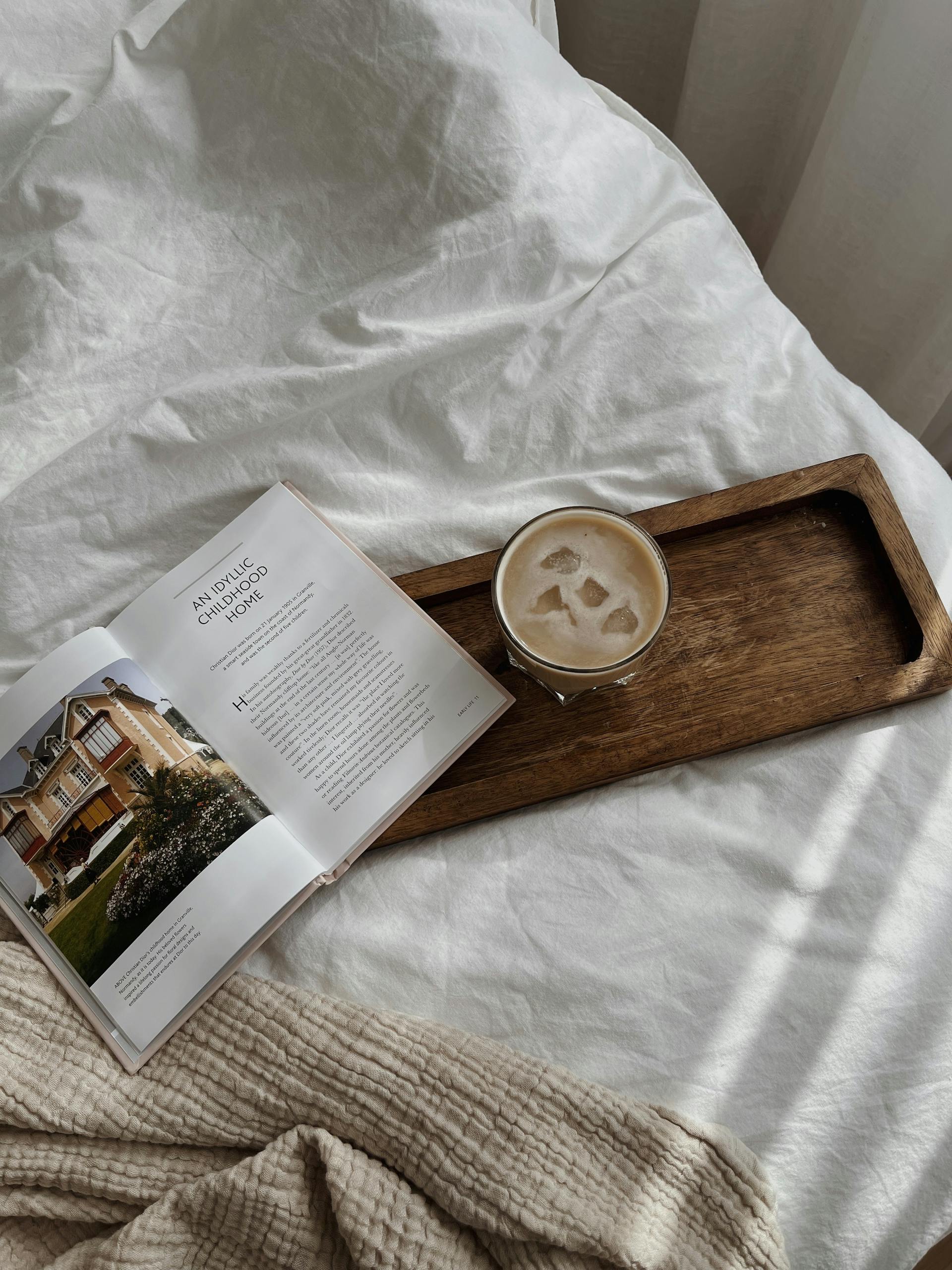
Cafes throughout the city understand that customers might sit for hours with a single cortado. The Spanish coffee culture embraces lingering, and no waiter will rush you to leave. Bring a book or journal, and you’ll blend seamlessly into the local rhythm of extended cafe sitting.
La Boqueria market offers excellent solo dining options. The stalls serve fresh seafood, jamón, and other Spanish specialties at counter seating. You can eat extraordinary food while watching the market bustle around you, engaged with the scene without needing to participate socially.
Practical Strategies for Introvert-Friendly Barcelona
Accommodation choices significantly impact your experience. Apartments in Gracia or Eixample provide the solitary recharge space that hotels often lack. Having a kitchen means you can skip restaurant dinners when social energy runs low, and having separate rooms allows for the kind of controlled solitude that keeps introverts functional.
The Barcelona metro system is clean, efficient, and blessedly silent. Locals don’t expect conversation with strangers on public transport, and the T-Casual card provides ten trips at significant savings. Walking remains the best way to absorb the city, but having metro access creates escape routes when particular areas become too crowded.
Timing matters enormously. Morning visits to major attractions avoid both crowds and afternoon heat. The siesta tradition between 2 and 5 PM means many smaller shops close, creating unexpectedly quiet streets perfect for photography and observation. Evening paseos, the traditional Spanish stroll, offer lovely people-watching opportunities from park benches and cafe terraces.
Book skip-the-line tickets for Sagrada Família and Park Güell. Standing in long queues drains energy before you even enter these attractions. The extra cost pays for itself in preserved mental bandwidth and guaranteed entry at your chosen time.
Cultural Immersion Without Social Exhaustion
Learning basic Catalan phrases earns genuine appreciation from locals. Unlike some tourist destinations where English is expected, Barcelona rewards even minimal effort at language. A simple “bon dia” and “gràcies” opens doors and creates positive micro-interactions that don’t drain your reserves.
Walking tours can work for introverts when chosen carefully. Free walking tours typically attract larger groups, while paid private or small-group tours provide better experiences for those who prefer limited social interaction. The Barcelona Cathedral neighborhood and Gothic Quarter benefit from guided context, and good guides talk rather than requiring audience participation.
Flamenco performances might seem like an odd recommendation for introverts, but the art form rewards exactly the kind of emotional attunement that introverted processing provides. You’re sitting in darkness watching intense expression without any social obligation. The music and dance speak directly to anyone who feels deeply.
When to Visit for Maximum Tranquility
Shoulder seasons offer the best balance between pleasant weather and manageable crowds. Late September through early November provides warm temperatures with significantly fewer tourists than summer. March through May brings spring warmth without the summer crush.
Winter Barcelona remains mild by Northern European or North American standards. Museum visits become even more pleasant with smaller crowds, and the city reveals its local character more clearly when summer tourists have departed. Some beach activities close, but culture-focused introverts rarely prioritize beaches anyway.
Weekdays consistently outperform weekends for introvert-friendly experiences. Major attractions see Monday as their busiest day due to many museums closing Mondays in other cities, making Tuesday through Thursday ideal. The Picasso Museum closes Mondays, so plan around that.
The Unexpected Gifts of Barcelona Solitude
What I discovered in Barcelona changed how I think about travel and about myself. I learned that being alone in a magnificent place doesn’t diminish the experience but often deepens it. Without the social performance that accompanies group travel, I absorbed art and architecture with an intensity I hadn’t felt since childhood.
The city taught me that introversion isn’t a travel limitation but a different way of experiencing place. While extroverts might collect social connections as souvenirs, introverts collect moments of deep perception: the exact shade of afternoon light on Gaudí’s tiles, the taste of a perfect tortilla española at a neighborhood bar, the weight of history in a Romanesque church fresco.
Barcelona offers culture-loving introverts something increasingly rare in our hyper-connected world: permission to be completely present without needing to document, share, or perform that presence for anyone else. The city’s treasures reveal themselves to patient observation, exactly the skill that introverted types have spent their lives developing.
Sometimes I wonder if the artists whose work fills Barcelona’s museums and streets understood something essential about solitary creative work. Gaudí spent decades on the Sagrada Família, often working alone through the night. Picasso’s Blue Period emerged from isolation and reflection. Miró’s surrealism required looking inward as much as outward. Perhaps Barcelona became a city for artists precisely because it has always welcomed those who need space to think.
For introverts seeking cultural richness without social overwhelm, Barcelona delivers something precious. Not the party city of postcards, but a place where depth matters, where quiet observation is respected, and where the art of being alone is practiced with Mediterranean grace. If you’ve hesitated to travel solo because cities seem draining, Barcelona might change your mind. It certainly changed mine.
Explore more introvert lifestyle resources in our complete General Introvert Life Hub.
About the Author
Keith Lacy is an introvert who’s learned to embrace his true self later in life. With a background in marketing and a successful career in media and advertising, Keith has worked with some of the world’s biggest brands. As a senior leader in the industry, he has built a wealth of knowledge in marketing strategy. Now, he’s on a mission to educate both introverts and extroverts about the power of introversion and how understanding this personality trait can unlock new levels of productivity, self-awareness, and success.
Frequently Asked Questions
Is Barcelona a good destination for introverts?
Yes, Barcelona offers excellent opportunities for introverts despite its reputation as a party city. The world-class museums, architectural wonders, quiet neighborhoods like Gracia, and cafe culture that welcomes lingering all provide space for solitary exploration. The key is choosing the right neighborhoods, timing visits to avoid peak crowds, and embracing the Spanish appreciation for tranquility.
What are the best Barcelona neighborhoods for introverts?
Gracia offers a village-like atmosphere with intimate plazas and fewer tourists than central areas. Eixample provides wide, grid-patterned streets that reduce disorientation and overwhelming stimulation. Poblenou offers beach access without Barceloneta crowds, and Poble Sec provides local charm near Montjuïc. Avoid Las Ramblas if crowds drain you quickly.
When is the best time for introverts to visit Barcelona?
Shoulder seasons from late September through November and March through May offer the best balance of pleasant weather and manageable crowds. Weekdays, especially Tuesday through Thursday, see fewer tourists than weekends. Visit major attractions at opening time or in late afternoon for the quietest experiences.
Can introverts enjoy dining alone in Barcelona?
Absolutely. Spanish tapas culture naturally accommodates solo diners through bar counter seating where ordering multiple small plates feels completely normal. Cafes welcome customers who linger for hours, and eating earlier than the Spanish norm of 9 PM provides quieter restaurant experiences.
What cultural experiences work best for Barcelona introverts?
Museums like the Picasso Museum, Fundació Joan Miró, and MNAC offer hours of solitary contemplation. Gaudí’s architecture rewards patient observation. Small group or private walking tours provide historical context without large crowd dynamics. Flamenco performances allow emotional engagement from the audience darkness without social obligation.