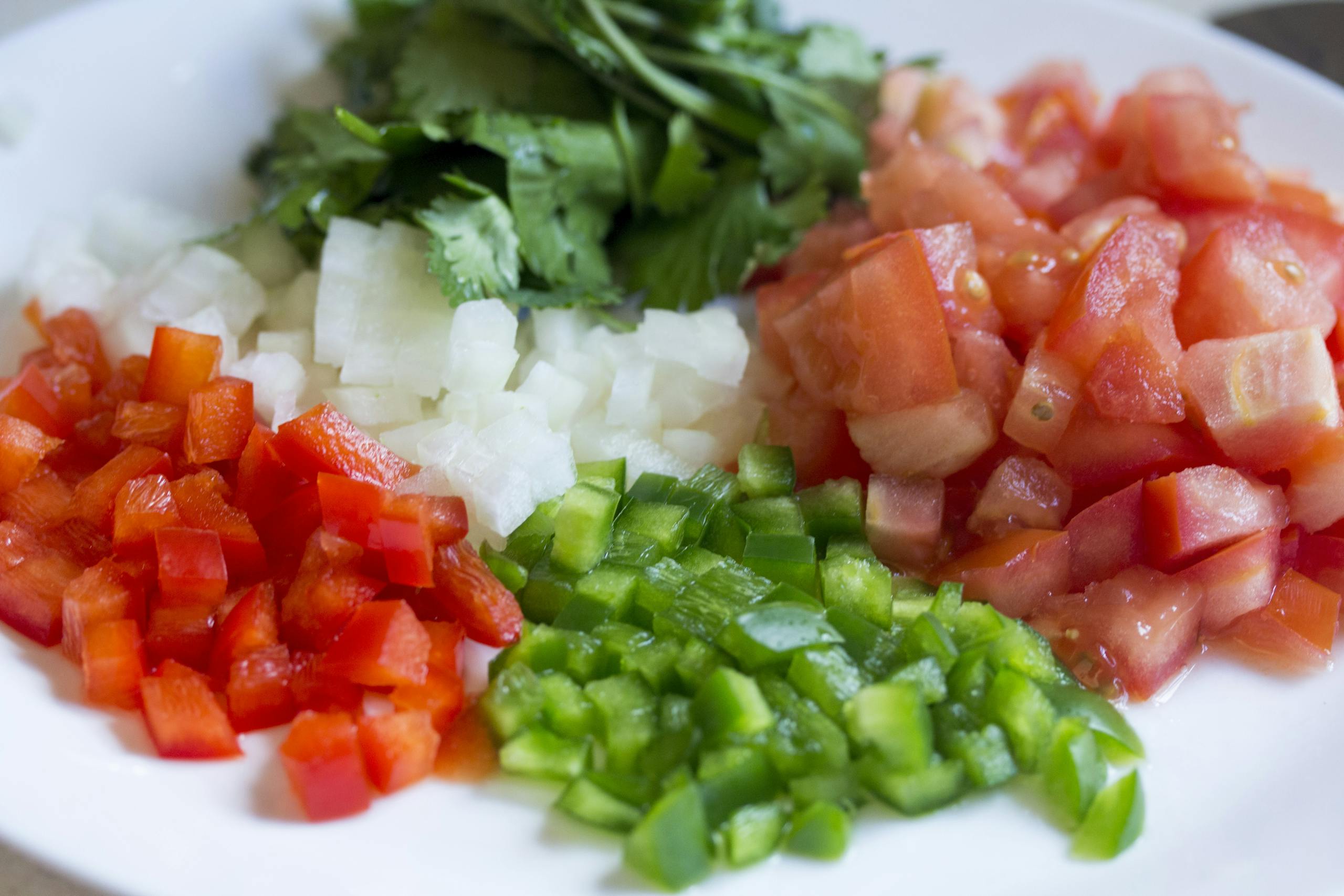
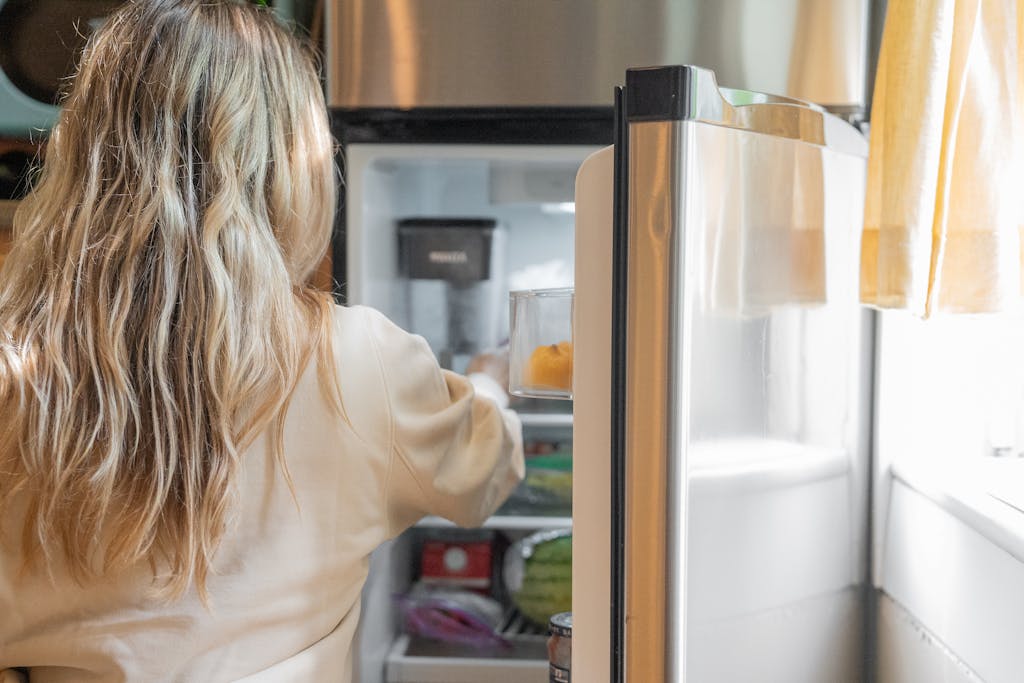
Standing in my kitchen at 6 PM on a Wednesday, staring into an open refrigerator with absolutely no mental capacity to decide what to cook, became the moment I realized something had to change. After spending the entire day navigating meetings, emails, and the exhausting performance of workplace small talk, the simple question of what to eat for dinner felt impossible to answer.
That mental paralysis had a name I would later discover: decision fatigue. And for introverts like me who already expend significant cognitive energy processing social interactions and sensory input, those seemingly minor daily choices about food can become unexpectedly overwhelming.
Batch cooking became my quiet revolution. Not because I suddenly developed a passion for spending hours in the kitchen, but because I understood something fundamental about how my introverted brain works. I needed to eliminate decisions from my depleted evenings and reclaim that mental space for activities that actually restore me.

Why Decision Fatigue Hits Introverts Harder
Every choice we make throughout the day draws from a limited pool of mental resources. Research from the National Institutes of Health defines decision fatigue as the impaired ability to make decisions and control behavior as a consequence of repeated acts of decision making. The average American adult makes an estimated 35,000 decisions daily, and each one chips away at our cognitive reserves.
For introverts, this depletion happens on multiple fronts simultaneously. We are not just making the same decisions everyone else faces. We are also constantly managing our energy expenditure in social situations, filtering overwhelming sensory input, and internally processing the emotional weight of interactions that extroverts might barely notice.
During my years leading advertising teams for Fortune 500 clients, I noticed something that took me far too long to understand. My extroverted colleagues could go from a four hour client presentation straight to a brainstorming session and then head out for team happy hour, all while seemingly energized. Meanwhile, I would return to my office feeling like I had run an emotional marathon, desperately needing silence before I could even think about dinner.
According to The Decision Lab, decision fatigue describes how the quality of our decision making declines as we make additional choices, as our cognitive abilities get worn out. This explains why even highly intelligent, capable introverts find themselves ordering takeout they do not really want or grabbing whatever processed food requires the least thought.
The brain, when fatigued, looks for shortcuts. It gravitates toward familiar options, impulsive choices, or complete avoidance of the decision altogether. Sound familiar? That is your exhausted introvert brain protecting itself, even if the protection mechanism works against your health goals.
The Introvert Case for Batch Cooking
Batch cooking eliminates the daily dinner decision entirely. When you have prepped meals waiting in your refrigerator, the question shifts from “What should I make?” to simply “What do I feel like eating?” That seemingly small change conserves significant mental energy for the things that matter more to you.
Research published in the American Journal of Lifestyle Medicine highlights that home cooking is associated with numerous health benefits, including a reduced risk of type 2 diabetes mellitus and other chronic diseases. People who cook at home eat higher quality food, consume fewer calories, and spend less money than those who regularly rely on prepared foods and restaurants.
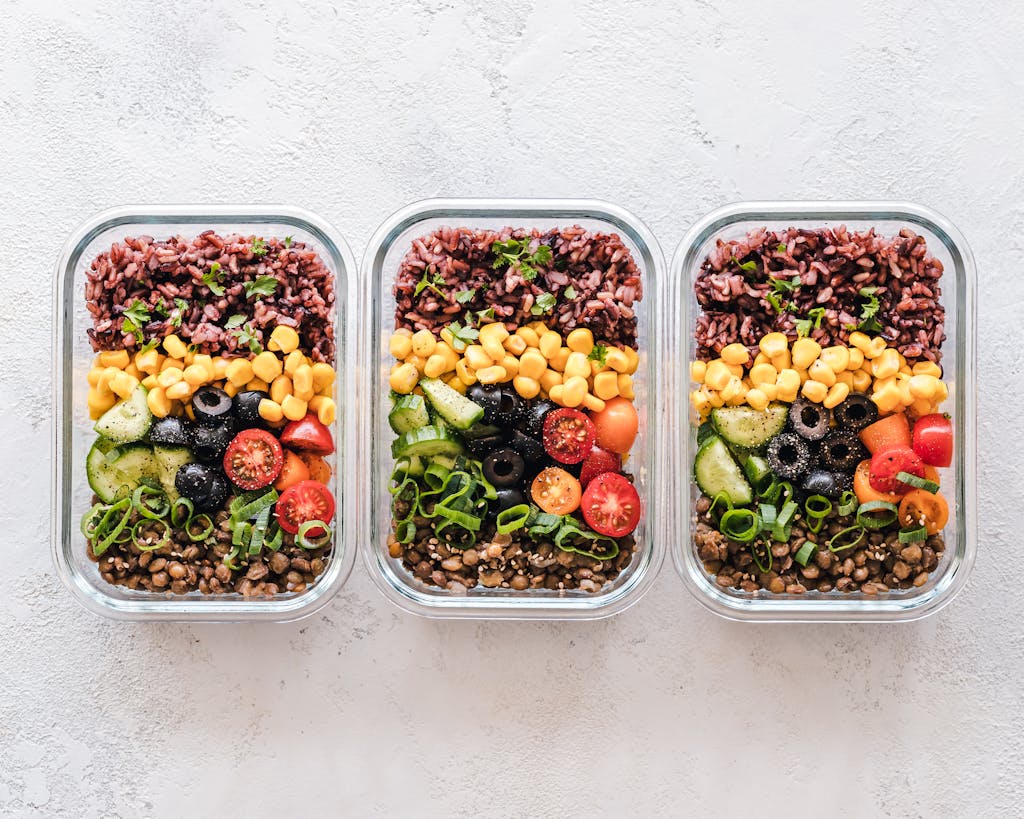
But for introverts, the benefits extend beyond nutrition and finances. Batch cooking becomes a form of self care that honors how our minds actually function. Instead of forcing ourselves to summon creative cooking energy after a draining day, we channel that effort into a single focused session when we have the mental bandwidth to engage with it properly.
I learned this lesson the hard way during a particularly demanding project that had me in back to back meetings for weeks. My initial approach was to maintain my cooking routine, telling myself I could manage. What actually happened was a slow decline into frozen pizzas and cereal for dinner, accompanied by growing frustration with myself for not having better willpower.
The issue was never willpower. It was energy management, something introverts need to approach with the same seriousness that athletes apply to physical training. You cannot expect peak performance without proper recovery and strategic resource allocation.
Creating Your Introvert Friendly Batch Cooking System
The most effective batch cooking system for introverts is not the one with the most elaborate recipes or the most Instagram worthy meal prep photos. It is the one you will actually sustain because it respects your need for solitude, minimizes unnecessary decisions, and fits naturally into your weekly rhythm.
Choose Your Optimal Cooking Window
Timing matters enormously. Many batch cooking guides suggest Sunday afternoons, but that advice assumes everyone recovers from the week on the same schedule. As someone who has spent twenty years understanding how different personality types operate, I can tell you that one size definitely does not fit all.
Some introverts feel restored by Sunday afternoon and ready to tackle a focused cooking session. Others need that time as sacred recovery space and find Saturday morning, when energy levels are higher, works better. Pay attention to when you naturally feel most capable of concentrated activity and protect that time.
For me, the sweet spot is late Saturday morning. I have had Friday evening and Saturday morning to decompress, my mind feels clear, and I can actually enjoy the meditative aspects of cooking rather than experiencing it as another obligation. Understanding your own daily rhythm and energy patterns makes all the difference in whether batch cooking becomes sustainable or just another failed productivity hack.
Minimize Decision Points
Every choice you can eliminate from your batch cooking process reduces the cognitive load required to execute it. This means creating repeatable systems that run almost on autopilot.
Start by establishing a rotating menu. Instead of searching for new recipes every week, create four to six meal combinations that you genuinely enjoy and cycle through them. Novelty is overrated when you are optimizing for sustainability. What matters is having nutritious food that requires zero mental effort to prepare during the week.
I use what I call the modular approach. Rather than cooking complete meals, I prepare components that combine in different ways. A batch of roasted vegetables, some cooked grains, two or three protein options, and a few sauces can generate variety without requiring complex planning. Monday’s grain bowl becomes Wednesday’s wrap filling and Friday’s soup base.
Your shopping list should follow the same principle. Keep a master list organized by grocery store section that you can simply print or pull up on your phone. Shopping becomes a quick, focused mission rather than a wandering exploration that depletes your social battery while surrounded by crowds and fluorescent lighting.
Protect the Cooking Session Itself
Your batch cooking time should feel like a retreat, not a chore. This means creating environmental conditions that support your introverted nervous system rather than further draining it.
Put your phone in another room or at minimum turn off all notifications. Play music or podcasts you find genuinely restorative. Make sure you will not be interrupted. For those of us who share our living spaces with others, this might require explicit communication about needing uninterrupted time.
I treat my cooking sessions as mini meditation retreats. There is something deeply calming about the repetitive actions of chopping, stirring, and assembling when approached mindfully. Your home environment becomes a sanctuary rather than just a functional space when you intentionally cultivate conditions that support your wellbeing.
The key is approaching the activity with presence rather than rushing through it to get to something else. Cooking can become a form of moving meditation, engaging your hands while allowing your mind to process and decompress. Many introverts find this kind of focused, solo activity deeply restorative.
Practical Strategies for Sustainable Success
Theory is lovely, but what actually works week after week requires practical systems. Here is what I have refined over years of experimentation.
Start Smaller Than You Think Necessary
The biggest mistake I see introverts make with batch cooking is attempting elaborate systems immediately. They watch meal prep videos showing someone preparing twelve different complex dishes in four hours and feel like failures when they cannot replicate it.
Begin with prepping just lunches for the work week. That is five meals that remove five decision points from your most cognitively demanding days. Once that feels automatic, add dinners. Then breakfast components if those create friction for you.
According to research on habit formation, complexity is the enemy of consistency. Studies on mental fatigue and decision making demonstrate that when cognitive ability is taxed, individuals tend to make more conservative choices or avoid decisions entirely. By keeping your batch cooking system simple, you increase the likelihood of maintaining it even during high stress periods.
Embrace Repetition Without Guilt
Somewhere along the way, our culture decided that eating the same meal twice in one week represents some kind of failure of imagination or foodie credentials. This is nonsense, and it works against introverts who thrive on predictable routines.
The most successful batch cookers I know, and I count myself among them, have between three and five core meals they rotate through regularly. These become so automatic that preparing them requires almost no cognitive engagement. That frees up mental resources for activities that actually matter to you.
When I finally embraced this approach, my overall health and wellness improved significantly. Not because I was eating exotic superfoods or following the latest nutritional trends, but because I was consistently eating home cooked, nutritious meals instead of whatever required the least effort in my depleted evening state.
Build in Flexibility
Rigid systems break under real life pressure. Your batch cooking approach needs built in flexibility for the weeks when you have absolutely no bandwidth for a full cooking session.
Keep a few healthy backup options in your freezer for these situations. A batch of homemade soup, some frozen burritos you made during a previous high energy week, or even high quality store bought options that align with your nutritional goals. These are not failures. They are strategic reserves that prevent complete system collapse.
I also maintain what I call my “emergency simple” protocol. This is a meal I can throw together in fifteen minutes with pantry staples when even reheating feels like too much. Usually some variation of eggs, canned beans, and whatever vegetables need using. Having this mental fallback prevents the shame spiral that comes from feeling like batch cooking has completely failed.
The Hidden Benefits Beyond Food
What surprised me most about establishing a consistent batch cooking practice was how the benefits extended far beyond just having meals ready. The cognitive space I recovered transformed other areas of my life.
My evenings opened up. Instead of arriving home exhausted, facing the mental work of figuring out dinner, cooking it, and cleaning up, I now simply heat something prepared and have the entire evening for activities that actually restore me. Reading, creative projects, or sometimes just sitting in peaceful silence without obligations.
This connects to a broader principle about introvert self care strategies. The goal is not just managing energy drain but actively creating conditions that support restoration. Every decision you can remove from the high drain periods of your day represents recovered capacity for the things that truly matter to you.
According to research on decision fatigue, even major figures like former President Barack Obama and business leaders like Mark Zuckerberg have famously reduced their daily choices in areas like clothing to preserve mental energy for more important decisions. While we might not be running countries or corporations, the principle applies equally to introverts trying to protect their limited social and cognitive resources.

Navigating Common Challenges
Even the best systems encounter obstacles. Here are the challenges I have faced and how I have addressed them.
Resistance from Others
If you share meals with others who expect variety and fresh cooking every night, batch cooking can feel like a betrayal of relationship expectations. This requires honest conversation about your needs.
I had to explain to my partner that my evening cooking resistance was not about them or about lacking care. It was about genuine cognitive depletion that made daily cooking unsustainable for my mental health. We compromised with batch cooking covering most meals while occasionally making fresh meals together when we both had energy for it.
Boredom with Repetition
After a few months, even well loved meals can feel monotonous. The solution is not abandoning your system but building in structured variety.
I designate one cooking session per month as my “experiment” session where I try something new. If it works, it enters the rotation. If not, no great loss since I have backup options. This provides novelty without destabilizing the consistent system that actually feeds me reliably.
Good rest strategies that support recovery often follow similar principles. The goal is finding sustainable practices that work consistently rather than chasing constant novelty that exhausts rather than restores.
Losing Motivation
Some weeks you simply will not feel like batch cooking. The system feels burdensome rather than supportive. When this happens, I ask myself a simple question: Will having meals prepared this week make my future self grateful?
Usually the answer is yes, and that future focused perspective provides just enough motivation to push through. On weeks when even that does not work, I fall back to my simplest possible protocol and remind myself that imperfect consistency beats perfect abandonment.
Beginning Your Batch Cooking Journey
If you are ready to start, here is my recommendation. This week, batch cook just one thing. Maybe it is a large pot of soup, or a sheet pan of roasted vegetables, or a batch of grain that will form the base of several meals. See how it feels to have that food waiting for you when you need it.
Notice the relief of not having to decide what to make on a tired Wednesday. Pay attention to how much easier it is to eat well when the work has already been done. Let yourself feel proud of the gift you gave your future self.
Then, gradually expand. Add another component the following week. Refine your timing. Adjust the recipes to fit your actual preferences rather than what meal prep influencers tell you to enjoy. Build a system that serves your specific introverted needs rather than trying to conform to someone else’s template.
Batch cooking is not about becoming a different kind of person who loves spending hours in the kitchen. It is about acknowledging who you actually are, an introvert who needs to manage cognitive resources strategically, and creating systems that honor that reality. When you approach it this way, batch cooking transforms from a chore into a genuine act of self care.
The goal is not perfect meal prep Instagram posts. It is having nutritious food ready when your depleted brain cannot face another decision. It is reclaiming your evenings for activities that actually restore you. It is treating your introvert needs as legitimate requirements rather than inconveniences to power through.
Start simple. Be patient with yourself. Trust that the system will evolve as you learn what works for your specific situation. And on the days when everything falls apart and you end up ordering takeout anyway, remember that tomorrow offers another opportunity to try again.
Frequently Asked Questions
How many hours should I spend batch cooking each week?
Most introverts find two to three hours sufficient for preparing a week’s worth of meals once they have established their system. Start with just one hour preparing a single component and gradually expand as you develop efficiency. The goal is sustainability, not marathon cooking sessions that leave you dreading the process.
What if I genuinely dislike cooking?
Batch cooking can still work for you. Focus on extremely simple preparations that require minimal culinary skill. Sheet pan meals, slow cooker recipes, and no cook assembly meals like salads and wraps minimize active cooking time. The point is not developing a passion for cooking but rather eliminating daily decision fatigue around food.
How do I prevent batch cooked food from becoming boring?
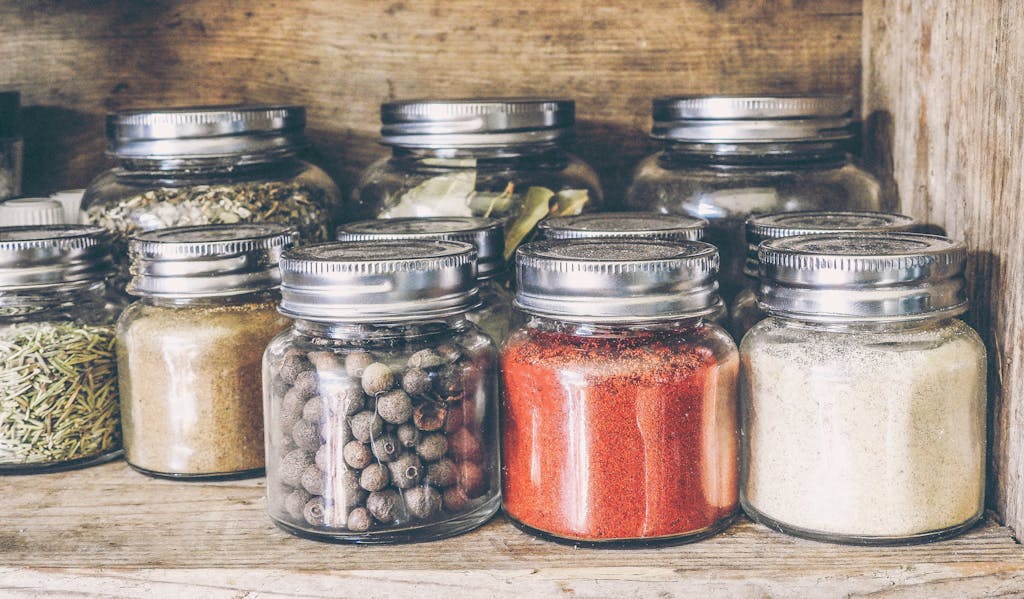
Keep multiple sauces and seasonings on hand to transform the same base ingredients into different flavor profiles. A batch of plain chicken becomes Asian inspired with soy sauce and ginger, Mediterranean with tzatziki, or Mexican with salsa and cumin. This approach provides variety without requiring additional decision making or cooking effort.
Is batch cooking actually more time efficient than daily cooking?
Research suggests that people who batch cook save an average of six to eight hours weekly compared to daily cooking. The efficiency gains come from reduced setup and cleanup time, bulk ingredient preparation, and eliminated decision making. For introverts, the cognitive savings may be even more valuable than the time savings.
How long do batch cooked meals stay fresh?
Most cooked meals remain fresh in the refrigerator for three to four days. For longer storage, freeze portions you will not eat within that window. Soups, stews, and grain based dishes freeze particularly well. Label everything with the date to maintain a rotation system and prevent food waste.
Explore more self care resources in our complete Solitude, Self-Care and Recharging Hub.
About the Author
Keith Lacy is an introvert who’s learned to embrace his true self later in life. With a background in marketing and a successful career in media and advertising, Keith has worked with some of the world’s biggest brands. As a senior leader in the industry, he has built a wealth of knowledge in marketing strategy. Now, he’s on a mission to educate both introverts and extroverts about the power of introversion and how understanding this personality trait can unlock new levels of productivity, self-awareness, and success.