

My mornings used to start with chaos. Standing in front of the bathroom mirror at 6:47 AM, I would scan a counter cluttered with bottles, tubes, and products I barely remembered buying. Each one represented a decision. Which serum first? Should I use the toner today? Is this moisturizer the one for morning or evening? By the time I finished, my brain already felt tired before my workday had even begun.
That cognitive drain was real, and it was exhausting me in ways I could not initially articulate. As someone who processes the world internally and needs mental clarity to function at my best, I discovered that my complicated bathroom routine was quietly stealing energy I desperately needed for more meaningful decisions throughout the day.
Bathroom routine minimalism changed everything. By stripping away the unnecessary steps, products, and decisions, I reclaimed not just counter space but precious mental bandwidth. This approach is not about neglecting self care or looking unkempt. It is about understanding that effective self care strategies often require less rather than more.
Why Your Bathroom Routine Drains More Energy Than You Realize
The average American adult makes approximately 35,000 decisions each day, according to research published in the National Institutes of Health. Many of those decisions happen before you have even left your bathroom in the morning. Each product choice, each step in your routine, each moment spent wondering if you are doing things in the right order adds to what psychologists call cognitive load.
What’s your personality type?
Take our free 40-question assessment and get a detailed personality profile with dimension breakdowns, context analysis, and personalised insights.
Discover Your Type8-12 minutes · 40 questions · Free
Decision fatigue is a phenomenon where the quality of our choices deteriorates after making numerous decisions. The concept, derived from the Strength Model of Self Control, suggests that our capacity to regulate behavior operates like a muscle that becomes exhausted with use. When we start our day with dozens of small grooming decisions, we deplete the mental resources we need for the choices that actually matter.
I learned this the hard way during my years leading creative teams in advertising. Mornings when I rushed through elaborate grooming rituals, I noticed my patience wore thin faster in afternoon meetings. Days when I simplified everything, I maintained better focus throughout client presentations. The connection seemed obvious in retrospect, but it took time to understand the mechanism behind it.
For those of us who already expend significant energy navigating social interactions and processing stimuli throughout the day, wasting mental capacity on bathroom decisions is particularly costly. Our internal resources are finite. Protecting them means being intentional about where we spend them, starting with those first waking moments in front of the mirror.
The Psychology Behind Bathroom Routine Simplification
When I first encountered the idea of minimalist routines, I dismissed it as another productivity hack that would not work for real people with real lives. Then I read about how figures like Barack Obama and Mark Zuckerberg deliberately limited their wardrobe choices to preserve mental energy for more important decisions. The principle extends naturally to personal care routines.
The National Alliance on Mental Illness emphasizes that consistent morning routines can increase energy, productivity, and positivity while building momentum for the brain’s peak cognitive work later in the day. The key word is consistent. Elaborate routines with multiple variables introduce friction and decision points that work against the stability our minds crave.
Cognitive load theory, developed by educational psychologist John Sweller, explains why simpler is better. When we reduce extraneous cognitive load, we free up mental resources for germane processing, which is the thinking that actually matters. A streamlined bathroom routine eliminates the noise, leaving more capacity for the signal.
This matters profoundly for those who already spend considerable mental energy on internal processing. Our minds are constantly observing, interpreting, and filtering. Adding unnecessary complexity to basic daily tasks compounds an already significant cognitive burden. Simplification is not laziness. It is strategic resource management.
What Bathroom Routine Minimalism Actually Looks Like
Bathroom routine minimalism does not mean abandoning hygiene or neglecting your appearance. It means identifying the essential steps that produce real results and eliminating everything that exists only because marketing convinced you it was necessary. The goal is a routine simple enough that you can complete it almost automatically, freeing your mind to wander or prepare for the day ahead.
My current morning routine consists of exactly four products: cleanser, moisturizer with SPF, toothpaste, and deodorant. That is it. No serums layered in specific orders. No toners applied at precise intervals. No elaborate multi step systems that require a chemistry degree to understand. The entire process takes less than ten minutes and requires zero decisions once I have established the routine.
The transformation did not happen overnight. I spent years accumulating products, convinced each new addition would solve some perceived flaw. What I actually created was visual clutter that stressed me out and a routine so complicated I dreaded it. Simplifying meant confronting the marketing messages I had internalized and asking honest questions about what I actually needed versus what I had been sold.
Evening routines can be equally streamlined. Remove makeup or wash away the day, apply one treatment product if you have a specific concern, moisturize, done. The benefits of this alone time increase when you spend it being present rather than managing a complicated regimen.
Auditing Your Current Bathroom Routine
Before you can simplify, you need to understand what you are actually doing each day. Most people dramatically underestimate how many products and steps their bathroom routine involves. The first step toward minimalism is an honest inventory.
Gather every product you use in your bathroom routine. Everything. Lay them out on a counter or table and count them. When I did this exercise, I had seventeen products for my face alone. Seventeen individual items that each represented a decision point and a moment of mental bandwidth spent. The visual impact was striking.
For each product, ask yourself three questions. First, what specific problem does this solve? If you cannot articulate a clear answer, the product probably serves more of a psychological comfort function than a practical one. Second, have I noticed a tangible difference when I skip this product? If nothing changes when you forget to use something for a week, you probably do not need it. Third, could this function be combined with another product? Many modern formulations serve multiple purposes, eliminating the need for separate products.
This audit process can feel uncomfortable. We attach emotional significance to our routines and products. The expensive serum you bought after a particularly stressful week might represent self care to you, even if it provides minimal actual benefit. Acknowledging this emotional dimension makes it easier to evaluate products objectively rather than defensively.
Building Your Minimalist Bathroom Foundation
Dermatologists consistently emphasize that effective skincare requires only three essential products: cleanser, moisturizer, and sunscreen. Everything else is optional enhancement. This expert consensus provides a helpful framework for rebuilding your routine from the ground up.
Start with cleansing. You need one gentle cleanser that removes dirt, oil, and any products from the previous routine without stripping your skin. Many people use two different cleansers for morning and evening. Unless you wear heavy makeup or have a specific dermatologist recommendation, one cleanser usually suffices. I use the same product morning and night, reducing both mental load and bathroom clutter.
Moisturizing comes next. Look for a formula that addresses your specific skin needs. For morning, consider a moisturizer with built in SPF to eliminate an extra step. For evening, you might want something slightly richer if your skin tends toward dryness. But even here, many people find a single moisturizer works perfectly well for both purposes.
Sun protection deserves special mention because it provides documented, measurable benefits that many other skincare products cannot match. If you do nothing else for your skin, protect it from UV damage. A moisturizer with at least SPF 30 or a separate sunscreen covers this essential requirement.
Beyond these basics, add products only when you have a specific, identified concern that requires treatment. A retinol product for aging. A salicylic acid treatment for breakouts. A targeted solution for dark spots. Each addition should solve a real problem, not a manufactured insecurity. The goal of introvert wellness includes being honest about what we actually need versus what we have been conditioned to want.
The Physical Space Component
Bathroom routine minimalism extends beyond products to the physical environment where you perform your routine. A cluttered bathroom counter creates visual noise that contributes to cognitive overload. Every item in your field of vision competes for attention, even if you are not consciously aware of the process.
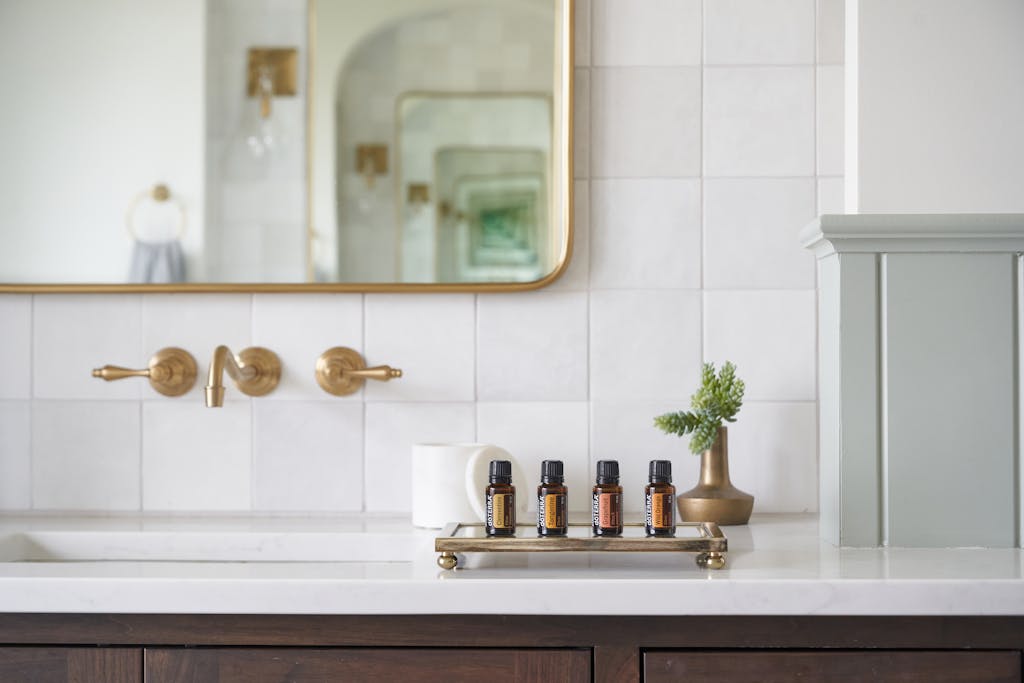
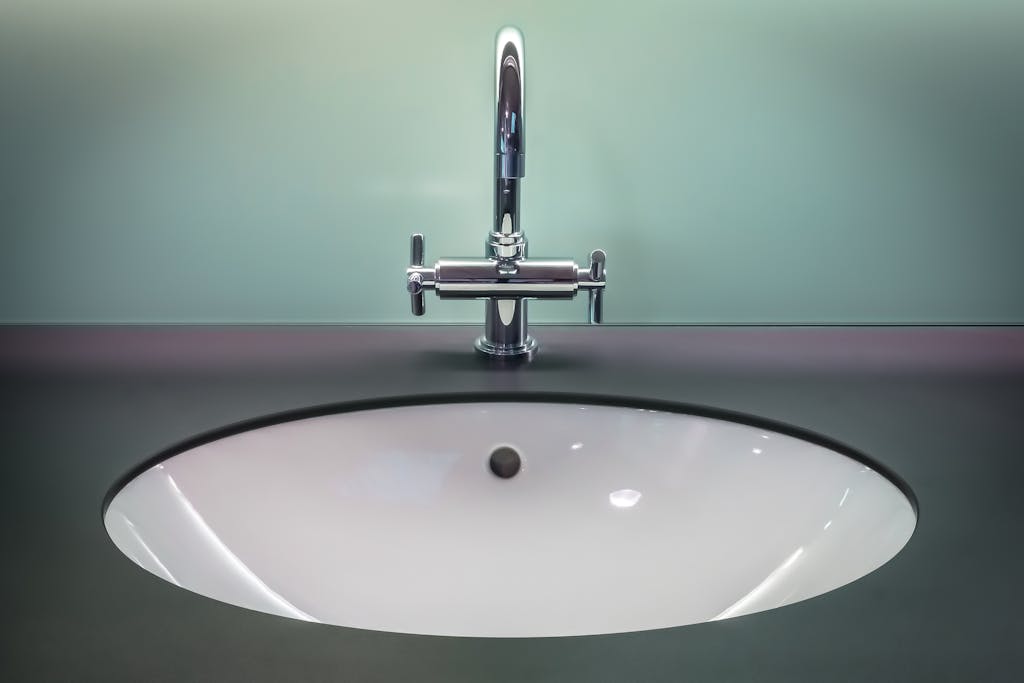
Clear your bathroom surfaces completely. Store only daily use items within reach. Everything else belongs in a cabinet, drawer, or storage container. When I enter my bathroom now, I see a clean counter with a single tray holding four essential products. The visual simplicity calms me before I have even begun my routine.
This environmental control matters especially for those who are sensitive to their surroundings. Highly sensitive nervous systems pick up on visual clutter in ways that more resilient systems might not. The chaos registers, even unconsciously, and contributes to the overwhelm we feel before facing the day. Creating a mindful environment starts with the spaces we inhabit daily.
Consider the lighting in your bathroom as well. Harsh overhead lighting can make early morning routines feel jarring and unpleasant. If possible, install dimmer switches or add a small lamp that provides softer illumination for those first waking moments. The sensory environment shapes our experience of the routine itself.
Establishing Automatic Sequences
The ultimate goal of bathroom routine minimalism is automation. When your routine becomes a series of automatic sequences rather than conscious decisions, you reclaim the mental energy that decision making would otherwise consume. This is habit formation in its most practical application.
Habits operate differently in the brain than conscious choices. Once a behavior becomes habitual, it requires minimal executive function to execute. The basal ganglia, which handles automatic behaviors, takes over from the prefrontal cortex, which manages conscious decision making. This neural efficiency is precisely what we want for low stakes activities like bathroom routines.
Building automatic sequences requires consistency. Perform your routine in the exact same order every day. Same products, same steps, same sequence. At first, this feels artificial. After a few weeks, it becomes effortless. I no longer think about my morning bathroom routine. I simply do it while my mind prepares for the day ahead.
The American Medical Association notes that establishing daily routines that put less important tasks on autopilot can make a significant difference in preserving cognitive resources for decisions that matter. Setting a consistent wake time, following the same morning sequence, and eliminating variability wherever possible all contribute to self care that actually works.
Resisting the Urge to Complicate
The beauty and personal care industry spends billions of dollars annually convincing you that you need more products. New innovations launch constantly. Influencers showcase elaborate routines. Friends recommend their latest discoveries. The pressure to complicate your simplified routine never stops.
I have fallen back into complexity multiple times. A promising new serum catches my attention. A friend swears by a particular treatment. Gradually, products accumulate again. My counter becomes cluttered. My routine lengthens. My mental energy depletes faster. Recognizing this pattern helps me resist it.
Before adding any new product, implement a waiting period. I use thirty days. If I still want the product after a month of consideration, and I can clearly articulate how it will improve my routine without adding significant complexity, I might incorporate it. Most impulse additions fail this test. The excitement fades, and I realize my minimal routine already works perfectly well.
The skinimalism movement, which emphasizes natural beauty and reduced product use, provides philosophical grounding for this resistance. Quality over quantity. Fewer products applied mindfully rather than many products rushed through without presence. This approach aligns naturally with values of intentionality and inner focus.
Beyond Skincare: Expanding Bathroom Minimalism
While skincare often receives the most attention, bathroom routine minimalism applies to every aspect of personal care. Hair care, oral hygiene, body care, and grooming all present opportunities for simplification. Each area where you eliminate unnecessary steps preserves mental energy for what matters.
My hair routine consists of shampoo and conditioner. No styling products. No heat tools. No elaborate techniques. I found a simple haircut that requires minimal maintenance and embraced my natural texture instead of fighting against it. This single change saves me twenty minutes each morning and eliminates dozens of daily decisions about styling.
Oral hygiene follows similar principles. Toothpaste, floss, mouthwash if you prefer it. The elaborate electric toothbrush with multiple settings and replacement heads might offer marginal benefits, but it also adds complexity and maintenance. Sometimes good enough is truly good enough. Understanding why alone time matters helps us prioritize what deserves our limited energy.
Body care can be reduced to a single soap or body wash unless you have specific dermatological needs. The array of exfoliating scrubs, body oils, specialty washes for different body parts, and treatment products marketed to consumers creates the same decision fatigue as facial skincare. Simplify ruthlessly.
The Mental Health Connection
The relationship between routine simplification and mental wellbeing runs deeper than cognitive load management. Predictable, low friction morning routines provide a sense of control in a world that often feels chaotic. This stability supports emotional regulation and reduces anxiety.
Research from dermatologist Sandra Lee indicates that consistent skincare routines support mental health by providing structure, predictability, and moments of mindful presence. When your routine is simple enough to perform without stress, it becomes a form of self care rather than another obligation on your to do list.
The ritual aspect matters. Taking five minutes each morning to care for yourself, without rushing, without decision making, without anxiety about getting it right, creates a buffer between sleep and the demands of the day. This transitional space allows your mind to gradually engage rather than immediately face high stakes situations.
For those prone to overthinking, simplified routines eliminate a significant source of rumination. No more lying in bed wondering if you remembered all the steps. No more midday anxiety about whether you applied products correctly. No more evening assessments of what you should have done differently. Simplicity brings peace. The practices that support mental peace achievement often involve reducing rather than adding.
Practical Implementation Steps
Transitioning to a minimalist bathroom routine works best when approached gradually. Dramatic overnight changes often fail because they disrupt established patterns too abruptly. Instead, systematically reduce complexity over several weeks.
Week one, stop using any products that have been sitting unused for three months or longer. If you have not reached for them in ninety days, they clearly are not essential. Move them out of your bathroom entirely. Just this step often eliminates a significant portion of clutter.
Week two, identify any products with overlapping functions. If you have a cleanser and a makeup remover, try using just the cleanser. If you have separate day and night moisturizers with similar ingredients, experiment with using one for both. Consolidation reduces product count without sacrificing function.
Week three, establish your core routine. Write down the absolute minimum steps required for acceptable hygiene and presentation. For most people, this means: wash face, moisturize, brush teeth, apply deodorant. Everything else is enhancement, not necessity.
Week four, remove the enhancements. Try your core routine for seven days without any optional products. Notice how you feel. Notice what you actually miss versus what you simply expected to miss. Most people discover their simplified routine works perfectly well, and the elaborate additions provided more psychological comfort than practical benefit.
Maintaining Simplicity Long Term
Sustaining bathroom routine minimalism requires ongoing vigilance. Product creep happens gradually. A friend recommends something. A sale seems too good to pass up. A new concern emerges that seems to demand a new product. Each addition appears harmless in isolation, but complexity accumulates.
Schedule quarterly audits of your bathroom routine. Every three months, lay out all your products and evaluate each one against your simplicity criteria. Has anything crept in that does not serve a clear purpose? Have you added steps that do not provide proportional benefits? Periodic assessment prevents gradual backsliding.
When you feel tempted to add something new, apply the one in, one out rule. Any new product must replace an existing one. This constraint forces you to evaluate whether the addition truly improves upon what you already have. Often, you will realize your current routine already meets your needs.
Connect with communities that value simplicity. Finding others who share your commitment to minimalism provides reinforcement against cultural messages pushing consumption. The beauty industry profits from your insecurity. Surrounding yourself with people who question that narrative strengthens your resistance.
The Broader Philosophy
Bathroom routine minimalism represents a microcosm of a larger philosophical approach to life. The same principles that simplify your morning routine can apply to your wardrobe, your meal planning, your workspace, and countless other domains. Eliminating unnecessary decisions wherever possible preserves cognitive resources for what genuinely matters.
This philosophy aligns naturally with temperaments that favor depth over breadth. Those of us who process the world internally benefit from reducing external complexity. Fewer decisions about trivial matters means more capacity for the deep thinking we value. The quiet efficiency of a minimalist routine creates space for the inner life.
I used to think simplifying was about deprivation. Now I understand it as liberation. Every product I removed from my bathroom, every step I eliminated from my routine, every decision I automated represented freedom reclaimed. The cognitive bandwidth I saved flows into creative work, meaningful relationships, and genuine rest.
Bathroom routine minimalism is not about becoming someone you are not. It is about becoming more fully yourself by removing the obstacles between you and your best functioning. When you stop wasting energy on the trivial, you have more energy for the essential. That is the simple promise, and in my experience, it delivers.
Frequently Asked Questions
What is bathroom routine minimalism?
Bathroom routine minimalism is the practice of simplifying your personal care routine to include only essential products and steps. This approach reduces decision fatigue, saves time, and preserves cognitive energy for more important choices throughout your day. The goal is creating an automatic sequence that requires minimal thought while still maintaining good hygiene and self care.
How many products should a minimalist bathroom routine include?
Most dermatologists agree that an effective skincare routine requires only three essential products: cleanser, moisturizer, and sunscreen. Combined with basic hygiene products like toothpaste and deodorant, a truly minimalist bathroom routine typically includes four to six products total. Additional products should only be added for specific, identified concerns rather than vague promises of improvement.
Will simplifying my routine negatively affect my skin?
Many people find that simplifying their routine actually improves their skin. Using fewer products reduces the risk of irritation from conflicting ingredients, allows your skin barrier to function naturally, and eliminates the potential for overloading your skin with too many active ingredients. The key is ensuring your minimal routine covers cleansing, moisturizing, and sun protection.
How long does it take to establish a minimalist bathroom routine?
Most people can transition to a minimalist bathroom routine within three to four weeks. The first week involves removing unused products, the second focuses on consolidating redundant items, and the third establishes your core routine. By the fourth week, your simplified routine should feel natural and automatic. Consistency during this period is essential for habit formation.
How do I resist adding new products to my minimalist routine?
Implement a thirty day waiting period before any new purchase. If you still want the product after a month and can clearly articulate how it improves your routine without adding significant complexity, consider it carefully. Apply a one in, one out rule requiring any new product to replace an existing one. Schedule quarterly audits to catch gradual product creep before it rebuilds the complexity you worked to eliminate.
Explore more self care and recharging resources in our complete Solitude, Self-Care & Recharging Hub.
About the Author
Keith Lacy is an introvert who’s learned to embrace his true self later in life. With a background in marketing and a successful career in media and advertising, Keith has worked with some of the world’s biggest brands. As a senior leader in the industry, he has built a wealth of knowledge in marketing strategy. Now, he’s on a mission to educate both introverts and extroverts about the power of introversion and how understanding this personality trait can unlock new levels of productivity, self-awareness, and success.