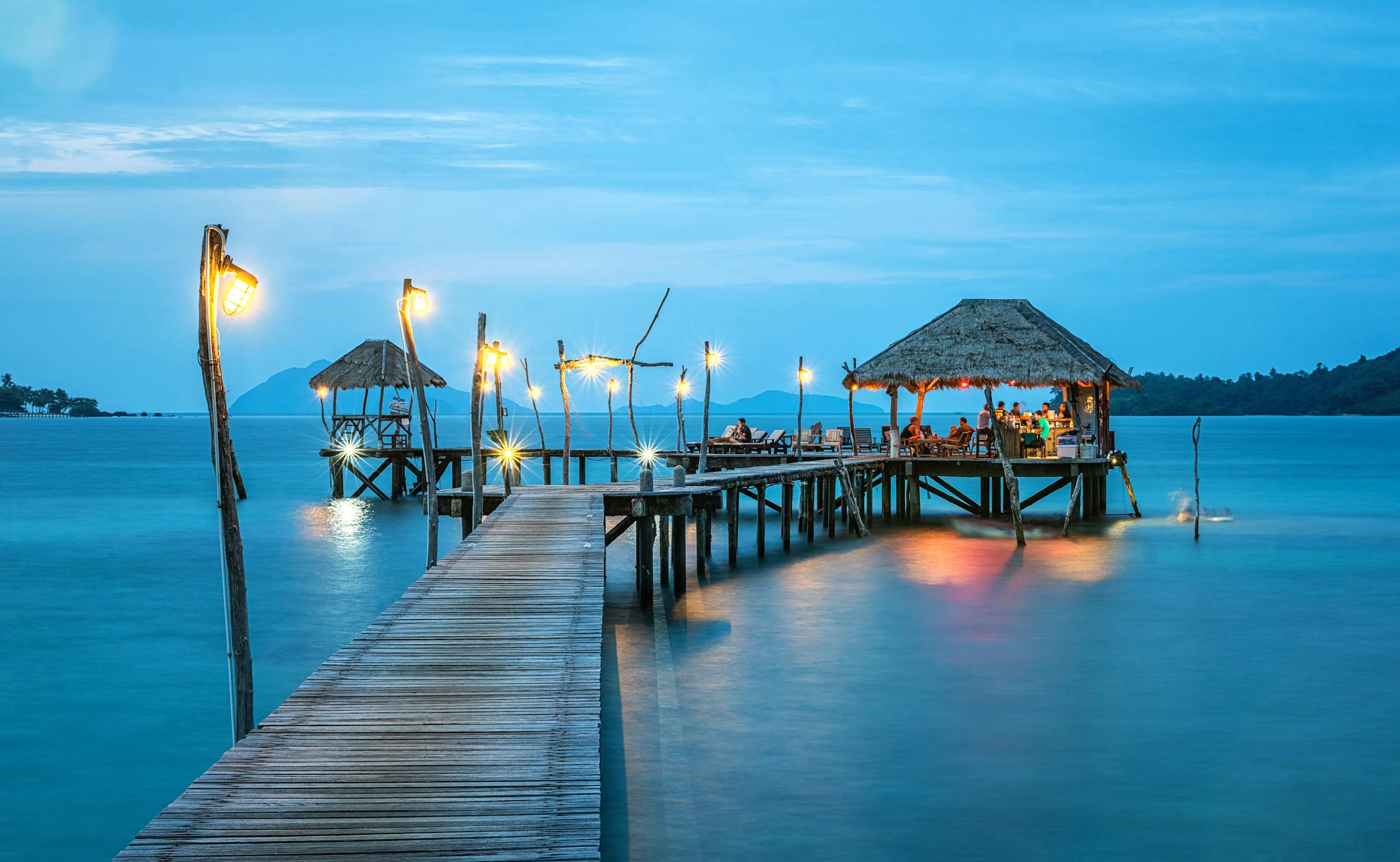

The first time I stood on a quiet stretch of coastline during an off season morning, I felt something shift inside me. After years of managing high pressure agency environments and handling the relentless social demands of Fortune 500 client meetings, the rhythmic sound of waves offered something I had been desperately searching for. Peace. Stillness. Space to think without interruption.
Beach communities offer introverts a unique environment where solitude feels natural rather than antisocial, where the pace aligns with deeper processing needs, and where sensory calm replaces constant stimulation. Unlike urban environments that demand constant social performance, coastal living provides natural restoration through proximity to water, reduced population density, and seasonal rhythms that honor both connection and retreat.
During my fifteen years in advertising, I watched countless introverted colleagues burn out trying to thrive in high-stimulus city environments. The solution wasn’t better coping strategies or more caffeine. It was recognizing that where you live profoundly affects how you live. If you have ever wondered whether coastal living might suit your introverted nature, you are not alone in that curiosity. The pull toward the ocean runs deep for those of us who need regular doses of solitude and sensory calm to function at our best.

Why Do Introverts Thrive Near Water?
Marine biologist Dr. Wallace J. Nichols spent years researching what he calls the “Blue Mind” phenomenon, the measurable shift in brain activity that occurs when humans are near, in, on, or under water. His findings reveal that proximity to water triggers a mildly meditative state characterized by calm, peace, and enhanced creativity.
What’s your personality type?
Take our free 40-question assessment and get a detailed personality profile with dimension breakdowns, context analysis, and personalised insights.
Discover Your Type8-12 minutes · 40 questions · Free
This neurological response holds particular significance for introverts. Our brains already tend toward deeper processing and careful observation. When combined with the natural calming effects of coastal environments, we experience a kind of cognitive harmony that becomes increasingly rare in our overstimulated modern world.
A landmark study from the University of Exeter analyzed data from nearly 26,000 respondents and found that living within one kilometer of the coast was associated with significantly better mental health outcomes. The researchers suggested that access to coastal environments could help reduce health inequalities, particularly for those experiencing anxiety and depression.
- Negative ion exposure – Ocean air contains higher concentrations of negative ions, which research links to improved mood regulation and reduced stress hormones
- Natural noise reduction – Wave sounds create consistent white noise that masks jarring urban sounds while promoting relaxation
- Blue space therapy – Visual exposure to water activates the parasympathetic nervous system, naturally reducing cortisol levels
- Circadian rhythm support – Coastal sunrise and sunset exposure helps regulate natural sleep-wake cycles that introverts need for restoration
- Reduced decision fatigue – Simpler coastal environments require fewer daily micro-decisions than complex urban settings
I remember reading about this research during a particularly exhausting period of my career and feeling validated in a way I had not anticipated. The constant low grade exhaustion I experienced in crowded urban environments was not a personal failing. It was a mismatch between my neurological needs and my surroundings.
Understanding introvert energy management becomes especially important when considering major life decisions like where to live. The environments we choose directly impact our daily capacity for engagement, creativity, and wellbeing.
What Does Beach Community Living Actually Look Like?
There is a significant difference between vacationing at the beach and building a life in a coastal community. The latter requires understanding the unique rhythms and social structures that define these places year round.
Small beach towns often operate on what locals call “island time” regardless of whether they are technically on an island. This slower pace naturally suits the introvert temperament. Conversations happen without urgency. Neighbors wave but do not expect lengthy interactions. The community calendar revolves around natural events like tides and sunsets rather than manufactured social obligations.
During my visits to various coastal communities while researching relocation options, I noticed a consistent pattern. The year round residents tended to be people who valued simplicity, authenticity, and nature over social climbing and constant activity. These are often our people.

The seasonal fluctuation in population creates natural social boundaries that many introverts find comfortable. Summer brings temporary energy and activity, while the quieter months allow for deeper restoration and more meaningful connections with the core community.
- Morning solitude rituals – Early beach walks become natural meditation periods without the interruptions of urban commutes
- Flexible social engagement – Community events tend to be optional and seasonal, allowing participation when energy permits
- Natural transition periods – Tourist seasons create clear boundaries between social and restorative periods
- Authentic local connections – Year-round residents often prioritize depth over breadth in relationships
- Environmental predictability – Consistent access to calming natural spaces reduces daily uncertainty
Creating your ideal introvert home environment becomes easier when your entire surroundings support restoration rather than constant stimulation.
How Does Coastal Living Affect Sensory Processing?
Introverts often experience heightened sensitivity to sensory input. The constant background noise of urban environments, the visual chaos of crowded spaces, and the unpredictable social encounters of city life can create chronic stress that we may not even consciously recognize until we step away from it.
Beach communities offer what environmental psychologist Dr. Mathew White describes as a “psychologically restorative” environment. According to studies on the psychological effects of nature exposure, simply staring at the sea can shift our brain wave frequency into a mild meditative state. The color blue itself is associated with feelings of calm and peace, while the rhythmic sound of waves naturally soothes and relaxes the brain.
I used to think my need for frequent breaks and quiet spaces was a limitation. Now I understand it as my nervous system communicating its actual needs. Living near the ocean has given me constant access to the kind of sensory environment that supports rather than depletes my capacity for engagement.
- Consistent sound masking – Wave sounds provide natural white noise that blocks jarring urban interruptions without requiring artificial sound machines
- Visual simplicity – Ocean horizons offer uncluttered visual fields that reduce cognitive load compared to busy cityscapes
- Air quality improvement – Sea breezes carry fewer pollutants and allergens than urban air systems
- Natural light optimization – Coastal environments provide better exposure to full-spectrum sunlight without urban canyon effects
- Temperature moderation – Ocean proximity creates more stable temperatures, reducing weather-related stress
For those dealing with sensory overwhelm, coastal environments provide natural regulation that indoor spaces often cannot replicate.
The negative ions generated over the ocean are thought to benefit psychological functioning and wellbeing. The combination of sea air, natural light, and the vast visual expanse of water creates a sensory experience that many introverts find inherently calming rather than draining.
How Do You Find Connection Without Constant Socializing?
One concern I hear from introverts considering coastal relocation involves the potential for isolation. Living in a small community might seem like trading one problem for another, replacing overstimulation with loneliness.
My experience suggests the opposite is often true. Beach communities tend to foster a different kind of social connection, one based on shared values and natural proximity rather than forced networking and obligatory attendance at endless events.

Research published in Frontiers in Psychology explored how coastal residents experience emotions at the beach, finding that many used these environments for reflection, meaning making, and processing difficult emotions. The coast becomes not just a physical location but a space for the kind of internal work that introverts naturally gravitate toward.
Understanding the role of solitude in an introvert’s life helps reframe beach community living not as isolation but as intentional space creation.
The social interactions that do occur in coastal communities often feel more meaningful precisely because they are less frequent and more intentional. A wave from a neighbor during your morning beach walk, a brief conversation at the local market, an occasional gathering with a small group of people who understand your need for quiet. These interactions build genuine connection without requiring constant performance.
One of my most valuable friendships developed with a neighbor who also preferred early morning beach walks. We would nod acknowledgment for weeks before eventually walking together in comfortable silence. That evolved into brief conversations, then deeper discussions about our shared preference for quiet reflection over social performance. The relationship developed naturally over months rather than being forced through artificial networking events.
What Are the Practical Considerations for the Transition?
Moving to a beach community involves practical realities that deserve careful consideration. Remote work has made location independence possible for many professionals, but not all coastal areas offer reliable internet connectivity or proximity to occasional in person meetings.
Cost of living varies dramatically between beach communities. Some coastal towns offer affordable housing and lower costs than major metropolitan areas, while others cater primarily to vacation home buyers and carry price tags that make year round living challenging.
I spent considerable time researching different coastal communities before making any decisions. The variables that mattered most to me included year round population stability, access to healthcare, internet reliability, general cost of living, and the overall vibe during different seasons. What works for one introvert may not work for another.
- Internet infrastructure assessment – Test actual speeds during peak usage times, not just advertised speeds from providers
- Healthcare proximity evaluation – Identify nearest hospitals, specialists, and emergency services before committing to remote locations
- Year-round cost analysis – Factor in seasonal price fluctuations for utilities, services, and housing that tourist areas often experience
- Transportation logistics – Consider weather-related access issues and distance to airports or major highways for necessary travel
- Community culture research – Spend time during both peak and off-seasons to understand the actual social dynamics
Weather patterns also deserve attention. Some coastal areas experience harsh winters that dramatically reduce outdoor access for months at a time. Others face hurricane risks or extreme heat. Matching your climate preferences to actual conditions helps ensure the reality of beach living aligns with your expectations.
Learning how to recharge your social battery becomes easier when your environment naturally supports restoration, but the initial transition period may require patience and intentional self care.
How Do You Build Your Daily Rhythm?
One of the greatest gifts of beach community living is the opportunity to structure your days around natural rhythms rather than artificial schedules. The tide chart becomes as relevant as the clock. Sunrise walks replace alarm clock stress. Evening routines align with the natural dimming of light rather than the arbitrary endpoint of another packed day.

According to research from the Morris Psychological Group, people who live closer to a coast report better physical and mental wellbeing than those who live further inland. Those living in homes with ocean views felt calmer and had a greater sense of wellbeing than those without such proximity.
I have built my work schedule around the natural patterns of my coastal environment. Early morning hours provide the quietest beach access and the clearest mental space for deep work. Afternoons allow for necessary meetings and communications. Evenings return to restoration, often including a sunset walk that serves as a natural transition from work mode to personal time.
This kind of rhythm would be nearly impossible to maintain in my previous urban environment. The constant demands and interruptions of city life made intentional daily structure feel like an ongoing battle rather than a natural flow.
- Sunrise restoration periods – Use early morning coastal access for meditation, reflection, or gentle physical activity before work demands begin
- Tidal work scheduling – Plan intensive tasks during natural low-energy periods and collaborative work during peak social hours
- Seasonal routine adaptation – Adjust daily patterns to match changing daylight and weather rather than fighting environmental changes
- Natural transition rituals – Use sunset walks, beach visits, or ocean viewing as definitive end-of-workday signals
- Weather-responsive flexibility – Build indoor and outdoor options for different energy levels and weather conditions
Finding introvert peace often requires more than internal adjustment. Sometimes it requires changing the external circumstances that make peace so difficult to maintain.
What Are the Unexpected Challenges?
Honesty requires acknowledging that beach community living is not without difficulties. The same qualities that make these environments appealing can also create challenges that deserve consideration.
Limited amenities and services may require more advance planning than urban living allows. Medical specialists, certain retail options, and entertainment venues often require travel to larger communities. This can feel restrictive if you are accustomed to having everything available within a short distance.
The smallness of coastal communities means less anonymity. While this can foster meaningful connection, it also means your comings and goings are more visible to neighbors. For introverts who value complete privacy, this adjustment may feel uncomfortable initially.
- Service accessibility limitations – Specialized services require travel to larger cities, demanding more planning than urban convenience allows
- Social visibility increase – Small communities offer less anonymity, making privacy management more intentional and challenging
- Seasonal employment fluctuations – Many coastal jobs depend on tourism, creating income instability during off-seasons
- Weather dependency isolation – Storms or extreme weather can cut off access to supplies and services for extended periods
- Limited cultural diversity – Smaller coastal communities often lack the cultural variety that larger cities provide
Seasonal tourism can transform quiet communities into temporary chaos during peak periods. Learning to handle these cycles, including strategies for avoiding crowded areas and maintaining your routine despite increased activity, becomes an essential skill.
I have also experienced periods of unexpectedly intense isolation during the quietest months. Even introverts need some human connection, and the dramatic population drop during off season can leave social opportunities quite limited. Building relationships with other year round residents before the quiet season arrives helps mitigate this challenge.
During one particularly quiet February, I realized I had gone five days speaking only to grocery store clerks. While solitude was what I sought, complete isolation revealed the difference between chosen solitude and circumstantial loneliness. That experience taught me to be more intentional about maintaining minimal but consistent social contact even during the quietest periods.
Is Beach Community Living Right for You?
Not every introvert will find beach community living to be their ideal environment. The right fit depends on your specific needs, work requirements, financial situation, and personal preferences.

Consider spending extended time in potential coastal communities before committing to a move. A week long vacation provides a very different experience than a month of actual living. Rent a place during the off season if possible. Talk to year round residents about their experiences. Try to understand what daily life actually looks like beyond the vacation fantasy.
ScienceDaily reports that research continues to demonstrate significant associations between coastal proximity and mental health benefits. The evidence supporting these environments for wellbeing continues to grow, providing scientific validation for what many of us intuitively sense.
- Extended trial periods – Rent for 1-3 months during off-season to experience actual daily life rhythms
- Work compatibility testing – Verify internet speeds, time zones, and client accessibility during actual usage periods
- Financial sustainability analysis – Calculate both obvious and hidden costs including seasonal fluctuations and service accessibility
- Social needs assessment – Honestly evaluate your minimum social interaction requirements and available community resources
- Climate preference matching – Experience the location during your least favorite weather conditions to test tolerance
For me, the transition to beach community living represented one of the most significant positive changes I have made for my mental health and overall quality of life. After years of pushing against my natural temperament in environments designed for extroverted energy, finding a place that naturally supports my need for quiet, solitude, and sensory calm has been significant.
The ocean does not care whether you are charming at parties. The tides do not require small talk. The sunrise does not judge your need for silence. For introverts seeking an environment that honors rather than challenges our fundamental nature, beach community living offers something increasingly precious in our hyperconnected world. A place where being yourself feels not just acceptable but natural.
Whatever you decide about your own living situation, remember that the environment you choose shapes the life you build within it. For some of us, that environment includes the sound of waves, the smell of salt air, and the expansive peace of an endless horizon.
Frequently Asked Questions
Is beach community living expensive for introverts on a budget?
Cost varies significantly depending on location. While some coastal areas carry premium price tags, many smaller beach towns offer affordable housing, particularly in less touristy regions or during off peak seasons. Researching year round communities rather than vacation destinations often reveals more budget friendly options with lower cost of living than major cities.
How do introverts make friends in small beach communities?
Small beach towns naturally foster connections through shared spaces and activities. Regular visits to local spots like coffee shops, libraries, or community classes allow relationships to develop organically without forced networking. Many introverts find the quality of connections in smaller communities exceeds what they experienced in larger, busier environments where relationships often remained superficial.
Can introverts work remotely from beach communities?
Many beach communities now support remote work with reliable internet infrastructure, though connectivity varies by location. Before committing to a move, test the internet speeds during a longer stay and confirm that your work requirements can be met. Some introverts find the coastal environment enhances their focus and productivity once the technical logistics are sorted.
What should introverts look for when choosing a beach community?
Key factors include year round population stability, seasonal tourism patterns, access to necessary services, climate preferences, and overall community culture. Spending extended time in potential locations during different seasons provides valuable insight. Look for communities where the pace naturally aligns with your temperament and where outdoor access remains consistent throughout the year.
How do introverts handle seasonal tourists in beach communities?
Experienced coastal residents develop strategies for handling peak seasons, including timing beach visits for early mornings or late evenings, knowing which areas tourists frequent less, and planning activities around crowd patterns. Many introverts also learn to appreciate the contrast, finding the return to quiet after tourist season enhances their appreciation for their community.
Explore more life optimization resources in our complete General Introvert Life Hub.
About the Author
Keith Lacy is an introvert who’s learned to embrace his true self later in life. With a background in marketing and a successful career in media and advertising, Keith has worked with some of the world’s biggest brands. As a senior leader in the industry, he has built a wealth of knowledge in marketing strategy. Now, he’s on a mission to educate both introverts and extroverts about the power of introversion and how understanding this personality trait can discover new levels of productivity, self-awareness, and success.