

Being introverted and extroverted at the same time is a real psychological experience, not a contradiction. Many people find that they genuinely crave connection and solitude in equal measure, feeling most alive in conversation one hour and completely depleted by it the next. Tumblr, with its sprawling threads and anonymous vulnerability, became one of the first places where this particular tension got named out loud, and the recognition was immediate for thousands of people who’d spent years wondering why they didn’t fit neatly into either category.
What those posts captured wasn’t just personality quirks. They captured something closer to the truth of how complex people actually function, the way we can be simultaneously hungry for deep conversation and desperate for an empty room.

If you’ve been sitting with this tension for a while, you’re in good company across this site. Our Solitude, Self-Care and Recharging hub is built around exactly these kinds of questions, the ones that don’t have clean answers but deserve honest exploration. What follows is my own attempt at that honesty.
What Did Those Tumblr Posts Actually Get Right About the Paradox?
There’s a specific kind of Tumblr post I remember reading years ago, probably shared by someone on my team at the agency. It described the experience of being the loudest person in the room at a party and then going home and sitting in complete silence for two hours just to feel like yourself again. The comments were full of people saying “this is me, I thought I was broken.”
What’s your personality type?
Take our free 40-question assessment and get a detailed personality profile with dimension breakdowns, context analysis, and personalised insights.
Discover Your Type8-12 minutes · 40 questions · Free
What those posts understood, often better than formal psychology writing at the time, is that introversion and extroversion aren’t binary switches. They’re tendencies along a spectrum, and many people genuinely occupy the middle range. Psychologists sometimes call this ambiversion, though the term has never quite caught on the way it probably should. What Tumblr did was give the experience a texture that clinical language rarely manages. It described the specific feeling of wanting to go to the party, genuinely enjoying it, and then resenting every minute past the two-hour mark. It described the person who loves their friends deeply but needs three days of solitude after seeing them.
As an INTJ who ran a busy advertising agency for over two decades, I lived this paradox constantly. Client presentations energized me in the moment. I genuinely liked the performance of it, the sharpness required, the way a well-constructed argument could shift a room. And then I’d get back to my office, close the door, and feel like I’d been wrung out. My team assumed I was tired. What I was, actually, was recalibrating. The social energy had been real, and so was the cost of it.
Why Does the “I Want People and I Want to Be Alone” Feeling Hit So Hard?
One of the most-shared types of Tumblr posts on this topic describes the specific agony of wanting company and dreading it at the same time. You text your friend to make plans. While you’re waiting for a reply, you’re already hoping they’ll cancel. When they do cancel, you feel relieved and then immediately lonely. The cycle completes in about forty-five minutes.
This isn’t a personality defect. It reflects something real about how social energy works for people who process the world deeply. Connection is genuinely nourishing. It’s also genuinely costly. Both things are true simultaneously, and the brain doesn’t always know which one it needs until it’s already in the middle of the experience.
Highly sensitive people, who often overlap significantly with introverts, tend to feel this tension especially acutely. The same nervous system that makes connection feel rich and meaningful also makes overstimulation feel overwhelming. If you recognize yourself in this, the work I’ve seen explored in HSP self-care practices speaks directly to managing this kind of push-pull without burning yourself out in either direction.
What the Tumblr posts captured so well is that this isn’t about being indecisive or socially anxious. It’s about having a more complex relationship with stimulation than the introvert/extrovert binary allows for. The person who wants to go dancing and also wants to spend Friday night reading isn’t confused about who they are. They’re both of those people, genuinely, and that’s worth naming without apology.
What Happens When You Push Through the Tension Instead of Honoring It?
There was a period in my agency years when I was running on fumes and calling it productivity. We had a major pitch cycle, multiple Fortune 500 clients all needing attention at once, and I was in back-to-back meetings from eight in the morning until six at night, five days a week. I was also coaching my team, fielding calls from clients after hours, and trying to be present at every agency social event because I believed, genuinely, that good leaders showed up everywhere.
What I didn’t understand then was that I was treating my extroverted moments as the baseline and my need for solitude as a failure to maintain that baseline. Every quiet evening I took for myself felt like something I was getting away with rather than something I needed. That framing was exhausting in a way the work itself wasn’t.
Ignoring the need for alone time doesn’t just make you tired. It changes how you think, how you process, and how you relate to the people around you. I’ve written about this more directly in the context of what happens when introverts don’t get enough alone time, and the pattern is consistent: the longer you push through without real solitude, the less of yourself you bring to the social moments you actually care about.
The Tumblr posts about this particular dynamic tend to be darkly funny. There’s usually one person describing how they’ve been “on” for six days straight and now they’re staring at the wall and their friend calls to check in and they just. Cannot. The humor is a coping mechanism, but underneath it is something genuinely important: the recognition that this kind of depletion is real, that it has a cost, and that the person experiencing it isn’t being dramatic.
Emerging research on social behavior and wellbeing supports the idea that the quality of solitude matters as much as the quantity of social connection. A piece from Psychology Today on the health benefits of solitude makes the case that intentional alone time isn’t withdrawal, it’s maintenance. That distinction matters enormously for people who feel guilty every time they choose the quiet room over the crowded one.
How Does the Introvert-Extrovert Tension Show Up in Relationships and Work?
One of the most relatable Tumblr post formats goes something like this: “I love my friends. I love them so much. I haven’t responded to their texts in four days. I am thinking about them constantly. I will text back eventually. I need everyone to understand this about me.” The replies are always full of people tagging their own friends saying “this is me.”
What this captures is the specific experience of caring deeply about people while also needing significant space from them. It’s not aloofness. It’s not avoidance in the clinical sense. It’s the experience of someone whose internal world is rich and full and sometimes needs to stay internal for a while before it can reach outward again.
In my agency work, I managed a team that included some genuinely extroverted creatives who needed constant feedback, frequent check-ins, and visible enthusiasm from leadership to feel secure. I also had team members who were more like me, people who did their best work in long, uninterrupted stretches and found too many meetings actively counterproductive. Managing both required me to be honest about my own rhythms in a way I hadn’t been early in my career.
What I eventually learned was that the people who seemed most extroverted on my team weren’t necessarily energized by all social contact equally. Some of them were performing extroversion the same way I’d spent years performing it, showing up to every happy hour, laughing at every meeting, being “on” in ways that cost them more than anyone could see. The Tumblr posts about being introverted and extroverted at the same time resonated with them too, because the binary had never quite fit their experience either.
The CDC’s work on social connectedness makes clear that isolation and loneliness carry genuine health risks, which is worth holding alongside the equally real costs of overstimulation. The answer for most people isn’t more or less social contact in the abstract. It’s more intentional social contact, chosen with some awareness of what actually fills you up versus what drains you.

What Does Tumblr Understand About Recharging That Productivity Culture Misses?
Productivity culture has a specific relationship with rest: it tolerates rest when rest is framed as fuel for more productivity. Sleep eight hours so you can work better. Take a vacation so you can come back recharged. The implication is always that the point of recovery is the work that follows it.
Tumblr never bought that framing. The posts about needing alone time were never about optimizing for output. They were about the experience of solitude itself, the specific pleasure of an empty afternoon, the relief of not having to perform anything for anyone, the way the mind settles when the external noise stops. That framing is closer to the truth of what recharging actually is for people who need it most.
There’s a lovely piece of writing from Berkeley’s Greater Good Science Center on solitude and creativity that touches on this. The argument isn’t that solitude makes you more productive (though it often does). It’s that solitude has intrinsic value, that the mind does something different and important when it’s given space, and that this matters regardless of what you produce afterward.
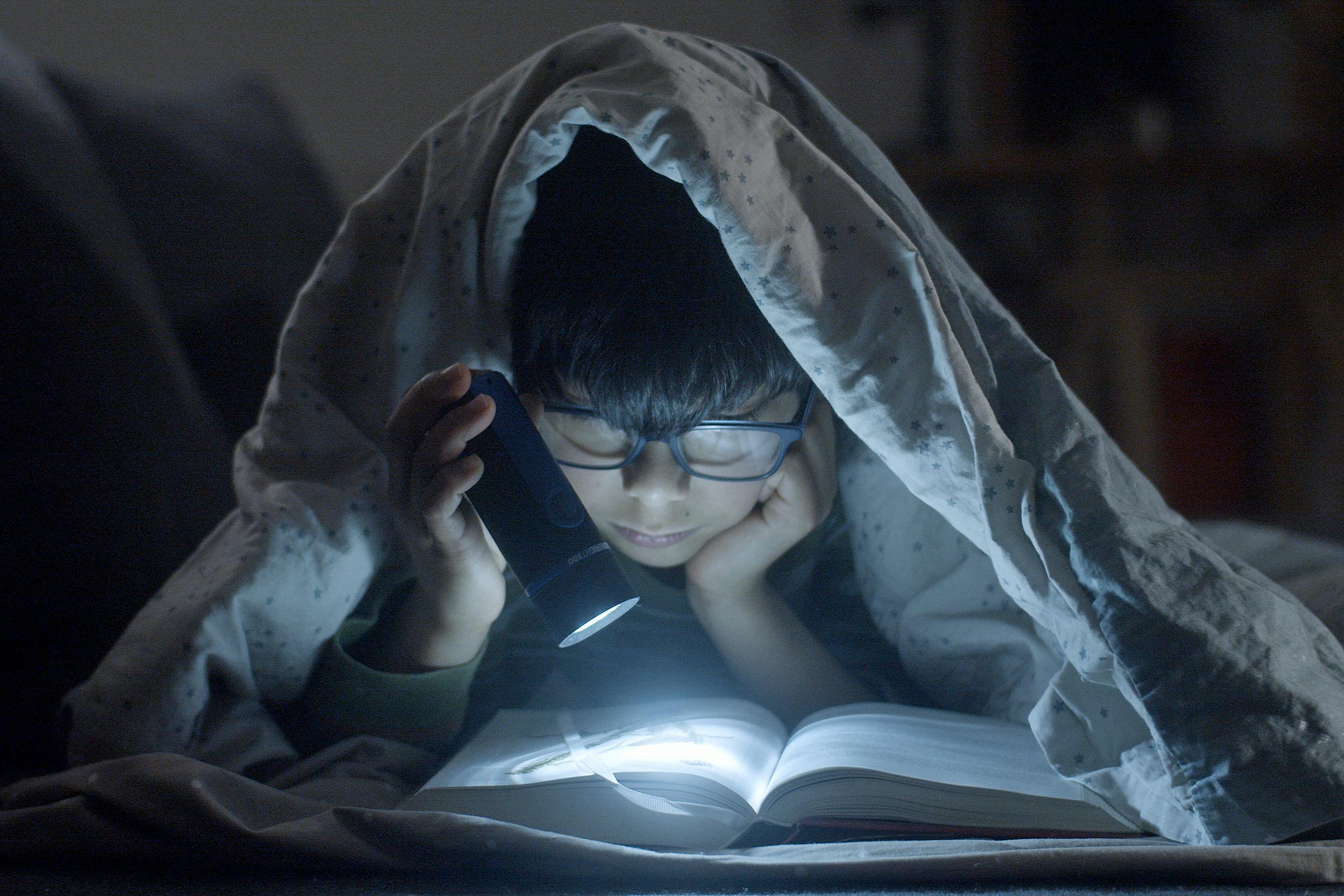
The Tumblr posts that describe lying on the floor listening to music, or spending a Saturday doing nothing in particular, or taking a long walk with no destination, these aren’t posts about laziness. They’re posts about a specific kind of necessary restoration that doesn’t have a productivity justification and doesn’t need one. That’s a radical idea in a culture that measures everything by output, and it’s one that people who experience the introvert-extrovert tension need to hear regularly.
Sleep is part of this too, in ways that often get underestimated. For people who process deeply, poor sleep doesn’t just make them tired. It makes the social-versus-solitude tension much harder to manage. The strategies explored in HSP sleep and recovery approaches address this directly, and many of them apply well beyond the HSP label to anyone whose nervous system runs hot after too much stimulation.
Why Does Being Alone Feel Different Depending on Where You Are?
There’s a category of Tumblr post that describes the specific restorative quality of being alone in nature versus alone in an apartment versus alone in a coffee shop surrounded by strangers. They’re not the same experience. Being alone at home when you’re overstimulated is one thing. Being alone on a trail with trees around you is something else entirely, and the posts about it capture a quality of relief that’s hard to articulate in any other way.
I notice this in my own life. After a long stretch of client work, sitting in my home office still feels like being in the professional world, surrounded by its artifacts and obligations. Getting outside, even briefly, does something different. The mind loosens in a way that indoor solitude doesn’t always produce. There’s something about natural environments that seems to reset the nervous system more completely than manufactured quiet.
This isn’t just personal observation. The relationship between natural environments and psychological restoration has been explored across multiple fields, and the findings consistently point toward something real. If you’ve felt this and wondered whether you were romanticizing it, you probably weren’t. The piece on the healing power of nature connection for HSPs gets into this with more depth, and the insights apply broadly to anyone who processes the world intensely.
The Tumblr posts about this tend to describe very specific scenes: sitting on a porch in the rain, walking through a park before anyone else is awake, lying in grass and watching clouds. The specificity is part of what makes them land. They’re not describing nature in the abstract. They’re describing the particular quality of being alone in a living environment, and how different it feels from being alone in a constructed one.

What Does It Actually Look Like to Honor Both Sides of This Tension?
The practical question underneath all of this is: what do you actually do when you’re someone who genuinely needs both connection and solitude, sometimes in the same afternoon?
One thing I’ve learned, slowly and through a fair amount of trial and error, is that the tension doesn’t resolve. You don’t eventually become someone who only needs one thing. What changes is your relationship to the switching, your ability to recognize which state you’re in, what you need to move through it, and how to communicate that to the people around you without making it seem like a rejection.
In my agency years, I got better at this by building structure around it rather than waiting to feel my way through it. I blocked time in my calendar that was genuinely protected, not just theoretically protected. I got more honest with my closest colleagues about how I processed, which meant they stopped interpreting my closed door as anger and started understanding it as necessary. That shift alone reduced a significant amount of friction in my working relationships.
There’s also something to be said for the specific quality of alone time you choose. Not all solitude is equally restorative. Scrolling through social media while technically alone doesn’t produce the same effect as sitting with a book or taking a walk with no audio input. The essential need for alone time explored in HSP contexts makes this distinction well: solitude that genuinely restores has a different texture than solitude that’s just absence of other people.
Some people find that having a dedicated physical space for solitude helps anchor the practice. My own version of this evolved over years, but the principle is simple: having somewhere that is yours, that signals to your nervous system that the performance is over, matters more than most productivity advice acknowledges. There’s a piece on finding your alone time that gets at this in a grounded way, worth reading if you’re still working out what your version of that space looks like.
The Tumblr posts that resonate most about this topic aren’t the ones that celebrate introversion or extroversion as superior. They’re the ones that describe the specific experience of being someone who contains both, who loves people and needs to escape them, who is energized by connection and exhausted by it, who doesn’t fit the neat story either side wants to tell. That’s the experience worth honoring, and worth building your life around with some intentionality.
What the research on personality and wellbeing consistently points toward is that the fit between your environment and your actual temperament matters more than where you fall on any single dimension. People who understand their own rhythms and build lives that accommodate them tend to fare better than those who spend their energy trying to be more consistently one thing than they actually are.
And honestly, some of the best articulation of that truth I’ve encountered didn’t come from academic papers or leadership books. It came from anonymous posts on a blogging platform where people were just trying to describe their own experience accurately, and finding, in the replies, that they weren’t alone in it.

There’s a lot more to explore around these themes of solitude, restoration, and the specific ways introverts and ambiverts care for themselves. Our complete Solitude, Self-Care and Recharging hub brings together writing on all of it, from daily practices to recovery strategies to the deeper questions about what alone time actually does for us.
About the Author
Keith Lacy is an introvert who’s learned to embrace his true self later in life. After 20 years in advertising and marketing leadership, including running agencies and managing Fortune 500 accounts, Keith now channels his experience into helping fellow introverts understand their strengths and build fulfilling careers. As an INTJ, he brings analytical depth and authentic perspective to every article, drawing from both professional expertise and personal growth.
Frequently Asked Questions
Can someone genuinely be both introverted and extroverted at the same time?
Yes, and this experience is more common than the introvert-extrovert binary suggests. Many people find that they draw energy from social connection in some contexts and feel depleted by it in others, sometimes within the same day. Psychologists sometimes describe this as ambiversion, a genuine middle range on the introversion-extroversion spectrum. The Tumblr posts that went viral around this topic resonated so widely precisely because they named an experience many people had never seen described accurately before.
Why did Tumblr become such a specific place for introvert-extrovert content?
Tumblr’s format encouraged the kind of anonymous, vulnerable sharing that made personal experience posts spread quickly. The reblog system meant that a post describing a very specific internal experience could reach thousands of people who recognized themselves in it, and the comment threads allowed that recognition to become a conversation. For people who had never seen their particular relationship with social energy described accurately, finding that description in a Tumblr post and seeing thousands of others respond with “this is exactly me” was genuinely validating in a way that more formal writing rarely achieved.
What’s the difference between ambiversion and just being inconsistent about social preferences?
Ambiversion describes a relatively stable pattern of needing both social connection and solitude, often in predictable rhythms. It’s not the same as being inconsistent or indecisive. An ambivert might reliably enjoy social events up to a certain point and then need significant alone time to recover, or might find that certain kinds of social interaction (deep one-on-one conversation) are energizing while others (large group settings) are draining. The pattern is consistent even if the external behavior looks variable. Inconsistency, by contrast, tends to be more situational and less tied to a stable underlying temperament.
How do you explain needing alone time to people who don’t understand it?
The most effective framing I’ve found, both personally and in conversations with others, is to describe it as a physical need rather than a social preference. Most people understand that everyone needs sleep, food, and exercise in different amounts. Framing solitude the same way, as something your nervous system requires to function well rather than something you prefer because you don’t like people, tends to land better than explanations that focus on introversion as a personality type. Being specific also helps: “I need about an hour of quiet after work before I can be fully present for conversation” is more actionable and less alienating than “I’m an introvert.”
Is it possible to change where you fall on the introversion-extroversion spectrum?
The underlying temperament appears to be relatively stable across a person’s life, though how it expresses itself can shift significantly with age, circumstance, and self-awareness. Many people report becoming more comfortable with solitude as they get older, or more skilled at social interaction without it costing as much energy. What tends to change isn’t the fundamental need but the relationship to it: people who understand their own rhythms and build lives that accommodate them often find the tension between social and solitary needs becomes less fraught over time, not because the tension disappears but because they stop fighting it.