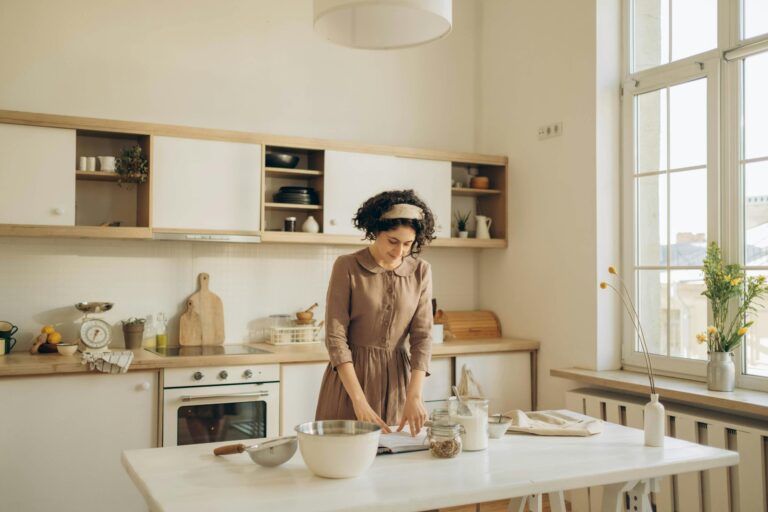

Ben Hardy’s emphasis on the importance of alone time isn’t just motivational philosophy. It’s a practical framework for how deep thinkers, introverts, and anyone who processes the world internally can protect their most valuable cognitive resource: uninterrupted mental space. Hardy argues that solitude isn’t a retreat from productivity but the very condition that makes meaningful work possible.
What resonates most about his perspective is the reframe. Alone time stops being something you apologize for and becomes something you design your life around. That shift matters enormously if you’ve spent years explaining to colleagues, partners, or clients why you need quiet to think clearly.
If you’re exploring what solitude, recovery, and intentional recharging look like in practice, our Solitude, Self-Care & Recharging hub pulls together everything from daily rituals to deeper questions about why introverts are wired the way they are. This article sits inside that larger conversation.

Why Did Ben Hardy’s Argument About Alone Time Land So Differently?
Most productivity advice tells you to optimize your schedule, batch your tasks, and minimize distractions. Hardy goes further. He positions solitude as the environment where identity itself gets clarified. Without regular time alone, he suggests, you end up living out other people’s definitions of who you are and what you should want.
What’s your personality type?
Take our free 40-question assessment and get a detailed personality profile with dimension breakdowns, context analysis, and personalised insights.
Discover Your Type8-12 minutes · 40 questions · Free
That framing hit me differently than anything I’d read before, because it named something I’d experienced without being able to articulate it. During the years I ran advertising agencies, I was surrounded by people constantly. Open-plan offices, client calls stacked back to back, team meetings that bled into agency happy hours. I was performing a version of myself that was functional but hollow. The thinking I was most proud of, the strategic leaps that actually moved clients forward, never happened in those rooms. They happened at 6 AM before anyone else arrived, or on long drives between client offices, or in the twenty minutes I’d steal before a pitch to just sit quietly and let the problem settle.
Hardy’s point is that solitude isn’t passive. It’s where you do the work that can’t be done in public. For introverts, that’s not a revelation so much as a confirmation of something we’ve always known but rarely felt permission to say out loud.
What Does Hardy Actually Mean by “Alone Time” as a Practice?
Hardy draws on the concept of environmental design, the idea that your surroundings shape your behavior and thinking more than willpower ever will. Alone time, in his framework, isn’t just the absence of other people. It’s a deliberately created condition where your attention isn’t being claimed by external demands.
That distinction is worth sitting with. You can be physically alone and still be mentally colonized by notifications, obligations, and other people’s urgency. What Hardy advocates for is something closer to what psychologists describe as restorative experience: an environment that allows directed attention to recover and spontaneous reflection to emerge.
A study published in PubMed Central examining the psychological benefits of solitude found that voluntary alone time was associated with improved mood regulation and a stronger sense of self-concept clarity. The operative word is voluntary. Solitude chosen for its own sake functions very differently from isolation imposed by circumstance.
This is why the question of what happens when introverts don’t get alone time matters so much. It’s not just fatigue. It’s a gradual erosion of the internal clarity that makes good decisions possible. I’ve watched this happen to myself. The longer I went without genuine solitude during agency life, the more reactive I became. I stopped trusting my own read on situations. I started deferring to whoever was loudest in the room, which is a terrible strategy when you’re the one responsible for the outcome.

How Does Solitude Actually Change the Way You Think?
There’s a quality of thinking that only becomes available when the social performance pressure drops away. As an INTJ, I experience this as a kind of mental decompression. The noise that accumulates from a day of managing people, reading rooms, and calibrating communication finally quiets, and underneath it is the actual thinking I needed to do all along.
Hardy frames this in terms of creative and strategic capacity. When you’re constantly responding to external stimuli, your brain stays in reactive mode. Solitude shifts the cognitive gear into something more generative. Greater Good Science Center at Berkeley has explored how solitude can support creative thinking by giving the mind space to make connections that get crowded out in social environments.
One of the clearest examples I can point to from my agency years: we had a Fortune 500 retail client whose campaign had stalled. We’d been in back-to-back brainstorming sessions for three days, generating ideas that all felt like variations on the same theme. I finally took a solo afternoon, drove to a park, and sat with the problem without any agenda. The insight that eventually won the pitch didn’t come from a whiteboard session. It came from that afternoon of doing nothing that looked like work.
That experience taught me something Hardy articulates well: solitude isn’t where you escape the work. It’s where the work actually happens, at least the kind of work that requires original thinking rather than execution.
The connection to nature in that example wasn’t incidental. There’s something about being outdoors that amplifies the restorative quality of solitude. If you’re drawn to that intersection, the piece on HSP nature connection and the healing power of the outdoors explores why natural environments seem to accelerate the recovery that alone time provides.
Is There a Risk That Alone Time Becomes Avoidance?
This is the honest question Hardy’s framework raises, and it’s worth addressing directly. Solitude as a tool for clarity is different from solitude as a way of hiding. The distinction isn’t always obvious from the inside, which is why it’s worth examining.
Hardy’s position is that productive solitude has an orientation toward something. You’re not retreating from life; you’re creating conditions to engage with it more fully. The alone time is in service of something: a decision you need to make, a piece of work that requires depth, a sense of self that needs recalibrating.
Avoidance, by contrast, is oriented away from something. It’s using solitude to postpone rather than to prepare. Most introverts I’ve spoken with can feel the difference, even if they don’t always admit it to themselves. There’s a quality of aliveness in genuine solitude that avoidance doesn’t produce.
The CDC’s framework on social connectedness is useful here as a counterbalance. Social isolation carries genuine health risks, and that’s not something to dismiss. Hardy isn’t advocating for withdrawal from human connection. He’s making the case for intentional rhythm: periods of solitude that make genuine connection more possible, not less.
I’ve found that my most meaningful professional relationships were built on the back of solitude, not despite it. When I came to a client meeting having actually thought through the problem in quiet, I was more present, more useful, and more genuinely engaged than when I’d been “on” all day and was running on fumes.
What Does Hardy’s Framework Mean for Introverts Specifically?
Hardy writes for a broad audience, and his arguments about solitude apply across personality types. But for introverts, his framework lands with particular force because it validates something we’ve often been told to overcome.
The cultural narrative around productivity has historically been extroverted in its assumptions. More collaboration, more visibility, more networking. The introvert’s instinct to withdraw and think is framed as a liability to manage rather than a process to honor. Hardy’s work quietly dismantles that assumption by showing that the most original thinking tends to emerge from conditions that look, from the outside, like nothing is happening.
For highly sensitive people in particular, this resonates on an additional level. The need for solitude isn’t just about recharging cognitive resources. It’s about processing the sheer volume of sensory and emotional information that accumulates through social interaction. The piece on HSP solitude and the essential need for alone time goes deeper into why this processing function is so central to how sensitive people maintain wellbeing.
What Hardy adds to that conversation is a performance argument. Solitude isn’t just self-care. It’s a competitive advantage. That reframe matters in professional environments where introverts often feel pressure to justify their need for quiet time in terms that don’t sound like weakness.
A paper published in Frontiers in Psychology examining the relationship between solitude and well-being found that the capacity to be alone without distress was associated with higher levels of self-determination and authentic goal pursuit. In other words, people who could genuinely tolerate and benefit from solitude tended to be clearer about what they actually wanted, separate from social pressure.
That tracks with my experience. The clearest strategic decisions I made during my agency years came from periods of genuine solitude. The worst ones came from rooms full of people where I was performing confidence I didn’t have because I hadn’t had time to think.
How Do You Build Alone Time Into a Life That Doesn’t Make Space for It?
Hardy is direct about this: you don’t find time for solitude, you create it. That requires treating alone time as a non-negotiable commitment rather than something that happens when everything else is done. Because everything else is never done.
The practical challenge for most introverts isn’t wanting solitude. It’s protecting it from the legitimate demands of work, family, and social obligation. And it’s managing the guilt that surfaces when you prioritize it.
A few things that have worked for me. Morning hours before the world starts making demands are the most defensible. I protected those hours like they were client commitments, because in a real sense they were: commitments to the quality of thinking I’d bring to everything else that day. Even thirty minutes of genuine solitude before the first meeting changed the texture of the entire day.
The other piece is environmental. Solitude in a busy open-plan office with headphones is better than nothing, but it’s not the same as genuine physical separation. When I could get out of the building, even briefly, the quality of thinking shifted noticeably. There’s something about changing your physical environment that helps the brain shift modes.
Building sustainable alone time practices also connects to the broader architecture of self-care. The HSP self-care and essential daily practices resource is worth exploring if you’re thinking about how solitude fits into a larger rhythm of recovery and renewal rather than existing as an isolated habit.
Sleep is also part of this equation in ways that don’t always get acknowledged. The mental processing that happens during sleep is continuous with the processing that happens in waking solitude. When sleep is compromised, the benefits of alone time are diminished. The HSP sleep and rest recovery strategies piece addresses this overlap directly.

What Happens to Your Identity When You Consistently Protect Alone Time?
Hardy’s most compelling argument isn’t about productivity. It’s about identity. He suggests that without regular solitude, you gradually lose touch with who you actually are, separate from the roles you perform and the expectations you absorb from your environment.
For introverts who’ve spent years adapting to extroverted norms, this hits close. I spent a significant portion of my agency career performing a version of leadership that didn’t fit my actual wiring. I was louder than I needed to be in meetings, more socially available than felt natural, more performatively confident than the situation required. It worked, after a fashion. But it cost something.
What I notice now, having built genuine solitude into my daily life, is that my sense of my own preferences, values, and instincts is much cleaner. I know what I think about things before I’m asked. I know what I want before someone else suggests something. That sounds basic, but it’s actually rare and valuable.
Hardy frames this as the difference between living reactively and living from a defined internal compass. Solitude is what keeps the compass calibrated. Without it, you drift toward whatever the social environment rewards, which may or may not align with what you actually care about.
There’s an interesting parallel in how solo travel functions for some people. Psychology Today’s exploration of solo travel notes that spending extended time alone in unfamiliar environments often produces a clarified sense of identity and preference. The mechanism is similar: when you remove the social scaffolding, you find out what’s actually there underneath.
Mac’s story on this site captures something similar from a different angle. The Mac alone time piece is a reminder that the experience of needing and protecting solitude is shared across different kinds of introverted lives, and that articulating it matters.
Does Solitude Carry Health Benefits Beyond the Psychological?
The evidence suggests it does, though the relationship is nuanced. Voluntary solitude, chosen and structured intentionally, appears to support stress regulation, immune function, and cardiovascular health through its effects on the autonomic nervous system. The body’s stress response systems get a chance to downregulate in ways that sustained social engagement doesn’t always allow.
A PubMed Central review examining solitude and health outcomes found meaningful associations between intentional alone time and markers of psychological well-being, with the strongest effects in people who reported that their solitude felt chosen rather than imposed.
Psychology Today’s coverage of solitude and health reinforces this, noting that regular periods of genuine quiet can support emotional regulation in ways that translate into better physical health outcomes over time.
The important distinction, and one Hardy would emphasize, is between solitude and loneliness. Harvard Health’s examination of loneliness versus isolation makes clear that these are fundamentally different experiences with opposite effects. Loneliness is the painful awareness of unwanted disconnection. Solitude is the satisfying experience of chosen aloneness. Conflating them leads to bad advice in both directions.
As an INTJ, I’ve rarely experienced solitude as lonely. Even in the depths of pandemic isolation, when external social contact was limited by circumstance rather than choice, I found that structured alone time felt restorative in a way that the absence of social events did not. The quality of the aloneness matters enormously.
What’s the Practical Takeaway From Hardy’s Perspective on Alone Time?
At its core, Hardy’s argument is a permission structure. You don’t need to justify solitude in terms of what it produces. The clarity, creativity, and identity stability it supports are valuable in themselves, not just as inputs to output.
For introverts who’ve spent years apologizing for needing quiet, or sneaking solitude in around the edges of a schedule designed for extroverted productivity, that reframe is genuinely freeing. You’re not working around a limitation. You’re honoring a process that makes everything else better.
The practical steps are less complicated than the philosophical case. Protect a daily block of genuine solitude, even if it’s brief. Make it non-negotiable in the same way a client meeting would be. Remove the devices that fragment attention. Choose environments that support restoration rather than stimulation. And stop explaining it to people who don’t understand it yet. Your results will make the case more persuasively than any argument will.
What Hardy gives introverts isn’t a new technique. It’s a vocabulary for something we’ve always known. Alone time isn’t a preference or a quirk. It’s a fundamental condition for doing our best thinking, making our best decisions, and showing up as our most authentic selves in the moments that matter.
That’s worth protecting. Fiercely and without apology.
There’s much more to explore across the full spectrum of solitude, recovery, and intentional recharging in our Solitude, Self-Care & Recharging hub, from sleep strategies to daily practices to the deeper question of why alone time feels like coming home.
About the Author
Keith Lacy is an introvert who’s learned to embrace his true self later in life. After 20 years in advertising and marketing leadership, including running agencies and managing Fortune 500 accounts, Keith now channels his experience into helping fellow introverts understand their strengths and build fulfilling careers. As an INTJ, he brings analytical depth and authentic perspective to every article, drawing from both professional expertise and personal growth.
Frequently Asked Questions
What does Ben Hardy say about the importance of alone time?
Ben Hardy argues that solitude isn’t a retreat from productivity but the essential condition for meaningful thinking, identity clarity, and authentic goal-setting. He frames alone time as a deliberate environmental design choice rather than a passive absence of people, emphasizing that without regular solitude, people tend to live out others’ definitions of who they should be rather than developing a clear internal compass of their own.
How is solitude different from loneliness?
Solitude is the experience of chosen, voluntary aloneness that feels restorative and generative. Loneliness is the painful awareness of unwanted disconnection from others. The distinction is primarily about agency and orientation. Solitude is something you move toward deliberately; loneliness is something that happens to you. Research consistently shows these two states have opposite effects on psychological and physical well-being.
Why do introverts need more alone time than extroverts?
Introverts process social interaction more deeply and tend to experience sustained social engagement as cognitively and emotionally demanding in ways that extroverts often don’t. Alone time allows introverts to process accumulated input, restore attentional resources, and reconnect with their own thinking without the overlay of social performance demands. It’s not that introverts dislike people. It’s that their nervous systems require recovery time that extroverts typically don’t need in the same quantity.
Can too much alone time be harmful?
Yes, when solitude becomes chronic isolation or avoidance rather than intentional recovery. Voluntary, purposeful solitude supports well-being. Prolonged isolation from meaningful human connection carries genuine health risks, including effects on mood, cognitive function, and physical health. The goal Hardy advocates for is a rhythm that includes both genuine solitude and genuine connection, each making the other more possible and meaningful.
How can I protect alone time in a busy schedule?
Treat solitude as a non-negotiable commitment rather than something that happens when everything else is finished. Morning hours before external demands begin are often the most defensible. Removing devices that fragment attention, changing your physical environment when possible, and communicating your boundaries clearly to people around you all help. The shift in mindset matters as much as the logistics: alone time isn’t a luxury you earn after completing obligations. It’s a condition that makes everything else work better.