The best book on procrastination depends on what’s actually driving yours. For many deep-thinking introverts, procrastination isn’t laziness. It’s a tangle of perfectionism, emotional sensitivity, and a nervous system that processes everything more intensely than most people realize. Books like “Atomic Habits” by James Clear, “The Now Habit” by Neil Fiore, and “Procrastinate on Purpose” by Rory Vaden each offer genuinely useful frameworks, but the one that lands best often depends on whether your procrastination stems from fear, overwhelm, or a values mismatch.
I’ve read most of them. Some changed how I work. Some sat on my shelf feeling vaguely accusatory. What I found, after years of running agencies and managing teams, is that the books that helped me most were the ones that acknowledged the emotional weight underneath the delay, not just the scheduling tricks on top of it.

Procrastination connects to a much wider set of mental health patterns that show up frequently in introverts and highly sensitive people. Our Introvert Mental Health Hub explores that full landscape, from anxiety to perfectionism to emotional processing, and this article fits squarely within those themes. Because what looks like procrastination from the outside often feels, from the inside, like something much more complicated.
Why Do Introverts and Sensitive People Procrastinate Differently?
There’s a version of procrastination that’s pure avoidance of boredom. You put something off because it’s tedious and you’d rather do something more interesting. That version gets a lot of airtime in productivity culture, and most of the popular books address it well.
Career Coaching for Introverts
One-on-one career strategy sessions with Keith Lacy. 20 years of Fortune 500 leadership as an introvert, now helping others build careers that work with their wiring.
Learn More50-minute Zoom session · $175
Then there’s the version I know better. The task sits on your list not because it’s boring but because it matters too much. You care about doing it well. You’ve already run through seventeen possible approaches in your head. You’ve identified the ways each one could fail. And now the gap between what you can imagine and what you might actually produce feels too wide to cross.
That’s a different problem. And it needs a different kind of book.
Highly sensitive people carry an additional layer here. Sensory and emotional input doesn’t just pass through, it accumulates. When your environment is loud, your inbox is full, and three people have already needed something from you by 9 AM, the cognitive bandwidth available for deep work narrows considerably. HSP overwhelm and sensory overload can make even straightforward tasks feel impossible, not because you’re avoiding them but because your system is already at capacity before you even sit down.
I watched this play out constantly in my agencies. I had team members who were brilliant, thorough, and deeply committed to quality, and who also consistently missed internal deadlines. The easy read was that they were disorganized or uncommitted. The accurate read, which took me years to develop, was that they were processing everything at a depth that made quick turnarounds genuinely hard. Productivity books written for high-output extroverts weren’t going to fix that.
What Makes “The Now Habit” by Neil Fiore Stand Out?
Neil Fiore’s “The Now Habit” is, in my view, the most psychologically honest book in this space. Published in 1988 and still remarkably relevant, it makes an argument that most productivity books avoid entirely: procrastination is a coping mechanism, not a character flaw.
Fiore’s framework centers on the idea that people procrastinate to protect their self-worth. If you never fully commit to a project, you can always tell yourself you could have done better with more time. The delay becomes a buffer between your effort and any judgment of your ability. For someone who ties their identity closely to the quality of their work, this is a deeply rational (if counterproductive) strategy.
As an INTJ, I recognized this pattern immediately. My internal standards are high, sometimes unreasonably so, and for years I’d delay starting things because starting meant committing to an outcome that might not match the vision in my head. Fiore gave me language for what was actually happening, and that naming alone shifted something.
His practical tool, the “Unschedule,” flips the conventional productivity approach. Instead of scheduling work time and hoping you’ll fill it, you schedule play, rest, and personal commitments first, then fit work into the remaining gaps. The psychological effect is significant. Work stops feeling like the default state you’re always failing to maintain and starts feeling like something you’re choosing to do in bounded, manageable chunks.

For introverts who already struggle with the feeling that their need for downtime is somehow shameful or lazy, the Unschedule is quietly radical. It legitimizes rest as a structural part of productive life, not a reward you haven’t yet earned.
The connection to anxiety is worth naming directly. Procrastination and anxiety feed each other in a loop that can be hard to interrupt. The National Institute of Mental Health’s resources on generalized anxiety describe how avoidance behaviors temporarily reduce anxiety while reinforcing the underlying pattern over time. Fiore’s book addresses this loop more directly than almost anything else in the genre, even without using clinical language.
How Does “Atomic Habits” Apply to Procrastination Specifically?
James Clear’s “Atomic Habits” isn’t a procrastination book in the traditional sense. It’s a book about behavior change, and procrastination is one of the behaviors it helps you change. The distinction matters because Clear’s approach works best when you understand what you’re actually trying to build, not just what you’re trying to stop doing.
His core argument is that identity drives behavior more reliably than motivation or willpower. Instead of saying “I want to write more,” you work toward becoming “someone who writes.” The habit becomes an expression of who you are rather than a task you’re trying to force yourself to complete. For introverts who tend to think deeply about identity and values, this framing resonates in a way that pure productivity tactics often don’t.
Clear also emphasizes environmental design, making the desired behavior easier and the avoidance behavior harder through simple structural changes. This is genuinely useful for people whose procrastination is partly environmental. If your workspace triggers anxiety or distraction, no amount of willpower will consistently overcome that. Changing the environment is more reliable than changing your mood.
Where “Atomic Habits” falls short for some introverts is in its relative silence on the emotional dimension. It’s a systems book, and excellent at that level. But if your procrastination is rooted in anxiety that runs deeper than habit patterns, the systems alone won’t be enough. You may need to pair it with something that addresses the emotional layer more directly.
I used Clear’s habit stacking approach when I was trying to build a consistent writing practice after leaving agency life. I attached the new behavior (writing) to an existing anchor (morning coffee) and kept the sessions short enough that starting felt low-stakes. It worked, but only after I’d already done the harder internal work of understanding why I’d been avoiding writing in the first place. The system supported the change. It didn’t create it.
Is Perfectionism the Real Reason You’re Not Starting?
Most honest conversations about procrastination eventually arrive here. Perfectionism and procrastination are so frequently linked that some researchers treat them as overlapping constructs rather than separate phenomena. The connection between perfectionism and self-regulation failure has been examined in published psychological literature, and the pattern is consistent: high standards combined with fear of falling short of those standards creates conditions where starting feels genuinely threatening.
For highly sensitive people, this is amplified. When you process emotions and experiences at greater depth, the stakes of failure feel correspondingly higher. A mediocre outcome doesn’t just mean a task didn’t go well. It can feel like evidence about your worth, your capability, your right to take up space in a field you care about.
If you recognize this pattern, the work on HSP perfectionism and high standards is worth reading alongside any procrastination book you pick up. Understanding the perfectionism layer changes how you approach the practical strategies. You stop trying to force yourself to start and begin asking instead why starting feels so loaded.
In my agency years, I had a creative director who was genuinely one of the most talented people I’ve worked with. She would also sit on a brief for days before producing a single concept. The work, when it finally came, was usually exceptional. But the delay created real problems with timelines and client relationships. What looked like procrastination from a project management perspective was, from her perspective, a refusal to show work she didn’t yet believe in. Her standards were her identity. Lowering them, even temporarily, felt like a kind of self-betrayal.
No productivity system fixed that. What helped was reframing early drafts as thinking tools rather than performance artifacts. The first version wasn’t the work. It was the process of finding the work. That distinction, which Fiore also addresses, gave her permission to start without committing to the outcome.

What Does “Procrastinate on Purpose” by Rory Vaden Offer?
Rory Vaden’s “Procrastinate on Purpose” takes a different angle than either Fiore or Clear. Where those books focus primarily on overcoming delay, Vaden argues that some procrastination is strategic and should be preserved. His framework, built around what he calls the “Significance Calculation,” asks you to evaluate tasks not just by urgency and importance but by their long-term return on your time investment.
The central concept is that truly effective people don’t just manage time, they multiply it. They invest time now in systems, relationships, or skills that create more available time later. From this view, not every delayed task is a problem. Some delays are appropriate because the task shouldn’t be done at all, or not by you, or not yet.
For introverts who tend to think in long time horizons and systems, this framing can be genuinely clarifying. The INTJ tendency to see downstream consequences means we often resist tasks that feel like short-term busywork with no lasting value. Vaden gives that resistance a framework rather than treating it as a productivity failure.
The limitation is that Vaden’s book works best for people whose procrastination is primarily about prioritization rather than fear. If your delay is driven by anxiety, perfectionism, or emotional overwhelm, the strategic framework doesn’t address the root. You can know exactly which tasks deserve your time and still not be able to start them when your nervous system is dysregulated.
That said, combining Vaden’s prioritization lens with Fiore’s emotional reframing creates a fairly complete picture. You use Vaden to decide what deserves your energy, and Fiore to understand why you’re struggling to give it.
How Does Emotional Processing Affect Your Ability to Start Tasks?
This is the piece that most productivity books skip entirely, and it’s often the most important one for sensitive, introspective people.
Emotional processing isn’t something that happens in parallel with work. For people who process deeply, it competes with work for the same cognitive and attentional resources. When something emotionally significant is unresolved, whether it’s a difficult conversation, a piece of feedback that stung, or an ambient sense of dread about something unnamed, the capacity for focused work shrinks.
The work on HSP emotional processing and feeling deeply addresses this directly. When your nervous system is still working through something that happened yesterday, or last week, or three years ago that somehow got retriggered, the procrastination you’re experiencing may not be about the task at all. It’s about the emotional backlog that’s consuming bandwidth you’d otherwise bring to the work.
I’ve experienced this acutely. There were stretches in my agency years when I’d sit at my desk unable to focus on anything meaningful, not because I lacked motivation or clarity about what needed doing, but because I was still processing a client confrontation or a personnel decision that had gone badly. My mind was occupied. The work had to wait.
What helped wasn’t a productivity book. It was learning to recognize that state and respond to it directly, either by giving myself time to process before expecting focused output, or by doing lower-stakes tasks that didn’t require deep engagement until the emotional processing completed. Fiore’s Unschedule, interestingly, creates structural space for exactly this kind of recovery time, even if he doesn’t name it in those terms.
There’s also the empathy dimension worth considering. Many introverts and HSPs take on emotional weight from others, absorbing the stress and anxiety of colleagues, clients, or family members in ways that drain their own reserves. HSP empathy can be a double-edged experience, and when that empathy has been running at high capacity, the energy available for personal work often suffers. Recognizing this as a real factor, rather than an excuse, changes how you approach your own productivity rhythms.

What About Procrastination Rooted in Fear of Rejection?
Some of the most persistent procrastination I’ve encountered, in myself and in people I’ve worked with, is tied specifically to the fear of how work will be received. Not fear of failure in the abstract, but fear of the specific, personal experience of putting something out and having it dismissed, criticized, or ignored.
For sensitive people, rejection doesn’t just sting. It reverberates. The way HSPs process rejection means that a single critical response to a piece of work can echo for days or weeks, shaping future behavior in ways that aren’t always visible even to the person experiencing them. You don’t consciously decide to procrastinate on the next project. You just notice that starting feels harder than it used to.
This is where books alone often reach their limit. The relationship between avoidance behaviors and emotional regulation suggests that when avoidance is serving a protective function, addressing it requires more than strategy shifts. It requires working with the underlying fear directly.
That doesn’t mean books aren’t useful. Fiore’s reframe around self-worth is genuinely helpful here. So is any reading that helps you distinguish between the value of your work and your value as a person. But if rejection sensitivity is driving significant procrastination in your life, pairing your reading with some form of therapeutic support tends to produce more durable change than reading alone.
The American Psychological Association’s framework on resilience is worth understanding in this context. Building resilience isn’t about becoming indifferent to rejection. It’s about developing the capacity to encounter it without being derailed by it, which is a different and more achievable goal.
Which Book Should You Actually Start With?
My honest recommendation depends on what you recognize in yourself.
Start with “The Now Habit” if your procrastination feels emotionally loaded. If you delay things because they matter too much, because you’re afraid of what the finished product will say about you, or because you can’t seem to give yourself permission to do imperfect work, Fiore’s book will feel like someone finally understood the actual problem. It’s the most psychologically sophisticated of the major procrastination books, and it’s the one I’d recommend most broadly to introverts and highly sensitive people.
Start with “Atomic Habits” if your procrastination is more about inconsistency than fear. If you want to do the work and generally feel okay about the outcome, but struggle to build reliable momentum, Clear’s systems approach is excellent. The habit stacking and environmental design principles are practical and well-supported. Just know that it works best as a complement to emotional awareness rather than a substitute for it.
Start with “Procrastinate on Purpose” if you suspect you’re doing too much rather than too little. Sometimes what looks like procrastination is actually a values-based resistance to tasks that shouldn’t be on your list. Vaden’s framework helps you sort the genuinely important from the merely urgent, which can be clarifying for people who are overwhelmed by volume rather than paralyzed by fear.
A few other books worth mentioning: “Solving the Procrastination Puzzle” by Timothy Pychyl is a shorter, research-informed read that treats procrastination as an emotion regulation problem, which aligns well with the HSP experience. The psychological literature on self-regulation supports this framing, and Pychyl’s book makes it accessible without oversimplifying. “Four Thousand Weeks” by Oliver Burkeman isn’t a procrastination book per se, but its argument that finite time demands real choices rather than productivity optimization has helped many people release the perfectionism that fuels their delay.
What I’d caution against is collecting books about procrastination as a substitute for the actual work. There’s a particular irony in procrastinating on procrastination books, and it’s more common than you’d think. Pick one. Read it with a specific pattern in mind. Apply one idea before moving to the next book.

What If the Books Aren’t Enough?
Sometimes they’re not, and that’s worth saying plainly.
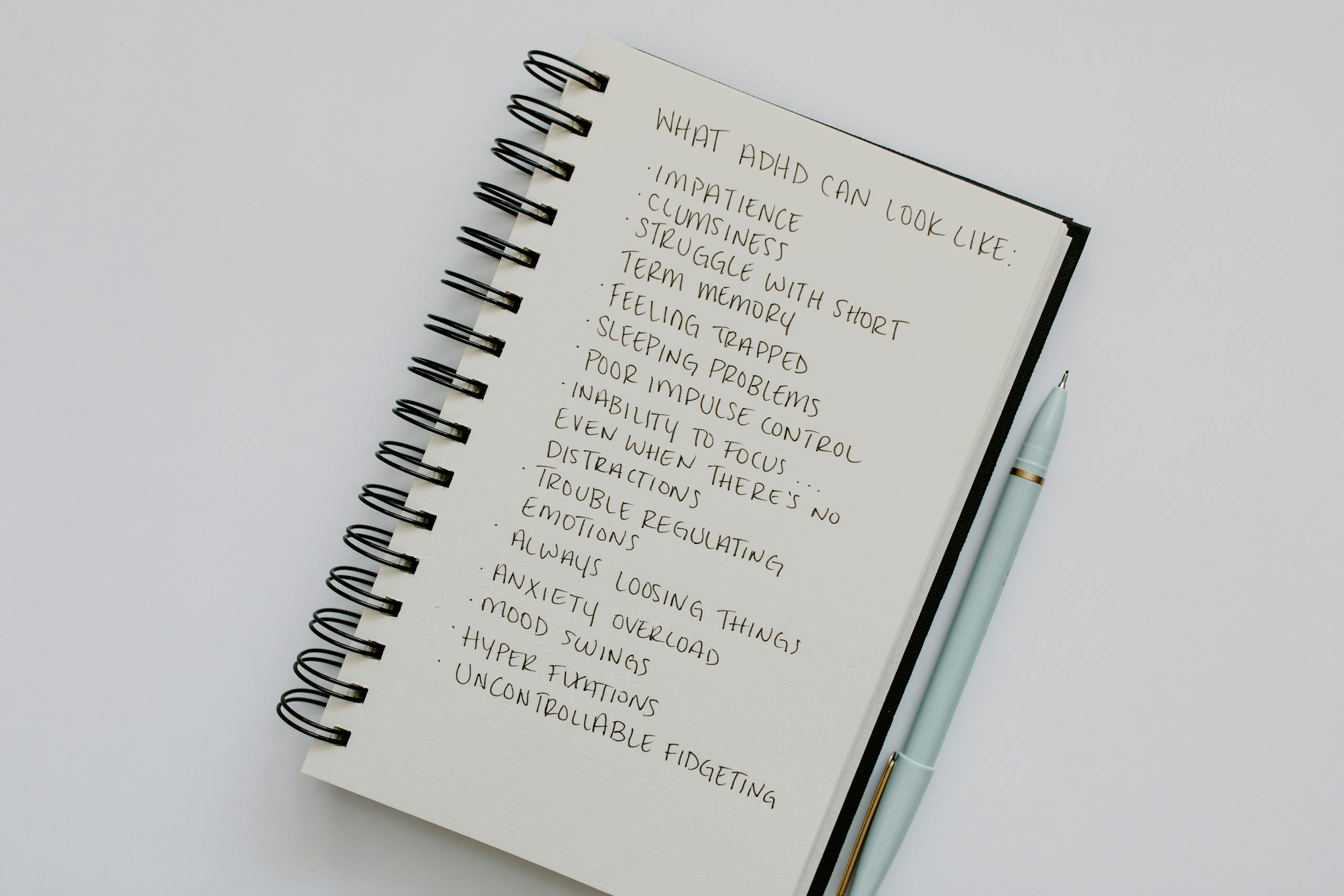
When procrastination is chronic, when it’s been present across different life contexts and different productivity systems and different attempts to address it, it’s often a signal that something deeper needs attention. Chronic procrastination has been linked in clinical contexts to depression, anxiety disorders, ADHD, and trauma responses. Academic work on procrastination as a coping behavior consistently finds that the most persistent forms are tied to emotional regulation difficulties rather than time management problems.
If you recognize that pattern in yourself, a good therapist who understands both anxiety and the particular experience of sensitive, introspective people can offer something books genuinely can’t. Not because books lack value, but because some patterns need relational support to shift, not just new frameworks.
The books I’ve recommended here are genuinely useful. I return to Fiore’s ideas regularly, and Clear’s habit principles are embedded in how I structure my days. But they work best when they’re part of a broader commitment to understanding yourself, not as a standalone fix for something that may have roots you haven’t yet examined.
Procrastination, at its core, is usually a message. It’s worth listening to what it’s saying before you try to silence it with a better scheduling system.
If this resonates with you, there’s much more to explore across the full range of topics covered in the Introvert Mental Health Hub, from managing anxiety to processing emotions deeply to understanding the specific mental health patterns that show up most often in sensitive, introspective people.
About the Author
Keith Lacy is an introvert who’s learned to embrace his true self later in life. After 20 years in advertising and marketing leadership, including running agencies and managing Fortune 500 accounts, Keith now channels his experience into helping fellow introverts understand their strengths and build fulfilling careers. As an INTJ, he brings analytical depth and authentic perspective to every article, drawing from both professional expertise and personal growth.
Frequently Asked Questions
What is the best book on procrastination for someone who overthinks everything?
“The Now Habit” by Neil Fiore is the strongest choice for overthinkers. Fiore’s central argument is that procrastination protects self-worth, not that it signals laziness. For people who delay because the work matters too much and they fear falling short of their own standards, this reframe is both accurate and genuinely useful. The Unschedule tool also helps by legitimizing rest and reducing the pressure that fuels avoidance.
Can perfectionism cause procrastination?
Yes, and it’s one of the most common underlying causes of chronic procrastination. When your standards are high and you tie your self-worth to the quality of your output, starting a task means committing to an outcome that might not match your internal vision. The delay becomes a way of protecting yourself from that gap. Addressing the perfectionism directly, rather than just trying to force yourself to start, tends to produce more lasting change.
Is “Atomic Habits” good for procrastination?
“Atomic Habits” is useful for building consistent work habits and reducing the friction that makes starting feel hard. James Clear’s identity-based approach and environmental design principles are practical and well-grounded. That said, it works best when procrastination is primarily a consistency problem rather than an emotionally driven one. If fear, anxiety, or perfectionism are the root causes, pairing “Atomic Habits” with a more psychologically focused book like “The Now Habit” will serve you better than either alone.
Why do highly sensitive people struggle more with procrastination?
Highly sensitive people process emotional and sensory information more deeply than most, which creates several conditions that fuel procrastination. Sensory overwhelm reduces available cognitive bandwidth. Emotional processing takes up attentional resources that would otherwise go toward work. Fear of rejection hits harder and lingers longer. And perfectionism tends to run higher in people who notice details and care deeply about quality. These factors don’t make procrastination inevitable, but they do mean that strategies designed for less sensitive nervous systems often fall short.
When should I consider therapy instead of just reading about procrastination?
Consider therapy when procrastination has been persistent across multiple life contexts and hasn’t responded to your honest attempts to address it through books or systems. Chronic procrastination is often tied to anxiety, depression, ADHD, or trauma-related avoidance patterns, all of which benefit from professional support. Books can offer valuable frameworks and reframes, but when the pattern is deeply rooted, relational support from a skilled therapist tends to create more durable change than reading alone.