
Finding the best medicine for ADHD and social anxiety when both conditions exist together is genuinely complicated, and the answer is rarely one-size-fits-all. The most effective treatment approaches typically combine medication, therapy, and lifestyle adjustments tailored to the individual, because ADHD and social anxiety interact in ways that make treating either condition in isolation far less effective than addressing them as a connected system.
What makes this particularly challenging is that the two conditions can mask each other, amplify each other, and sometimes respond to the same treatments in contradictory ways. Getting this right matters enormously, not just clinically, but for how you actually experience your daily life.
Our Introvert Mental Health Hub covers the full landscape of mental health topics that intersect with introversion and personality, and the ADHD-plus-social-anxiety combination sits squarely at the center of that conversation for many of us.

Why Do ADHD and Social Anxiety So Often Appear Together?
Somewhere around year twelve of running my first agency, I started noticing a pattern in myself that I didn’t have language for yet. In client meetings, my mind would simultaneously race ahead to three different creative directions while also becoming acutely aware of every facial expression in the room. Was that furrowed brow disapproval? Was I talking too fast again? Had I interrupted someone? The mental load was exhausting in a way that felt different from ordinary stress.
What drains your social battery?
Not all social exhaustion is the same. Our free quiz identifies your specific drain pattern and gives you personalised recharging strategies.
Find Your Drain PatternUnder 2 minutes · 8 questions · Free
What I was experiencing, I’d later come to understand, was the overlap between attentional dysregulation and social fear. A 2021 study published in PubMed Central found that social anxiety disorder occurs in roughly 50% of adults with ADHD, a rate significantly higher than in the general population. That’s not coincidence. There are real neurological and psychological reasons these two conditions travel together.
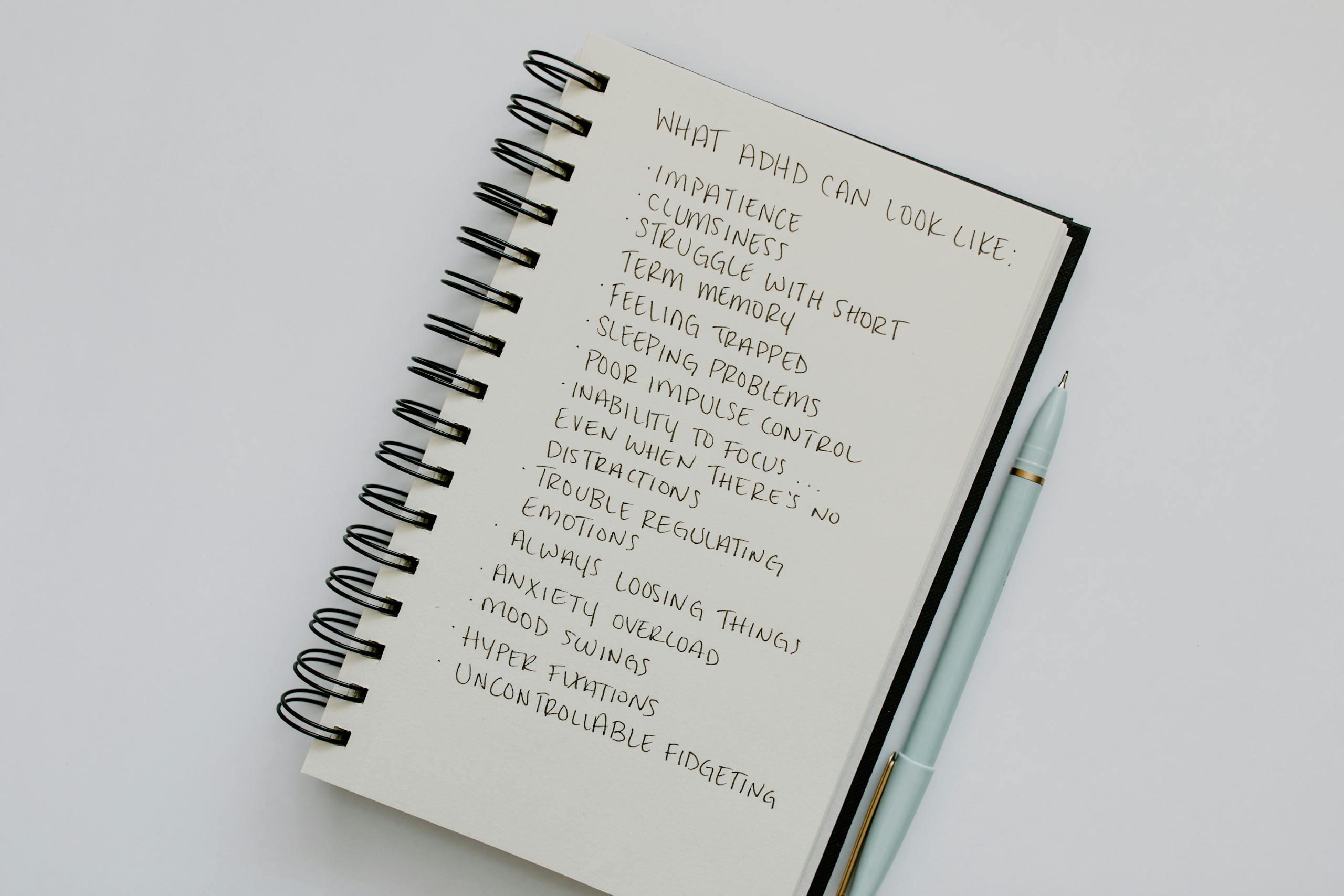
ADHD creates a history of social missteps. Interrupting conversations, forgetting names, missing social cues, saying something impulsive at the wrong moment. Over years, that history accumulates into a kind of social wariness. You start anticipating failure in social situations because experience has taught you that your brain doesn’t always cooperate in those moments. That anticipatory dread is essentially the architecture of social anxiety.
There’s also a sensory and attentional component that deserves attention. Many people with ADHD are highly sensitive to their environment, picking up on emotional undercurrents and social dynamics in ways that feel overwhelming rather than enriching. If you’ve ever read about HSP sensory overwhelm and environmental solutions, you’ll recognize some of that territory here. The nervous system that struggles to filter irrelevant stimuli in a crowded room is the same one that gets flooded by the social demands of that room.
And then there’s the shame piece. ADHD carries significant stigma, and many people spend years masking their symptoms before getting a diagnosis. That masking is exhausting, and the fear of being “found out” as someone who struggles to focus or stay organized maps almost perfectly onto social anxiety’s core fear: that others will see something wrong with you and judge you for it.
What Medications Are Most Commonly Used for ADHD and Social Anxiety Together?
This is where things get genuinely complicated, because the first-line treatments for ADHD and social anxiety can work against each other.
Stimulant medications, the most effective treatments for ADHD in many people, can worsen anxiety. Meanwhile, some medications that help social anxiety can blunt the cognitive sharpness that ADHD treatment is trying to restore. Finding the right combination requires a psychiatrist who understands both conditions and takes the interaction seriously.
Stimulants and Their Relationship with Anxiety
Stimulant medications like methylphenidate (Ritalin, Concerta) and amphetamine-based drugs (Adderall, Vyvanse) remain the most well-studied treatments for ADHD. For many people, better ADHD control actually reduces social anxiety indirectly, because fewer impulsive social mistakes means less accumulated fear about social situations.
Yet for others, stimulants increase heart rate and physiological arousal in ways that mimic or worsen anxiety symptoms. The experience of being “wired” on a stimulant can feel indistinguishable from an anxiety response, which creates a feedback loop that makes social situations even harder to manage. A 2022 study in PubMed Central examining ADHD and anxiety comorbidity noted that stimulant response varies considerably when anxiety is present, underscoring the need for careful titration and monitoring.
The clinical approach here is usually to start with the lower-anxiety-risk stimulants at conservative doses, monitor carefully, and adjust based on how both conditions respond.
Non-Stimulant ADHD Medications
Atomoxetine (Strattera) is a non-stimulant ADHD medication that works on the norepinephrine system rather than dopamine. It tends to have a calmer side-effect profile for people with anxiety, and some evidence suggests it may have modest anxiety-reducing effects alongside its ADHD benefits. It takes longer to work than stimulants (often four to eight weeks before full effect), but for someone whose anxiety is significantly worsened by stimulants, it can be a meaningful alternative.
Guanfacine and clonidine are alpha-2 agonists sometimes used for ADHD, particularly in people who don’t tolerate stimulants well. They have a calming effect on the nervous system, which can be helpful when anxiety is part of the picture.
Medications Targeting Social Anxiety Directly
SSRIs (selective serotonin reuptake inhibitors) are considered the first-line pharmacological treatment for social anxiety disorder according to Harvard Health. Medications like sertraline (Zoloft), escitalopram (Lexapro), and paroxetine (Paxil) have solid evidence bases for social anxiety and are generally well-tolerated alongside ADHD medications.
SNRIs like venlafaxine (Effexor) also have good evidence for social anxiety and may have some benefit for attention as well, making them an interesting option when both conditions need to be addressed.
Beta-blockers like propranolol are sometimes used situationally for performance-related social anxiety (the racing heart before a presentation, for instance) but aren’t a long-term treatment for either condition. I’ll admit I had a colleague years ago who swore by propranolol before new business pitches. I understood the appeal. The physical symptoms of anxiety in high-stakes professional moments are real and disruptive.
How Does the ADHD-Anxiety Overlap Affect Diagnosis?
One of the most frustrating aspects of this combination is that each condition can disguise the other during the diagnostic process. Anxiety can look like inattention. ADHD can look like anxiety. And if you’re an introvert on top of all this, your natural tendency toward internal processing can make both conditions even harder for clinicians to spot.
The American Psychological Association notes that anxiety disorders are among the most common mental health conditions, yet they remain significantly underdiagnosed, particularly when they present alongside other conditions. The diagnostic picture gets murkier when ADHD is in the mix, because both conditions involve difficulty concentrating, restlessness, and social difficulties.
There’s also the question of what’s driving what. Did the ADHD create social difficulties that eventually became social anxiety? Did the anxiety make it harder to focus, which looks like ADHD? Did both develop somewhat independently? These aren’t just academic questions. They matter for treatment sequencing and emphasis.
Understanding the distinction between clinical social anxiety disorder and personality traits like introversion or shyness is also important in this diagnostic process. If you want to think through that distinction more carefully, the article on social anxiety disorder versus clinical vs. personality traits is worth reading before or alongside any clinical evaluation.
A thorough evaluation from a psychiatrist or psychologist who specializes in adult ADHD and anxiety is worth seeking out, even if it takes time to find the right person. The APA’s resources on shyness and social anxiety offer helpful context for understanding where personality ends and clinical condition begins, which can be a useful frame going into those conversations.
What Role Does Therapy Play Alongside Medication?
Medication addresses the neurological and physiological dimensions of these conditions. Therapy addresses the patterns of thinking, avoidance, and behavior that have built up over years of living with them. For most people, the combination of both is meaningfully more effective than either alone.
Cognitive Behavioral Therapy has the strongest evidence base for social anxiety disorder and has been adapted specifically for ADHD as well. CBT for social anxiety works by identifying the distorted thought patterns that fuel social fear (“everyone noticed that I stumbled over my words,” “they think I’m incompetent”) and gradually exposing the person to feared social situations in structured ways that disconfirm those beliefs.
CBT for ADHD focuses more on executive function skills, organizational systems, and the emotional dysregulation that often accompanies attention difficulties. When both conditions are present, a skilled therapist will weave these approaches together rather than treating them sequentially.
Acceptance and Commitment Therapy (ACT) has also shown real promise for both conditions. Rather than directly challenging anxious thoughts, ACT focuses on changing your relationship to those thoughts, accepting their presence without letting them dictate behavior. For someone with ADHD whose mind generates a constant stream of thoughts, learning to observe thoughts without being controlled by them can be genuinely freeing.
Finding a therapist who genuinely fits your personality and processing style matters enormously here. The article on therapy for introverts and finding the right approach covers this in depth. As an introvert with ADHD and social anxiety, you may need a therapist who gives you space to process internally, doesn’t push you toward extroverted coping strategies, and understands that your social needs are different from what a more socially-oriented client might require.

What Non-Medication Strategies Actually Move the Needle?
Medication and therapy are the clinical anchors. But the daily management of ADHD and social anxiety happens in the texture of ordinary life, and there are evidence-informed strategies that make a real difference.
Environmental Design
One of the most significant shifts I made in running my agencies was becoming intentional about my physical environment. I stopped treating open-plan offices as a neutral backdrop and started recognizing them as a genuine cognitive burden. Noise, visual clutter, unpredictable interruptions, all of these are particularly taxing for a brain managing both attentional difficulties and social anxiety.
Designing your environment to reduce sensory overwhelm isn’t self-indulgent. It’s strategic. Noise-canceling headphones, a dedicated workspace with minimal visual clutter, controlling when and how you’re accessible to others, these are legitimate accommodations, not avoidance. The principles in the article on HSP sensory overwhelm and environmental solutions apply directly to this combination of conditions.
Sleep and Exercise as Neurological Foundations
A 2023 meta-analysis in Frontiers in Psychiatry found that aerobic exercise has a meaningful effect on both ADHD symptoms and anxiety, with effects comparable in some studies to low-dose stimulant medication for attention. Sleep deprivation dramatically worsens both ADHD symptoms and anxiety sensitivity. These aren’t soft lifestyle suggestions. They’re neurological necessities for a brain managing these conditions.
The challenge, of course, is that ADHD makes consistent sleep routines genuinely difficult, and anxiety disrupts sleep quality even when you do maintain a schedule. This is another area where medication can help create the conditions for these lifestyle practices to actually take hold.
Strategic Social Exposure
Avoiding social situations reliably makes social anxiety worse over time. Yet the answer isn’t to force yourself into overwhelming social environments and white-knuckle through them. Graduated exposure, moving from lower-stakes social situations toward more challenging ones at a manageable pace, is what the evidence supports.
For introverts managing social anxiety, this looks different than it might for extroverts. It’s not about becoming someone who loves parties. It’s about expanding your comfort zone enough to engage in the social situations that actually matter to you, without the fear being the deciding factor. The strategies in the article on introvert travel and overcoming travel anxiety offer a useful model for this kind of graduated exposure in a different context, one that translates well to social situations generally.
Mindfulness and Attention Training
Mindfulness-based interventions have a growing evidence base for both ADHD and anxiety. The mechanism is similar for both: building the capacity to notice where your attention is, without immediately reacting to what you notice. For ADHD, this helps with attention regulation. For social anxiety, it interrupts the rumination loop that keeps anxious thoughts cycling.
The catch is that traditional meditation can be difficult for people with ADHD, particularly in the early stages. Shorter practices, movement-based mindfulness, and guided audio are often more accessible starting points than sitting silently for twenty minutes.

How Does This Combination Show Up at Work, and What Helps?
The professional context is where I have the most personal experience with this intersection. Running an advertising agency means you’re in a constant stream of social performance: pitching clients, managing teams, presenting creative work, handling conflict, building relationships. For someone managing ADHD and social anxiety, that environment is both demanding and, in some ways, clarifying.
The ADHD piece showed up in ways I didn’t fully recognize as ADHD for years. The difficulty sustaining focus through long meetings. The tendency to hyperfocus on creative problems and completely lose track of administrative tasks. The impulsive comment in a client meeting that I’d replay in my head for days afterward, wondering what it cost me.
The social anxiety piece showed up as a constant low-level monitoring of how I was being perceived. Was the client satisfied? Had I said something that undermined my credibility? Was I being too quiet in a group setting, and would people read that as disengagement rather than processing? The energy cost of that monitoring was enormous, and it competed directly with the attentional resources I needed to actually do my job well.
What helped most, professionally, was a combination of structural accommodations and reframing. Building in preparation time before important meetings so my ADHD brain had already processed the material. Creating written agendas that gave me an external structure to follow. Choosing one-on-one conversations over large group settings when possible, because smaller social contexts are less cognitively demanding for both conditions.
The article on introvert workplace anxiety and managing professional stress covers many of these professional management strategies in depth, and they apply with particular force when ADHD is also in the picture.
A Psychology Today article on the overlap between introversion and social anxiety makes an important distinction that helped me understand my own experience: introversion is about energy and preference, while social anxiety is about fear. Recognizing which parts of my social discomfort were preference (I genuinely prefer depth over breadth in social interaction) and which were fear (I’m avoiding this because I’m afraid of what will happen) was a meaningful step toward addressing the right things.
What Should You Actually Expect from Treatment?
Managing expectations here is genuinely important, because the gap between what people hope treatment will do and what it actually does can be demoralizing if you’re not prepared for it.
Medication for ADHD, when it works well, typically improves focus, reduces impulsivity, and makes it easier to initiate and complete tasks. It doesn’t change your personality. It doesn’t make you extroverted. It doesn’t eliminate social anxiety on its own. What it can do is reduce the ADHD-driven social missteps that have been feeding your anxiety, which over time can create space for the anxiety to decrease.
Treatment for social anxiety, whether through medication, therapy, or both, typically reduces the intensity and frequency of anxious responses in social situations. It doesn’t eliminate social discomfort entirely, nor should it. Some degree of social attunement and care about how you’re perceived is adaptive. The goal is for fear to stop being the deciding factor in whether you engage.
Improvement is usually gradual and nonlinear. There will be weeks that feel like regression. Stressful life circumstances will temporarily worsen symptoms even when treatment is working. The measure of progress is the trend over months, not the quality of any individual day.
Understanding your own mental health needs in a deeper way, including how your introversion interacts with these conditions, is part of what makes treatment more effective. The article on introvert mental health and understanding your needs provides a useful framework for that kind of self-knowledge, particularly as you’re working with clinicians who may not automatically account for introversion in their treatment approach.
The DSM-5 changes from the American Psychiatric Association refined how both ADHD and social anxiety disorder are diagnosed, and understanding these diagnostic criteria can help you have more productive conversations with your treatment team about what you’re experiencing and what you’re hoping treatment will address.

Finding the Right Clinician for Both Conditions
Not every psychiatrist has deep expertise in ADHD, particularly adult ADHD, and not every anxiety specialist is well-versed in how ADHD complicates the picture. Finding someone who genuinely understands both is worth the effort, even if it means a longer search or a waitlist.
When I finally sat down with a psychiatrist who asked the right questions, the conversation felt different from every previous clinical encounter I’d had. She wasn’t just checking boxes. She was interested in how my symptoms actually functioned in my life, how they interacted with each other, and what I was trying to preserve alongside what I was trying to change. That quality of attention in a clinician is worth seeking out.
Some practical questions worth asking a potential psychiatrist or therapist: Do you have experience treating adults with both ADHD and anxiety? How do you approach medication decisions when stimulants might worsen anxiety? What’s your experience with the specific therapy modalities that have evidence for both conditions? How do you think about introversion and personality in relation to clinical conditions?
Telehealth has expanded access to specialists significantly, particularly for people in areas where ADHD-and-anxiety specialists are scarce. It also removes some of the social friction of in-person appointments, which is not a trivial benefit when social anxiety is part of what you’re managing.
There’s more to explore across the full range of introvert mental health topics, including how to manage the specific pressures that come with being an introvert in a world that doesn’t always accommodate your processing style. The Introvert Mental Health Hub is a good place to continue that exploration.
Running on empty?
Five drain profiles, each with specific triggers, warning signs, and a recharging playbook.
Take the Free QuizUnder 2 minutes · 8 questions · Free
About the Author
Keith Lacy is an introvert who’s learned to embrace his true self later in life. After 20 years in advertising and marketing leadership, including running agencies and managing Fortune 500 accounts, Keith now channels his experience into helping fellow introverts understand their strengths and build fulfilling careers. As an INTJ, he brings analytical depth and authentic perspective to every article, drawing from both professional expertise and personal growth.
Frequently Asked Questions
Can you take ADHD medication and anti-anxiety medication at the same time?
Yes, many people take both simultaneously under psychiatric supervision. The most common combination is a stimulant medication for ADHD alongside an SSRI for anxiety. what matters is working with a psychiatrist who understands both conditions and can monitor how the medications interact in your specific case. Some people find that treating ADHD effectively reduces anxiety symptoms enough that separate anxiety medication isn’t needed, while others benefit from both.
What is the best non-stimulant option for someone with ADHD and significant social anxiety?
Atomoxetine (Strattera) is often the first non-stimulant option considered when anxiety is a significant concern, as it tends to have a calmer side-effect profile than stimulants. Guanfacine is another option with a calming effect on the nervous system. Some clinicians also consider SNRIs like venlafaxine, which have evidence for both anxiety and may offer modest attention benefits. The right choice depends on the individual’s symptom profile and medical history.
Does treating ADHD help social anxiety, or do they need to be treated separately?
It varies considerably by individual. For some people, effective ADHD treatment reduces social anxiety meaningfully because it decreases the impulsive social behaviors and attention lapses that have been feeding the anxiety over time. For others, the social anxiety has developed its own momentum and requires direct treatment regardless of ADHD management. A thorough evaluation can help determine which condition is driving more of the overall impairment and how to sequence treatment accordingly.
How do I know if my social discomfort is ADHD, social anxiety, or introversion?
These three things can coexist and overlap, but they have distinct signatures. Introversion is about energy and preference: you find social interaction draining and prefer depth over breadth, but you’re not necessarily afraid of social situations. Social anxiety involves fear and avoidance: you dread social situations and worry significantly about judgment or embarrassment. ADHD shows up as difficulty managing attention and impulse control in social contexts, which can create social difficulties without the underlying fear being the primary driver. A clinical evaluation can help sort through which factors are most relevant for you.
Is CBT or medication more effective for ADHD and social anxiety together?
The evidence consistently points to combination treatment being more effective than either approach alone for most people managing both conditions. Medication addresses the neurological dimensions that make it difficult to regulate attention and manage anxiety responses physiologically. CBT addresses the thought patterns, avoidance behaviors, and skill deficits that have developed over time. Neither fully substitutes for the other, though the relative emphasis may shift based on symptom severity, individual preference, and access to care.