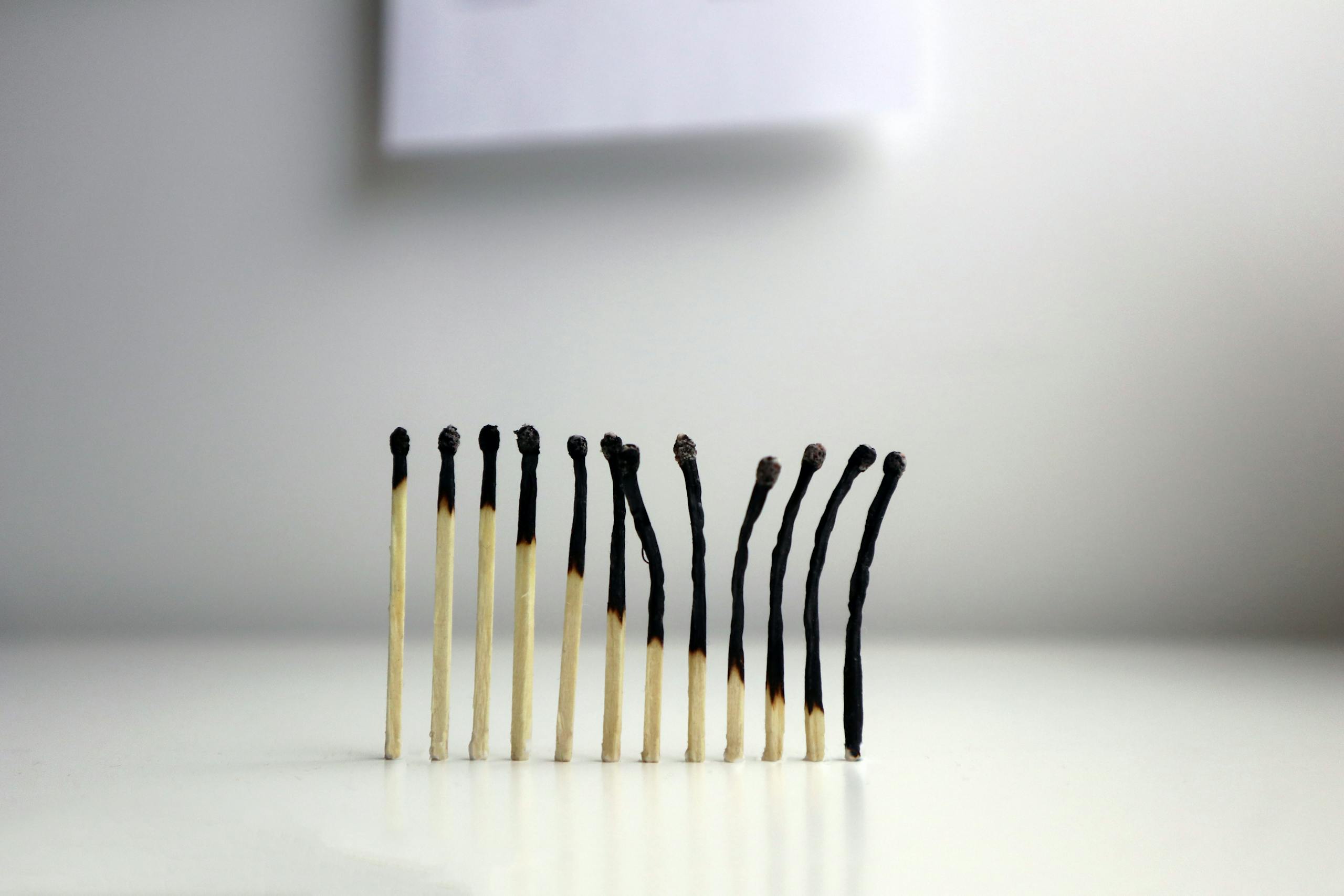

Mediterranean retreats designed for burnout and executive exhaustion recovery offer something most corporate wellness programs never could: genuine solitude, sensory calm, and the kind of unstructured time that lets a depleted nervous system actually reset. For introverted leaders in particular, these environments work not because they’re luxurious, but because they’re quiet enough to hear yourself think again.
After two decades running advertising agencies and managing accounts for Fortune 500 brands, I know what executive burnout feels like from the inside. It’s not dramatic. It doesn’t announce itself. It arrives quietly, like a slow leak, until one morning you realize you’ve been running on empty for months and the tank shows no sign of refilling on its own.
What I also know is that recovery for introverts looks different from what most retreat brochures describe. The group yoga at sunrise, the communal dinners, the “share your intention” circles: those aren’t rest. For many of us, they’re just a different flavor of drain. The retreats worth your time and energy are the ones that understand this distinction.

Much of what I write about on this site connects back to one central truth: managing your energy as an introvert isn’t a lifestyle preference, it’s a survival skill. Our full Energy Management and Social Battery hub explores that truth from multiple angles, and this article fits squarely within it. Because choosing the right environment for recovery is one of the most consequential energy decisions you’ll ever make.
Why Do Introverts Experience Burnout Differently Than Extroverts?
Burnout isn’t exclusive to introverts, but the way it develops and the way it needs to be treated often differs significantly based on how your nervous system processes the world. For introverts, burnout rarely comes from working too hard in isolation. It comes from sustained exposure to environments that demand constant social performance, rapid context-switching, and relentless external stimulation.
What’s your personality type?
Take our free 40-question assessment and get a detailed personality profile with dimension breakdowns, context analysis, and personalised insights.
Discover Your Type8-12 minutes · 40 questions · Free
My agency years were built around exactly those conditions. Open-plan offices. Back-to-back client calls. Brainstorming sessions that started at 8 AM and bled into client dinners. Every single day was an exercise in presenting an extroverted version of myself to people who expected energy, enthusiasm, and visible engagement at all times. I was good at it. But the cost was invisible to everyone except me.
What neuroscience has started to clarify is that introversion involves real differences in how the brain processes stimulation and reward. Cornell University research on brain chemistry points to differences in dopamine sensitivity between introverts and extroverts, suggesting that introverts reach their stimulation threshold more quickly. That’s not a weakness. It’s simply a different operating system. But when you ignore it for years, the system eventually forces a shutdown.
There’s also the dimension of sensory processing. Many introverts, and particularly those who identify as highly sensitive, carry an additional layer of exhaustion that comes from processing environmental details others barely register. Understanding why introverts drain so easily is often the first step toward choosing recovery environments that actually help rather than add to the load.
What Makes a Mediterranean Retreat Right for Executive Exhaustion Recovery?
The Mediterranean basin has drawn people seeking restoration for thousands of years, and that’s not coincidence. The combination of warm, dry air, natural light that softens rather than glares, landscapes that invite contemplation, and a cultural pace that still honors stillness creates conditions that are genuinely therapeutic for depleted nervous systems.
From a purely practical standpoint, the region also offers geographic variety that matters for different recovery profiles. The Greek islands offer isolation and sea air. Southern Spain provides architectural calm and olive groves. Tuscany and the Italian coast deliver a slower cultural rhythm. Southern Turkey and Croatia offer dramatic natural landscapes with relatively limited tourist infrastructure in the quieter months.
What matters most, though, isn’t the postcard scenery. It’s the sensory environment. For introverts recovering from burnout, the quality of light, sound, and tactile experience at a retreat matters enormously. I’ve written before about how HSP light sensitivity affects daily wellbeing, and Mediterranean light, especially in spring and autumn, has a quality that feels measurably different from the fluorescent assault of most corporate environments. It’s warm, diffuse, and forgiving in a way that genuinely eases overstimulated systems.

Sound matters just as much. One of the most underrated features of quality Mediterranean retreat spaces is acoustic design, whether intentional or architectural. Old stone buildings, terraces facing the sea, gardens enclosed by hedgerows: these create natural sound buffers that reduce the ambient noise load considerably. For anyone dealing with noise sensitivity, that distinction between a genuinely quiet environment and a merely “peaceful” marketing claim is the difference between actual recovery and a very expensive disappointment.
Which Types of Mediterranean Retreats Are Best Suited for Introverted Executives?
Not all retreats are created equal, and the category matters enormously when you’re choosing based on introvert recovery needs rather than general wellness trends. Here’s how I’d think about the major types.
Silent and Contemplative Retreats
These are often monastery-based or inspired by contemplative traditions, and they’re scattered throughout the Mediterranean in ways that might surprise you. Southern France, Catalonia, and the Greek island of Patmos all have retreat centers built around silence as a core offering. The structure is minimal, the expectation of social performance is zero, and the days are organized around internal rhythm rather than group programming.
For introverts who’ve spent years performing extroversion, the first day of a silent retreat can feel almost disorienting. There’s a period of adjustment where the absence of social demand feels wrong, like waiting for the next meeting that never comes. What I’ve found, both personally and in conversations with other executives who’ve tried this format, is that the disorientation passes within 24 to 48 hours. What follows is a quality of quiet that most of us haven’t experienced since childhood.
Private Villa or Estate Stays
For executives who need recovery but aren’t ready for the structure of a formal retreat program, private villa stays in regions like Puglia, the Peloponnese, or the Dalmatian coast offer a middle path. You control the schedule entirely. You choose when to engage with staff, when to eat, when to sleep, and when to simply sit on a terrace and watch the light change.
The limitation here is the absence of professional support. If your burnout has reached a clinical level, having wellness practitioners available matters. Some private estate rentals now partner with therapists, somatic practitioners, or naturopathic doctors who visit on request rather than on a fixed group schedule. That model is worth seeking out specifically.
Integrative Wellness Retreats with Opt-In Programming
This category has grown significantly in the Mediterranean market over the past decade. Retreats in locations like Ibiza, the Algarve, and the Turkish Aegean coast now offer what amounts to a menu of therapeutic services, yoga, breathwork, nutritional therapy, psychotherapy, massage, nature immersion, with no obligation to participate in anything group-based. You arrive, you receive an intake assessment, and you build a schedule that reflects your actual needs.
For introverted executives, this format works well because it combines professional support with genuine autonomy. The quality varies considerably, so vetting the practitioner credentials matters more than the aesthetic of the property.
One thing worth considering in any of these formats is how the physical environment handles sensory input beyond just sound and light. Touch sensitivity affects how we respond to everything from bedding quality to the texture of outdoor surfaces, and for people in burnout recovery, those details are not trivial. Ask specific questions about room materials, massage pressure options, and whether there are spaces that are genuinely private versus nominally private.

How Do You Know When You Actually Need a Recovery Retreat?
The honest answer is that most executives wait far too long. The signals are there well before the breakdown point, but the same drive and discipline that made you successful also makes you very good at overriding warning signs.
In my own experience, the clearest signal wasn’t exhaustion, it was the disappearance of curiosity. I’d spent twenty years genuinely fascinated by brand strategy, creative problem-solving, and client dynamics. Then one quarter I noticed I was going through the motions. Presenting strategies I’d developed without any real investment in whether they were right. Sitting in creative reviews and feeling nothing. That flatness, that absence of engagement with work that used to genuinely interest me, was the signal I should have acted on immediately. I didn’t, and it cost me another eighteen months of diminishing returns before I finally made space for real recovery.
From a physiological standpoint, burnout involves real changes in how the body regulates stress hormones, sleep cycles, and immune function. Research published in PubMed Central documents the biological markers of burnout and their relationship to sustained occupational stress, confirming what most burned-out executives already know intuitively: this isn’t a mindset problem you can think your way out of. It requires genuine environmental change and physical recovery time.
For introverts specifically, the threshold question is often about stimulation load rather than workload. You might be working reasonable hours and still be completely depleted because every hour involves managing social dynamics, sensory input, and the performance of an extroverted persona. Truity’s exploration of why introverts need downtime frames this clearly: it’s not about effort, it’s about the specific type of processing your brain is doing and how much recovery that processing requires.
What Should You Actually Look for When Choosing a Mediterranean Burnout Retreat?
After years of observing what works and what doesn’t, both for myself and for the introverted colleagues and clients I’ve talked with about this, I’d narrow the selection criteria to five things that genuinely matter.
Genuine Solitude Options
Does the retreat have private spaces that aren’t just your bedroom? Terraces, garden areas, walking paths, or reading rooms where you can be alone without it being unusual? Group-oriented retreats often treat solitude as antisocial behavior. The right retreat treats it as a legitimate and supported part of the program.
Low Ambient Stimulation
What’s the acoustic environment like at different times of day? What’s the lighting situation in the main spaces? Are meals communal by default or available in private? These questions sound finicky until you’ve spent a week at a beautiful retreat that also happens to play ambient music in every common area, seats guests together regardless of preference, and has a lobby that feels like a hotel atrium. Managing your stimulation load carefully is part of recovery, not a special request. Understanding the full picture of finding the right stimulation balance can help you articulate exactly what you need when you’re vetting options.
Practitioner Quality Over Property Aesthetics
The Instagram-worthy infinity pool is not the measure of a good burnout recovery retreat. The qualifications, experience, and approach of the practitioners who will actually work with you are. Ask for credentials. Ask about their experience with executive burnout specifically. Ask whether they have experience with introverted clients and whether they understand that recovery for introverts may look different from standard wellness programming.
Duration Flexibility
Genuine burnout recovery doesn’t happen in a weekend. The Mediterranean retreats worth considering for executive exhaustion typically offer programs of seven days minimum, with two to four weeks being more realistic for deep recovery. Be wary of any retreat that promises significant restoration in 72 hours. What they’re selling is relaxation, which has value, but it’s not the same thing.
Post-Retreat Support
What happens after you leave? The best retreat programs include some form of follow-up, whether that’s a check-in call, a recommended continuation plan, or referrals to practitioners in your home location. Returning to a high-demand environment without any transition support is how the recovery gets undone within weeks. Ask about this explicitly before you book.

How Do You Protect Your Energy During and After the Retreat?
Choosing the right retreat is only part of the equation. How you manage your energy during the stay, and how you protect what you’ve rebuilt when you return home, determines whether the investment actually holds.
During the retreat itself, the most important practice is resisting the urge to optimize. Introverts, and INTJs in particular, have a tendency to approach even rest as a project. We make schedules. We research the best meditation techniques. We track our sleep data. All of that analytical energy is useful in the right context, but it can prevent the kind of unstructured, directionless quiet that genuine recovery requires. Some of the most restorative hours I’ve ever experienced came from sitting on a hillside in southern Spain with no agenda whatsoever, something that felt almost physically uncomfortable for the first hour and profoundly right by the third.
The principles of HSP energy management apply directly here. Recovery isn’t passive. It requires active choices about what you allow into your sensory and social field, even in a retreat setting. That might mean skipping the optional group dinner. It might mean choosing a morning walk over the sunrise yoga class. It might mean telling a well-meaning practitioner that you need less conversation and more silence during a session. Those aren’t antisocial choices. They’re informed ones.
After returning home, the most common mistake is treating the retreat as a one-time fix rather than a reset that requires maintenance. The conditions that produced burnout don’t disappear because you spent two weeks in Greece. Psychology Today’s analysis of why socializing drains introverts differently is a useful reminder that the underlying neurology doesn’t change. What changes is your relationship to it and the systems you build to protect it.
Practically, that means building non-negotiable recovery time into your schedule before you return to work. Not the vague intention to “take it slow,” but actual blocked time in your calendar that functions as a decompression buffer. In my post-agency years, I’ve made this a firm practice: any significant high-stimulation period, whether a conference, a demanding client sprint, or travel, gets followed by a scheduled recovery window that I protect the same way I’d protect a client deadline.
Are There Specific Mediterranean Regions That Work Better for Introvert Recovery?
Geography matters more than most retreat guides acknowledge. The difference between recovering on a busy Amalfi coast road versus a remote Cretan hillside isn’t just aesthetic. It’s a fundamentally different sensory experience.
For introverts prioritizing genuine quiet, the less-trafficked regions tend to serve better. The interior of Sardinia. The Peloponnese peninsula in Greece outside of peak summer. The Alentejo region of Portugal. The Luberon in Provence outside of July and August. Northern Croatia’s Istrian peninsula in shoulder season. These areas offer Mediterranean light and landscape without the tourist density that turns coastal hotspots into sensory overload zones.
Timing is equally important. The Mediterranean in April, May, September, and October is a fundamentally different environment from the same locations in August. Temperatures are moderate, light is softer, and the social density drops considerably. For burnout recovery, shoulder season isn’t a budget compromise. It’s often the superior choice.
There’s also growing evidence that natural environments support stress recovery in measurable ways. A study published in Springer’s BMC Public Health examined the relationship between nature exposure and wellbeing outcomes, finding consistent associations between time in natural settings and reduced physiological stress markers. The Mediterranean’s particular combination of coastal air, natural terrain, and relative quiet in the right locations makes it well-suited to that kind of recovery.
What the research also suggests, and what my own experience confirms, is that the benefit isn’t just about being outdoors. It’s about sensory variety that isn’t overwhelming. The sound of water. The texture of stone paths. The smell of herbs in dry air. These inputs engage the nervous system gently rather than demanding a response. For someone whose system has been running at high alert for months or years, that gentle engagement is part of what resets the baseline. Research on stress and recovery mechanisms supports the idea that environment plays a direct role in physiological recovery, not just psychological comfort.

What Does Genuine Recovery Actually Feel Like for an Introverted Executive?
This is the question nobody puts in the brochure, and it’s the one worth answering honestly.
Real recovery from executive burnout doesn’t feel like a vacation. At least not at first. The first few days of genuine decompression often feel uncomfortable, even anxious. Your mind, trained to process problems and produce outputs, keeps reaching for something to solve. The absence of urgency feels wrong. You check your phone not because you need to but because the habit of being needed is hard to break.
What shifts, usually somewhere in the middle of the first week, is the quality of your attention. You start noticing things you stopped noticing years ago. The way light moves across a wall. The specific sound of wind through different types of trees. The texture of a meal eaten slowly without a screen nearby. These aren’t profound revelations. They’re simply what ordinary perception feels like when it isn’t competing with constant stimulation.
For introverts, this return to sensory presence is often accompanied by a return of internal clarity. The kind of thinking that happens in genuine quiet is qualitatively different from the kind that happens in the margins of a packed schedule. Ideas connect differently. Priorities rearrange themselves without effort. Problems that felt intractable start to look like they have obvious solutions, not because you’ve thought harder, but because you’ve finally stopped thinking in the reactive mode that burnout forces.
I came back from my first real recovery retreat, a ten-day stay in a small property in the Catalan Pyrenees, with more clarity about the direction of my work than I’d had in three years. Not because I’d done strategic planning. Because I’d stopped doing strategic planning long enough for my actual instincts to surface. That’s what introverts lose in sustained burnout: not competence, but access to the internal processing that is our genuine strength.
The Harvard Health guidance on introvert wellbeing touches on something relevant here: the importance of recognizing that introvert restoration is an active process, not simply the absence of activity. Choosing environments that support internal processing, protecting sensory boundaries, and giving the mind space to work in its natural mode are all deliberate practices, not passive ones.
If you’re considering a Mediterranean retreat for burnout recovery and want to understand the broader context of how introverts manage energy across all areas of life, the resources in our Energy Management and Social Battery hub offer a thorough foundation for thinking about what you actually need and why.
About the Author
Keith Lacy is an introvert who’s learned to embrace his true self later in life. After 20 years in advertising and marketing leadership, including running agencies and managing Fortune 500 accounts, Keith now channels his experience into helping fellow introverts understand their strengths and build fulfilling careers. As an INTJ, he brings analytical depth and authentic perspective to every article, drawing from both professional expertise and personal growth.
Frequently Asked Questions
How long should a Mediterranean burnout recovery retreat be for an executive?
For genuine burnout recovery rather than simple relaxation, most practitioners recommend a minimum of seven days, with two to four weeks being more appropriate for executives experiencing significant exhaustion. The first two to three days are typically spent in decompression rather than actual recovery. Meaningful physiological and psychological restoration tends to begin in the second half of the first week, which is why short weekend retreats, while pleasant, rarely address executive-level burnout in any lasting way.
What’s the best time of year to visit the Mediterranean for a burnout retreat?
April through early June and September through October are the optimal windows for introverts seeking genuine recovery. Temperatures are comfortable, natural light is warm without being harsh, and tourist density is significantly lower than peak summer. These shoulder seasons offer the Mediterranean’s restorative qualities, sea air, natural landscapes, architectural calm, without the sensory overload that peak summer crowds can bring to popular coastal areas.
Are silent retreats appropriate for executives with severe burnout?
Silent retreats can be highly effective for introverted executives, but they work best when burnout hasn’t reached a clinical level requiring active therapeutic intervention. If you’re experiencing significant depression, anxiety disorders, or physical health symptoms alongside your burnout, a retreat with licensed practitioners available is more appropriate than a purely silent format. For executives whose burnout is primarily characterized by exhaustion and disconnection rather than clinical mental health symptoms, a silent or contemplative retreat in the Mediterranean can be profoundly restorative.
How do I maintain the recovery after returning from a Mediterranean retreat?
The most effective approach is building structured recovery time into your regular schedule before you return to full work capacity. Block time in your calendar that functions as a decompression buffer, protect it the way you’d protect a critical deadline, and treat it as non-negotiable. Additionally, identify the specific conditions that contributed to your burnout, sustained social performance, sensory overload, lack of solitude, and address those structurally rather than just managing symptoms. Regular shorter recovery periods are more sustainable than waiting for another full breakdown before seeking restoration.
What should introverts specifically look for when choosing a Mediterranean retreat?
Introverts should prioritize retreats that offer genuine private spaces beyond just a bedroom, opt-in rather than mandatory group programming, low ambient stimulation in common areas, and practitioners who understand introvert recovery needs. Ask specific questions about acoustic environments, meal flexibility, and whether solitude is treated as a legitimate choice rather than antisocial behavior. The aesthetic quality of the property matters far less than whether the sensory and social environment genuinely supports the kind of internal processing that introverts need to restore their energy.