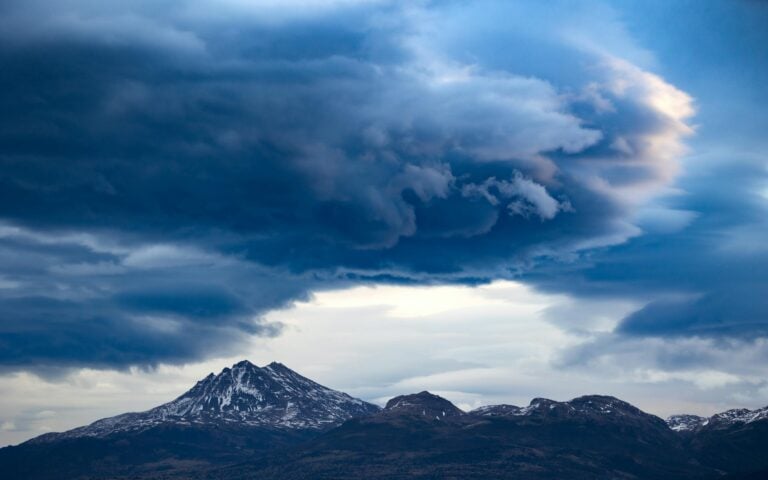

Solo traveler-friendly cabins in Gatlinburg give introverts something that most vacations quietly fail to deliver: genuine restoration. The Smoky Mountains offer a rare combination of private cabin retreats, low-pressure outdoor activities, and enough natural beauty to fill a reflective mind for days without requiring a single forced conversation. Whether you’re hiking a quiet trail at dawn or sitting on a porch watching fog settle into the valley, this region rewards the kind of person who finds meaning in stillness.
What makes Gatlinburg particularly well-suited for solo introverts isn’t just the scenery. It’s the structure of the experience itself. You book your own cabin. You set your own pace. You decide when to venture out and when to stay in. For those of us who spend most of our lives managing the social expectations of work and relationships, that kind of autonomy isn’t a luxury. It’s medicine.
I’ve been thinking a lot lately about how travel intersects with the deeper question of introvert connection, not just with nature, but with ourselves and with the people we choose to let in. If you want to explore that intersection more fully, our Introvert Friendships Hub covers the full landscape of how introverts build and sustain meaningful relationships, including the role that solitude plays in making us better friends and companions.
What Makes a Cabin Truly Solo Traveler-Friendly for Introverts?
Not every cabin rental is created equal, and introverts have specific needs that go beyond thread count and hot tub availability. After years of traveling for client pitches and industry conferences, I developed a sharp eye for what actually restores me versus what just looks good in photos. A solo traveler-friendly cabin for an introvert has a few non-negotiable qualities.
What’s your personality type?
Take our free 40-question assessment and get a detailed personality profile with dimension breakdowns, context analysis, and personalised insights.
Discover Your Type8-12 minutes · 40 questions · Free
Privacy is the foundation. You want a property where you’re not sharing a driveway with three other rental units, where the neighboring cabin isn’t close enough to hear someone else’s television through the wall. The Gatlinburg area, particularly the Wears Valley side and the quieter hollows off Glades Road, has pockets of genuine seclusion that the strip-adjacent rentals simply can’t match. Look for listings that specifically mention wooded lots, private decks, and distance from neighboring properties.
Self-sufficiency matters too. A well-stocked kitchen means you don’t have to interact with anyone for breakfast. A washer and dryer means a week-long stay doesn’t require a trip to a laundromat. These aren’t laziness, they’re design choices that protect your energy for the things that actually matter to you. I once stayed in a cabin near Pigeon Forge that had everything except a coffee maker. That one oversight sent me into town at 7 AM before I was ready to be around people, and it colored the whole morning.
Strong wifi matters more than some people admit. Many introverts, myself included, don’t want to be completely cut off. Part of the restoration comes from having the freedom to write, read, or connect on our own terms. A cabin that promises “mountain views and unplugged living” sounds romantic until you realize you can’t reach anyone in an emergency or finish the article you’ve been drafting in your head for three days.
Finally, look for cabins with screened porches or covered decks facing the woods rather than the road. The ability to sit outside, hear the creek, watch the light change on the ridge, and not be visible to passersby is worth more than any amenity list. That’s where the real work of restoration happens.
Which Gatlinburg Outdoor Activities Actually Suit the Introvert Temperament?
Gatlinburg sits at the entrance to Great Smoky Mountains National Park, which means you have access to over 800 miles of trails without ever needing to book a tour group or follow a guide. That matters. The activities that restore introverts tend to share a common structure: they’re self-directed, they allow for variable social exposure, and they produce something internal rather than performative.
Hiking is the obvious choice, but the specific trails make a difference. Alum Cave Trail gets crowded by mid-morning on weekends. Porters Creek Trail in the Greenbrier area stays quieter and rewards careful observation, old stone walls, wildflowers in spring, the sound of water over rocks. Ramsey Cascades requires more effort but delivers a waterfall at the end that most people experience alone because the trail length filters out casual visitors. As an INTJ, I’m drawn to trails that have a clear objective and a payoff proportional to the investment. Ramsey Cascades delivers on both.
Fly fishing on the Little Pigeon River or Abrams Creek is another activity that suits the introvert mind remarkably well. It requires focus, patience, and a willingness to stand still in moving water for long periods. There’s a meditative quality to reading the current, choosing a fly, placing a cast. I took a half-day guided fly fishing session outside Gatlinburg a few years back, partly as research for a client in the outdoor recreation space, and found myself genuinely absorbed in a way I rarely am during structured activities. The guide spoke when necessary and went quiet when I needed to concentrate. That’s a rare social gift.
Wildlife watching in Cades Cove, particularly during the early morning loop before the crowds arrive, offers a different kind of engagement. Deer, wild turkeys, and black bears move through the meadow at dawn in ways that feel almost private, like you’ve been trusted with something. Bring binoculars and a thermos of coffee and arrive before 8 AM. You’ll share the loop road with a handful of other early risers, most of whom are equally focused on the wildlife and equally uninterested in small talk.
Photography, whether casual or serious, gives introverts a purpose-driven reason to be outside and a framework for observing the world without the pressure to perform. The Smokies reward patient photographers. Light through morning fog on the Newfound Gap Road, reflections in Laurel Falls, the texture of old-growth forest canopy. You don’t need expensive gear. You need time and willingness to wait for the right moment, which is something introverts tend to do naturally.
Stargazing from your cabin deck deserves mention too. The Smokies have relatively low light pollution compared to most of the Eastern Seaboard, and on clear nights the sky above the ridgeline is genuinely impressive. There’s no social component required, no tickets to buy, no group to join. Just you, a reclining chair, and enough darkness to remember how large things actually are.
How Does Solo Travel in Gatlinburg Connect to Introvert Friendship Patterns?
This is the part that surprised me when I started thinking about it more carefully. Solo travel isn’t the opposite of connection. For introverts, it’s often the prerequisite for it.
I spent most of my advertising career surrounded by people, managing teams, running client meetings, presenting campaigns in rooms full of stakeholders who needed me to project confidence and energy I didn’t always have in reserve. By the time I’d get home, I had nothing left for the people who actually mattered. I was socially depleted in a way that made me a worse friend, a worse partner, a worse version of myself. The research on social exhaustion and introversion supports this pattern, with work published in PMC examining how personality traits shape the way people experience and recover from social interaction.
Solo travel, particularly in a place like Gatlinburg where the environment itself does most of the work, resets something fundamental. You come back with more to give. Your conversations deepen because you’ve had time to actually think. Your friendships benefit from your absence in ways that feel counterintuitive until you experience it.
Many introverts wrestle with the question of whether they actually want connection or whether they’re simply wired to avoid it. That tension is real, and it’s worth examining honestly. The question of whether introverts get lonely is more complicated than most people assume, and the answer usually involves understanding the difference between solitude chosen freely and isolation that creeps in uninvited.
A solo trip to the Smokies can clarify that distinction in a way that no amount of self-analysis at home quite manages. When you’re sitting on a cabin porch watching the ridgeline change color at dusk, you know pretty quickly whether you’re content or whether something is missing. That self-knowledge is valuable. It shapes how you approach friendship when you return.

Can a Gatlinburg Trip Help Introverts Who Struggle with Social Anxiety?
Social anxiety and introversion aren’t the same thing, though they frequently travel together and are often confused for each other. Healthline has a clear breakdown of how introversion differs from social anxiety disorder, and understanding that distinction matters when you’re planning travel or thinking about your social patterns.
That said, Gatlinburg as a destination offers something genuinely useful for people who experience anxiety around social situations: graduated exposure on your own terms. You can spend three days in your cabin barely interacting with anyone, then ease into a low-stakes interaction like ordering coffee at a local shop in Pittman Center, then maybe a short conversation with a ranger at a trailhead. None of it is forced. None of it comes with the performance pressure of a work event or a party where people are watching you.
I’ve watched this pattern play out in people I’ve managed over the years. One of my account directors, who I’d describe as someone who sat at the intersection of introversion and genuine social anxiety, came back from a solo trip to the mountains visibly different. Not cured of anything, but recalibrated. She’d had enough quiet to stop bracing for the next social demand. She was present in a way she hadn’t been for months.
For introverts who are actively working on their relationship with social situations, cognitive behavioral approaches have shown real value. Healthline’s overview of CBT for social anxiety disorder explains how gradual exposure within a safe framework can shift the patterns that make social interaction feel threatening rather than simply tiring. Travel to a low-pressure environment can complement that kind of work meaningfully.
The broader question of how to make friends as an adult when social anxiety is part of the picture deserves its own careful attention. What I’d say here is that solo travel can be part of the foundation. When you know you can handle yourself in an unfamiliar environment, when you’ve proven to yourself that solitude doesn’t destroy you and that brief social interactions don’t either, you carry that confidence back into your regular life.
What Should Introverts Know Before Booking a Solo Gatlinburg Cabin Trip?
Practical matters deserve honest attention. Gatlinburg is a tourist town, and parts of it are aggressively, relentlessly social. The strip through downtown, with its fudge shops and mini-golf and pancake houses stacked on top of each other, is not where you want to spend your mental energy. Go once, see it, understand what it is, and then orient your trip around everything else.
Timing matters significantly. Spring and fall are the peak seasons, and weekends bring crowds to the most accessible trails and overlooks. If you can travel mid-week, particularly in late October or early November after the peak leaf color has passed, you’ll find a version of the Smokies that feels almost private. The light is still extraordinary. The temperatures are ideal for hiking. The cabin rates drop. The parking lots at popular trailheads have actual spaces in them.
January and February are genuinely underrated. Snow on the ridgelines is common, and the park takes on a quality that most visitors never see. Some higher elevation roads close, which actually reduces foot traffic on the trails that remain accessible. I did a solo trip to the area in February a few years back, ostensibly to scout locations for a client in the travel sector, and ended up spending most of my time doing things that had nothing to do with work. The quiet was extraordinary.
When choosing a cabin, read reviews specifically for noise and privacy rather than just amenities. A cabin with a hot tub and a game room that sits 40 feet from the next rental unit will drain you faster than a simpler cabin tucked into the woods. Platforms like VRBO and Airbnb let you filter by property type and read reviews carefully. Look for mentions of how quiet the location is, whether neighbors were visible or audible, and whether the host communicated via message rather than phone calls.
Pack for self-sufficiency. Bring food for at least half your meals. Bring a good book, or several. Bring whatever creative project you’ve been putting off because life keeps interrupting it. A solo cabin trip is one of the few environments where the interruptions genuinely stop, and that space deserves to be filled with something that matters to you.

How Does This Kind of Trip Shape the Way Introverts Show Up in Relationships?
Solitude and connection aren’t opposing forces. They’re more like breathing in and breathing out. You can’t sustain one without the other, and the rhythm between them matters.
What I’ve noticed, both in my own life and in the people I’ve worked with over the years, is that introverts who regularly protect time for genuine solitude tend to be better at friendship than those who don’t. They show up with more presence. They listen more carefully. They have something to offer beyond exhausted compliance with social norms.
There’s something worth understanding about how highly sensitive introverts experience friendship in particular. Building meaningful connections as an HSP involves a different kind of emotional bandwidth than most friendship advice accounts for, and the restoration that comes from time in nature can be especially powerful for people wired to absorb more of the world around them.
I think about the friendships I’ve maintained longest, the ones that have survived the chaos of agency life and the years of being spread too thin. They’ve all had one thing in common: both parties understood that absence wasn’t rejection. That going quiet for a stretch didn’t mean the relationship was dying. That coming back with something genuine to say was worth more than constant contact maintained out of obligation.
That kind of friendship is harder to build than it sounds. Most of us grew up in social environments that equated frequency of contact with depth of caring. Helping introverted teenagers build friendships often means teaching them early that quality of connection matters more than contact frequency, and that lesson takes years to fully absorb for many of us who didn’t receive it growing up.
A solo trip to Gatlinburg can be a way of practicing that lesson for yourself. You go alone. You return richer in some internal way. Your friendships benefit from the overflow.
What About Introverts Who Want Some Connection During Their Solo Trip?
Solo doesn’t have to mean completely isolated, and many introverts find that a trip structured around mostly-solitary activities with occasional low-key social moments is the ideal balance. Gatlinburg accommodates this well.
The Arrowmont School of Arts and Crafts, located right in Gatlinburg, offers workshops ranging from pottery to woodworking to fiber arts. These are structured, activity-focused social environments where conversation happens naturally around a shared task rather than being the point itself. That’s the sweet spot for many introverts. You’re not there to network. You’re there to make something. The conversation that emerges is a byproduct, and byproduct conversation tends to be more genuine than conversation performed for its own sake.
Local breweries and small restaurants in the Gatlinburg and Sevierville area offer another version of this. A seat at a bar or a small table near a window gives you the ambient presence of other people without the obligation to engage. You can people-watch, overhear interesting fragments of other people’s lives, feel the texture of a community without being required to participate in it. That kind of passive social contact is genuinely restorative for many introverts who find complete isolation slightly unnerving after a few days.
Some introverts have started using apps designed specifically to help introverts find compatible friends before traveling to a new area, identifying people with shared interests who might want to meet for a hike or a coffee without the pressure of an extended social commitment. It’s a low-stakes way to add a human element to a solo trip without surrendering the autonomy that makes solo travel valuable in the first place.
The city comparison is worth making briefly. Making friends in New York as an introvert requires a completely different strategy than finding connection in a small mountain town. The density and pace of a city like New York means social energy gets consumed faster and the opportunities for genuine quiet are harder to find. The Smokies offer the inverse: abundant quiet, with pockets of human warmth available when you want them.
There’s also something to be said for the online communities that form around shared interests in specific places. Penn State research on digital community formation has explored how shared cultural references and online spaces create genuine belonging, and hiking communities, cabin-life communities, and Smoky Mountain enthusiast groups online can offer a form of connection that suits the introvert preference for considered, asynchronous communication. You can participate deeply in those communities from your cabin porch without a single in-person interaction.

Why Introverts Often Return from Solo Trips as Better Friends
There’s a pattern I’ve observed in myself that took me an embarrassingly long time to name clearly. When I was running agencies at full speed, managing 40-person teams and fielding calls from Fortune 500 clients at all hours, my friendships became maintenance operations. I was checking in rather than showing up. I was present in the technical sense without being present in any meaningful way.
The trips I took alone, even short ones, even just a long weekend somewhere quiet, broke that pattern in ways that nothing else quite managed. I came back with actual thoughts to share. I came back curious about other people’s inner lives rather than just trying to keep mine from collapsing under the weight of everything I was managing. My conversations had depth again because I’d had time to develop some.
Personality researchers have examined how introverts process social information differently, with some work suggesting that the depth of processing introverts engage in requires more recovery time than extroverts typically need. PMC research on personality and social behavior offers context for understanding these differences without pathologizing them. The introvert who needs two days alone after a week of intensive social engagement isn’t broken. They’re processing.
What solo travel in a place like Gatlinburg does is give that processing time a container. Instead of stealing it in fragments between obligations, you get a sustained block of it. The quality of what emerges, in terms of self-understanding, creative thinking, and emotional availability for others, is correspondingly richer.
Some of the most honest conversations I’ve had with close friends happened in the weeks after a solo trip. Not because I’d figured anything out definitively, but because I’d had enough quiet to know what I actually thought and felt, rather than what I’d been performing under pressure. That honesty is the foundation of the kind of friendship most introverts actually want, the kind where you don’t have to manage the impression you’re making because the other person already knows who you are.
There’s also something worth acknowledging about the loneliness question, because it comes up whenever introverts talk about solo travel and people assume the worst. Recent work published in PubMed examining loneliness and social connection points toward the importance of perceived connection quality over frequency, which aligns with what most introverts already know intuitively: a few deep relationships matter more than a large network of surface-level ones. Solo travel doesn’t deepen loneliness for most introverts. It clarifies what real connection actually means to them.
If you’re working through your own relationship with solitude and friendship as an introvert, there’s a lot more to explore. Our Introvert Friendships Hub brings together the full range of resources we’ve developed on how introverts build, maintain, and find meaning in their closest relationships.
About the Author
Keith Lacy is an introvert who’s learned to embrace his true self later in life. After 20 years in advertising and marketing leadership, including running agencies and managing Fortune 500 accounts, Keith now channels his experience into helping fellow introverts understand their strengths and build fulfilling careers. As an INTJ, he brings analytical depth and authentic perspective to every article, drawing from both professional expertise and personal growth.
Frequently Asked Questions
What makes Gatlinburg cabins a good fit for solo introverted travelers?
Gatlinburg cabins suit solo introverts because they offer genuine privacy, self-directed schedules, and proximity to low-pressure outdoor activities like hiking, wildlife watching, and fly fishing. You can structure your entire trip around your own energy levels without social obligations built in. The Smoky Mountains region has enough variety in terrain and experience to fill a week without requiring you to interact with anyone you haven’t chosen to engage with.
Which outdoor activities in Gatlinburg are best suited to introverts?
The outdoor activities that suit introverts best in Gatlinburg are those that are self-directed and allow for variable social exposure. Hiking quieter trails like Porters Creek or Ramsey Cascades, fly fishing on mountain streams, early morning wildlife watching in Cades Cove, photography, and stargazing from a private cabin deck all fit the introvert preference for purposeful, low-pressure engagement with the natural world. These activities reward patience and careful observation, which are genuine introvert strengths.
Is solo travel to Gatlinburg helpful for introverts who also experience social anxiety?
Solo travel to Gatlinburg can be genuinely helpful for introverts who also experience social anxiety, because it offers graduated exposure to social situations on your own terms. You control when you interact with others, at what level of intensity, and for how long. The low-pressure environment of mountain trails and small local establishments allows for brief, natural social contact without the performance pressure of work events or large gatherings. This kind of self-directed exposure can complement other approaches to managing social anxiety over time.
When is the best time for an introvert to visit Gatlinburg solo?
Mid-week visits in late fall or winter offer the best combination of solitude and natural beauty for introverted solo travelers. After peak leaf color season in October, crowds thin significantly and cabin rates drop. January and February bring snow to the higher elevations and dramatically reduce foot traffic on accessible trails. Spring wildflower season is beautiful but busier. If you must visit in peak season, arriving at popular trailheads before 8 AM and choosing less-trafficked trails makes a significant difference in the quality of your experience.
How does solo travel connect to introvert friendship patterns?
Solo travel replenishes the emotional and mental reserves that sustained social engagement depletes in introverts. When introverts protect time for genuine solitude, they tend to return to their relationships with more presence, curiosity, and capacity for depth. Rather than operating in maintenance mode, checking in without truly showing up, they have something real to offer. Many introverts find that regular solo retreats make them better friends, better listeners, and more honest communicators in the relationships that matter most to them.