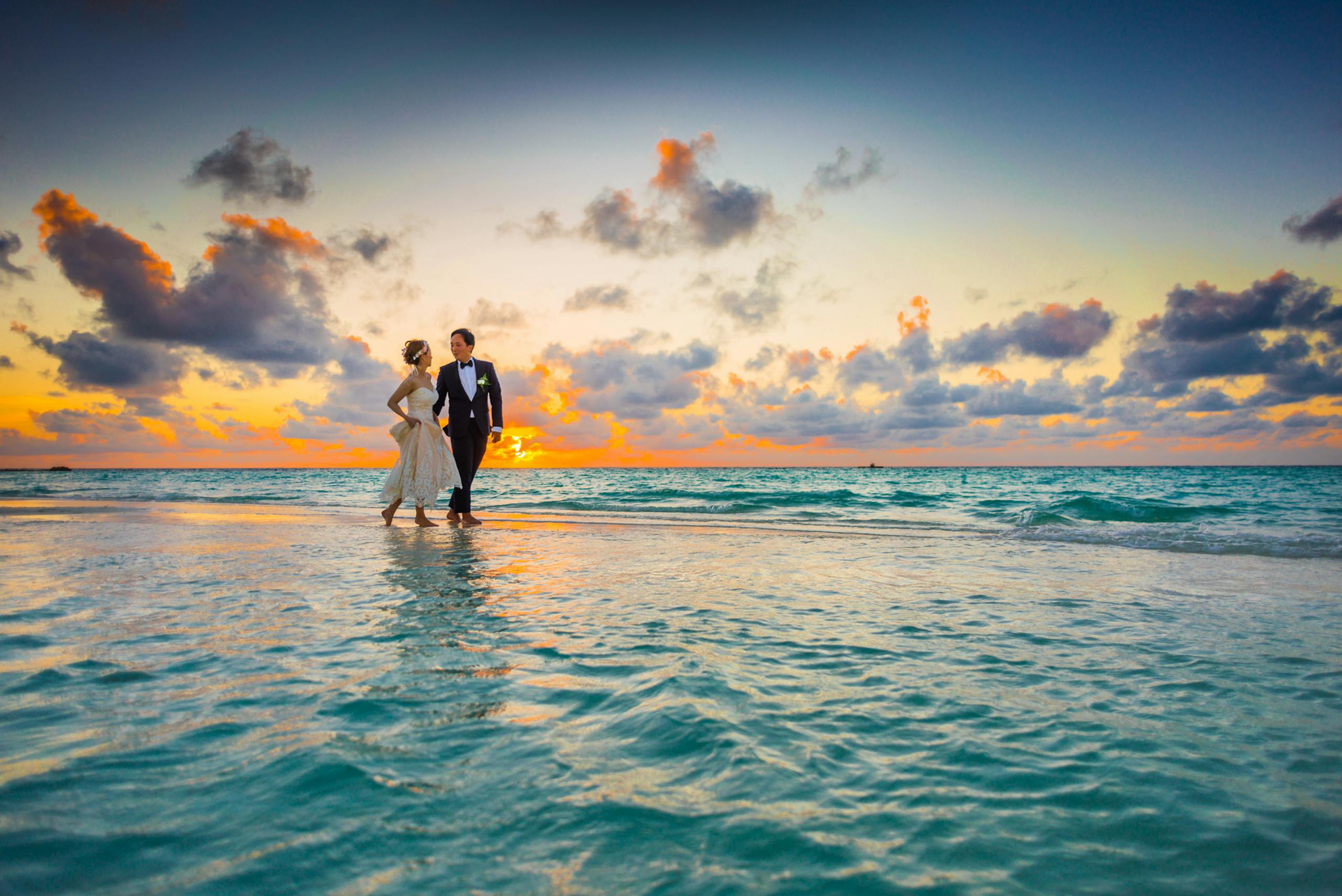
Some of the best vacation rentals in Myrtle Beach for solo travelers are tucked away from the strip, designed around privacy, water views, and the kind of quiet that actually lets your mind decompress. Oceanfront condos with private balconies, marsh-side cottages in Murrells Inlet, and low-density complexes north of the main drag give solo introverts exactly what they need: space to breathe, no forced interaction, and a home base that feels genuinely restorative rather than merely convenient.
Myrtle Beach has a reputation that might put introverts off entirely. The boardwalk, the water parks, the relentless neon. But spend a few days here and you start to notice something else: long stretches of beach where almost nobody goes, neighborhoods that feel like small coastal towns, and rental properties that sit quietly at the edges of all that noise. Solo travel here, done right, can be one of the more unexpectedly restorative choices you make.
Choosing a vacation rental as a solo introvert isn’t just a logistical decision. It’s part of a larger pattern of learning to design your life around what actually works for you. Our Life Transitions and Major Changes hub explores how introverts approach these kinds of deliberate choices, from career pivots to solo travel, and why getting the environment right matters more than most people realize.
Why Does the Rental Property Itself Change Everything?
After running advertising agencies for two decades, I spent more nights than I care to count in hotel rooms that felt like holding pens. Bland, loud through the walls, with a lobby engineered to push you into the bar. I’d come back from a full day of client presentations and have nowhere to actually recover. The room was just another performance space with a bed in it.
What’s your personality type?
Take our free 40-question assessment and get a detailed personality profile with dimension breakdowns, context analysis, and personalised insights.
Discover Your Type8-12 minutes · 40 questions · Free
Vacation rentals changed that calculus for me completely. When I started taking solo trips after a particularly grinding stretch of Fortune 500 pitches, I discovered that a private kitchen, a balcony with no neighbors in eyeline, and a front door I could close against the world was worth more than any hotel amenity package. The property itself became part of the restoration process, not just a place to sleep before the next round of stimulation.
For solo introverts, this distinction is fundamental. Hotels optimize for shared spaces and social infrastructure. Vacation rentals, when chosen carefully, optimize for privacy. That shift in design philosophy aligns with how introverted minds actually recover. Many introverts find that physical solitude isn’t a luxury, it’s the mechanism through which they process experience, consolidate memory, and return to themselves after extended exposure to the external world.
There’s also something about ownership of space, even temporary ownership, that matters psychologically. Cooking your own breakfast, choosing when to open the blinds, deciding whether the television ever turns on at all. These small acts of environmental control reduce the background noise of social obligation that follows introverts even into vacation. A hotel always implies other people. A good rental implies that for this week, this is yours.
Which Areas of Myrtle Beach Actually Offer Quiet?
Myrtle Beach spans a long stretch of South Carolina coastline, and the character of different neighborhoods varies enormously. Understanding the geography before you book is the difference between a restorative solo trip and a week of sensory overload.
The northern end of the Grand Strand, particularly the area around Barefoot Landing and into North Myrtle Beach, runs considerably quieter than the central strip. Rentals here tend to be in smaller complexes, often with wider gaps between units and more natural buffer zones. The beach itself is less crowded, and the commercial development thins out enough that you can walk for stretches without encountering much of anything except sand and water.
Murrells Inlet, about twenty minutes south of the main strip, is genuinely different in character. It’s a fishing village at its core, built around the marsh rather than the ocean, and the pace reflects that. Rentals here are often cottage-style, set back from the water with marsh views that reward slow mornings and quiet evenings. The Marshwalk has restaurants, but the area never reaches the density or noise level of central Myrtle Beach. For solo introverts who want access to the beach but want to sleep somewhere that doesn’t vibrate at night, Murrells Inlet is worth serious consideration.
Pawleys Island, further south still, has long attracted a quieter type of traveler. The island itself is narrow and low-key, with a no-frills coastal culture that actively resists overdevelopment. Rental houses here tend to be older, less polished, and entirely more comfortable for people who don’t need a resort experience. The beach is wide and the crowds are thin. If you’ve read anything about how sensitivity changes across a lifetime, you’ll recognize Pawleys Island as the kind of place that appeals more and more as you get older and care less about entertainment and more about genuine peace.

What Should You Actually Look for in a Rental Listing?
Reading vacation rental listings as an introvert requires a different filter than most booking guides suggest. The features that matter to you aren’t always the ones the host leads with.
Private outdoor space is non-negotiable. A balcony, a screened porch, a small yard, anything that gives you an outdoor option without requiring you to enter shared property. The ability to sit outside with coffee and watch the morning without encountering another human being is worth more than a pool or a fitness center. Look for listings that show the outdoor space clearly in photos and describe it specifically. Vague references to “ocean views” sometimes mean you’re looking at water through a shared corridor.
Floor placement matters more than most solo travelers consider. Ground floor units in beach complexes often mean foot traffic directly past your windows and doors. Higher floors in oceanfront buildings tend to be quieter, more private, and better buffered from the social activity of pool decks and beach access paths. A fourth-floor unit with a private balcony and an elevator is a fundamentally different experience from a ground-floor unit with a patio that faces the parking lot.
Unit configuration tells you a lot about noise exposure. End units in any building have one fewer shared wall. Standalone cottages have none. Buildings with fewer total units tend to have less corridor traffic and fewer shared-wall sound issues. When I’m evaluating a rental, I look at the building layout in satellite view before I book. How many units share my floor? Is there a stairwell or elevator directly adjacent? These details don’t appear in listing descriptions but they shape the entire experience.
Check-in and checkout processes also signal something about the overall rental experience. Properties with keypad entry, no required interaction with a host or property manager, and clear digital instructions tend to be managed by hosts who understand that guests want autonomy. Properties that require in-person check-in, a welcome tour, or a host who “loves to connect with guests” are sending a different signal entirely.
Reading reviews through an introvert’s lens is its own skill. Look for mentions of noise levels, neighbor proximity, and how often the host contacted guests during the stay. A five-star review that mentions “the host checked in every day to make sure we were happy” is a warning, not a recommendation. You want reviews that mention quiet, privacy, and the ease of being left alone.
How Do You Structure the Days to Actually Recover?
Booking the right rental is half the equation. Knowing how to use it is the other half.
One pattern I’ve found genuinely restorative on solo beach trips is what I think of as the early-window strategy. The Grand Strand beach is nearly empty before eight in the morning. The light is different, the temperature is lower, and you can walk for a mile without passing more than a handful of people. Spending an hour on the beach before the crowds arrive, then retreating to your rental for the middle of the day, then returning in the late afternoon as the families pack up, gives you substantial beach time with minimal social density. You experience the place on your own terms rather than on the schedule of everyone else.
Solo meals deserve deliberate planning. Myrtle Beach has dozens of restaurants, but many of them are loud, crowded, and designed around the experience of being seen. A few quieter options exist, particularly in Murrells Inlet and Pawleys Island, where smaller local restaurants operate at a pace that allows actual thinking. That said, one of the real advantages of a vacation rental is that you can cook most of your meals and treat restaurant visits as occasional excursions rather than daily obligations. A well-stocked kitchen, a farmers market run on the first morning, and the ability to eat when you’re actually hungry rather than when it’s socially expected changes the texture of a solo trip significantly.
Building in genuine unstructured time is something introverts often have to give themselves explicit permission to do. We’re wired toward planning and often fill vacation days with activities that look like the right use of time. But the most restorative solo trips I’ve taken have included long stretches of nothing in particular. Reading on the balcony. Watching the tide change. Sitting with a thought until it resolves into something useful. This is what making peace with solitude actually looks like in practice, not dramatic isolation, but the quiet confidence to let time pass without filling it.

What Does Solo Travel at Myrtle Beach Actually Teach You About Yourself?
There’s a particular kind of self-knowledge that only becomes available when you’re genuinely alone in an unfamiliar place with no social performance required. I noticed this clearly on a solo trip I took after selling my second agency. I’d been in performance mode for so long, client-facing, team-managing, always calibrating my presentation for whoever was in the room, that I’d genuinely lost track of what I actually thought about things. Not what I thought I should think, or what would land well in a meeting, but what I actually believed.
Three days into that trip, sitting on a balcony in North Myrtle Beach with no agenda and no one to report to, something in my thinking clarified. I started noticing my own preferences again. What I wanted to eat. When I wanted to sleep. Which thoughts were worth following and which ones were just noise I’d been carrying around because I’d never had the space to set them down. It was, in a quiet way, one of the more significant personal recalibrations of my adult life.
This kind of self-encounter isn’t incidental to solo travel for introverts. It’s often the whole point. The beach, the rental, the carefully chosen solitude, these are the conditions that allow a particular kind of internal conversation to happen. Many introverts find that they understand their own values, priorities, and desires more clearly after extended solitude than they do after any amount of social processing.
How your personality type shapes what you need from this kind of time is worth understanding before you go. Your MBTI type influences not just how much alone time you need, but what you do with it and what you’re trying to resolve. Thinking about how your type shapes major decisions can help you approach a solo trip with more clarity about what you’re actually seeking, and more confidence that what you find will be worth the investment.
As an INTJ, I process best when I have extended uninterrupted time to let my intuition work on problems that my conscious mind has been too busy to address. The beach provides an almost ideal backdrop for this, rhythmic, visually absorbing without being cognitively demanding, and large enough that you can be in it without feeling confined. Other types process differently. An INFP might be working through emotional material that needs quiet to surface. An INTP might be untangling a conceptual problem they haven’t had space to examine. The rental and the beach are the same, but what each person is doing in that solitude is their own.
Are There Specific Rental Types That Work Best for Solo Introverts?
Not all vacation rental formats serve solo introverts equally. Understanding the tradeoffs between different property types helps you make a choice that aligns with your actual needs rather than just your budget.
Oceanfront condos in mid-size buildings offer the best balance of privacy and convenience for most solo travelers. You get a private unit with a lockable door, typically a balcony with direct water views, and enough building infrastructure that you don’t feel isolated. The beach is immediately accessible without requiring a drive. The main risk is noise from neighboring units and hallway traffic, which is why floor placement and unit position within the building matter so much.
Standalone beach cottages offer maximum privacy but often require a short walk or drive to beach access. The tradeoff is usually worth it. No shared walls means no sound bleed from neighbors, no corridor traffic outside your door, and a sense of genuine territorial privacy that’s hard to replicate in any multi-unit building. Older cottage neighborhoods in Pawleys Island and some parts of Garden City Beach have a density and pace that suits extended solo stays particularly well.
Rooms within larger vacation homes, a format that’s become more common on Airbnb and similar platforms, are generally a poor fit for solo introverts. The shared kitchen, shared common areas, and potential for unexpected host or co-guest interaction undermine the very conditions that make solo travel restorative. Even if the price is attractive, the social architecture of a shared home works against you.
Some of the most interesting options for solo introverts at Myrtle Beach are the smaller boutique-style condos in complexes that were built before the resort development boom, older buildings with fewer units, simpler amenities, and a guest profile that skews toward people who actually want to be at the beach rather than people who want a beach-themed resort experience. These properties are harder to find on major booking platforms because they don’t photograph as dramatically as newer developments, but they often deliver exactly the kind of quiet that makes a solo trip genuinely valuable.

How Does Sensory Environment Shape the Quality of Your Rest?
Introverts and highly sensitive people often experience vacation environments with a level of sensory detail that other travelers simply don’t notice. The quality of light in the morning, the sound profile of the building at night, the smell of the air through an open window, these aren’t minor background details. They’re the actual texture of the experience.
Ocean sound is one of the more reliable sensory anchors for people who need help quieting mental activity. The rhythm is consistent enough to be calming without being monotonous, and it provides a kind of acoustic buffer against the irregular sounds that tend to spike cortisol: distant conversation, traffic, music from neighboring properties. Properties with direct ocean exposure, where you can actually hear the waves from inside the unit with windows closed, offer a meaningfully different sleep and rest quality than properties where the ocean is visible but not audible.
Light management matters more than most listing descriptions acknowledge. South-facing units in oceanfront buildings get strong afternoon sun that can make a balcony unusable for reading during peak hours. East-facing units catch the morning light and shade out earlier in the afternoon. Understanding the unit’s orientation before you book lets you plan your outdoor time around the light rather than against it.
Temperature control in older beach properties can be inconsistent. Central air conditioning in newer condos tends to be more reliable and quieter than window units in older cottages. If you’re a light sleeper, the difference between a quiet split-system and a rattling window unit at two in the morning is the difference between a restorative night and an exhausting one. It’s worth asking specifically about the cooling system before booking, particularly in older properties that might otherwise be ideal.
Highly sensitive travelers in particular might find it useful to think through the full sensory profile of a potential rental before committing. What does the path from parking to front door look like? Is there a pool or outdoor entertainment area that will generate noise in the evenings? Are there restaurants or bars within earshot? The relationship between sensory processing sensitivity and environmental stress is well-documented, and the practical implication for vacation planning is that environmental details that seem minor to most travelers can be genuinely significant to those with higher sensitivity thresholds.
What Does Booking Logistics Look Like When You Prefer Minimal Contact?
The booking and arrival process itself can be a source of low-grade anxiety for solo introverts who prefer to manage their own experience without a lot of interpersonal mediation. A few practical approaches make this smoother.
Platforms like VRBO and Airbnb both allow you to filter for properties with self-check-in, which means keypad or lockbox entry without a required host meeting. This is worth filtering for specifically. The difference between arriving at a rental and having a host waiting to give you a tour versus arriving to a keypad code and a digital welcome guide is significant for solo introverts who’ve been traveling all day and need to decompress, not perform.
Messaging a host before booking to ask specific questions about noise levels, neighboring units, and the check-in process also tells you something useful about what the experience will be like. A host who responds with detailed, direct answers is operating very differently from one who responds with enthusiasm and a lot of “we’d love to have you!” energy. Both might be perfectly good hosts. But the communication style predicts the interaction style you’ll have during the stay.
Booking directly through property management companies for larger condo complexes sometimes offers better flexibility on arrival and departure times, which matters for solo travelers who aren’t constrained by group schedules. It also typically means less personal host involvement, since you’re dealing with a management office rather than an individual owner who has emotional investment in your experience of their property.
Travel insurance for solo trips is worth considering not just for the obvious reasons but for the psychological benefit of knowing you can change your plans without significant financial penalty. Solo travelers don’t have the social accountability that keeps group travelers committed to itineraries. Sometimes the most restorative thing you can do is extend your stay by two days, or leave a day early because you’ve gotten what you came for. Having flexibility built into your booking gives you that option.
The broader question of how to structure solo time productively, without either filling it with noise or falling into the paralysis of too much unstructured space, connects to something I’ve written about in the context of professional development. The same skills that help introverts thrive in demanding work environments, self-awareness, deliberate boundary-setting, and the ability to design environments that support deep focus, apply directly to solo travel. If you’ve worked with students or young professionals handling these questions, the approach that deep listening advisors use to support sensitive students offers a useful framework for how introverts can learn to support their own needs with the same care they’d extend to someone else.

How Do You Know When a Solo Trip Has Actually Done Its Job?
There’s a specific quality of mind that emerges after a solo trip has genuinely worked. It’s not the absence of thought but a different relationship to your own thinking, less reactive, less crowded, more like you’re in the driver’s seat again rather than being carried along by the current of other people’s energy and demands.
I know a trip has done its job when I start having ideas again. Not the anxious, reactive problem-solving that fills the mental space during busy work periods, but the quieter, more generative kind of thinking that produces new directions rather than just better responses to existing pressures. On that post-agency trip I mentioned earlier, the ideas that came to me in the last two days became the foundation for what eventually became Ordinary Introvert. Not because I sat down to plan it, but because I’d finally been quiet long enough to hear what I actually wanted to do next.
Solo travel at its best is a form of internal maintenance. The same way a machine needs to be taken offline periodically for calibration and repair, introverts need extended periods of genuine solitude to recalibrate their internal compass. Myrtle Beach, approached deliberately and with the right rental as your base, can provide that. Not in spite of being a loud, busy tourist destination, but partly because of the contrast. The quiet you find at the edges of all that noise feels more complete because of what surrounds it.
The science behind why solitude produces this kind of cognitive restoration is genuinely interesting. Research on rest and cognitive recovery suggests that the brain continues processing and consolidating experience during unstructured downtime in ways that active, goal-directed activity doesn’t allow. For introverts who do a lot of internal processing, giving that process the time and space it needs isn’t indulgence. It’s maintenance.
What you bring back from a solo trip matters more than what you do while you’re there. The clarity, the reconnection with your own preferences, the sense of having been genuinely alone with yourself without it being uncomfortable, these are the outcomes that make the investment worthwhile. Choosing the right rental, in the right part of the beach, with the right balance of privacy and accessibility, is how you create the conditions for those outcomes. The rest takes care of itself.
If this kind of deliberate, environment-aware approach to solo travel resonates with you, it’s worth exploring the broader context of how introverts approach major life decisions and transitions. The Life Transitions and Major Changes hub gathers the full range of that thinking, from how introverts handle career changes to how solo travel fits into a larger pattern of intentional living.
Curious about your personality type?
Our free MBTI assessment goes beyond the four letters. Get a full breakdown of your scores, see how your type shows up at work and in relationships.
Take the Free Test8-12 minutes · 40 questions · Free
About the Author
Keith Lacy is an introvert who’s learned to embrace his true self later in life. After 20 years in advertising and marketing leadership, including running agencies and managing Fortune 500 accounts, Keith now channels his experience into helping fellow introverts understand their strengths and build fulfilling careers. As an INTJ, he brings analytical depth and authentic perspective to every article, drawing from both professional expertise and personal growth.
Frequently Asked Questions
What makes a vacation rental in Myrtle Beach good for solo introverts specifically?
The features that matter most are private outdoor space (a balcony or porch where you can be outside without entering shared property), self-check-in capability, end-unit or standalone placement to minimize shared-wall noise, and a location outside the central strip. Properties in North Myrtle Beach, Murrells Inlet, or Pawleys Island tend to offer quieter surroundings than central Myrtle Beach, and older smaller complexes often provide more genuine privacy than newer resort-style developments.
Is Myrtle Beach actually a good destination for solo introverts, given its reputation for crowds?
Yes, with the right approach. The central strip is genuinely loud and crowded, but the Grand Strand extends far beyond that area. The northern sections of North Myrtle Beach, the Murrells Inlet marshfront, and Pawleys Island all offer coastal experiences with significantly lower density. Timing also matters: early morning beach walks, midday retreats to your rental, and late afternoon returns when crowds thin out give you substantial beach access with minimal social exposure.
How do I avoid rentals where the host will be overly involved during my stay?
Filter specifically for self-check-in properties on booking platforms. Read reviews carefully for mentions of host contact frequency. Send a pre-booking message asking a specific question and notice how the host responds: detailed and direct responses suggest a host who respects guest autonomy, while enthusiastic but vague responses sometimes predict more frequent check-ins. Properties managed by management companies rather than individual owners tend to involve less personal host interaction by default.
What time of year works best for a solo introvert trip to Myrtle Beach?
Late spring (April through early June) and early fall (September through October) offer the best combination of good weather, lower crowds, and reasonable rental prices. Summer brings peak crowds and noise, particularly on weekends. Winter is genuinely quiet but some properties close seasonally and the beach experience is limited by temperature. The shoulder seasons give you the coastal environment at its most accessible without the sensory overload of peak tourist season.
How long should a solo trip be to actually feel restorative rather than just like a break?
Most introverts find that three to four days is the minimum for genuine restoration, with the first day largely spent decompressing from travel and transition. A full week allows for the deeper kind of quiet that produces real cognitive and emotional recalibration. Weekend trips can be pleasant but rarely provide enough uninterrupted solitude for the internal processing that makes solo travel genuinely valuable. If your schedule only allows a short trip, arriving on a Thursday and leaving on a Monday gives you the quieter midweek days for the most restorative experience.