White noise machines work by producing a consistent, steady sound that masks the unpredictable acoustic intrusions that fragment an introvert’s concentration and drain their mental energy. For people wired toward deep, internal processing, even minor sonic disruptions carry an outsized cognitive cost. The right white noise machine creates an acoustic buffer that lets your mind settle into the focused, restorative states where you do your best thinking.
My own relationship with sound and concentration goes back to my agency days, when I’d close my office door, put on a fan, and wonder why I still felt scattered while my extroverted colleagues seemed to thrive in the open-plan chaos just outside. It took me years to understand that I wasn’t being precious about noise. My brain was genuinely working harder to filter it out.
This guide covers everything you need to choose the right white noise machine, from sound types and volume ranges to portability and sleep features, with honest perspective on what actually matters for the introvert mind specifically.
Sound and sensory environment are just one piece of the larger picture of introvert wellbeing. Our General Introvert Life hub pulls together the full range of practical topics that affect how introverts move through their days, from managing energy and protecting focus to building environments that genuinely support the way we’re wired.
Why Do Introverts Have a Harder Time with Background Noise Than Others?
Not every person experiences noise the same way, and that difference isn’t imaginary. A 2021 study published in PubMed Central examining sensory sensitivity and cognitive processing found that individuals with higher baseline arousal levels, a characteristic commonly associated with introversion in Eysenck’s arousal theory, show stronger physiological responses to environmental stimulation. Put plainly, the introvert nervous system doesn’t filter background noise passively. It processes it.
What drains your social battery?
Not all social exhaustion is the same. Our free quiz identifies your specific drain pattern and gives you personalised recharging strategies.
Find Your Drain PatternUnder 2 minutes · 8 questions · Free and private
During my years running advertising agencies, I managed creative teams in open offices long before anyone was talking seriously about introvert-friendly design. I watched my copywriters and art directors, the ones doing the deepest conceptual work, constantly migrate to corners, conference rooms, and stairwells to think. Meanwhile, account managers and sales staff seemed to feed on the ambient energy. Same office, entirely different acoustic experience.
That pattern maps onto what we now understand about introversion and cognitive load. Unpredictable sound, specifically conversation fragments, sudden laughter, or phones ringing at irregular intervals, creates what researchers call “attentional capture.” Your brain involuntarily redirects processing resources toward the novel stimulus. For someone already working hard to maintain deep focus, that redirect is expensive.
White noise addresses this not by eliminating sound but by raising the acoustic floor. When the ambient sound level is consistent and non-meaningful, your brain’s threat-detection and novelty-processing systems have less reason to interrupt your concentration. The unpredictable peaks that trigger attentional capture get absorbed into the steady background.
This connects to something I’ve written about in the context of finding introvert peace in a noisy world: the solution isn’t always about achieving silence. Sometimes it’s about replacing chaotic, unpredictable sound with something your nervous system can safely ignore.

What Types of Sound Do White Noise Machines Actually Produce?
The term “white noise” gets used loosely to describe several distinct sound profiles, and the differences matter more than most buying guides acknowledge. Understanding what you’re actually choosing between will save you from buying something that sounds good in a product demo but grates on you after thirty minutes of real work.
True White Noise
True white noise contains equal energy across all audible frequencies simultaneously. The result is a harsh, static-like sound similar to an untuned radio or television. It’s highly effective at masking a broad range of intrusions, but many people find it fatiguing over extended periods. If you’ve ever sat next to an industrial HVAC system and felt simultaneously focused and slightly on edge, you’ve experienced something close to true white noise.
Pink Noise
Pink noise reduces the intensity of higher frequencies relative to lower ones, creating a softer, more balanced sound. Many people describe it as resembling steady rainfall or a waterfall heard from a moderate distance. A 2017 study referenced by Psychology Today in the context of cognitive restoration found that pink noise environments support deeper cognitive states more effectively than true white noise for sustained work. It tends to feel less abrasive during long focus sessions.
Brown Noise
Brown noise (sometimes called red noise) emphasizes low frequencies even more strongly, producing a deep, rumbling quality similar to heavy rain, ocean waves at close range, or a powerful river. Many introverts, especially those who find white noise too sharp and pink noise still too bright, gravitate toward brown noise for sustained concentration. It has a quality that some describe as physically grounding.
Nature Sounds and Fan Sounds
Many machines include nature-based options: rain, ocean, forest ambience, crickets, and variations on fan sounds. These can be excellent for sleep and relaxation but are less reliable for deep work because they contain rhythmic or melodic patterns that some brains track rather than ignore. A looping rain track with an audible restart point, for example, can become more distracting than the office noise you were trying to mask.
The practical takeaway: for focused work, pink or brown noise tends to outperform true white noise and nature loops. For sleep, the broader variety matters more, and personal preference becomes the primary guide.
Which White Noise Machines Are Worth Buying in 2025?
I’ve spent time with several machines across different price points and use cases. Rather than padding this section with machines I haven’t genuinely evaluated, I’m focusing on the ones that represent real value for the specific needs of people who depend on deep focus and acoustic comfort.
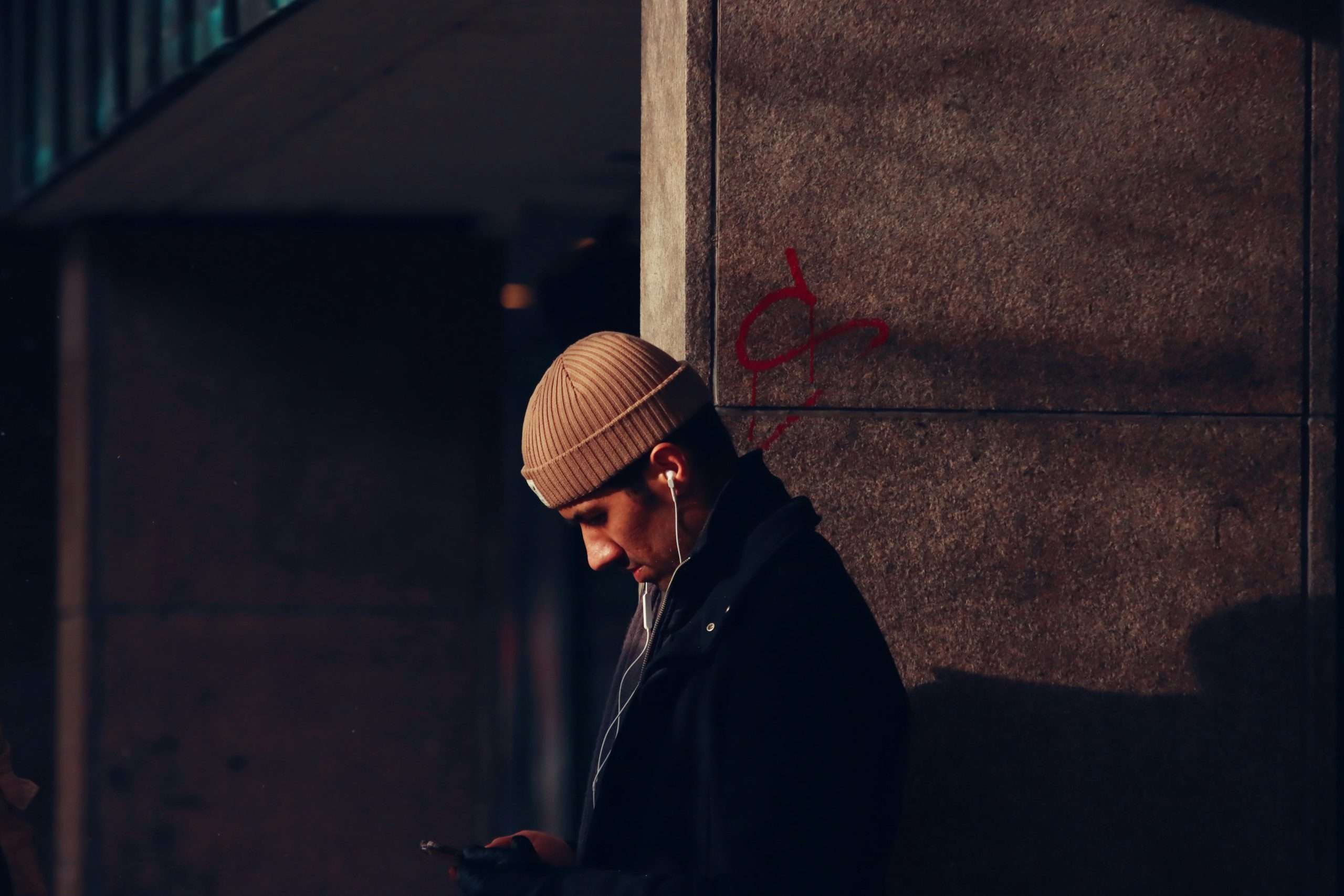
LectroFan Classic
The LectroFan Classic is the machine I recommend most often to people who want reliable, non-looping white noise for work. It produces ten fan sound variations and ten white, pink, and brown noise options, all generated electronically rather than played back from recordings. That means no audible loops, no restarts, no rhythmic patterns for your brain to track. The volume range is wide enough to cover open-plan office noise without needing to push it to uncomfortable levels. It’s compact, relatively affordable in the $50 to $60 range, and has been a consistent performer for years.
LectroFan Micro2
The portable version of the LectroFan family, the Micro2 runs on USB charging and fits in a jacket pocket. It covers white, pink, and brown noise plus ten fan variations, and includes a sleep timer. For introverts who work in varied locations, travel frequently, or want a machine that moves between home office and bedroom without friction, this is the most practical option at around $35. The sound quality doesn’t match the full-size unit at high volumes, but for personal use at desk distance it’s entirely adequate.
Marpac Dohm Classic
The Dohm is the machine that essentially created the white noise machine category, and it remains genuinely excellent for a specific use case: people who want fan sound without an actual fan. It uses a real mechanical fan inside a plastic housing, with adjustable vents to tune the tone and volume. The result is an organic, non-electronic fan sound that many people find more soothing than synthesized alternatives. It’s not ideal for masking loud environments because the volume ceiling is lower than electronic machines, but for home offices with moderate noise levels it’s warm and effective. Expect to pay around $45 to $55.
Yogasleep Hushh
Designed primarily for infants but genuinely useful for adults, the Hushh is a small, USB-rechargeable machine with three sound options: white noise, ocean surf, and a gentle fan sound. Its real advantage is the soft touch control and the ability to clip onto a bag or headboard. At around $30, it’s the most affordable quality option in this list. The sound quality is adequate rather than excellent, and the limited sound selection means it won’t suit everyone, but for travel or supplemental use it earns its place.
Adaptive Sound Technologies Sound+Sleep SE
The Sound+Sleep SE is the most sophisticated machine on this list, with an “Adaptive” feature that automatically adjusts volume in response to environmental noise levels. It includes a wide library of sound environments: rain, ocean, meadow, train, city, and pure noise options. The adaptive feature is genuinely useful in unpredictable environments, though some people find the automatic volume adjustments noticeable and slightly jarring. At around $100, it’s a premium purchase that makes sense for people who want maximum versatility and don’t mind the higher price point.
How Do You Match a White Noise Machine to Your Specific Introvert Needs?
Buying a white noise machine without thinking about your specific use case is how you end up with something that sits on a shelf after two weeks. The questions worth asking before you buy are more specific than most guides suggest.
Start with where you’ll use it most. A home office with moderate suburban noise needs a different machine than a shared apartment with thin walls, or a corporate office where you’re trying to create a personal acoustic zone. Volume ceiling matters enormously in louder environments. The Marpac Dohm, which I genuinely love for its organic sound quality, simply can’t compete with a loud open-plan office the way the LectroFan can.
Consider whether you need one machine or two. My own setup has a LectroFan Classic on my desk for work hours and a Marpac Dohm on my nightstand for sleep. They serve different functions, and the sound that helps me concentrate isn’t the same sound that helps me wind down. Many introverts benefit from this separation, both practically and psychologically, because it reinforces the distinction between work mode and recovery mode.
Think about whether portability matters. During my agency years, I worked across multiple offices, client sites, and occasionally hotel rooms during pitches and campaign launches. A portable machine would have changed those experiences significantly. The cognitive cost of adapting to a new acoustic environment on top of the social demands of client work was real and cumulative. If your work takes you to different locations regularly, the LectroFan Micro2 or Yogasleep Hushh deserves serious consideration.
Sound preference is genuinely individual and worth testing before committing. Many people discover their preference through elimination: true white noise feels too harsh, nature loops feel too variable, and brown noise becomes the surprising answer. If you can test sounds through a speaker or headphone app before buying a machine, do it. YouTube has hours of each noise type available for free.

Does White Noise Actually Improve Focus and Productivity for Introverts?
The evidence here is more nuanced than many product pages suggest, and I think the nuance is worth understanding. A 2010 study published in PubMed Central examining the effects of noise on cognitive performance found that moderate ambient sound, in the range of 70 decibels, enhanced creative cognition compared to both low-noise and high-noise conditions. That finding has been widely cited in productivity writing, sometimes in ways that oversimplify what it actually measured.
What the research consistently supports is that steady, non-meaningful background sound reduces the cognitive disruption caused by unpredictable intrusions. It’s less that white noise actively boosts performance and more that it prevents the repeated attentional captures that fragment deep work. For introverts specifically, whose cognitive style tends toward sustained, sequential processing rather than rapid context-switching, that prevention of fragmentation is significant.
A 2024 study in Frontiers in Psychology examining environmental factors in sustained attention found that individuals with higher sensory sensitivity showed measurably greater performance improvements in controlled acoustic environments compared to those with lower sensitivity baselines. That aligns with what many introverts report anecdotally: the benefit of a white noise machine isn’t subtle for them. It’s the difference between a productive morning and a frustrating one.
My own experience bears this out. During a particularly demanding pitch season at one of my agencies, I started bringing a portable fan to the office specifically for the sound. Colleagues thought it was an eccentricity. What it actually did was give me a reliable way to create a personal acoustic zone during the two hours before a presentation when I needed to think clearly rather than just appear busy. The work I did in those two hours was consistently better than what I produced in the ambient noise of the open office.
That said, white noise isn’t universally beneficial. Some people, including some introverts, find any continuous background sound distracting rather than helpful. If you’ve tried white noise through headphones or a speaker and found it irritating rather than calming, a machine isn’t likely to change that response. Silence, or near-silence, remains the right answer for some people.
What Features Matter Most When Comparing White Noise Machines?
Most buying guides in this space list every available feature as though they’re equally important. They’re not. Some features genuinely affect daily experience, and others are marketing additions that sound appealing in a product description but rarely get used.
Non-Looping Sound Generation
This is the feature that separates genuinely useful machines from frustrating ones. Machines that play recorded sound files will loop, and the moment your brain detects the loop point, it starts tracking it. Electronically generated noise (like the LectroFan series) never repeats because it’s produced in real time rather than played back. For sustained focus work, non-looping generation is worth paying for.
Volume Range and Ceiling
Maximum volume matters in louder environments. A machine that sounds adequate in a quiet room may be completely overwhelmed by open-plan office noise, street traffic, or a noisy household. Check the decibel specifications when available, and read user reviews specifically from people who mention using the machine in noisy environments.
Timer Functionality
Sleep timers are genuinely useful for bedtime use and less relevant for work. If you’re buying primarily for sleep, a 30-to-90-minute timer range covers most needs. If you’re buying for work, you’ll likely want the machine running continuously and a timer becomes irrelevant.
Power Source and Portability
Plug-in machines offer unlimited runtime but restrict placement. USB-rechargeable machines offer flexibility but require remembering to charge them. For a fixed home office setup, plug-in is simpler. For travel or varied locations, rechargeable is worth the trade-off.
App Connectivity
Several newer machines offer Bluetooth app control. In practice, most people set their preferred sound and volume once and leave it. App connectivity adds cost and complexity without meaningfully improving the core function. It’s a feature worth ignoring unless you have a specific reason to want remote control.
How Does Sound Management Connect to the Broader Introvert Experience?
A white noise machine is a practical tool, but it sits within a larger context that’s worth naming. Introverts have spent decades being told, implicitly and explicitly, that their need for quieter, more controlled environments is a preference to be accommodated rather than a legitimate cognitive requirement. The framing matters because it affects whether we actually invest in the tools and environments that support how we work best.
That framing also shows up in professional settings in ways that carry real consequences. As I’ve written about in the context of introvert discrimination in the workplace, the assumption that open, noisy, collaborative environments are universally productive reflects a bias toward extroverted working styles that disadvantages introverts in measurable ways. Choosing to invest in acoustic management isn’t fussiness. It’s a reasonable response to environments that weren’t designed with your cognitive style in mind.
There’s also something worth saying about the relationship between sound environment and the kind of thinking that introverts do best. The deep, systematic, pattern-recognition thinking that characterizes introvert cognition at its strongest requires sustained attention. That’s exactly what unpredictable noise disrupts most effectively. Protecting your acoustic environment isn’t a luxury. It’s what makes your actual strengths accessible.
Consider the fictional introverts who’ve become cultural touchstones precisely because of their capacity for deep, focused thinking. As I explored in a piece on famous fictional introverts like Batman, Hermione, and Sherlock, what makes these characters compelling isn’t their social style. It’s the quality of thought they produce when given the conditions to think. Real introverts need real conditions, and acoustic environment is a significant part of that.

Are There Situations Where a White Noise Machine Isn’t the Right Solution?
Honest answer: yes, and recognizing those situations saves money and frustration.
White noise machines work by masking unpredictable sound with consistent sound. They’re less effective against very loud intrusions, like construction noise or heavy traffic, where the masking sound would need to reach uncomfortable volumes to be effective. In those situations, noise-canceling headphones address the problem more directly, either alone or in combination with a machine.
They’re also not the right tool if your real problem is emotional rather than acoustic. Sometimes what feels like sensitivity to noise is actually a response to feeling overstimulated or depleted by social demands. A white noise machine running in the background doesn’t address that underlying energy drain. That requires the kind of deliberate recharging practices that go deeper than environmental management.
It’s also worth noting that some introverts accidentally use environmental tools as a way of avoiding the harder work of addressing situations that actually need changing. If you’re in a work environment that’s genuinely incompatible with how you function best, a white noise machine is a coping mechanism, not a solution. The solution involves either changing the environment, as I eventually did by redesigning how my agencies handled creative work, or being honest with yourself about whether the environment can change at all. That connects to a pattern I’ve seen repeatedly: introverts who invest in every possible coping tool while avoiding the more direct action of advocating for what they actually need. It’s one of the ways we sometimes get in our own way, and it’s worth naming honestly alongside the other ways introverts sabotage their own success.
How Do White Noise Machines Fit Into a Larger Introvert Workspace Setup?
The most effective introvert workspaces I’ve seen, and the one I’ve built for myself over years of iteration, treat acoustic management as one element within a coherent environmental strategy. A white noise machine running in a space that’s otherwise chaotic, visually cluttered, and poorly lit provides partial benefit at best.
Sound, light, temperature, visual complexity, and spatial arrangement all interact. Introverts tend to be sensitive across multiple sensory channels simultaneously, not just auditory. A space that handles sound well but assaults you with visual clutter or harsh overhead lighting still creates cognitive load that works against deep focus.
The practical approach is to audit your space across dimensions rather than solving for one at a time. Where is the noise coming from, and what type is it? Is the lighting comfortable for sustained work? Does the visual field include unnecessary complexity that pulls attention? Are there temperature or airflow issues that create physical discomfort? A white noise machine addresses the acoustic dimension effectively. The other dimensions need their own solutions.
Technology has also opened up new options worth considering alongside traditional white noise machines. AI-powered sound environments and adaptive noise tools are evolving quickly, and as I explored in a piece on AI and introversion, these tools may offer increasingly personalized acoustic solutions that adapt to individual sensitivity profiles in ways that static machines can’t. That’s still emerging territory, but it’s worth watching.
For now, the combination of a quality white noise machine, thoughtful spatial arrangement, and honest attention to your own sensory patterns remains the most reliable foundation. Start with the machine, pay attention to what changes, and build from there.
One more thing worth mentioning: the introvert characters who resonate most deeply in film and fiction tend to be defined by their capacity to create conditions for clear thinking even under pressure. As explored in the piece on introvert movie heroes, what separates these characters isn’t just their inner world. It’s their ability to protect access to it. Building an acoustic environment that supports your thinking is exactly that kind of protection.

What Budget Should You Set for a White Noise Machine?
The honest range for a machine worth buying runs from about $30 to $100. Below $30, you’re generally getting machines with audible loops, limited volume range, and build quality that won’t hold up to daily use. Above $100, you’re paying primarily for smart features and expanded sound libraries that don’t meaningfully improve core performance for most people.
The sweet spot for most introverts is $45 to $65. The LectroFan Classic and Marpac Dohm both live in that range and represent the best combination of sound quality, reliability, and value available. If portability matters, the LectroFan Micro2 at around $35 is a genuine exception to the “you get what you pay for” rule in this category.
Buying two machines, one for your desk and one for your bedroom, at the $45 to $55 price point each is a better investment than spending $100 or more on a single premium machine. The acoustic environments where you work and where you sleep serve different functions, and a machine optimized for one isn’t always ideal for the other.
Finally, consider the cost in comparison to what you’re protecting. My agency years taught me that the value of two genuinely focused hours outweighs the value of six fragmented ones, every time. A $50 machine that reliably delivers those focused hours pays for itself in a week. Frame the purchase that way, and the decision becomes straightforward.
There’s more to explore across the full spectrum of introvert lifestyle topics. Find additional perspectives and practical resources in our complete General Introvert Life Hub.
Running on empty?
Five drain profiles, each with specific triggers, warning signs, and a recharging playbook. Works for introverts, ambiverts, and extroverts.
Take the Free QuizUnder 2 minutes · 8 questions · Free and private
About the Author
Keith Lacy is an introvert who’s learned to embrace his true self later in life. After 20 years in advertising and marketing leadership, including running agencies and managing Fortune 500 accounts, Keith now channels his experience into helping fellow introverts understand their strengths and build fulfilling careers. As an INTJ, he brings analytical depth and authentic perspective to every article, drawing from both professional expertise and personal growth.
Frequently Asked Questions
Do white noise machines actually help introverts focus better?
Yes, for most introverts, white noise machines provide measurable benefit by reducing the attentional disruptions caused by unpredictable background noise. Because introverts tend toward sustained, sequential cognitive processing, the repeated interruptions caused by irregular ambient sound carry a higher cost for them than for people who context-switch more easily. A steady, non-meaningful background sound raises the acoustic floor and reduces how often your brain gets pulled away from deep work. A 2024 study in Frontiers in Psychology found that individuals with higher sensory sensitivity showed greater performance improvements in controlled acoustic environments compared to those with lower sensitivity baselines.
What is the difference between white noise, pink noise, and brown noise?
White noise contains equal energy across all audible frequencies simultaneously, producing a harsh, static-like sound. Pink noise reduces the intensity of higher frequencies, creating a softer, more balanced sound often compared to steady rainfall. Brown noise emphasizes low frequencies even more strongly, producing a deep, rumbling quality similar to heavy rain or ocean waves at close range. For sustained focus work, most people find pink or brown noise less fatiguing than true white noise. For sleep, personal preference across all three types is the primary guide.
Which white noise machine is best for a home office?
The LectroFan Classic is the strongest choice for most home office situations. It generates sound electronically rather than playing recorded loops, which means it never repeats in a way your brain can track. It covers ten fan sound variations and ten white, pink, and brown noise options, with a volume range wide enough to handle moderate to significant background noise. At around $50 to $60, it represents the best combination of performance and value in its category. The Marpac Dohm Classic is an excellent alternative for quieter environments where its organic fan sound is preferred over electronic noise.
Can I use the same white noise machine for both work and sleep?
You can, but using separate machines for work and sleep tends to produce better results. The sound that supports deep focus work, typically a consistent pink or brown noise at moderate volume, isn’t always the same sound that helps you wind down for sleep. Many people prefer lower volumes and softer sound profiles at bedtime. Beyond the acoustic difference, having separate machines reinforces the psychological distinction between work mode and recovery mode, which matters for introverts who need that boundary to recharge effectively. Two machines in the $45 to $55 range each is generally a better investment than one premium machine used for both purposes.
Are white noise machines worth buying if I already have noise-canceling headphones?
Yes, they serve different functions and work well together. Noise-canceling headphones are more effective against very loud or low-frequency intrusions, like construction noise or heavy traffic, and they create a personal acoustic zone wherever you are. White noise machines create an ambient acoustic environment in a space without requiring you to wear anything. For extended work sessions, many introverts find wearing headphones for several hours physically uncomfortable or mentally isolating in ways that a room-level machine doesn’t create. A machine at your desk combined with headphones for especially demanding situations covers more ground than either tool alone.