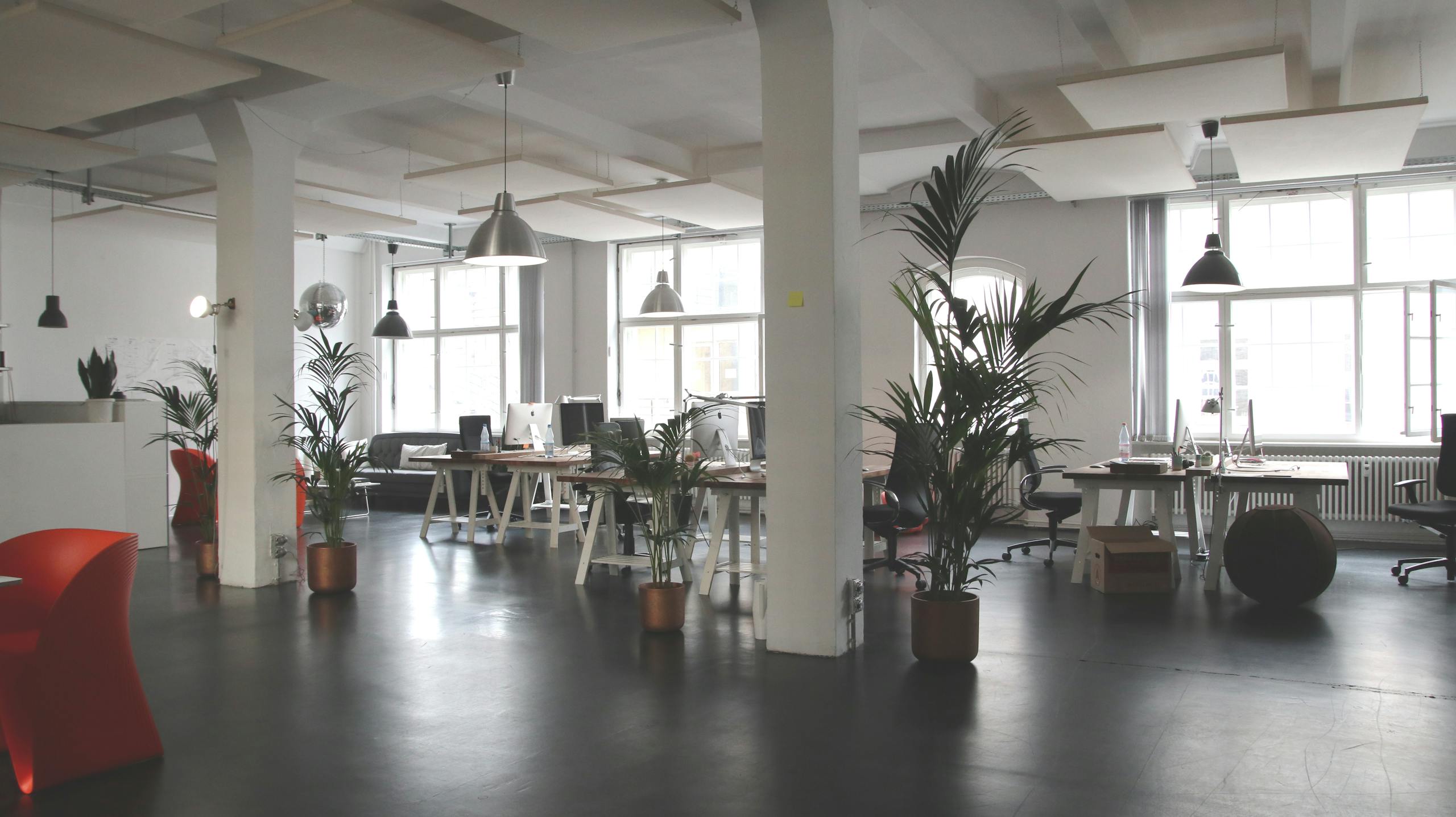

The best workspaces for introverts and extroverts aren’t built around one personality type winning out over the other. They’re designed with enough variety that both can do their best thinking, whether that means a quiet corner for deep focus or an open area where ideas bounce freely between people.
After more than two decades running advertising agencies, I watched this tension play out in real time. My extroverted account directors wanted glass walls and open floors. My introverted strategists and copywriters needed somewhere they could actually think. Getting the space right wasn’t just an interior design decision. It shaped who stayed, who burned out, and who did their best work.
Much of what I’ve learned about introvert and extrovert dynamics in the workplace connects directly to how these personalities show up in relationships more broadly. Our Introvert Dating and Attraction hub covers the full range of how introverts connect with others, and those same patterns around energy, communication, and space show up just as clearly at work as they do in romantic partnerships.
Why Does Workspace Design Even Matter for Personality Type?
Most people think workspace design is about aesthetics or productivity metrics. Open offices became fashionable because they signaled collaboration and transparency. But the reality of how people actually process information and recharge their energy tells a more complicated story.
What’s your personality type?
Take our free 40-question assessment and get a detailed personality profile with dimension breakdowns, context analysis, and personalised insights.
Discover Your Type8-12 minutes · 40 questions · Free
Introverts, broadly speaking, do their best thinking in lower-stimulation environments. That doesn’t mean silence at all times, but it does mean that constant background noise, interruptions, and social pressure to be “on” drain cognitive resources faster. Extroverts, by contrast, tend to generate energy from interaction. They think out loud, build ideas in conversation, and can find quiet isolation demotivating over time.
As an INTJ, I fall squarely in the camp of needing real solitude to produce my best strategic thinking. I remember redesigning our agency’s Chicago office in 2009. We’d just moved to a bigger space and I had the chance to build the floor plan from scratch. My instinct was to create what I personally needed: private offices, quiet zones, walls. My head of account services, a classic extrovert who’d worked in broadcast media, nearly had a breakdown when she saw the initial layout. “Where are we supposed to connect?” she asked. She wasn’t being dramatic. For her, the physical space was how the culture communicated itself.
That conversation changed how I thought about office design entirely. What we built together ended up being far more functional than what either of us would have created alone.
What Are the Core Workspace Elements That Serve Both Types?
The most effective mixed-personality workspaces share a few structural principles. They don’t force everyone into one mode. They create genuine options, not token gestures.
Dedicated Quiet Zones
Every office that wants to retain introverted talent needs spaces where sustained focus is genuinely protected. Not a glass-walled conference room that’s always booked. Not a corner of the open floor with a “quiet zone” sign that nobody respects. Actual rooms or alcoves where the social contract is clear: you come here to think, not to chat.
In our best agency layout, we had what we called “the library.” It was a small room, maybe eight seats, with a rule that no phone calls and no conversations above a murmur were permitted. It became the most popular room in the building. Introverts loved it for obvious reasons. What surprised me was how many extroverts used it too, specifically when they had a deadline and needed to actually finish something rather than talk about it.
Open Collaboration Areas
Extroverts need spaces that encourage spontaneous interaction, and those spaces should be genuinely inviting rather than an afterthought. Comfortable seating, writable walls, good acoustics for conversation, and proximity to the kitchen or coffee station all signal that this is a place where energy flows freely.
The mistake many offices make is treating the entire floor as a collaboration zone. That doesn’t serve extroverts well either, because it means there’s no dedicated place that feels socially alive. When everything is the same, nothing stands out as a gathering point.
Bookable Private Spaces
Phone booths, small pods, and single-person focus rooms give introverts a refuge during high-stimulation days without requiring them to leave the building entirely. They also give extroverts a place for sensitive calls or conversations that require actual privacy. what matters is that these spaces are genuinely available, not perpetually occupied by managers holding informal one-on-ones.

How Does Energy Management Factor Into Workspace Needs?
One of the most useful frameworks I’ve found for thinking about workspace design is energy, not just productivity. Where you sit and how your environment is structured either replenishes your energy or depletes it, and that equation looks different depending on where you fall on the introvert-extrovert spectrum.
Many people assume that introverts are simply shy or antisocial. That misses the actual mechanism. The distinction is about where mental and emotional energy comes from and where it goes. Healthline’s overview of introversion, extroversion, and ambiversion describes the core difference clearly: introverts tend to feel drained by extended social interaction and restored by solitude, while extroverts experience the opposite pattern.
What this means practically is that an introvert who spends six hours in an open office surrounded by noise and interruption arrives at their deep-focus work already depleted. They’re not being difficult when they seem withdrawn or slow to respond. They’re running on empty. The workspace itself is the problem.
I experienced this personally during a period when we were between offices and working out of a co-working space. Hot desks, constant background noise, people coming and going. My extroverted colleagues thrived. I was exhausted by noon every day. My strategic output, the work I was actually hired to do well, suffered noticeably. It took me longer than I’d like to admit to recognize that the environment was the variable, not my work ethic.
Understanding how introverts manage emotional energy in relationships follows a similar logic. The patterns I’ve written about in how introverts fall in love and the relationship patterns that follow apply at work too: introverts invest deeply but need recovery time, and the environment either supports that or fights against it.
What Role Does Sensory Sensitivity Play in Office Design?
Not all introverts are highly sensitive people, but there’s meaningful overlap between introversion and heightened sensory sensitivity. For those who experience both, workspace design becomes even more significant. Fluorescent lighting, open-plan noise, strong scents from the kitchen, constant visual movement, all of these register at a higher intensity and consume more cognitive bandwidth.
Highly sensitive people in the workplace often appear to be struggling with performance when the real issue is environmental overload. Research published in PubMed Central on sensory processing sensitivity points to how this trait affects information processing across contexts, including professional environments.
Workspaces that accommodate sensory sensitivity don’t need to be radically different from standard offices. Adjustable lighting options, acoustic panels that reduce echo, designated scent-free areas, and the availability of noise-canceling headphones as a standard equipment option can make a significant difference. These accommodations cost relatively little and benefit a broader range of employees than just those who identify as introverted.
If you’re managing someone who seems to struggle with open environments, it’s worth reading about HSP relationships and how sensitivity shapes connection. The same dynamics that affect romantic partnerships for highly sensitive people show up in professional relationships and team dynamics.

How Should Meeting Spaces Be Designed for Mixed Personality Teams?
Meetings are where the introvert-extrovert tension becomes most visible. Extroverts often do their best thinking in the meeting itself, talking through ideas as they form. Introverts typically arrive with their thinking already done and find it difficult to contribute in real time when the room is moving fast and dominated by louder voices.
The physical design of meeting rooms can either exacerbate this gap or reduce it. Round tables, where no seat carries a power position, tend to produce more balanced participation than rectangular configurations where one end dominates. Smaller rooms encourage more equitable conversation than large boardrooms where only the most confident voices project effectively.
I ran a creative review process at one of my agencies that accidentally solved this problem. We’d started sending a brief agenda with specific questions 24 hours before any strategy meeting, originally just to save time. What I noticed was that my quieter team members, the ones who rarely spoke up in meetings, started contributing at the same level as my most vocal extroverts. The advance notice gave them time to process and arrive with formed thoughts. The meeting room itself hadn’t changed, but the process around it had made the space work for everyone.
Written input channels matter here too. Whiteboards and digital collaboration tools that let people contribute asynchronously before or after a meeting extend the conversation into a medium that suits introverts better than real-time verbal sparring.
The way introverts communicate their ideas and feelings is worth understanding at a deeper level. Their approach to expressing what matters to them, whether at work or in personal life, is shaped by the same underlying wiring. How introverts show affection through their love language offers a window into that communication style that translates directly into professional contexts.
What About Remote and Hybrid Work Arrangements?
Remote work changed the workspace equation significantly. For many introverts, working from home provided the first professional environment that genuinely fit their cognitive style. No open-plan noise, no unexpected interruptions, no social pressure to perform extroversion throughout the day. Many introverted professionals I’ve spoken with describe their productivity increasing substantially when they moved to remote arrangements.
Extroverts often experienced the opposite. The isolation of remote work removed the social energy that fueled their performance. Video calls partially compensated, but the spontaneous connection of physical proximity was gone.
Hybrid models, when designed thoughtfully, can genuinely serve both personality types. The challenge is that many hybrid arrangements weren’t designed at all. They emerged from compromise and uncertainty rather than intentional structure. Introverts ended up on video calls all day anyway, while extroverts came into offices that were too empty to generate the social energy they needed.
A hybrid model that works for mixed teams tends to designate specific days for collaborative work and specific days for independent work, rather than leaving it entirely to individual preference. This creates predictability. Introverts can mentally prepare for high-social days and protect their recovery time. Extroverts know when they’ll have the in-person energy they need.
Research from PubMed Central on workplace wellbeing and personality supports the idea that autonomy over one’s work environment is a meaningful factor in employee satisfaction and performance, regardless of personality type. The ability to choose when and where to work matters to everyone, even if the preferred choices differ.

How Can Leaders Create Psychological Safety Alongside Physical Space?
Physical workspace design matters, but it’s only half the picture. The cultural environment inside those walls shapes whether introverts and extroverts can both thrive.
Psychological safety, the sense that you can contribute without fear of judgment or dismissal, affects introverts and extroverts differently. Extroverts often create psychological safety through their willingness to speak openly and absorb social risk in groups. Introverts can struggle to establish it because their quieter presence gets misread as disengagement or lack of confidence.
As a leader, one of the most useful things I did was make my own introversion explicit. Once I started naming it openly, saying things like “I think better when I have time to process, so let me come back to you tomorrow,” something shifted in how my team related to me. My introverted employees, particularly those who’d been trying to mask their natural style, started doing the same. The cultural permission to be quiet, to think before speaking, to need solitude, became part of how the agency operated.
My extroverted team members didn’t lose anything in that shift. What changed was that the introvert-extrovert dynamic became a visible, named part of how we worked together rather than an invisible source of friction. Extroverts got better at flagging when they needed live conversation. Introverts got better at communicating when they needed space. The physical workspace worked because the cultural workspace supported it.
Conflict within mixed-personality teams often traces back to unspoken differences in how people process stress and disagreement. The same patterns that create friction in personal relationships between introverts and extroverts show up at work. Working through conflict peacefully, especially for highly sensitive people, is a skill that translates directly to team dynamics and leadership.
What Specific Workspace Features Make the Biggest Difference?
Pulling together everything I’ve observed across two decades of agency environments, certain specific features consistently make workspaces more functional for mixed personality teams.
Acoustic Design
Sound is the single most impactful variable for introverts in open environments. Acoustic panels, carpeting over hard floors, sound-absorbing ceiling tiles, and strategic placement of loud activities (kitchens, printer stations, phone areas) away from focus zones can transform a space without changing its fundamental layout. This isn’t just about comfort. Cognitive performance on complex tasks drops measurably in high-noise environments, which affects everyone but hits introverts harder.
Lighting Control
Adjustable lighting, particularly the option to reduce harsh overhead fluorescents in favor of warmer, lower-intensity alternatives, benefits sensitive employees significantly. Natural light is ideal where possible. Glare-free screens and the ability to adjust brightness at individual workstations are low-cost accommodations with real impact.
Clear Zone Signage and Social Norms
Physical zones only work if the social norms around them are enforced. A quiet zone that becomes a casual conversation area within a month is worse than no quiet zone, because it creates false hope and then disappointment. Leaders need to model the behavior they want and address violations directly rather than hoping people will self-regulate.
Variety in Seating and Posture Options
Standing desks, lounge seating, traditional desk configurations, and informal café-style areas give people genuine options for how they work through the day. Introverts often benefit from the ability to shift their physical position when transitioning between tasks. Extroverts tend to gravitate toward seating that puts them in visual contact with others.
Understanding how different personality types approach connection at work connects naturally to how they approach it in personal life. The patterns that emerge when introverts process feelings in relationships mirror the way they process information and connection in professional settings: carefully, deeply, and on their own timeline.
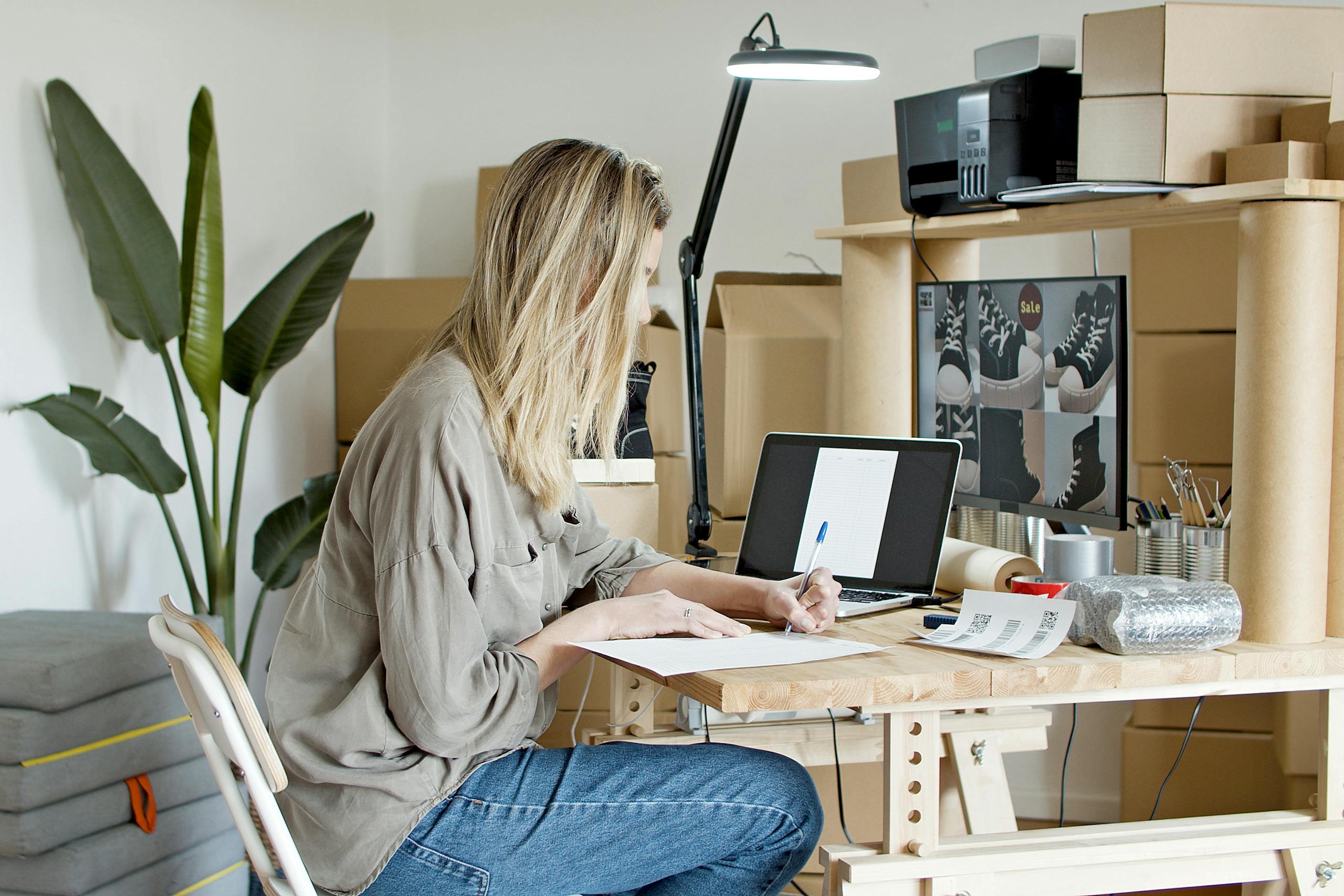
What Can Introverts Do When the Workspace Isn’t Ideal?
Not everyone has the authority to redesign their office. Many introverts work in environments that weren’t built with them in mind and can’t be easily changed. There are still practical strategies that help.
Noise-canceling headphones are the most commonly cited tool, and for good reason. They create a personal acoustic boundary that signals unavailability while reducing the cognitive load of background noise. Some introverts find that instrumental music or ambient sound through headphones actually helps focus by providing a consistent, controllable audio environment rather than unpredictable office noise.
Scheduling matters as much as physical space. If you have any control over your calendar, protecting your most cognitively demanding work for times when the office is quieter, early morning, late afternoon, or specific days when fewer people are in, can compensate for an imperfect environment.
Communicating your needs directly, without apology or excessive explanation, is something many introverts find difficult but necessary. Saying “I work best when I have uninterrupted time in the morning, so I try to keep that clear for deep work” is a professional statement, not a complaint. Most managers respond better to clear communication about how someone works than to the visible signs of someone struggling silently.
Psychology Today’s writing on deep listening in personal relationships touches on something that applies at work too: the capacity for genuine attention and careful processing that introverts bring is an asset in any environment, even when the environment doesn’t make it easy.
Introverts in relationships, whether at work or at home, tend to show their investment through consistency and depth rather than volume and visibility. When two introverts build a relationship together, those shared patterns create a particular kind of dynamic that has its own strengths and challenges, much like a team of introverted colleagues working through problems together.
For those interested in the broader science of personality and how traits like introversion and sensitivity interact, this Springer article on personality sensitivity and wellbeing offers a useful academic lens on the underlying mechanisms.
The INTJ perspective I bring to workspace design is shaped by years of watching what actually works rather than what sounds good in theory. Truity’s overview of INTJ relationships and communication patterns captures some of the core wiring that shapes how I approach both design and leadership: systems-oriented, preference for depth over breadth, and a genuine need for environments that support independent thinking.
What I’ve found consistently is that workspaces designed for everyone, not just the loudest voices in the room, tend to produce better outcomes across the board. Extroverts don’t lose anything when introverts have what they need. They gain colleagues who are doing their best work instead of managing their environment.
If you want to explore more about how introvert personality traits shape connection, communication, and attraction in all kinds of relationships, the full Introvert Dating and Attraction hub is a good place to continue.
About the Author
Keith Lacy is an introvert who’s learned to embrace his true self later in life. After 20 years in advertising and marketing leadership, including running agencies and managing Fortune 500 accounts, Keith now channels his experience into helping fellow introverts understand their strengths and build fulfilling careers. As an INTJ, he brings analytical depth and authentic perspective to every article, drawing from both professional expertise and personal growth.
Frequently Asked Questions
What is the best workspace setup for introverts?
The best workspace for introverts offers genuine options for solitude and reduced stimulation. Dedicated quiet zones, private focus rooms, and acoustic design that limits background noise all support the kind of sustained, deep thinking that introverts do best. The ability to control one’s environment, whether through adjustable lighting, noise-canceling tools, or schedule flexibility, matters more than any single design feature.
Can introverts and extroverts work well together in the same office?
Yes, and the best teams often include both. The challenge is designing the environment and culture to accommodate both energy styles rather than defaulting to one. Offices with a range of spaces, from quiet focus areas to lively collaboration zones, allow each personality type to work in the mode that suits them. Cultural norms that make it acceptable to name your needs openly tend to reduce friction between introverts and extroverts on the same team.
Why do introverts struggle in open-plan offices?
Open-plan offices expose introverts to continuous sensory input and social pressure that depletes cognitive energy. Constant background noise, visual movement, and the expectation of availability consume mental bandwidth that introverts need for deep work. It’s not that introverts can’t function in open environments. It’s that doing so costs them significantly more than it costs extroverts, which affects both performance and wellbeing over time.
How does hybrid work affect introverts and extroverts differently?
Many introverts find remote or hybrid work genuinely freeing because it gives them control over their environment and reduces the social overhead of a full office day. Extroverts often find remote arrangements isolating and struggle with the loss of spontaneous social energy. Hybrid models work best when they’re structured with designated collaborative days and independent work days, giving both personality types predictability and the conditions they need to perform well.
What can introverts do if their workplace isn’t designed for them?
Practical strategies include using noise-canceling headphones to create a personal acoustic boundary, scheduling deep-focus work during quieter periods of the day, and communicating clearly with managers about working preferences. Seeking out any available private or semi-private spaces for high-concentration tasks, even temporarily, can make a significant difference. Naming your introversion openly, rather than working around it silently, often leads to better accommodations and reduces the energy cost of masking.