I spent fifteen years climbing the corporate ladder in major metropolitan areas, working with Fortune 500 brands in bustling agency environments where the pace never slowed and the stimulation never stopped. Back then, I believed city living was simply the price of professional success. Every introvert who wanted to build something meaningful had to endure the constant noise, the crowded commutes, and the relentless social demands of urban professional life.
Then I moved to a smaller community, and everything I thought I knew about where introverts should live got turned upside down.
The big city versus small town debate hits differently when you’re wired for depth and internal reflection. What works brilliantly for extroverted colleagues who thrive on constant interaction might slowly drain the life out of someone who needs quiet to function at their best. After experiencing both extremes and plenty of places in between, I’ve learned that this decision goes far beyond simple preference. It shapes your daily energy levels, your career trajectory, your relationships, and ultimately your sense of fulfillment.

The Stimulation Factor That Changes Everything
Living in a major city means processing an enormous amount of sensory information every single day. The construction noise outside your window, the crowded subway platforms, the constant stream of strangers, the bright lights and loud conversations at every restaurant. For someone whose nervous system already processes environmental input more deeply than average, this constant bombardment takes a genuine toll.
What’s your personality type?
Take our free 40-question assessment and get a detailed personality profile with dimension breakdowns, context analysis, and personalised insights.
Discover Your Type8-12 minutes · 40 questions · Free
I remember my years working in a downtown high-rise, managing client accounts and leading creative teams while fighting against chronic exhaustion that had nothing to do with sleep. My brain was simply working overtime processing all the stimulation that surrounded me from the moment I stepped outside until I finally closed my apartment door at night. Understanding how to effectively manage your energy as an introvert becomes essential when your environment constantly works against your natural wiring.
Research published in the Journal of Personality examined rural-urban differences in personality traits and psychological well-being, finding that Americans living in more rural areas showed different patterns in neuroticism and overall psychological health compared to their urban counterparts. The findings suggest that where we live genuinely affects how we experience daily life at a fundamental level.
Small towns offer something that no amount of city amenities can replace: the simple gift of quiet. When I walk through my current neighborhood, I hear birds instead of traffic, conversations instead of construction, and sometimes just blessed silence. For an introvert, this environmental shift from constant stimulation to manageable calm changes the entire foundation of daily existence.
| Dimension | City | Town Living |
|---|---|---|
| Daily Sensory Load | Constant bombardment of noise, crowds, bright lights, and strangers creates chronic overstimulation for introverts processing environmental input deeply. | Quiet default environment with minimal sensory interference allows introverts to conserve mental energy for meaningful activities. |
| Housing Costs and Space | Half or more of income often goes toward small apartments with thin walls and noisy neighbors, adding financial stress. | Same income buys significantly more space, privacy, and control over immediate environment with sound-insulating walls. |
| Career Flexibility | Concentrates Fortune 500 clients, industry conferences, and networking events in major markets, though remote work is changing this. | Remote work revolution has made location increasingly irrelevant for knowledge workers while reducing energy drains of traditional office dynamics. |
| Quality of Friendships | Paradox of connection: millions surrounding you but constant turnover, anonymity, and distance often leave introverts feeling isolated. | Repeated exposure to same faces at local venues builds familiarity and gradual deeper connections over time. |
| Mental Health Services | More treatment options available due to higher concentration of mental health professionals in urban areas. | Significant disparities in access to professional mental health services create practical challenges for those needing specialized care. |
| Creative Work Conditions | Requires stealing early morning or late night hours to find quiet for uninterrupted thinking and creative projects. | Quiet exists as default, allowing ideas to develop at their own pace without constant battle against environmental interference. |
| Nature and Green Space | Urban parks offer green space but crowds often undermine the restorative benefits introverts seek from nature. | Ready access to natural environments with solitude and fewer crowds provides genuine restoration without competing stimulation. |
| Mid-Life Location Options | Early career professionals benefit from urban proximity for building expertise and reputation despite energy costs. | Mid-career and senior professionals with established expertise have more flexibility to choose location based on lifestyle preferences. |
| Hybrid Living Alternative | Major metropolitan areas offer rich cultural amenities but create overstimulating pace incompatible with introvert temperament. | Smaller cities of 100k to 300k people provide cultural amenities and job opportunities while maintaining calm pace introverts thrive in. |
Career Opportunities and Professional Growth
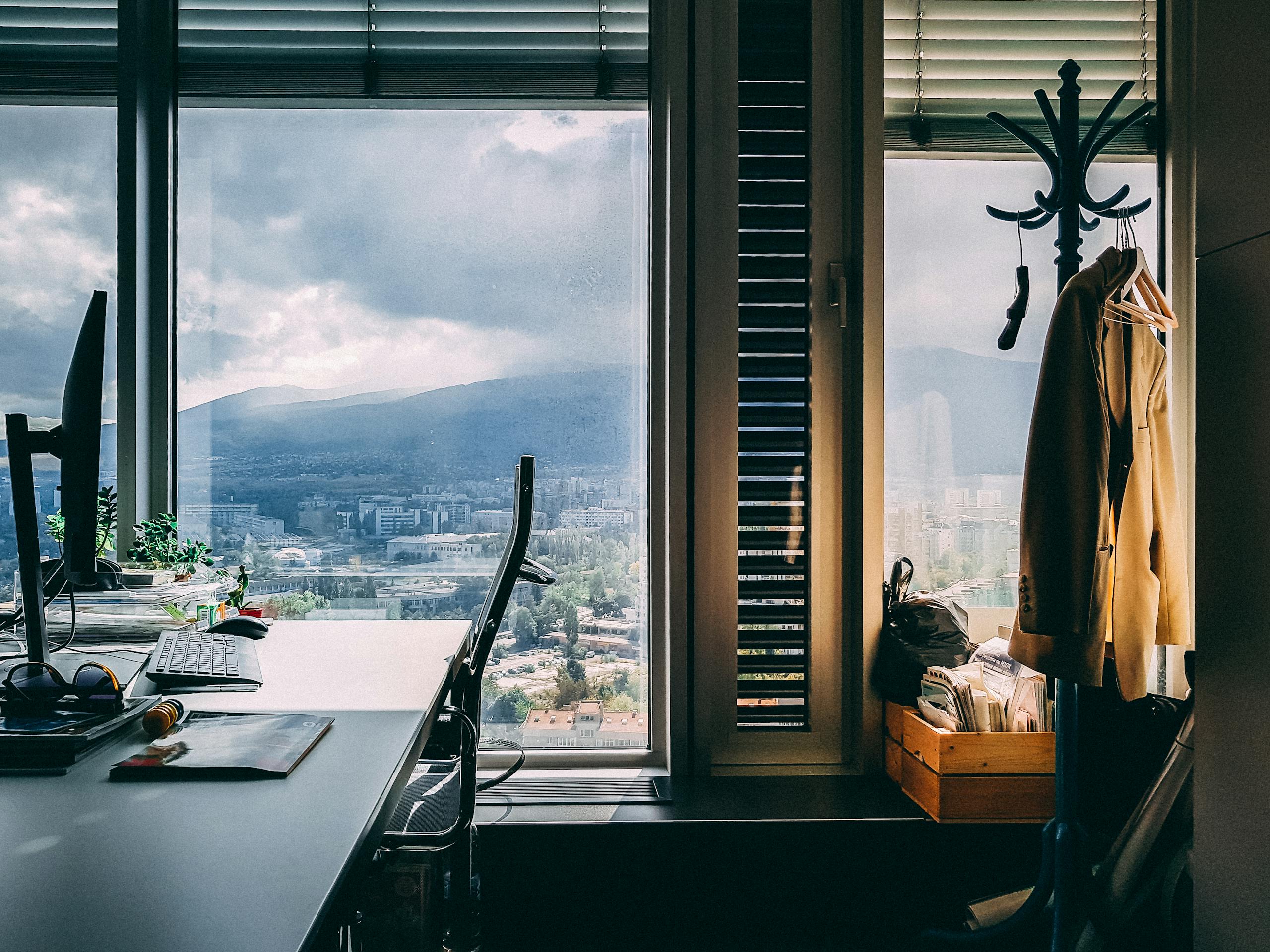
One argument consistently favors major cities: career opportunities concentrate in metropolitan areas. During my agency years, being in a major market meant access to Fortune 500 clients, industry conferences, and the networking events that supposedly built careers. Moving away from all that felt professionally risky.
What I discovered surprised me. The rise of remote work has fundamentally altered this equation for introverts. According to recent analysis of urban versus rural living costs, while urban median household incomes run approximately $14,000 higher than rural areas, the remote work revolution has made location increasingly irrelevant for many knowledge workers.
For introverts specifically, remote work eliminates many of the energy drains that came with traditional office environments in busy cities. No more exhausting open-plan offices, no more draining commutes surrounded by strangers, no more forced small talk in crowded elevators. If your career allows flexibility about where you work, the remote work lifestyle might make small town living genuinely viable where it once seemed impossible.
That said, some industries still require physical presence in specific locations. Early in your career, being near industry hubs might matter more for building connections and proving yourself. The networking opportunities that come naturally in major cities, while exhausting for introverts, can accelerate career development in ways that take longer to replicate elsewhere. The key is honestly assessing whether your specific career path requires that proximity, or whether the assumption that it does represents outdated thinking.
The Cost of Living Reality
Numbers tell an important story here. Housing costs in major metropolitan areas have reached levels that genuinely affect quality of life for many professionals. When half your income goes toward a small apartment with thin walls and noisy neighbors, the financial pressure adds another layer of stress to already overstimulating daily life.
In smaller communities, that same income often buys significantly more space, more privacy, and more control over your immediate environment. For introverts, space itself represents a form of wealth that money alone cannot fully capture. Having room to retreat, space for hobbies and quiet pursuits, and walls thick enough that you cannot hear your neighbors creates living conditions that support rather than undermine your temperament. Creating an introvert-friendly home sanctuary becomes much more achievable when housing costs leave room in your budget for thoughtful design.
However, the cost comparison is not entirely straightforward. Rural communities often require owning and maintaining vehicles since public transportation rarely exists. Healthcare access can mean longer drives to specialists. Entertainment options that do exist might require significant travel. These hidden costs deserve honest consideration rather than assuming that lower housing prices automatically mean lower overall expenses.
Social Connection and Community
One of the most counterintuitive discoveries I made after leaving the city was this: I actually developed closer friendships in a smaller community than I ever built during years in major metropolitan areas.
In big cities, the paradox of connection becomes apparent. Millions of people surrounding you does not automatically translate into meaningful relationships. The constant turnover of neighbors, the anonymity of crowds, and the sheer effort required to maintain friendships across vast urban distances often leaves city-dwelling introverts feeling isolated despite being surrounded by humanity.

Smaller communities operate differently. You see the same faces repeatedly at the grocery store, the coffee shop, the local events. This repetition creates familiarity that can gradually deepen into genuine friendship without requiring the exhausting effort of actively “networking” or scheduling formal social events. For introverts who prefer relationships that develop naturally over time, this organic approach to community often feels more sustainable.
Research from Washington University explored psychological differences between rural and urban residents, noting that while rural areas face challenges like limited access to mental health resources, they also offer distinct advantages in community connection and social support that can benefit psychological well-being.
The flip side deserves acknowledgment. Small communities can feel claustrophobic for introverts who value privacy above all else. When everyone knows everyone, maintaining boundaries becomes its own challenge. If your local community holds values significantly different from your own, the lack of diversity in perspectives can feel limiting. These considerations matter especially for introverts who already feel somewhat different from mainstream culture.
Mental Health Considerations
The mental health implications of this decision run deeper than most people realize. Living in an environment that constantly works against your natural temperament creates chronic low-level stress that accumulates over time. I did not fully understand how much the urban environment affected my mental state until I experienced life without that constant pressure.
A comprehensive analysis published in the Journal of Clinical and Translational Science highlighted significant mental health disparities affecting rural communities, particularly regarding access to professional mental health services. While urban environments offer more treatment options, they also create conditions that may increase the need for those services in the first place.
For introverts specifically, the equation involves weighing environmental stress against access to care. Living somewhere calm might reduce your baseline stress levels enough that you need less professional intervention. Alternatively, having easy access to therapy and psychiatry in urban areas provides a safety net for managing challenges when they arise. Finding what genuinely creates happiness and fulfillment as an introvert often means honestly examining these tradeoffs.
My own experience taught me that environment shapes mental health more profoundly than I once believed. The chronic overstimulation of urban life contributed to anxiety and exhaustion that I had normalized as simply part of adult professional life. Changing my environment did not solve all my challenges, but it removed one significant source of ongoing stress.
The Space to Think and Create
Introverts often do their best thinking and most creative work when given space and quiet. The ability to lose yourself in a project without constant interruption, to let ideas develop at their own pace without competing stimulation, represents a genuine advantage of less populated environments.
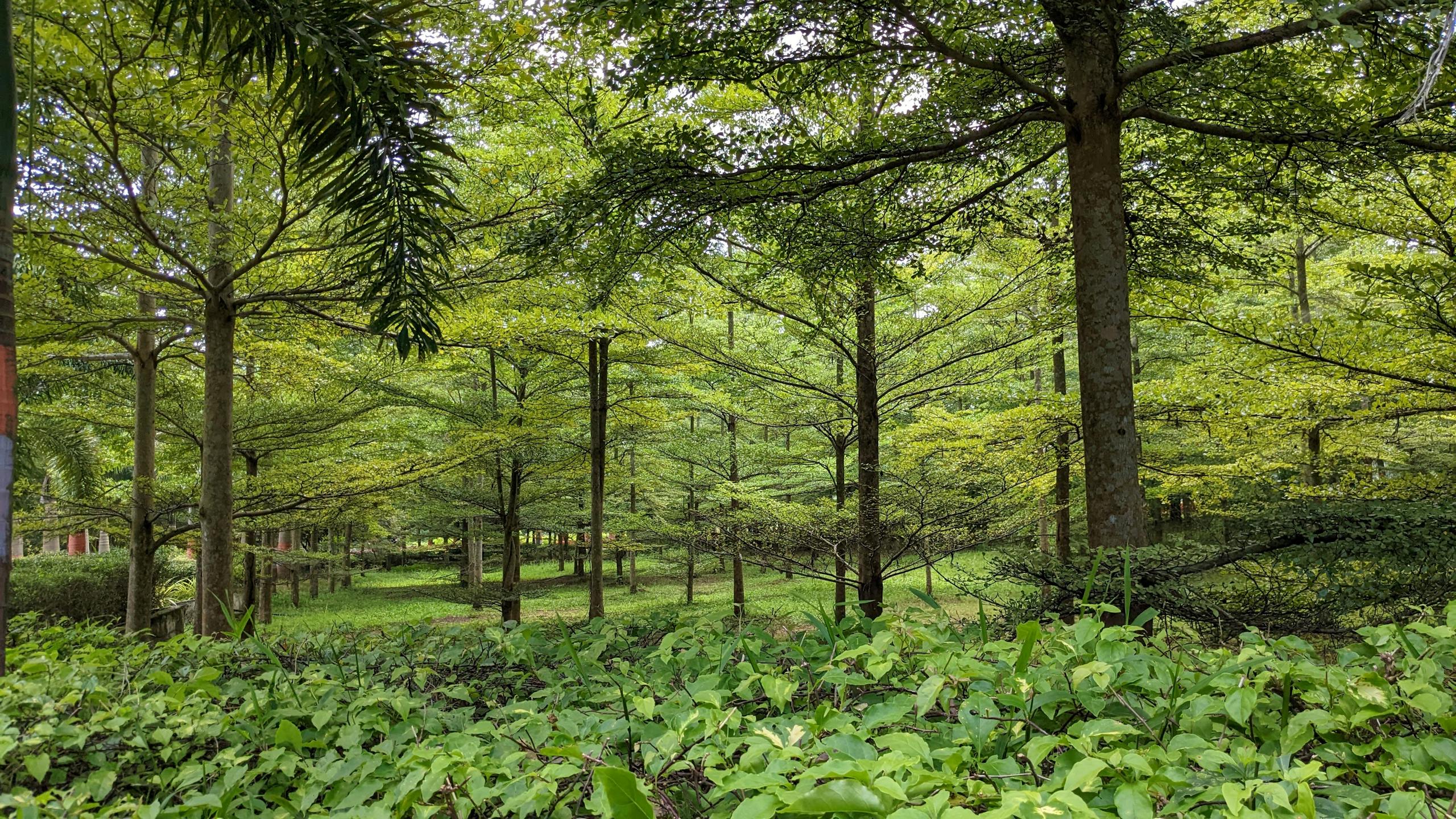
During my city years, I carved out creativity by working early mornings before the noise started or late nights after it finally quieted. These stolen hours produced my best work, but the constant battle against environmental interference exhausted resources that could have gone toward the work itself. Now, that quiet exists as the default rather than something I must fight to protect.
Access to nature also plays a role here. Urban parks offer green space, but the crowds often undermine the restorative benefits. In smaller communities, genuine solitude in natural settings becomes achievable without significant travel. For introverts who find restoration in nature, this easy access provides ongoing mental and emotional nourishment.
That creative space extends to personal pursuits beyond work. Hobbies that require space, whether woodworking or gardening or simply having room for a proper home library, become feasible when housing costs leave room for living rather than just existing. Maintaining healthy work-life balance becomes more natural when your environment supports rather than constrains your full range of needs.
Practical Factors for Your Decision
Moving beyond general principles, several practical considerations should inform this choice. Your career stage matters significantly. Early career professionals building expertise and reputation may benefit from urban proximity even if it costs energy. Mid-career and senior professionals with established expertise often have more flexibility to choose location based on lifestyle preferences.
Family situation plays a role as well. Schools, childcare options, and activities for children tend to concentrate in larger communities. Partners with their own career needs may require urban job markets. Extended family geography might make one option more practical than another regardless of personal preference.
Healthcare needs deserve serious attention. If you or family members require access to specialized medical care, proximity to major medical centers matters more than introvert preferences. Rural areas often struggle to attract and retain healthcare providers, as documented in studies examining urban versus rural mental health environments and access to care.
Consider also how you handle change and transition. Moving to a radically different environment requires adaptation energy that introverts may find particularly demanding. A gradual transition through suburbs or smaller cities might suit some temperaments better than a dramatic jump from Manhattan to rural Montana.

The Middle Path Worth Considering
The binary framing of this debate obscures an important reality: most people have more options than just “big city” or “tiny town.” Smaller cities and suburbs offer hybrid experiences that combine advantages of both extremes while mitigating some drawbacks.
You might also find small-city-living-best-of-both-worlds helpful here.
A city of 100,000 to 300,000 people often provides genuine cultural amenities, diverse job opportunities, and quality healthcare while maintaining a pace of life dramatically calmer than major metropolitan areas. You can find quiet neighborhoods within reasonable distance of everything you need. Research on small city living suggests these mid-sized communities often provide optimal conditions for introverts who want access without overwhelm.
Suburbs of major cities offer another middle ground. You gain proximity to urban amenities and job markets while living in residential environments with more space and less constant stimulation. The tradeoff involves commuting, which has its own costs and benefits. For some introverts, a predictable commute provides useful transition time between professional demands and personal sanctuary.
Making Your Choice Authentically
The most important thing I have learned through years of living in different environments is this: you get to make this choice based on what genuinely works for you, not what others expect or what society suggests successful people should choose.
For years, I stayed in environments that drained me because I believed professional success required enduring that drain. Only after stepping away did I realize how much unnecessary suffering came from fighting against my own nature rather than working with it. Developing meaningful self-care practices helped me recognize what my introvert nature actually needed to thrive.
Your ideal environment might look completely different from mine. Some introverts genuinely love urban environments for the anonymity, the cultural offerings, and the ability to disappear into crowds rather than standing out in small communities. Others, like me, find that smaller communities provide the foundation needed for everything else to work. Neither preference is wrong.
What matters is making this decision consciously rather than by default. Think honestly about what energizes you versus what depletes you. Consider not just where you can survive, but where you might actually flourish. Give yourself permission to prioritize your wellbeing alongside career considerations rather than assuming professional success must come at the cost of personal peace.
The place where you live shapes your daily experience more profoundly than almost any other single factor. Choose thoughtfully, and remember that choosing what works for your introvert nature is not settling for less. It is making room for more of what genuinely matters.
Frequently Asked Questions
Is it better for introverts to live in big cities or small towns?
There is no universal answer because individual needs vary significantly. Many introverts find small towns offer the quiet, space, and lower stimulation that supports their wellbeing. However, some introverts appreciate urban anonymity and cultural offerings. The best choice depends on your specific career needs, social preferences, and tolerance for environmental stimulation. Consider what genuinely energizes versus depletes you when making this decision.
How does cost of living compare between big cities and small towns?
Housing costs in major metropolitan areas typically run significantly higher than smaller communities, sometimes consuming half of household income or more. However, small towns often require vehicle ownership, may have limited healthcare access requiring travel, and offer fewer entertainment options. When comparing costs, consider the full picture including transportation, healthcare, and quality of life factors beyond just housing prices.
Can introverts build meaningful careers in small towns?
Absolutely, especially with the growth of remote work opportunities. Many knowledge workers now have flexibility about location, making small town living professionally viable where it once was not. That said, certain industries still concentrate in major cities, and early career professionals may benefit from urban networking opportunities. Honestly assess whether your specific career path requires urban proximity before deciding.
Will I feel isolated living in a small town as an introvert?
Many introverts actually find deeper connections in smaller communities where relationships develop organically through repeated interaction rather than formal networking. The paradox of urban living is that being surrounded by millions of people does not automatically create meaningful relationships. However, small communities with values significantly different from your own can feel constraining. Consider the specific community culture, not just population size.
What about the middle ground between big cities and small towns?
Smaller cities with populations between 100,000 and 300,000 often provide an ideal balance for introverts. These communities typically offer cultural amenities, quality healthcare, and diverse employment options while maintaining a calmer pace than major metropolitan areas. Suburbs of larger cities represent another middle option, providing residential quiet within proximity to urban resources. These hybrid environments deserve serious consideration alongside the extreme options.
Explore more lifestyle resources in our complete General Introvert Life Hub.
About the Author
Keith Lacy is an introvert who’s learned to embrace his true self later in life. With a background in marketing and a successful career in media and advertising, Keith has worked with some of the world’s biggest brands. As a senior leader in the industry, he has built a wealth of knowledge in marketing strategy. Now, he’s on a mission to educate both introverts and extroverts about the power of introversion and how understanding this personality trait can unlock new levels of productivity, self-awareness, and success.